

 Follow
 Rekomendasi
12 Time Travel Themed Movies to Fix Mistakes, Most Exciting Drama & Action
A complete list of recommended time travel themed movies to fix mistakes. Synopsis reviews, cast, and relevant latest film categories for Indonesian viewers.
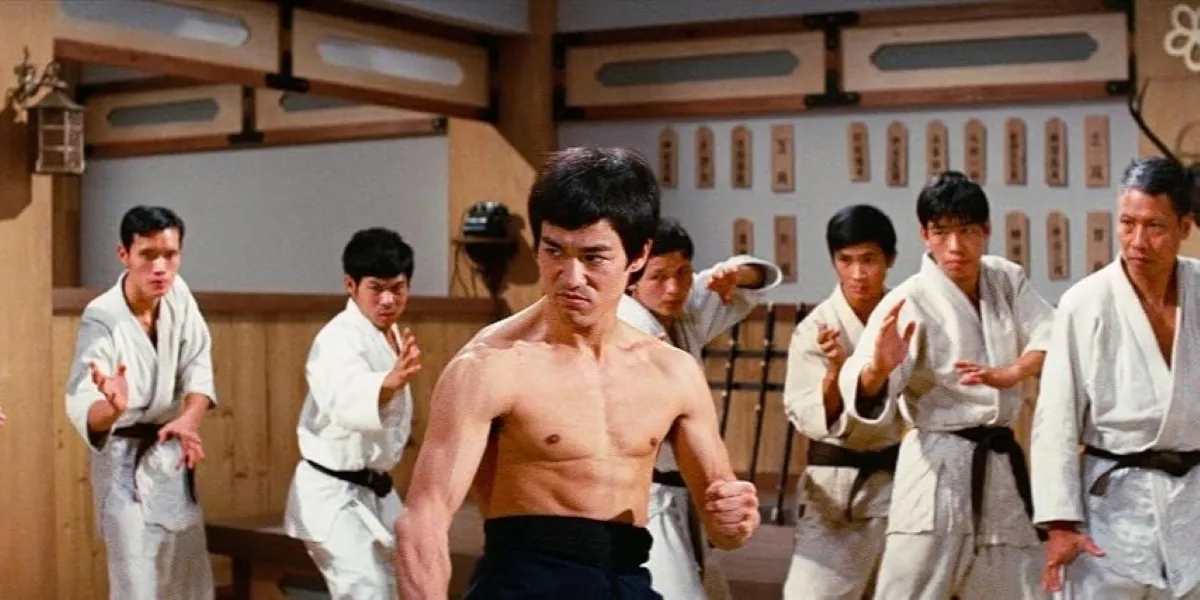
Kapanlagi.com - The genre of Chinese Kungfu films always holds a special place in the hearts of audiences across generations. From bare-handed movements to sword fights, each action scene presents a rhythm rarely found in other genres. It's not just about punches and kicks; the stories behind them often touch on themes of struggle, honor, and the search for identity.
Names like Bruce Lee, Jackie Chan, and Jet Li are figures who have elevated this genre to the world stage. Action without excessive effects, combined with mature choreography, ensures their works are still rewatched even decades later. Some of their scenes are still referenced by modern action choreographers.
Here is a list of the best Chinese Kungfu films of all time that deserve a spot on your watchlist, ranging from classic works of the 1970s to modern productions. This list is compiled by KapanLagi.com from various sources, Saturday (1/8/2026). Let’s take a closer look at the full review below.
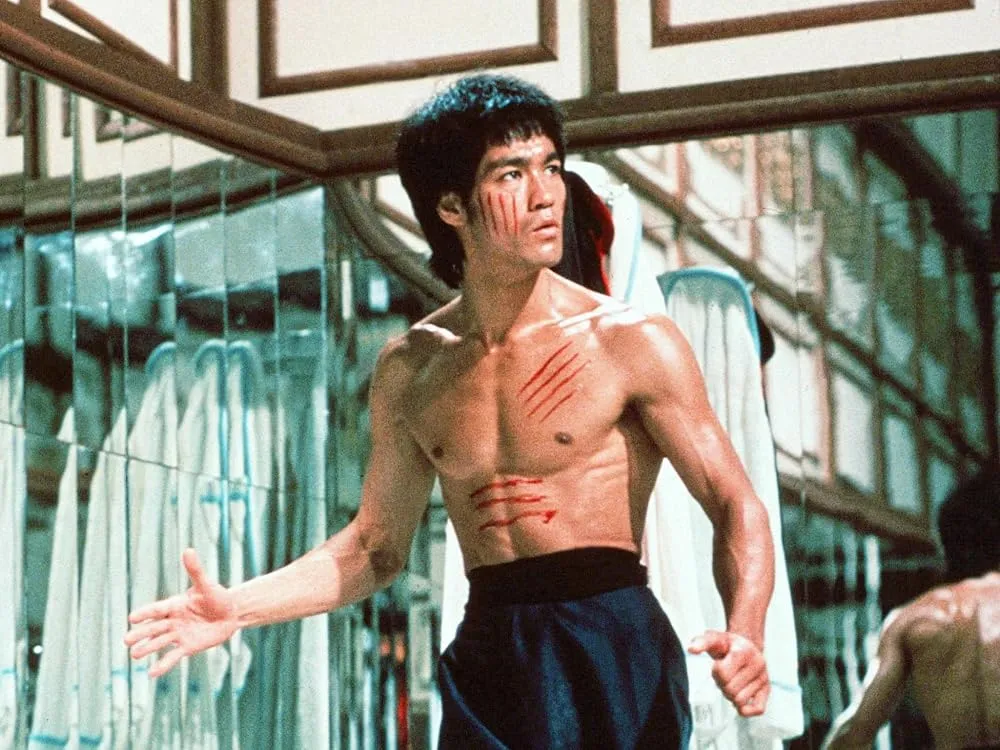
Enter the Dragon (1973). (Image: IMDb)
Enter the Dragon is one of the most influential films ever starring Bruce Lee. In this film, the legendary actor plays an agent who infiltrates a martial arts tournament on a remote island for a secret mission. The tournament turns out to be a cover for a crime syndicate run by the host named Han, with John Saxon and Jim Kelly rounding out the other participants.
This film became Bruce Lee's last project before he passed away and is considered to have paved the way for Chinese Kungfu films to enter the international market. The unarmed combat movements he showcased here are still studied by martial arts practitioners to this day, including the fight scene with mirrors which has become one of the most memorable scenes in action film history.
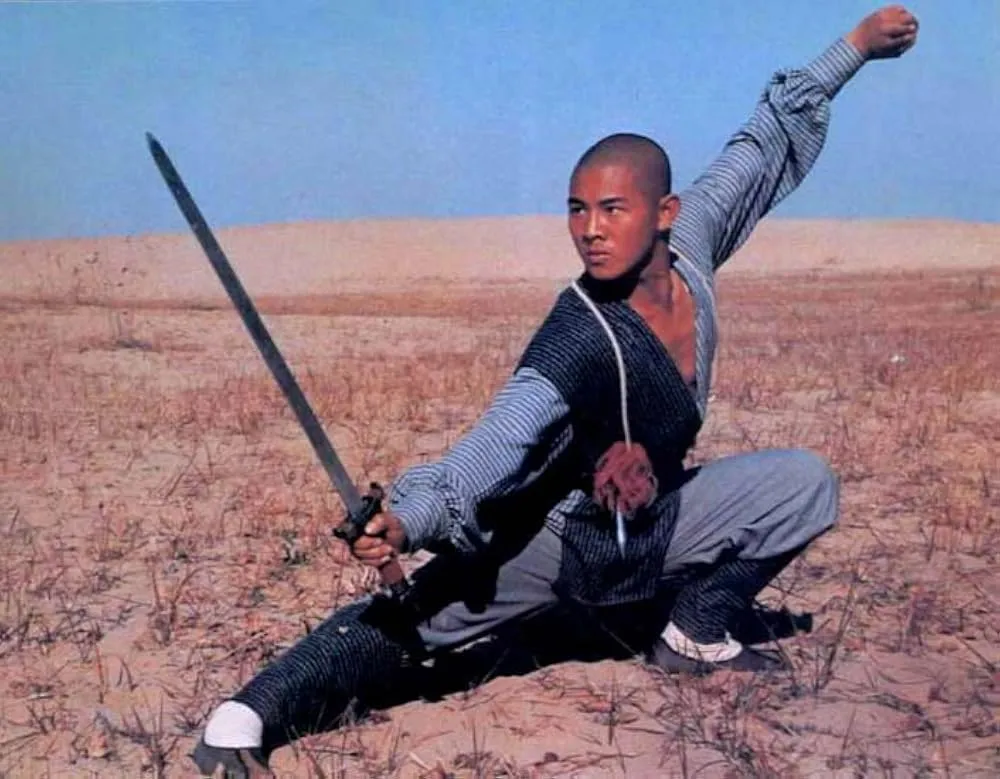
The Shaolin Temple (1982). (Image: IMDb)
Set in the late dynastic period in China, this film marks Jet Li's feature film debut and introduces him to the public as the successor of a new generation of Chinese action stars. The story follows a young man who loses his father due to the cruelty of a general, then takes refuge in the Shaolin Temple to learn kungfu from the monks.
The training scenes filmed on location at the actual temple make this film feel different from typical studio productions. Jet Li's movements, as a teenager at the time, display a strong foundation in wushu, which also helped spark global interest in traditional Chinese martial arts in the years to come.
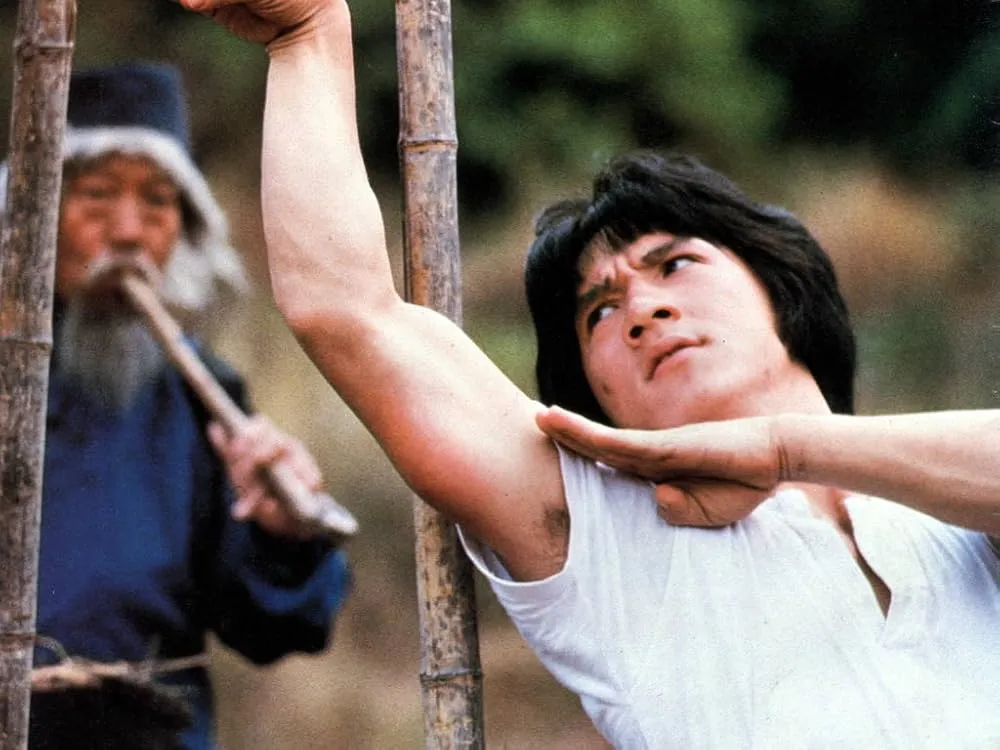
Snake in the Eagle's Shadow (1978). (Image: IMDb)
In this film directed by Yuen Woo-Ping, Jackie Chan plays the role of an orphan who often becomes a target at the martial arts school where he works as a janitor. His fate changes after meeting an old master, played by Yuen Siu-tien, who secretly teaches him the snake style to face the threats from the eagle faction led by Hwang Jang-lee.
The strong comedic elements are the main distinguishing feature of this film from most action movies of its time. The combination of funny movements and serious fighting techniques showcases Jackie Chan's distinctive style, which would become a hallmark in many of his subsequent projects, including how he utilizes surrounding props during fights.
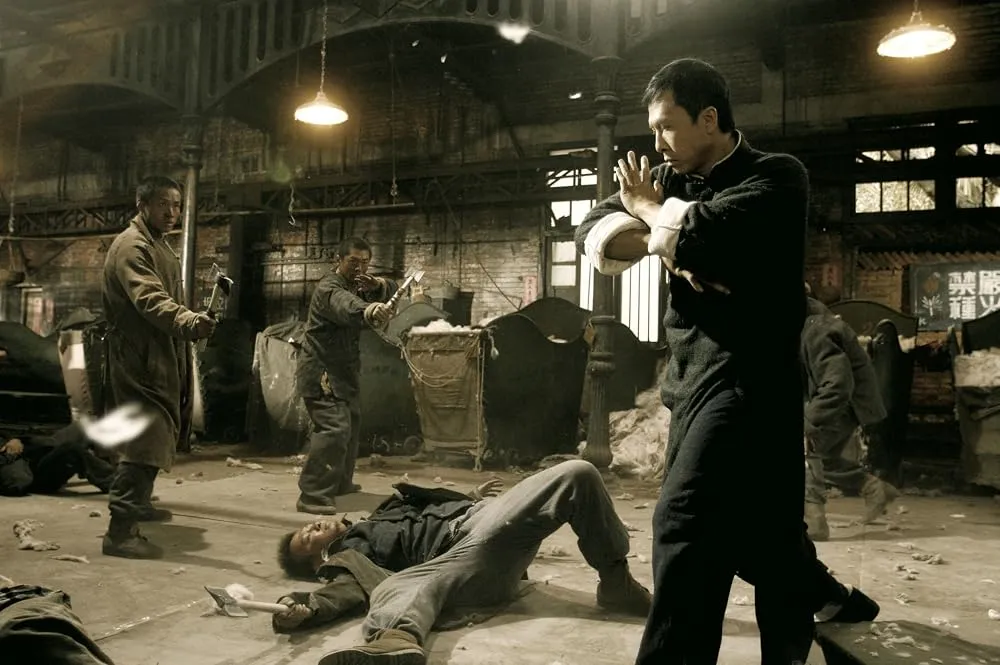
Ip Man (2008). (Image: Mandarin Films)
Set against the backdrop of the Japanese occupation in Foshan, this film features Donnie Yen as Ip Man, a Wing Chun master whose life is drastically changed due to the war situation. From a once comfortable and calm figure, he must face the bitter reality to protect his family and neighbors, including his wife portrayed by Lynn Hung.
The one against many fights that appear in several scenes have become some of the most memorable for the audience. The historical backdrop gives emotional weight to every action scene, making this film not just about martial arts techniques, but also about how one maintains dignity in difficult situations.
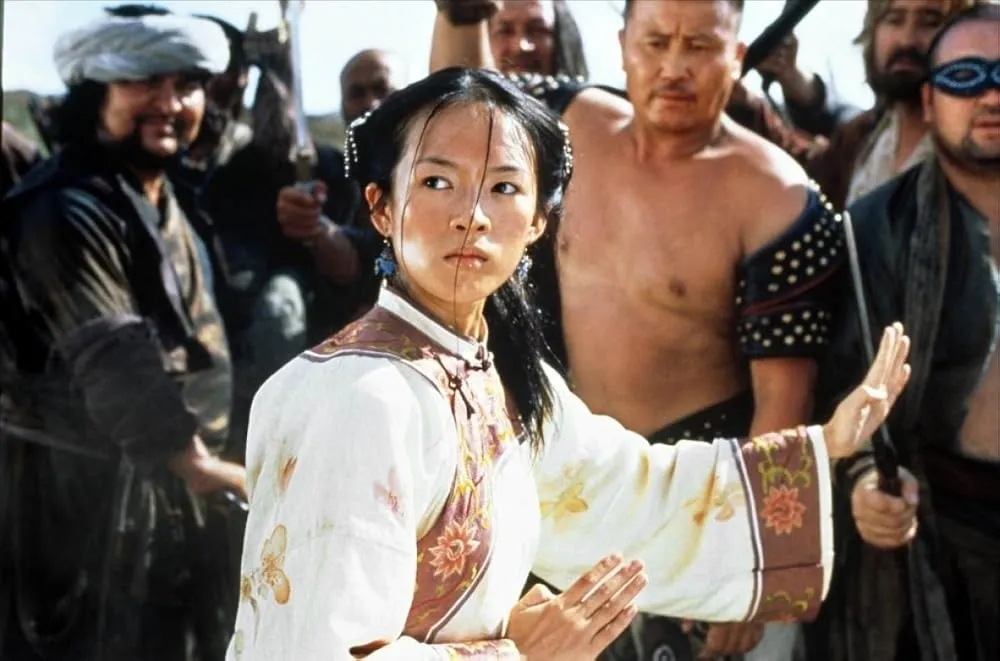
Crouching Tiger, Hidden Dragon (2000). (Image: IMDb)
This wuxia-style kung fu film brings together two legendary Asian action stars, Chow Yun-fat and Michelle Yeoh, as two warriors involved in the quest for a legendary sword called Green Destiny. Zhang Ziyi appears as a noblewoman with hidden martial arts skills, whose decisions significantly change the overall direction of the story.
The wuxia style, with movements soaring above rooftops and the tips of bamboo trees, gives a different feel compared to typical kung fu films. This film is also noted as one of the Mandarin-language productions that won an Oscar, paving the way for other Asian films to enter the international awards stage.
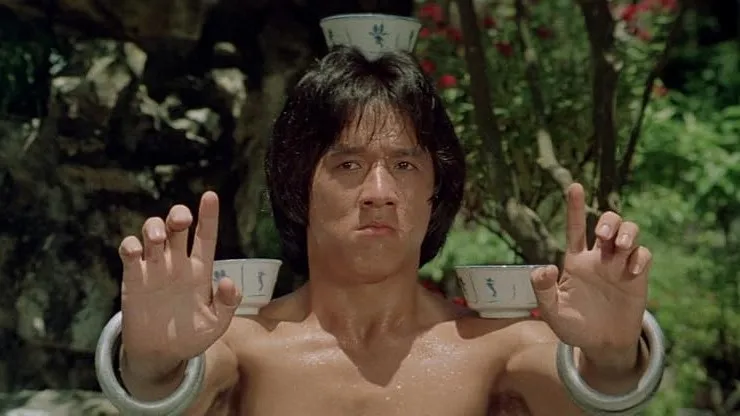
Drunken Master (1978). (Image: IMDb)
In this film, Jackie Chan reunites with Yuen Siu-tien in the story of a young Wong Fei-hung who is sent by his father to learn discipline from an eccentric master. The master teaches the drunken boxing style, a technique that relies on unexpected movements resembling a drunken person.
The training, which initially feels torturous, becomes the main weapon when Wong Fei-hung has to face a hired assassin at the end of the story. The combination of humor and unique fighting techniques makes this film often referred to as one of the milestones in Jackie Chan's career in the action film industry.
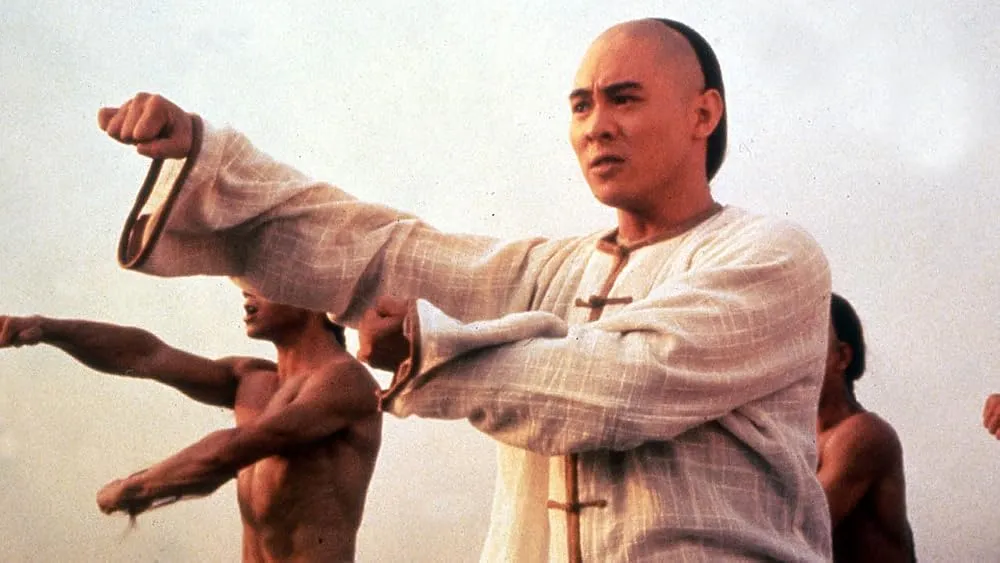
Once Upon a Time in China (1991). (Image: IMDb)
Set against the backdrop of foreign influence entering China in the late 19th century, this film features Jet Li as Wong Fei-hung once again. Rosamund Kwan plays Aunt Yee, who brings a new perspective from abroad, while Wong Fei-hung strives to protect the surrounding community from various pressures that come along.
The fight choreography, which involves long staffs and bamboo ladder formations, is one of the main highlights of this film. In addition to the fight scenes, the film also incorporates cultural turmoil as old traditions confront the changes of the times, making the story feel deeper than just a typical action spectacle.
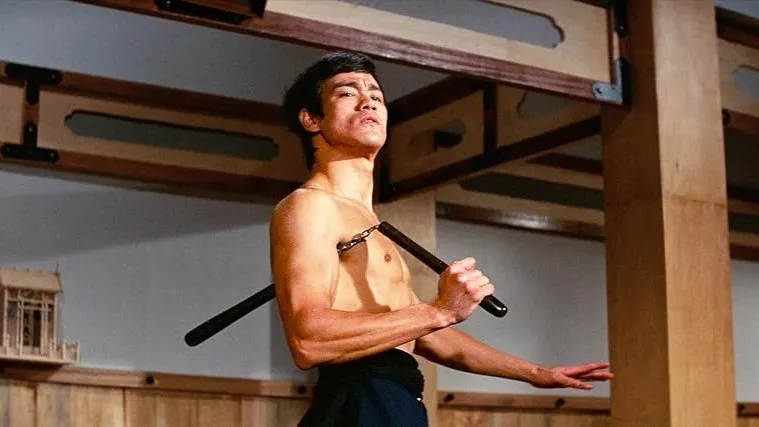
Fist of Fury (1972). (Image: IMDb)
Set in Shanghai during the foreign occupation, this film features Bruce Lee as a student who returns home to find his master dead under suspicious circumstances. The suspicion leads to a Japanese dojo that often belittles Chinese people at that time, triggering a series of tense confrontations throughout the film.
Bruce Lee's scene of smashing a board with a sign prohibiting Chinese people and dogs from entering certain areas has become one of the most memorable moments in Asian film history. Nora Miao also stars as the main character's love interest, adding an emotional layer amidst the intense revenge scenes.
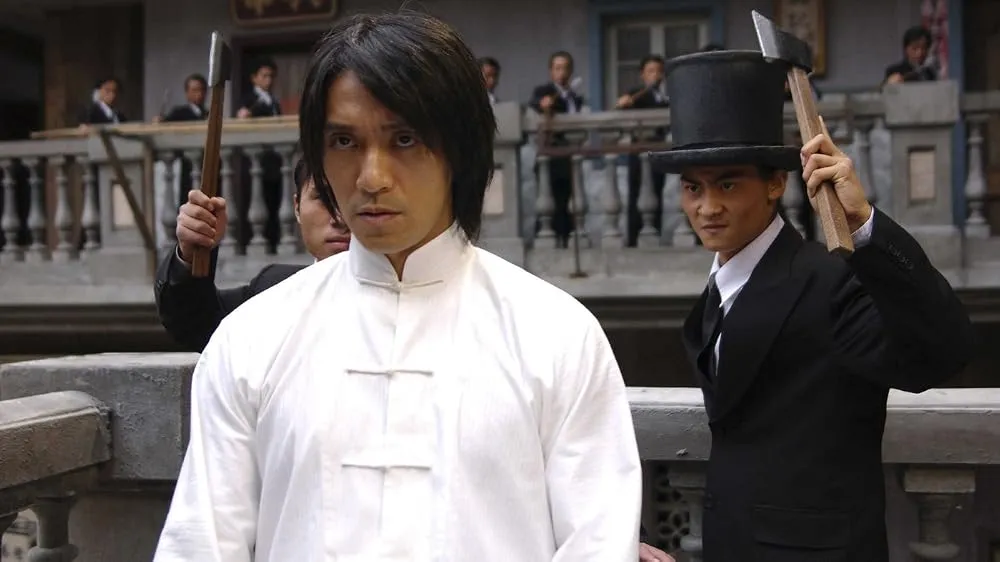
Kung Fu Hustle (2004). (Image: IMDb)
In this film, Stephen Chow directs and stars in the story of a small man who aspires to join a criminal gang called the Axe Gang. His plans go awry when he accidentally enters a slum neighborhood called Pig Sty Alley, where the residents possess unexpected martial arts skills.
The blend of absurd comedy and exaggerated visual effects makes this film feel different from other classic kung fu films. Each character, from the landlord to the noodle vendor, has their own surprises, keeping the plot filled with unexpected moments until the very end.
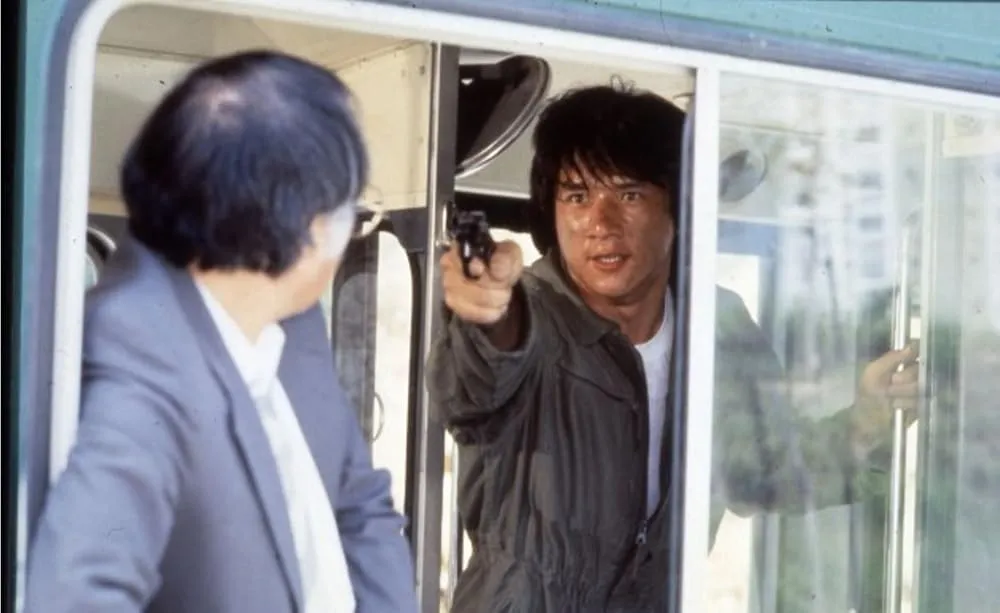
Police Story (1985). (Image: IMDb)
Set in modern-day Hong Kong, this film features Jackie Chan as a police officer assigned to protect a key witness in a major drug case. Maggie Cheung plays his girlfriend, who often gets caught in dangerous situations due to the protagonist's job, while Brigitte Lin plays the slippery crime syndicate boss.
The action scene in the multi-level shopping mall, complete with falling lights as Jackie Chan slides down a tall pole, is one of the most famous scenes in Chinese action films. The stunts performed without digital effects showcase the real risks taken to deliver convincing action.
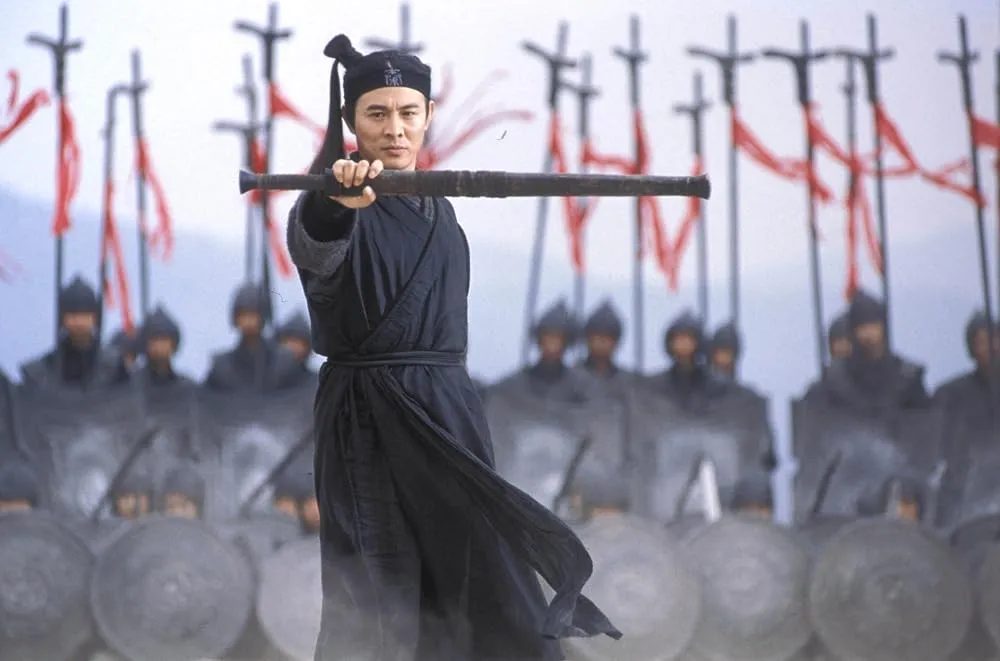
Hero (2002). (Image: IMDb)
In this film, Jet Li takes on the role of an assassin recounting his story to King Qin, about how he managed to defeat three dangerous assassins. Tony Leung, Maggie Cheung, and Zhang Ziyi fill the roles of these assassins, each with different backgrounds and motivations.
Each version of the story told by the main character is marked by a different color scheme, ranging from red, blue, to white, giving this film a distinctive visual identity. This layered storytelling style requires the audience to piece together the truth behind each version of the tale being told.
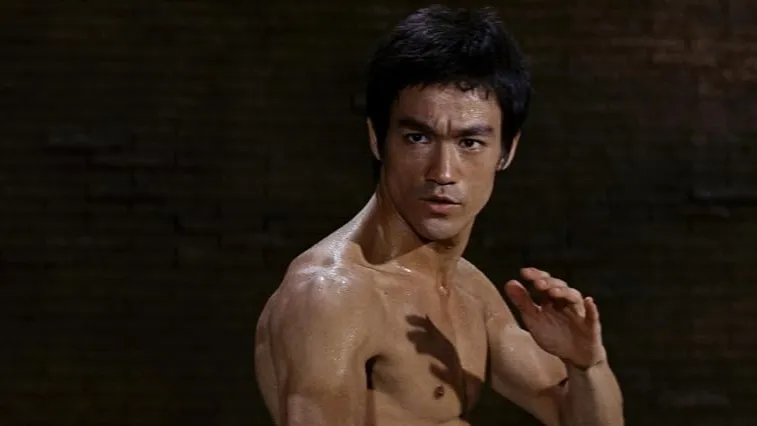
The Way of the Dragon (1972). (Image: IMDb)
This legendary Kungfu film brings together two legends of action film, Bruce Lee and Chuck Norris, although they only meet directly in the climax scene. Bruce Lee plays Tang Lung, a man from Hong Kong who goes to Rome to help his relatives face threats from a local criminal group, as their family restaurant is repeatedly terrorized.
The climactic fight in the ruins of the Colosseum against Chuck Norris is the most memorable part of this film. The two different fighting styles clash in a rhythm that feels real, making the scene one of the most talked-about duels in the history of Chinese martial arts films.
What is the first widely recognized Kungfu Chinese film in the world? Enter the Dragon is often referred to as the film that paved the way for Kungfu Chinese films to enter the international market, especially through the figure of Bruce Lee as the main actor.
Who are the most well-known Kungfu Chinese film actors? Names like Bruce Lee, Jackie Chan, Jet Li, and Donnie Yen are most often mentioned as the main faces of this genre across various generations.
What is the difference between kungfu films and wuxia films? Kungfu films generally showcase realistic martial arts techniques, while wuxia adds fantastical elements such as the ability to fly and powers beyond human comprehension.
Which Kungfu Chinese films are suitable for beginner viewers? Ip Man and Kung Fu Hustle are often recommended because of their easy-to-follow storylines without compromising the quality of the action scenes.
Are the stories in these films based on real events? Some, like Ip Man and Once Upon a Time in China, are inspired by real figures, although the story details still incorporate fictional elements for dramatic purposes.
(kpl/bim)
Cobain For You Page (FYP) Yang kamu suka ada di sini,
lihat isinya
A complete list of recommended time travel themed movies to fix mistakes. Synopsis reviews, cast, and relevant latest film categories for Indonesian viewers.
Adventure films always manage to captivate audiences with thrilling stories and stunning visuals. Discover the best adventure movies of all time, from Indiana Jones to Avatar.
Get ready to be shocked! Explore the list of the best thriller films known for their unexpected plot twists, from classic 90s to stunning recent works.
Although filled with thrilling scenes and exciting action, these films still incorporate positive values that can be enjoyed by all ages. Let's find recommendations that suit your desires.
Action movies now not only offer thrilling chase scenes or intense fights, but are also wrapped in warm stories, light humor, and adventures that make the movie night atmosphere even more lively. Let's find your choices here.
Joe Taslim shared his pride as Jakarta became part of the global tour of MORTAL KOMBAT II. Read more here!
MORTAL KOMBAT II presents a grand tournament, new character Johnny Cage, and brutal battles to protect Earthrealm from the threat of Shao Kahn. Read more here!
Before becoming iconic superheroes in the MCU, these actors had already appeared in cool films that are even considered masterpieces of cinema.
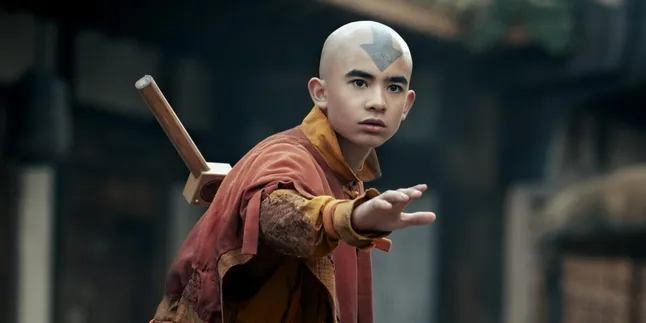
The live-action series AVATAR: THE LAST AIRBENDER has finally announced the release date for Season 2, complete with the latest visuals that have fans even more excited.
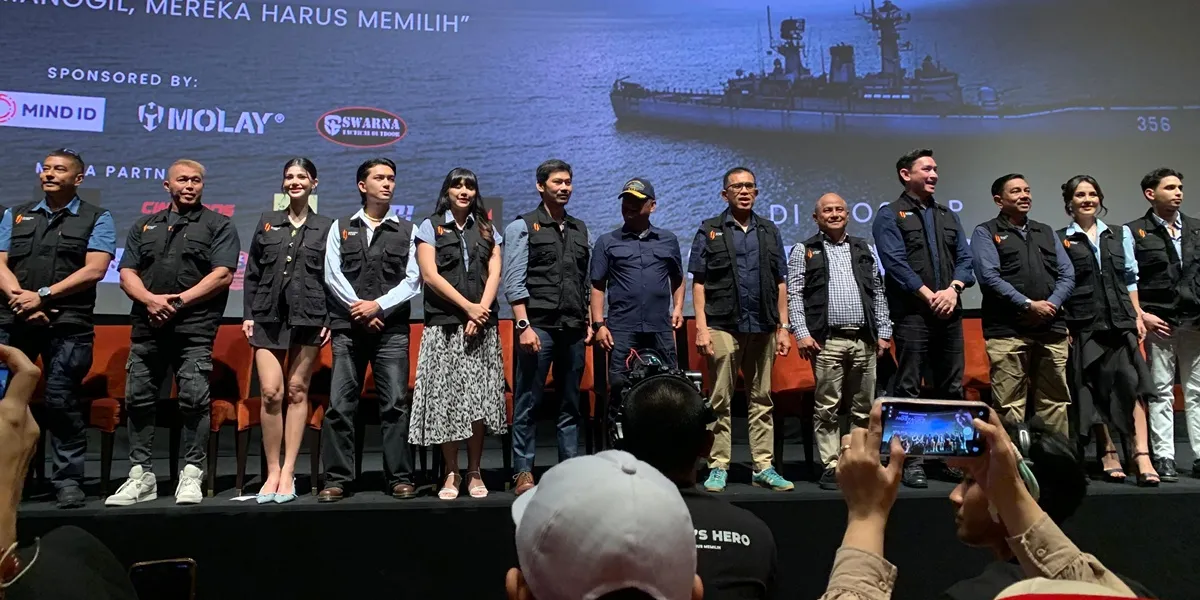
The heroic actions of the Indonesian Navy in the Malacca Strait are brought to the film 'The Hostage's Hero', with Donny Alamsyah ready to light up the big screen.
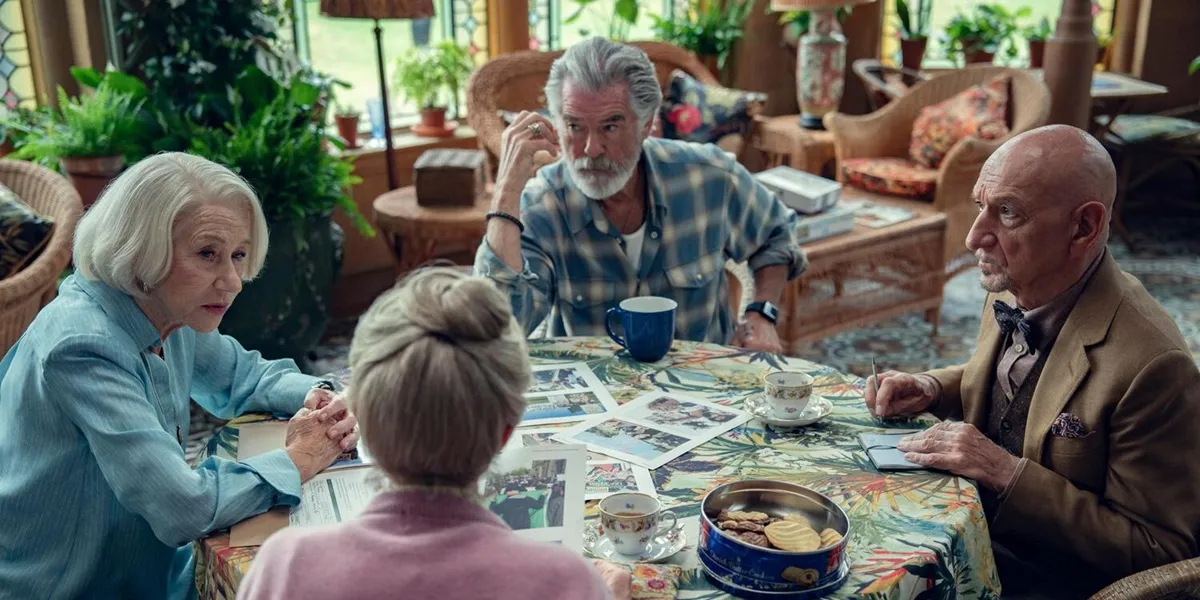
A list of Netflix films adapted from classic novels to bestsellers that you must watch.
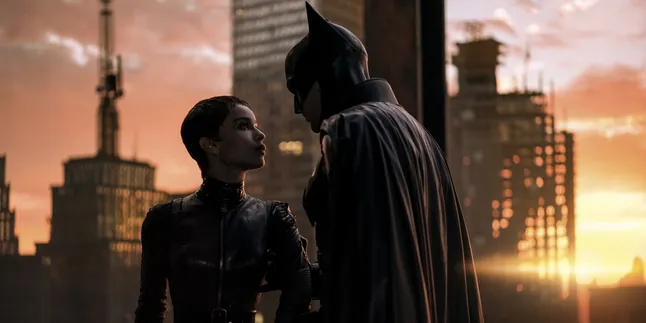
Discover a list of exciting action movie recommendations to watch over the weekend. Check the list here, KLovers.
