

 Follow
 Rekomendasi
9 Fruit Trees That Are Less Likely to Attract Bats, Suitable for Planting in Home Gardens
Choosing fruit trees with certain aromas and characteristics can help reduce the risk of bat disturbances during the harvest season. Here are nine options.
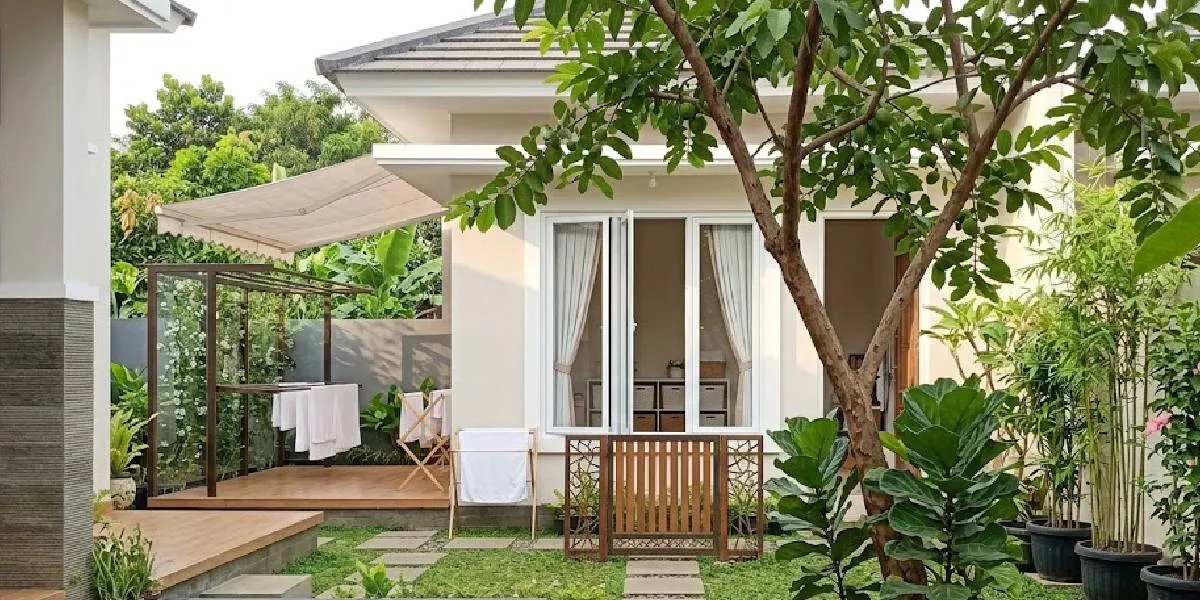
Kapanlagi.com - Determining the location of the drying area is often a challenge when arranging a home. On one hand, clothes need exposure to sunlight and airflow to dry quickly. On the other hand, the visible presence of a drying rack often makes the backyard lose its neat impression.
Therefore, many homeowners are starting to look for ways to keep the service area functioning optimally without compromising the aesthetic value of the residence. With the right choice of position, materials, and partition elements, the drying area can blend with the home's design so that it does not become the focal point.
Here are some inspirations for arranging the backyard drying area that can be applied to minimalist homes or homes with limited space.
One of the simplest ways is to place a drying area behind a wooden lattice partition. This solution can reduce direct visibility towards the drying area without making it feel completely enclosed.
To ensure good airflow, use wooden slats installed vertically with a gap of about 2 to 4 centimeters. The gaps still allow wind to enter, so the clothes receive the necessary circulation during the drying process.
To make it more cohesive with the house design, choose a natural wood color or dark brown finish. The area in front of the partition can also be beautified with warm-toned wall lights and some ornamental plants, making it look like part of the garden landscape.
Another option is to build a partition wall specifically designed to separate the service area from the backyard. This method is widely applied in modern-style homes as it provides a dedicated space for washing and drying activities.
A wall height of about 180 to 200 centimeters is considered sufficient to hide drying clothes from outside view. In addition to serving as a divider, materials such as exposed brick, perforated blocks, or natural stone can also add a decorative touch.
To prevent the space from feeling stuffy, the top of the wall can be opened up or combined with concrete perforated blocks. This way, air circulation remains smooth, allowing clothes to dry faster without compromising privacy.
A pergola not only serves as a decorative element in the garden, but it can also be used to disguise the drying area. The presence of climbing plants helps divert attention, making the service area blend more seamlessly with the surrounding environment.
The pergola structure can be made from lightweight steel, hollow iron, or wood that is resistant to weather changes. After that, add climbing plants such as bougainvillea, bridal veil, or morning glory to gradually cover the top.
In addition to providing a greener impression, plants also help reduce heat in the backyard. As a result, the washing and drying space feels more comfortable to use without losing its primary function.
If the house has a laundry room, storage, or outdoor bathroom, utilize the area behind the building as a drying location. This position makes the drying area not directly visible from the garden or family gathering areas.
This placement also makes laundry activities more practical. After the clothes are washed, the process of moving them to the drying area can be done without having to pass through the main yard of the house.
To enhance comfort, add a walkway made of natural stone or paving blocks leading to the drying area. In addition to making access safer when the floor is wet, this detail also helps the service area look more organized.
The drying area still needs protection when it rains. One of the commonly chosen materials is frosted polycarbonate roofing, as it allows sunlight to pass through while protecting clothes from rainwater.
White or opal-colored polycarbonate also helps to obscure the contents of the drying area when viewed from multi-story buildings or neighboring houses. Additionally, it is lighter than glass, making installation relatively easier.
To achieve a more modern look, combine this material with a black or dark gray iron frame. This combination results in a drying area that remains bright, clean, and in harmony with the minimalist design of the house.
For homes with a spacious backyard, a plant fence can be an alternative to hide the drying area. In addition to serving as a visual barrier, plants also bring a greener atmosphere.
Choose types of plants that grow densely, such as Japanese bamboo, red shoots, tea plants, or various shrubs. With a height of about 150 to 200 centimeters, these plants are sufficient to reduce direct views into the drying area.
The presence of plants also makes the yard feel cooler and more lush. As they serve as both landscape elements and barriers, service areas can be obscured without the need to build additional walls.
Homes with limited land can still have a practical drying area by using a foldable drying rack on the wall. When in use, the frame can be opened as needed, and then folded back after the clothes are removed, so it does not permanently take up space.
This model is suitable for installation on the side of the house or in narrow service areas. When not in use, the backyard still feels spacious, making it comfortable for various family activities.
For durability, choose a drying rack made of aluminum or rust-resistant steel. These materials have good resistance to weather changes and are not easily corroded even when used for a long time.
In modern homes, the presence of an inner courtyard is generally utilized as a source of natural light. One corner of this open space can also function as a drying area without compromising the overall appearance of the house.
Its placement should ideally be on the side that is not directly visible from the living room or family room. To maintain privacy, add tall plants or lightweight partitions as visual barriers.
With this arrangement, clothes can still receive sunlight and adequate air circulation, while the appearance of both the interior and the yard remains clean and organized.
(kpl/mda)
Cobain For You Page (FYP) Yang kamu suka ada di sini,
lihat isinya
Choosing fruit trees with certain aromas and characteristics can help reduce the risk of bat disturbances during the harvest season. Here are nine options.
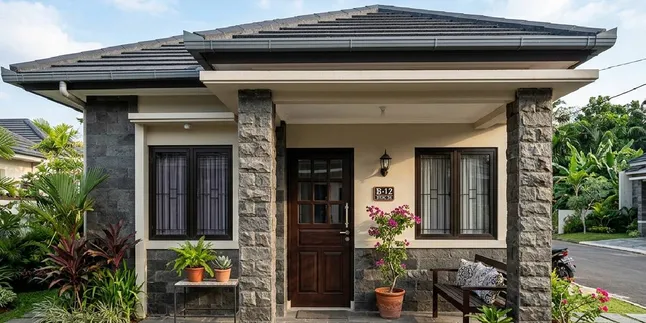
A touch of natural stone can make a type 36 house terrace look neater, more comfortable, and characterful without the need for major renovations. Let's take a look at the designs.

Saving at home can be the first step in building a healthier financial condition. Check out how to devise an effective and easy-to-implement saving strategy.

A modestly sized terrace can still feel green and comfortable like a garden. The arrangement of plants, furniture, and lighting are some key elements that can be applied.

A series of recommendations for Indonesian horror movies on Netflix from 2024 to 2026 presents stories of witchcraft, legends, and zombies with a strong local atmosphere.

Recommendations for 17 romantic Chinese dramas on Netflix from 2016–2026, ranging from campus stories, fantasy, to popular and widely watched adult romances.

10 children's movies with themes of science, space, robotics, and educational discoveries from Mars to NASA robots for stimulating children's logic and imagination. Let's take a look.

Looking for animal animation movies for kids? These eight recommendations present exciting stories with messages about friendship, courage, family, and tolerance.

From Colony to The Odd Family: Zombie on Sale, this list of Korean zombie films presents action, horror, comedy, and drama all in one viewing list.

Looking for romantic dramas on Netflix? Here are 15 drama options with love stories, comedy, fantasy, and healing that can be added to your watchlist.
A home terrace can feel cooler with the selection of heat-resistant shrubs. Check out six design inspirations along with tips on arranging them for comfort.

Learn how to save in mutual funds from the basics to routine investment strategies, complete with product options, benefits, and risks that need to be understood.
