

 Follow
 Rekomendasi
The Colorful Celebration of Jazz Gunung Slamet 2026, Mocca as a Sweet Closing
Curious about the excitement of Jazz Gunung Slamet 2026? Let's check out the review below.
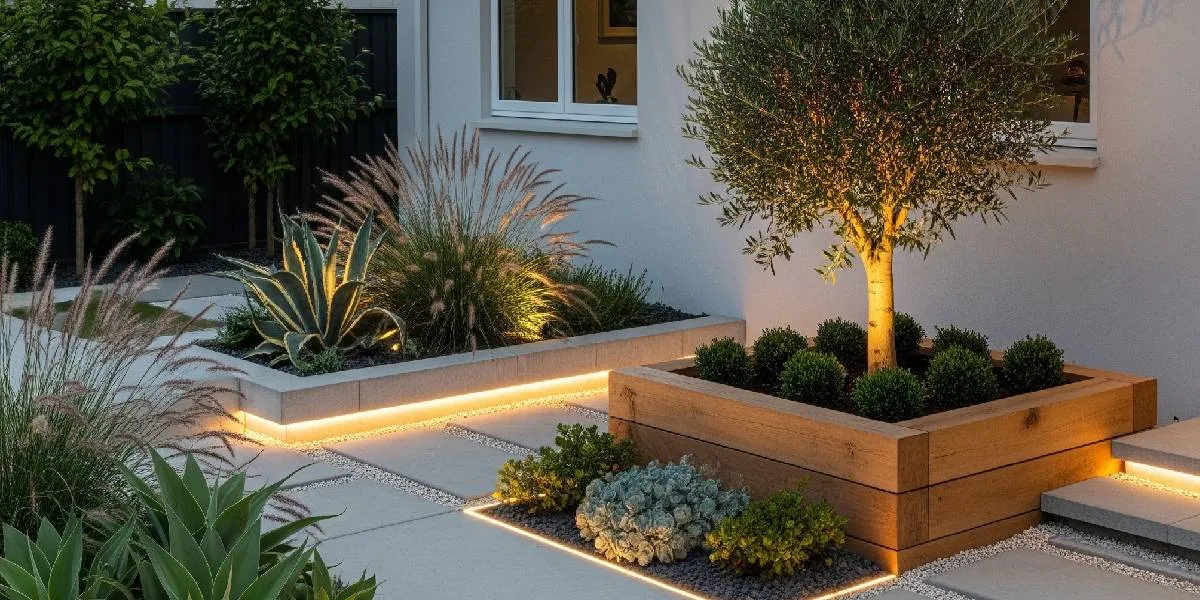
Kapanlagi.com - Having a green and well-arranged front yard is a desire for many people. However, busy routines often make consistent garden maintenance difficult. Therefore, low-maintenance front yard designs are increasingly chosen to create a beautiful atmosphere without requiring excessive attention every day.
The key lies in the selection of plants, materials, and proper layout. With the right combination, the front area of the house remains attractive throughout the year, even with only simple maintenance.
Here are some design inspirations that you can consider.
One of the widely used concepts is a garden dominated by hardscape. Hardscape refers to non-living elements in the landscape, such as walkways, patios, gravel areas, and low walls.
According to Landscaping Network, hardscape includes various non-living elements used in landscape design. The use of these hard materials helps reduce the size of the planting area, thereby decreasing the need for watering, pruning, and weeding.
To maintain a green atmosphere, some plant pots or small planting areas can be added. Choose plants that are known to be easy to care for so that the balance between hard elements and plants is maintained without increasing maintenance burdens.
A rock garden or rock garden is another effective choice for homeowners who want a simple garden. This concept combines rocks of various sizes, gravel, and plants that are resistant to dry conditions.
Plants such as succulents, cacti, and some types of ornamental grasses are very suitable. Mary Ellen Ellis mentions that drought-resistant plants generally require far less maintenance compared to other plants that need regular watering.
In addition to enhancing the visual appearance, using gravel as mulch also helps suppress weed growth and retain soil moisture. Thus, the frequency of watering can be reduced.
For areas with relatively low rainfall, the xeriscape concept can be a solution. This approach focuses on using plants that require little water, thereby reducing the need for additional irrigation.
In addition to helping save water, xeriscape gardens also reduce the time needed for routine maintenance. Its main principles include careful planning, appropriate plant selection, use of mulch, and efficient irrigation systems.
For more optimal results, native plants from the local area can be the primary choice. Local plants have generally adapted to the climate and soil conditions, allowing them to thrive with relatively minimal care.
Homeowners with limited front yard space may consider modular container gardens. This concept utilizes pots or containers as the main planting medium, making it more flexible in arrangement.
Better Homes & Gardens explains that container gardens have the advantage of ease in changing the position of plants as needed. Pots can be moved during extreme weather or when rearrangement is necessary.
Ornamental grasses, succulents, and small shrubs are among the suitable plant choices for this design. Fine Gardening suggests that plants in one container have similar light and water needs, making the maintenance process easier.
Using native plants is also a widely recommended strategy for low-maintenance gardens. This type of plant naturally grows in certain areas and has adapted to the local environment.
Because they are suited to the local climate and soil types, their needs for water, fertilizer, and pesticides are usually lower compared to non-native plants. This helps reduce maintenance work in the long run.
Not only are they practical, but gardens filled with native plants also support the sustainability of the local ecosystem. Various local wildlife can obtain suitable food sources and habitats from these plants.
A sufficiently thick layer of mulch can provide many benefits for a front yard garden. Mulch helps retain soil moisture, inhibit weed growth, and stabilize soil temperature.
This concept can be combined with slow-growing plants that require little attention. Lavender, rosemary, and several types of ornamental shrubs are common examples used.
Organic mulch such as bark or wood chips can also be chosen as it will decompose naturally and help add nutrients to the soil over time.
A minimalist garden remains a favorite because it looks simple yet is easy to maintain. This concept prioritizes clean lines, a limited number of elements, and focuses on shape and texture.
Gardenista explains that minimalist gardens usually use a non-excessive color palette and highlight the visual character of both the plants and the materials used. Because the number of plants is not many, the maintenance needs become lighter.
Plants like Yucca, Agave, or tall ornamental grasses can serve as focal points. Meanwhile, other areas can be filled with gravel, paving, or wooden decks to create a neat and modern appearance.
In addition to choosing the right design, there are several simple steps that can help keep the garden well-maintained. Use plants that are suitable for the local climate, utilize mulch or gravel to reduce weeds, install an automatic irrigation system if possible, prune only when necessary, and regularly clean up dry leaves. By doing so, the front yard can remain attractive without requiring much time or maintenance costs.
1. What are the benefits of having a low-maintenance front yard?
This type of garden helps save time, energy, and maintenance costs without compromising the beauty of the home's yard.
2. What plants are suitable for a low-maintenance garden?
Succulents, cacti, ornamental grasses, rosemary, lavender, and native plants are popular choices.
3. What is meant by xeriscape garden?
Xeriscape is a garden concept that uses water-efficient plants, thereby reducing the need for watering and irrigation.
4. Why is mulch often used in low-maintenance gardens?
Mulch helps retain soil moisture, suppress weed growth, and reduce the frequency of watering.
5. Are minimalist gardens easier to maintain?
Yes, because the number of plants and elements used is fewer, making the maintenance process simpler.
(kpl/mda)
Cobain For You Page (FYP) Yang kamu suka ada di sini,
lihat isinya
Curious about the excitement of Jazz Gunung Slamet 2026? Let's check out the review below.

Horror films that tell the story of murder houses often present a chilling atmosphere from the very beginning. Check out the list of films here, come on.

Thai dramas with the enemy to lovers theme set in school present a teenage romance story full of conflict, emotions, and unexpected relationship dynamics. Let's take a look at the list.

In celebration of two decades since its debut, the latest anime adaptation of HIGURASHI WHEN THEY CRY is set to be released soon to satisfy the longing of its loyal fans. Let's check it out!

Korean drama about Joseon fiction that time travels to the present world like MY ROYAL NEMESIS always manages to attract attention thanks to its unique and surprising concept. Choose your watch here, let's go.

The Thai drama of forced marriage to pay off family debt presents a romance story wrapped in emotional conflict and heavy life pressures. Let's take a peek at the options.

A Chinese drama about the struggles of parents raising a child with special needs presents an emotional and touching story about unconditional love within a family. Let's find your chosen drama.

Shounen anime with humorous main characters has its own charm amidst many stories filled with action and intense battles. Choose your anime here.

Horror movies about living dolls that contain evil spirits often present unforgettable terror because the source of fear comes from objects that seem harmless. Check out the recommendations, shall we?

Not only does it present thrilling action and conflict, but dramas like the one summarized by KapanLagi also bring emotional dynamics that keep the audience curious. Let's take a look at the list.

Anime characters that appear very arrogant and unfriendly often become figures that immediately capture attention since their first appearance. Let's check out the list.

A Chinese drama about seniority on campus that ends in bullying presents a story that not only focuses on academic life but also the dynamics of relationships among students filled with pressure. Let's take a look at the list.
