

 Follow
 Rekomendasi
Kim Min Kyu's Character Viewed from His MBTI, the Dimple Oppa Who Turns Out to Be a Cat Lover
Let's take a closer look at how INFP shapes the character of Kim Min Kyu, especially in the Korean entertainment world. So, let's check it out, KLovers!

Kapanlagi.com - Learning Japanese is not just about anime or manga, but also about everyday life. One important aspect of communication is understanding vocabulary related to public places, including Japanese postal language.
This article will delve deeply into expressions and vocabulary related to Japanese postal language, complete with practical example sentences that you can use in daily conversations. Additionally, we will explore various other public place vocabularies.
So, for those of you who are curious, here is Japanese postal language, complete with example sentences and vocabulary of other public places. Let's check it out, KLovers!
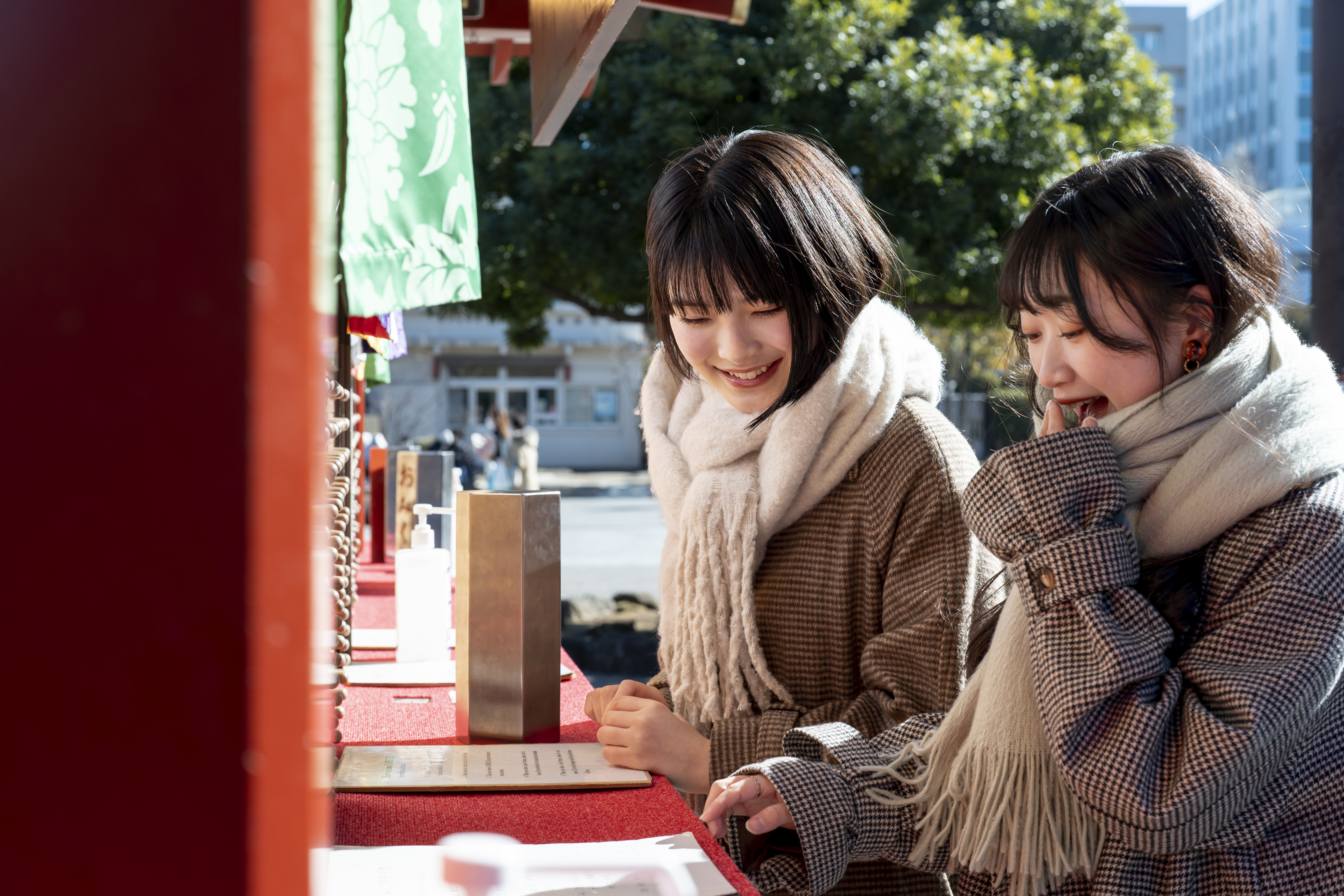
Illustration (credit: freepik.com)
The post office in Japanese is referred to as "Yubinkyoku". This word consists of three kanji characters: "yu" which means "post" or "letter", then "bin" which means "convenience" or "ease", and "kyoku" which means "bureau" or "office". When combined, these three characters form the concept of "an office that handles postal matters".
In Japan, post offices play an important role in the daily lives of people. In addition to serving mail and package delivery, yubinkyoku also often functions as a post bank (yucho), offering financial services such as savings, money transfers, and bill payments. Japanese post offices are known for their distinctive red logo.
They are widely spread across the country, from big cities to small villages, making them one of the most accessible and trusted institutions by the Japanese public. For those who want to understand further, here are 5 example sentences using the word yubinkyoku or post office in Japanese along with their meanings:
1. "Yubinkyoku wa eki no chikaku ni arimasu."
Meaning: The post office is located near the station.
2. "Ashita, yubinkyoku ni itte kozutsumi wo okuru hitsuyo ga arimasu."
Meaning: Tomorrow, I need to go to the post office to send a package.
3. "Kono yubinkyoku wa nijuyojikan eigyo shiteimasu."
Meaning: This post office is open 24 hours.
4. "Yubinkyoku de kitte wo kaimashita."
Meaning: I bought stamps at the post office.
5. "Moyori no yubinkyoku wa doko desu ka?"
Meaning: Where is the nearest post office?
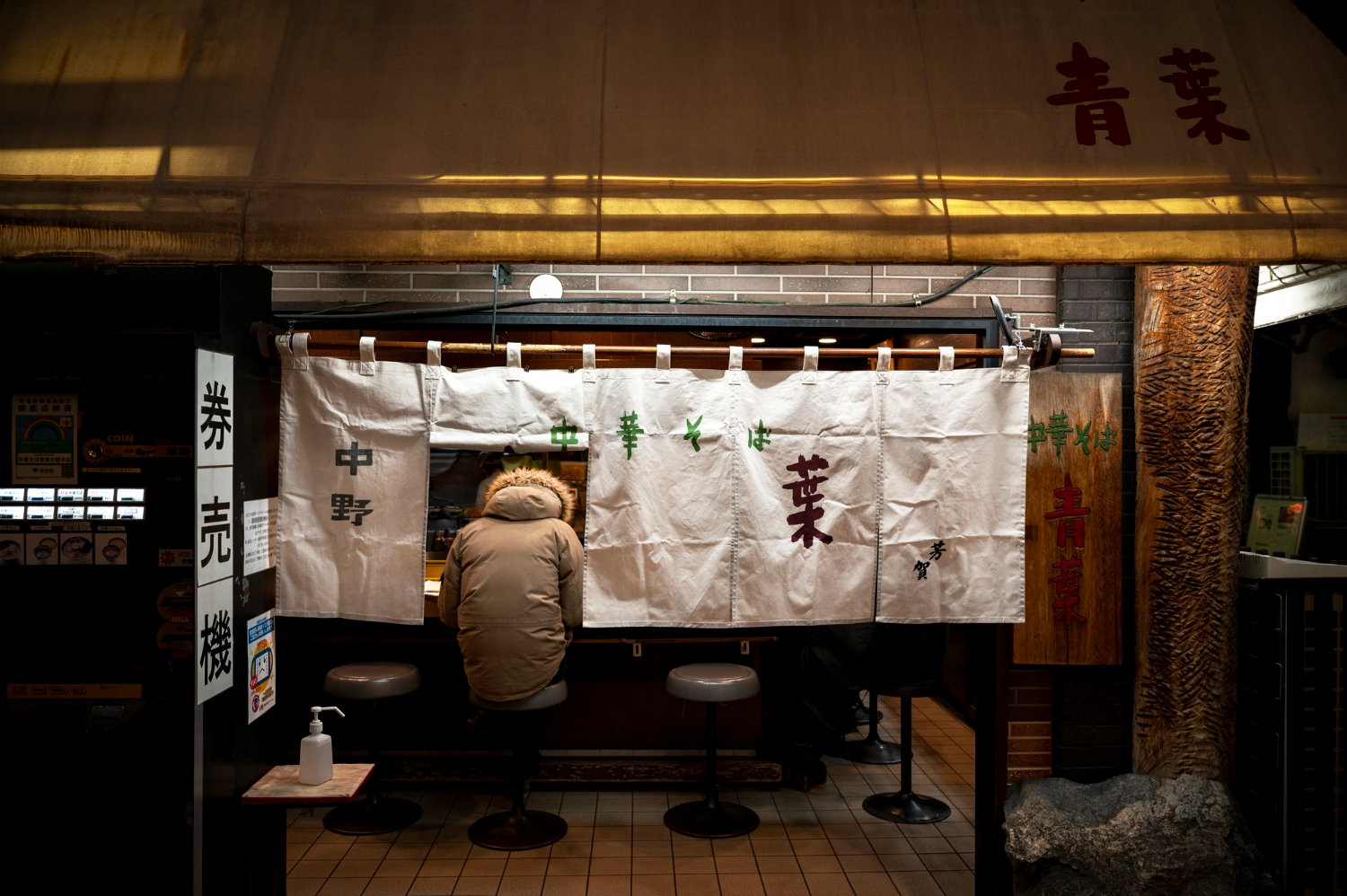
Illustration (credit: freepik.com)
After learning the Japanese term for post office, KLovers can also learn other common place terms besides the Japanese term for post office. Remember that some of these words are adaptations from English into Japanese, while others are original Japanese words.
For that, here is a list of vocabulary for common places or workplaces other than the Japanese term for post office in Japanese along with their meanings:
1. Kaisha - Company
2. Ofisu - Office
3. Ginkou - Bank
4. Byouin - Hospital
5. Gakkou - School
6. Resutoran - Restaurant
7. Hoteru - Hotel
8. Toshokan - Library
9. Koujou - Factory
10. Mise - Store
11. Supaa - Supermarket
12. Depaato - Department store
13. Yakkyoku - Pharmacy
14. Biyouin - Beauty salon
15. Shiyakusho - City hall
16. Keisatsusho - Police station
17. Shobousho - Fire station
18. Housou kyoku - Broadcasting station
19. Daigaku - University
20. Shuppansha - Publisher
21. Horitsu jimusho - Law office
22. Shika - Dental clinic
23. Dobutsuen - Zoo
24. Bijutsukan - Art museum
25. Gekijou - Theater
26. Sutajio - Studio
27. Juku - Tutoring place
28. Hoikuen - Childcare center
29. Takushii noriba - Taxi stand
30. Eki - Station
31. Kukou - Airport
32. Hanbaijo - Sales place
33. Insatsujo - Printing house
34. Riyouten - Barber
35. Seisouka - Cleaning company
36. Ryokan - Traditional Japanese inn
37. Kyuujou - Stadium
38. Puuru - Swimming pool
39. Jimusho - Administrative office
40. Kouminkan - Community center
41. Ryouriten - Restaurant
42. Kissa - Cafe
43. Izakaya - Japanese-style pub
44. Youchien - Kindergarten
45. Boeki gaisha - Trading company
46. Eigakan - Cinema
47. Shogakkou - Elementary school
48. Chuugakkou - Junior high school
49.Koko - Senior high school
50.Daigakuin - Graduate school
That is the Japanese postal vocabulary that you can know. By understanding this vocabulary, you will be better prepared to face common situations when in Japan or communicating.
(kpl/dhm)
Cobain For You Page (FYP) Yang kamu suka ada di sini,
lihat isinya
Let's take a closer look at how INFP shapes the character of Kim Min Kyu, especially in the Korean entertainment world. So, let's check it out, KLovers!

For KLovers who are curious about this eonni figure. Here is an explanation of Lee Hyeri's character as seen from her MBTI. Let's check it out, KLovers!
For those of you who are learning Japanese, here are expressions of the Japanese language calendar, complete with explanations and concepts of the calendar in Japanese culture. Let's check it out, KLovers!

In 2024, a family thriller drama will captivate KLovers in front of the screen. Here’s the synopsis of the Korean drama PERFECT FAMILY 2024 complete with the cast list. Let’s check it out, KLovers!

Korean drama fans, get ready to welcome the latest romantic comedy story titled the Korean drama LOVE NEXT DOOR. Let's check out the synopsis of the Korean drama LOVE NEXT DOOR for 2024 along with the cast list below. Just check it out, KLovers!

Come on, check out the list of Korean dramas suitable for watching during long weekends according to Kapanlagi that promises an unforgettable viewing experience. Let's check it out, KLovers!

There are several traits of Keanu Reeves that fans believe indicate the actor has an MBTI personality of INFP. Curious about what they are? To find out, just take a look at the following review.

Here are some traits or characteristics of Irene from Red Velvet that lead many fans to assume she is an ISFJ.

To understand the explanation of the meaning of dreaming about having a baby girl for a woman, just take a look at the following review.

Due to the uncomfortable feelings it brings, many people have long believed that the meaning of dreaming about seeing a black snake could be a bad omen in life. But is that really the case?

Curious about the explanation of the meaning of twitching in the chin according to Javanese primbon? To find out, just take a look at the following review.

Curious about the explanation of the meaning of twitching on the right forehead according to Javanese primbon? To find out, just take a look at the following review.
