
 Follow
 Rekomendasi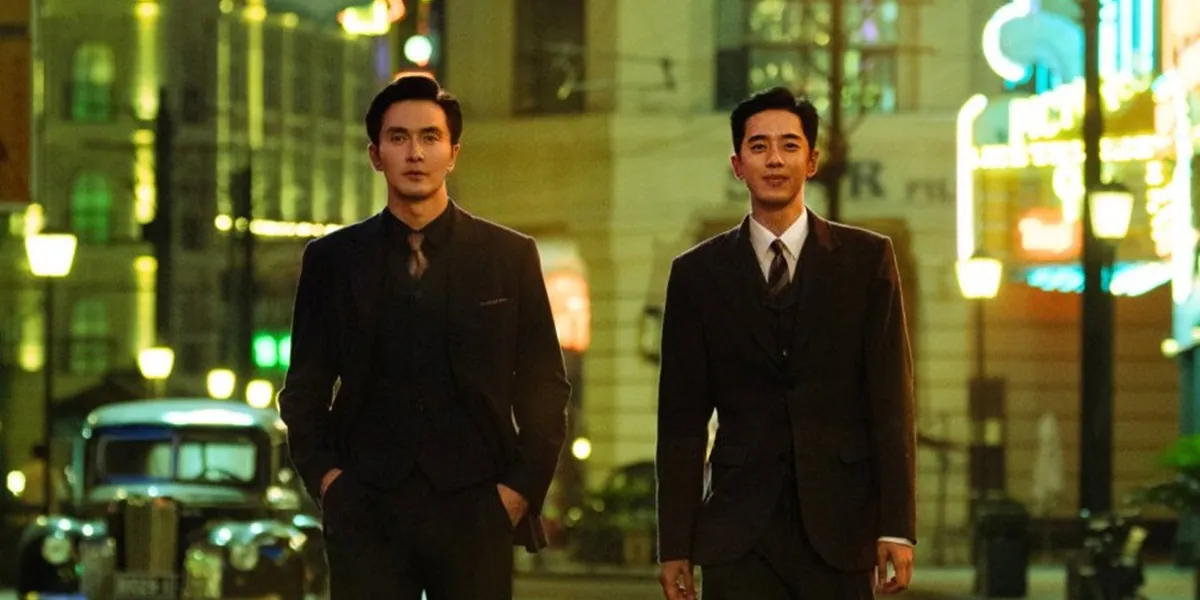
7 Reasons to Watch the Latest Chinese Drama 'THE COMPANY' Premiering on December 17, 2025
The Chinese drama THE COMPANY presents a time-traveling story full of mystery, friendship, and human destiny.

Kapanlagi.com - Have you ever felt that the voices of actors in Chinese dramas sound too perfect? Every note, intonation, and emotion seems to be crafted flawlessly. However, there is a surprising fact behind that polished sound.
It turns out that almost all the Chinese dramas you watch do not use the original voices of the actors. The dubbing process has become an important part of a long-standing production system. The voices you hear actually come from professional voice actors who mimic the acting of the original actors.
This phenomenon is not just a technical trick, but has become a culture embedded in the Chinese entertainment industry. Behind the audio perfection you hear, there is a long history, unwritten rules, and production reasons that have made it a standard to this day.
Find more news related to Chinese dramas at Liputan6.com.
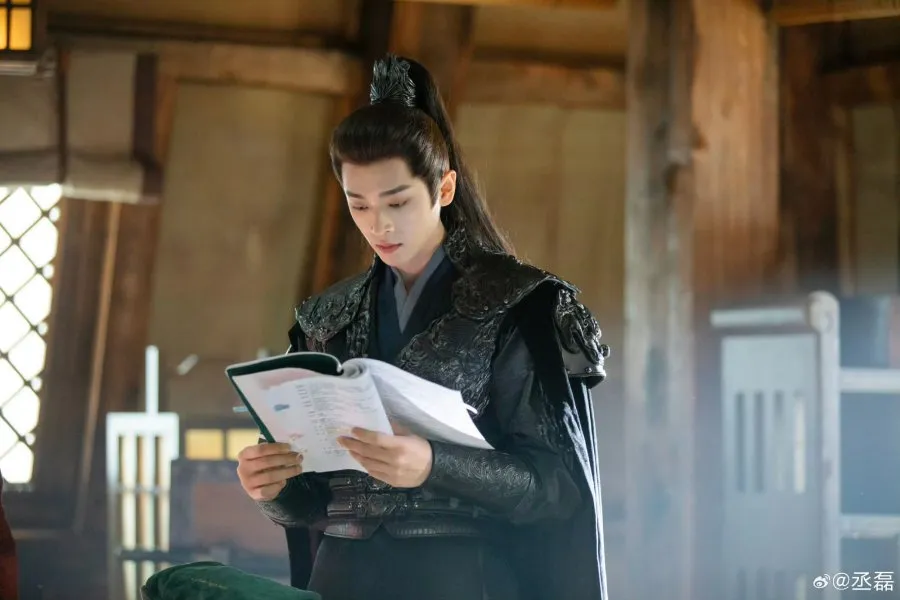
It turns out that actors and actresses in Chinese dramas are 90% dubbed (credit:weibo)
As the Chinese television industry developed, the need for uniform and high-quality voiceovers emerged. Mandarin was established as the national standard, and accents became an important factor in assessing the professionalism of actors.
This unwritten rule gave rise to the practice of mass dubbing. With various accents from actors from Hong Kong, Taiwan, and mainland China, dubbing is considered the best solution to ensure the final product sounds clean, tidy, and consistent to the audience's ears.
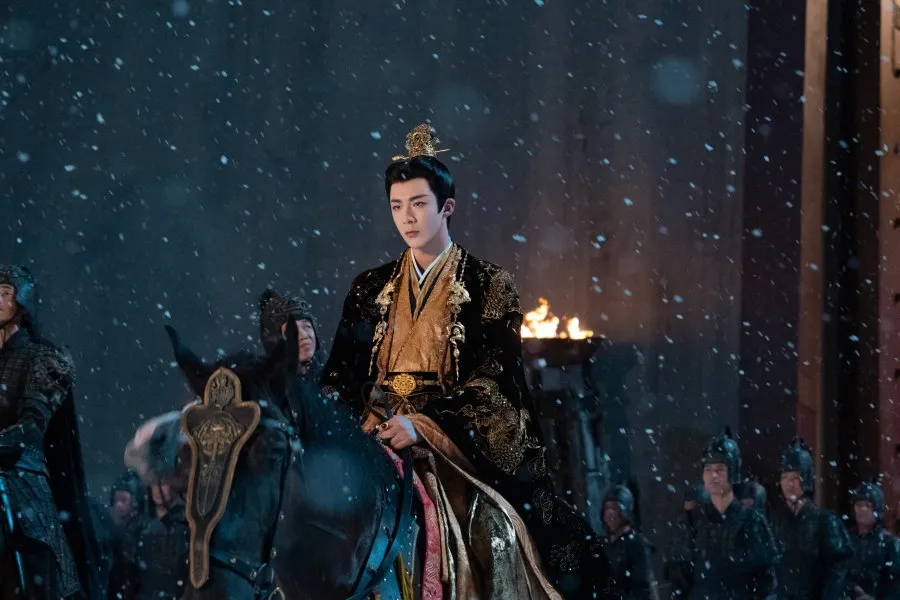
It turns out that actors and actresses in Chinese dramas are 90% dubbed (credit:mydramalist)
China is known as a country with thousands of dialects and variations in accents that are very different from one region to another. In the entertainment industry, these differences can cause mismatches between characters and voices.
Therefore, the dubbing process becomes an efficient way to ensure all characters speak in standard Mandarin. As a result, audiences across regions can enjoy the drama without being disturbed by striking accent differences.
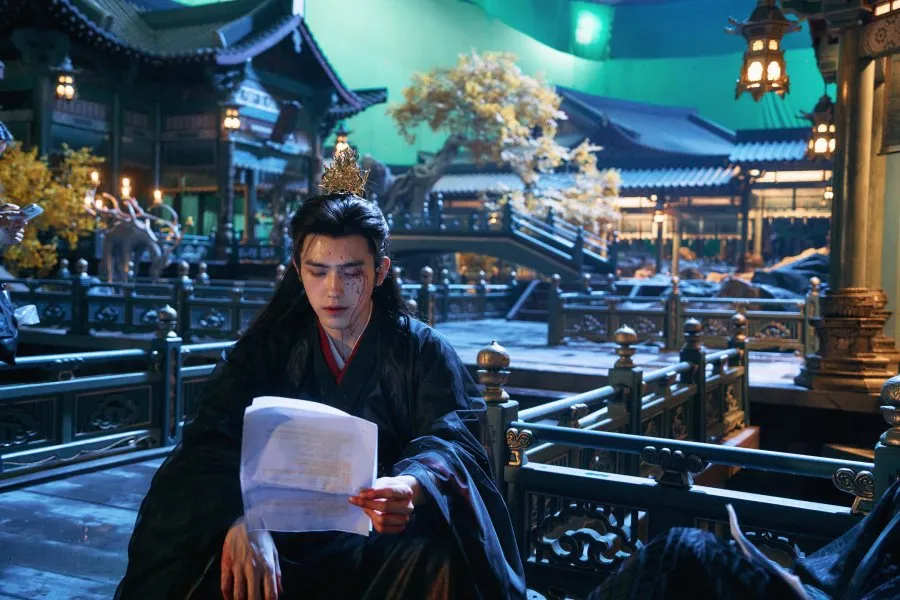
It turns out that 90% of the actors and actresses in Chinese dramas are dubbed (credit: weibo)
Many Chinese dramas are produced in large studios or busy outdoor locations. In one area, there can be several production teams working simultaneously, along with the sounds of vehicles and the surrounding crowd.
This makes it difficult to control the quality of the sound recording on location. Therefore, directors focus more on visuals and acting, while audio is fixed through the dubbing process in the studio to ensure the results remain clear and professional.
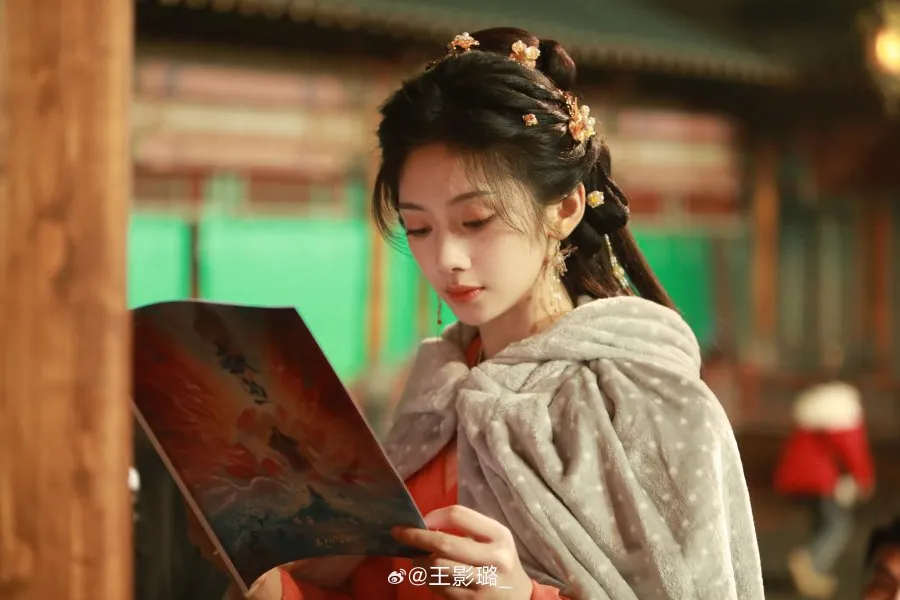
It turns out that for a long time, actors and actresses in Chinese dramas are 90% dubbed (credit: weibo)
In the post-production stage, voice actors take on the heavy lifting to match the expressions and emotions of the original actors. They must mimic the speech rhythm, intonation, and even the breath of each character.
This process is not easy, as each sentence must be practiced repeatedly to achieve perfect synchronization. Some actors even participate in dubbing with their own voices to improve intonation, but most of the work is still left to professional voice actors who are well-known for specific character types.

It turns out that for a long time, actors and actresses in Chinese dramas are 90% dubbed (credit: weibo)
Although the dubbing system has been deeply rooted, recent trends are starting to show changes. Some modern dramas with more controlled shooting environments are now daring to showcase the original voices of their actors.
The goal is to create a more authentic and natural impression. However, for genres like historical dramas or complex fantasy, dubbing remains the primary choice as it demands more perfect voice details and a consistent cinematic atmosphere.
Q: Why do Chinese dramas rarely use the original voices of their actors?
A: Due to technical and linguistic factors. Many actors come from regions with different accents, while production standards require the use of perfect Mandarin.
Q: Do all Chinese dramas use dubbing?
A: Not all of them. About 90% of dramas, especially in the historical and fantasy genres, use full dubbing. However, modern dramas are starting to switch to original voices.
Q: Who voices the actors in Chinese dramas?
A: Professional voice actors who are trained to mimic the speaking style, emotions, and tempo of the actors on screen. They play a significant role in creating a realistic impression on the audience.
Let's read more articles about other Chinese drama recommendations on Kapanlagi.com. If not now, when?
(kpl/vna)
Cobain For You Page (FYP) Yang kamu suka ada di sini,
lihat isinya
The Chinese drama THE COMPANY presents a time-traveling story full of mystery, friendship, and human destiny.

Take a peek at the profile of Cheng Lei, the handsome Chinese actor who just celebrated his 32nd birthday on December 18. His charm has only matured and shines brighter in the entertainment world.

A list of the most popular and active Chinese actors on Weibo throughout 2025. Starting from Wang Yibo, Xiao Zhan, Dylan Wang, to Song Weilong who dominate entertainment trending.
A list of the most popular modern Chinese romantic dramas in 2025 that must be on your watchlist. Fresh love stories, hit actors, and high ratings.
A series of Chinese dramas themed around false identities and a past filled with secrets and romance.
Esther Yu takes on the darkest role in the Chinese Drama Yun Chu Ling. This latest iQIYI Chinese drama features a story of revenge and rebirth, while her male co-star remains a mystery.

Romantic, touching, and hard to move on from. These 10 romantic Chinese drama titles are a must-add to your watchlist by the end of 2025!
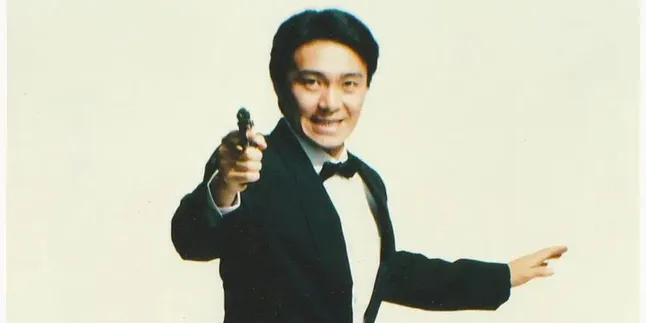
A collection of the best Stephen Chow movies from China with the highest ratings, filled with humor and nostalgia, perfect for accompanying the Christmas and New Year 2026 holidays.
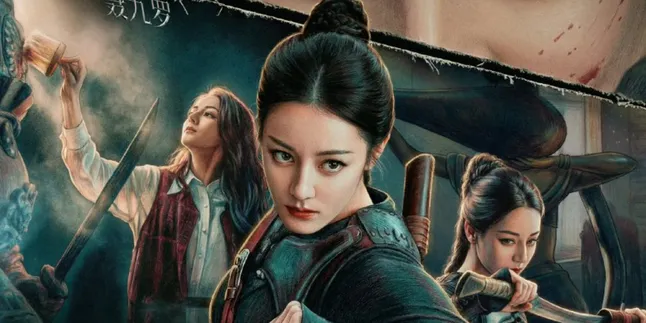
Recommendations for the 10 best Chinese dramas on Tencent throughout 2025 with high ratings and the highest heat index. From romance, historical, to crime genres, all are a must-add to your watchlist.
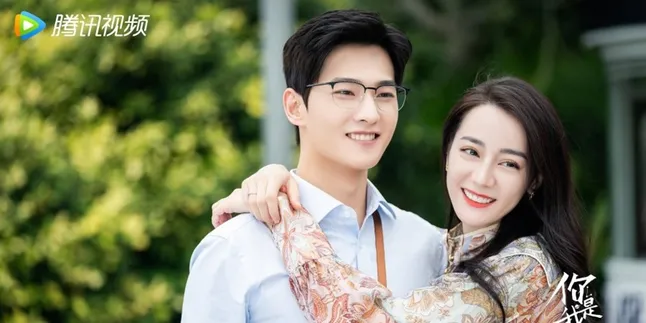
Recommendations for hidden gem Chinese dramas that are rarely highlighted but have strong stories and captivating acting, perfect for exciting viewing at the end of 2025.
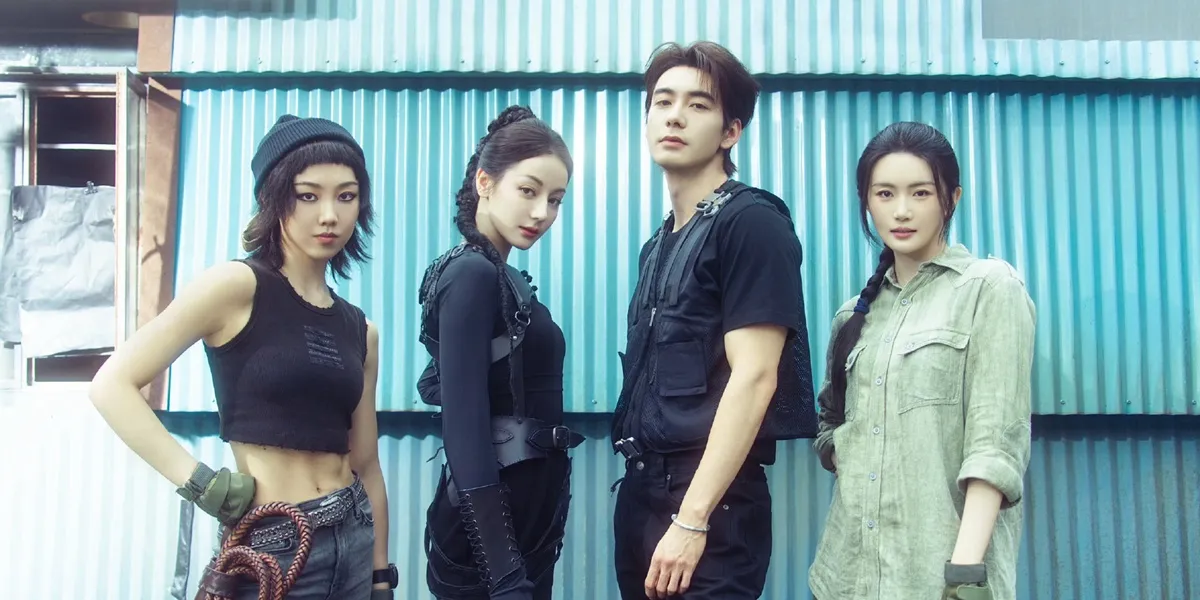
A series of Chinese crime thriller dramas in 2025 come with dark, mysterious stories full of intrigue.
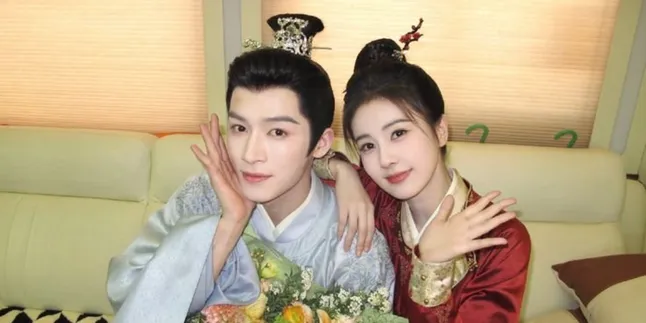
The Chinese drama Unveil Jadewind starring Bai Lu and Wang Xingyue has successfully surpassed 2 million reservations on Youku. Check out the synopsis, cast list, chemistry predictions, and estimated airing schedule here.
