

 Follow
 Rekomendasi

IShowSpeed Will Have His Own Anime, Developed by the Creator of the Live Action One Piece!
IShowSpeed will have his own anime! This project is being developed by the creator of ONE PIECE, leaving fans instantly curious!
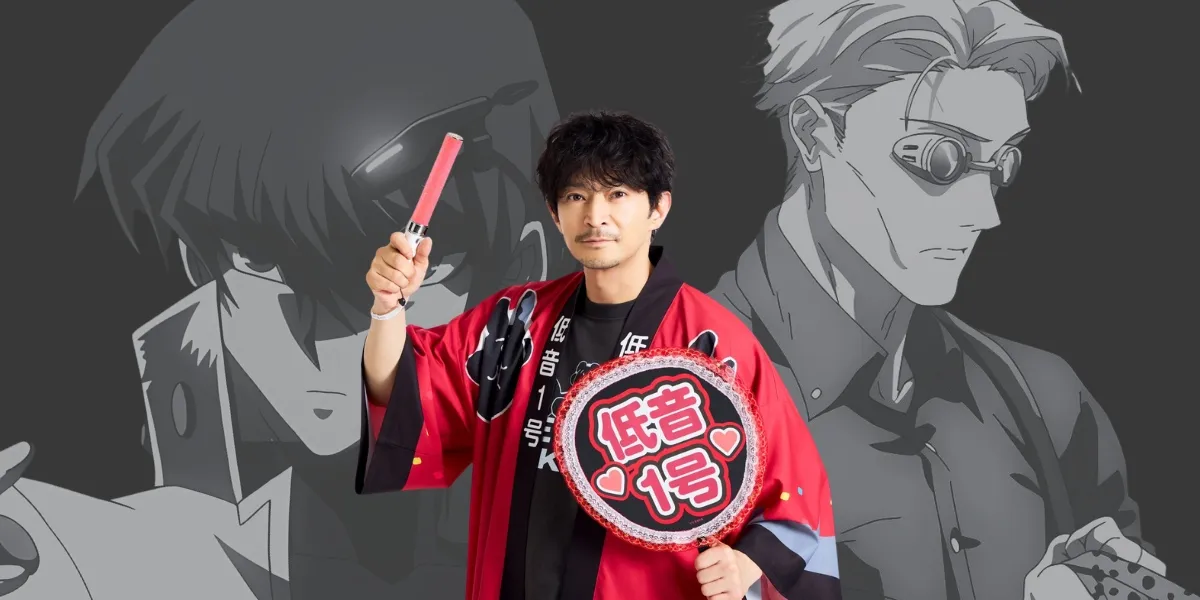
Kapanlagi.com - AI technology has once again sparked controversy in the Japanese entertainment industry. This time, renowned voice actor Kenjiro Tsuda has taken legal action against TikTok after his voice was allegedly used without permission through generative AI technology.
Kenjiro Tsuda's name is certainly familiar to anime fans. He is known as the voice of Seto Kaiba in Yu-Gi-Oh! and Kento Nanami in Jujutsu Kaisen. This case has immediately drawn attention as it concerns the rights to vocal identity, which has always been a primary asset for voice actors (seiyuu).
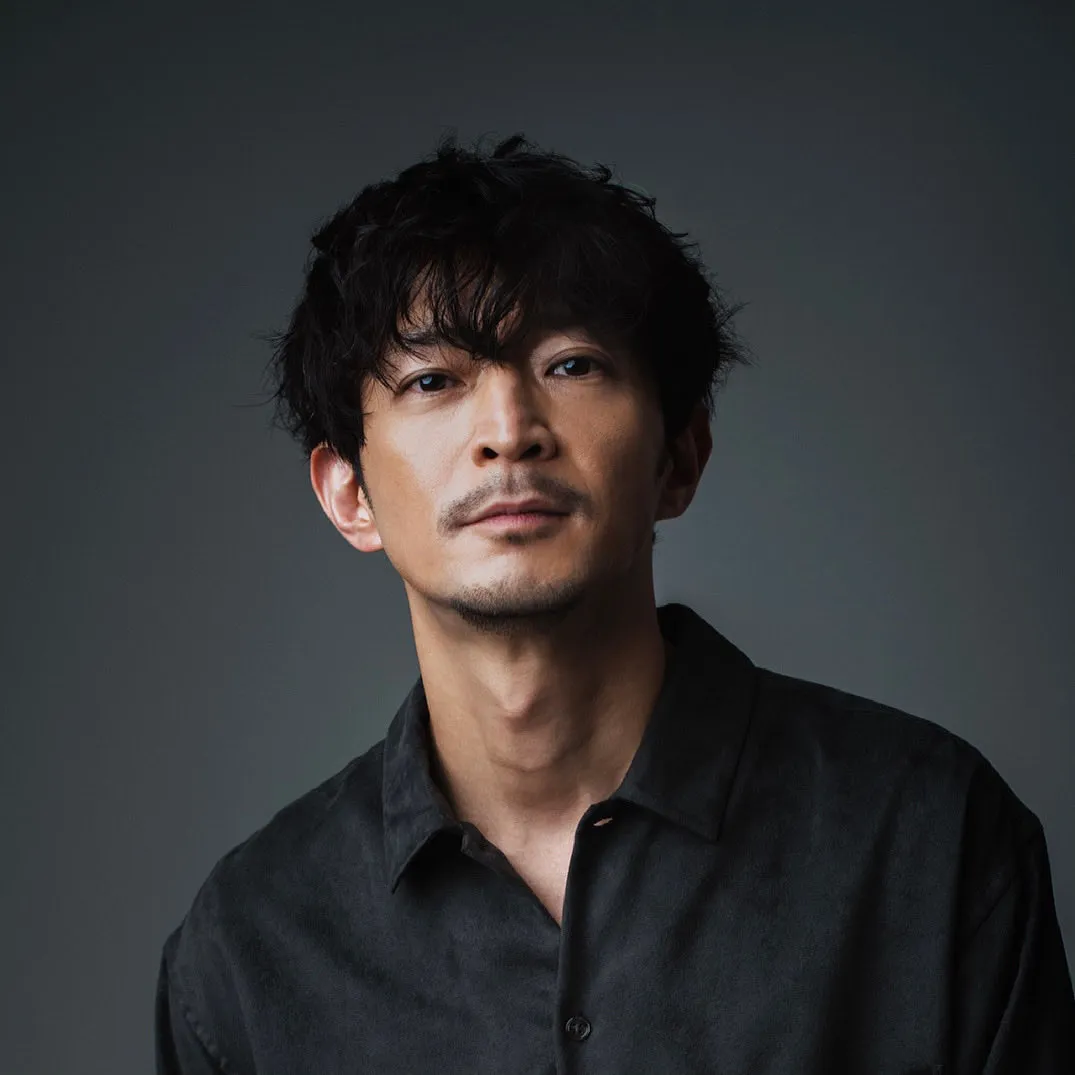
Kenjiro Tsuda, Voice Actor of Yu-Gi-Oh and Jujutsu Kaisen, Sues TikTok (credit: x.com/@tsuda_ken)
Kenjiro Tsuda has reportedly filed a lawsuit in the Tokyo District Court since November of last year. However, the details of the case only became public after the lawsuit documents began circulating in May 2026.
Through his legal team, Tsuda alleges that there has been unauthorized use of AI technology that imitates the characteristics of his voice. This lawsuit not only addresses the use of his voice but also the rights to his identity and the commercial value attached to him as a professional voice actor.
The case has garnered significant attention because Tsuda is one of the most famous seiyuu in Japan, with a voice easily recognizable by anime fans across generations.
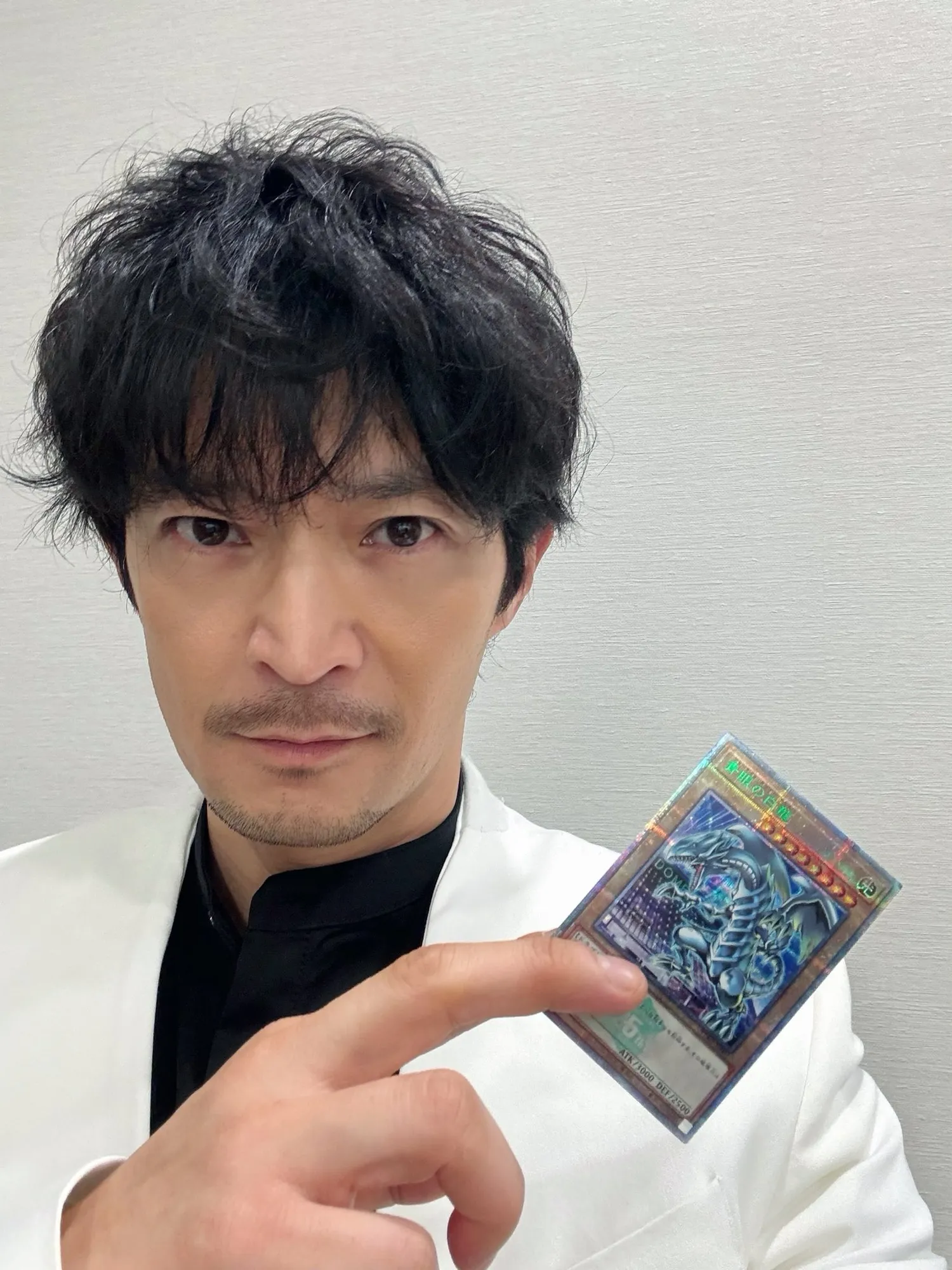
Kenjiro Tsuda, Voice Actor for Yu-Gi-Oh and Jujutsu Kaisen, Sues TikTok (credit: x.com/@tsuda_ken)
The lawsuit document states that there are nearly 200 videos on a TikTok account that use a voice highly similar to Kenjiro Tsuda's voice. Tsuda's legal team suspects that the voice was created using generative AI technology.
These videos are known to have been uploaded in large numbers and have garnered quite a few viewers. Due to the similarity of the voice, many internet users are believed to consider the voice to actually be from Tsuda.
Not only that, the related account is also suspected of making financial gains from the created content. The value is estimated to reach around Rp50 million to Rp75 million.

Kenjiro Tsuda, the voice actor for Yu-Gi-Oh and Jujutsu Kaisen, sues TikTok (credit: imdb.com)
TikTok is reported to have asked the court to dismiss the lawsuit. In its argument, the platform stated that the voice used is merely a generic male voice and does not specifically represent Kenjiro Tsuda.
This statement immediately sparked a debate about the boundary between synthetic voices and a person's identity. Many parties question whether AI capable of mimicking someone's voice characteristics can be considered a violation of personal rights and economic rights.
This case has the potential to become one of the important cases in determining how the law views increasingly realistic AI technology in mimicking humans.

Kenjiro Tsuda, the Voice Actor for Yu-Gi-Oh and Jujutsu Kaisen, Sues TikTok (credit: imdb.com)
The case involving Kenjiro Tsuda is part of a larger concern in the creative industry. In recent years, many actors, musicians, illustrators, and content creators have begun to voice their worries regarding the use of AI without the consent of the work or identity owners.
Several digital platforms have started to develop new protection systems. YouTube, for example, has introduced a feature that allows public figures to report the use of their faces or voices without permission.
If Tsuda's lawsuit yields results, the decision could set an important precedent for the Japanese entertainment industry. Not only for voice actors, but also for all creators who want to protect their identity and works from the misuse of AI technology.
(kpl/kiy)
Cobain For You Page (FYP) Yang kamu suka ada di sini,
lihat isinya
IShowSpeed will have his own anime! This project is being developed by the creator of ONE PIECE, leaving fans instantly curious!
The 33rd CRAYON SHIN-CHAN film has finally released its main trailer and latest visuals. This time, Shin-chan will face chaos from yokai in Japan!

Recommendations for anime about mysterious relationships filled with secrets, mysteries, and emotional conflicts.
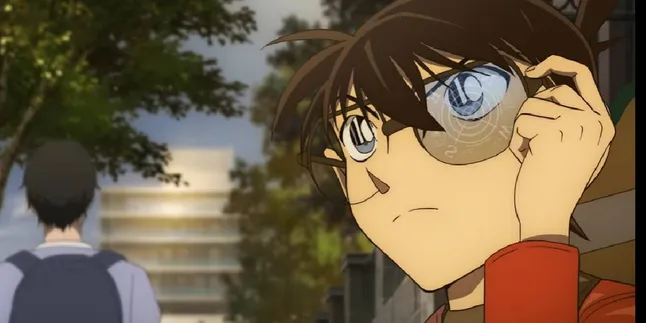
The synopsis of the film DETECTIVE CONAN: THE FALLEN ANGEL OF THE HIGHWAYS presents the latest adventure of Conan Edogawa in uncovering a mysterious case that occurs on the highway. Let's take a closer look.

Anime about efforts to change life like MUSHOKU TENSEI: JOBLESS REINCARNATION often becomes an interesting choice for viewers who enjoy deep character development stories. Let's find your anime selection here.
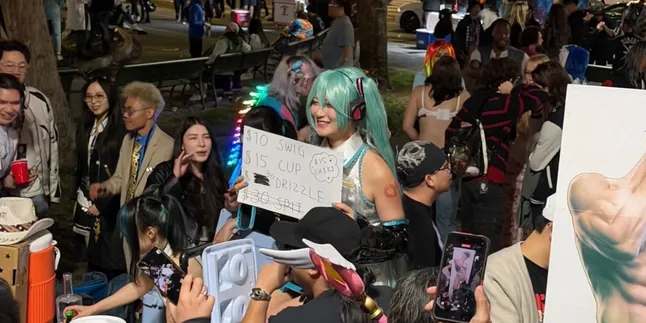
A Hatsune Miku cosplayer went viral after allegedly selling a drink called "foot juice" at an anime event. Her actions immediately caused a stir on the internet

Summer-themed anime that presents exciting vacations, friendships, and a relaxed atmosphere after school exams.

For those who still miss a similar vibe, there are many other anime that offer elements that make HUNTER X HUNTER so beloved. Check out the list.

FRIEREN officially presents a new prequel ahead of Season 3. The Golden Land Arc is said to be the most hyped story in this anime!

The cover of the final volume of BLACK CLOVER has finally been revealed. Fans are now hoping for an epilogue or special bonus to conclude Asta's story.

Anime about life stories in the forest that presents a natural paradise offers a watching experience that feels cool and calming through the beauty of nature displayed in each episode. Find your choice here.

This friendship anime with different traits presents an emotional relationship and interesting character development.
