

 Follow
 Rekomendasi

The Difference in the Faces of the Wealthy According to Studies, Can It Really Be Seen from the Face?
Psychological studies reveal how faces can influence social class judgments and make someone appear more affluent.
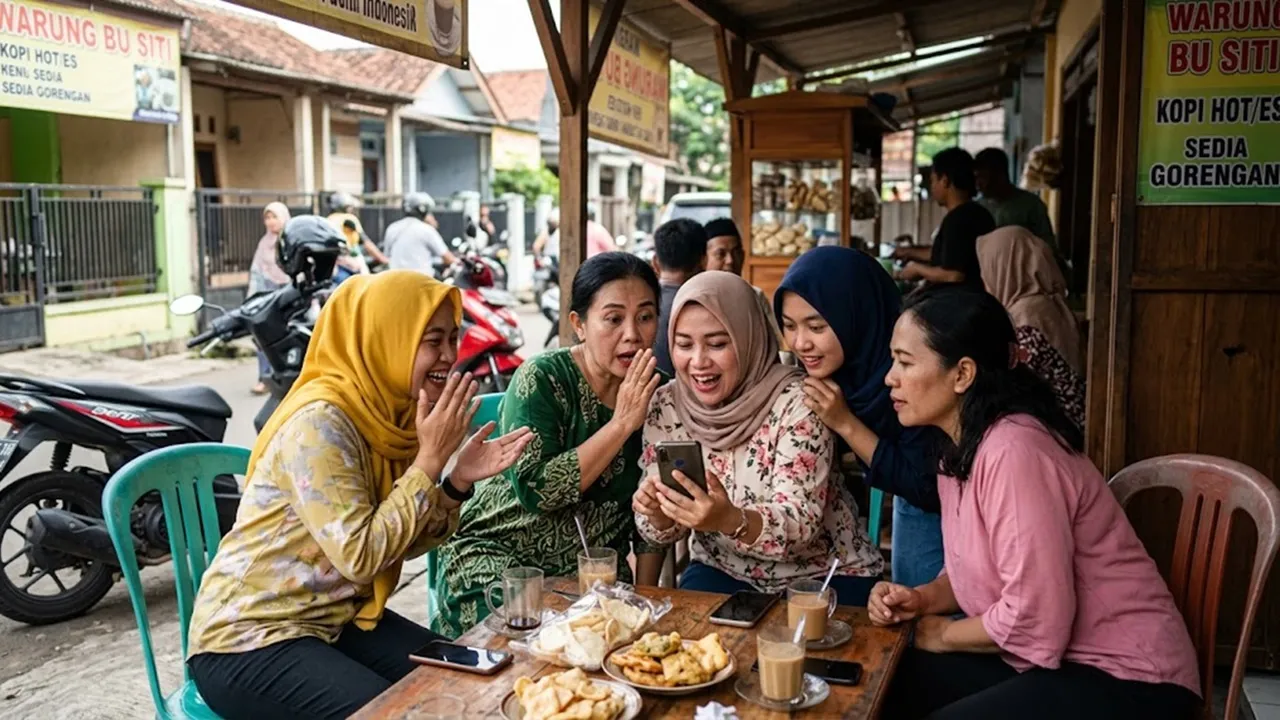
Kapanlagi.com - Who is not familiar with the word "kepo"? This slang term has become deeply ingrained in daily conversations, especially among young people. The word "kepo" itself describes an excessive curiosity about other people's affairs, and it has now been officially recorded in the Indonesian Dictionary (KBBI).
Although often thought to originate from an English abbreviation, the root of the word "kepo" is much deeper and has a unique history that begins with the Hokkien language. Let’s trace the journey of this popular word until it finally became an inseparable part of the Indonesian vocabulary.
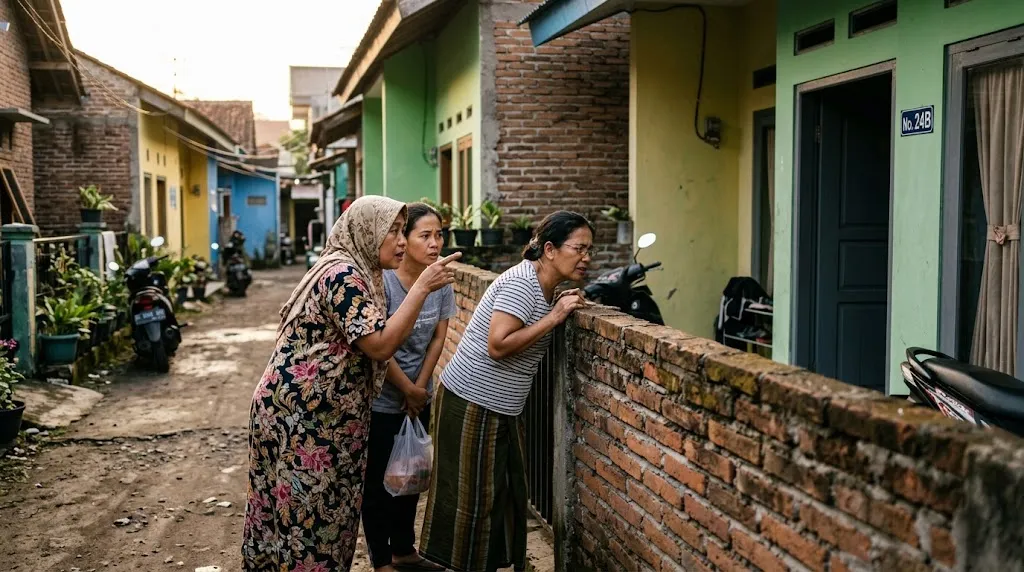
Nosy neighbor. [AI Generated]
The word "kepo" is actually a direct borrowing from a foreign language, specifically Hokkien from Fujian Province, China. In Hokkien, the original term is "kaypoh" (𠱁𡘚) or "ke po". This word refers to someone who has a busy, curious, meddlesome attitude, or even likes to interfere in other people's affairs.
Literally, "kaypoh" in Hokkien means "very curious" or "really curious". Hokkien itself is widely used in various regions, including the Republic of China, Malaysia, Singapore, and by Chinese communities in Indonesia, such as in Medan, Palembang, and Pekanbaru.
In neighboring countries like Singapore and Malaysia, this word is more often written as "kaypoh" and is commonly used in Singlish, which is their informal everyday language. Examples of its usage include "Why are you so kaypoh?" or "No need for you to be kaypoh."
When it entered Indonesia, "kaypoh" underwent a slight adjustment in pronunciation, dropping the letters 'y' and 'h', and replacing 'a' with 'e' for easier pronunciation, thus becoming "kepo".
Many people have long assumed that "kepo" is an abbreviation of the English phrase "Knowing Every Particular Object". This phrase is interpreted as "knowing every specific object or detail" or "knowing every object in detail and depth".
However, this assumption turns out to be incorrect. Some sources explain that "Knowing Every Particular Object" is more appropriately referred to as a backronym. This means that the expansion was created after a word has already been widely used, and it is not the origin of the word "kepo" itself.
Prominent language observer, Ivan Lanin, has also emphasized that the "kepo" we use in daily life does not originate from English. He explains that the root of the word "kepo" actually comes from Hokkien, not from the misunderstood abbreviation.
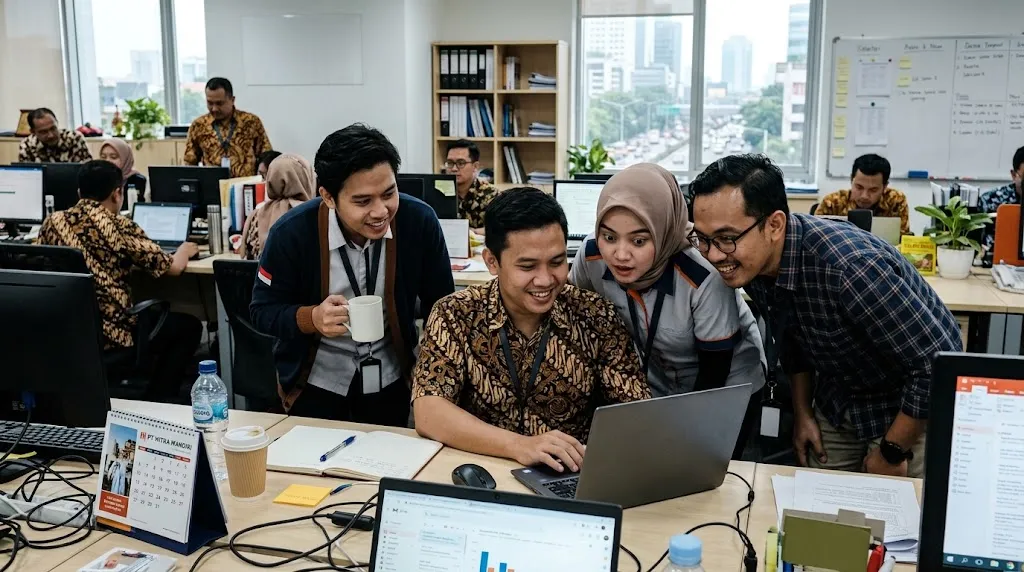
Kepo co-worker. [AI Generated]
The popularity of the word "kepo" in Indonesia began to soar around the early 2000s. This term spread through various cultural channels, including internet forums from Singapore like HardwareZone and Sammyboy.
In addition, television dramas from Channel 8 Singapore, which were widely watched by the Chinese-Indonesian community, also played a role in introducing this word.
Over time, "kepo" has increasingly solidified its place in the Indonesian vocabulary. Local online forums like Kaskus and social media platforms like Facebook became effective venues for the dissemination and adoption of this word among internet users and the broader public.
Now, "kepo" has become an inseparable part of everyday conversations among the Indonesian people, especially among the younger generation. Although it was initially often interpreted negatively due to its association with gossiping and the desire to always know other people's affairs, over time its usage has expanded to various more general contexts.
In fact, the Ministry of Education and Culture through its official Instagram account @kemdikbud.ri, once uploaded the recording of this word in the KBBI on November 15, 2022, marking its official recognition in the national language.
Is the word "kepo" an abbreviation from English?
No. The notion that "kepo" is an abbreviation of Knowing Every Particular Object is a backronym (an expansion created after the word became popular). Linguist Ivan Lanin emphasizes that the root of this word purely comes from a foreign language loan, not an English abbreviation.
What is the origin of the word "kepo"?
The word "kepo" comes from the Hokkien language (Fujian, China), specifically the word kaypoh (雞婆). This term refers to a person's attitude of being overly curious, meddlesome, or intrusive in other people's affairs.
How did the word kaypoh enter and spread in Indonesia?
This word initially became popular in Singapore and Malaysia (notable in Singlish). In Indonesia, the term began to spread in the early 2000s through internet forums such as Kaskus and social media, as well as Singaporean television dramas watched by the Indonesian public.
Has the word "kepo" been officially recognized in the Indonesian language?
Yes. The word "kepo" is officially registered in the Great Dictionary of the Indonesian Language (KBBI) and was published by the Ministry of Education and Culture on November 15, 2022, as a form of its official recognition in the national vocabulary.
(kpl/ini)
Cobain For You Page (FYP) Yang kamu suka ada di sini,
lihat isinya
Psychological studies reveal how faces can influence social class judgments and make someone appear more affluent.

This small restaurant in Tokyo only serves one menu, yet it has managed to gain recognition from the Michelin Guide 2026.

Julian Alvarez reveals the reason he remains tattoo-free amidst the Argentine squad. His father's advice since childhood has been a principle he still holds onto today.
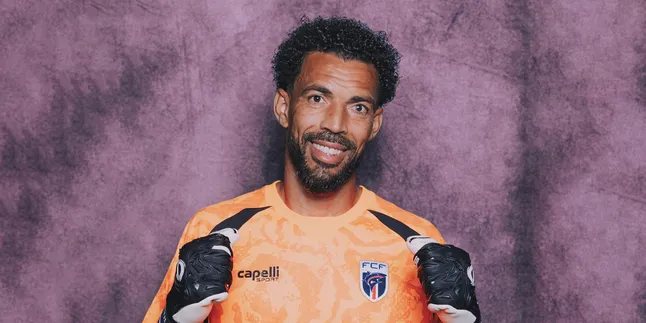
Vozinha's stellar performance in the 2026 World Cup has earned him a unique honor. The name of the Cape Verde goalkeeper is now immortalized as a newly discovered species of sea mollusk.

The collaboration of ONE PIECE presents the Devil Fruit in the form of traditional Japanese nerikiri sweets that can be eaten, featuring detailed appearance and unique flavors.

A new phenomenon! In China, there is a special app for people who want to share their feelings while being hugged, and you can even get a warm hug from a paid 'man mum'. Curious?

What does the unique and impactful marketing portrait of the film KILL BILL look like that made audiences curious, gained a lot of attention, and generated huge profits? Let's check it out, KLovers!

The Korean Drama WHEN THE PHONE RINGS has become the most talked-about topic among Indonesian netizens. Here are some interesting facts behind its success.

Interesting facts about Inosuke Hashibira, the demon slayer from the anime Kimetsu No Yaiba

In the real world, here are the countries of origin for the 10 members of the Straw Hat Pirates crew.

Here is a list of sleep schedules for the members of the Straw Hat Pirates crew. Who is the most notorious for falling asleep? Check it out here!

As the strongest swordsman candidate from the Straw Hat Pirates crew, here are a series of interesting facts about Roronoa Zoro, the vice captain.
