Kapanlagi.com - Most films invite the audience to follow the story from beginning to end without time jumps. The plot moves straight, with scenes arranged sequentially following the same timeline. However, the recommendations for time-themed films that play with non-linear plots instead assemble the story randomly, moving back and forth, even looping, forcing the audience to piece together the fragments before understanding the whole story.
Viewers who are used to watching linear plots are often confused when they first encounter this format. The pieces of the story are scattered across various points in time, forcing the brain to rearrange the bits and pieces until they form a complete picture. Curiosity grows from that confusion, encouraging viewers to rewatch in order to catch details that were missed on the first attempt.
Below, we have selected seven recommendations for time-themed films that play with non-linear plots sourced from various references, Monday (27/7/2026). Each title offers a different way of structuring time, allowing viewers to choose according to their taste and desired level of difficulty.
1. Memento (2000)
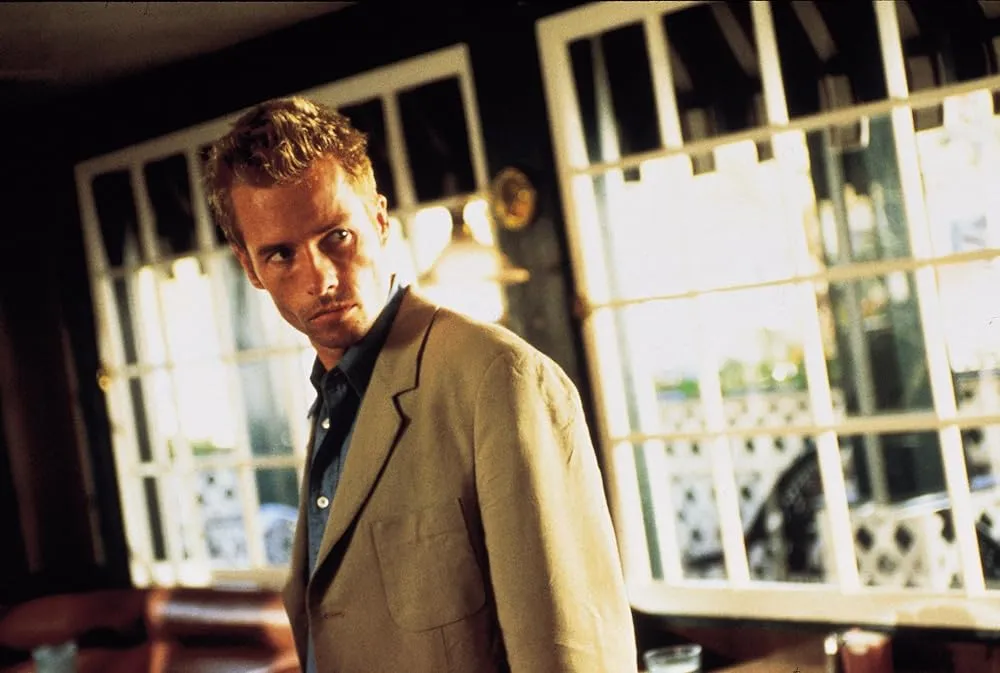
Memento (2000). (Image: IMDb)
Memento places the audience in the position of Leonard Shelby, a man who has lost the ability to form new memories after an incident that took his wife's life. Director Christopher Nolan constructs the story in two sequences, one moving forward in black and white, the other moving backward in full color. The two sequences converge at the same point near the end of the film.
Guy Pearce portrays Leonard in a way that makes the audience feel the character's confusion. Each scene begins with fragments of information that are already known from the subsequent scene, causing the audience to continually question the truth presented by other characters around Leonard, including Teddy and Natalie.
This backward storytelling technique is not just a gimmick, but a reflection of Leonard's condition, living without a reliable past. The audience directly experiences the disorientation faced by the main character, something that is difficult to achieve through conventional narrative. Memento is often referred to as the starting point of a trend in films with experimental time structures in Hollywood.
2. Tenet (2020)
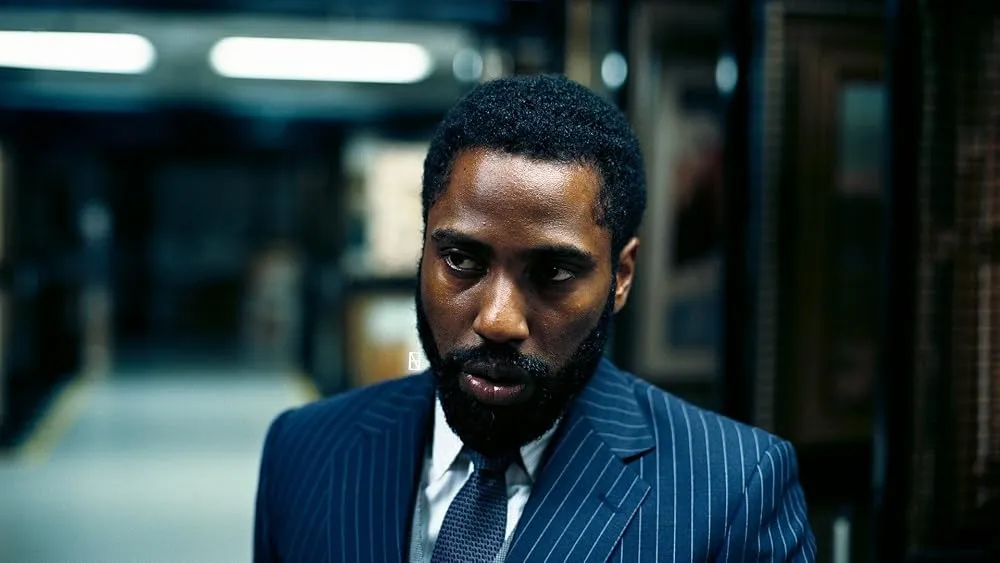
Tenet (2020). (Image:
Tenet takes the concept of time a step further through the idea of inversion, a process that allows objects and people to move backward along the normal timeline. Christopher Nolan returns to the director's chair, presenting a spy story that seeks to prevent a future war that threatens the past and present.
John David Washington stars as the Protagonist, an agent recruited to understand and utilize this inversion technology. Robert Pattinson accompanies him as Neil, a partner whose understanding of time proves to far exceed what is visible on the surface of the story. Elizabeth Debicki also plays an important role as Kat.
Scenes in Tenet often occur twice from different time perspectives, moving forward and backward simultaneously in the same space. Viewers are required to pay attention to small details from the very first minute, as seemingly trivial information can become a crucial key in the second half of the film.
3. Arrival (2016)
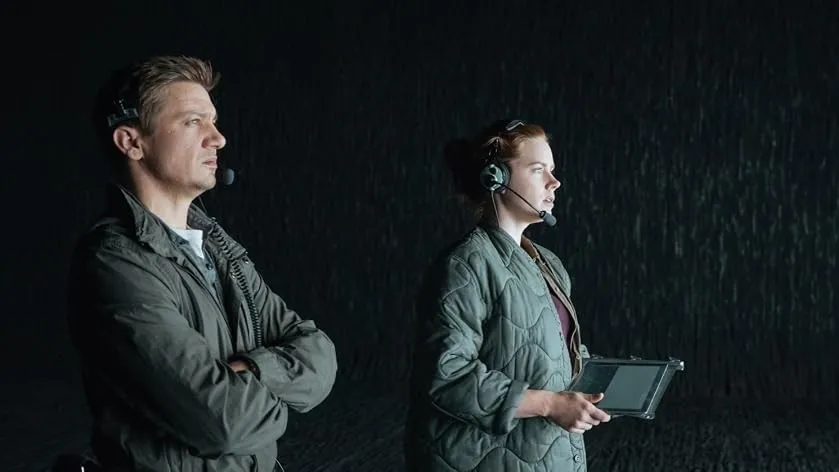
Arrival (2016) - image by Imdb
Arrival tells the story of Louise Banks, a linguist recruited by the military to communicate with extraterrestrial beings that have landed at twelve different locations on Earth. The process of learning the heptapod language opens Louise's understanding of time, shifting from a linear perspective to one that can be seen all at once.
Amy Adams portrays Louise with a calm yet emotional approach, especially in scenes involving her child. Throughout the film, fragments of memories about the child are shown repeatedly, and only at the end do viewers realize that these fragments are not flashbacks but glimpses of the future.
Denis Villeneuve constructs Arrival as a story of language as well as a story of time, two intertwined themes through the heptapod's perspective on life. The twist regarding the position of time in this narrative compels viewers to rewatch it to catch the clues that have been scattered since the opening scene.
4. Primer (2004)
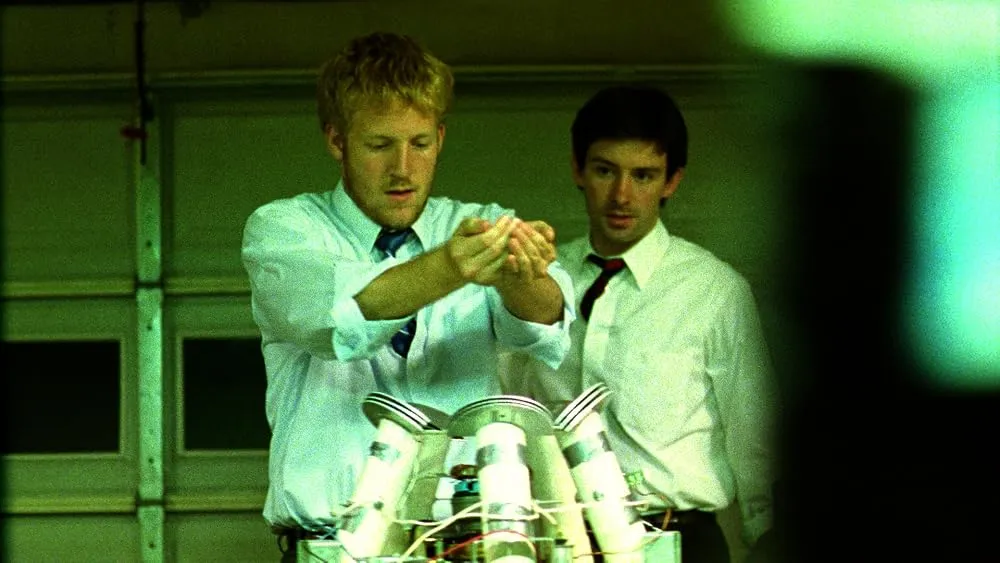
Primer (2004). (Image: IMDb)
Primer tells the story of Aaron and Abe, two engineers who accidentally create a device that turns out to be capable of transporting its users back in time. Shane Carruth writes, directs, and stars in this film with a very limited production budget but a dense story concept.
The two characters begin to use the device for personal gain, but each time travel they undertake creates duplicate versions of themselves. The branching timelines become increasingly complicated as they use the machine more frequently without considering the long-term consequences.
Primer is known as one of the most complex time travel films ever made, requiring a special diagram to map out the entire timeline that forms. For viewers who enjoy puzzles without clear explanations, the narrative structure of Primer offers an experience rarely found in similar films.
5. Predestination (2014)
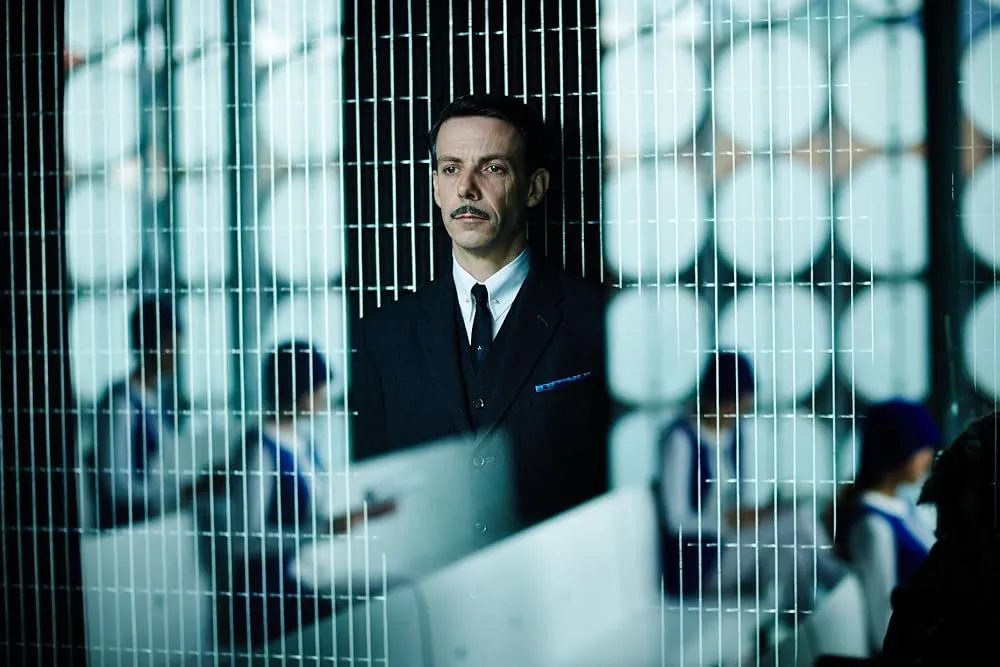
Predestination (2014). (Image: Ben King - © 2014 - Signature Entertainment)
Predestination is adapted from a short story by Robert Heinlein titled All You Zombies, following a time travel agent tasked with preventing crimes before they occur. In his final mission, the agent meets someone whose identity is closely tied to his own past and future.
Ethan Hawke stars as the agent, paired with Sarah Snook who plays a complex character named Jane. The Spierig Brothers direct, rearranging events in this story through various points in time, forming a closed loop that gradually explains the origins of each character.
Predestination constructs time not as a line or branches, but as a circle that returns to its starting point. The concept of identity paradox in this film is one of the boldest executions in the time travel genre, especially in the ending that reveals the entire interconnection among the characters.
6. Donnie Darko (2001)
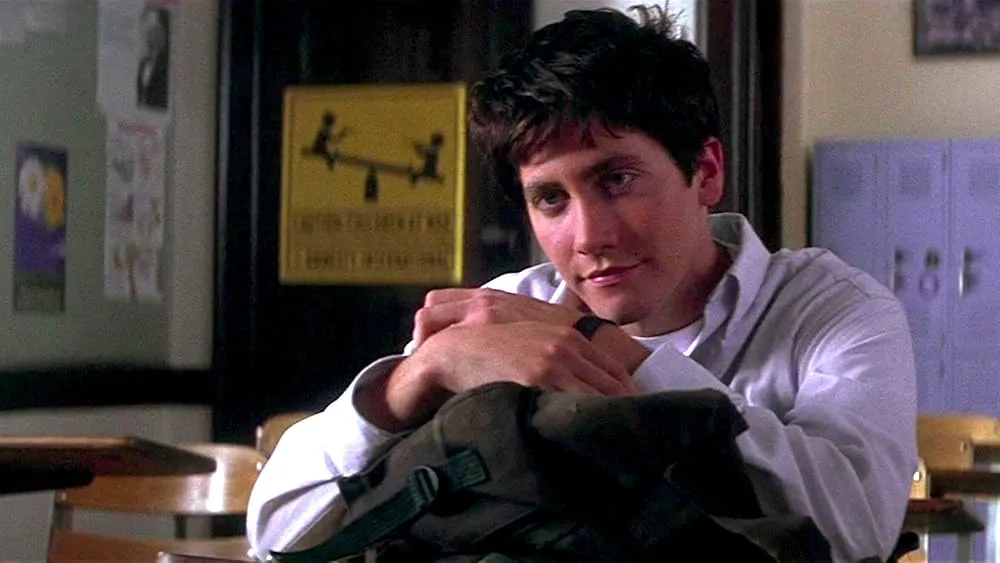
Donnie Darko (2001). (Image: IMDb)
Donnie Darko follows a teenager named Donnie who survives a plane crash that lands in his bedroom, after being awakened by a rabbit figure named Frank. Frank tells Donnie that the world will end in a matter of days, triggering a series of interconnected events leading up to that deadline.
Jake Gyllenhaal plays Donnie with an approach that blurs the line between reality and delusion throughout the film. Director Richard Kelly incorporates the concept of a tangential world, an alternative timeline that must be closed off before it causes damage to the main timeline.
The structure of time in Donnie Darko is fully revealed in the closing scene, when all the events throughout the film unfold as part of one major decision that Donnie must make. The combination of time loop themes and teenage growth keeps this film being discussed years after its release.
7. The Butterfly Effect (2004)

The Butterfly Effect (2004). (Image: New Line Cinema)
The Butterfly Effect tells the story of Evan Treborn, a man who discovers the ability to return to the past through journals he has written since childhood. Every time Evan changes one event, his life in the present also changes completely, sometimes for the better but more often ending up with unexpected consequences.
Ashton Kutcher plays the role of Evan with a wide range of emotions, as this character must adapt to different versions of life in each time travel. Directors Eric Bress and J. Mackye Gruber craft each timeline change as a direct result of Evan's previous decisions.
The film takes its name from the butterfly effect theory, the idea that small changes in the past can lead to significant impacts in the future. The Butterfly Effect showcases the dark side of the ability to alter time, something that is rarely explored in such detail in films with similar themes.
8. Questions About Recommendations for Time-Themed Films with Non-Linear Plots
What is meant by a non-linear plot film? A non-linear plot film is one that presents events not based on a regular chronological order but rather jumps forward, backward, or rotates according to the needs of the story.
What is the difference between a non-linear plot and a regular flashback? A flashback only inserts snippets of the past in the middle of the main story, whereas a non-linear plot structures the entire film from various interconnected points in time to form a cohesive whole.
Which films are most suitable for beginners trying this genre? Arrival and Predestination are quite suitable for beginners because the explanation of the concept of time is delivered gradually without sacrificing the clarity of the story.
Are non-linear plot films always about time travel? Not always. Memento, for example, uses a non-linear plot without elements of time travel, purely to depict the main character's memory condition.
Why are films like this often watched more than once? Important information is often spread across various points in the story, so viewers need to rewatch to catch details that were missed in the first viewing.
(kpl/bim)
Disclaimer: This translation from Bahasa Indonesia to English has been generated by Artificial Intelligence.


 Follow
 Rekomendasi