
Better experience in portrait mode.
Films About Anthropology That Open Perspectives and Teach While Watching, Making You Learn Many New Things

Films About Anthropology That Open Perspectives and Teach While Watching, Making You Learn Many New Things

News Okay

kapanlagi
Swipe Up to See the Photos
Films About Anthropology That Open Perspectives and Teach While Watching, Making You Learn Many New Things

Films about anthropology that open perspectives and teach while watching can be an interesting choice for viewers who want to learn more about humans, culture, and social life in various parts of the world. Through the stories presented, these summary films from KapanLagi showcase various habits, traditions, and ways of life in everyday society.

Anthropological studies often relate to the relationship between humans and their social environment, so many films raise this theme through journeys, research, and intercultural interactions. Viewers can see how differences in values, customs, and lifestyles shape the character of a community group.

In addition to presenting engaging stories to follow, anthropology-themed films also offer various perspectives on human life. The diverse cultural backgrounds and experiences displayed allow viewers to gain new knowledge while enjoying the storyline that develops throughout the film.
<nil>

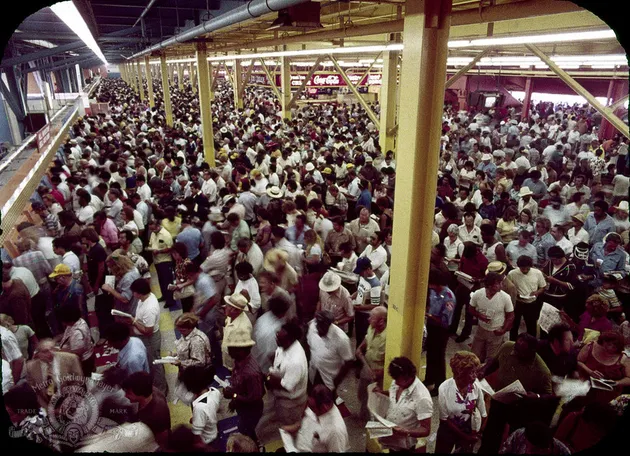
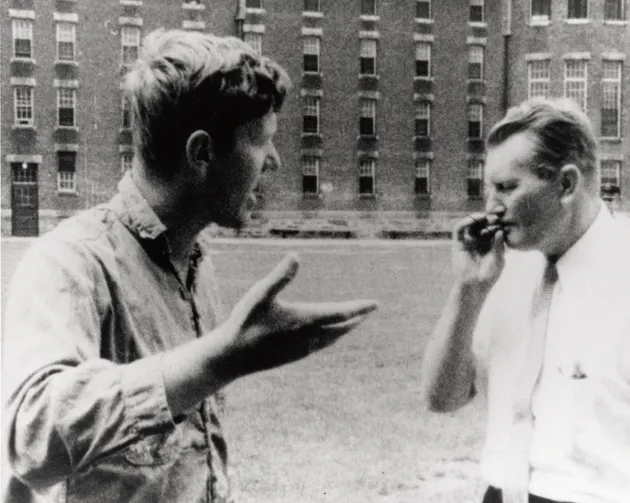
TITICUT FOLLIES (1967) captures the dark reality within Bridgewater State Hospital for the criminally insane through the raw lens of Frederick Wiseman's direction. Through narrative-free observation of the inmates and guards, this film strips bare the crumbling humanitarian institution while challenging the audience to redefine the boundaries of ethics and our treatment of isolated fellow human beings.

<nil>

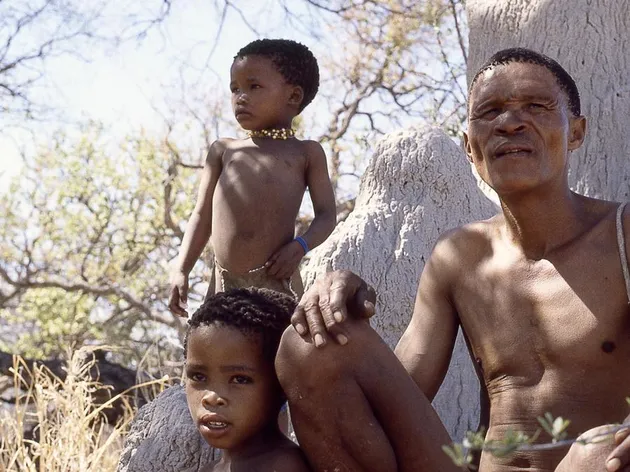
The worldview of the San tribe in the peaceful Kalahari Desert is suddenly turned upside down by an empty glass bottle in the satirical comedy THE GODS MUST BE CRAZY (1980). The journey of the character Xi as he takes this foreign object to the ends of the earth opens the audience's eyes to how modernity and the concept of ownership can disrupt the natural harmony of a civilization.

<nil>

Through stunning visuals without dialogue, KOYAANISQATSI (1982) showcases the stark collision between pristine natural landscapes and the acceleration of urban technology. The intimacy of modern human relationships with machines captured here awakens the audience's awareness of the loss of life balance and the destructive direction of contemporary civilization.

<nil>

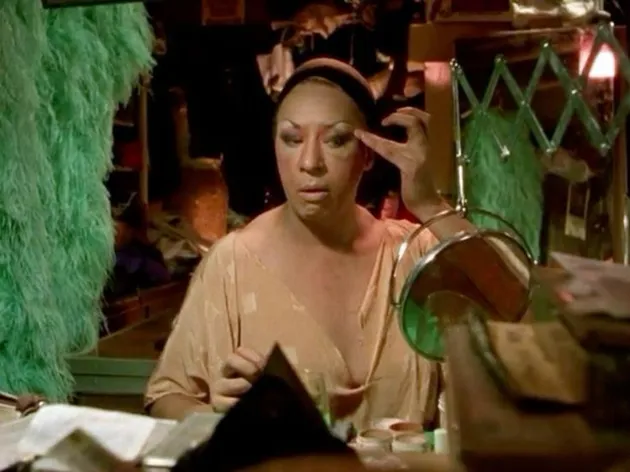
The beauty and bitterness of life in the black and Latino drag queen community in New York is vividly depicted in the documentary PARIS IS BURNING (1990). Through the honest narration of iconic figures like Pepper LaBeija, viewers are invited to delve into a high-volume subculture that redefines gender identity, class, and the struggle for survival amid systemic discrimination.

<nil>

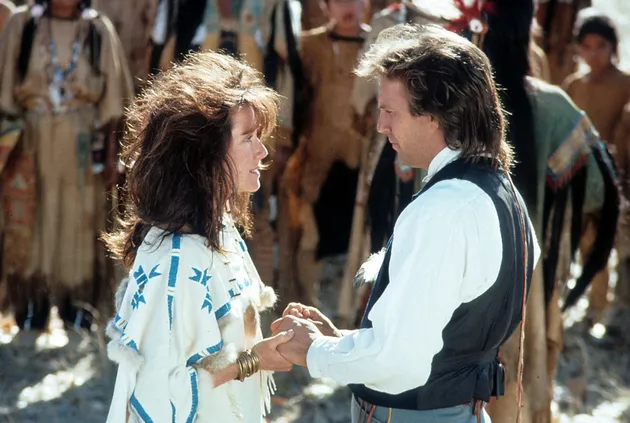
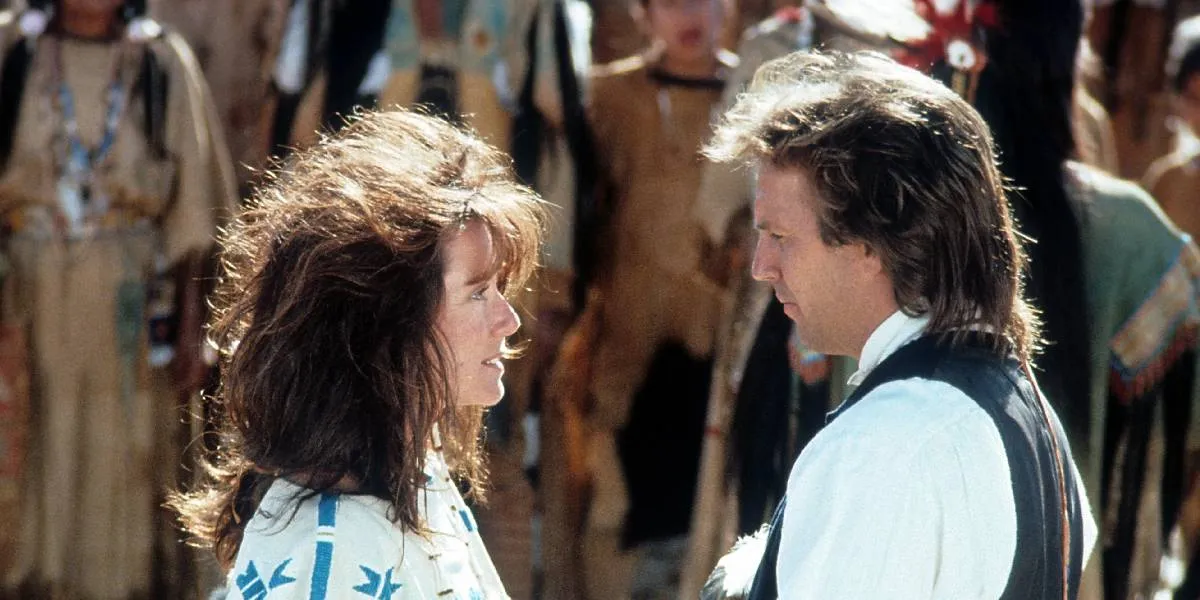
A deep bond forms as an isolated army officer at a western outpost gradually integrates with the culture of the Lakota Sioux in DANCES WITH WOLVES (1990). Lieutenant John Dunbar's spiritual transformation breaks down the stigma of "primitive" and broadens the audience's horizons regarding respect for tradition and the harmony of nature often destroyed by colonialism.

<nil>

A global visual symphony is presented in BARAKA (1992), capturing religious rituals, natural phenomena, and the pulse of industry across dozens of countries. Viewers are guided on an anthropological spiritual journey to see the common thread of emotions and spirituality that unites all humanity on this planet.

<nil>

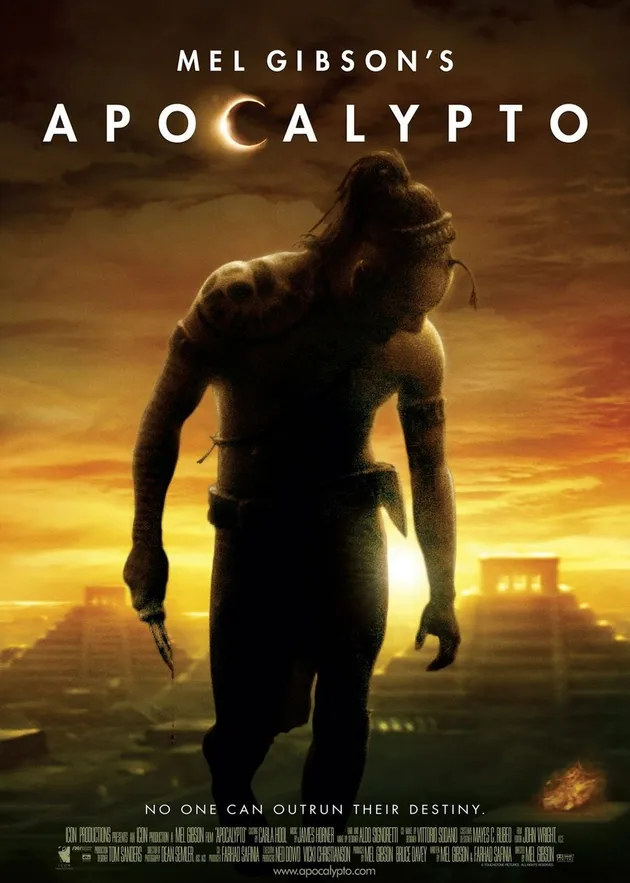
The Maya civilization on the brink of collapse must face the terror of slavery and mass sacrifice to appease the gods in APOCALYPTO (2006). The desperate struggle of a man named Jaguar Paw to save his family gives the audience a profound perspective on human survival instincts and the vulnerability of the social structure of an ancient empire.

<nil>

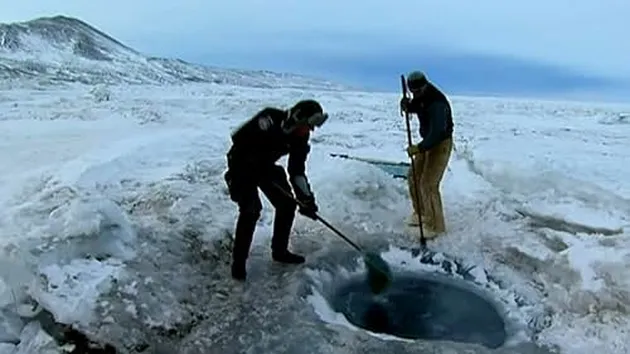
The other side of the lives of scientists and dreamers on the most extreme continent is captured through the unique direction of Werner Herzog in ENCOUNTERS AT THE END OF THE WORLD (2007). The unique interactions of researchers such as linguists or biologists at McMurdo Station prompt the audience to reflect on human existence willing to seek meaning in the most isolated environments on Earth.

<nil>

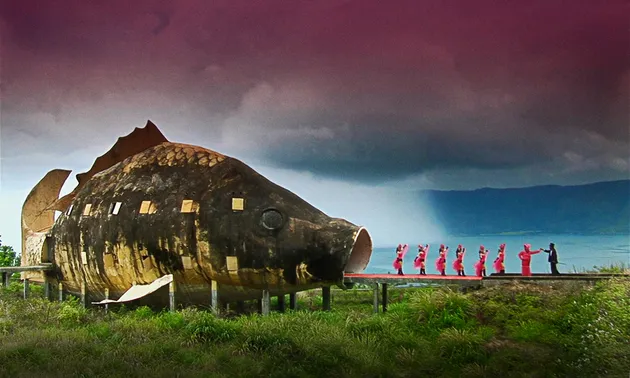
Filmmaker Werner Oppenheimer invites former slaughterers to explore their past traumas by reenacting their brutal actions through their favorite film genre in THE ACT OF KILLING (2012). Through the sociopathic confessions of Anwar Congo, the audience is confronted with the horrifying reality of how legal impunity can distort the morality and collective memory of a nation.

<nil>

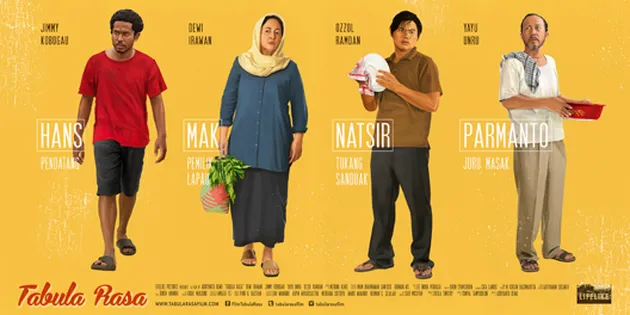
TABULA RASA (2014) brings the warmth of culinary anthropology through an accidental meeting between a young Papuan who has lost hope and the owner of a Padang rice stall. Through the dynamics of the relationship between Hans and Mak Kin, the audience is made aware that food is not just a means to fill the stomach, but a powerful cultural bridge to heal emotional wounds and unite ethnic differences.

<nil>

An in-depth study of the impact of global climate change on local cultures is emotionally presented through THE ANTHROPOLOGIST (2015). Anthropologist Susie Crate's exploration with her daughter to various parts of the world shows the audience how human physical and spiritual resilience is tested as their living spaces slowly disappear.

<nil>

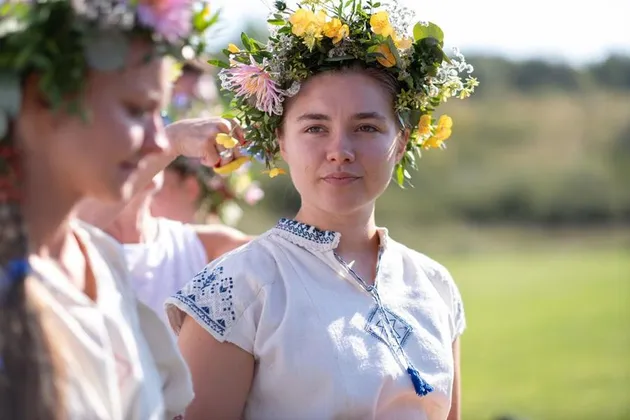
A summer holiday for a group of young people in a remote village in Sweden turns into a psychological nightmare due to an odd pagan ritual in MIDSOMMAR (2019). Dani's traumatic experience, which slowly drags her into the circle of the cult, opens the audience's eyes to how grief and the need for a sense of belonging can validate even the most extreme traditions.

<nil>

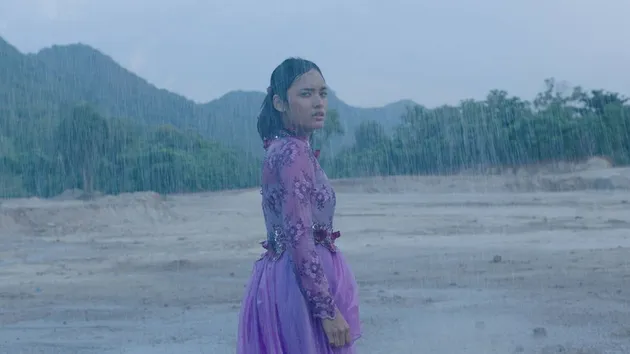
YUNI (2021) captures the inner struggle of a smart teenage girl in Banten whose dream of going to college is hindered by the dogma of early marriage. Through the difficult choices faced by Yuni, the audience is presented with a real portrait of how patriarchy and social pressure in rural areas continue to bind the freedom of young women's agency.

<nil>

The search for identity amid the clash of modern values and deeply rooted traditions is at the core of the drama LAILA (2025). Through the crucial decisions made by Laila, the audience is invited to understand the complexities of human cultural adaptation in maintaining personal principles during a rapidly changing social transition. Want to know more current information about the entertainment world? Check it out directly at KapanLagi.com. If not now, when?