

 Follow
 Rekomendasi
10 Korean Dramas about Childhood Trauma Filled with Wounds and Healing Process
Drama about childhood trauma presents an emotional story about inner wounds, the struggle to make peace with the past, and the touching healing process.
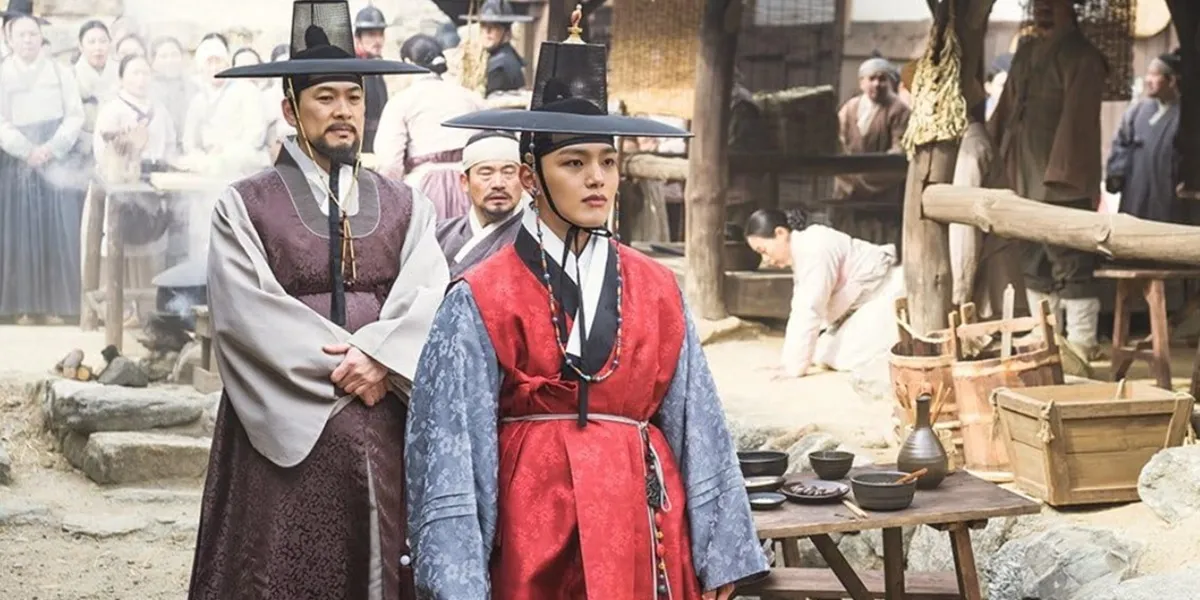
Kapanlagi.com - Korean dramas have become a global phenomenon that attracts the attention of millions of viewers around the world, and one aspect that makes Korean dramas so appealing is their ability to portray real-life stories in a dramatic and emotional way. Many popular Korean dramas are not just the result of the screenwriters' imagination, but are based on real events that have occurred in South Korean history, ranging from sensational criminal cases to the stories of influential figures in history, and even personal life experiences that inspire many people. By combining elements of true stories with high-quality production and stunning performances, these dramas successfully create works of art that are not only entertaining but also educate viewers about important aspects of Korean history and culture.
When viewers watch Korean dramas based on true stories, they not only receive mere entertainment, but also gain a deeper understanding of the historical and social events that have shaped South Korea as a modern nation. The true stories depicted on screen often involve extensive research about historical figures, in-depth analysis of complex criminal cases, and consultations with experts to ensure the accuracy of the stories presented. This article will take you on a journey to explore 15 of the best Korean dramas based on true stories, each with a unique narrative that has touched the hearts of millions of viewers and changed their perspectives on humanity, justice, and the challenging journey of life.
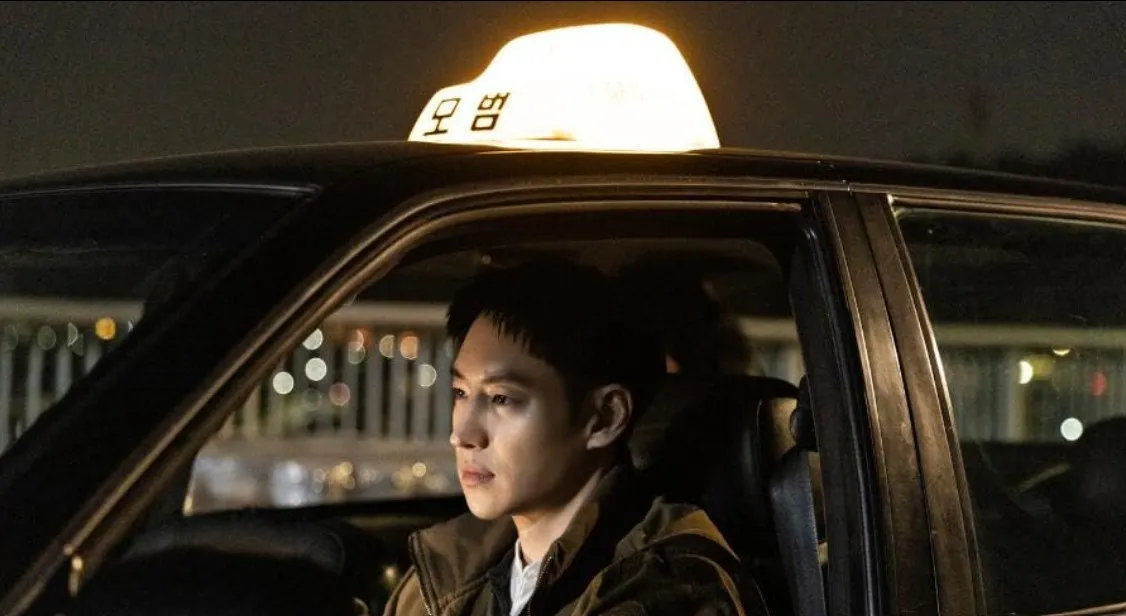
Taxi Driver (imdb.com)
Taxi Driver is a criminal thriller drama that tells the story of Kim Do Ki (played by Lee Je-hoon), a former special forces agent who serves as a luxury taxi driver named Rainbow Taxi to help the families of crime victims seek justice. This drama features stories inspired by real events that occurred in South Korea, including the case of Cho Doo Soon, a sexual offender who was released from prison in 2008 and sparked immense public outrage. The production team of this drama conducted extensive research on various criminal cases that have not received the justice they deserve within the formal legal system.
In addition to the Cho Doo Soon case, several episodes of Taxi Driver also highlight other real stories such as human trafficking affecting disabled individuals on Purple Island in Jeolla Province, as well as various cases of school bullying and workplace harassment that frequently occur in South Korea. This drama successfully combines spectacular revenge action with the reality of a legal system that often fails to satisfy the families of victims, creating a narrative that resonates deeply with viewers who feel frustrated by social injustice. The success of this drama in addressing real issues has made Taxi Driver one of the most influential Korean dramas in raising public awareness about crime and justice.
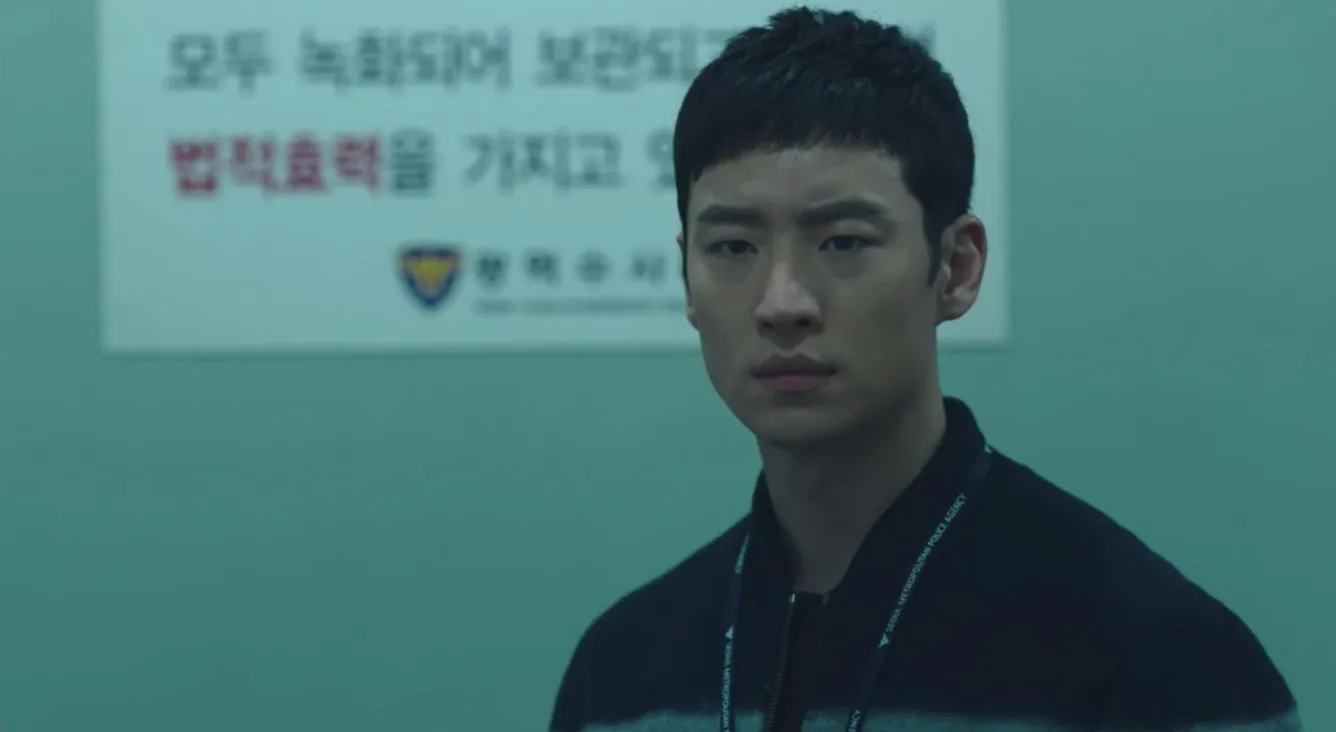
Signal (imdb.com)
Signal tells the true story of the Hwaseong serial murders that occurred in Gyeonggi Province between 1986 and 1991, a case that shocked South Korea at the time and became one of the most famous criminal events in the history of modern Korean law. This drama features a criminal profiler named Park Hae Young (played by Lee Je-hoon) who lives in the present and mysteriously discovers a broken walkie-talkie that allows him to communicate with a past detective named Lee Jae Han (played by Cho Jin-woong) from 1986. These two main characters collaborate across time to solve cold and unresolved serial murder cases spanning decades, creating a unique narrative that combines fantasy elements with historical reality.
The Hwaseong serial murders in real history involved the murders of more than ten women, and the identity of the original perpetrator was only revealed in 2019 after the original killer had died in prison. However, this case remains one of the most viral and talked-about criminal cases in South Korea to this day. Signal successfully captures the complexities of criminal investigations and the frustrations of authorities in handling such a complicated case with forensic techniques that were limited in the 1980s. Additionally, this drama also touches on the issue of the abduction of Park Chorong Bitnari in 1997, showing how the drama combines multiple real cases into one cohesive narrative that evokes emotions.
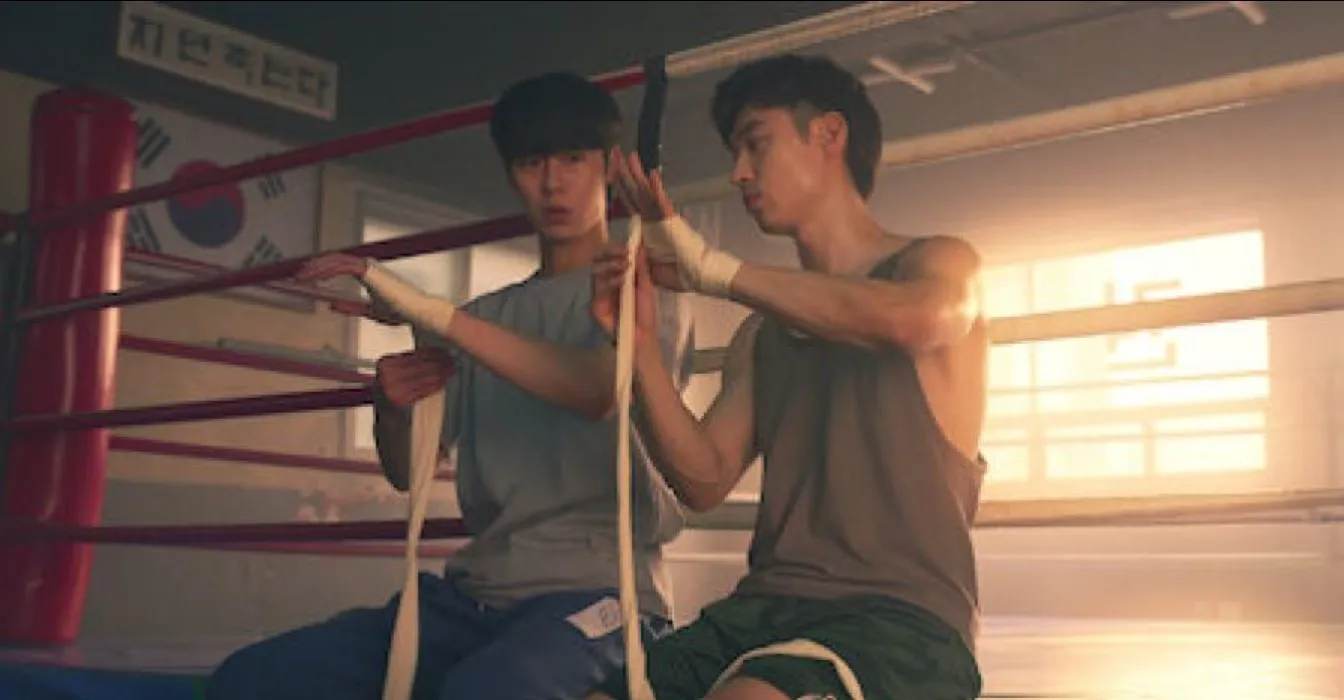
Move to Heaven (imdb.com)
Move to Heaven is a Netflix drama series that tells the true story from a book titled "Things Left Behind" written by Kim Sae-Byul, who became the first person in South Korea to work as a "trauma cleaner". The series follows Han Geu-ru (played by Tang Joon-sang), a teenager with Asperger syndrome, who runs the "Move to Heaven" business with his father Han Jeong-u (played by Ji Jin-hee), which is a cleaning service for personal belongings left behind by people who have passed away. This profession is rarely known to the public but is very important in helping the families of victims cope with loss while maintaining the dignity of the deceased.
After the sudden death of his father, Geu-ru must live with his uncle Cho Sang-gu (played by Lee Je-hoon) and continue the Move to Heaven business while also caring for his autistic nephew, creating a complex family dynamic filled with emotional learning. The series successfully captures the essence of real life through a profession that rarely receives mainstream media attention, showing how this "simple" job actually involves deep empathy and an understanding of human loss. Each episode explores various stories of people who have passed away through their personal belongings, creating a deeply touching narrative and delivering a moral message about the importance of human relationships and the significance of valuing every life.
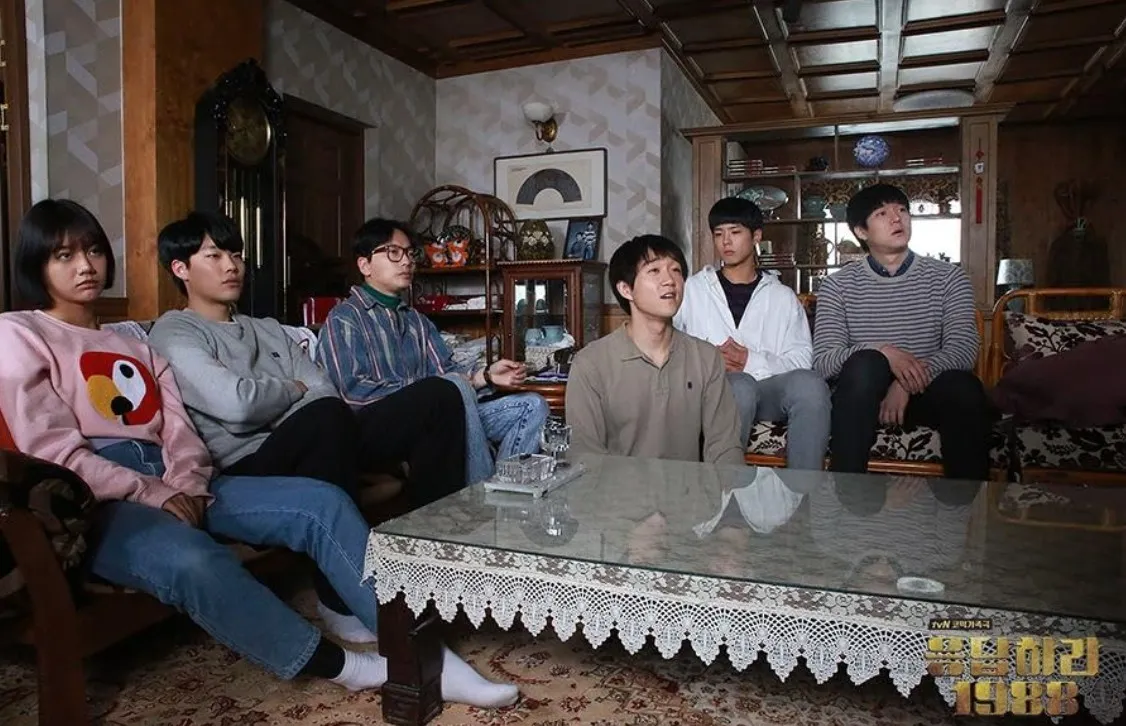
Reply 1988 (imdb.com)
Reply 1988 has become one of the most beloved and popular Korean dramas set in the year 1988, a significant year in South Korean history as the country was preparing to host its first Summer Olympics, symbolizing South Korea's recognition as a modern nation. This drama tells the story of five childhood friends living next to each other in the Ssangmundong neighborhood of Seoul during their last year of high school, showcasing an everyday life filled with love, friendship, and authentic teenage drama against the backdrop of important cultural and social events of the 1980s. The main character, Choi Taek, played by the famous actor Park Bo Gum, is inspired by the real-life figure Lee Chang Ho, the youngest professional Go (traditional Korean board game) player of his time, nicknamed Stone Buddha for his seemingly stiff facial expression during matches.
The series also features very accurate details of 1980s Korean life, from distinctive fashion and popular television shows of the time to the dynamics of traditional Korean families that were still very patriarchal during that period. The drama successfully creates a strong sense of nostalgia for viewers who grew up in the 1980s while providing valuable insights for younger generations about life in Korea during a decade of significant social and economic change. In addition, Reply 1988 also highlights the success story of Lee Young Seok, adapted from a book titled "Bachelor Vegetable Store," which in 1988 transformed his small vegetable store into a national franchise with 33 outlets across the city, showcasing the strong entrepreneurial spirit of Koreans.
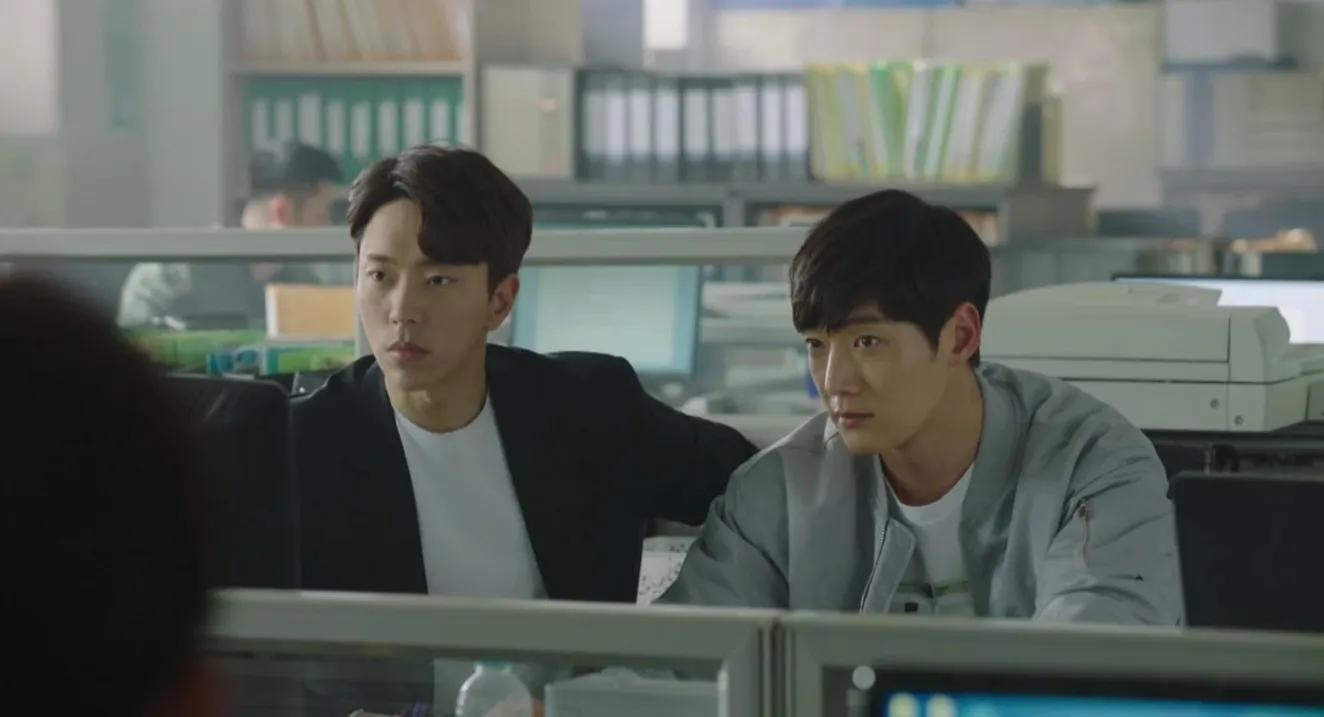
Tunnel (imdb.com)
Tunnel is a mystery thriller drama adapted from a true story inspired by the Hwaseong serial murder case that occurred in 1986 in South Korea, combining elements of time travel with intense criminal investigation and shocking plot twists. The drama tells the journey of a talented detective named Park Gwang Ho (played by actor Choi Jin-hyuk) who lives in 1986 and is pursuing a serial killer. However, when he passes through a tunnel while chasing a suspect, he suddenly gets transported 30 years into the future in 2016, with completely different technology and a rapidly evolving investigative system. This unexpected time travel forces Park Gwang Ho to adapt to the modern world while continuing to try to catch the serial killer who is still active and creating new victims in the future.
Although adapted from the true story of the Hwaseong murders, the Tunnel drama does not fully depict the actual events as it develops the story with a fantasy time travel theme that adds a new dimension to the traditional criminal narrative. The series presents various minor murder cases in each episode while maintaining focus on the main serial murder case, creating a complex narrative structure that keeps the audience always curious about the next developments. The drama also features collaboration between detectives from different eras and a modern team trying to understand past investigative methods while applying the latest technology, creating a highly interesting dynamic between traditional and modern in the criminal world.
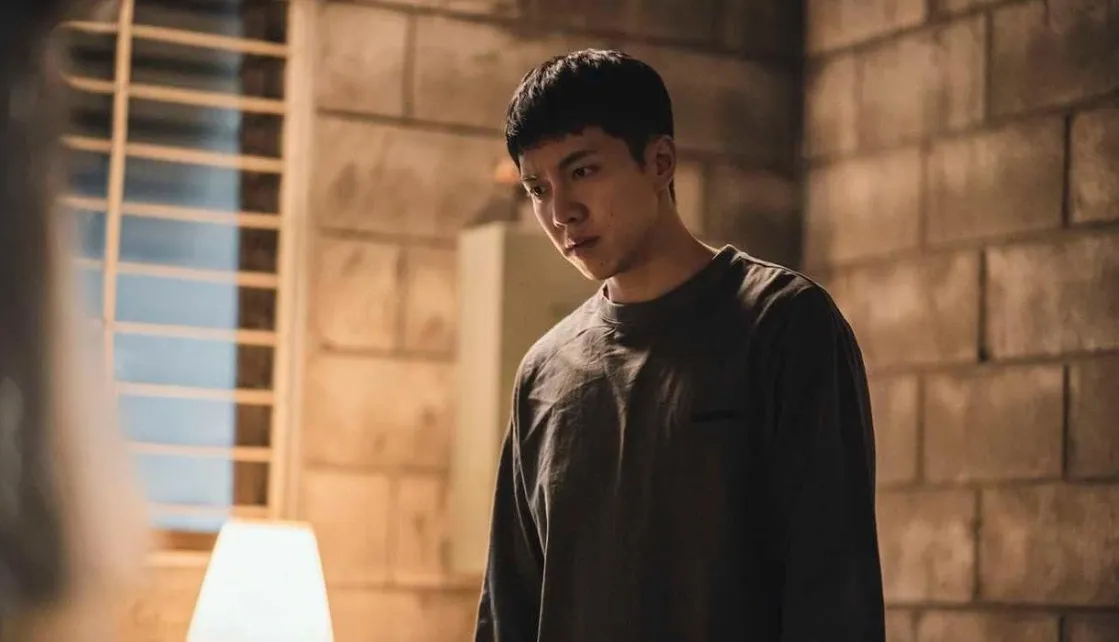
Mouse (imdb.com)
Mouse is a thriller drama based on the true story of a murder case at an elementary school in Incheon, South Korea, which occurred in 2017 and shocked the Korean public with its extraordinary brutality against very young children. This drama stars popular actor Lee Seung Gi as Jung Ba-reum, a police officer assigned to capture a serial killer who has committed a series of gruesome murders that have shaken the entire nation and instilled deep fear among parents and children. The series successfully captured public attention not only because of its thrilling plot twists and theories that keep viewers curious every episode but also due to its ability to touch on sensitive topics such as child violence and very dark criminal psychology.
The production team of the drama Mouse conducted extensive research on the 2017 Incheon murder case and spoke with authorities involved in the investigation to ensure the accuracy of the investigative and psychological aspects of the killer in the drama. The statements of the original perpetrator at the trial left the public and even director Choi Joon Bae feeling outraged by the injustices that occurred, which then inspired the creation of the drama Mouse as a way to raise awareness about the brutal murder case and the impunity often experienced by criminals in Korea. The series portrays the psychology of serial killers in a very profound and disturbing way, creating a spectacle that is not only entertaining but also provides valuable insights into the criminal world and police investigations in South Korea.
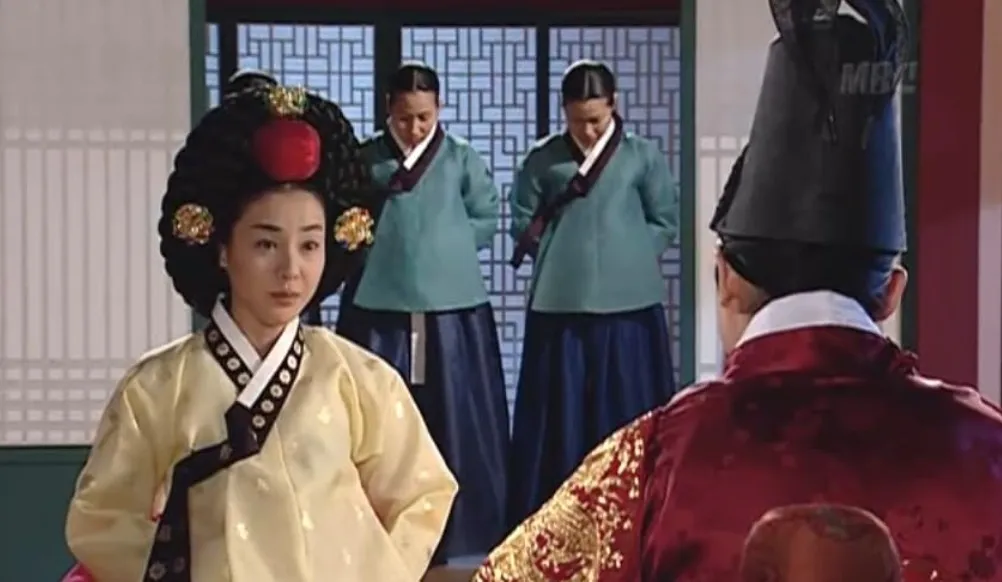
Jewel in the Palace (imdb.com)
Jewel in the Palace is a phenomenal historical drama based on the true story of Dae Jang Geum (Seo Jang-geum), an extraordinary woman who became the first royal physician and head of the royal kitchen in the history of the Joseon Dynasty of Korea in the 16th century, a remarkable achievement considering the social structure of Korea at that time was highly patriarchal and placed women in subordinate positions. This drama tells the long and challenging journey of an orphan girl who initially worked as a lowly kitchen worker but, through perseverance, intelligence, and courage in facing gender discrimination, she succeeded in becoming the best kitchen worker and the royal physician trusted directly by the king to take care of his health. The real life of Dae Jang Geum reflects the spirit of resistance against social injustice and the proof that individual abilities are not determined by gender or social status assigned by family.
This drama series has successfully become a global phenomenon and is one of the most important watchings in the history of the Korean Wave (Hallyu), with peak ratings reaching 57.1% and an average audience of 45.8%, making it the 10th highest-rated Korean drama ever aired. The production of the drama, with a budget of 15 million dollars, which is very large by Korean drama production standards in 2003, resulted in stunning visual quality and the ability to be broadcast in 91 countries around the world, generating 103.4 million dollars in global revenue. Jewel in the Palace not only entertains but also delivers a strong inspirational message about the importance of education, perseverance, and the struggle to achieve dreams despite facing significant social obstacles.
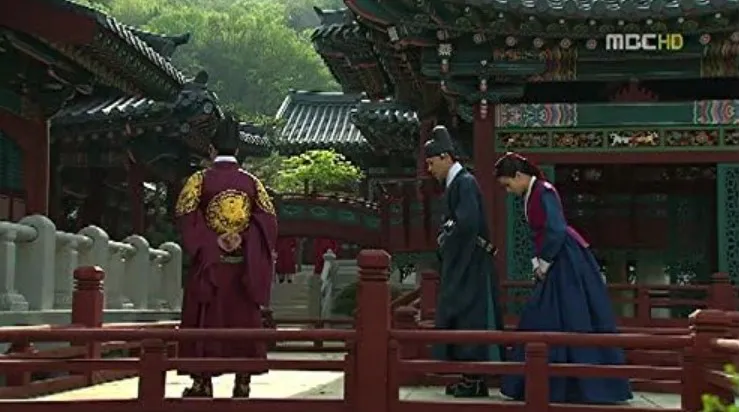
Dong Yi (imdb.com)
Dong Yi is an epic historical drama based on the true life of a woman named Choi Suk-bin, who later became known as Dongyi in the historical records of the Joseon Dynasty of Korea. She was a low-ranking palace servant who, through wisdom, courage, and ingenuity, managed to win the heart of King Sukjong and became his concubine with the title Sukbin, while also giving birth to Yeongjo, who later became the 21st King of Joseon. This drama showcases the long journey of a woman from a very low status in the palace hierarchy to a position of influence, while also revealing the complex palace intrigues, rivalries among concubines, and power dynamics between different factions within the Joseon government. The true story of Dong Yi illustrates how a woman from a lowly background can influence the course of national history through her wisdom and dedication to the royal family.
The drama, starring the famous actress Han Hyo-joo in the role of Dong Yi, has won various prestigious awards including the Daesang (Grand Prize) at the MBC Drama Awards and the Best Actress award at the prestigious Baeksang Arts Awards, showcasing exceptional acting and production quality. The series develops its narrative around a crucial period in Joseon history when political conflicts arose between Queen Inhyeon and the Jang Hee Bin faction, and Dong Yi strategically used the king's trust to protect the Queen and subsequently ensure her son became the heir to the throne. In-depth historical research on historical documents and royal records of Joseon ensures that although some dramatic elements were added for entertainment, the core story remains faithful to the known historical facts about the life of Choi Suk-bin.
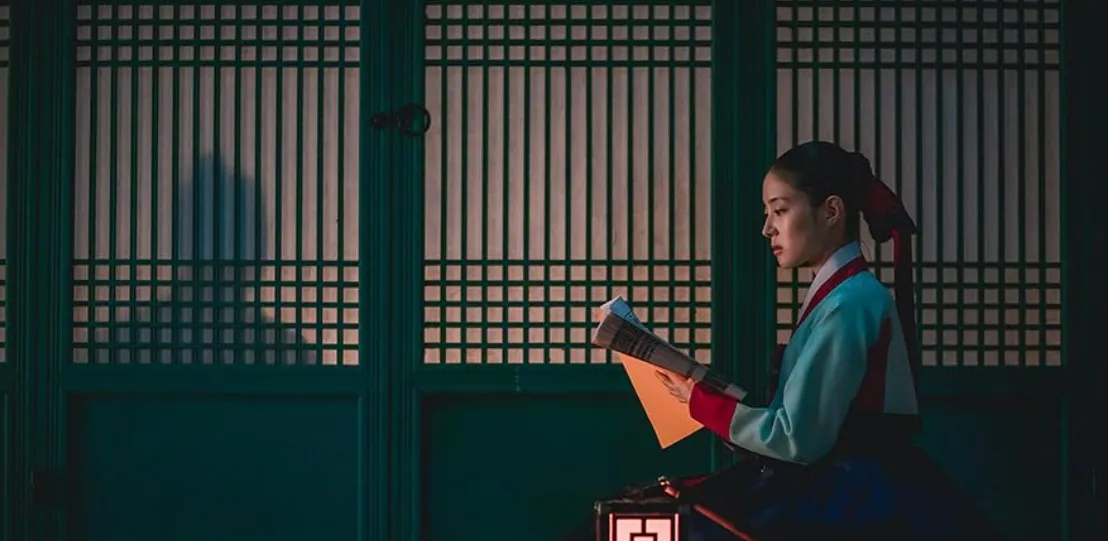
The Red Sleeve (imdb.com)
The Red Sleeve is a romantic sageuk drama that tells the true love story between King Jeongjo (played by Lee Junho from 2PM) and a palace maid named Seong Deok Im (played by Lee Se-young) during the Joseon Dynasty in Korea, a story that is recorded in historical accounts as one of the most tragic and touching love relationships in Korean royal history. The drama focuses on Seong Deok Im's struggle to maintain her personal freedom and her reluctance to live in the king's nightly embraces, but ultimately she falls in love with Jeongjo and accepts her position as a concubine, only to face the cruel palace intrigues and strict rules that restrict her freedom. Some events in this drama, such as Seong Deok Im's initial rejection of palace life and the tragic ending of her death during childbirth, actually occurred in the recorded history of the Joseon Dynasty in official royal documents.
This drama successfully captures the essence of a woman's struggle within the oppressive patriarchal royal system, showcasing the deep relationship between Jeongjo and Deok Im despite their vastly different social statuses and the need to hide their relationship from the strict court scrutiny. Adapted from the popular novel titled "The Sleeve's Red Cuff" by Kang Mi-kang, this story has attracted the attention of many Korean writers and readers who wish to delve into the perspective of palace women that is rarely highlighted in traditional historical dramas. The tragic story of Seong Deok Im, through the drama's portrayal, becomes a symbol of women's resistance against social injustice and also a testament to the deep devotion of love even amidst the limitations and constant threats faced in the perilous world of the palace.
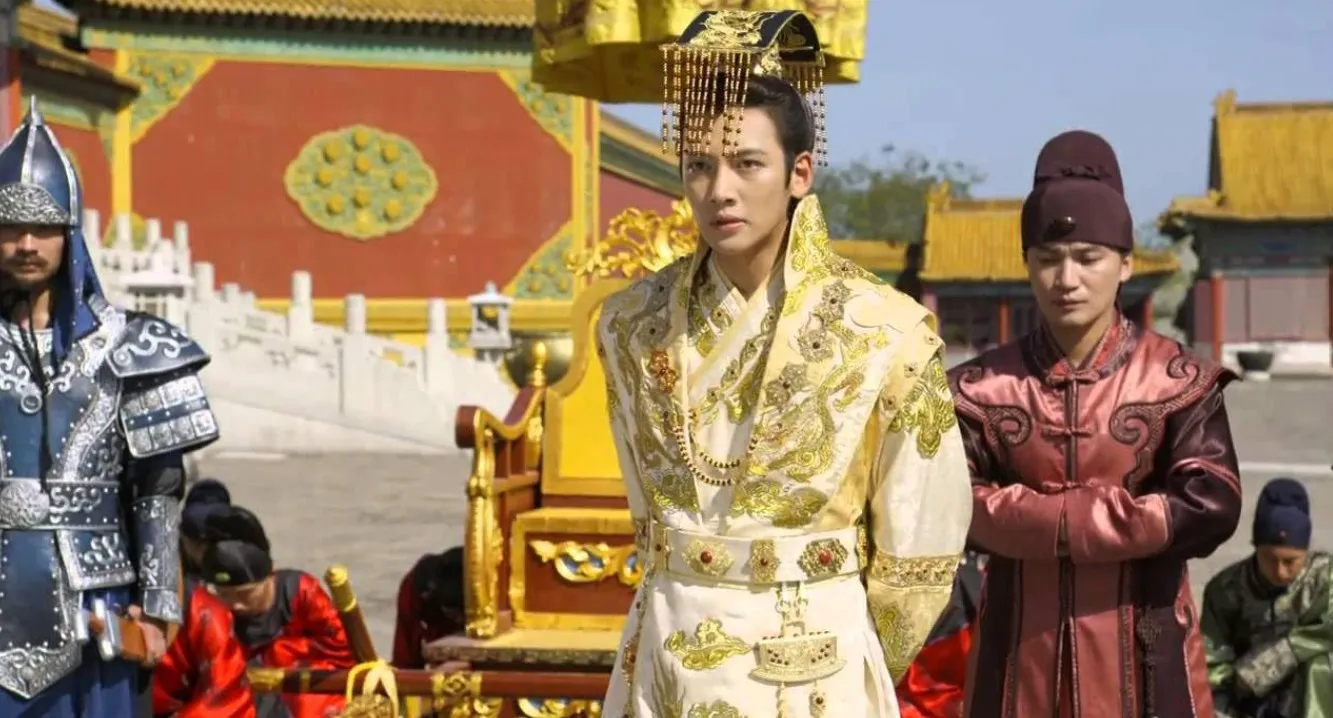
Empress Ki (imdb.com)
Empress Ki is an epic historical drama based on the true story of a woman from Goryeo named Empress Ki, a woman from a humble and enslaved background who, thanks to her cunning and ability to influence those around her, managed to rise to become the Empress of the Yuan Empire in the 14th century, creating one of the most remarkable tales of love and power in East Asian history. This 51-episode long drama narrates the journey of Ki Seung Nyang from a lowly servant to becoming the empress, showcasing complex palace intrigues, power struggles between different factions, and the forbidden romantic relationship between her and the King of Goryeo before she eventually marries the Yuan Emperor. The true story of Empress Ki illustrates how a woman from the lowest background can change history and influence the course of a dynasty through ingenuity, bravery, and her ability to survive in a highly dangerous environment.
This drama series received prestigious awards including the Golden Bird Prize for Best Drama Series at the 9th Seoul International Drama Awards, and Ha Ji-won in her role as Empress Ki won the Grand Prize at the MBC Drama Awards for her outstanding performance. The drama features historically accurate details about life in the Yuan palace during the medieval era, depicting the cultural differences between Goryeo and Yuan, as well as the complexities of diplomatic and personal relationships between the two neighboring kingdoms. Extensive research on the true history of Empress Ki and historical documents ensures that although some aspects are dramatized for entertainment purposes, the essence of the story remains faithful to the historical records available about the life journey of this extraordinary woman.
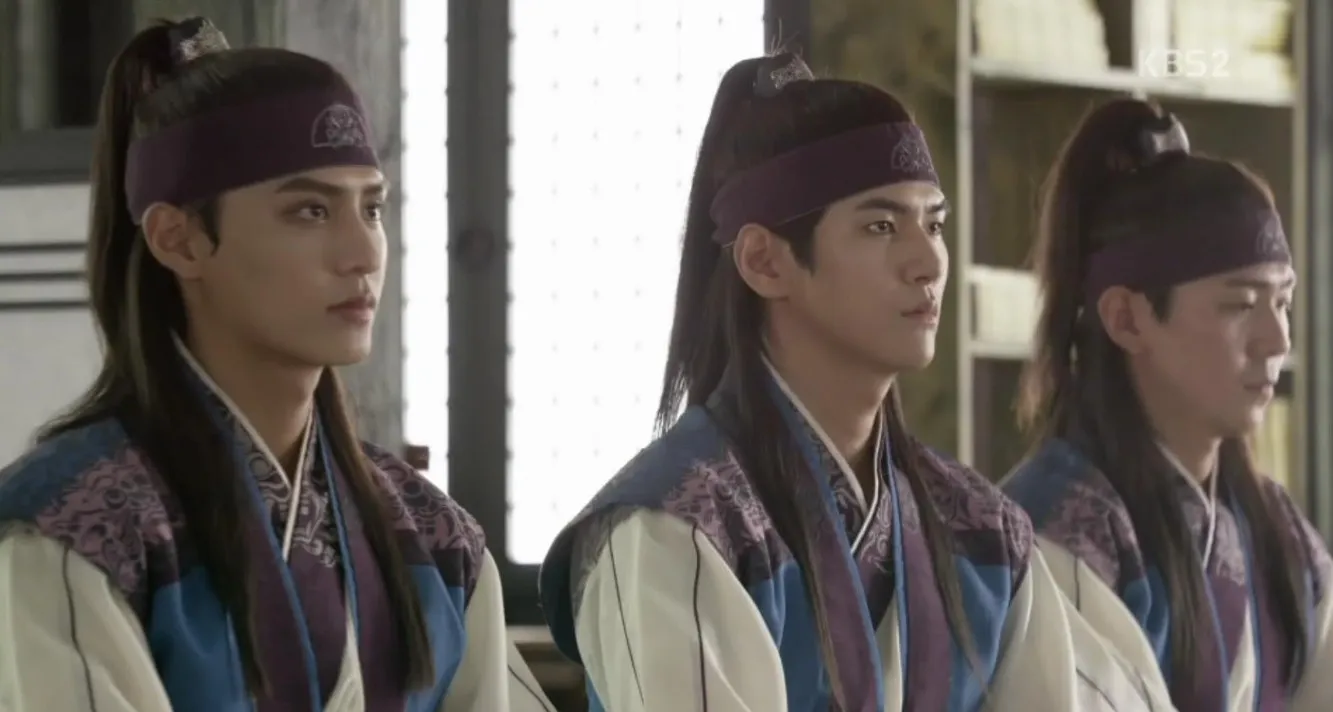
Hwarang (imdb.com)
Hwarang is a historical drama based on the legend of Hwarang, an elite group of young knights who lived during the Silla Dynasty of ancient Korea (around the 7th century), which was a military and social organization famous in Korean history for their important role in the unification of Korea and the development of traditional Korean culture. The drama features a group of young knights (played by well-known actors such as Park Seo-joon, Park Hyung-sik, V from BTS, Minho SHINee, and Do Ji-han) who are sons of noble families with a deep knowledge of philosophy, religion, arts, and martial arts, who unite to form a new Hwarang group on their journey to discover love, friendship, and their path in the Silla kingdom era. Although the legend of Hwarang is often romanticized in Korean popular culture, this drama showcases authentic elements of the history of the organization while adding dramatic and romantic storytelling for modern entertainment.
The series successfully captures the spirit of true friendship and dedication to the moral values and honor that form the foundation of Hwarang in real history, demonstrating how this young group played a crucial role in shaping the Korean culture that is still recognized today. The Hwarang drama combines epic battles, arts, music, and complex personal relationships to create a narrative rich in cultural insights about the Silla era, known as the golden age in ancient Korean history. Research on the history of Hwarang and Silla culture ensures that although stories are added for drama, the representation of the values, practices, and belief systems of Hwarang in history remains accurate and honors the cultural heritage of Korea.
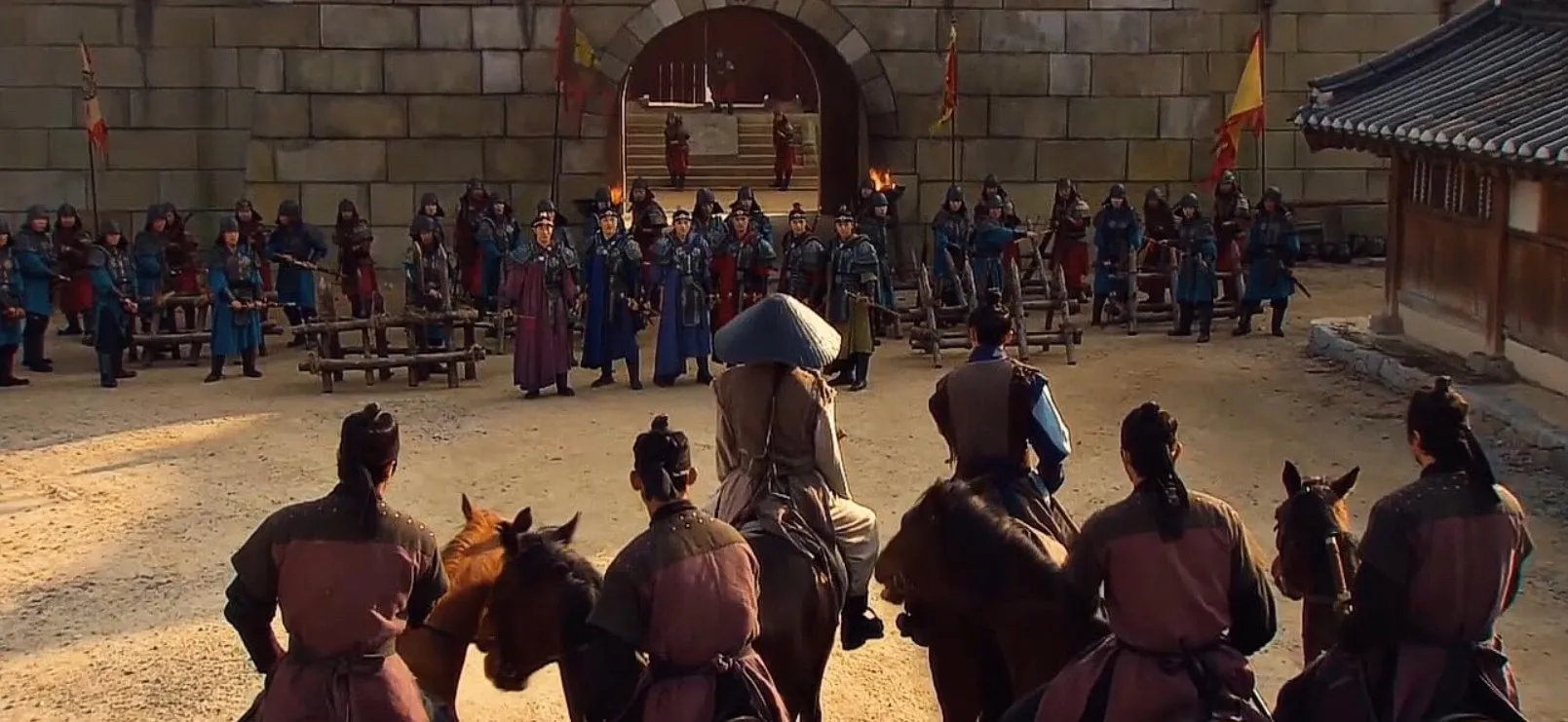
The Great Queen Seondeok (imdb.com)
The Great Queen Seondeok is an epic historical drama that tells the true story of Queen Seondeok, the first queen of the Silla Dynasty in Korea in the 7th century, who achieved great glory during her reign and is known for her wisdom, visionary leadership, and contributions to the development of traditional Korean culture and arts. This 62-episode drama focuses on Seondeok's life from when she was still a princess who wanted to pursue studies in philosophy and science, which were forbidden for women at that time, until she became a queen who had to lead her country in the face of threats from neighboring kingdoms while also managing complex palace intrigues. The true story of Queen Seondeok shows how a woman can use ingenuity, education, and courage to overcome gender barriers and become a leader admired and respected by her people.
This drama series also features a tragic love story between Queen Seondeok and a man she loves, adding an emotional dimension to the larger historical narrative about leadership and the sacrifices that must be made for the welfare of the nation. The drama accurately depicts life in the Silla palace, the developing technology and arts of that era, as well as the diplomatic challenges faced by Seondeok in maintaining Silla's independence among stronger kingdoms. In-depth historical research on ancient documents and records from the Silla era ensures that the narrative in the drama remains faithful to known historical facts while adding dramatization for entertainment purposes and to create an emotional connection with modern audiences.
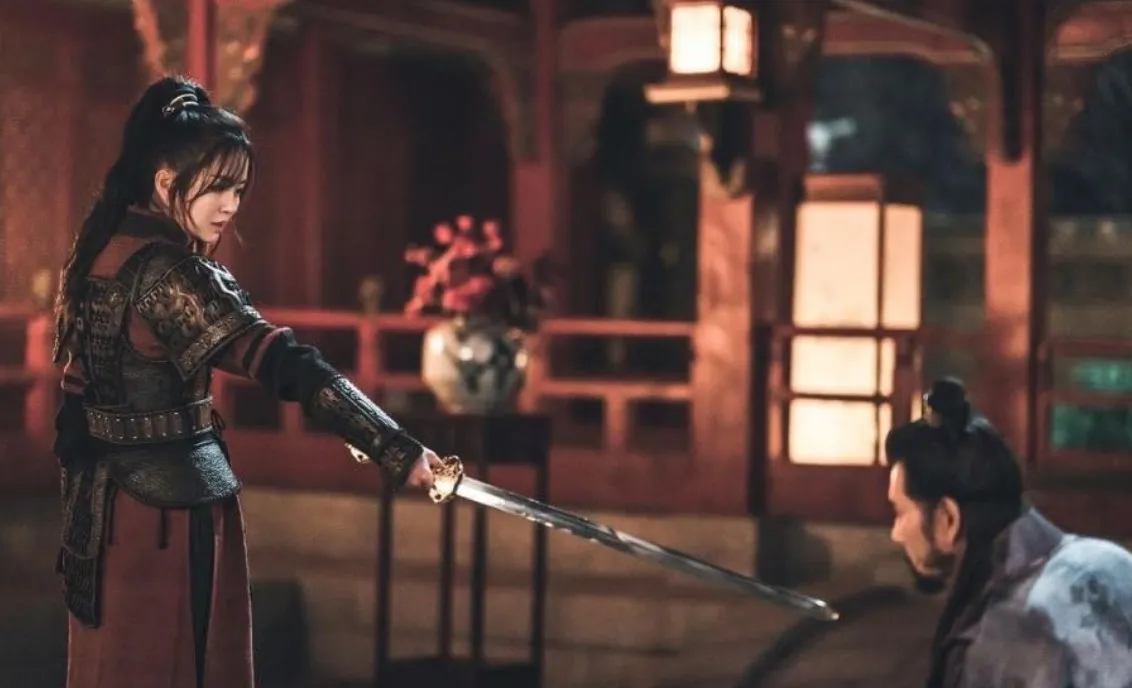
River Where the Moon Rises (imdb.com)
River Where the Moon Rises is a historical drama based on the classic Goguryeo legend and adapted from the novel "Princess Pyeonggang" by screenwriter Choi Sagyu, telling the love story between Princess Pyeonggang of the Goguryeo Kingdom and a soldier named On Dal, who are characters from a classic Korean folktale that has been passed down through generations. This 20-episode drama features Princess Pyeonggang as an ambitious woman who dreams of becoming the first female leader to rule the Goguryeo Kingdom, but she uses On Dal's feelings for her as part of her political strategy to gain power, creating a complex dynamic between personal love and political ambition. Although this story is rooted in ancient legend, the drama showcases authentic elements of Goguryeo history and the rich warrior culture in ancient Korean history.
The series combines touching romance with spectacular fight scenes and complex palace intrigues, highlighting the values of the Goguryeo kingdom and the spirit of struggle to maintain independence against aggression from neighboring kingdoms. The drama River Where the Moon Rises was submitted as a contender for the 2021 International Emmy Awards, demonstrating a high level of production quality and narrative to compete with other international drama productions. Research on Goguryeo history and the On Dal-Pyeonggang legend ensures that the drama honors the cultural heritage of ancient Korea while presenting a relevant and engaging story for modern audiences seeking a unique combination of history, romance, and action.
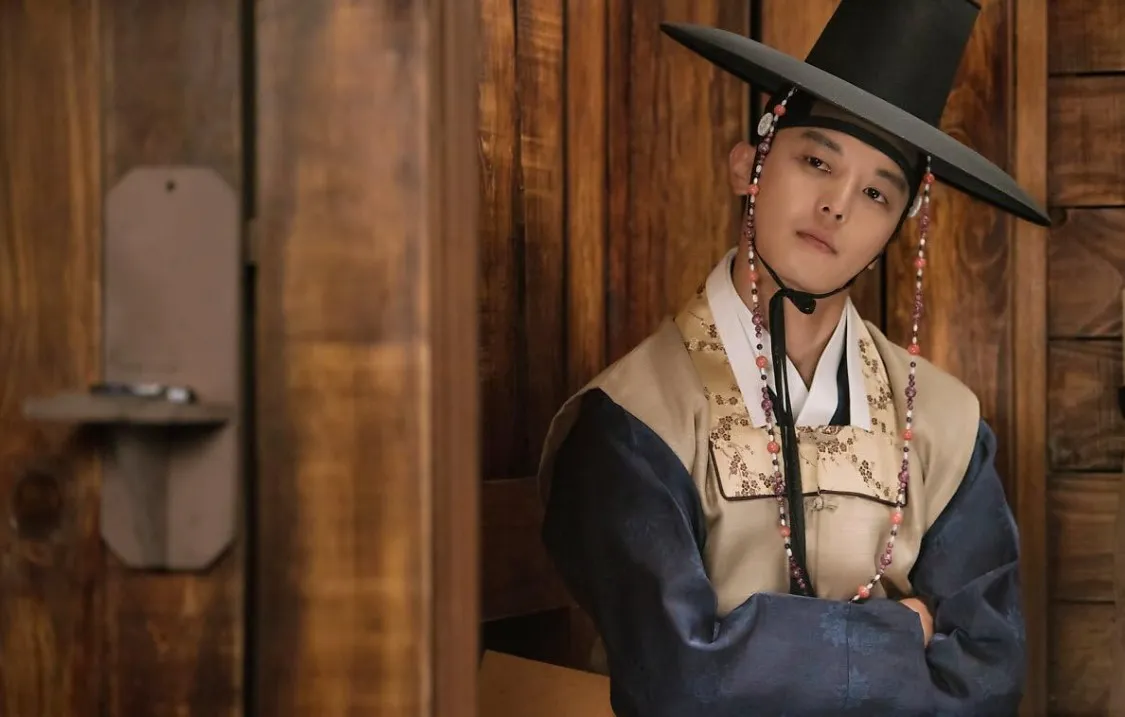
Queen for Seven Days (imdb.com)
Queen for Seven Days is a romantic historical drama that tells the true story of Queen Dangyeong, a noblewoman who married the Crown Prince in 1506 but only reigned for seven days before being overthrown in a political coup that changed the course of Korean Joseon Dynasty history. The drama features a beautiful yet tragic romantic relationship between Shin Chae-kyung (who later becomes Queen Dangyeong, played by Park Min-young) and Lee Yeok (who becomes King Jungjong, played by Yeon Woo-jin), where in a short time they must learn to love each other while facing a political crisis that threatens their lives. The true story of Queen Dangyeong shows how sudden changes in power can separate married couples and how Dangyeong had to leave her royal life and live as an ordinary woman after being ousted from the throne.
This 20-episode series accurately depicts the intrigues of the Joseon court and the complex processes involved in holding royal wedding ceremonies, as well as the traditional investments and customs that the young queen had to follow during that era. The drama also features other historical characters such as King Yeonsangun, a notorious predecessor known as the most despotic king in Joseon history, adding layers of complexity to the narrative about power and intrigue. Accurate historical research on Joseon archives and historical documents ensures that the story of Queen Dangyeong's overthrow and her life afterward is faithfully represented according to historical records while adding elements of dramatization to create an emotional and engaging narrative.
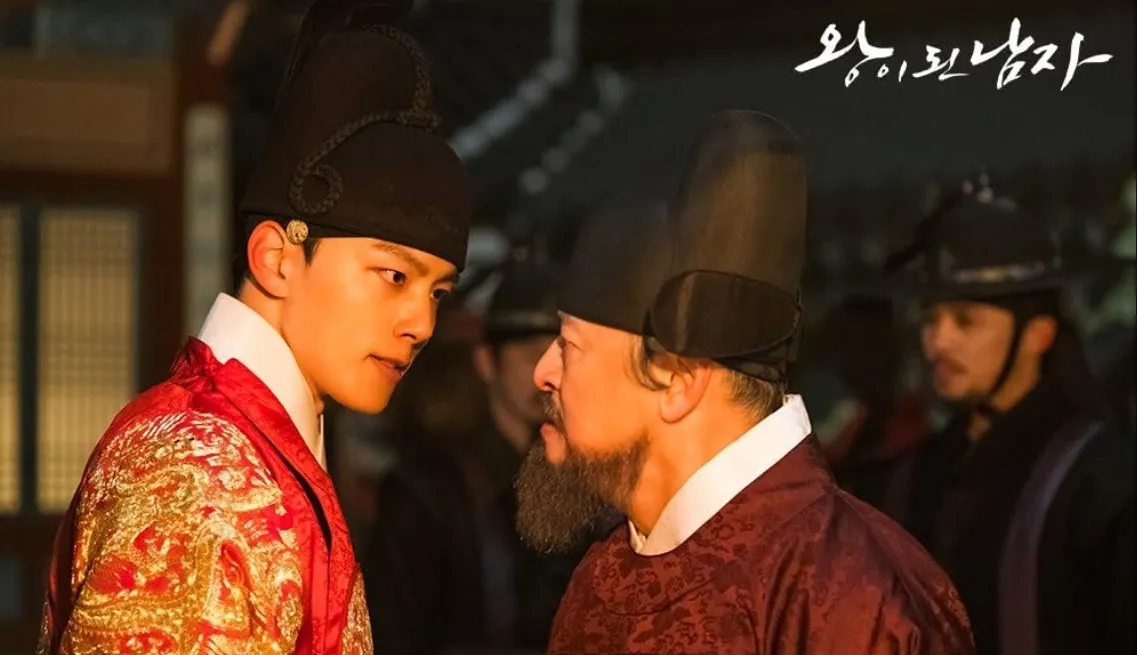
The Crowned Clown (imdb.com)
The Crowned Clown is a historical drama inspired by real events in the Joseon Dynasty, telling the story of a lowly clown named Ha Sun (played by talented young actor Yeo Jin-goo) who has a face very similar to King Lee Heon (played by Kim Sang-kyung) and is chosen to replace the king during a public protest and power struggle that threatens the king's life. This drama showcases Ha Sun's transformation from a clown who only understands the entertainment and comedic world into a leader who must learn in a short time about the responsibilities of leadership while keeping his secret and learning to love Queen Yoo So Woon (played by Lee Se-yeong) who initially does not understand this replacement. Although the main story has fictional elements about the clown's replacement, the characters and events in the drama are inspired by real historical figures and actual political events of Joseon.
This 16-episode series explores themes of power, responsibility, and a person's ability to learn and grow when faced with situations completely beyond their control. The drama features the character of King Lee Heon based on actual Joseon kings who were overthrown or lost power in coups, while Queen Yoo, exiled with her husband, shows the real impact of power changes on the royal family. Research on Joseon history and royal politics ensures that although the story of the clown's replacement is fictional, the historical context and leadership responsibilities faced by the characters in the drama remain authentic and reflect the complex reality of the governance of the Joseon court.
Q1: What is the reason that Korean dramas based on true stories are often more popular than regular fictional dramas?
Answer: Korean dramas based on true stories are usually more popular because viewers feel an emotional connection to events and characters that actually existed, providing a sense of authenticity and deeper meaning that pure fictional stories find hard to achieve.
Q2: Which drama among the 15 recommendations is closest to real events?
Answer: Jewel in the Palace (Dae Jang Geum), The Red Sleeve, and Queen for Seven Days are the dramas closest to official historical records, as they feature historical figures that are documented in detail in the Joseon royal archives.
Q3: Are there any social impacts or policy changes resulting from Korean dramas based on true stories?
Answer: Yes, some dramas like Taxi Driver have successfully raised public awareness about social issues such as justice for crime victims, and in some cases, prompted the government to revisit cases depicted in the dramas.
Q4: Are there any Korean dramas based on true stories that are controversial for being considered inaccurate or disturbing to the victims' families?
Answer: Yes, some dramas like Mouse and Taxi Driver have received criticism from certain parties who feel that the representation of real events is less sensitive or overly dramatized regarding the tragedies faced by real victims' families.
(kpl/ank)
Cobain For You Page (FYP) Yang kamu suka ada di sini,
lihat isinya
Drama about childhood trauma presents an emotional story about inner wounds, the struggle to make peace with the past, and the touching healing process.
Recommendations for Korean dramas with the most iconic villains from Vincenzo to The Glory, complete with synopsis, cast, airing schedule, and interesting facts.
Discover captivating recommendations for romantic Chinese dramas, offering a variety of love stories from campus to historical fantasy. Perfect for K-drama lovers seeking new viewing options.
Korean horror fantasy dramas set in a kingdom offer a unique and captivating viewing experience. Here are the 7 best recommendations.

A list of recommended Korean action dramas with minimal romance that are a must-watch, including several new titles airing in 2026, filled with intrigue and ready to get your adrenaline pumping.

Get the tissues ready! From Reply 1988 to The Good Bad Mother, discover a lineup of the most heartwarming and meaningful family-themed Korean dramas that are ready to drain your emotions.
Explore recommendations for school-themed Korean dramas that present complex conflicts, mysteries, and intense competition, similar to "Notes from the Last Row."
Do you like dramas full of intrigue and action? Check out the recommendations for Korean dramas adapted from webtoons that present thrilling revenge stories from 2020 to 2026.
Discover captivating recommendations for Korean dramas that change destiny, where characters struggle against fate through time travel and supernatural interventions. Full of dilemmas and sacrifices.
From K-Dramas to Doramas, find recommendations for romantic dramas featuring 'red flag' characters that are manipulative yet succeed in making the audience feel emotional and frustrated.
Ready to feel all the feels? Explore recommendations for time-traveling fantasy romance dramas that present eternal romance, intriguing plots, and adventures across destinies.
Actors Bae Nara and Han Jae Ah have confirmed their wedding plans after publicly dating for seven months.
