Kapanlagi.com -
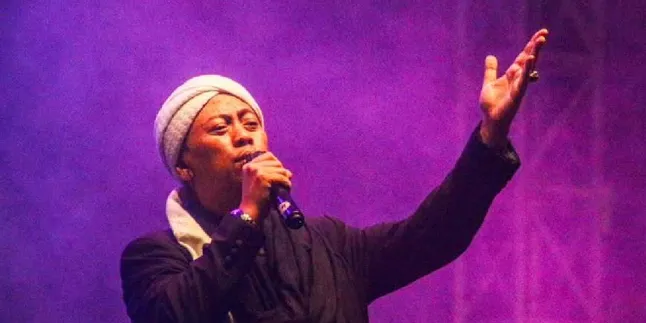
The song Ramadhan Comes popularized by Tompi has become one of the religious songs that is often played during the holy month. This song brings a warm and spirited atmosphere in welcoming the arrival of Ramadan, a month eagerly awaited by Muslims.
Through simple yet meaningful lyrics, "Ramadhan Comes" depicts a joyful atmosphere, the solemnity of worship, and the efforts to cleanse the soul. Each stanza emphasizes the importance of experiencing Ramadan with a joyful heart while being earnest.
To understand the meaning of the song Ramadhan Comes by Tompi, just take a look at the following review.
1. Lyrics of the Song Ramadan Comes - Tompi
Ramadhan comes and the world is joyful
Welcoming the blessed month
The community sings the call to prayer
A sign of a happy heart
Ho
A joyful heart
Ho
Full of joy
For a month we will fast
Fighting hunger and thirst
Overcoming the temptations of the devil
Becoming a pious person
Ho a joyful heart
Ho full of joy
Tarawih and Tadarus
Prostrating in the middle of the night
Remembering and praying
Mentioning Your name, O Allah
And do not forget to give Zakat
Complete the obligations
Purifying the soul
As a fitri being
Ramadhan comes and the world is joyful
Welcoming the blessed month
The community sings the call to prayer
A sign of a happy heart
Ho
A joyful heart
Ho
Full of joy
Tarawih and Tadarus
Prostrating in the middle of the night
Remembering and praying
Mentioning Your name, O Allah
And do not forget to give Zakat
Complete the obligations
Purifying the soul
As a creature of Allah
And do not forget to give Zakat
Complete the obligations
Purifying the soul
As a fitri person
Tarawih and Tadarus
Prostrating in the middle of the night
Remembering and praying
Mentioning Your name, O Allah
Ho
A joyful heart
Ho
Full of joy
2. A Picture of Joy Welcoming Ramadan
From the first stanza, this song immediately presents a picture of a joyful atmosphere. The line "Ramadhan comes, nature rejoices" indicates that the arrival of the holy month is welcomed not only by humans, but as if the entire universe also shares in the joy.
The lyrics about the call to prayer and the congregation singing emphasize the warm religious atmosphere. The call to prayer marks the arrival of the month full of blessings, as well as a symbol of the call to draw closer to Allah.
The repetition of the phrases "a joyful heart" and "full of joy" reinforces the main message of this song. Ramadan is portrayed as a moment that is eagerly awaited, not a burden, but a time that brings spiritual happiness.
3. The Meaning of Fasting and Self-Control
This song also highlights the essence of fasting as a practice of self-control. The lyrics "For a month we will fast, resisting hunger and thirst" emphasize that fasting is not just about refraining from eating and drinking, but a process of character building.
The phrase "Overcome the temptations of the devil" describes the inner struggle that each individual must go through. Ramadan becomes an opportunity to subdue desires and stay away from temptations that can ruin the quality of worship.
The ultimate goal is emphasized in the sentence "To become a pious person." Fasting is depicted as a way to enhance piety, making a person better both spiritually and morally.
4. Worship and Purification of the Soul
In addition to fasting, this song features a series of worship activities that are synonymous with Ramadan, such as tarawih and tadarus. Prostrating in the middle of the night, reciting dhikr, and praying are mentioned as forms of closeness between a servant and Allah.
The mention of zakat in the lyrics "And do not forget to give zakat, complete your obligations" emphasizes that Ramadan is also a moment for sharing and fulfilling the pillars of worship. Zakat is seen as a form of social responsibility as well as spiritual duty.
The section "Purifying the soul as a fitri being" summarizes the overall meaning of this song. Ramadan is positioned as a process of self-cleaning, returning humans to a pure and conscious state as creatures of Allah.
5. Frequently Asked Questions (FAQ)
What is the main theme of the song "Ramadhan Datang"?
The main theme is the joy of welcoming the month of Ramadan and an invitation to perform worship with a cheerful heart and full sincerity.
What is the meaning of fasting in this song?
Fasting is interpreted as an effort to combat hunger and thirst while also controlling desires in order to become a pious person.
What acts of worship are mentioned in the lyrics of the song?
This song mentions tarawih, tadarus, prostration in the middle of the night, dhikr, prayer, and zakat as a series of worship during the month of Ramadan.
What is the message about zakat in this song?
Zakat is mentioned as an obligation that perfects worship and is part of the process of purifying the soul.
What is the final meaning that this song wants to convey?
This song emphasizes that Ramadan is a moment to purify the soul and return to being a fitri person with a cheerful heart and full of joy.
Find other interesting song meaning reviews at kapanlagi.com. If not now, when?
(kpl/psp)
Disclaimer: This translation from Bahasa Indonesia to English has been generated by Artificial Intelligence.


 Follow

 Rekomendasi