

 Follow
 Rekomendasi
Chinese Comedy Drama About Unemployment That Relates to Job Seekers
A Chinese comedy drama about unemployment that is entertaining and relatable for job seekers.
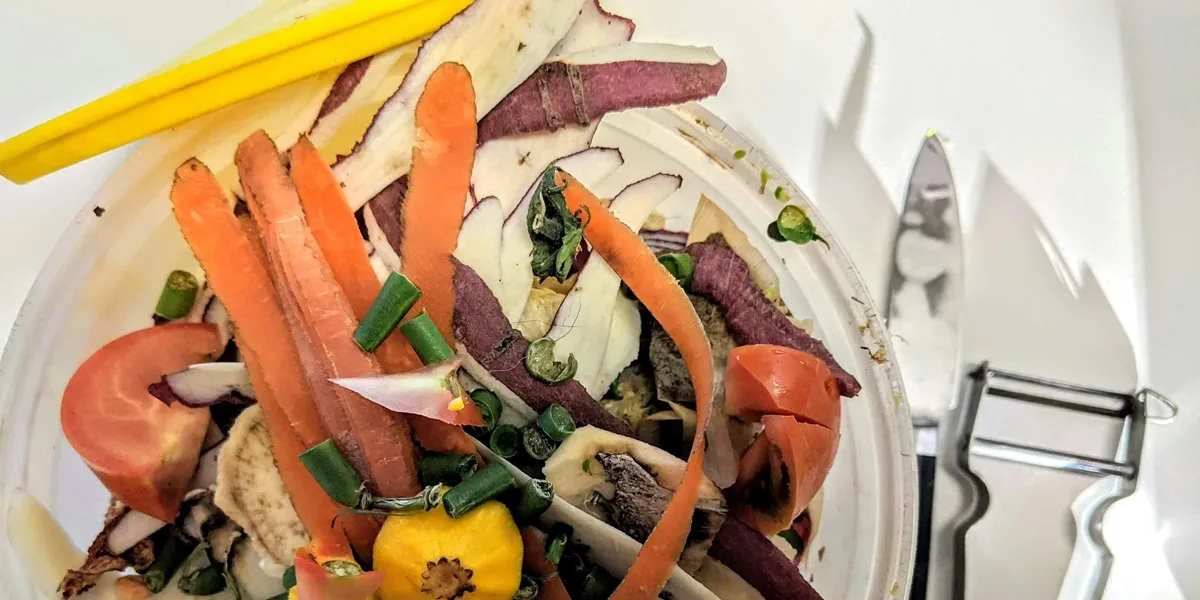
Eco enzyme has become one of the practical solutions for processing household organic waste. The process is not complicated and can be done with simple materials that are easy to find on a daily basis.
The making of eco enzyme follows the ratio formula of 1:3:10, which is the main basis for successful fermentation. This ratio includes sugar, fruit and vegetable scraps, and water in certain proportions.
Besides being easy to make, eco enzyme also has various benefits for household needs and the environment. Ranging from natural cleaners to helping reduce organic waste, its use is increasingly popular. Check out the complete method below.
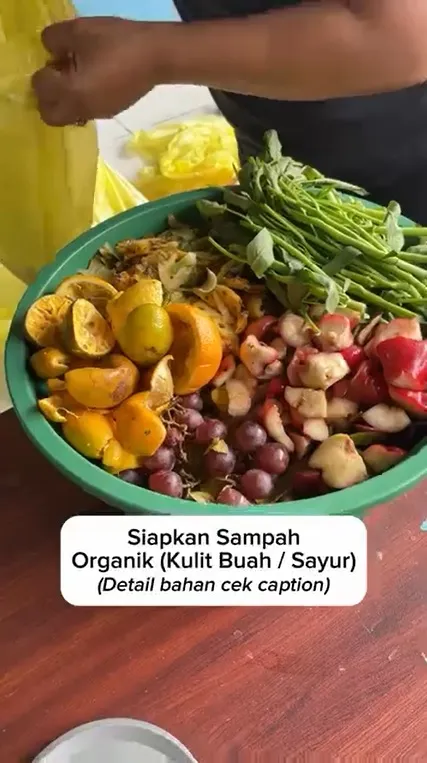
Prepare the necessary ingredients and containers (credit: instagram/bdg.dlh)
The main ingredients used in making eco enzyme consist of brown sugar or palm sugar, leftover fruits and vegetables, and clean water. These three ingredients are essential elements in the fermentation process that will produce beneficial liquid.
The choice of container is also important to ensure the process is safe and optimal. The container should preferably be made of plastic, have a wide mouth, and not be made of glass due to the risk of breaking and difficulty in withstanding gas pressure.
The ratio 1:3:10 serves as the main guide in determining the composition of eco enzyme ingredients. This ratio means one part sugar, three parts leftover fruits and vegetables, and ten parts water.
For example, if using a container with a capacity of 10 liters, approximately 600 grams of sugar, 6 liters of water, and 1800 grams of leftover fruits and vegetables are needed. This measurement helps maintain the balance of the fermentation process for it to proceed well.
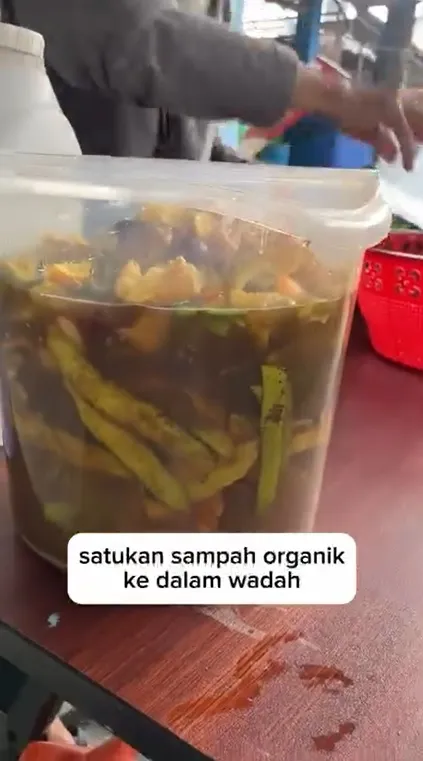
Mixing the ingredients (credit: instagram/bdg.dlh)
The first step begins with cleaning the container of any soap or chemical residues to avoid interfering with fermentation. After that, fill the container with clean water up to 60 percent of the total volume of the container.
Next, add sugar equal to 10 percent of the weight of the water and add pieces of leftover fruits and vegetables amounting to 30 percent of the weight of the water. All the ingredients are then stirred until evenly mixed before the container is sealed tightly and labeled with the date of production and harvest.
In the first week, the container needs to be opened periodically to release the gases produced from fermentation. This is important to prevent excess pressure that could damage the container.
Stirring is done gradually on day 7, day 30, and day 90. This process helps ensure the ingredients are perfectly mixed and fermentation proceeds optimally until ready for use.
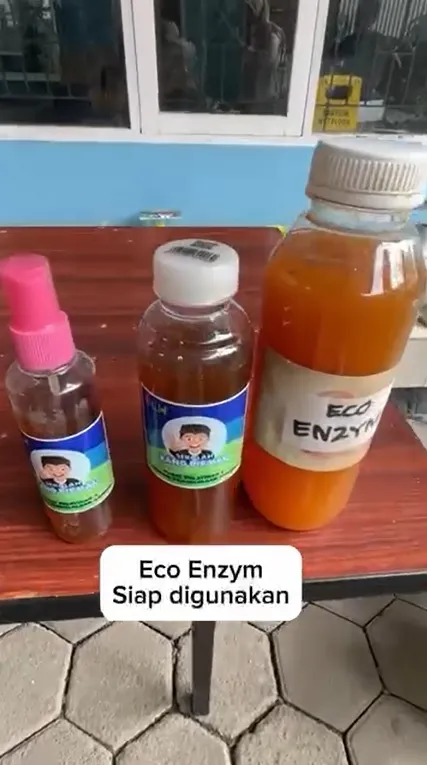
Benefits of eco enzyme (credit: instagram/bdg.dlh)
Eco enzyme should be stored in a place that is not exposed to direct sunlight and has good air circulation. The storage location should also be kept away from heat sources, chemicals, and areas like restrooms or trash bins.
The benefits of eco enzyme are diverse, ranging from natural cleaners, waste decomposers, organic liquid fertilizers, to environmentally friendly pest repellents. Additionally, its use also helps reduce organic waste and carbon emissions.
Q: What is eco enzyme?
A: Eco enzyme is a liquid resulting from the fermentation of sugar, leftover fruits or vegetables, and water that has many benefits.
Q: How long does the process of making eco enzyme take?
A: The fermentation process of eco enzyme lasts up to 90 days with several stages of care.
Q: What is the main function of eco enzyme at home?
A: Eco enzyme can be used as a natural cleaner for floors, kitchens, bathrooms, and clothes.
Q: Can eco enzyme be used for plants?
A: Yes, eco enzyme can be used as an organic liquid fertilizer that helps nourish the soil and plants.
Q: Why shouldn't eco enzyme containers be made of glass?
A: Glass containers are at risk of breaking due to gas pressure during the fermentation process.
Want to read more recent updates? Check it out on KapanLagi.com. If not now, when?
(kpl/sjn)
Cobain For You Page (FYP) Yang kamu suka ada di sini,
lihat isinya
A Chinese comedy drama about unemployment that is entertaining and relatable for job seekers.

Thai drama about bullying and school gangsterism with intense conflicts.

The aqiqah of Tengku Firmansyah's first grandchild, Baby J, took place warmly with the extended family. Check out the photos here, KLovers.

Jungkook BTS joins the Hooligan bikers trend with his own version and makes fans excited on social media.

Let's take a look at some photos of Kim Ji Won in her latest photoshoot with Elle Korea below.

The charm of Chinese actress Meng Ziyi is once again in the spotlight after she shared her latest portrait on the Weibo platform. With a soft fairy concept full of summer vibes, her look immediately caught attention.

Zhang Linghe's transformation in The Road to Glory is a highlight ahead of its premiere.

Nicky Tirta's modern minimalist kitchen has a masculine look with industrial touches and efficient space planning.

Let's take a look at some photos of Yuki Kato while playing go-kart below.

Anime set in Japanese prefectures presents an authentic atmosphere and captivating visuals.

Some show their spirit directly, while others choose to move in silence, step by step, until they are finally able to master the game. Who are they, KLovers?

Films about billionaires: the glittering world of conglomerates and the trials behind it show that behind the luxury, there is a price to pay, whether in the form of mental pressure, loss of relationships, or consequences of major decisions made. Let's check out the list of films!
