Kapanlagi.com -
After enjoying the Eid holidays filled with delicious food, many people feel their bodies have become heavier and more easily fatigued. Additionally, the workout routine that was interrupted during fasting has drastically reduced the motivation to move. Therefore, knowing how to restart your workout routine after the Eid holidays is important.
Changes in eating patterns, disrupted sleep schedules, and minimal physical activity over several weeks can significantly affect fitness. Therefore, restarting your workout routine after the Eid holidays should be done gradually, planned, and adjusted to your current physical condition to achieve optimal results without overburdening your body.
To clarify further, here’s a review of how to restart exercising after the Eid holidays that you can try to become active again.
Read other interesting articles at kapanlagi.com.
1. Physical Exercise Challenges After the Long Eid Holiday

Physical Exercise Challenges After the Long Eid Holiday (credit: image by AI)
During the Eid holiday, the body undergoes several changes. High fat and sugar food intake, increased meal frequency, and lack of physical activity can lead to a decrease in muscle mass and cardiovascular stamina. Joints also tend to feel stiffer due to infrequent intense movement.
This condition surprises many people when they try to exercise again as they did before the holiday. The body feels fatigued quickly, breath becomes shorter, and excessive soreness may even occur. Understanding these challenges is important so that the way to restart the exercise routine after the Eid holiday is done with full awareness, not just the ambition to chase old targets.
2. Don’t Jump Straight into Heavy Exercise
A common mistake that often occurs is immediately doing workouts as intensely as before the break. In fact, the body needs time to readjust. It is recommended to start with an intensity of about 50-70 percent of normal capacity.
This approach helps the muscles, joints, and cardiovascular system to gradually adapt. If you push yourself too hard, the risk of injuries such as sprains, excessive muscle soreness, or even joint disorders can increase. Therefore, one of the main principles in how to restart your exercise routine after the Eid holidays is to restrain yourself from rushing.
3. Preparation Before Exercise
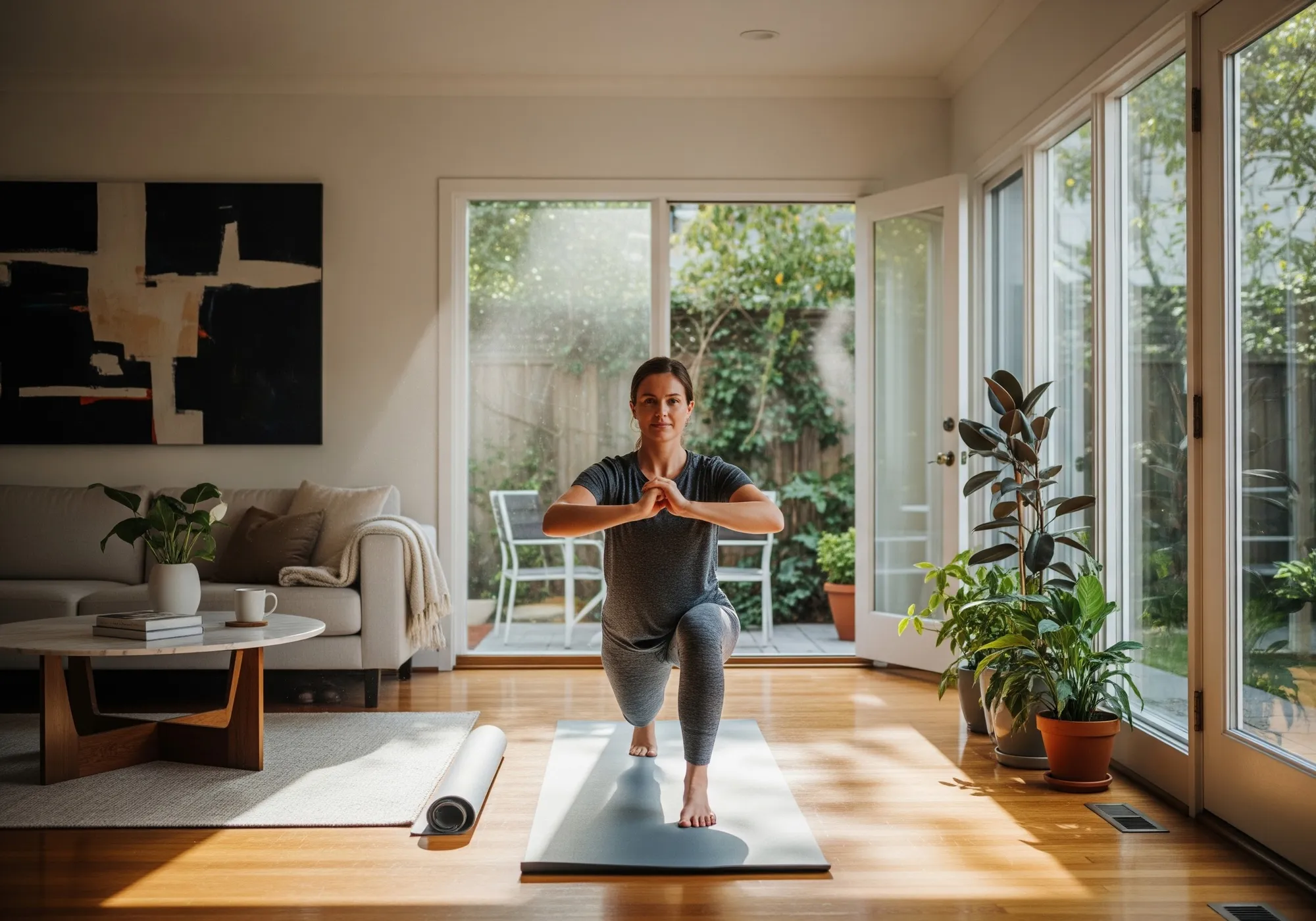
Preparation Before Exercising After Eid Holiday (credit: image by AI)
Thorough preparation can minimize the risk of injury. First, do a longer warm-up than usual. Since the body has been inactive for a long time, the muscles need extra time to be ready for more intense work.
Second, wear comfortable sports clothing and shoes. The right equipment not only supports safety but also boosts motivation psychologically. Third, ensure the body is well-hydrated. Drinking enough water before, during, and after exercise helps maintain performance and prevent cramps.
4. Starting Exercise Gradually
Before determining a training program, first evaluate your current fitness condition. Pay attention to changes in body weight, stamina levels, and how long you have not exercised. This awareness helps in setting realistic targets.
For those who have been inactive for a long time, it is advisable to start with low-intensity activities such as brisk walking, stretching, or light yoga. Once your body begins to adapt, gradually increase the intensity. This gradual process is the core of how to restart your exercise routine after the Eid holiday to prevent the body from experiencing "shock" due to a sudden increase in workout load.
5. Keep Motivation to Stay Consistent
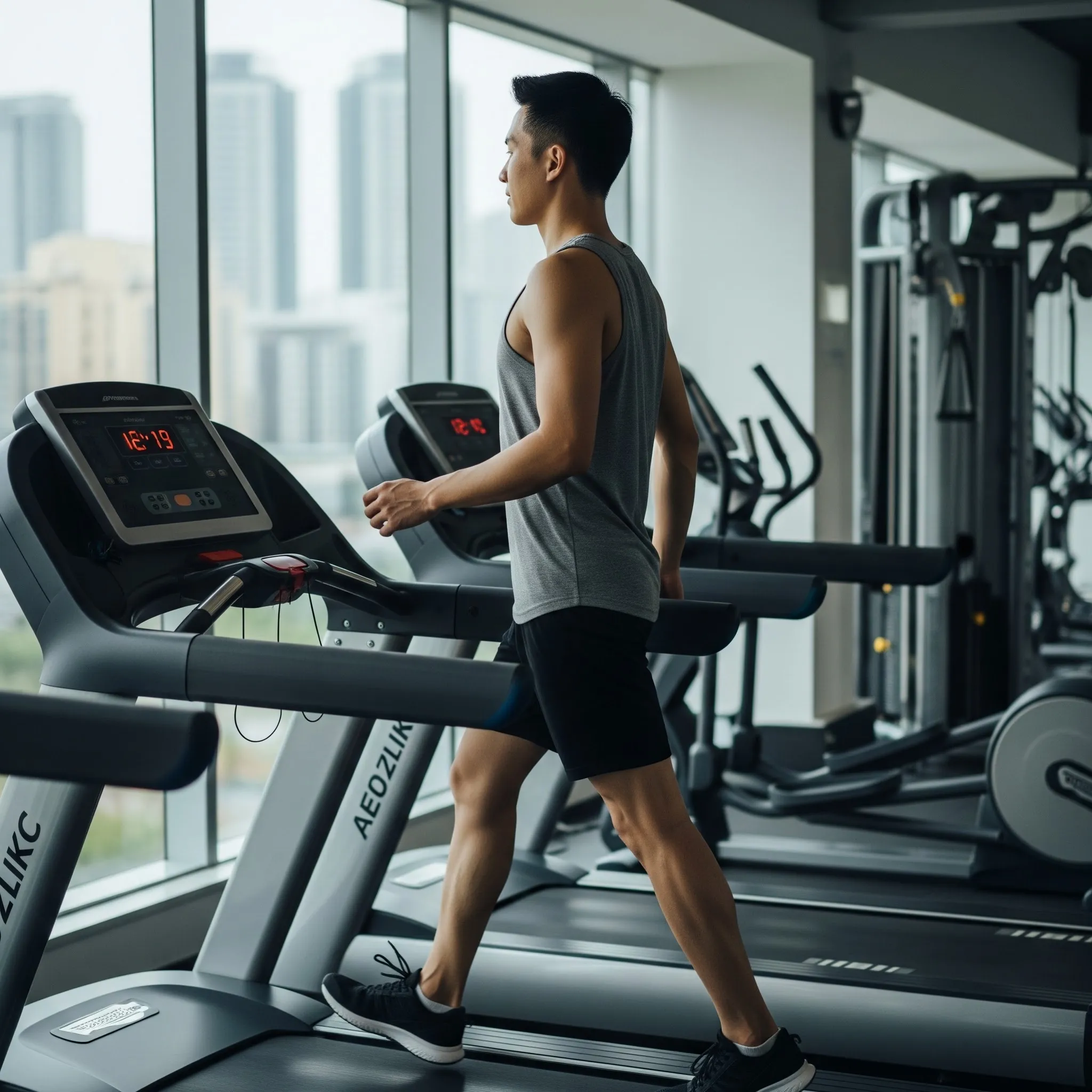
Maintain Motivation to Stay Consistent (credit: image by AI)
Consistency is more important than high intensity at the beginning. Start with a realistic schedule, for example, two to three times a week for 20–30 minutes. Scheduling exercise like an important appointment can help rebuild the habit.
Finding a workout buddy can also boost motivation and accountability. Additionally, avoid setting overly high targets in a short time. Focus on small, sustainable progress rather than comparing yourself to your performance before the holiday or with others. This strategy supports the long-term success of restarting your exercise routine after the Eid holiday.
6. The Most Recommended Transitional Sports Types
Several types of exercise are considered safer as a transitional phase. Brisk walking is a simple choice to restore heart rhythm and stamina. This activity is easy to do without special equipment.
Yoga or stretching is also effective for improving flexibility and relaxing stiff muscles. Swimming is a low-impact exercise that puts minimal pressure on the joints. Additionally, light weight training using body weight, such as squats, planks, or push-ups, can help gradually rebuild muscle strength. This variation can be part of a way to restart your exercise routine after the Eid holiday in a more enjoyable and less monotonous way.
7. Pay Attention to Post-Eid Nutrition

Pay Attention to Post-Eid Nutrition (credit: image by AI)
Effective exercise is closely linked to nutritional support. After a period of consuming coconut milk and sweet foods, gradually return to a healthy diet. Increase your intake of protein, complex carbohydrates, vegetables, fruits, and plain water.
Protein plays a crucial role in recovery and muscle building that may have been “sleeping” during the holidays. A balanced nutritional intake helps the body adapt more quickly to the increased physical activity. Regulating your diet is an important complement to restarting your exercise routine after the Eid holiday to maximize results.
8. Frequently Asked Questions (FAQ)
Is it safe to jump back into heavy exercise right after the Eid holiday?
It is not recommended. The body needs a gradual adaptation to prevent injury and excessive fatigue.
How many times should I ideally exercise in the first week after the holiday?
Start with two to three times a week for 20–30 minutes, then gradually increase according to your ability.
What is the best exercise for the initial phase?
Brisk walking, yoga, swimming, and light weight training are safe choices for transition exercises.
Why does warming up need to be longer after a long holiday?
Because muscles and joints that have been inactive for a long time tend to be stiffer, requiring more time to prepare for intense activities.
Does nutrition really affect sports performance?
Yes, adequate intake of protein, complex carbohydrates, and hydration helps muscle recovery and maintains energy during exercise.
Find various other interesting reviews at kapanlagi.com. If not now, when?
(kpl/psp)
Disclaimer: This translation from Bahasa Indonesia to English has been generated by Artificial Intelligence.


 Follow
 Rekomendasi