

 Follow
 Rekomendasi
7 Recommendations for Chinese Dramas About Sibling Rivalry Full of Emotional Conflict
Recommendations for Chinese dramas about sibling rivalry filled with emotional conflict and family intrigue.

Kapanlagi.com - Eid is a moment that is synonymous with abundant dishes, ranging from chicken opor, rendang, ketupat to various sweet cakes. Consumption of high-fat, coconut milk, sugar, and carbohydrates often increases uncontrollably during the festive season.
After this moment passes, many people feel heavier, easily fatigued, and their lifestyle becomes less regular. Weight gain and digestive disturbances often arise due to drastic changes in eating patterns.
This condition highlights the importance of recovery steps to restore the body to fitness. Adjustments should be made gradually through dietary management, hydration, physical activity, and adequate rest. Here are some ways to maintain body health after the Eid eating pattern that you can try.
Find more news related to Eid at Liputan6.com.

How to Maintain Body Health After Eid Eating Patterns (credit:unsplash.com/id/@priscilladupreez)
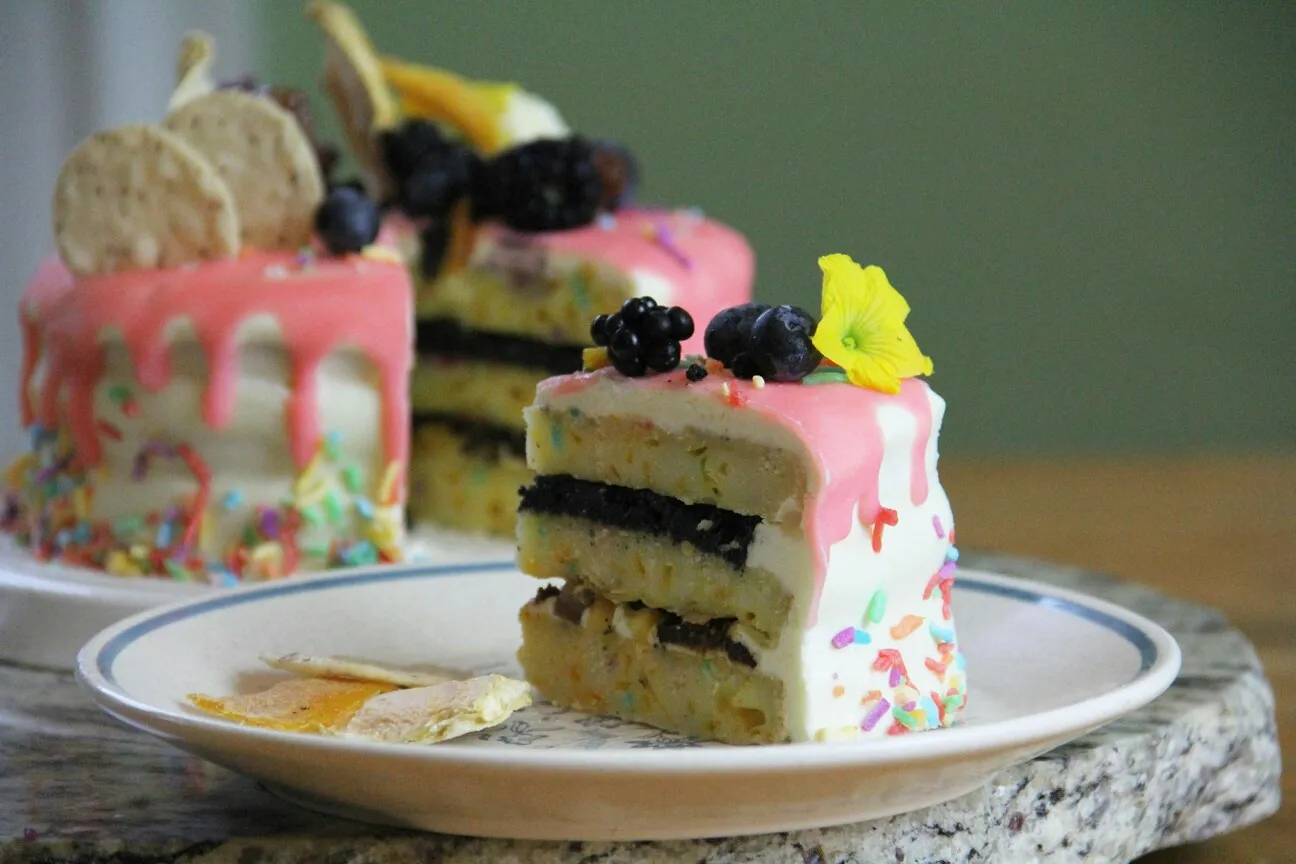
Traditional Eid dishes such as chicken opor, rendang, ketupat, and cookies generally contain high amounts of coconut milk, butter, eggs, and sugar. These ingredients contribute to a significant increase in fat and sugar intake.
Sweet drinks like syrup and soda are also often consumed in larger quantities than usual. This combination of high-cholesterol and high-sugar foods makes the body work harder to process them.

How to maintain body health after the Lebaran diet (credit:unsplash.com/id/@zohre_nemati)
After Eid, the body often feels less fit due to the accumulation of calories and cholesterol. If excessive, bad cholesterol from coconut milk, chicken skin, eggs, and butter can affect heart health.
Additionally, the intake of sugar and simple carbohydrates such as white rice, ketupat, and cookies can trigger spikes in blood sugar levels. This condition makes energy unstable and the body feels easily fatigued.
How to maintain body health after the Lebaran diet (credit:unsplash.com/id/@pecanlie)
The initial step recommended is to limit the consumption of sweet foods and drinks. Sugar not only comes from sweeteners but also from excessive consumption of wheat flour and rice.
Replacing white rice with brown rice or boiled potatoes is a better alternative. Limiting sweet cakes and soda drinks also helps stabilize blood sugar levels.
How to maintain body health after the Lebaran eating pattern (credit:unsplash.com/id/@tempestdesigner)
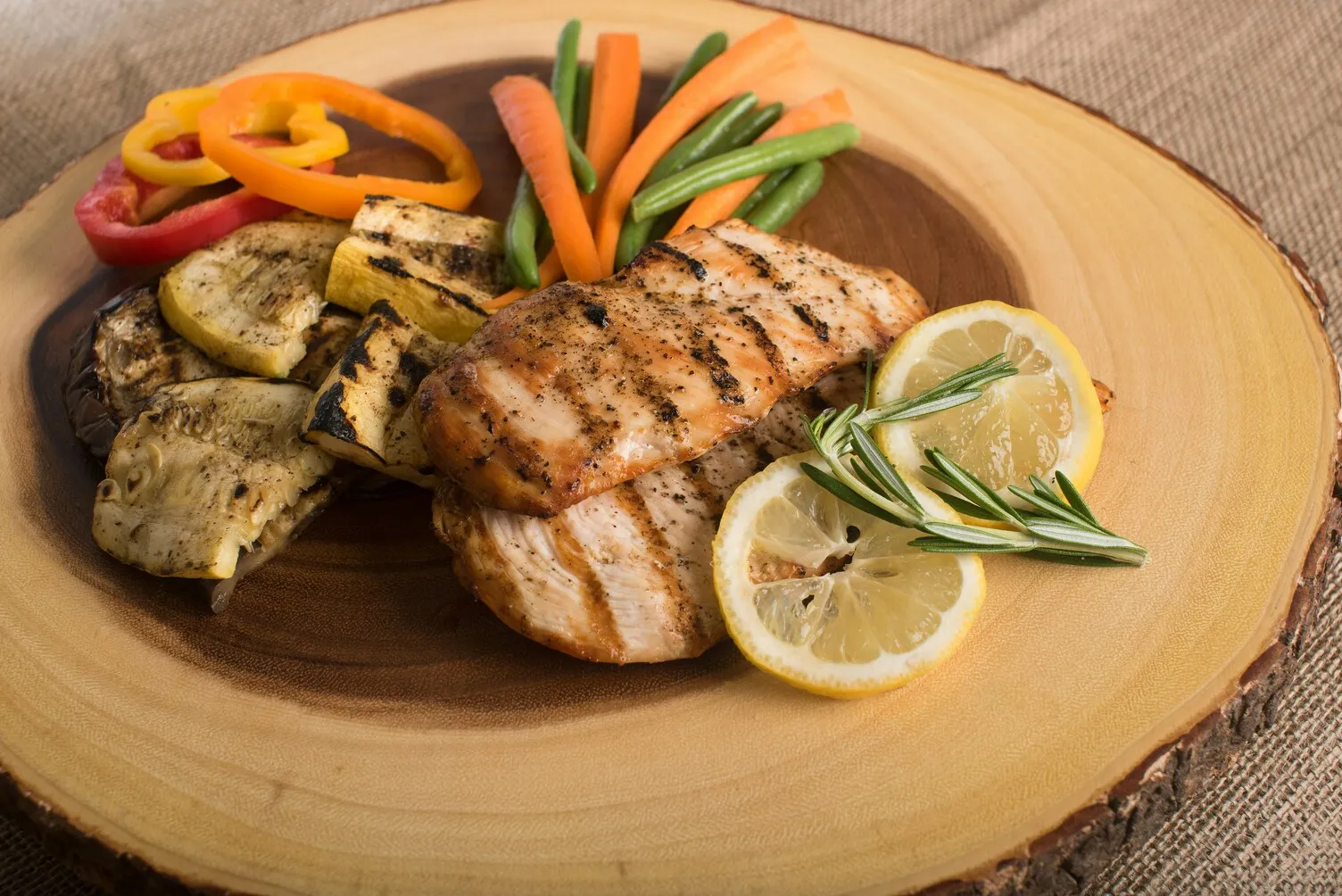
Lebaran dishes often contain bad cholesterol from coconut milk, eggs, chicken skin, as well as foods made with butter and cheese. If consumed excessively, the risk of health issues such as coronary heart disease can increase.
Rearranging the consumption of meat and high-fat snacks is an important step. Choosing lean protein and reducing cholesterol-rich foods helps the body regain balance.
How to maintain body health after the Lebaran eating pattern (credit:unsplash.com/id/@alphabetania)
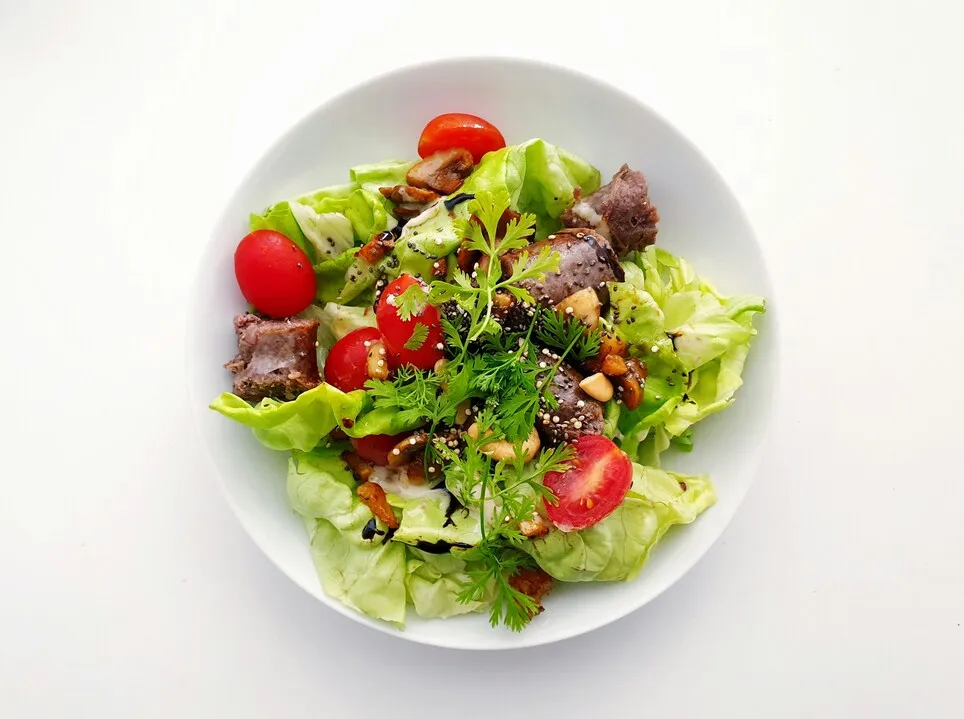
Vegetables and fruits contain vitamins, minerals, and fiber that help smooth digestion. Fiber is also known to be easily digestible and supports the metabolism to remain optimal.
The clean eating method that prioritizes fresh foods is recommended after Lebaran. Avoiding processed foods such as sausages, nuggets, corned beef, and instant seasonings helps reduce the intake of preservatives.
How to maintain body health after Lebaran eating patterns (credit:unsplash.com/id/@kimdonkey)
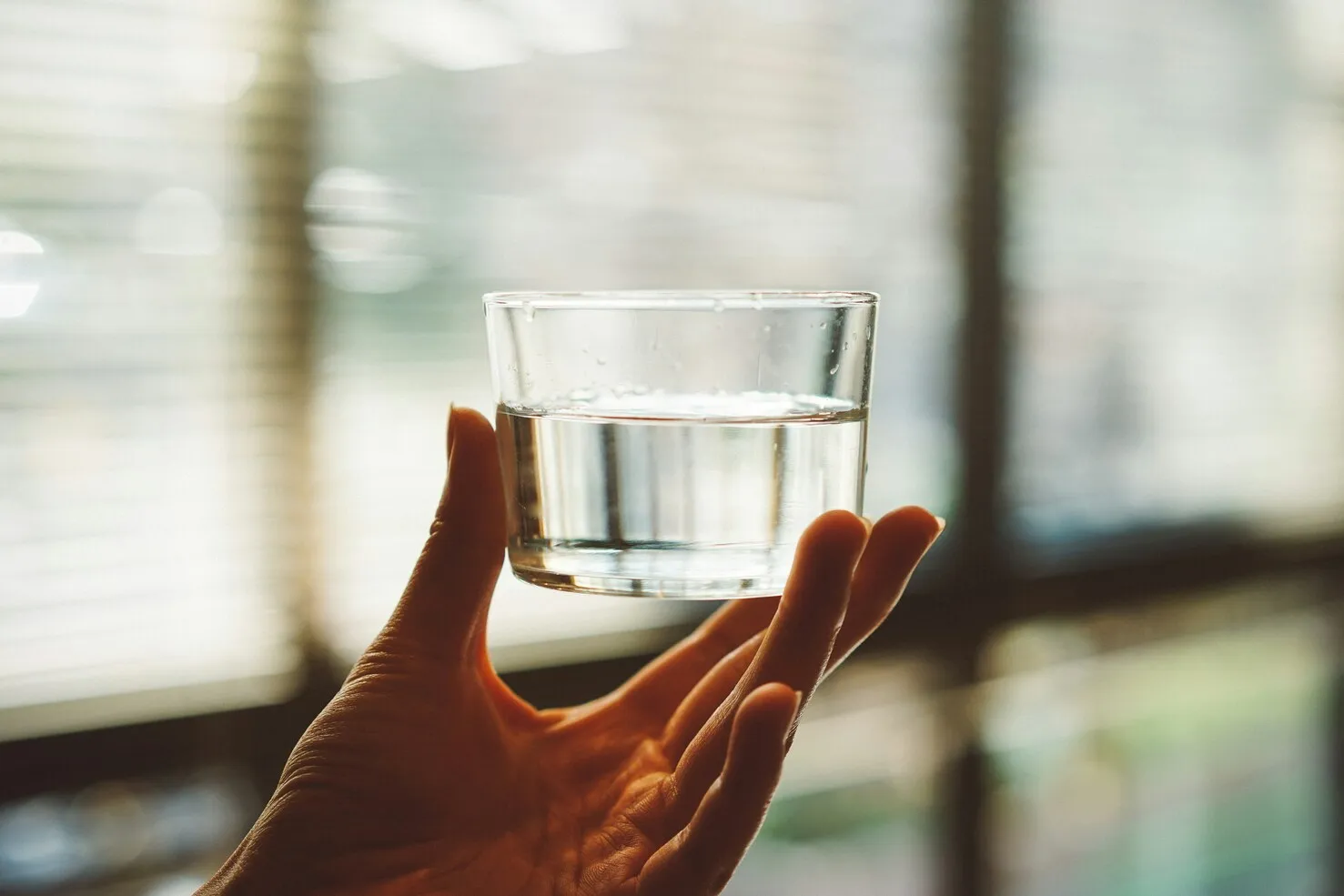
Plain water plays an important role in the detoxification process and maintaining vital organ functions. The daily fluid requirement is mentioned to be around 2 liters for adult men and 1.6 liters for adult women.
In addition, eating in smaller portions but more frequently can help keep metabolism stable. This pattern also helps control blood sugar levels to prevent drastic spikes.
How to maintain body health after Lebaran eating patterns (credit:unsplash.com/id/@unsplash)
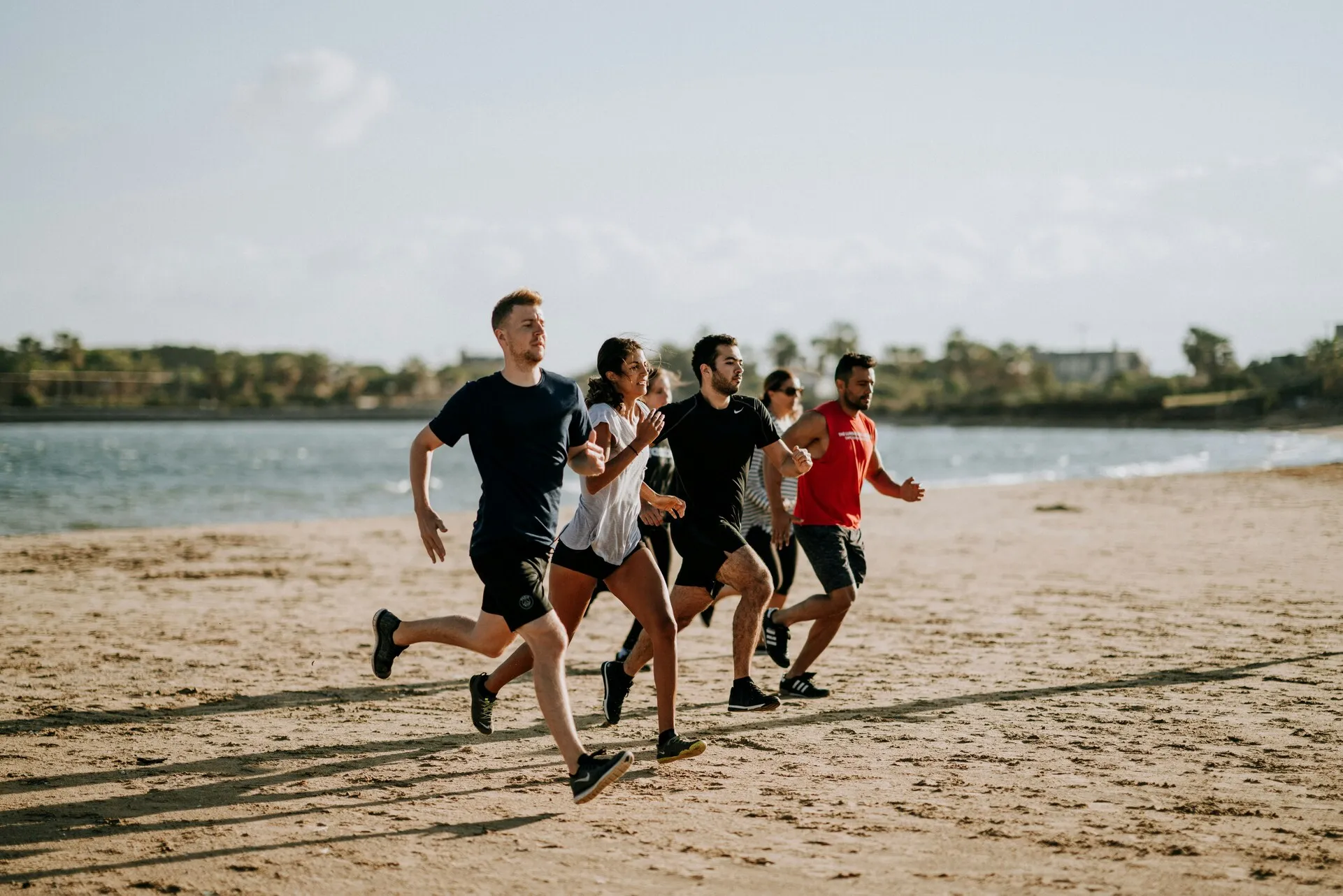
During Ramadan and Lebaran, sleep and physical activity hours often change. Afterwards, it is important to return to a normal rest pattern with a duration of 7-8 hours per night.
At least 30 minutes of physical activity per day for five days a week is recommended to maintain fitness. Exercises such as jogging, cycling, or swimming help burn calories and improve endurance.
Q: Why does the body feel weak after Lebaran?
A: Because the consumption of foods high in sugar, fat, and carbohydrates increases, causing metabolism to work harder.
Q: How to lose weight after Lebaran?
A: By adjusting to a balanced diet, increasing vegetables and fruits, and exercising regularly.
Q: How much water is needed after Lebaran?
A: About 2 liters per day for adult men and 1.6 liters per day for adult women.
Q: Is a health check-up necessary after Lebaran?
A: If the body feels unfit, there is a drastic weight gain, or digestive issues arise, a health check-up is recommended.
Come on, read articles about guides and other interesting tips at Kapanlagi.com. If not now, when?
(kpl/vna)
Cobain For You Page (FYP) Yang kamu suka ada di sini,
lihat isinya
Recommendations for Chinese dramas about sibling rivalry filled with emotional conflict and family intrigue.

7 forgotten isekai anime with unique concepts that are less popular than big titles.
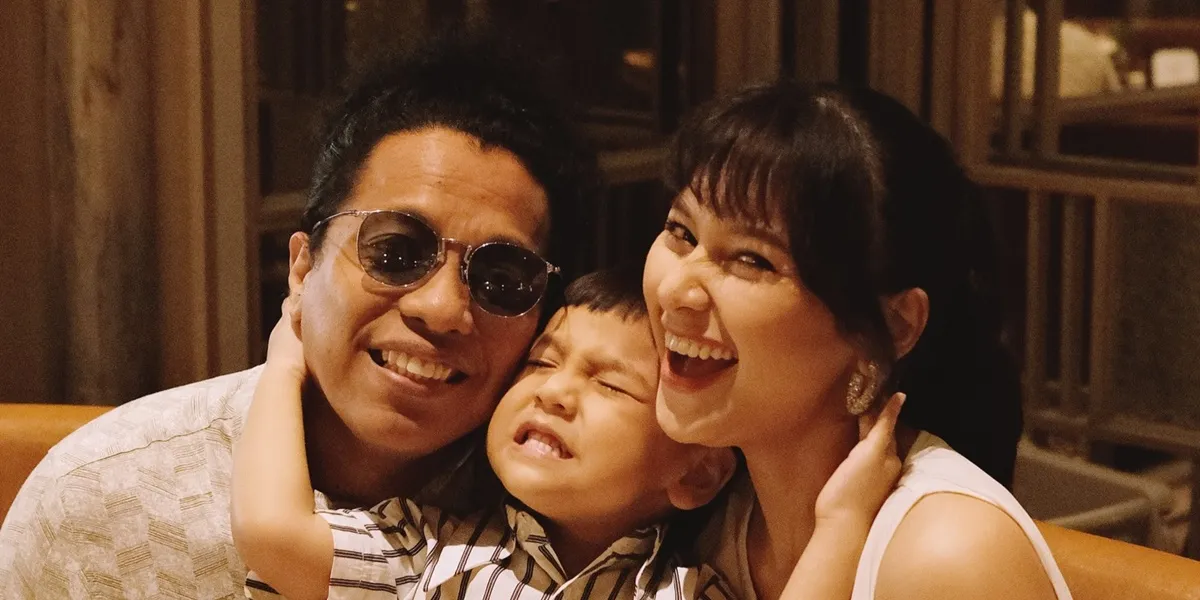
Let's take a look at some romantic photos of Arie Kriting and Indah Permatasari at home below.

The touching storyline, relatable characters, and calming settings make this genre perfect for watching when you want to take a break from your routine. Check the list here.

Recommendations for Julia Xiang's Chinese dramas can be an interesting watch for Mandarin series lovers. Here is a list of recommendations for Julia Xiang's Chinese dramas compiled by KapanLagi to accompany your leisure time.

This lineup of Indonesian light comedy films is not only funny but also has stories that resonate with everyday life. Here’s the list for you, KLovers.

Complete profile of Rainbow Xu, the journey from idol to popular Chinese drama actress.

Let's take a look at some of Boiyen's latest photos that are often praised for her increasing beauty, as follows.

From stories of friendship to surprising romances, this list of western movies about summer vacations brings the warm atmosphere typical of summer vibes. Here’s the list for you, KLovers.

Confused about what romantic show to watch? Check out these recommendations for Korean dramas about finding a match filled with contract marriage intrigues and unexpected love stories.
