Kapanlagi.com - California lemons have become one of the increasingly cultivated citrus types due to their large fruit size, refreshing taste, and high vitamin C content. Besides being used as an ingredient in beverages, cooking spices, and a mixture in various dishes, this plant is also relatively easy to grow in home gardens or in pots. With proper care, California lemon trees can even start producing fruit in a relatively short time, especially if using grafted or budded seedlings.
Although it is considered a relatively easy plant to care for, many people encounter issues such as slow growth, yellowing leaves, flower drop, or the plant not bearing fruit. These conditions are generally influenced by several factors, ranging from the quality of seedlings, unsuitable planting media, insufficient sunlight intensity, to mistakes in watering and fertilization. Therefore, understanding the correct cultivation techniques from the beginning is key to ensuring the plant can grow healthy and productive.
To ensure that California lemon trees bear fruit quickly and produce abundant harvests, there are several important steps that need to be considered from the planting process to maintenance. Starting from selecting superior seedlings, preparing loose planting media, to performing regular pruning, each stage plays an important role in supporting the plant's growth. So, how do you plant California lemons to ensure they bear fruit quickly and grow lush? Citing various sources, Thursday (8/6/2026), check out the following information review.
1. Choose California Lemon Seeds from Grafting or Budding
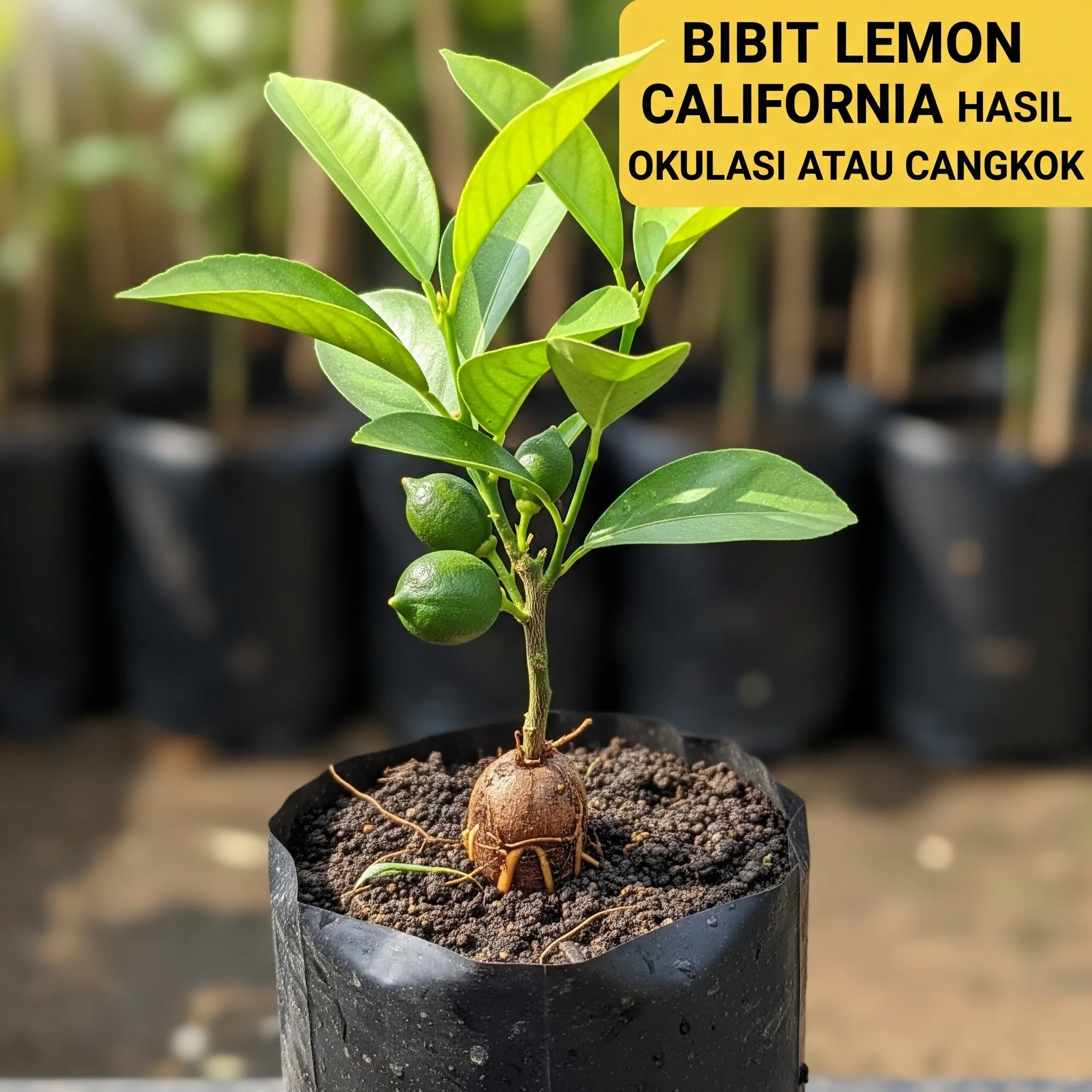
The first step that determines the success of cultivating California lemons is selecting quality seeds. It is advisable to use seeds from grafting or budding rather than seeds from fruit. Vegetative seeds have the advantage of inheriting superior traits from their parent, including fruit quality, disease resistance, and the ability to bear fruit faster. Under optimal care conditions, grafted seeds can even start flowering within about 1–2 years after being planted.
When purchasing seeds, ensure the plant has a sturdy stem, fresh green leaves, and is free from pests or disease symptoms. Avoid seeds with yellowing leaves, damaged stems, or roots that are excessively protruding from the polybag as these can indicate unhealthy growth. Choose seeds that are about 60–100 cm tall so that the plant is strong enough to adapt after being transferred to the field or pot.
Buying seeds from reputable breeders or nurseries is also highly recommended because the authenticity of the variety is more assured. Quality seeds may be slightly more expensive, but this investment is worth it for quicker harvests, more fruit, and a lower risk of planting failure. Superior seeds are the main foundation for ensuring that California lemon trees grow healthy and productive in the long term.
2. Use Loose Planting Media with Good Drainage
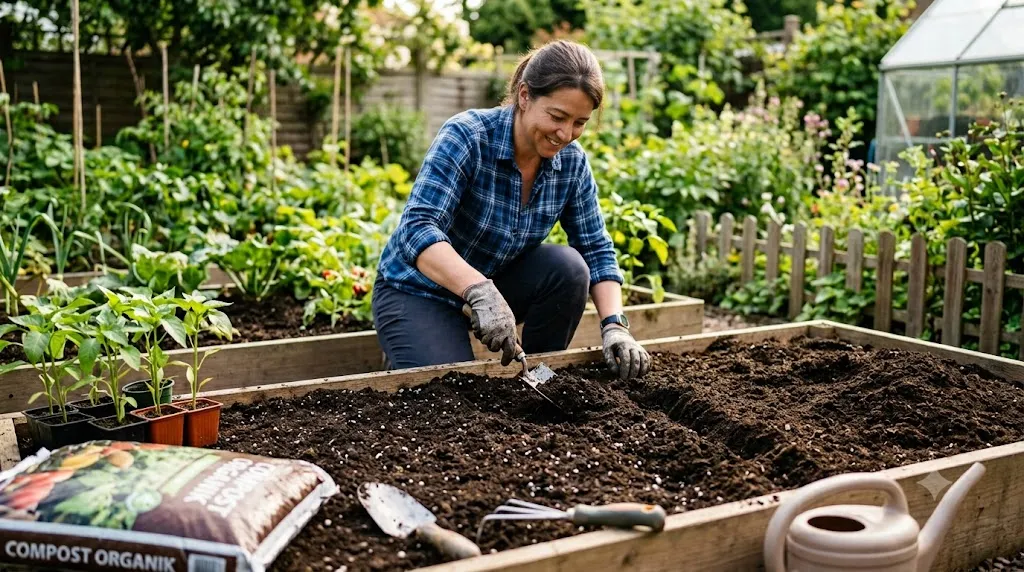
California lemon requires fertile, loose planting media that can drain water well. The roots of citrus plants are very sensitive to waterlogging because such conditions can trigger root rot and hinder nutrient absorption. Therefore, the planting media must have a balance between the ability to retain moisture and to drain excess water.
If planted in a pot, you can use a mixture of garden soil, mature compost or manure, burnt husk, and sand in balanced proportions. This mixture produces planting media that is rich in nutrients while having good porosity. Meanwhile, if planted directly in the yard, make sure the soil has been tilled and enriched with organic matter to make the soil structure looser.
In addition to paying attention to soil texture, the acidity level or pH is also important to consider. California lemon generally grows optimally in soil with a pH of around 5.5 to 6.5. If the soil is too acidic, add dolomite as needed. Conversely, if the soil is too compact or clayey, add sand and compost so that the roots can develop more freely. Ideal planting media will accelerate root growth while supporting the formation of flowers and fruits.
3. Plant in a Location that Receives Full Sunlight

California lemons are plants that thrive in sunlight. For optimal growth, the plants require direct sunlight exposure for about 6–8 hours every day. Sunlight plays a crucial role in the photosynthesis process, which produces energy for the growth of leaves, stems, roots, and the formation of flowers and fruits.
If the plants are placed in a shady location or obstructed by buildings and trees, their growth tends to be slow. There will be fewer leaves, the stems will stretch but be weak, and the flowering process will be less than optimal. In the long run, such conditions can make it difficult for the plants to bear fruit, even if they are fertilized regularly. Therefore, choosing the planting location is one factor that should not be overlooked.
If planting California lemons in pots, take advantage of their mobility. Place the pot in open areas such as the front yard, a sunlit terrace, or the rooftop of the house. Also, ensure that the air circulation around the plants remains good to prevent excessive humidity and minimize the risk of fungal attacks. A combination of adequate sunlight and good air circulation will help the plants grow vigorously while also speeding up the fruiting process.
4. Watering Appropriately and Not Excessively
Watering is one of the important factors that affect the growth of California lemons. Although this plant requires water to support the processes of photosynthesis and nutrient absorption, excessive watering can cause the roots to lack oxygen and rot. Conversely, if the plant is deprived of water for too long, the leaves will wilt, growth will be stunted, and flowers and fruit buds may drop before fully developing.
The frequency of watering should be adjusted according to weather conditions, the age of the plant, and the growing medium. In dry seasons, plants generally need to be watered once every morning, while in rainy seasons, watering can be reduced if the growing medium is still moist. Before watering, first check the condition of the soil by touching its surface. If the top part of the growing medium starts to dry out, that is the right time to provide water.
In addition to the amount of water, the technique of watering also needs to be considered. Water slowly until it seeps throughout the growing medium without pooling. Avoid over-watering the leaves and flowers, as excessive moisture can trigger mold growth. With a balanced watering pattern, the roots will develop healthier, allowing the plant to absorb nutrients more effectively and enter the flowering and fruiting phases more quickly.
5. Provide Fertilizer Regularly According to Growth Phase
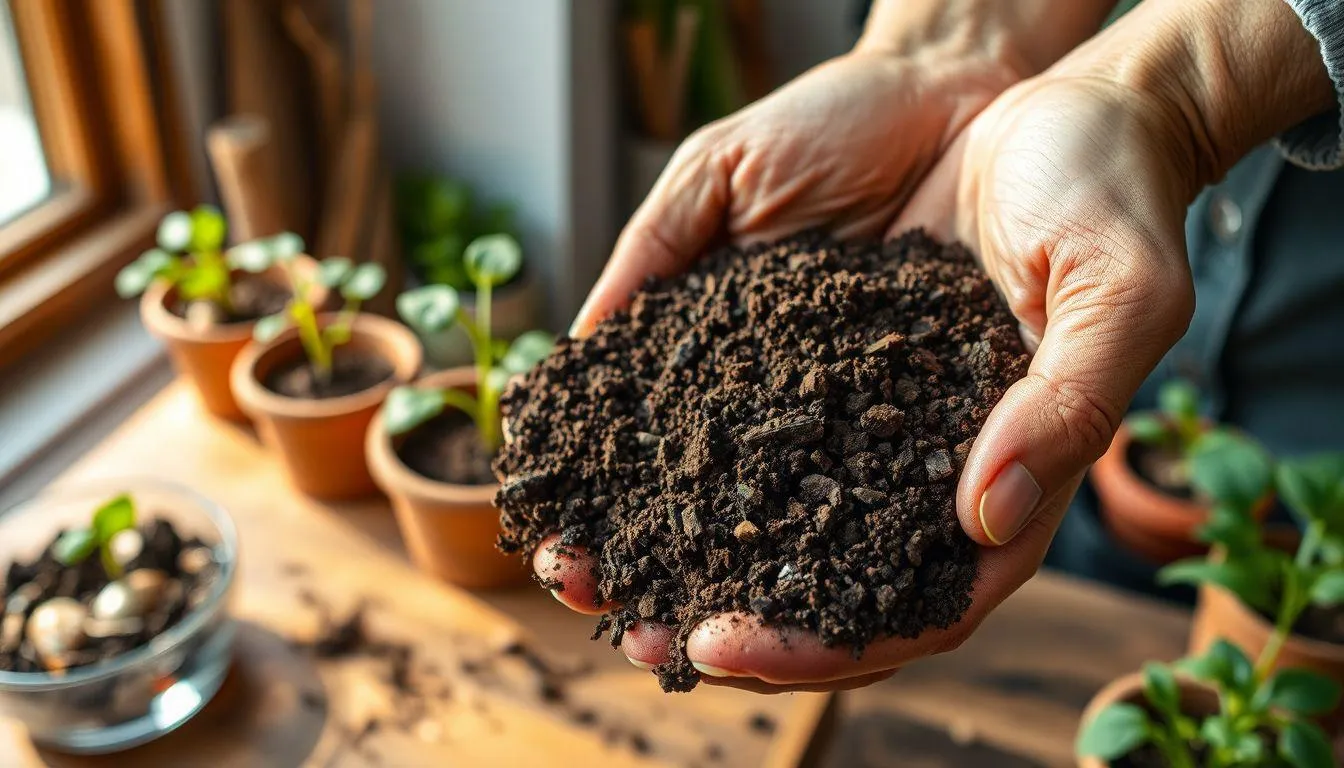
California lemons require a sufficient supply of nutrients to grow vigorously and produce a large quantity of fruit. In the early growth phase, the plants need nitrogen (N), which stimulates the formation of leaves and stems. As the plants mature, the need for phosphorus (P) and potassium (K) increases, as these elements play a crucial role in flower and fruit formation, as well as improving the quality of the harvest.
Fertilization can be done using a combination of organic and inorganic fertilizers. Well-decomposed manure or compost is excellent for improving soil structure while adding organic matter. Meanwhile, NPK fertilizer can be applied periodically according to the recommended dosage. When the plants begin to enter the flowering phase, you can choose fertilizers with higher phosphorus and potassium content to optimize flower and fruit formation.
To achieve maximum results, fertilize regularly every one to two months, then water the plants after fertilization to help the roots absorb the nutrients more easily. Avoid over-fertilizing, as this can cause root burn or lead to the plants producing more leaves than fruit. Proper fertilization will maintain balanced growth while increasing the productivity of California lemon trees.
6. Perform Branch Pruning Regularly
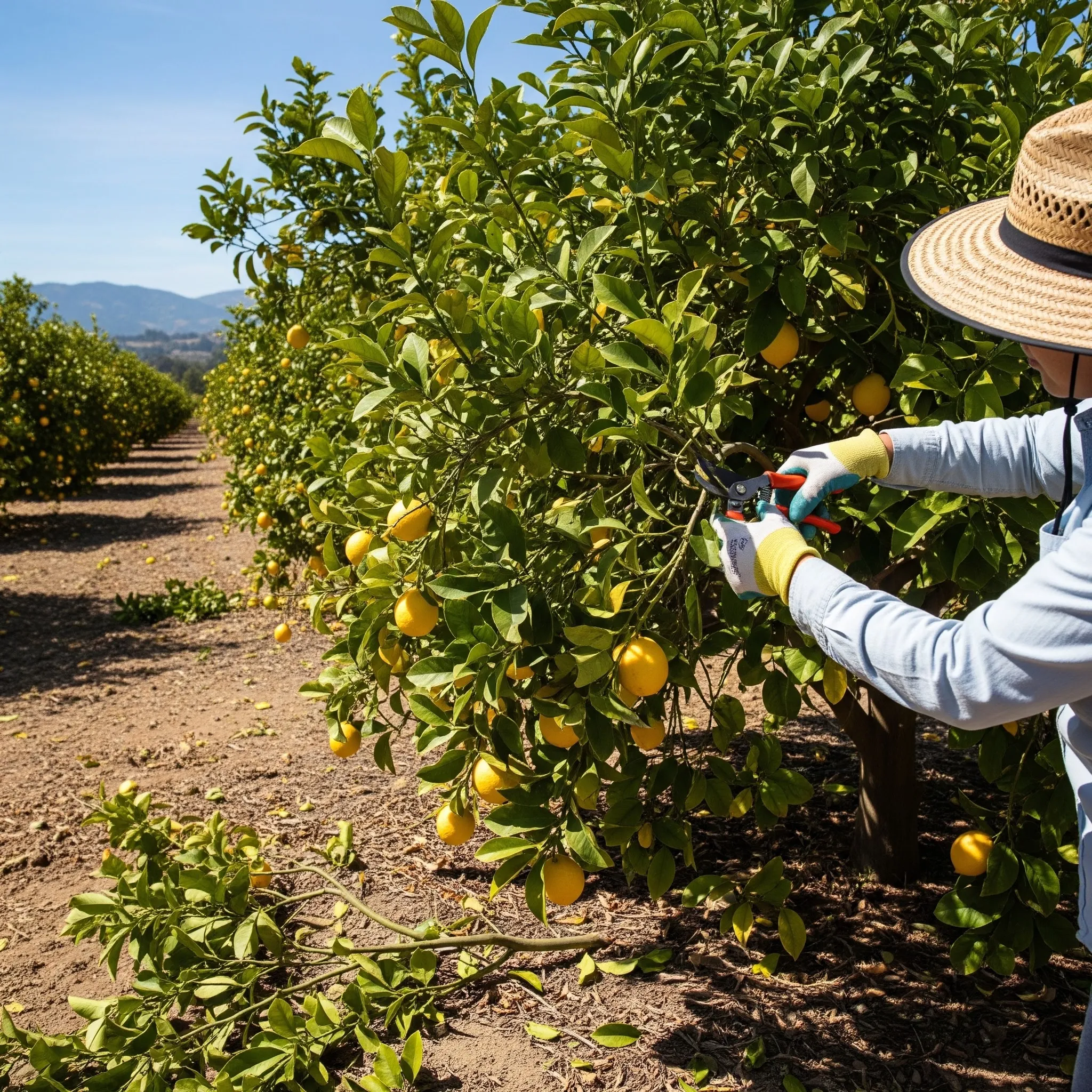
Pruning is an important step that is often overlooked by many beginners, yet it significantly affects plant productivity. Branches that are too dense will hinder sunlight and air circulation into the inner canopy. As a result, humidity increases, making the plants more susceptible to mold, pests, and diseases that can disrupt growth.
Pruning should be done by removing dry, damaged, diseased branches, or those that are growing too closely together. Additionally, water shoots that grow upright and are unproductive should also be cut because they only consume the plant's nutrients. With a tidier canopy, nutrient distribution will be more focused on productive branches that have the potential to produce flowers and fruit.
Use sharp and clean pruning shears to ensure that the cut wounds heal quickly and do not become entry points for pathogens. After pruning, the plant will usually produce new, healthier, and more productive shoots. If done regularly, pruning not only makes the tree look tidier but also helps increase the number of flowers, improve fruit quality, and extend the productive life of the plant.
7. Control Pests and Diseases Early
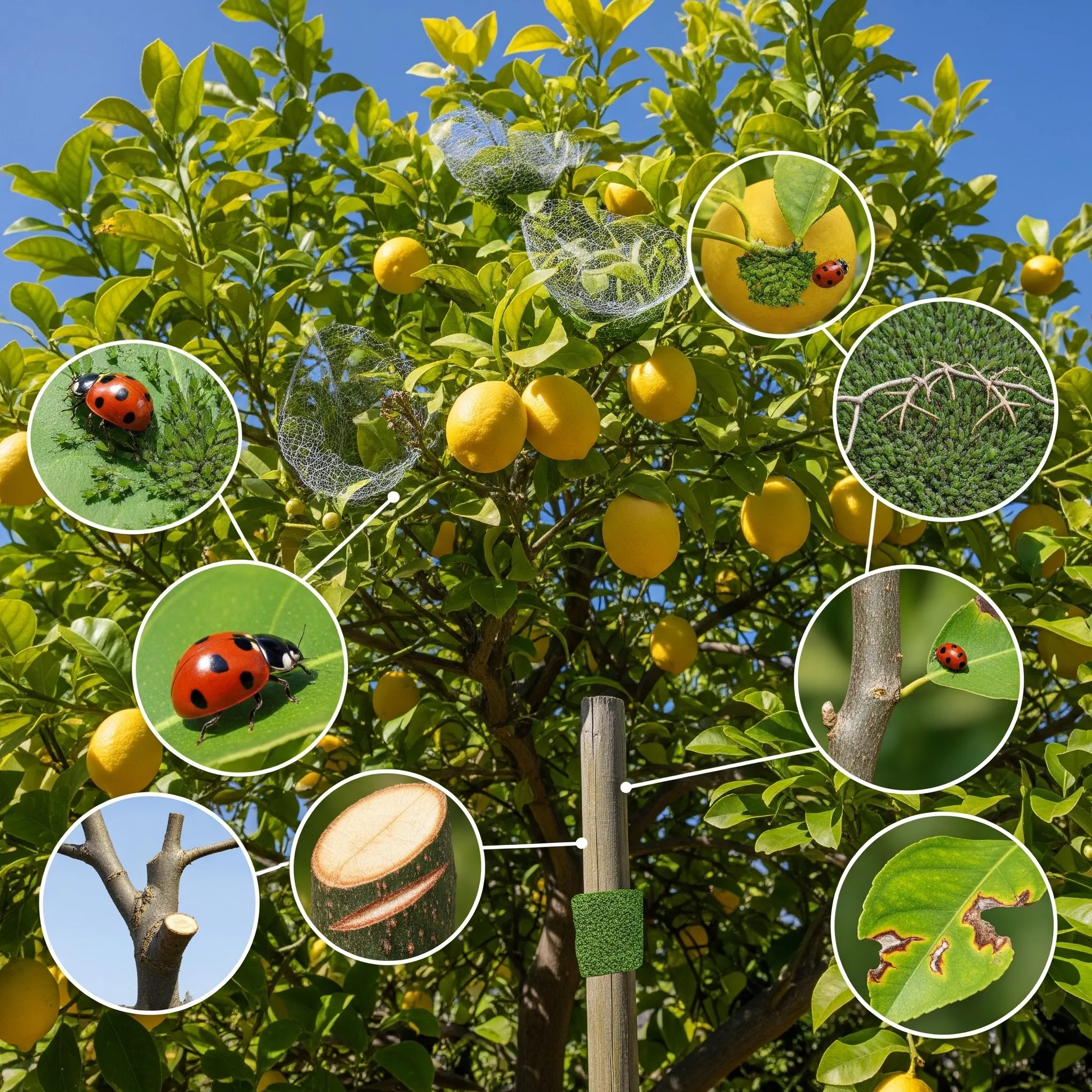
The success of growing California lemons is not only determined by the seeds and care but also by the ability to control pests and diseases. Some pests that often attack citrus plants include aphids, whiteflies, mites, caterpillars, and fruit flies.
Meanwhile, diseases that frequently occur include sooty mold, root rot, anthracnose, and leaf spots due to fungal or bacterial infections. If not addressed promptly, these attacks can hinder plant growth, drop flowers, and even reduce fruit quality.
Conduct regular plant inspections, especially on the undersides of leaves, young shoots, stems, and developing fruit. If a small number of pests are found, you can clean them manually or spray with botanical pesticides made from garlic, neem leaves, or a mixture of liquid soap and water according to the dosage.
Keeping the area around the plants clean, pruning overly dense branches, and removing leaves or fruit affected by disease are also important steps to prevent the spread of plant pests.
If pest or disease attacks are severe, using pesticides or fungicides according to recommended doses can be a last resort. However, their use should be done wisely to avoid harming the environment or disturbing plant health.
With early control measures, California lemon trees can grow healthier, maintain developing flowers and fruit, and produce more abundant yields.
8. Questions & Answers About How to Plant California Lemons for Quick Fruit Production and Healthy Growth
1.How long does it take for California lemons to bear fruit after being planted?
If using seedlings from grafting or cuttings, California lemons typically begin to bear fruit in about 1–2 years. Meanwhile, plants that come from seeds usually take 4–6 years or more, depending on care and environmental conditions.
2.Can California lemons be planted in pots?
Yes. California lemons are very suitable for planting in large pots as long as a loose growing medium is used, has good drainage, and is placed in a location that receives direct sunlight for at least 6–8 hours every day.
3.How often do California lemons need to be watered?
Watering is generally done once a day during the dry season, while during the rainy season it is adjusted according to the moisture of the growing medium. Avoid excessive watering to prevent root rot.
4. What is the best fertilizer for California lemons?
Use a combination of organic fertilizers such as compost or well-rotted manure with NPK fertilizer. During the vegetative growth phase, the plants need higher nitrogen, while approaching flowering and fruiting, it is advisable to provide fertilizer rich in phosphorus and potassium.
5. Why do California lemons not bear fruit?
There are several common causes, such as using seeds from seeds, lack of sunlight exposure, unbalanced fertilization, improper watering, overly dense foliage, or pest and disease attacks. By improving these factors, the chances of the plants flowering and bearing fruit will increase.
(kpl/iya)
Disclaimer: This translation from Bahasa Indonesia to English has been generated by Artificial Intelligence.


 Follow
 Rekomendasi