

 Follow
 Rekomendasi
How to Plant Fruit Trees Safely Near the Carport so as Not to Damage the Foundation and Floor
Learn how to safely plant fruit trees near the carport so that the roots do not damage the foundation and floor of the house.
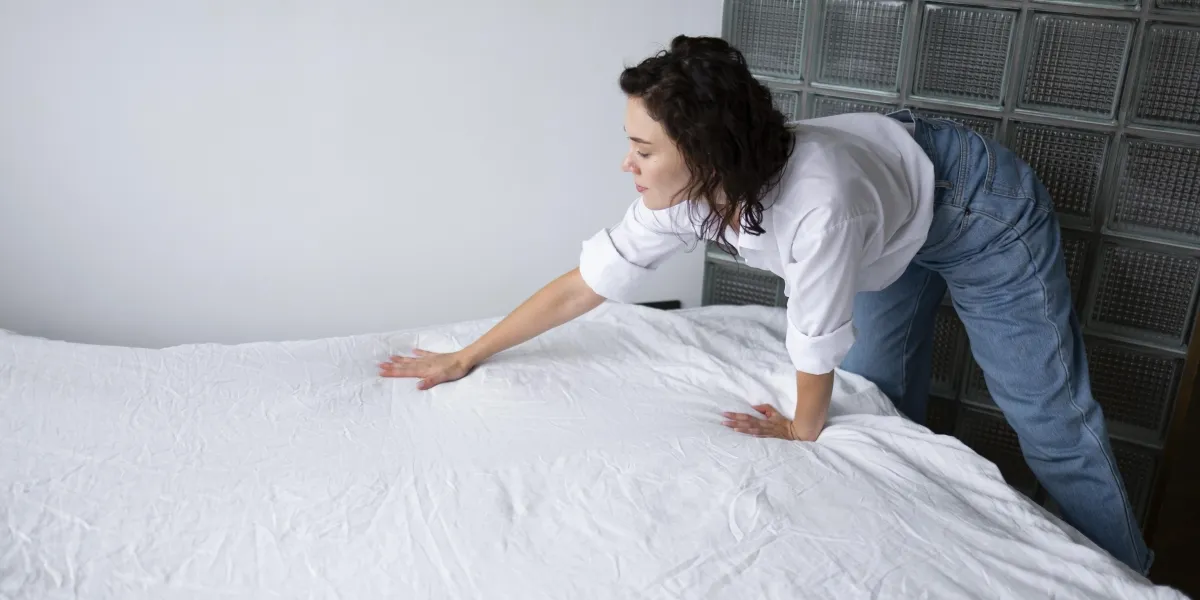
Kapanlagi.com - Bed bugs are small insects that often hide in the crevices of mattresses, sofas, and upholstered furniture. Although they are very small, their presence can cause itching, skin irritation, and even disrupt sleep quality if left to breed.
These insects do not appear solely because of a dirty home. Bed bugs can be brought in from hotels, lodgings, public transportation, suitcases, and even used furniture that enters the home. Because they can easily move from place to place, handling them needs to be thorough to prevent them from reappearing.
Getting rid of bed bugs is not just about spraying insecticide. Inspecting hiding areas, using extreme temperatures, and maintaining cleanliness in the home are important steps to break the life cycle of bed bugs. Here are the complete methods that can be carried out, summarized by Kapanlagi.com from various sources on Wednesday (5/8/2026).
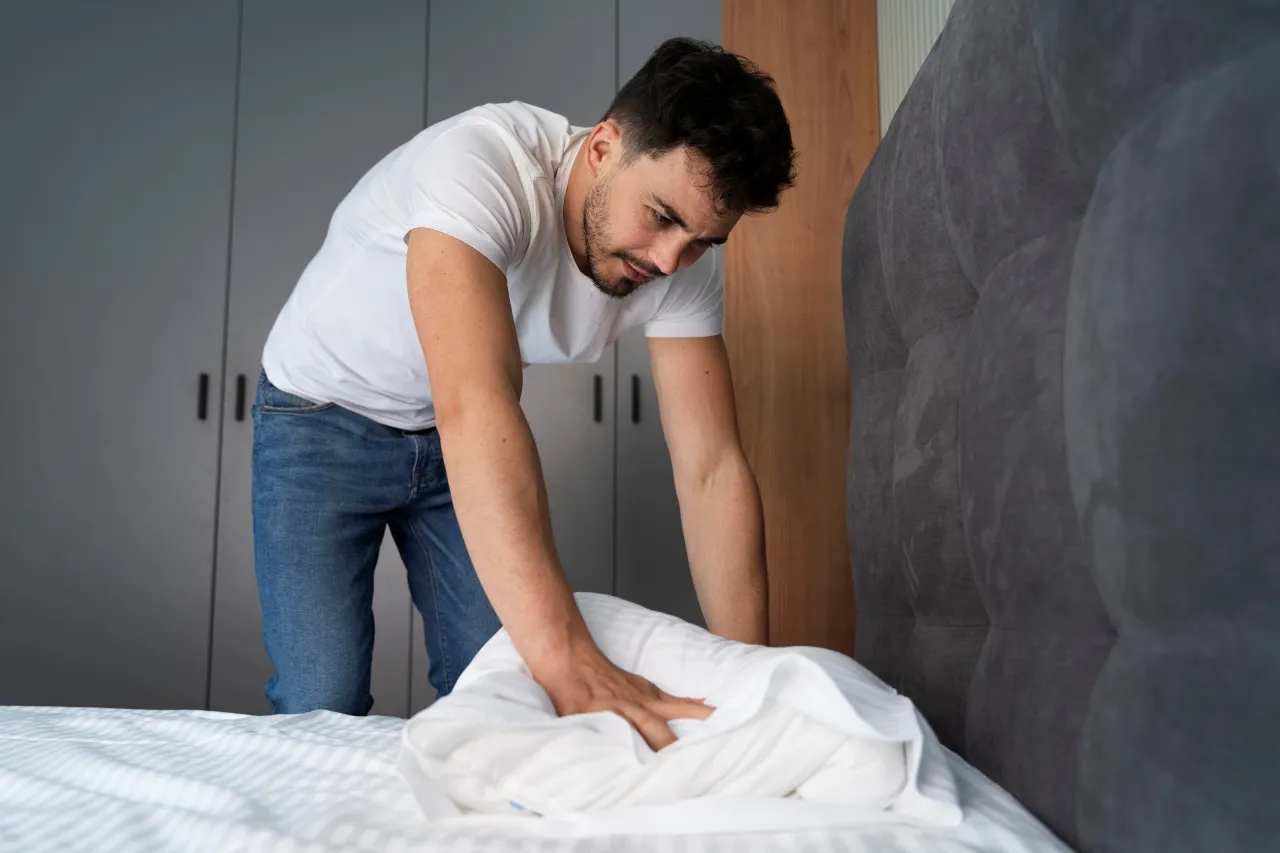
Identifying Signs of Bed Bugs/Freepik
Before extermination, first ensure whether the house is truly infested with bed bugs. These insects are active at night and usually hide in dark and narrow places.
Some of the most common hiding spots for bed bugs include:
In addition to finding the bugs directly, you can also recognize their presence through small blood stains on sheets, black spots from droppings, shed bed bug skins, or clustered bites on the skin after waking up.
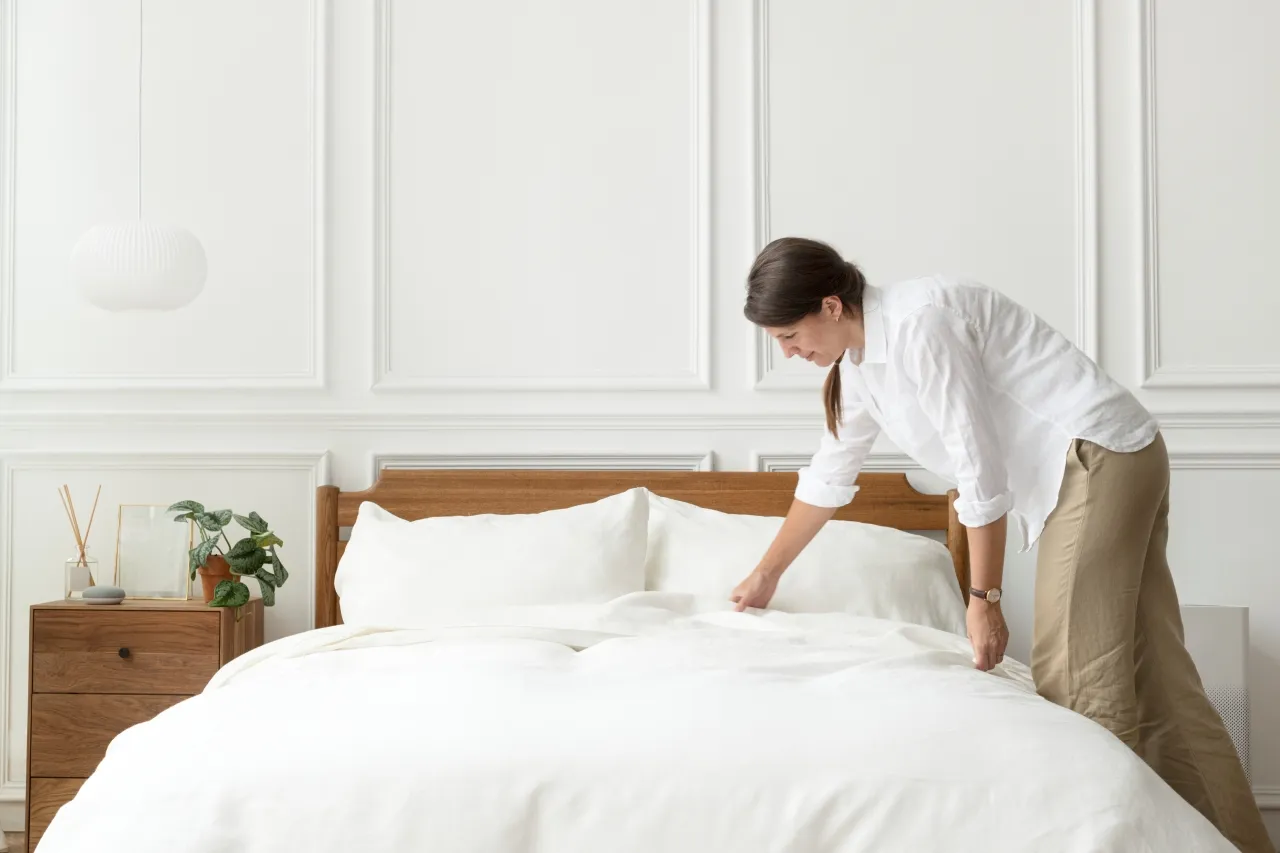
The first step is to conduct a thorough inspection of the room suspected of being a breeding ground for bed bugs. The inspection should ideally be done using a flashlight to make it easier to see narrow areas.
Check the seams of the mattress, the crevices of the bed frame, the folds of the sofa, curtains, and the back of furniture. Don't forget to check items that are rarely moved, as these areas often become hiding spots for bugs.
The sooner the infestation location is found, the easier the extermination process will be before the bugs spread to other rooms.
Bed bugs cannot survive at extremely high or low temperatures. Therefore, extreme temperature methods have become one of the commonly used strategies.
Some steps that can be taken include:
This method helps kill adult bugs while also reducing the chances of eggs hatching again.
After fleas are found, perform a thorough cleaning to ensure that no eggs or flea remnants are left behind.
Focus the cleaning on the bed area, sofa, carpet, curtains, and room corners. Use a vacuum cleaner to get into the crevices of the furniture, then immediately dispose of the vacuum bag into a tightly sealed plastic bag.
If possible, use a special mattress protector (mattress encasement) so that any remaining fleas cannot escape or breed again.
If the flea population is quite large, using insecticide can be an additional option after the cleaning process is done.
Some common active ingredients include:
Use the product according to the instructions on the packaging and avoid excessive spraying. Also, avoid using fogging or bug bombs as they often cannot reach the crevices where fleas hide.
After successfully eliminating bed bugs, daily habits also need to be considered to prevent a re-infestation.
Some simple steps that can be applied include:
These habits can help reduce the risk of bed bugs breeding in the home.
Tips to Prevent Bed Bugs. (Image: Freepik)
One of the causes of bed bugs entering the house is being brought in from hotels, accommodations, or transportation while traveling. Therefore, checking luggage becomes an equally important step.
Some methods that can be implemented include:
These simple steps can help prevent bed bugs from entering the home and breeding unnoticed.
Not all bed bug infestations can be handled independently. If bed bugs continue to appear despite repeated cleaning of the house, it's likely that their population has become large enough and spread to various corners of the room.
Contacting pest control services becomes an option if bed bugs are found in several rooms at once, their numbers keep increasing, or residents are still experiencing bites after various methods have been tried.
Professional handling generally uses a combination of thorough inspections, heat treatments, and specialized insecticides to minimize the chances of bed bugs reappearing.
Bed bugs are usually brought in through luggage, clothing, bags, hotels, public transportation, or infested second-hand furniture.
Airing out can help reduce the number of bed bugs, but it is usually not enough to exterminate all the bugs and their eggs, so it needs to be combined with other methods.
Yes. Bed bugs can temporarily attach to clothing, bags, or luggage before moving to the mattress and home furniture.
Under certain conditions, bed bugs can survive for several months without feeding on blood, so comprehensive handling is necessary.
Inspect items after traveling, regularly wash bed linens in hot water, clean the mattress using a vacuum cleaner, and check second-hand furniture before use.
(kpl/rao)
Cobain For You Page (FYP) Yang kamu suka ada di sini,
lihat isinya
Learn how to safely plant fruit trees near the carport so that the roots do not damage the foundation and floor of the house.

Growing sweet starfruit in pots is an attractive option for those who want to enjoy their own harvest without having to own a large garden.

How to plant katuk to encourage budding needs to be considered from the planting process to its care.

How to plant cassava leaves for abundant shoots helps the plant produce more buds without interfering with tuber formation.

Learn how to clean marble floors without wearing them down to keep them clean, shiny, and durable.

How to make cacti reproduce quickly with the right care so they grow healthy and produce many offsets.

Inspiration for house facades with yellow palms that make the residence look cooler, greener, and more elegant in various design styles.

Check out the plants that make your home more private while being beautiful to look at, from Japanese bamboo to tea plants.

Create a mini garden at home by planting starfruit in used gallon containers. Follow the complete guide from seed selection to care for abundant fruit throughout the year.

For those of you who can't wait to feel warm and fuzzy and smile to yourselves, just check out the following romantic anime recommendations. From IJIRANAIDE, NAGATORO-SAN to KIMI NO NAWA, you can choose according to your taste.

Experience the freshness and health benefits with 7 herbal recipes for lowering cholesterol that can be enjoyed cold! Each recipe offers a combination of natural ingredients that are not only refreshing but also help keep your cholesterol levels balanced. Get ready to enjoy delicious and beneficial healthy drinks!

Pineapple juice is not only refreshing but also beneficial for lowering cholesterol! However, for optimal results, continue to support it with a healthy lifestyle.
