

 Follow
 Rekomendasi
How to Make Cacti Reproduce Quickly with Proper Care and Minimal Risk
How to make cacti reproduce quickly with the right care so they grow healthy and produce many offsets.

Kapanlagi.com - Marble floors are known to provide a luxurious and elegant impression to a home. However, unlike ceramics or granite, marble is a natural stone that requires special care to prevent its surface from becoming dull, scratched, or worn.
The use of inappropriate cleaning liquids, excessive mopping with water, and allowing spills to sit for too long can damage the marble surface and its protective layer (sealer). Therefore, it is important to know how to clean marble floors without wearing them down so that their beauty and durability are maintained for years to come.
Here’s how to clean marble floors without wearing them down, as reported by KapanLagi.com from Southern Living, Tuesday (4/8).
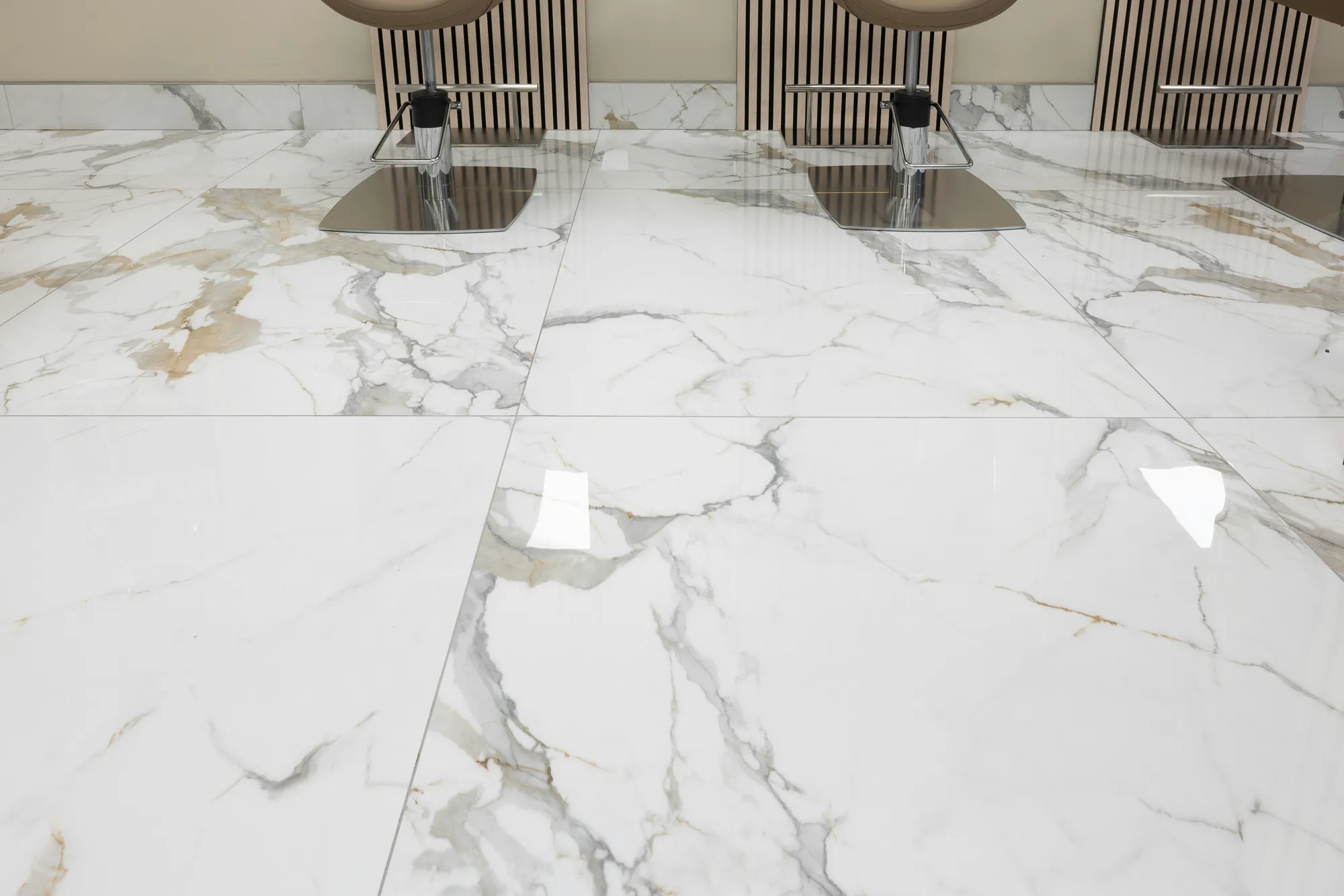
Marble Floor Illustration (Photo by Tile Merchant Ireland on Unsplash)
Marble is a natural stone that is mostly composed of calcium carbonate. This material is sensitive to acidic substances, making it prone to etching or corrosion when exposed to liquids such as vinegar, acidic cleaners, or other harsh chemicals.
Additionally, the surface of marble is also more susceptible to scratches compared to several other types of flooring. Therefore, the cleaning process must use safe tools and products to keep the stone's surface smooth and shiny.
The frequency of cleaning depends on the level of activity in the room.
For daily maintenance, marble floors should be dusted with a dry microfiber cloth or a dust mop. High-traffic areas should be mopped weekly, while less frequently used areas can be mopped about once a month. The use of water should be limited as excess moisture can leave water stains on the marble surface.
Additionally, any food or drink spills should be cleaned up immediately by blotting with a clean cloth, not rubbing. The sooner it is cleaned, the lower the risk of permanent stains or damage due to chemical reactions.
Here are the steps to safely clean marble floors.
1. Dust First
Start by sweeping up dust using a soft-bristled broom or a dry microfiber cloth.
If using a vacuum cleaner, make sure the brush roll feature can be turned off. If not, it's best to avoid using that tool as the continuously rotating brush can scratch the marble surface.
2. Mop Using a pH Neutral Cleaner
Once the dust is removed, use a slightly damp microfiber mop.
Mix enough water with a cleaner specifically for natural stone or a floor cleaner that has a neutral pH. Avoid mopping with too much water as marble does not like excess moisture.
3. Dry the Marble Surface
After mopping, immediately wipe the floor again using a dry microfiber cloth.
This step helps remove any remaining water so that water spots do not form on the stone surface.
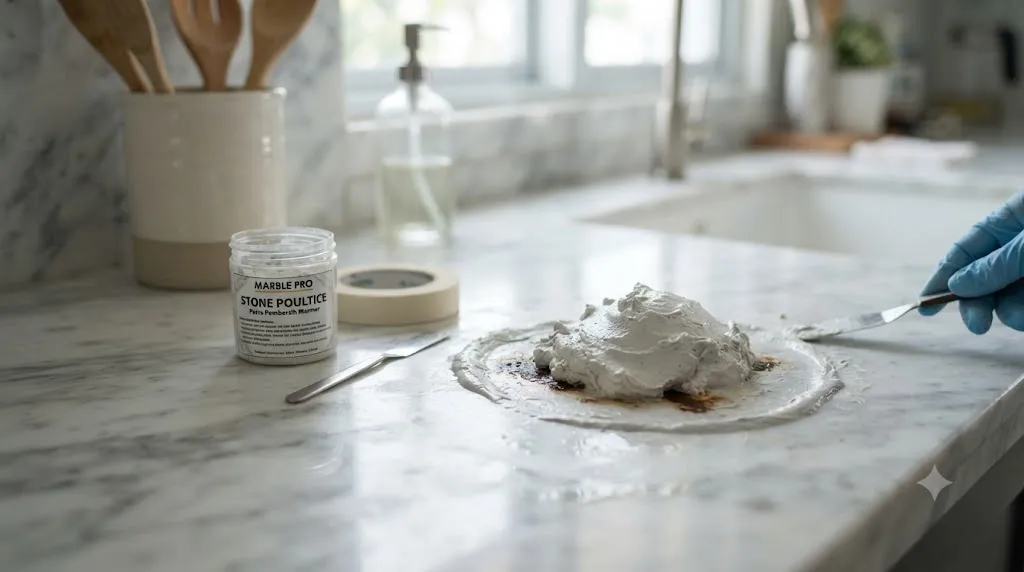
How to Remove Stains from Marble Floors (Photo: AI Generated)
Marble is quite easy to absorb stains if liquids are left too long.
For stubborn stains such as oil, food, rust, organic stains, or water marks, use a stone poultice or a special cleaner for natural stone. This product works by drawing out stains that have penetrated into the pores of the marble, making it more effective than regular cleaners.
Before applying it to the entire surface, conduct a test first on a small, less visible area. This step aims to ensure that the product does not cause discoloration or damage to the marble surface.
Maintaining marble is actually not difficult if done consistently. The following habits can help extend the life of marble floors:
Some mistakes can actually accelerate the damage to the marble surface, including:
Avoiding these habits can help maintain the natural shine of marble for a longer time.
Marble Floor Illustration (Photo by Augustine Wong on Unsplash)
The protective coating (sealer) on marble generally needs to be renewed every one to two years. However, areas with high traffic may require resealing more frequently.
One simple way to check the condition of the protective coating is to perform a water drop test. Drop three to four drops of water at several points on the floor, then let it sit for about 10-15 minutes.
If the water still forms beads after 10-15 minutes, the protective coating is still functioning well. If the water no longer beads, the protective coating may be starting to deteriorate. Meanwhile, if the water leaves a dark stain, the protective coating has likely worn off, and the marble needs to be resealed immediately.
If in doubt about the condition of the protective coating or unsure about sealing it yourself, it is best to use professional services to ensure the maintenance is done correctly without damaging the marble surface.
1. Is it okay to use dish soap to mop marble floors?
Generally, liquid dish soap with a gentle formula has a neutral pH and is safe to use occasionally in emergency situations. However, for regular weekly use, a cleaner specifically designed for natural stone is highly recommended. Dish soap tends to leave a residue of a thin film if not rinsed, which over time can dull the natural shine of marble.
2. How can you distinguish between regular dull marble and marble that has been affected by acid corrosion (etching)?
Regular dullness occurs due to the accumulation of dust or the thinning of the protective layer (sealer) from daily friction. Meanwhile, etching caused by acidic substances (such as vinegar, lemon, or bathroom cleaning liquids) will leave dull stains in the form of spots, splashes, or clear water rings that are visible when hit by light reflections. Etching damages the physical structure of the stone, so it cannot be removed just by mopping normally.
3. Why is it not recommended to use a steam cleaner on marble?
A steam cleaner relies on a combination of high heat and extreme moisture pressure. If your marble has microscopic cracks or its protective layer (sealer) has started to thin, hot steam can seep into the pores of the natural stone. This poses a risk of causing discoloration (yellowing), internal cracking, and even damaging the adhesive layer beneath the marble.
4. What should be done if an oil stain has already seeped in and formed a dark shadow on the marble?
An oil stain that has already penetrated will not come out with regular floor cleaners. You need to use a stone poultice or a special natural stone cleaning paste. Apply the paste over the stained area, cover it with plastic with a few air holes, and let it sit for 24–48 hours according to the package instructions. This paste will work to draw the oil out of the pores in the marble stone.
5. Can severely scratched marble or marble affected by etching still be repaired?
Yes, but it requires more than just resealing (resealing) alone. If the scratches or damage from acidic substances are too deep, you will need the services of a professional stone restoration. They will perform a re-polishing process (grinding and honing) using special machines to thinly scrape the damaged top layer before finally applying a new protective layer to make the floor shine again.
(kpl/rmt)
Cobain For You Page (FYP) Yang kamu suka ada di sini,
lihat isinya
How to make cacti reproduce quickly with the right care so they grow healthy and produce many offsets.

Inspiration for house facades with yellow palms that make the residence look cooler, greener, and more elegant in various design styles.

Check out the plants that make your home more private while being beautiful to look at, from Japanese bamboo to tea plants.

Create a mini garden at home by planting starfruit in used gallon containers. Follow the complete guide from seed selection to care for abundant fruit throughout the year.

For those of you who can't wait to feel warm and fuzzy and smile to yourselves, just check out the following romantic anime recommendations. From IJIRANAIDE, NAGATORO-SAN to KIMI NO NAWA, you can choose according to your taste.

Experience the freshness and health benefits with 7 herbal recipes for lowering cholesterol that can be enjoyed cold! Each recipe offers a combination of natural ingredients that are not only refreshing but also help keep your cholesterol levels balanced. Get ready to enjoy delicious and beneficial healthy drinks!

Pineapple juice is not only refreshing but also beneficial for lowering cholesterol! However, for optimal results, continue to support it with a healthy lifestyle.

What if a single pill or serum could change a person's destiny in a matter of seconds? This concept serves as the backdrop for various top science fiction films. Here are the recommendations for you, KLovers.

From legendary wizards to worlds filled with mystical creatures, this genre offers thrilling storylines. Here are the recommendations for you, KLovers.

On the day of Eid al-Fitr, sending Eid words with touching messages can be sent to family, friends, or colleagues. Here are references for Eid words 2025.

Learn the correct prayer and procedure for Eid al-Fitr prayer to celebrate victory after Ramadan. For more details, check here KLovers.

To maintain health, it is important to eliminate formaldehyde from fresh fish. Don't worry, the method is very easy! Just use one kitchen ingredient that is definitely in your home. Find this practical solution and enjoy safer fresh fish!
