

 Follow
 Rekomendasi
7 Ways to Plant Forget Me Not Flowers from Seeds for Quick Germination and Frequent Blooming
Learn 7 ways to plant forget me not flowers from seeds for quick germination and frequent blooming, complete with tips on sowing and care.
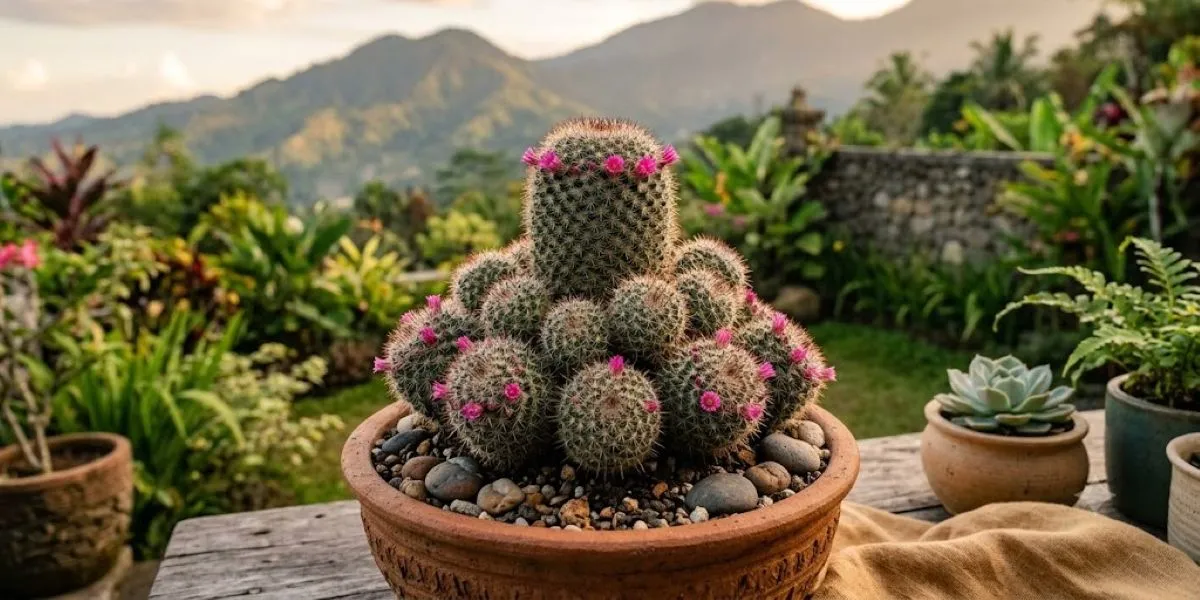
Kapanlagi.com - Cacti are known as resilient ornamental plants that are easy to care for. However, not all types of cacti will quickly produce offsets if their growing conditions are less than ideal.
The emergence of offsets is influenced by a combination of factors such as the age of the plant, light intensity, growing medium, watering, and fertilization. With the right care, many types of cacti can naturally produce new shoots without the need for extreme treatments. Complete information has been summarized by KapanLagi.com from various sources, Friday (31/7).
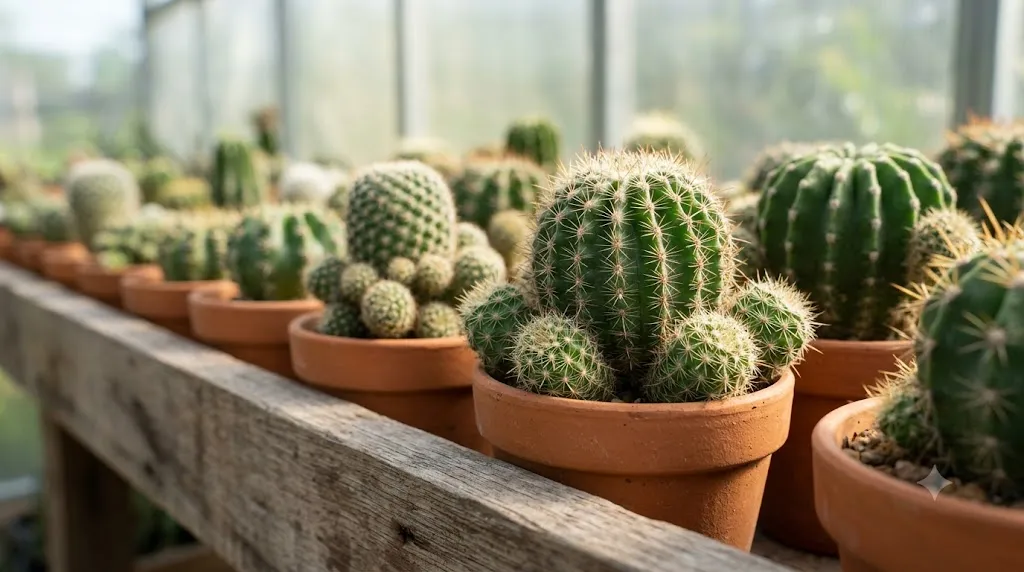
How to Make Cacti Quickly Produce Offsets/AI Generated
The first step to understand is that not all cacti have the ability to produce many offsets. Some species indeed grow solitarily, while others naturally form clumps through shoots that appear at the base of the stem.
Types such as Mammillaria, Rebutia, Echinopsis, certain Gymnocalycium, and some Echinocereus are known to produce offsets more easily compared to columnar cacti or species that rely solely on seeds for reproduction.
If your goal is to obtain many offsets, choosing species that do have a clumping growth character will yield much better results. Proper care is still necessary, but genetic factors remain the main determinant of the plant's ability to produce shoots.
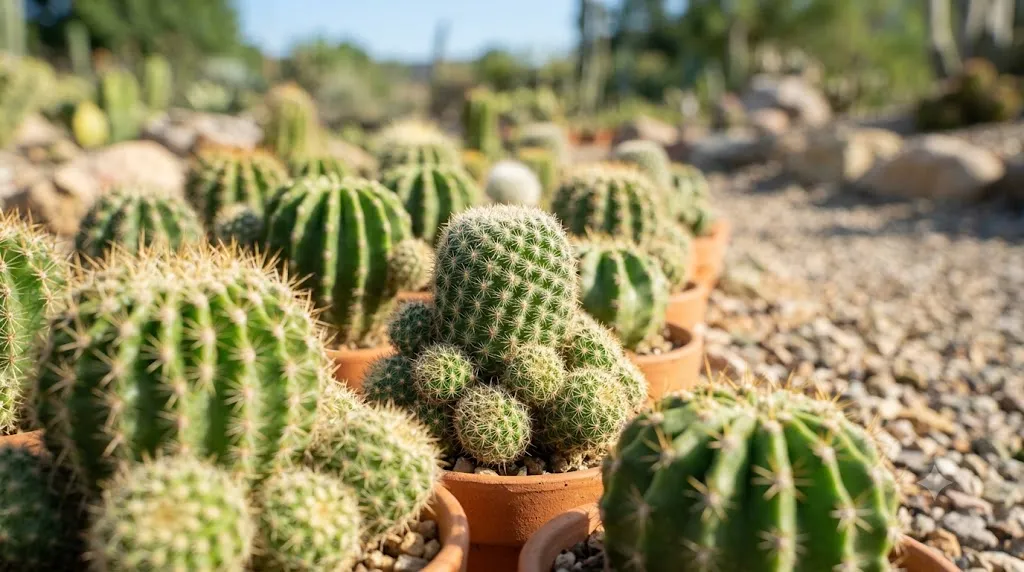
How to Make Cacti Quickly Produce Offsets/AI Generated
Cacti need bright light to photosynthesize optimally. The energy produced from photosynthesis is then used by the plant for the growth of stems, roots, flowers, and the formation of offsets.
Most cacti require direct sunlight for about 4–6 hours each day. If planted in a location that is too shady, growth will slow down, stems will elongate abnormally (etiolation), and the chances of offsets appearing will decrease.
However, gradually adapt the plant if it was previously in a shady spot. A sudden move to direct sunlight can cause the plant's tissues to burn, especially in cacti that have just been purchased from a nursery.
How to Make Cactus Multiply Quickly/AI Generated
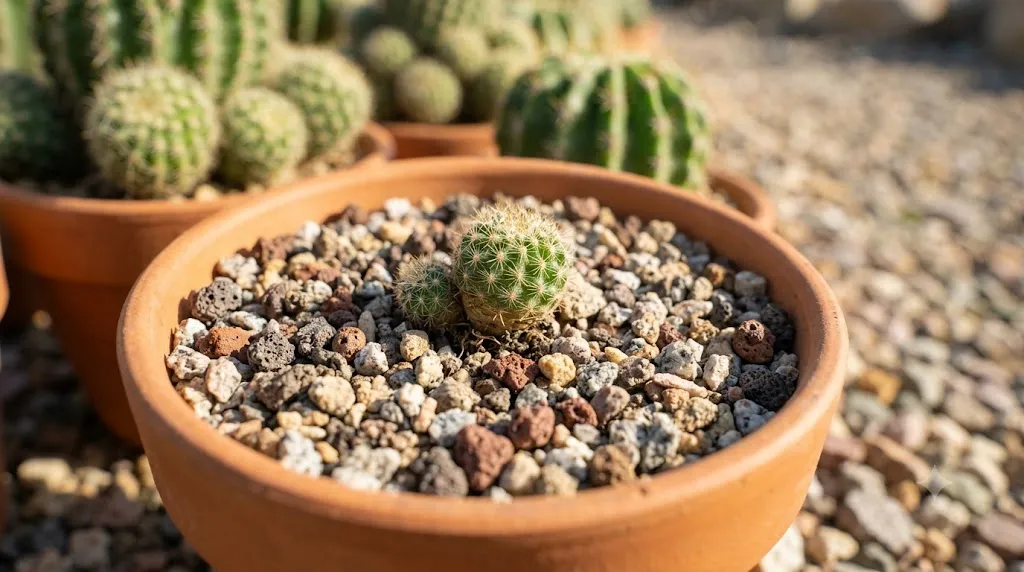
Growing media that is too dense can retain excessive water and make it difficult for roots to develop. Healthy roots are one of the keys for cacti to have enough energy to produce new shoots.
The growing media mix can use porous materials such as pumice, perlite, burnt husk, or fine gravel combined with a little mature compost or humus. The goal is to maintain a balance between drainage and nutrient availability.
Ensure that water can drain out quickly each time watering is done. Media that dries out quickly will help prevent root rot while also creating an environment favored by most types of cacti.
How to Make Cactus Multiply Quickly/AI Generated
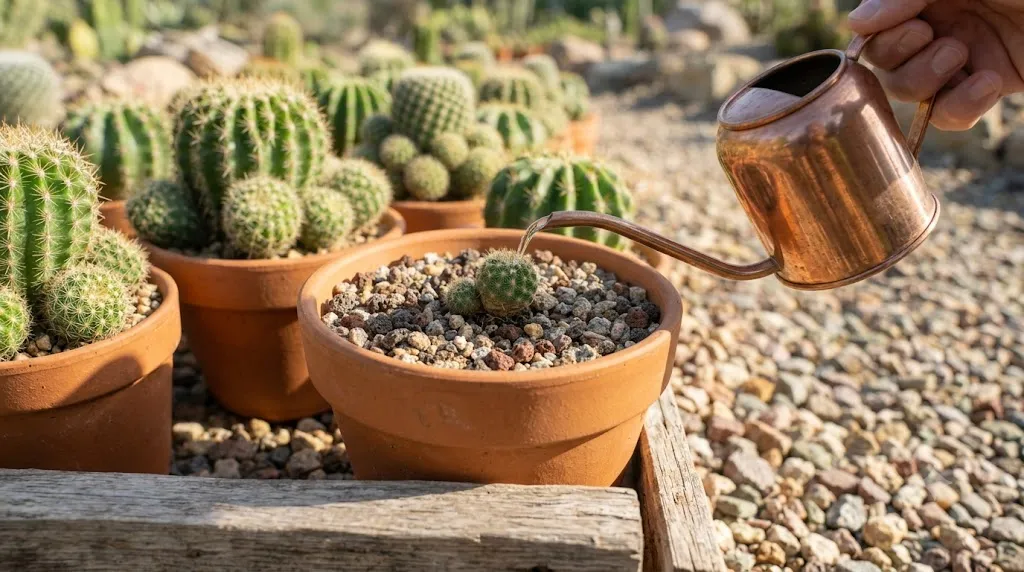
One of the most common mistakes is watering cacti too often in the hope that the plants will grow faster. In fact, continuously wet media can hinder root growth and even trigger rot.
Watering should be done only after the planting medium is completely dry. The frequency can vary depending on the weather, pot size, type of medium, and age of the plant, so there is no standard number of days that applies to all conditions.
In the rainy season, watering can usually be reduced because the humidity is higher. Conversely, during hot weather when the medium dries quickly, the plants may need more frequent watering, but still only after the medium has dried.
How to Make Cacti Multiply Quickly/AI Generated
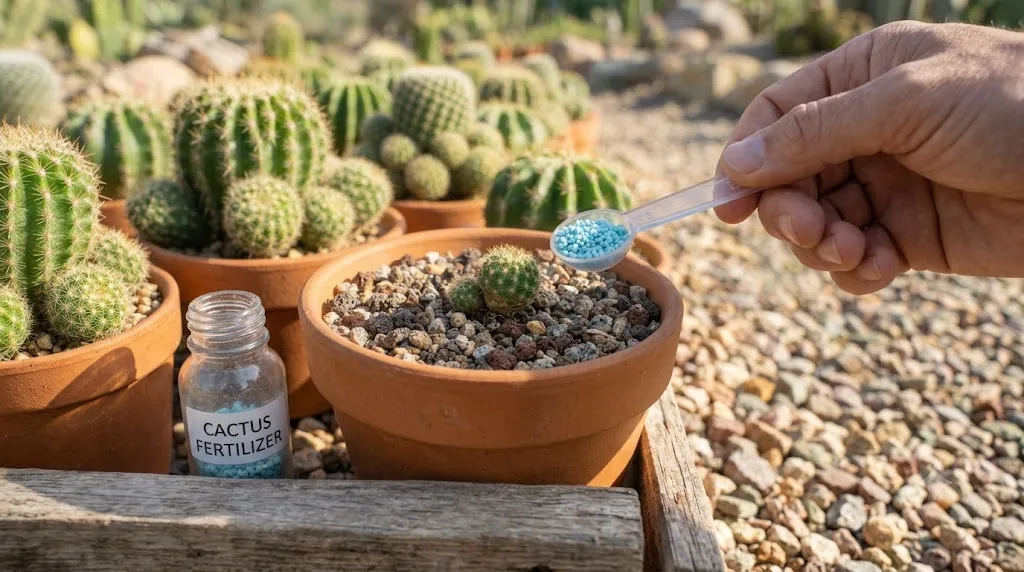
Cacti still require nutrients even though they are known to survive in nutrient-poor environments. Providing balanced fertilizer helps support the formation of new tissue, including offsets.
Use a special cactus fertilizer or fertilizer with a moderate nitrogen content along with sufficient phosphorus and potassium. Fertilization is generally done in low doses according to product instructions to avoid salt buildup in the growing medium.
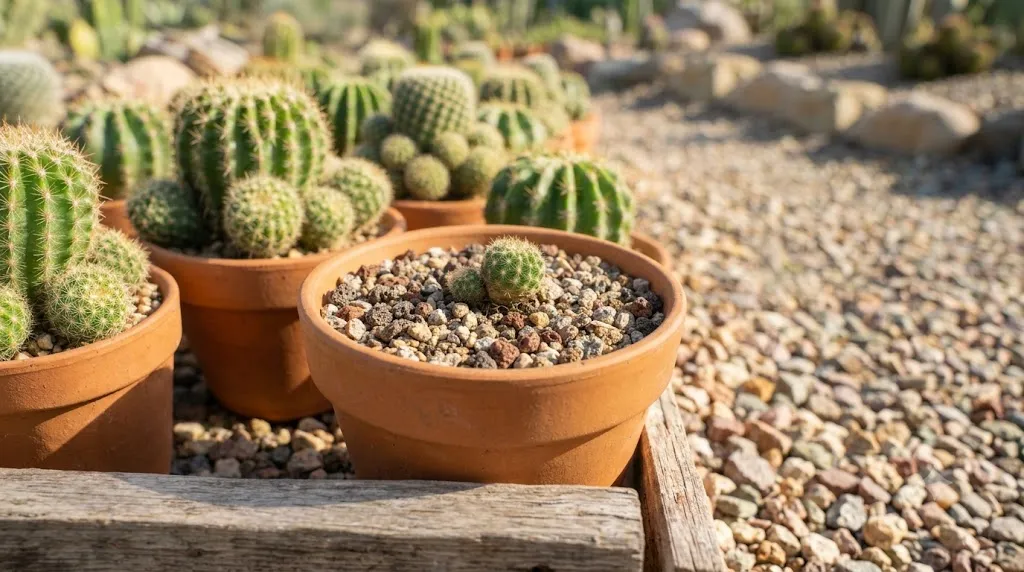
Avoid over-fertilizing in hopes of faster offset growth. Excess fertilizer can actually damage roots, trigger overly soft stem growth, and reduce plant health.
How to Make Cacti Reproduce Quickly/AI Generated
The size of the pot also affects root development and plant growth. A pot that is too large can cause the medium to retain water longer, increasing the risk of root rot.
Conversely, a pot that is proportionate will allow roots to develop more efficiently and the medium to dry out faster after watering. This condition is generally more suitable for the needs of most cacti.
Ensure the pot has adequate drainage holes so that excess water can escape easily. Good drainage will help maintain root health in the long term.
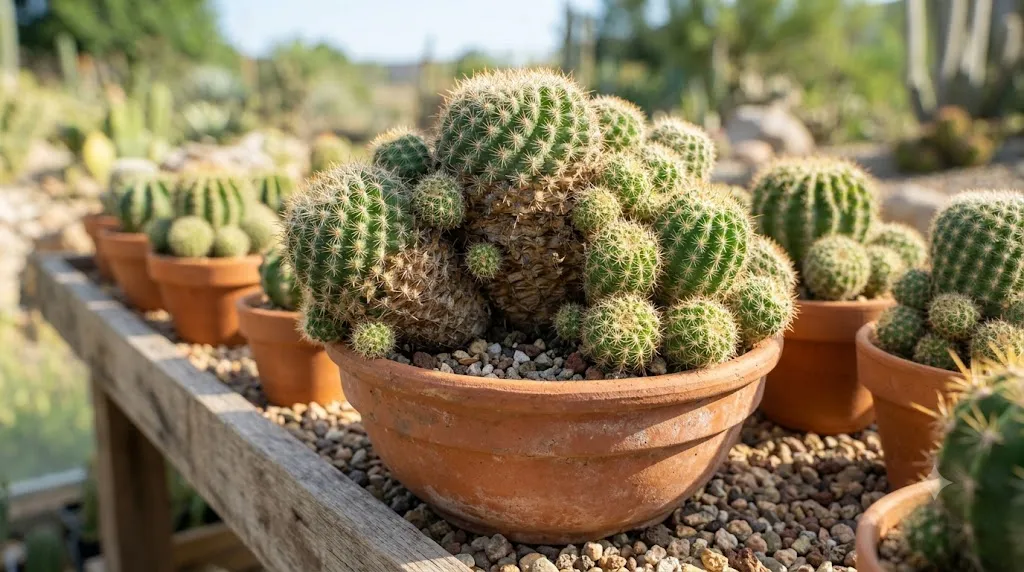
How to Make Cacti Reproduce Quickly/AI Generated
Offspring generally appear after the cactus reaches a certain level of maturity. Young plants usually focus more on developing their root systems and enlarging their stems rather than producing new shoots.
Therefore, don’t rush to expect a newly planted cactus to reproduce immediately. Each species has a different growth rate, so the timing of offspring appearance will also vary.
Consistent care is far more important than trying various instant treatments. When the plant is healthy, has strong roots, and enters the mature phase, the chances of offspring appearing will naturally increase according to the characteristics of each cactus species.
1. How long does it take for a cactus to start producing offsets?
There is no definite time frame because each type of cactus has a different growth rate. In species that readily produce offsets, they can start appearing after the plant reaches maturity and grows under optimal conditions, usually within a few months to a few years.
2. Can all types of cacti produce offsets?
No. Some types of cacti naturally form offsets around the base of the stem, while others tend to grow solitarily and reproduce more often through seeds. Genetic factors are one of the main determinants of a cactus's ability to produce offsets.
3. Can fertilizers make cacti produce offsets faster?
Fertilizers can help support plant growth when used in the right dosage, but they do not guarantee that cacti will quickly produce offsets. The emergence of new shoots is still influenced by other factors such as the type of cactus, the age of the plant, sunlight, and root conditions.
4. Why hasn't my cactus produced offspring despite being cared for?
The causes can vary, ranging from the plant not being old enough, insufficient sunlight, overly dense growing media, to improper watering. Additionally, there is a possibility that the type of cactus being grown does not have a character that easily produces offspring.
5. When can cactus offspring be separated from their parent?
Offspring should ideally be separated once they are large enough and have their own roots or at least have a diameter about one-third the size of the parent. Separating offspring that are still too small can increase the risk of failure to grow or experiencing rot.
(kpl/rmt)
Cobain For You Page (FYP) Yang kamu suka ada di sini,
lihat isinya
Learn 7 ways to plant forget me not flowers from seeds for quick germination and frequent blooming, complete with tips on sowing and care.
Learn how to grow celery that quickly becomes lush with this step-by-step guide. Get tips and tricks for maximum results.
Want fertile chili plants without expensive fertilizers? Check out 15 ways to make chili plants more fertile using kitchen ingredients like salt, MSG, eggshells, rice washing water, and more.

Inspiration for house facades with yellow palms that make the residence look cooler, greener, and more elegant in various design styles.
Want sapodilla to thrive in a small space? This method of planting sapodilla in a pot to keep it short can be tried directly at home.

Check out the plants that make your home more private while being beautiful to look at, from Japanese bamboo to tea plants.

Spending on phone credits, data packages, and electricity tokens often makes your wallet thin quickly. Check out four saving tips from ShopeePay to keep your expenses more controlled.
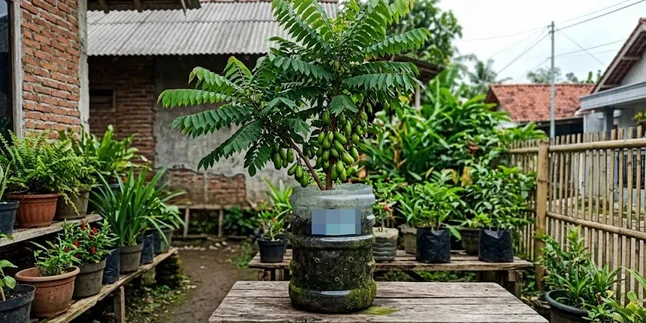
Create a mini garden at home by planting starfruit in used gallon containers. Follow the complete guide from seed selection to care for abundant fruit throughout the year.
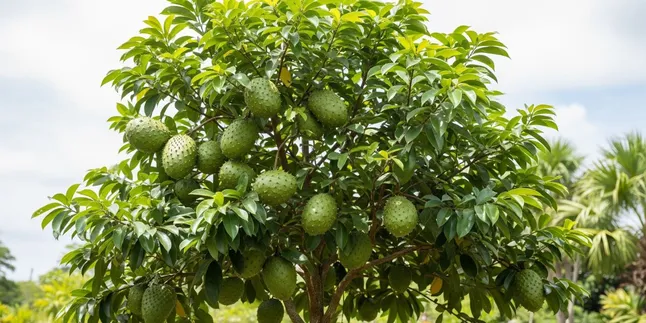
How to grow soursop trees short but fruitful is a solution for those who want to maximize gardening results.
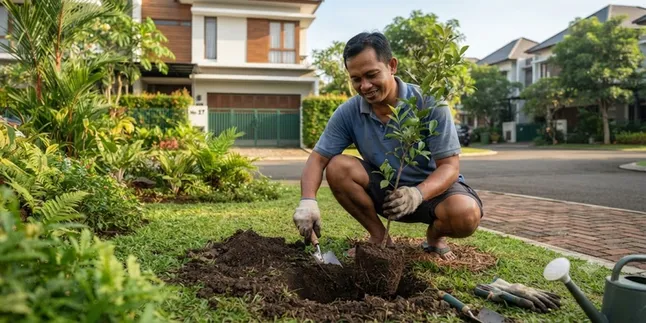
How to plant Jamaican guava trees for quick fruit production with proper care, easy to practice at home.
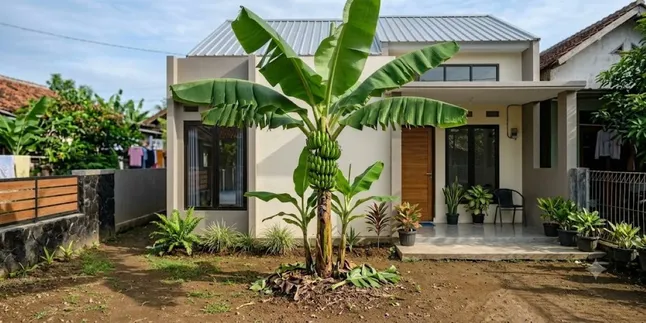
Follow this method of planting banana trees so they don't grow tall, making maintenance and harvesting easier. Learn each step here.

Discover the secret to skin goals like Nagita Slavina with a practical layering trick to lock in maximum moisture. Check it out here!
