

 Follow
 Rekomendasi
8 Plants That Make Your Home More Private While Being Beautiful to Look At
Check out the plants that make your home more private while being beautiful to look at, from Japanese bamboo to tea plants.
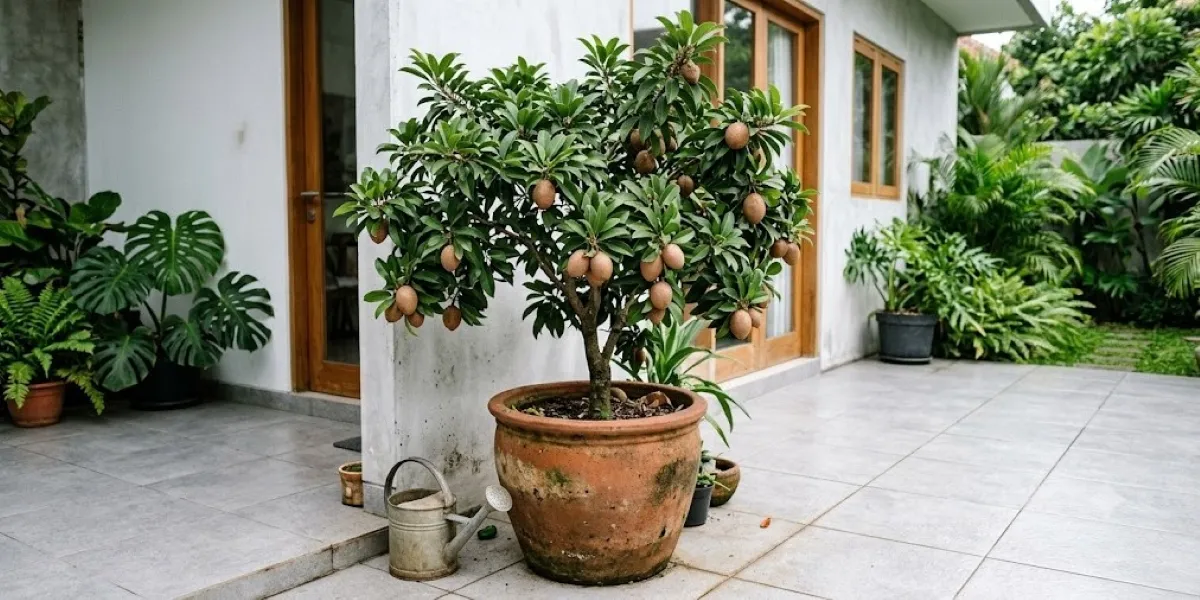
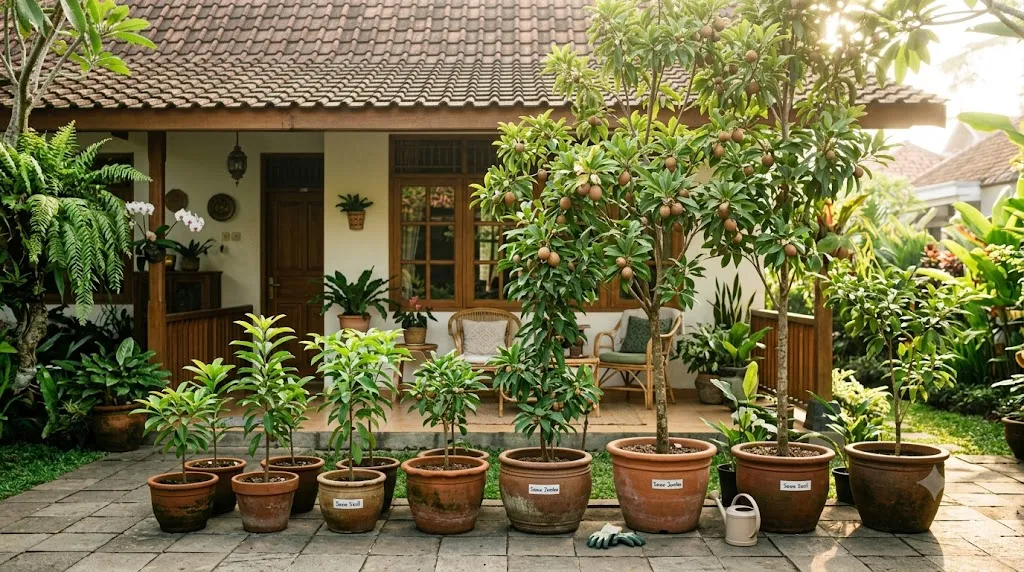
Kapanlagi.com - The method of planting sapodilla in a pot to keep it short could be the answer for you who have limited land but still want to harvest sapodilla at home. In the ground, sapodilla trees can grow up to several meters, but when planted in a pot, their height can be maintained around one to two meters without reducing the yield.
Many believe that large fruit trees are only suitable for large yards or open gardens. Because of this assumption, owners of small houses often hesitate to plant sapodilla, even though the fruit is loved by many. In reality, with the right seeds and care, sapodilla can thrive comfortably on a home terrace, small yard, or even rooftop.
In this article, we will discuss how to plant sapodilla in a pot to keep it short and produce abundant fruit, summarized from various sources, Thursday (30/7/2026). Let’s take a look at the full review below.
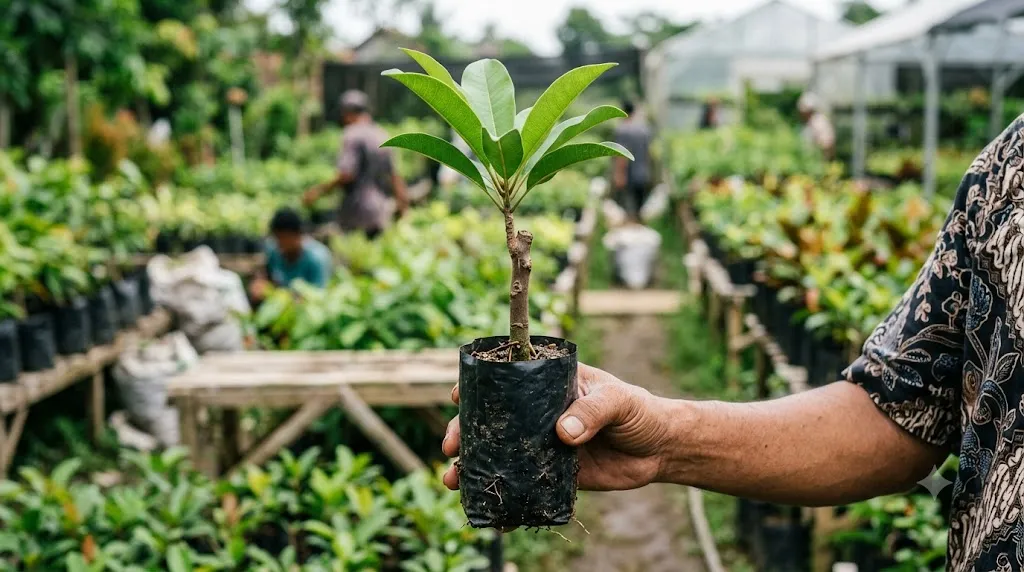
Choose Grafting or Budding. (Image: AI Generated)
Grafted or budded sapodilla seedlings are the best choice for planting in pots. Both of these seedlings come from vegetative propagation, so the characteristics of the parent tree are preserved, including the tendency to grow shorter compared to sapodilla from seeds. Grafted and budded seedlings also bear fruit faster, usually two to three years after planting.
When choosing seedlings, first pay attention to the condition of the stems and leaves. The stem should look sturdy, without wounds or signs of pest attacks, while the leaves should be uniformly green without spots. The ideal height for seedlings to be transferred to pots is around 50 to 70 centimeters, with roots that are well-formed in polybags.
It is advisable to buy seedlings from fruit plant sellers who usually provide grafted seedlings, not from random seedling nurseries. Before being transferred to permanent pots, seedlings need to be acclimatized in a shaded area for a few days to avoid stress from sudden changes in the planting environment and to allow their roots to recover first.
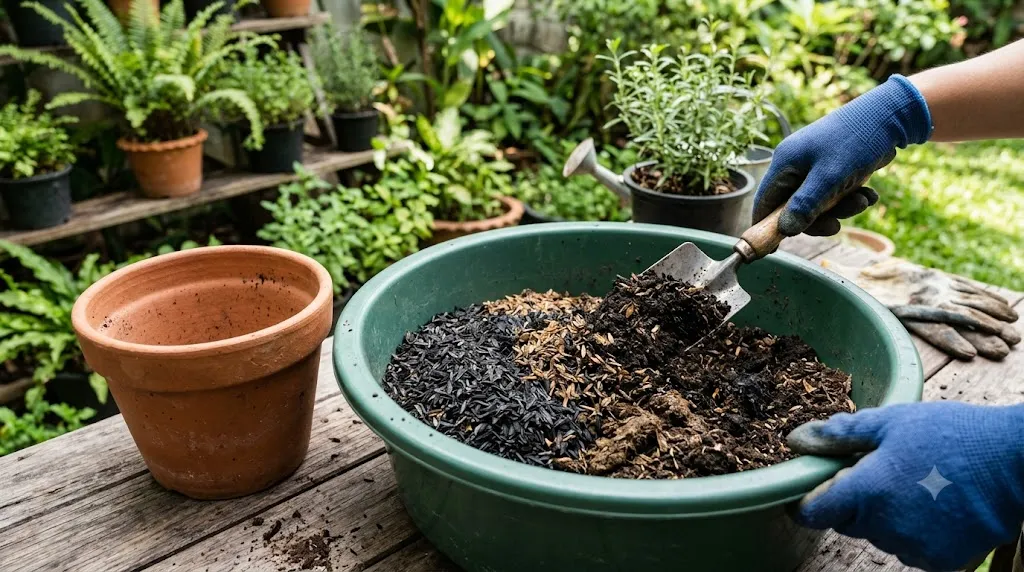
The size of the pot directly affects the final height of the sapodilla tree. A pot with a diameter of 40 to 50 centimeters is sufficient to contain root growth while limiting the height of the trunk. Pots made of clay or thick plastic are recommended because they can maintain moisture in the planting media, unlike pots made of thin materials that dry out easily.
The planting media consists of a mixture of soil, manure, and burned rice husks in a ratio of two to one to one. This composition allows the roots to breathe while providing the nutrients needed by the sapodilla during its growth period. Don't forget, a drainage hole at the bottom of the pot is essential to prevent water from pooling and damaging the roots.
Before filling with planting media, the bottom of the pot should be lined with broken tiles or gravel about five centimeters thick. This layer helps water flow out smoothly, so the roots don't easily rot due to standing water. Once the planting media is ready, the sapodilla seedling can be transferred to the center of the pot with the roots positioned vertically.
Trim Regularly. (Image: AI Generated)
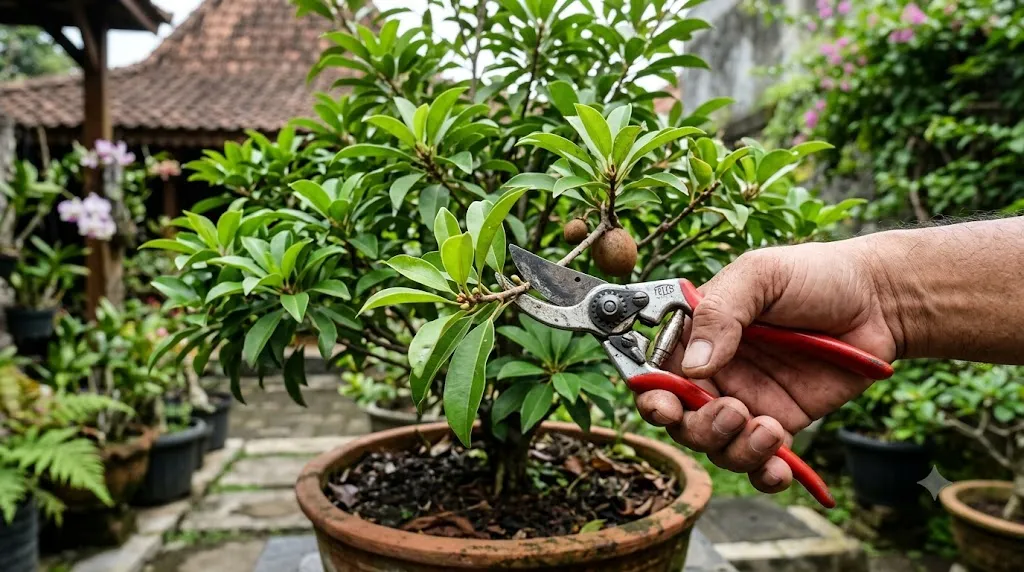
Pruning is the key factor in how to grow sapodilla in a pot to keep it short. The main shoot is cut once the plant reaches one meter in height so that upward growth stops and the plant's energy shifts to forming side branches. This technique is known as topping and needs to be repeated each time new shoots appear at the top.
Branches that grow too closely or inward also need to be pruned to keep the canopy shape open. Good air circulation between branches helps reduce the risk of fungal attacks and pests, while also allowing sunlight to reach all parts of the leaves evenly. An open canopy also makes it easier to harvest fruit when the harvest season arrives.
The best time to prune is after the harvest season is over, when the plant is resting before blooming again. Use sharp and clean pruning shears so that the cut wounds dry quickly, and then apply fungicide to the cut areas to prevent fungal infections on the stem. Dirty pruning tools can spread diseases to other plants.
Set Watering and Fertilizing. (Image: AI Generated)
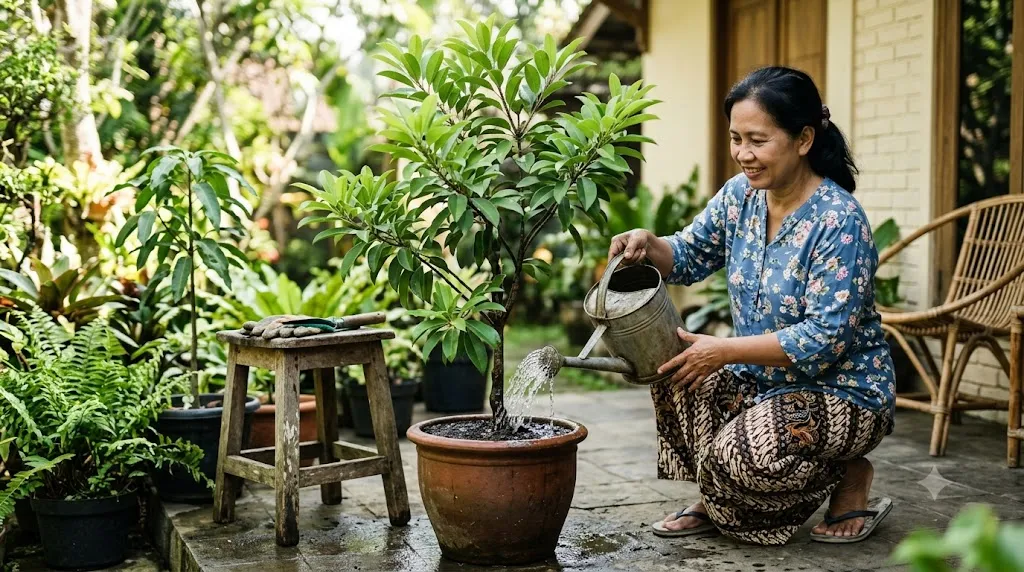
Watering sapodilla in pots is done twice a day during the dry season and once a day during the rainy season. The planting medium in pots dries out faster than soil directly in the ground, so its moisture needs to be monitored daily. Water evenly over the entire surface of the medium without allowing the roots to sit in water for too long.
Manure or compost is applied every two months to maintain the fertility of the planting medium, which has a limited volume inside the pot. Fertilizers with high phosphorus and potassium content are prioritized before the flowering period as they aid in fruit formation, unlike fertilizers with high nitrogen content that promote leaf growth.
In addition to base fertilizers, you can also provide liquid fertilizer once a month by spraying it on the leaves. This method speeds up nutrient absorption, especially when the plant shows signs of nutrient deficiency such as yellowing leaves or slowed growth. Spraying should be done in the morning or evening to prevent the leaves from wilting due to direct sunlight.
Tips for Planting Sapodilla in a Pot. (Image: AI Generated)
In addition to following the steps above, there are a few additional things that can make the sapodilla in the pot grow more optimally while still keeping its height under control. Here are some tips you can apply.
- Choose a Location with Full Sunlight: Sapodilla needs direct sunlight for at least six hours a day so that the photosynthesis process runs optimally, the stem grows strong, and the fruit forms according to the harvest season.
- Change Pots Periodically: Repotting should be done every two years by trimming some of the roots to keep the size of the plant under control, refresh the growing medium, and prevent the pot from cracking due to roots filling the space.
- Remove Weeds Around the Base of the Stem: Weeds that are allowed to grow will compete for nutrients and water, so the growth of sapodilla can be hindered and the quantity of fruit produced will also decrease.
- Monitor Pest Attacks Periodically: Leaf caterpillars and whiteflies often attack sapodilla, so regular inspections on the underside of the leaves help prevent damage from spreading to the entire plant every week.
- Provide Support When the Fruit Starts to Abound: Branches supporting a lot of fruit are prone to breaking, so a wooden support under the branch helps keep the canopy shape sturdy until the harvest time really arrives.
- Store in an Area Protected from Strong Winds: Strong winds can topple pots or break branches, especially when the plant is heavily fruited and the overall weight of the plant increases beyond normal.
How long does it take for sapodilla in a pot to start bearing fruit? Sapodilla from grafted or budded seedlings usually starts bearing fruit within two to three years after planting, much faster compared to seedlings from seeds which can take five to seven years.
What causes sapodilla in a pot to not bear fruit? The main causes are usually lack of sunlight, improper fertilization, or a pot that is too small, which prevents the roots from developing optimally to support flower and fruit formation.
What is the ideal pot size for planting sapodilla? A pot with a diameter of 40 to 50 centimeters is sufficient for young plants, and can be replaced with a larger pot as the plant ages and grows in size.
Does sapodilla in a pot need to be cross-pollinated with another tree to bear fruit? Sapodilla is a plant that can self-pollinate, so one tree in a pot can still bear fruit without the need for another sapodilla tree nearby.
How can you keep sapodilla in a pot short without pruning too often? A combination of limited pot size and periodic repotting with root pruning is sufficient to limit height growth, so stem pruning does not need to be done every week.
(kpl/bim)
Cobain For You Page (FYP) Yang kamu suka ada di sini,
lihat isinya
Check out the plants that make your home more private while being beautiful to look at, from Japanese bamboo to tea plants.

Spending on phone credits, data packages, and electricity tokens often makes your wallet thin quickly. Check out four saving tips from ShopeePay to keep your expenses more controlled.
Create a mini garden at home by planting starfruit in used gallon containers. Follow the complete guide from seed selection to care for abundant fruit throughout the year.
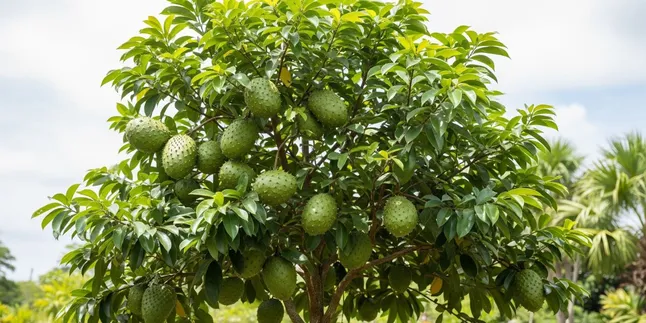
How to grow soursop trees short but fruitful is a solution for those who want to maximize gardening results.
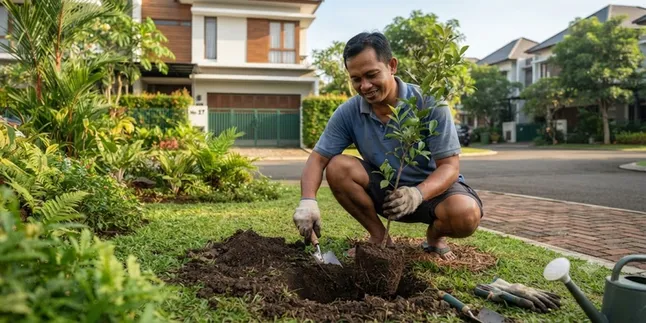
How to plant Jamaican guava trees for quick fruit production with proper care, easy to practice at home.
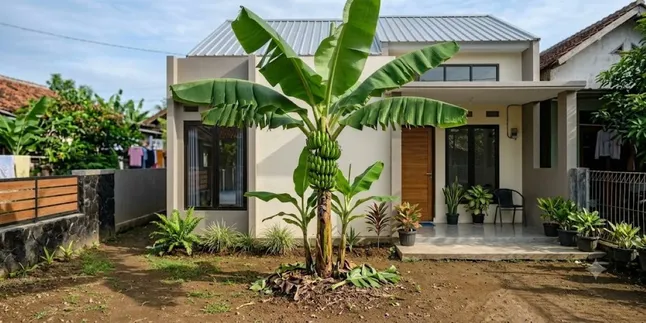
Follow this method of planting banana trees so they don't grow tall, making maintenance and harvesting easier. Learn each step here.

Discover the secret to skin goals like Nagita Slavina with a practical layering trick to lock in maximum moisture. Check it out here!

So, how do you get rid of the musty smell in the house after being left for a long time during Mudik? Let's dive into the discussion below.

Prepare your best playlist! Find song recommendations to accompany your journey, complete with tips to avoid drowsiness so your mudik trip is even more exciting and safe.

Get ready to feel emotional! Check out the list of old songs that make your homecoming journey more memorable, full of nostalgia, and definitely makes you miss your hometown.

Confused about finding entertainment during the journey? Let's check out fun podcast recommendations that are ready to make your moments more enjoyable and insightful.

After enjoying the Eid holidays filled with delicious food, many people feel their bodies have become heavier and more easily fatigued. To clarify, here’s a review of how to restart exercising after the Eid holidays that you can try to become active again.
