Kapanlagi.com - Having a home that feels more private doesn't always have to be done by building high fences or installing solid walls. The presence of certain plants can serve as a natural barrier that remains beautiful while helping to reduce outside visibility.
Plants can also provide additional benefits, such as absorbing dust, dampening some noise, and creating a cooler microclimate around the house. To be effective as privacy protectors, choose plants with dense foliage, relatively thick growth, or those that can be easily shaped according to your needs.
Furthermore, check out the plants that make your home more private, presented by KapanLagi.com from various sources, Wednesday (29/7).
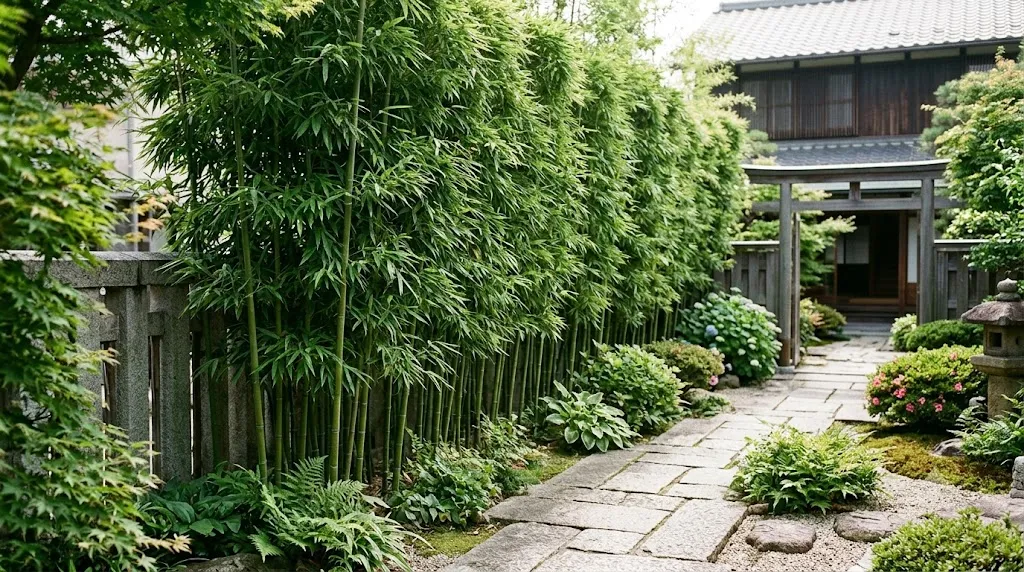
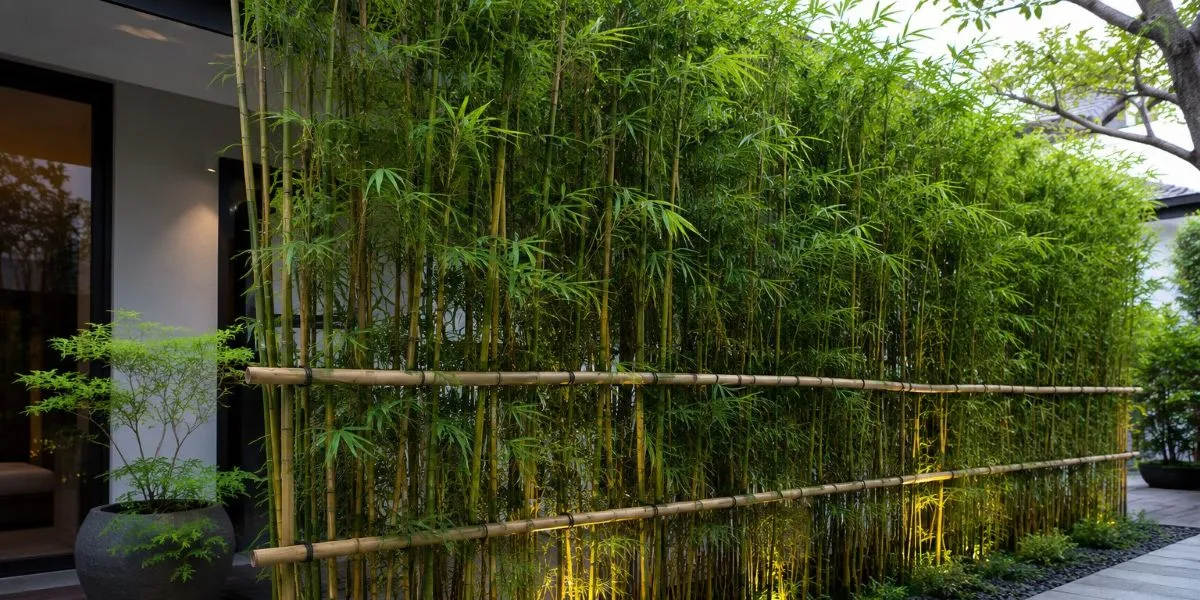
1. Japanese Bamboo
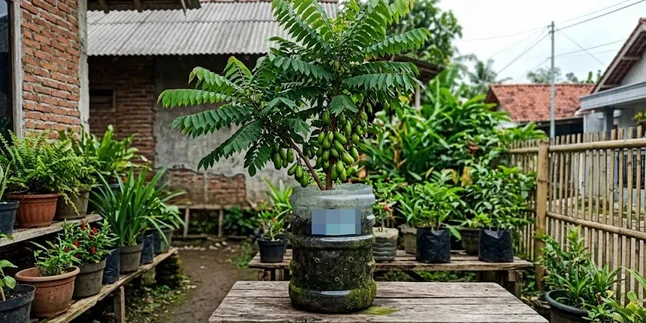
Plants That Make Homes More Private (Photo: AI Generated)
Japanese bamboo is often chosen as a living fence plant because it grows upright with dense clumps. Its small yet thick leaves can block the view from outside without making the yard feel completely closed off.
Scientifically, the arrangement of the stems and tightly packed leaves increases visual obstruction, making the line of sight shorter. Additionally, the many leaf surfaces also help capture dust and reduce the intensity of direct light entering.
This plant should be planted in rows with a distance of about 50–80 cm to form an even green wall. Regular pruning will keep the plant height ideal while maintaining the density of its foliage.
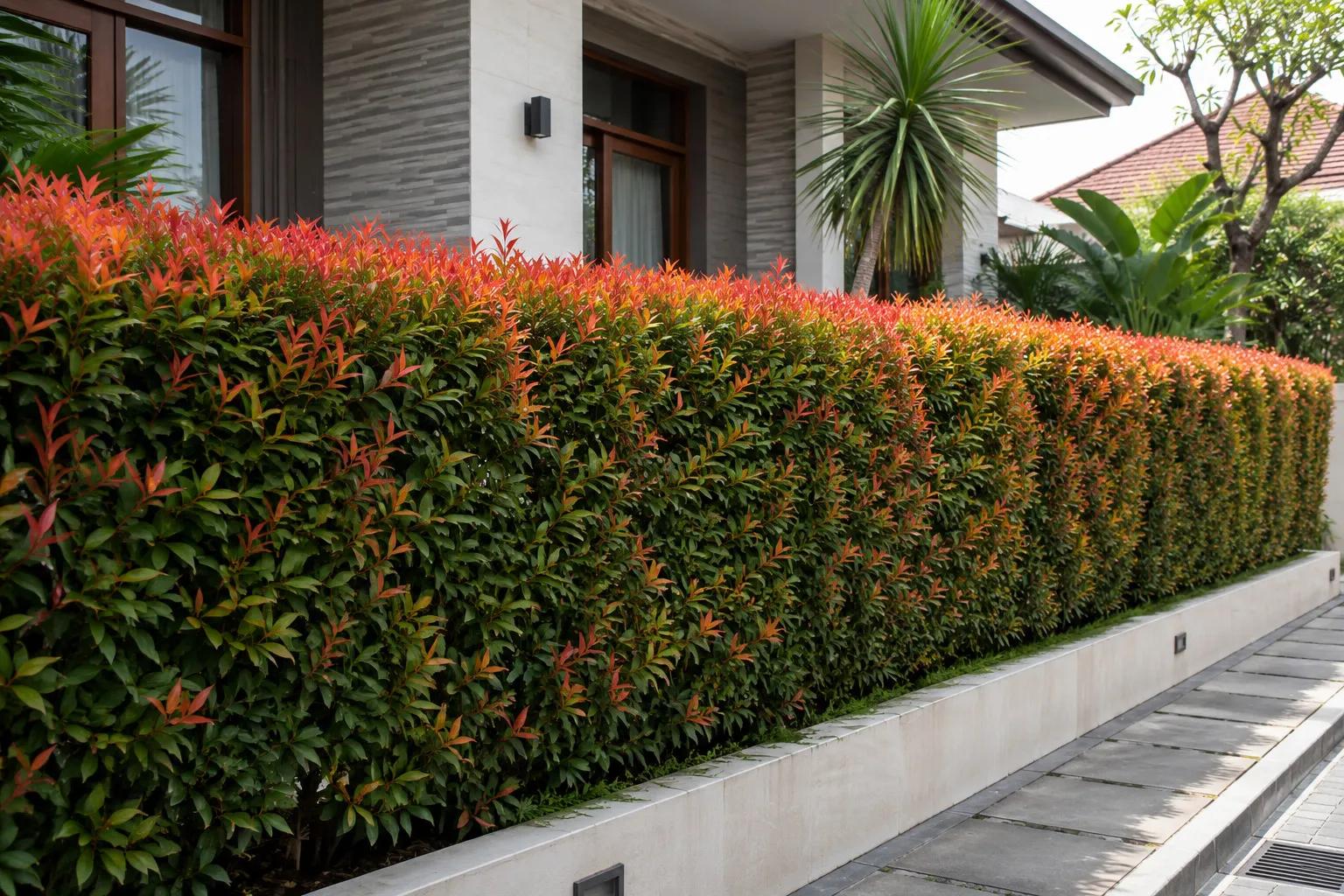
2. Red Shoots
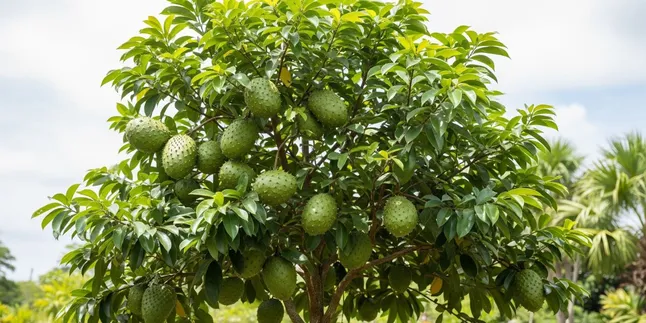
Plants that Make Homes More Private (Photo: AI Generated)
Red shoots have become one of the most popular fence plants because they have dense branching and are easy to shape. The reddish color of its young shoots also adds high aesthetic value throughout the year.
This plant responds well to pruning. The more often it is pruned with the right technique, the more new branches appear, making the plant fence denser and more effective at maintaining privacy.
In addition to being a natural barrier, red shoots can reduce heat reflection from hard surfaces around the house. Its lush leaves also create a cool impression and make the yard look greener.
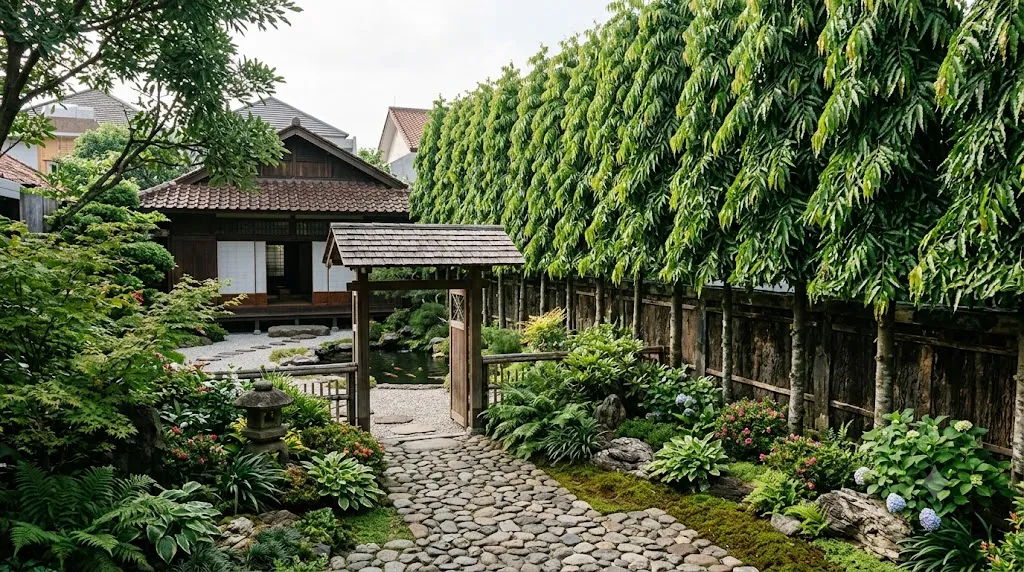
3. Glodokan Tiang
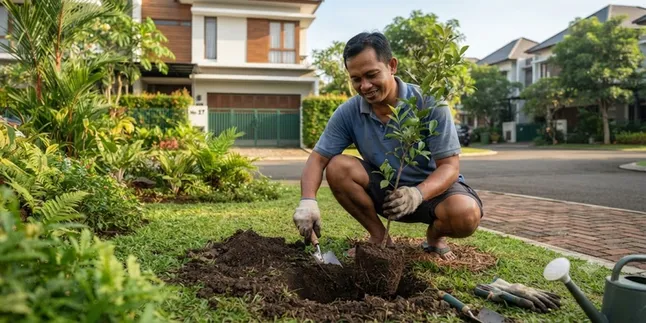
Plants that Make Homes More Private (Photo: AI Generated)
Glodokan tiang has a growth shape that rises upward, making it suitable for homes with limited land. When planted in rows, this plant can form a vertical green screen that effectively blocks the view from surrounding multi-story buildings.
Its leaves grow quite densely on each branch, creating a good visual barrier. Its elongated canopy also helps to break the gusts of wind without excessively obstructing air circulation.
To achieve optimal appearance, trim the branches that grow irregularly. This simple maintenance keeps the plant neat while preserving its primary function as a view blocker.
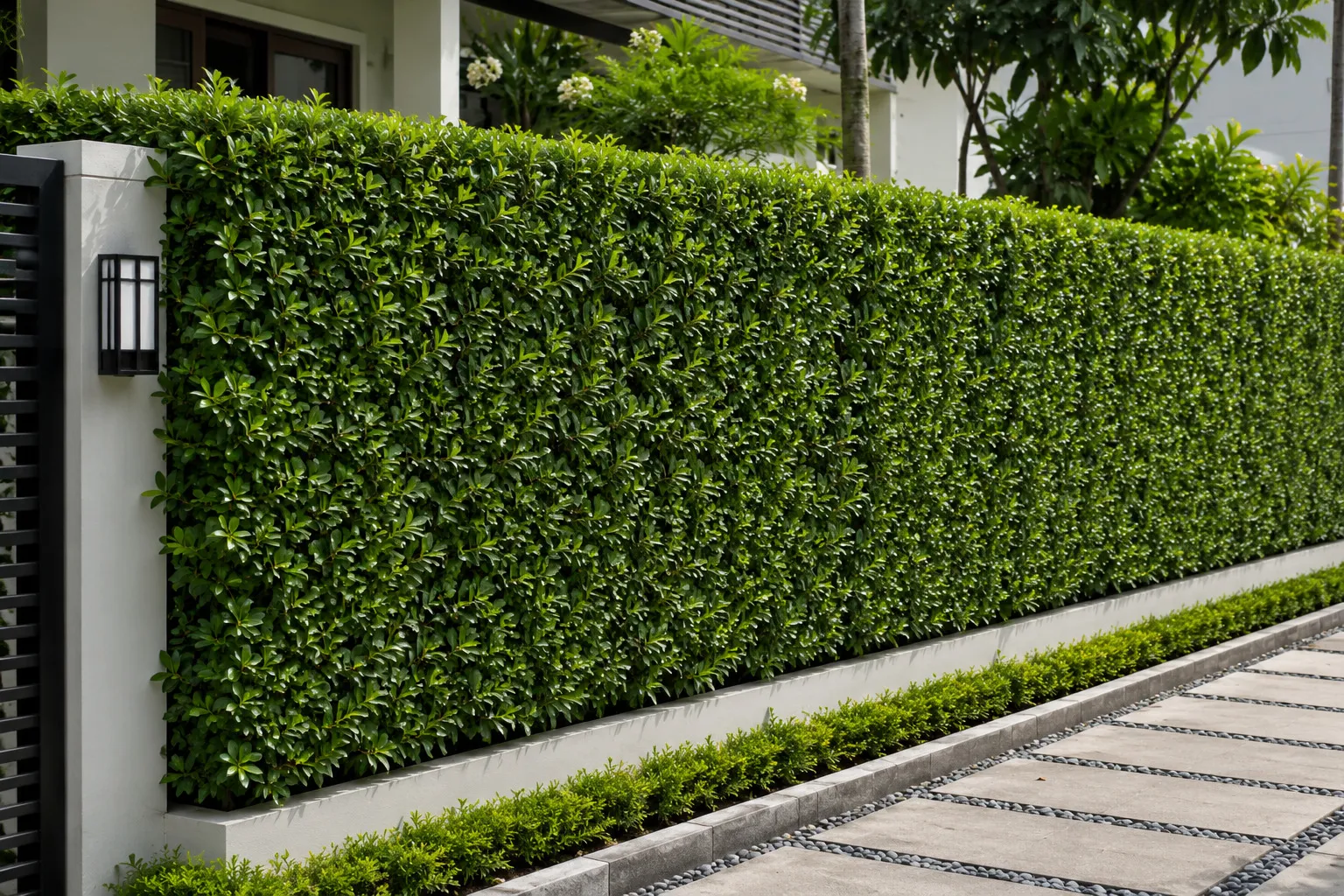
4. Korean Banyan
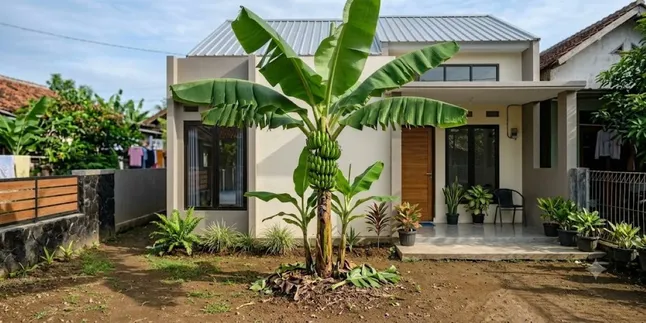
Plants That Make Homes More Private (Photo: AI Generated)
Korean banyan is known as a hedge plant that has small leaves with very dense branching. This characteristic allows it to form a nearly opaque green wall when well-maintained.
Biologically, this plant produces many shoots after being pruned, so the density of the foliage continues to increase over time. This is why the Korean banyan is widely used as a living fence in residential areas as well as commercial buildings.
Sufficient watering and regular pruning will keep its shape symmetrical. With such care, the plant can provide privacy while also beautifying the facade of the house.
5. Podocarpus
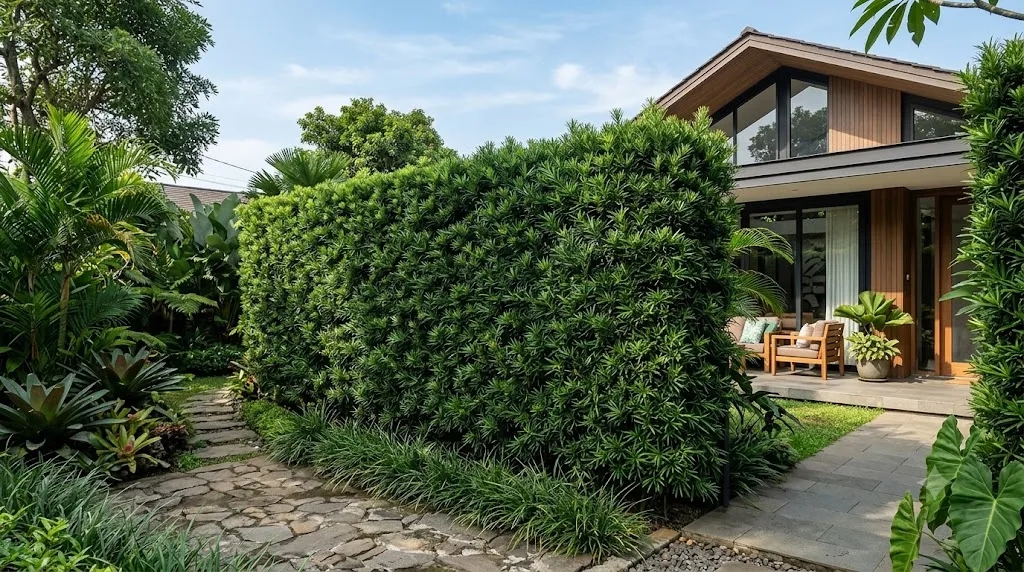
Plants That Make Homes More Private (Photo: AI Generated)
Podocarpus is an evergreen plant that has elongated leaves with a very dense arrangement. Its elegant shape makes this plant widely used as a living fence in modern and tropical style residences.
The growth of its branches tends to be dense, thus reducing gaps that allow views to penetrate into the yard. This plant is also quite resistant to pruning, making it easy to shape into a fence of a certain height.
Podocarpus grows optimally in locations that receive adequate sunlight and in soil media with good drainage. With regular care, this plant can become a long-lasting natural barrier for many years.
6. Fan Palm
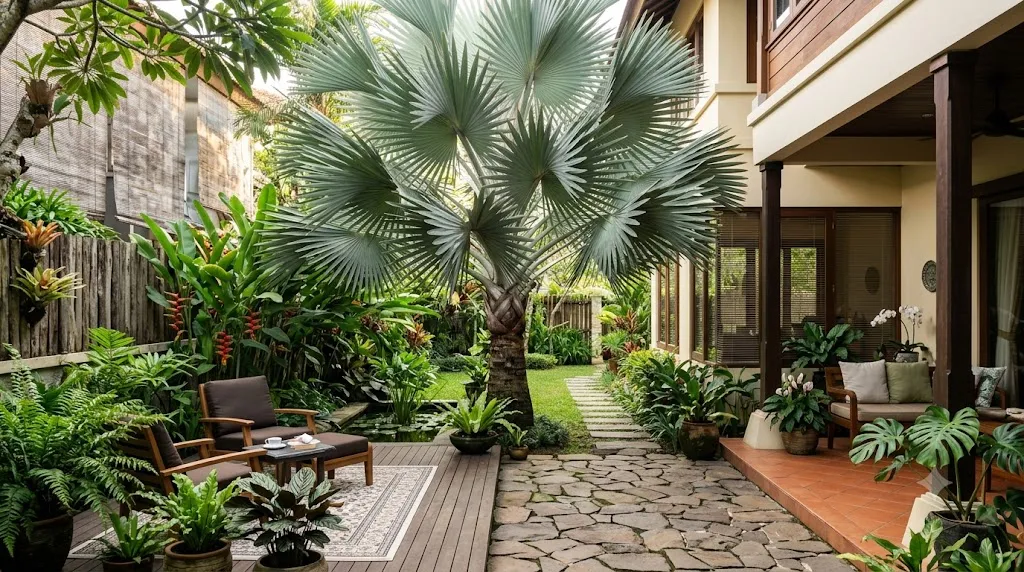
Plants That Make Homes More Private (Photo: AI Generated)
The fan palm has wide, fan-shaped leaves that are closely arranged, effectively creating a visual barrier in specific areas. This plant is suitable for placement in corners of the yard, near terraces, or beside windows facing outside.
Its large leaves can cover views more quickly compared to plants with small leaves. Additionally, its canopy shape provides a strong tropical feel without requiring many plants in one area.
The fan palm needs ample growing space for the leaves to develop fully. Proper placement will allow the plant to function as a decorative element while also enhancing the privacy of the home.
7. Yellow Palm
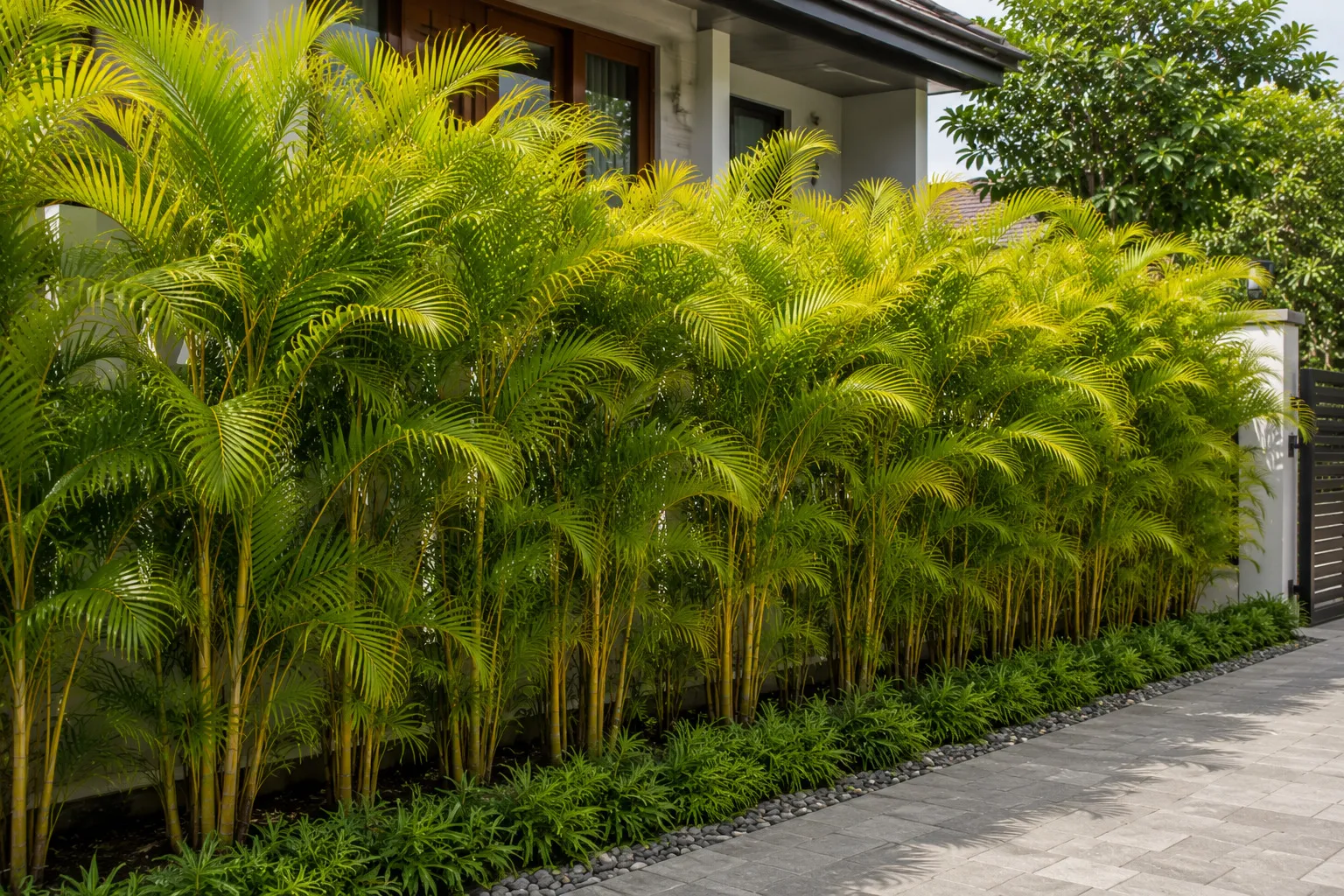
Plants That Make Homes More Private (Photo: AI Generated)
The yellow palm has multiple trunks in one clump, creating a lush appearance. Its curved, overlapping leaves can filter views from the outside without making the yard feel cramped.
A dense clump also helps reduce glare from the sun and slightly dampens noise by dispersing sound waves through the cluster of leaves. Although the sound dampening effect is not as significant as a wall, dense vegetation still contributes to the comfort of the environment.
To keep it lush, remove old, dried fronds and provide fertilizer regularly. With this care, the yellow palm can become a beautiful natural fence while enhancing the quality of the home's landscape.
8. Teh-tehan
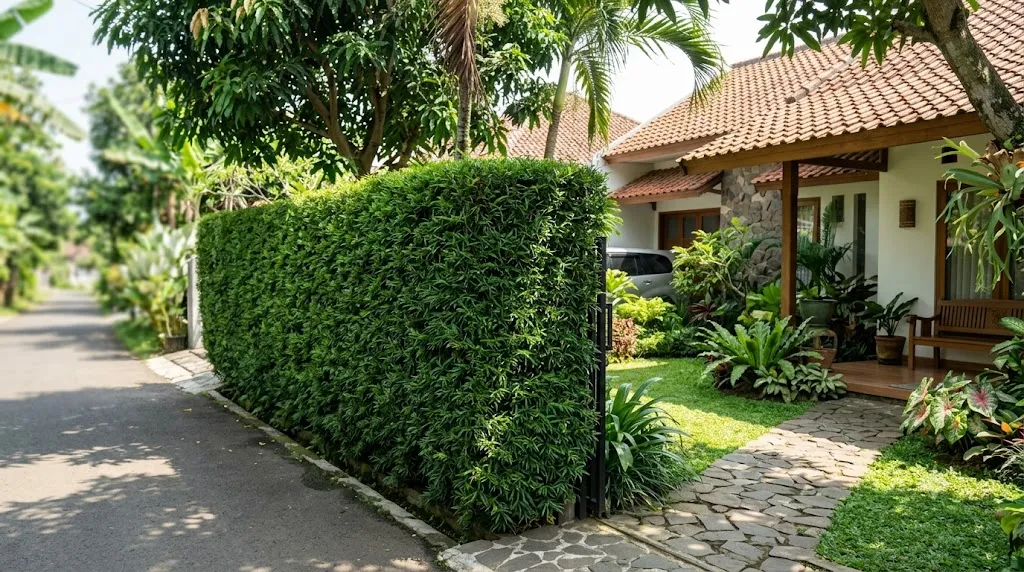
Plants That Make Homes More Private (Photo: AI Generated)
Teh-tehan is a hedge plant that has small leaves with very dense branching. This plant is easy to shape into a low or medium hedge according to the needs of the home design.
Due to its many fine branches, teh-tehan can form a fairly dense green mass to reduce outside visibility. The more regularly it is pruned, the denser the plant structure becomes, thereby optimizing its privacy function.
In addition to being easy to care for, teh-tehan relatively recovers quickly after pruning. This makes it a practical choice for homeowners who want a living fence that is always neat, green, and effective in maintaining privacy.
9. Questions and Answers About Plants That Make Homes More Private
1. What plants are most effective for making a home more private?
Plants with dense foliage and branching are generally the most effective as natural barriers. Some commonly used options include Japanese bamboo, Korean banyan, red shoots, podocarpus, and tea plants because they can form a green wall that reduces visibility from the outside.
2. How long do hedge plants take to provide privacy effects?
The time required depends on the type of plant, the size of the seedlings at planting, and their care. With regular watering, fertilizing, and pruning, most hedge plants can start to look dense within about 1–3 years, while some faster-growing types can provide privacy effects in a matter of months.
3. How to care for plants to keep them lush and effective as a living fence?
Water according to the needs of the plants, provide fertilizer regularly, and prune branches or leaves that grow irregularly. Routine pruning will stimulate the growth of new shoots, making the foliage denser, keeping the plants healthy while maintaining their primary function as privacy protectors.
(kpl/rmt)
Disclaimer: This translation from Bahasa Indonesia to English has been generated by Artificial Intelligence.


 Follow
 Rekomendasi