

 Follow
 Rekomendasi
Want to Have Skin Goals Like Nagita Slavina? Try This Practical Layering Trick for Hydrated Skin All Day Long
Discover the secret to skin goals like Nagita Slavina with a practical layering trick to lock in maximum moisture. Check it out here!
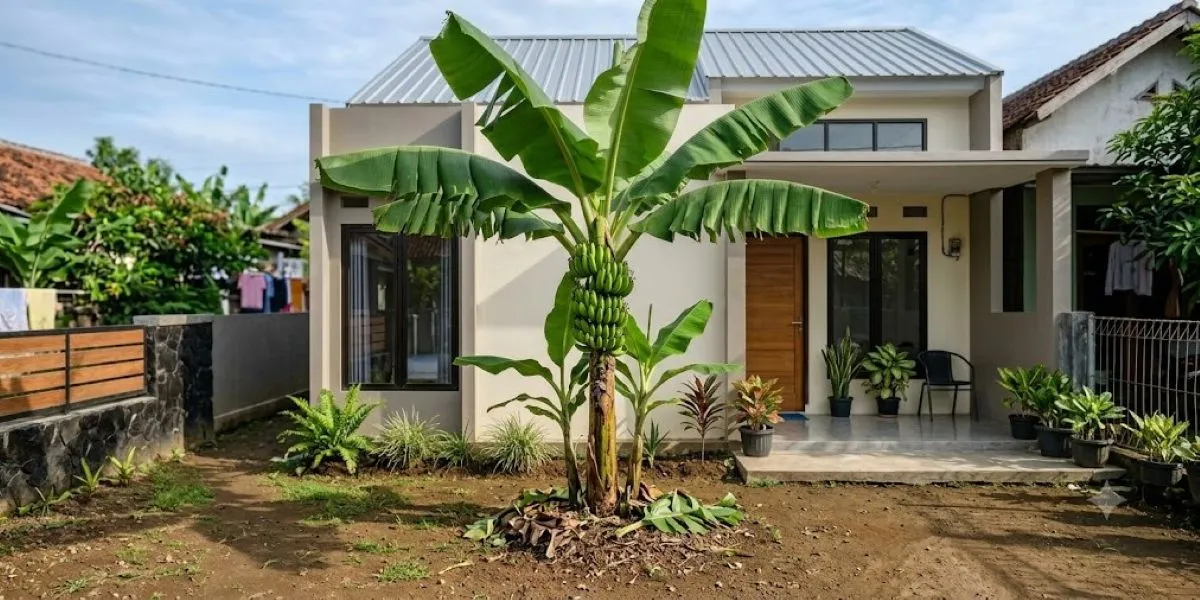
Kapanlagi.com - Many people are looking for ways to plant banana trees so they don't grow tall because they want to make maintenance and harvesting easier. Trees that grow too tall often complicate the process of cutting bunches and cleaning leaves. In fact, the growth of the trunk can be influenced from the very beginning of planting through several simple steps that are easy to apply at home.
Many gardeners believe that the height of the plant is only determined by the type of banana planted. This assumption is not entirely correct because land conditions, seed selection, fertilization patterns, and how to care for the suckers also influence the direction of the plant's growth. Each stage has an interconnected role so that the final result can be different.
Understanding how to plant banana trees so they don't grow tall does not mean hindering the plant's growth. The goal is to help the plant grow in balance, making maintenance and harvesting easier. Here are the steps that can be applied from choosing seeds to the growth period so that the results meet expectations, summarized by KapanLagi.com from various sources, Wednesday (15/7/2026).
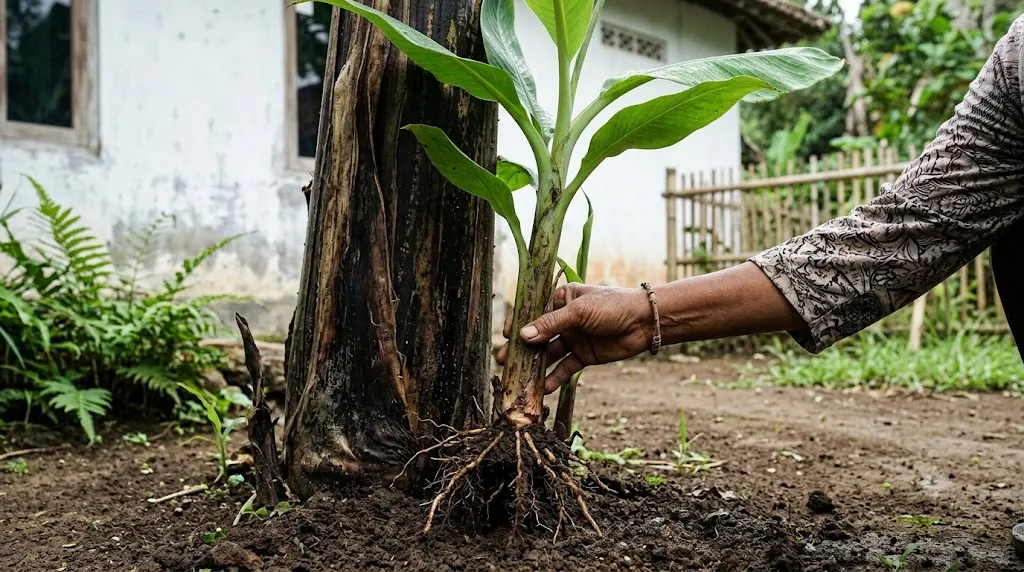
Choose Seedlings from Parents with Short Stems. (Image: AI Generated)
The first step begins with the selection of seedlings. Choose young plants that come from parents with stems that are not too tall. The growth characteristics of plants often follow those of their parents, so selecting seedlings is fundamental before the planting process takes place in the field.
Use healthy young plants that come from productive clumps. Avoid taking seedlings from plants that have previously experienced growth disturbances. Seedlings from well-maintained clumps usually adapt better after being transferred to a new location.
Before planting, clean the roots from any remaining soil and remove any damaged parts. This step helps the seedlings start their growth in better conditions. After that, keep the seedlings in a shaded place for a while before placing them in the planting holes.
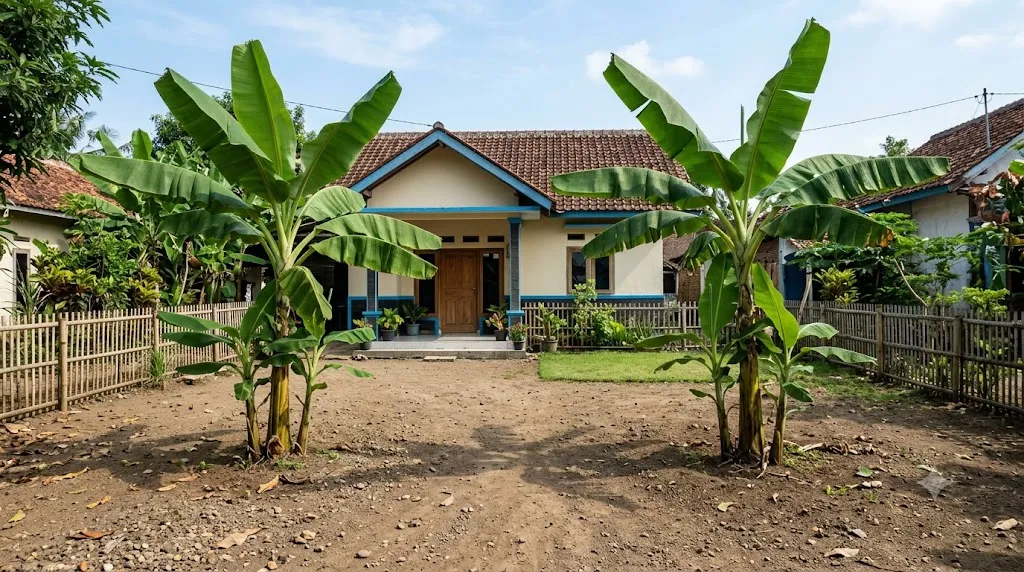
Set Planting Distance for Balanced Growth. (Image: AI Generated)
Planting distance affects the development of stems and leaves. Plants that grow too close together will compete for light, causing the stems to tend to elongate. Therefore, provide enough space so that each tree receives sunlight evenly.
Adjust the planting distance according to the available land conditions. Avoid planting too closely just to increase the number of trees. Sufficient space facilitates air circulation and provides access during watering, weeding, and harvesting processes.
In addition to helping control the direction of growth, planting distance also makes it easier to monitor plant conditions. If there are leaves that start to dry or other disturbances occur, handling can be done without disturbing the surrounding plants.
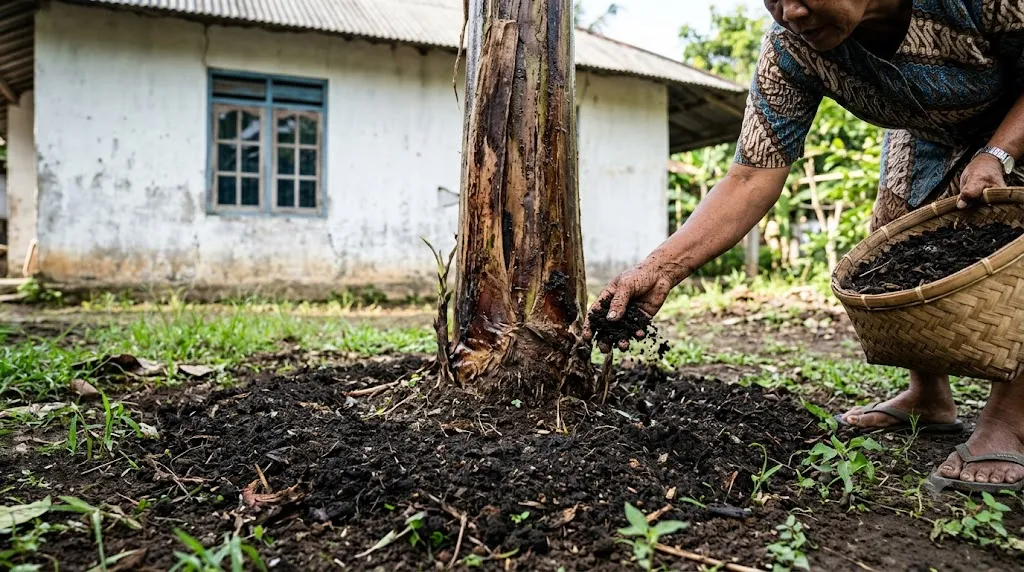
Use Fertilizer in Moderation. (Image: AI Generated)
Fertilization should be done according to the needs of the plants. Using fertilizer in excessive amounts can encourage faster stem growth. Therefore, apply fertilizer gradually according to the age of the plant to ensure balanced growth.
Choose fertilizers that are commonly used for fruit plants and apply them on a regular schedule. Avoid adding fertilizer every time you see new leaf growth. Plants still need time to absorb the nutrients that have been provided earlier.
In addition to fertilizers, utilize organic materials from compost or well-aged manure. These materials help maintain soil conditions so that roots develop well without triggering excessive stem growth.
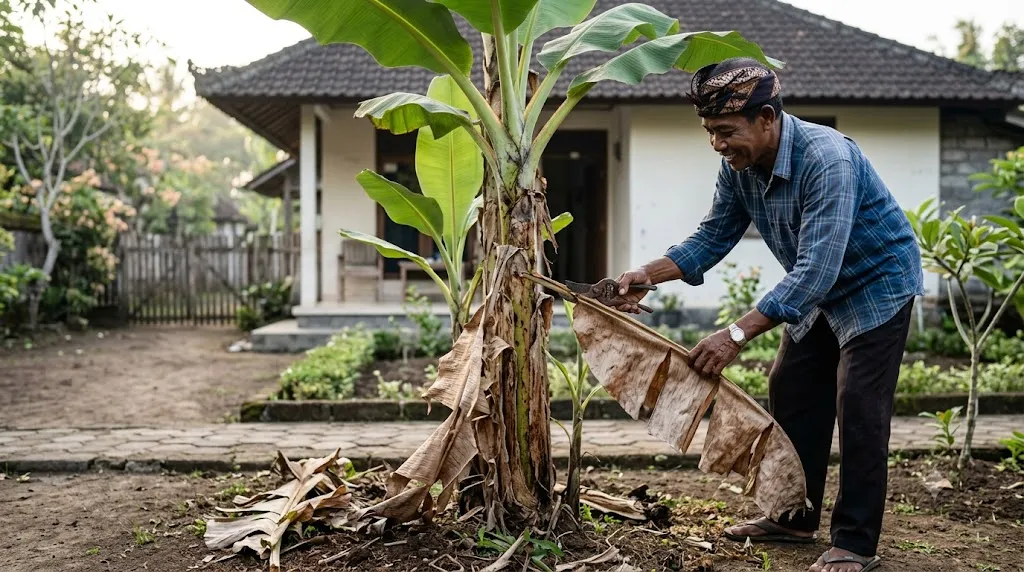
Trim the Leaves that are No Longer Used by the Plant. (Image: AI Generated)
Pruning leaves is done to maintain the balance of plant growth. Leaves that have dried or damaged no longer provide benefits and should be cut. This step helps the plant focus growth on the parts that are still active.
Use clean cutting tools to prevent wounds on the stem from becoming entry points for pests. Cut the leaves from the base without injuring the main stem. After finishing, collect the pruned leaves to keep the area around the plant clean.
Pruning does not need to be done too often. Just do it when there are leaves that begin to dry or obstruct access to the plant. This way, maintenance becomes easier without drastically changing the plant's growth pattern.
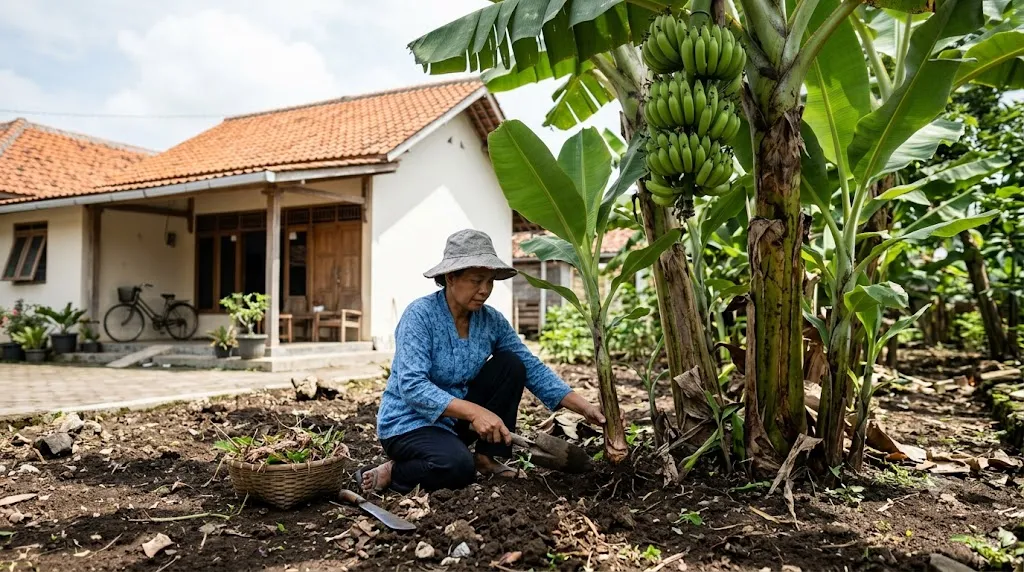
Reduce the Number of Suckers in One Clump. (Image: AI Generated)
One banana clump often produces several suckers at the same time. If all are allowed to grow, the water and nutrient needs will be divided. Therefore, leave a few necessary suckers and periodically remove the rest.
Choose the suckers that are best positioned to be maintained as successors after the parent has finished bearing fruit. Other suckers can be separated or cut off to prevent them from taking nutrients from the main plant that is currently growing.
Reducing suckers also makes the area around the stem easier to clean. In addition to facilitating maintenance, this step helps maintain growth balance so that the plants do not continue to elongate due to competition within one clump.
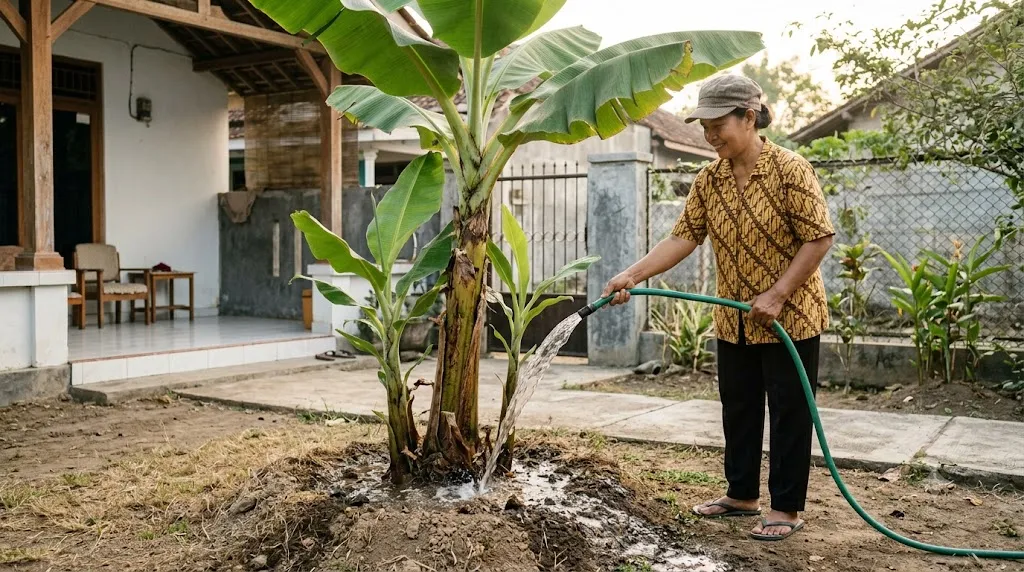
Water Regularly, (Image: AI Generated)
Watering helps plants obtain water according to their needs. Water regularly, especially during the early stages after the seedlings are transplanted. Avoid letting the soil become too dry or waterlogged, as both can affect plant growth.
Adjust the frequency of watering according to weather conditions. When it is still raining, the amount of watering can be reduced. Conversely, when the soil begins to dry out, increase watering to ensure the roots receive enough water supply.
Check the condition of the soil before watering. This simple method helps determine whether the plants still need additional water. With regular watering, plant growth is more balanced, making maintenance easier.
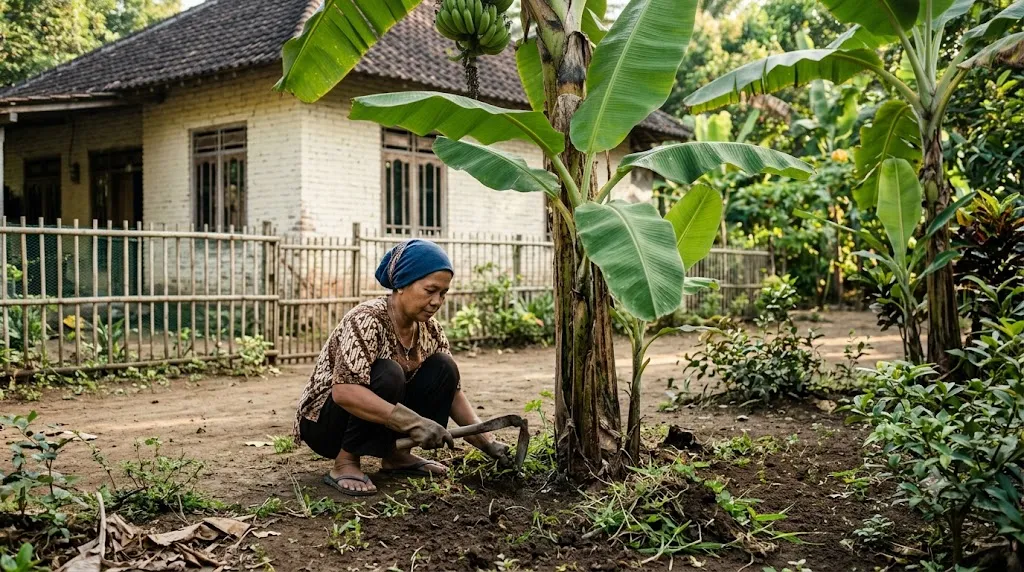
Care for Plants Regularly from the Start. (Image: AI Generated)
Care does not stop after the seedlings are planted. Conduct regular inspections to observe the development of stems, leaves, and soil conditions. This simple step helps identify changes early so that handling can be done promptly.
Remove weeds growing around the plants to prevent them from taking water and nutrients. A clean planting area also facilitates the processes of watering, fertilizing, and pruning without disturbing the growth of the main plants.
The habit of routinely caring for plants is an important part of how to grow banana trees so they do not become tall. Each step supports one another so that the plants grow in balance, making maintenance easier until harvest time arrives.
Can all types of banana trees be kept from getting too tall?
No. Each type of banana has a different growth character. However, the selection of seedlings and care methods can help maintain more balanced growth.
When is the best time to prune banana tree leaves?
Pruning can be done when there are leaves that are drying, damaged, or interfering with maintenance so that the plants remain well-cared for.
Does planting distance affect the height of banana trees?
Yes. Planting too closely can cause the plants to grow tall as they compete for sunlight.
How many suckers should be kept in one banana clump?
Generally, it is sufficient to leave one to two suckers as successors, while the other suckers can be separated or cut off to maintain balanced growth.
Is daily watering necessary?
Not always. Watering should be adjusted according to soil conditions and weather. Soil that is still moist usually does not require additional water.
(kpl/bim)
Cobain For You Page (FYP) Yang kamu suka ada di sini,
lihat isinya
Discover the secret to skin goals like Nagita Slavina with a practical layering trick to lock in maximum moisture. Check it out here!

So, how do you get rid of the musty smell in the house after being left for a long time during Mudik? Let's dive into the discussion below.

Prepare your best playlist! Find song recommendations to accompany your journey, complete with tips to avoid drowsiness so your mudik trip is even more exciting and safe.

Get ready to feel emotional! Check out the list of old songs that make your homecoming journey more memorable, full of nostalgia, and definitely makes you miss your hometown.

Confused about finding entertainment during the journey? Let's check out fun podcast recommendations that are ready to make your moments more enjoyable and insightful.

After enjoying the Eid holidays filled with delicious food, many people feel their bodies have become heavier and more easily fatigued. To clarify, here’s a review of how to restart exercising after the Eid holidays that you can try to become active again.

Post-holiday blues often arise after the long Eid holiday, making one unproductive. To find out how to overcome post-holiday blues after Eid, let's take a look at the following review.

There are several ways to answer sensitive questions during Eid that can be done elegantly without hurting oneself or others. To find out, just take a look at the following review.

Raline Shah and Mamah Dedeh discuss the meaning of fasting as a moment to reset the heart and body. Check out nutritious sahur tips to stay fit during Ramadan!

To know the reading of the prayer and dhikr of Nisfu Syaban, its practices, and its virtues, just check out the following review:

Let's take a look at some of the best Korean dramas from 2024 to 2026 that you should know about. Come on, let's check it out, KLovers!

Curious about the excitement that can be explored at the most popular golf festival today? Don't forget to add LIV Golf Singapore 2026 to your bucket list!
