

 Follow
 Rekomendasi
6 Ideas for House Facades with Yellow Palms that Make the Yard Cooler
Inspiration for house facades with yellow palms that make the residence look cooler, greener, and more elegant in various design styles.
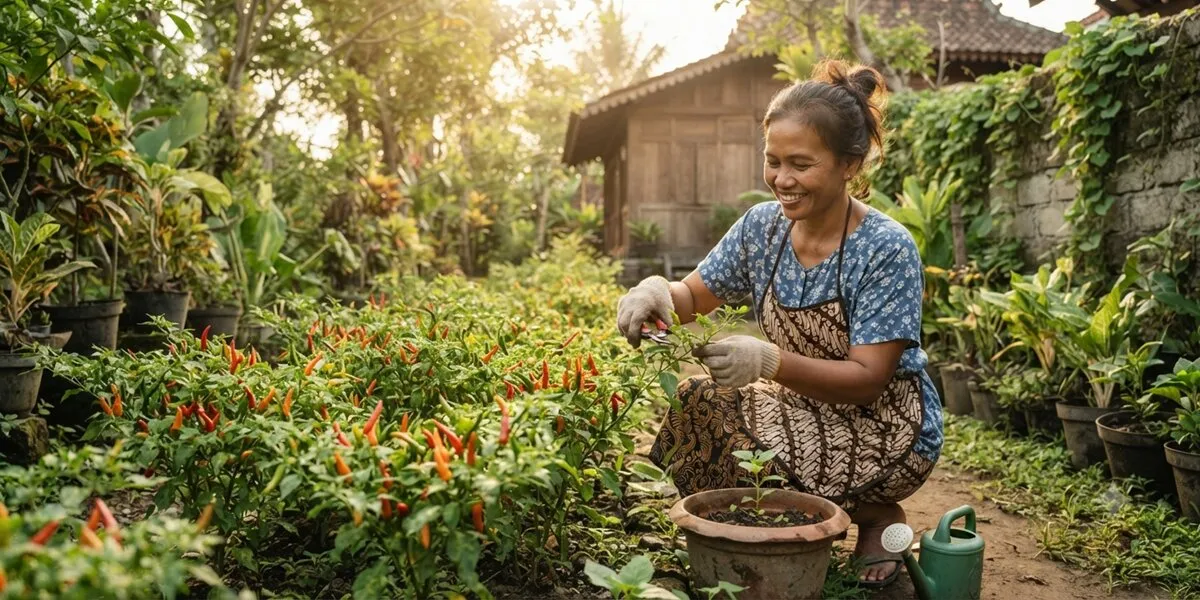
It turns out that making chili plants more fertile with kitchen ingredients is very easy and cheap to apply daily. Simple ingredients like salt, MSG, eggshells, and rice washing water have proven to be effective as natural organic fertilizers that nourish plants without breaking the bank.
This article will thoroughly discuss 15 kitchen ingredients that can fertilize chili plants, complete with usage instructions, nutritional content, and the right measurements to ensure abundant fruiting.
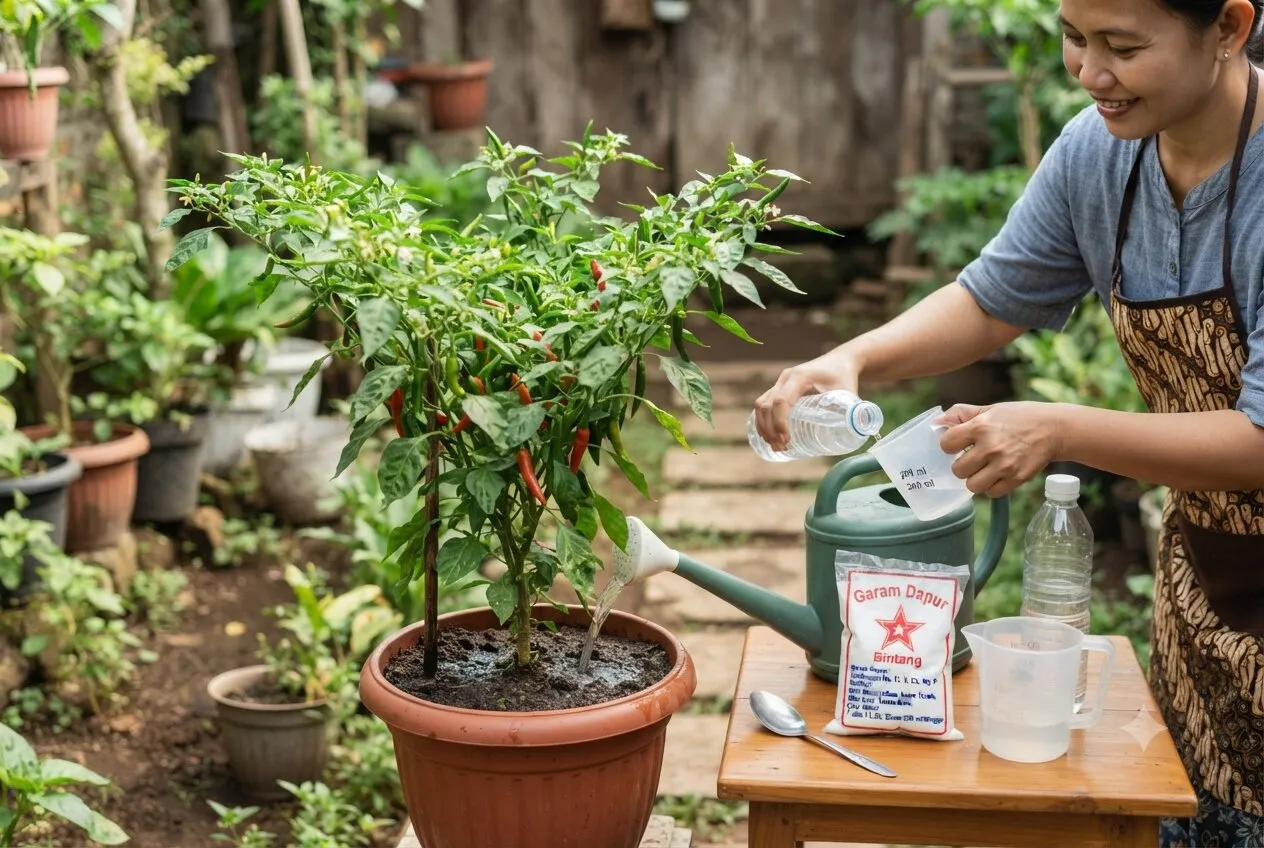
Table Salt. Photo: AI Generated
Table salt is not just an ordinary cooking spice, but it is also effective in fertilizing plants because it contains sodium (Na), chlorine (Cl), calcium, magnesium, and potassium. These contents are beneficial for neutralizing soil acidity, strengthening roots and stems, accelerating the growth of new shoots, preventing leaf drop, and repelling pests during the rainy season.
The way to use it is very easy: dissolve 1 tablespoon of salt in 1 liter of water (or 8 tablespoons for 8 liters of water). Pour 200 ml of the solution at the base of the chili plant once a week regularly.
Important Warning: Never use salt excessively! Too high a dosage can cause chili plants to wilt or even die due to osmotic dehydration in the soil.
Flavor enhancer or micin contains nitrogen, phosphate, amino acids, potassium, and sulfur, which are very beneficial for the vegetative phase of plants. Its main benefit is to stimulate the growth of new shoots and accelerate the growth of leaves and stems to appear greener and more fertile.
To use, dissolve half to one teaspoon of micin in 1 liter of water (or half a tablespoon for 8 liters of water). Water the base of the plant every 10 days. You can also mix it with rice wash water for more optimal shoot growth results.
Rice wash water is rich in carbohydrates, B complex vitamins, phosphorus, and micronutrients, serving as a primary energy source for beneficial microorganisms in the soil. This liquid has been proven to improve soil structure while stimulating leaf growth and flower formation.
Use the first rice wash water (after washing the rice) so that its nutrient content is still concentrated. Water the base of the chili plants directly every 3 days to consistently maintain the fertility of the growing medium.
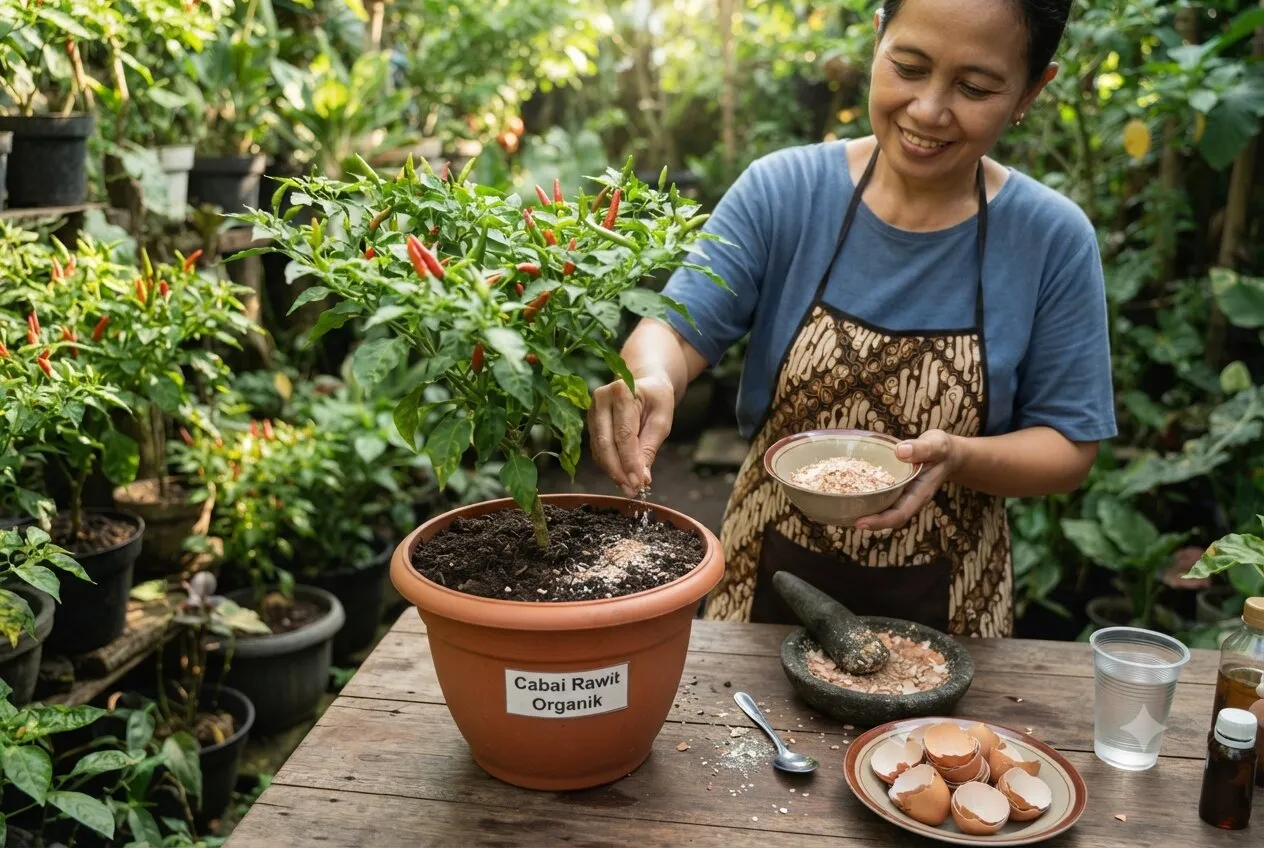
Eggshell. Photo: AI Generated
Eggshells contain calcium carbonate (about 90%), magnesium, and phosphorus, which are crucial for the health of chili plants. These nutrients help prevent blossom end rot (blossom end rot), strengthen plant cell structure, and support the formation of healthy fruits.
To process it, wash the eggshells, dry them completely, and then grind them into powder. Sprinkle the eggshell powder around the base of the plants or mix it directly into the growing medium so that the calcium is released slowly.
Coffee grounds are kitchen waste rich in nitrogen content (about 2–10%), phosphorus, and potassium. These elements are very effective in promoting leaf and stem growth, improving soil structure to be more loose, while also repelling pests such as snails and ants.
Make sure the coffee grounds are cool and dry before use. Sprinkle them thinly on the surface of the soil around chili plants or mix them directly into the planting medium. Avoid using them too thickly to prevent triggering mold growth.
Red onion skins contain natural growth regulators in the form of auxins and gibberellins, as well as the compound asitogenin. This content is very effective in stimulating root growth, addressing curling leaf issues in chili plants, and biologically repelling insect pests.
To use, soak a handful of red onion skins in water overnight. Use the soaking water to water the chili plants once a week for optimal growth.
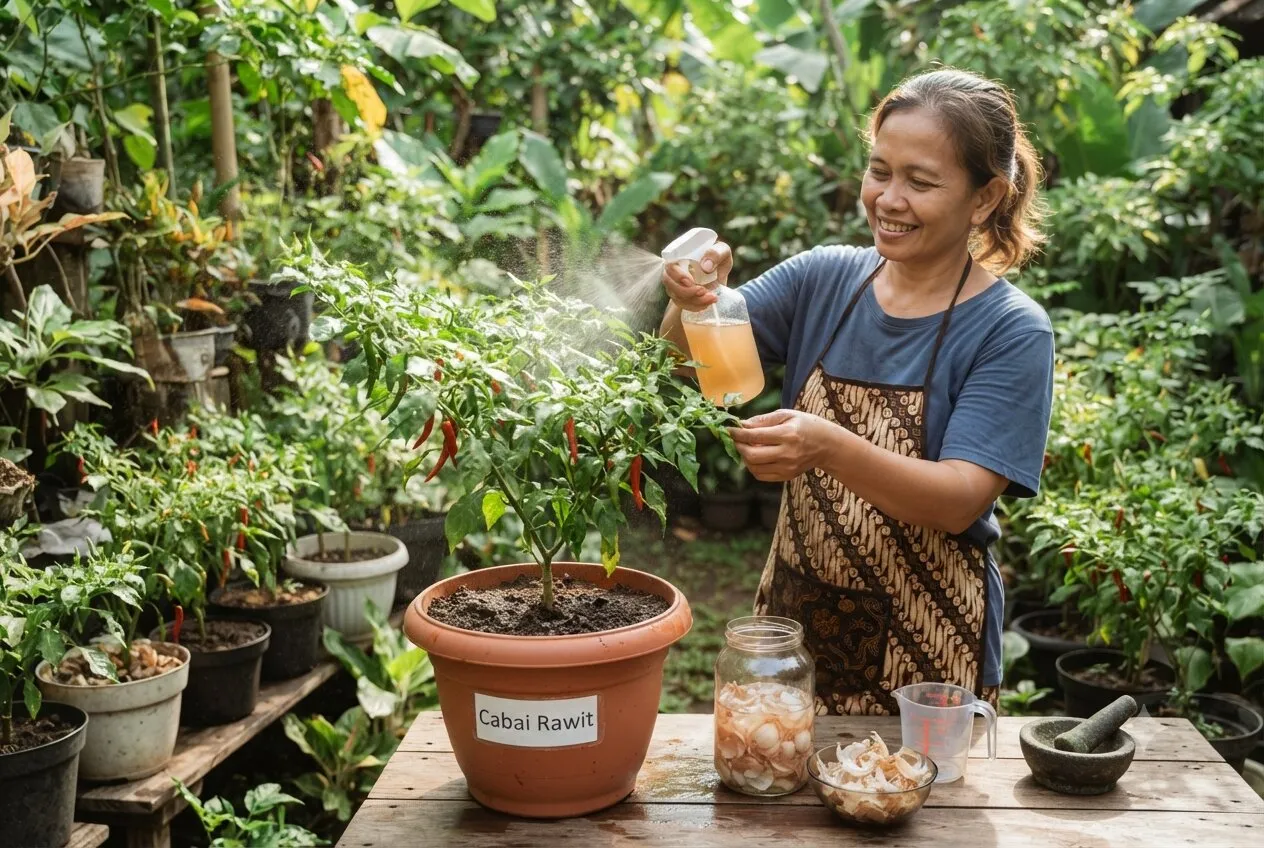
Garlic Skin. Photo: AI Generated
In addition to red onions, garlic skins are also rich in natural growth regulators and antimicrobial compounds. This material works very well as a homemade plant pesticide to repel whiteflies, mites, and to maintain plant health against pathogenic fungi.
The application method is the same as with red onion skins: soak the garlic skins in water, then use the soaking water to water or spray the leaves and stems of the plants periodically.
When you boil eggs for cooking, do not immediately discard the leftover boiling water. This leftover water has dissolved the natural calcium that comes from the eggshell during the heating process.
Wait until the boiling water cools to room temperature, then use it to water chili plants periodically. This water helps maintain soil nutrient balance and supports the strength of the plant stems.
Water leftover from boiling vegetables or potatoes (note: without added salt or sharp spices) contains various vitamins and minerals that leach from the vegetables during cooking.
These dissolved nutrients are excellent for enriching the soil and helping to maintain moisture in the planting medium. Make sure the boiling water is completely cool before pouring it onto your favorite chili plants.
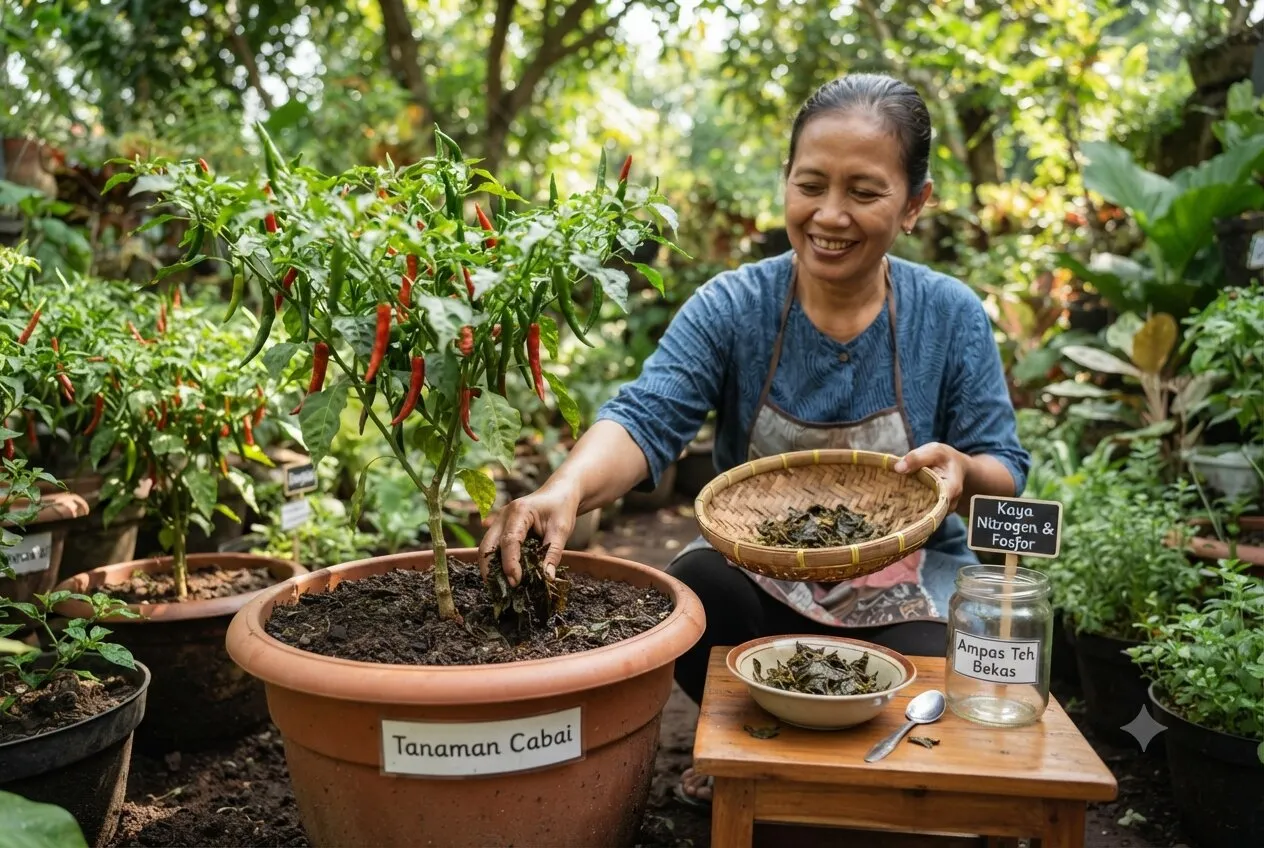
Tea Leaves. Photo: AI Generated
Used tea leaves from brewing tea bags or loose tea still contain nitrogen, phosphorus, potassium, and important organic compounds. These components can enrich the nutrient content of the planting medium and stimulate the development of young roots.
You can mix the tea leaves directly into the potting soil or collect them first to use as an additional ingredient in organic compost.
Banana peels are rich in potassium and phosphorus, which are essential during the generative phase of plants. These nutrients help accelerate the flowering process, prevent the dropping of fruit buds, and strengthen the physical resilience of chili plants.
To apply, cut the banana peels into small pieces and bury them in the soil around the roots of the chili plants so that they decompose into natural fertilizer gradually.
This unique combination utilizes glucose from sweet soy sauce as an instant energy source for decomposing microorganisms in the soil, combined with micronutrients from rice wash water.
Mix the rice wash water that has been left to sit for a few days with a little sweet soy sauce and finely chopped shallots, stir well, and then regularly water the plants to accelerate vegetative growth and fruiting.
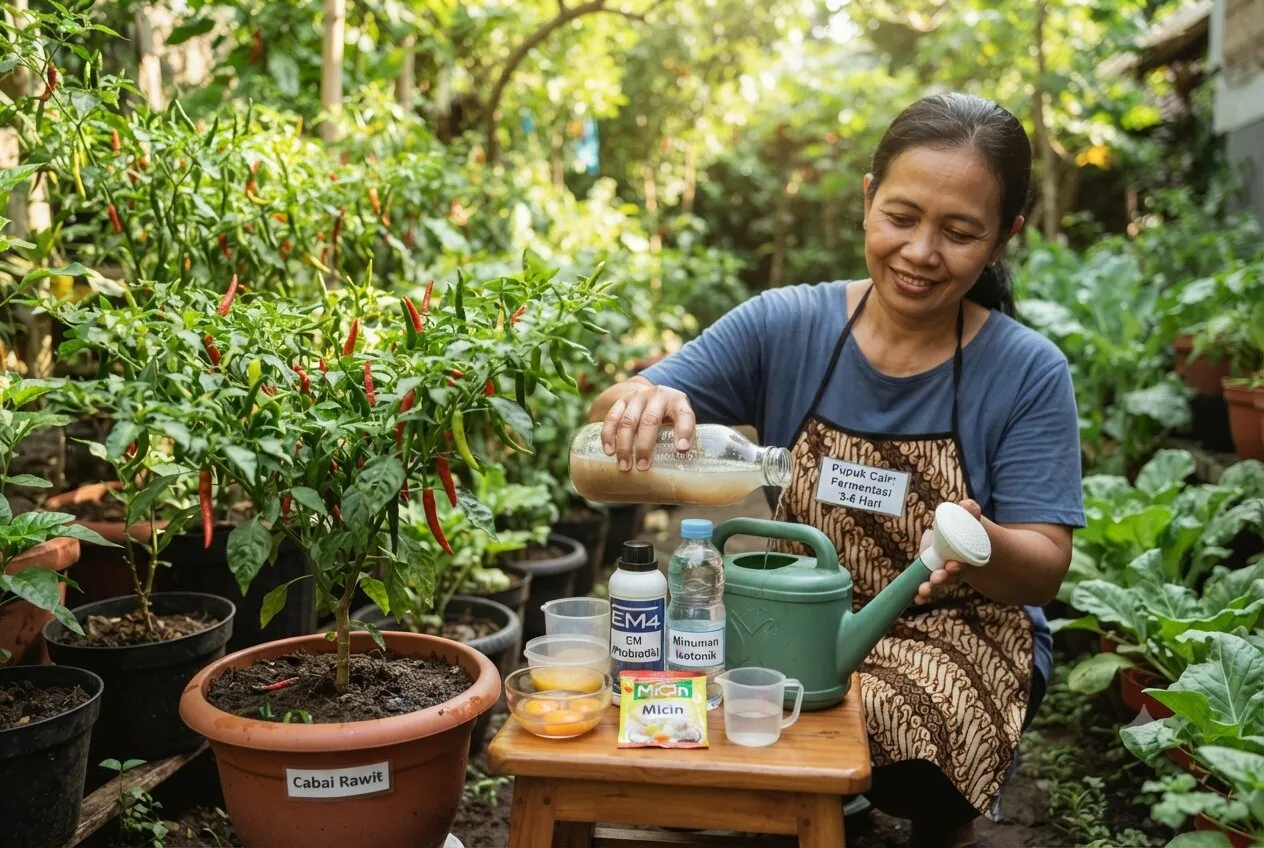
Fertilizer from Eggs + MSG + Probiotics. Photo: AI Generated
This homemade liquid organic fertilizer is very effective as a fruit stimulant to ensure that chili plants bear abundant fruit. Mix egg yolk, MSG, probiotic liquid (such as EM4), and a sufficient amount of isotonic drink.
Ferment the mixture for 3 to 6 days. Once ready, dilute it with 5–10 ml per 1 liter of water, then spray or water it onto the chili plants 1 to 2 times a week.
The combination of carbohydrates from rice wash water and high protein from eggs creates a complete nutrition to nourish chili plants.
Mix rice wash water with one chicken egg (you can include the crushed shell) and add finely chopped shallots. Stir the mixture well, then use it as a nutrient drench for the soil around the base of the plants.
Household waste such as vegetable scraps, fruit peels, coconut pulp, and fish remains can be processed into Liquid Organic Fertilizer (POC) that is very rich in nutrients.
Ferment the kitchen waste using probiotic liquid and brown sugar in a closed container. After it matures and smells like tape, dilute it with clean water before pouring it onto the planting media to boost chili harvest productivity.
A: There are many kitchen ingredients that can be utilized, ranging from salt, MSG, rice washing water, eggshells, coffee grounds, onion peels (both red and white), vegetable or egg boiling water, tea leaves, banana peels, to sweet soy sauce.
A: They are very safe as long as used in the right proportions and doses. Use a solution of 1 tablespoon of salt or half to one teaspoon of MSG per 1 liter of water, and never overdo it to avoid wilting the plants.
A: The frequency depends on the type of ingredient: rice washing water can be applied every 3 days, salt or MSG once a week, and eggshells once a month.
A: No, it doesn’t have to. The first rice washing water can be directly poured onto the plants. However, if you want more optimal results for soil microorganisms, you can let it sit for a few days first.
A: The most ideal time is in the morning before the sun is hot or in the late afternoon before night, to avoid rapid evaporation of nutrients.
A: Yes. Many home gardeners and urban farming enthusiasts have proven that chili plants can grow very lush and bear abundant fruit just by relying on organic fertilizers made from kitchen ingredients.
A: Wash the eggshells clean from any slime, dry them under the sun until dry, then grind them using a blender or mortar until they become fine powder ready to be sprinkled.
A: Onion peels serve as a natural growth regulator that effectively stimulates new root growth, addresses curly leaf problems, and naturally repels pests.
(kpl/mab)
Cobain For You Page (FYP) Yang kamu suka ada di sini,
lihat isinya
Inspiration for house facades with yellow palms that make the residence look cooler, greener, and more elegant in various design styles.
Want sapodilla to thrive in a small space? This method of planting sapodilla in a pot to keep it short can be tried directly at home.

Check out the plants that make your home more private while being beautiful to look at, from Japanese bamboo to tea plants.

Spending on phone credits, data packages, and electricity tokens often makes your wallet thin quickly. Check out four saving tips from ShopeePay to keep your expenses more controlled.
Create a mini garden at home by planting starfruit in used gallon containers. Follow the complete guide from seed selection to care for abundant fruit throughout the year.
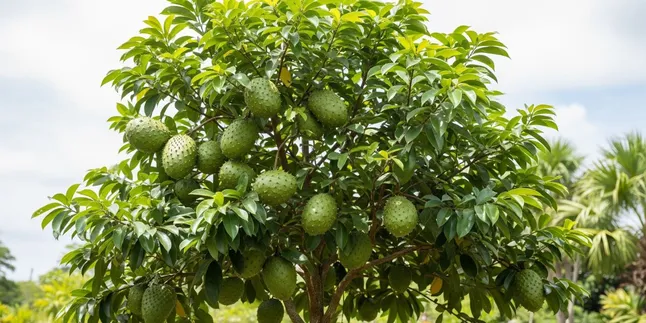
How to grow soursop trees short but fruitful is a solution for those who want to maximize gardening results.
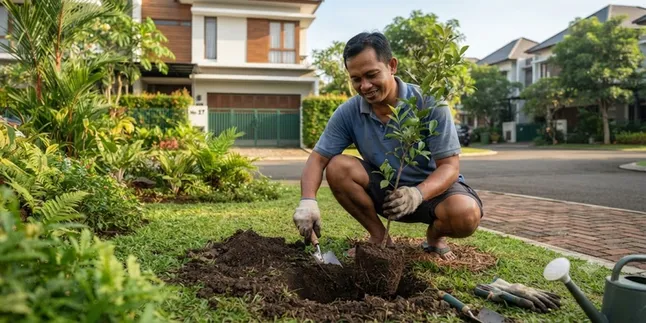
How to plant Jamaican guava trees for quick fruit production with proper care, easy to practice at home.

Follow this method of planting banana trees so they don't grow tall, making maintenance and harvesting easier. Learn each step here.

Discover the secret to skin goals like Nagita Slavina with a practical layering trick to lock in maximum moisture. Check it out here!

So, how do you get rid of the musty smell in the house after being left for a long time during Mudik? Let's dive into the discussion below.

Prepare your best playlist! Find song recommendations to accompany your journey, complete with tips to avoid drowsiness so your mudik trip is even more exciting and safe.

Get ready to feel emotional! Check out the list of old songs that make your homecoming journey more memorable, full of nostalgia, and definitely makes you miss your hometown.
