

 Follow
 Rekomendasi

15 Recommendations for Psychological Thriller Films That Make You Think with Unexpected Twist Endings
Discover 15 psychological thriller films that offer a tense storyline and unexpected endings. Ready to think critically?
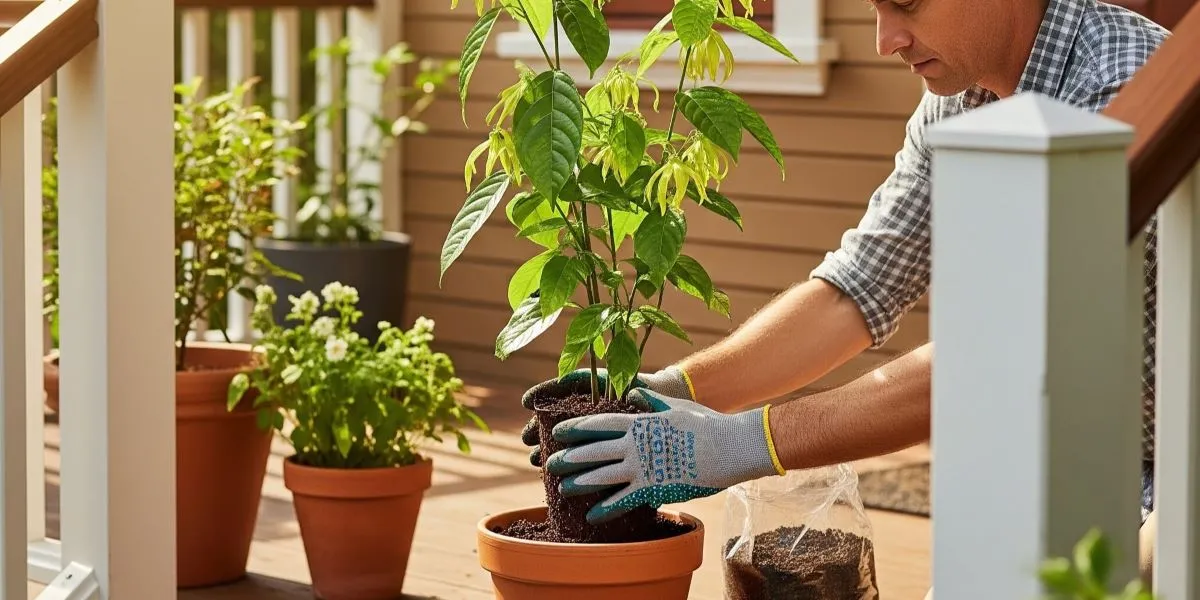
Kapanlagi.com - The ylang-ylang tree (Cananga odorata) is known as one of the ornamental plants that has a very distinctive and calming floral aroma. Its fragrance is often used as a natural perfume, an essential oil ingredient, and as a complement to various traditions in Indonesia. In addition to its beautiful flowers, the ylang-ylang tree can also create a cool and lush atmosphere, making it suitable as a decorative plant for your porch.
Although it is typically associated with relatively large trees, ylang-ylang can still be planted on a porch as long as proper cultivation techniques and care are used. Choosing superior seeds, suitable growing media, and regular pruning will help control the size of the plant while stimulating flower formation. This way, the ylang-ylang remains tidy without diminishing the beauty or fragrance of its flowers.
For those who want to bring a natural ambiance to the front area of the house, planting ylang-ylang flowers can be an interesting choice. In addition to beautifying the appearance of the porch, this plant also provides a refreshing fragrant aroma every time its flowers bloom. So, what are the ways to plant ylang-ylang trees on your porch to ensure they thrive and bloom frequently? Citing various sources, Wednesday (15/7/2026), check out the following informative review.
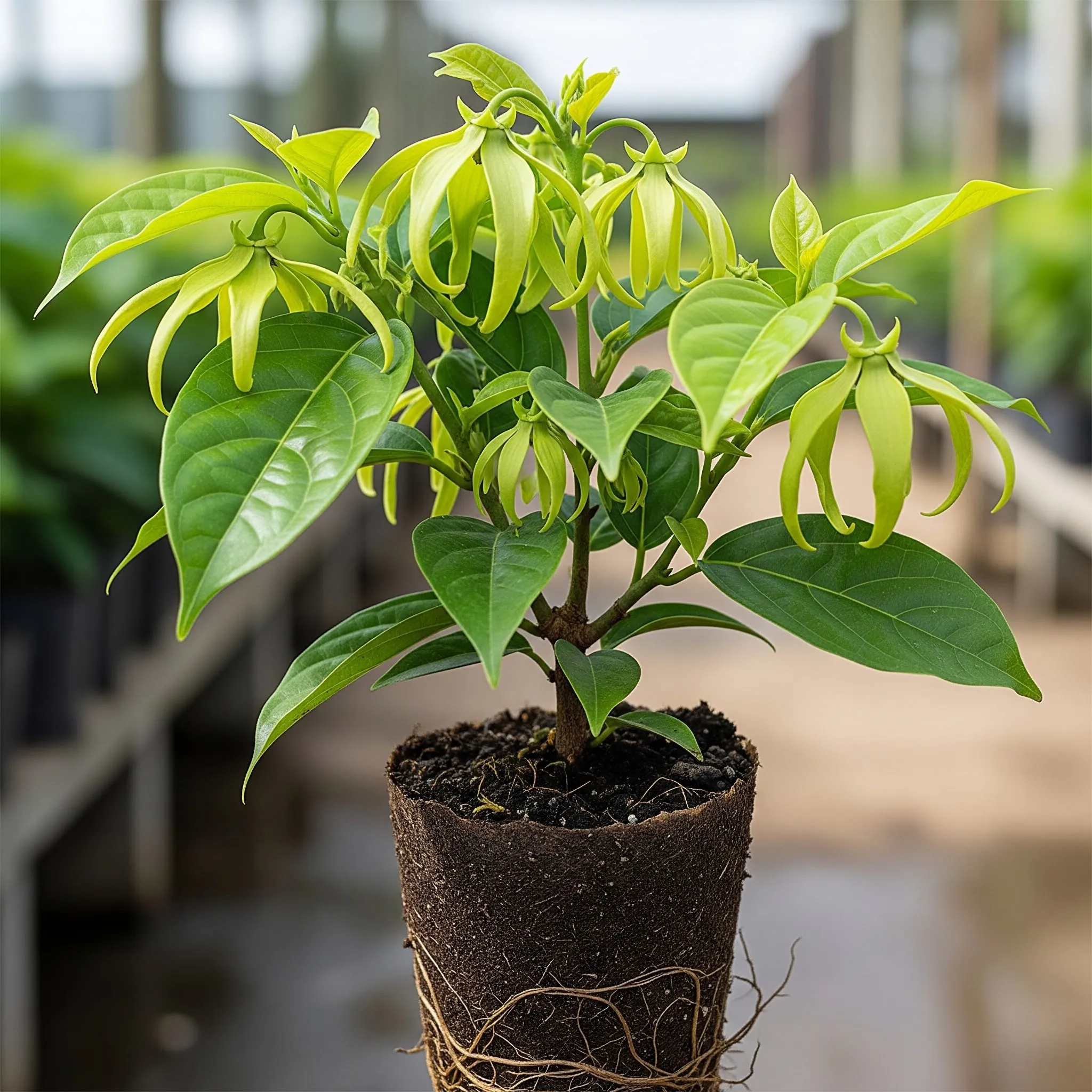
Ylang Ylang Flower Seedlings (AI Generated)
The success of planting kenanga flowers begins with the selection of seedlings. It is advisable to use seedlings from grafting, cuttings, or budding, as they generally have faster growth and can flower earlier compared to seedlings from seeds. Vegetative seedlings also tend to have the same traits as their parent plants, including flower quality and aroma.
When purchasing seedlings, pay attention to the condition of the stems, leaves, and root systems. Choose plants with sturdy stems, fresh green leaves without disease spots, and roots that fill the planting medium but are not overly compacted in the polybag. Avoid seedlings that appear wilted, infested with pests, or have damaged stems, as these can hinder growth after being transferred to pots.
Healthy seedlings will adapt more easily to new environments. A good adaptation period allows the plants to form new roots more quickly, optimizing water and nutrient absorption. This condition is an important foundation for the kenanga to thrive and begin producing flowers in a relatively shorter time.
Since it is planted on the terrace of the house, ylang ylang flowers should use a large pot to ensure there is enough space for root growth. Choose pots made of clay, cement, or thick plastic that have several drainage holes at the bottom so that water does not accumulate.
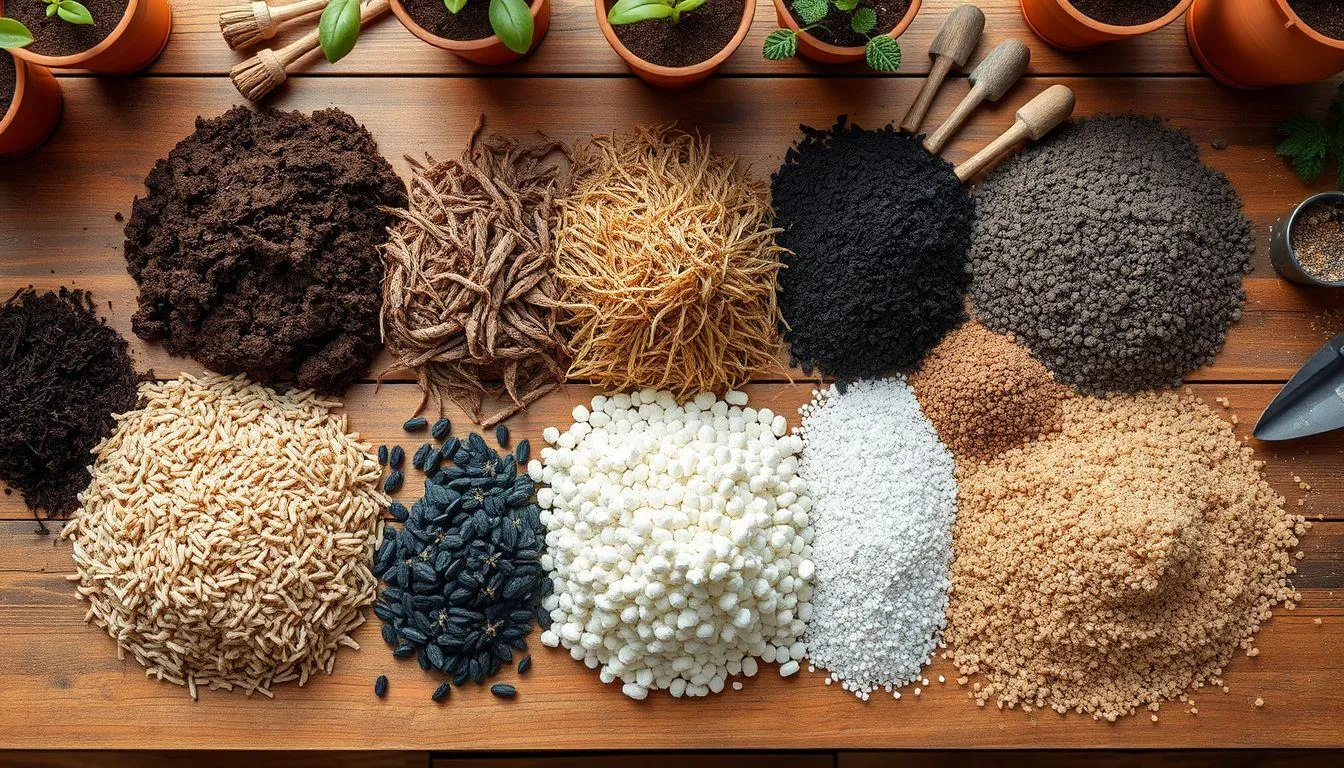
The ideal planting media consists of a mixture of fertile garden soil, mature compost or manure, and burned rice husk or sand in a balanced ratio. This mixture produces loose media that is rich in nutrients while also being able to drain excess water effectively. This condition is important because ylang ylang roots do not like media that is too dense or always wet.
Add broken tiles or gravel at the bottom of the pot before inserting the planting media. This layer helps facilitate water drainage, thereby minimizing the risk of root rot. With good planting media, the roots will develop more freely and support the growth of the stem and the formation of flowers.

The ylang-ylang flower is a plant that loves sunlight. To grow optimally, place the pot in a terrace area that receives direct sunlight for about 6–8 hours every day. Sunlight plays an important role in the photosynthesis process, which produces energy for plant growth.
If the ylang-ylang is placed in a location that is too shady, the growth of the stem tends to elongate, the leaves become less dense, and flower formation will decrease. The plant can still survive, but the quality of growth and the number of flowers will not be optimal.
If the terrace of the house has a sufficiently wide roof, you can move the pot to a more open area from morning to afternoon. This method ensures that the plant continues to receive its light needs without having to be planted directly in the ground. With adequate lighting, the ylang-ylang flowers will grow denser and have a greater chance of blooming regularly.
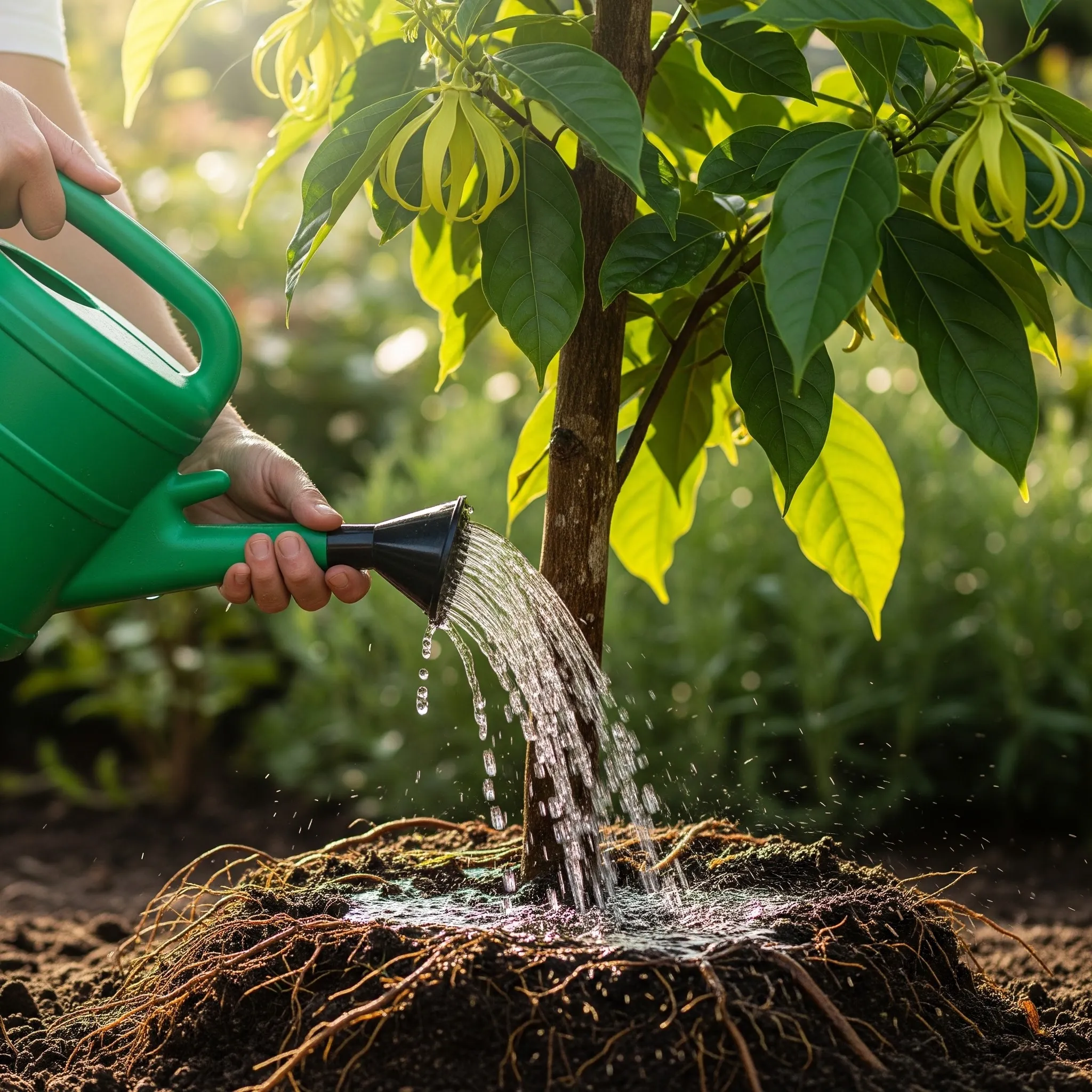
Watering Plants (AI Generated)
Watering is an important part of caring for the ylang-ylang flower, especially during the early growth stages. Water the plants regularly in the morning or evening to keep the growing medium moist, but not waterlogged. Stable moisture helps the roots absorb nutrients well and supports the growth of new shoots.
The frequency of watering should be adjusted according to weather conditions. During the dry season, the plants may need watering every day. Conversely, when it is rainy or the growing medium still feels moist, watering can be reduced to prevent the roots from rotting due to excess water.
A simple way to determine the water needs is to check the surface of the growing medium with your finger. If the top of the medium starts to feel dry a few centimeters down, it means the plants need watering. This habit is more effective than watering on a fixed schedule because it adjusts to the actual conditions of the plants.
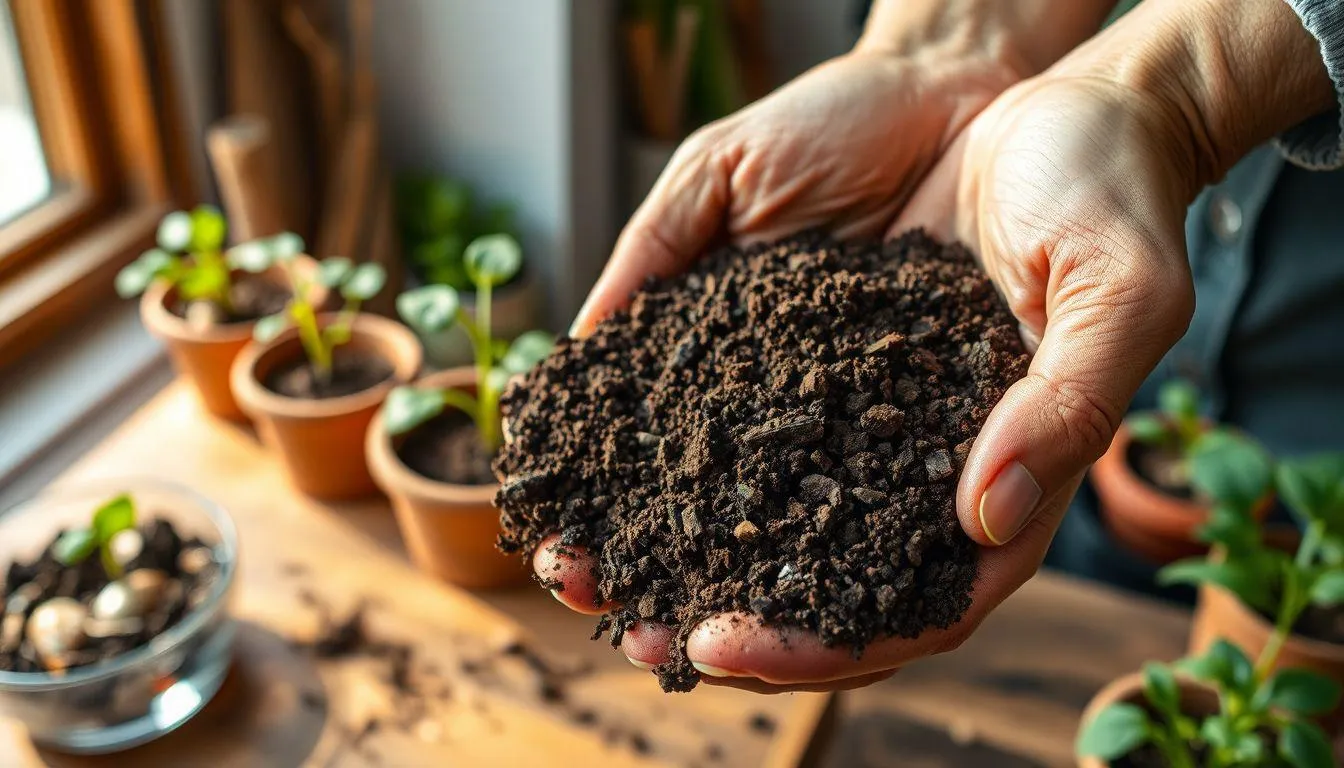
Fertilization is one of the important factors that determine the growth and productivity of the ylang-ylang flower. Even when planted in pots, the plants still require a sufficient supply of nutrients because the nutrient reserves in the growing medium will continue to decrease over time. Without regular fertilization, leaf growth can slow down and flower formation may become suboptimal.
In the early growth phase, use organic fertilizers such as compost or well-matured manure to improve the structure of the growing medium while gradually providing nutrients. Once the plants begin to grow steadily, you can add NPK fertilizer according to the recommended dosage or fertilizers that have higher phosphorus (P) and potassium (K) content to stimulate flower formation.
Fertilize every one to two months, then water the plants adequately after fertilization to help the roots absorb the nutrients more easily. Avoid over-fertilizing as it can cause the roots to "burn," leaves to yellow, and even inhibit flowering. Proper fertilization will make the ylang-ylang grow healthier, bushier, and more frequently produce fragrant flowers.
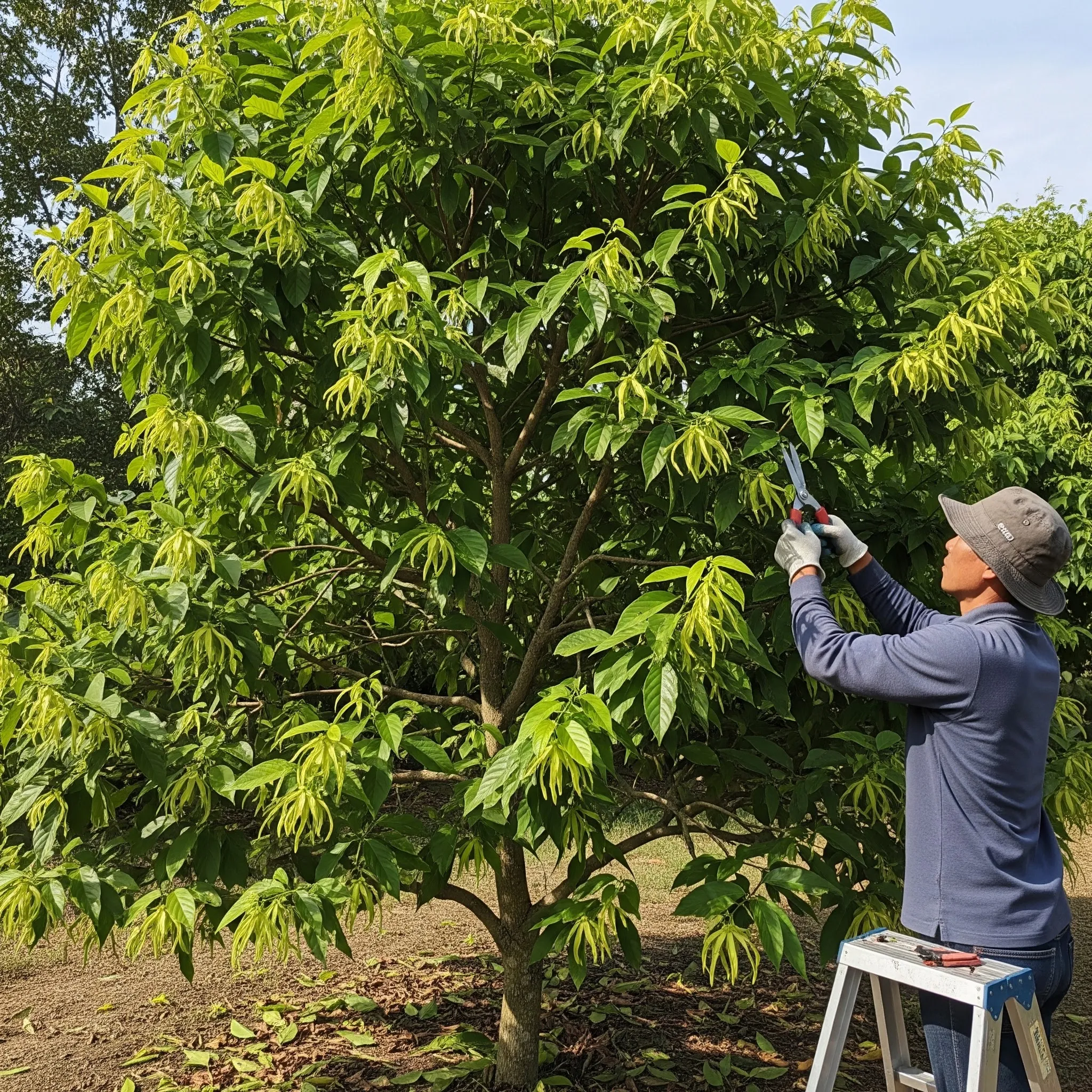
Pruning the Ylang-Ylang Tree (AI Generated)
Pruning is an important step to maintain the proportional shape of the kenanga tree, especially when planted in a limited space such as a home terrace. Branches that are too long, overlapping, or growing inward should be pruned to improve air circulation and lighting within the canopy.
In addition to beautifying the shape of the plant, pruning also stimulates the emergence of new shoots that have the potential to produce flowers. Old, unproductive branches should be cut so that the plant's energy can be focused on the growth of healthier branches. This way, the plant will have a denser canopy while also being more productive in producing flowers.
Use sharp and clean pruning shears to avoid rough wounds and the spread of disease. The best time to prune is after the plant has finished flowering or when the growth of branches starts to become too dense. Such routine care keeps the kenanga tree looking beautiful without growing too large.
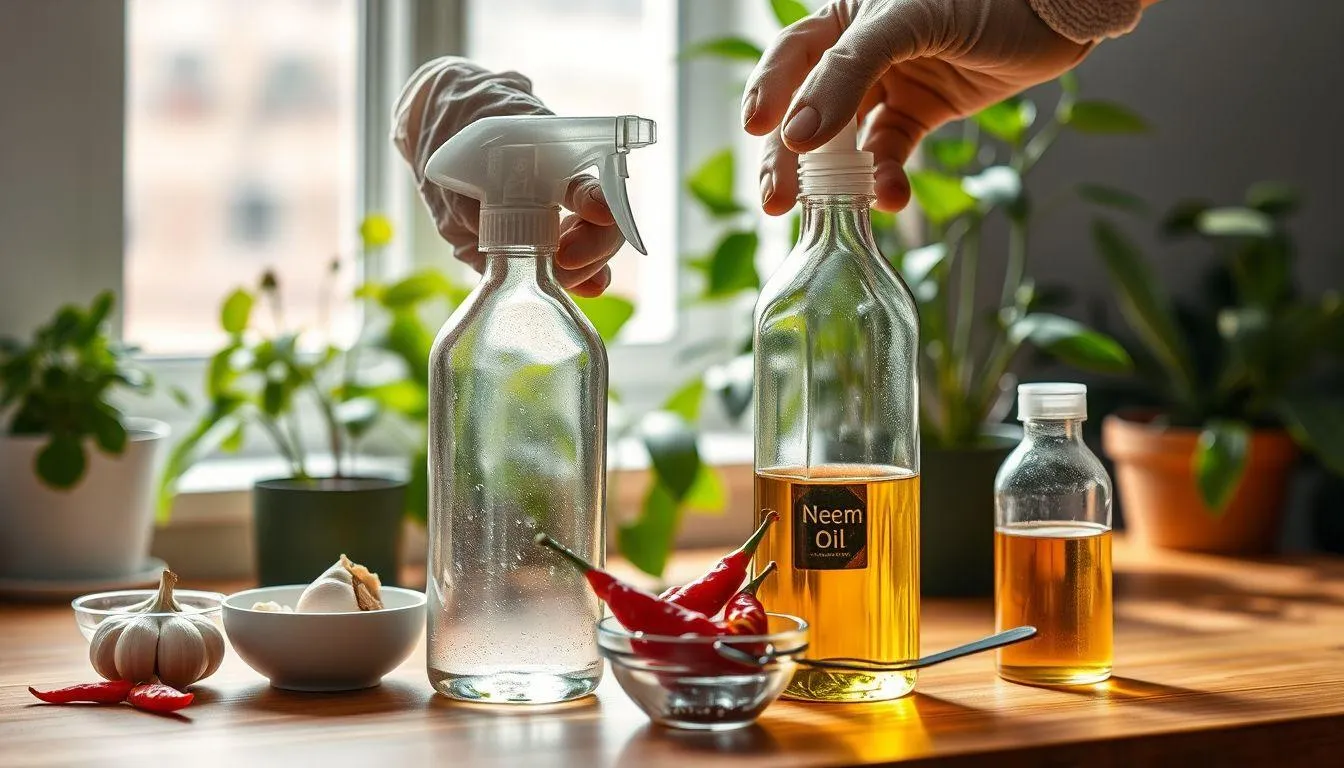
Like other ornamental plants, the ylang-ylang flower can also be attacked by various pests such as aphids, caterpillars, mites, and sap-sucking insects. If not addressed promptly, pest attacks can cause yellowing leaves, stunted growth, and flowers that easily drop before fully blooming.
Conduct regular inspections, especially on the undersides of leaves, young shoots, and stems. If pests are found in small numbers, you can clean them manually or spray a solution of mild soap or botanical pesticides made from garlic, neem leaves, or lemongrass as a more environmentally friendly alternative.
In addition to pests, also watch for signs of disease such as leaf spots or root rot. Keeping the area around the pot clean, removing fallen leaves, avoiding water stagnation, and ensuring good air circulation are effective preventive measures. With consistent care, the ylang-ylang flower tree will grow healthily, be more resistant to disturbances, and continue to produce fragrant flowers throughout the year.
Yes. The ylang-ylang flower tree can grow well in a large pot as long as it uses loose planting media, has good drainage, and receives adequate sunlight. Regular pruning also helps maintain the size of the plant to be suitable for the terrace area.
Seedlings from grafting, budding, or top grafting can generally start to bloom in about 1–3 years, depending on the variety, age of the seedling, and care conditions. Seedlings from seeds usually take longer.
Yes. The ylang-ylang flower grows optimally if it receives direct sunlight for about 6–8 hours per day. Sufficient sunlight helps the photosynthesis process and stimulates flower formation.
Watering should be done when the planting media starts to dry. During the dry season, watering is generally done daily, while in the rainy season, the frequency can be reduced to prevent the media from becoming too wet and the roots from rotting.
Compost, well-matured manure, and NPK fertilizer with higher phosphorus (P) and potassium (K) content are very good for supporting flower growth. Periodic fertilization every one to two months will help the plant remain fertile and productive.
(kpl/iya)
Cobain For You Page (FYP) Yang kamu suka ada di sini,
lihat isinya
Discover 15 psychological thriller films that offer a tense storyline and unexpected endings. Ready to think critically?

Recommendations for the latest romantic Korean dramas of 2026, featuring various genres and famous stars. From royal romances to fantasy, ready to accompany K-drama lovers.
Follow this method of planting banana trees so they don't grow tall, making maintenance and harvesting easier. Learn each step here.

Discover 7 recommendations for Chinese bodyguard and heir dramas that will make you feel all the feels with strong chemistry. Full of action, romance, and thrilling protection stories.

Get ready to be shocked! Explore the list of the best thriller films known for their unexpected plot twists, from classic 90s to stunning recent works.

This recommendation for popular girl and innocent boy western romcoms is perfect for lovers of sweet love stories with a touch of light-hearted Hollywood comedy.
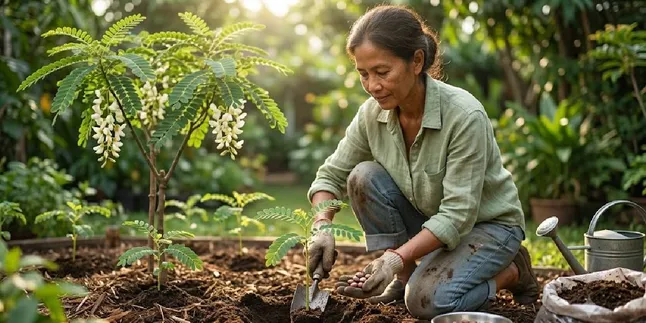
The method of planting turi flowers from dried seeds is actually quite easy to do at home. Check out the 7 complete steps from selecting seeds to caring for seedlings to ensure they grow well.

Watch the recommended Chinese drama about a wife being disregarded by her husband's family, full of emotions and offering messages of resilience and self-worth.

Looking for recommendations for Korean dramas where work contracts turn into love that present romantic stories in the workplace? Check out these 10 best dramas with sweet chemistry and plots that will make you feel all the emotions.

Discover the best psychological thriller dramas with mysterious plots, unexpected twists, and suspense that keeps you curious.

The list of the latest Japanese horror films in 2026 presents stories of digital curses, haunted places, and social horror with a psychological vibe.

A list of Korean dramas adapted from webtoons from 2020-2026 features a variety of genres, from thrillers, action, fantasy, to love stories.
