```html
Choosing the right condom size is an important step in maintaining sexual health. Condoms that fit properly not only provide comfort during intimate relations but also ensure maximum effectiveness in preventing pregnancy and the transmission of sexually transmitted infections.
Many people still overlook the importance of selecting the right condom size. In fact, condoms that are too large risk slipping off during use, while condoms that are too small can tear and cause discomfort.
According to National Health Service UK, male condoms are effective in preventing pregnancy up to 98 percent when used correctly. Therefore, understanding how to choose the right condom size is key to achieving optimal protection during sexual intercourse.
1. Why Condom Size is Very Important?

The size of a condom plays a crucial role in determining the effectiveness of protection during sexual intercourse. A poorly fitting condom can lead to various issues that reduce its function as a contraceptive. When a condom is too large, the risk of it slipping off the penis during penetration becomes very high, allowing sperm to enter the vagina and increasing the likelihood of pregnancy.
Conversely, a condom that is too small or tight can cause significant discomfort. Excessive pressure on the penis not only causes pain but also increases the risk of the condom tearing during use. This condition is certainly dangerous as it eliminates the protection that the condom is supposed to provide.
A study published in the journal Sexual Medicine indicates that condoms that are too tight can lead to various complaints such as difficulty achieving an erection, pain, condom tearing, and slipping off during use because the condom cannot perfectly cover the entire penis.
In addition to safety aspects, the size of the condom also affects the quality of the sexual experience. A well-fitting condom will provide a more natural and unobtrusive sensation, allowing both men and women to enjoy intimate relationships more comfortably. Choosing the right size can also influence a man's ability to achieve orgasm, making the sexual experience more satisfying for both parties.
2. How to Measure Your Penis Correctly
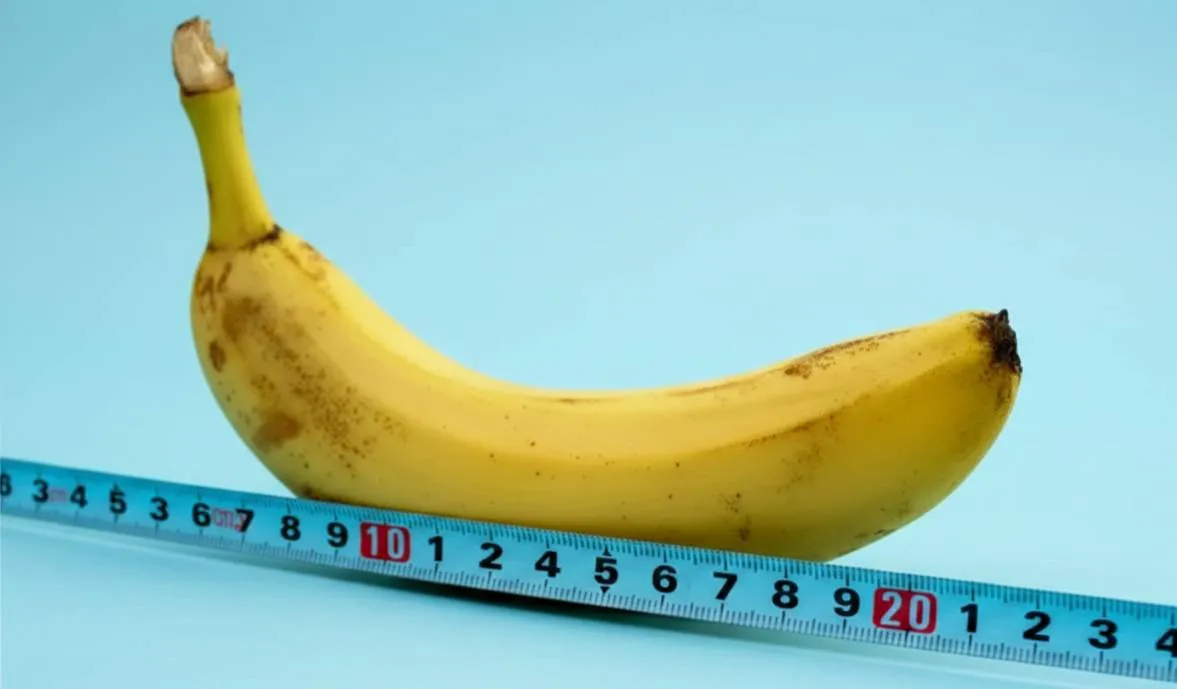
how to measure penis - created by AI
Before determining how to choose the right condom size, the first step is to accurately measure the penis. This measurement should be done when the penis is fully erect, as the size of the penis when erect is significantly different from its normal condition. You will need a simple measuring tool such as a ruler or a flexible measuring tape to get accurate results.
There are two important dimensions that need to be measured: the length and the circumference of the penis. To measure the length of the penis, place the ruler at the base of the erect penis. Press the ruler towards the pubic bone as far as possible, as sometimes fat in that area can conceal the actual length of the penis. Measure from the base to the tip of the penis to get an accurate number.
Measuring the circumference of the penis requires a slightly different approach. Use a flexible measuring tape or a piece of string, and wrap it around the thickest part of the erect shaft of the penis. If using a string, mark the intersection point of the string, then measure the length of the string with a ruler. The number obtained represents the circumference of your penis.
A study titled Average-Size Erect Penis: Fiction, Fact, and the Need for Counseling published in the Journal of Sex & Marital Therapy in 2021 shows that the average penis is about 5.1-5.5 inches or 12.9-13.9 centimeters long. Meanwhile, research in the BJU International journal in 2014 involving 15,521 men showed that the average penis circumference is 11.6 cm or 4.5 inches.
3. Guide to Condom Sizes Available in the Market
After knowing your penis size, the next step in choosing the right condom size is to understand the classification of sizes available. Condoms generally come in three main categories: small, medium, and large. Each category has different specifications for length and diameter, although size standards may vary between brands.
Small-sized condoms, often labeled as "snug fit," are designed for penises with a length of less than 13-14 cm and a girth of less than 12 cm when erect. This type of condom usually has a length of about 15-17 cm with a diameter of less than 4.9 cm. This size provides a snug fit without being too loose.
Medium or regular-sized condoms are the most commonly sold sizes in the market. This size is suitable for penises with a length of 12-13 cm and a girth of about 12-13 cm. Regular condoms usually have a length of 16-19 cm with a diameter of 5.2-5.5 cm. Most Indonesian men use this size as it fits the average penis size.
For large-sized condoms, they typically have a length of about 17-20.5 cm with a diameter of more than 5.6 cm. This size is designed for penises with a girth of more than 13 cm. Large condoms provide enough room without feeling too tight, making them more comfortable for men with above-average penis sizes.
4. Tips for Choosing Condoms Based on Needs
When applying the method of choosing condom size, there are several additional factors to consider besides the basic size. First, pay attention to the material of the condom that will be used. Most condoms are made from elastic and strong latex, but some people are allergic to this material. If you or your partner has a latex allergy, choose condoms made from polyurethane, polyisoprene, or other synthetic materials.
The thickness of the condom is also an important consideration. Condoms with thicker layers can help reduce sensitivity and prolong the duration of sexual intercourse, suitable for men who experience premature ejaculation. On the other hand, thin condoms provide a more natural sensation and increase sensitivity, making the sexual experience feel more intimate.
Lubrication on condoms also needs to be considered. Condoms that come pre-lubricated will be easier to use and reduce the risk of irritation. Make sure the lubricant used is water-based, not oil-based, as oil-based lubricants like baby oil or petroleum jelly can damage latex and make condoms more prone to tearing.
Don't forget to always check the expiration date of the condom before purchasing. Expired condoms will be more fragile and prone to damage during use. Store condoms in a cool, dry place, avoiding keeping them in wallets or places exposed to excessive heat as this can damage the quality of the condom material.
5. How to Use a Condom Properly

how to use a condom - created by AI
Understanding how to choose the right condom size is not enough without knowing the correct usage. Proper condom use will maximize its function as a contraceptive and protection against sexually transmitted infections. The first step is to ensure the condom is not expired and the packaging is in good condition without tears or damage.
Open the condom packaging carefully using your hands, do not use your teeth or sharp objects that can tear the condom. Make sure the penis is fully erect before putting on the condom. Place the condom at the tip of the penis with the rolled side facing out. Pinch the tip of the condom to release air and leave space to collect semen.
Roll the condom slowly down to the base of the penis until it covers the entire shaft. If the condom does not have enough lubricant, you can add water-based lubricant to the outside of the condom. During sexual intercourse, occasionally check if the condom is still securely in place and not slipping.
After ejaculation, immediately withdraw the penis from the vagina while holding the base of the condom to prevent it from slipping off. Carefully remove the condom, tie the end to prevent spillage, then wrap it in tissue and dispose of it in the trash. Never use a condom more than once or flush it down the toilet as it can clog the drainage system.
6. Common Mistakes in Choosing and Using Condoms
Although the method of choosing the size of a condom is understood, there are still many mistakes that often occur in practice. The first mistake is not measuring the penis beforehand and directly buying condoms based on assumptions. Every man has a different size, so accurate measurement is very important to get the right-fitting condom.
The second mistake is storing condoms in the wrong place. Many men keep condoms in their wallets or pants pockets for long periods, while heat and pressure can damage the material of the condom. Condoms should be stored in a cool, dry place, protected from direct sunlight to maintain their quality.
Using a condom in a hurry is also a common mistake. Rushing to put on a condom can lead to improper fitting, increasing the risk of tearing or slipping off. Take enough time to put on the condom correctly, even if it slightly disrupts the moment of intimacy.
Another mistake is using two condoms at the same time with the assumption that it will provide double protection. In fact, using two condoms actually increases friction between the condoms, which can cause both to tear. One properly fitted condom is sufficient to provide maximum protection if the size and usage method are correct.
7. FAQ (Frequently Asked Questions)

FAQ (Frequently Asked Questions) (c) AI Illustration
1. How do I know the right condom size for me?
The best way is to measure the length and girth of the penis when erect using a ruler or measuring tape. Once you have those measurements, match them with the condom size guide: small for girths less than 12 cm, medium for 12-13 cm, and large for over 13 cm. You can also try several sizes to find the most comfortable fit.
2. Are regular-sized condoms suitable for everyone?
Not always. While regular condoms are designed for average sizes, every man has a different penis size. Regular condoms fit penises with a girth of 12-13 cm, but if your size is larger or smaller, it's best to choose a suitable size to ensure the condom functions optimally and is comfortable to use.
3. What should you do if the condom feels too tight?
If the condom feels too tight, you may need a larger size. A condom that is too tight is not only uncomfortable but also at risk of tearing during use. Try condoms in large or extra-large sizes that have a larger diameter, usually over 5.6 cm, to provide better comfort.
4. What if the condom feels loose or easily slips off?
A loose-feeling condom indicates that it is too big for you. This condition is dangerous because the condom may slip off during sexual intercourse, reducing the effectiveness of protection. Choose a smaller size, such as condoms labeled "snug fit" or small size with a diameter of less than 4.9 cm.
5. Do different condom brands have the same sizes?
No, size standards can vary between brands. The regular size of one brand may be equivalent to the large size of another brand. Therefore, always read the size information on the condom packaging, including length and diameter, to ensure you get the appropriate size for your needs.
6. How long can condoms be stored before use?
Condoms generally have a shelf life of 3-5 years from the production date if stored properly. Always check the expiration date on the packaging before use. Store condoms in a cool, dry place, avoiding exposure to heat, direct sunlight, or excessive pressure that can damage the quality of the condom material.
7. Can opened condoms be stored for reuse?
Not recommended. Once the condom packaging is opened, the condom is exposed to air and contaminants that can reduce its quality. Condoms should only be used once and must be disposed of after use. Never use the same condom more than once, even if it appears to be in good condition, as this is very risky.
```
(kpl/fed)
Disclaimer: This translation from Bahasa Indonesia to English has been generated by Artificial Intelligence.


 Follow

 Rekomendasi