NEON GENESIS EVANGELION What Kind of Anime Is It? Why Is It Popular?
kapanlagi
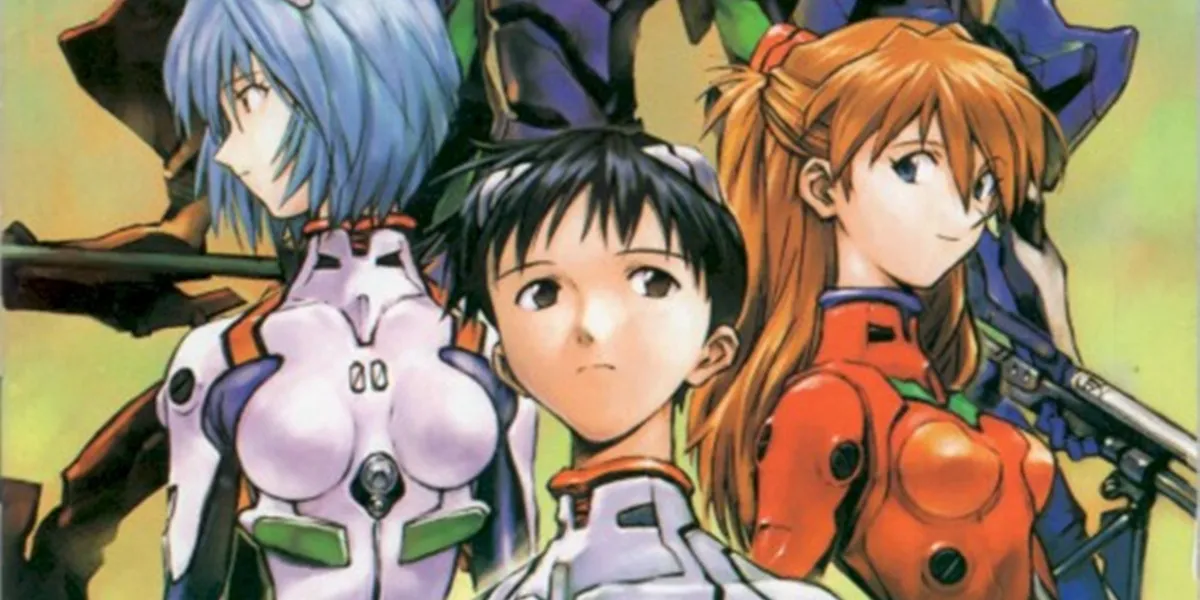
Three teenagers become pilots of robots in NEON GENESIS EVANGELION
Kapanlagi.com - The anime Neon Genesis Evangelion is one of the most recognized and influential animated series of all time. Since it first aired in 1995, this series has had a significant impact on the anime industry and Japanese pop culture, inspiring many future works.
Its popularity is not only reflected in record sales of films, manga, and home videos in both Japanese and overseas markets, but also in the revenue from related merchandise that exceeded £150 billion in 2007, and pachinko machines that generated £700 billion in 2015.
Evangelion is widely known around the world, even by those who may not be familiar with its storyline. Its appeal comes from its complex characters, captivating and mysterious story, thrilling action, and the deliberate inclusion of philosophical and social theories.
This series is also considered a deconstruction of the mecha genre, introducing a shy protagonist and changing the way mainstream anime is written. Although it initially received mixed reviews, Evangelion remains a cultural phenomenon that continues to be discussed.
The series delves into profound psychological and philosophical issues, such as depression and anxiety, which resonate deeply with viewers. In fact, its controversial ending only served to enhance its popularity.
Here are five unique facts about the anime Neon Genesis Evangelion that you may not know:
1. Eva Is Not Just a Robot
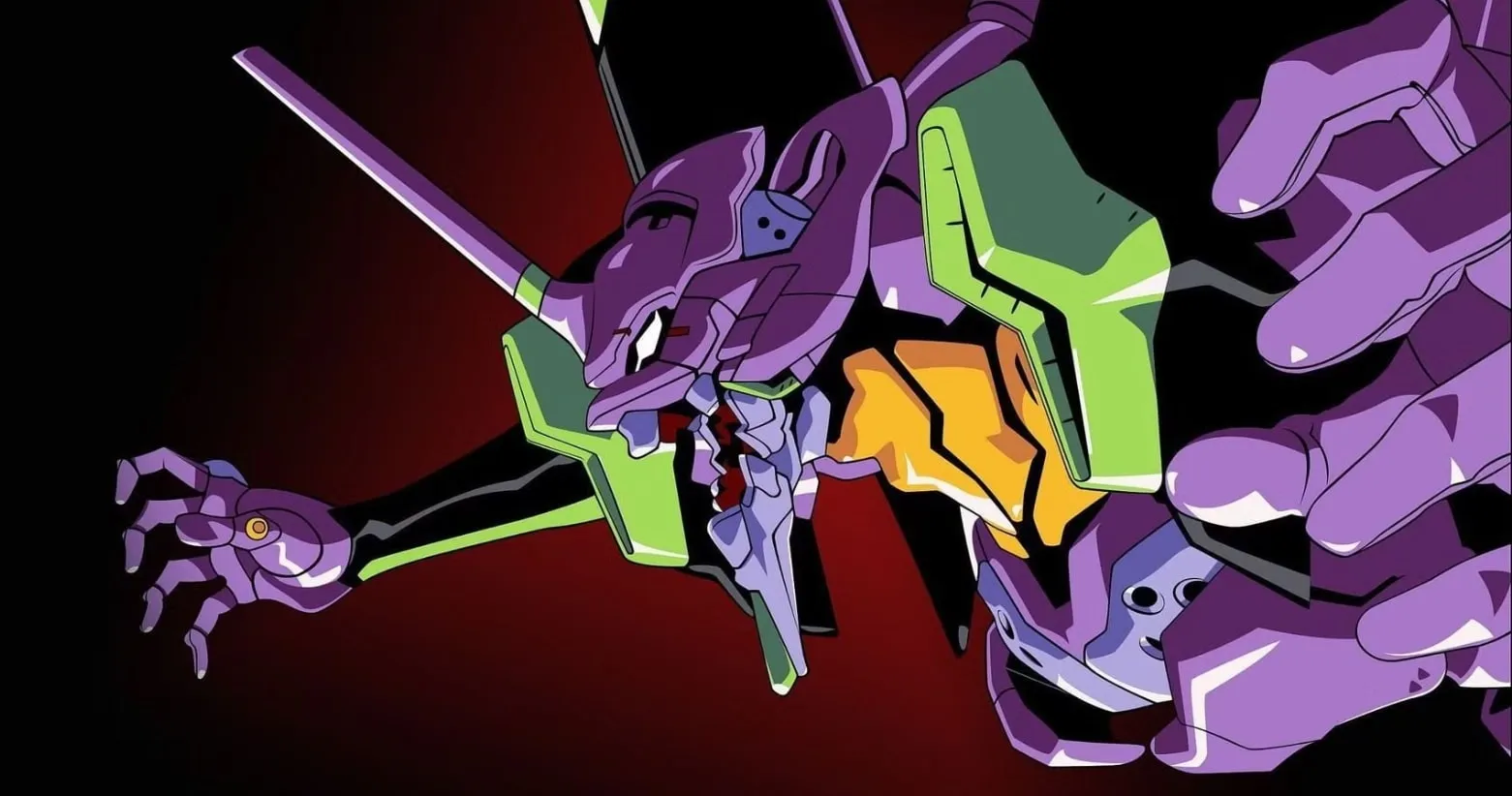
The mecha in the anime NEON GENESIS EVANGELION is conceptually different from regular mecha.
Although Neon Genesis Evangelion is often categorized as a mecha anime, the Evangelion units (Eva) are actually not pure robots, but rather biomechanical living beings. They are quasi-Angel clones controlled by humans through the armor they wear.
This biological nature explains why Eva can enter "berserk mode" and can heal or bleed after sustaining damage. Director Hideaki Anno himself wanted to convey that behind the image of a "robot monster", there is actually a giant human.
2. Religious Symbolism that is More Aesthetic than Theological Meaning
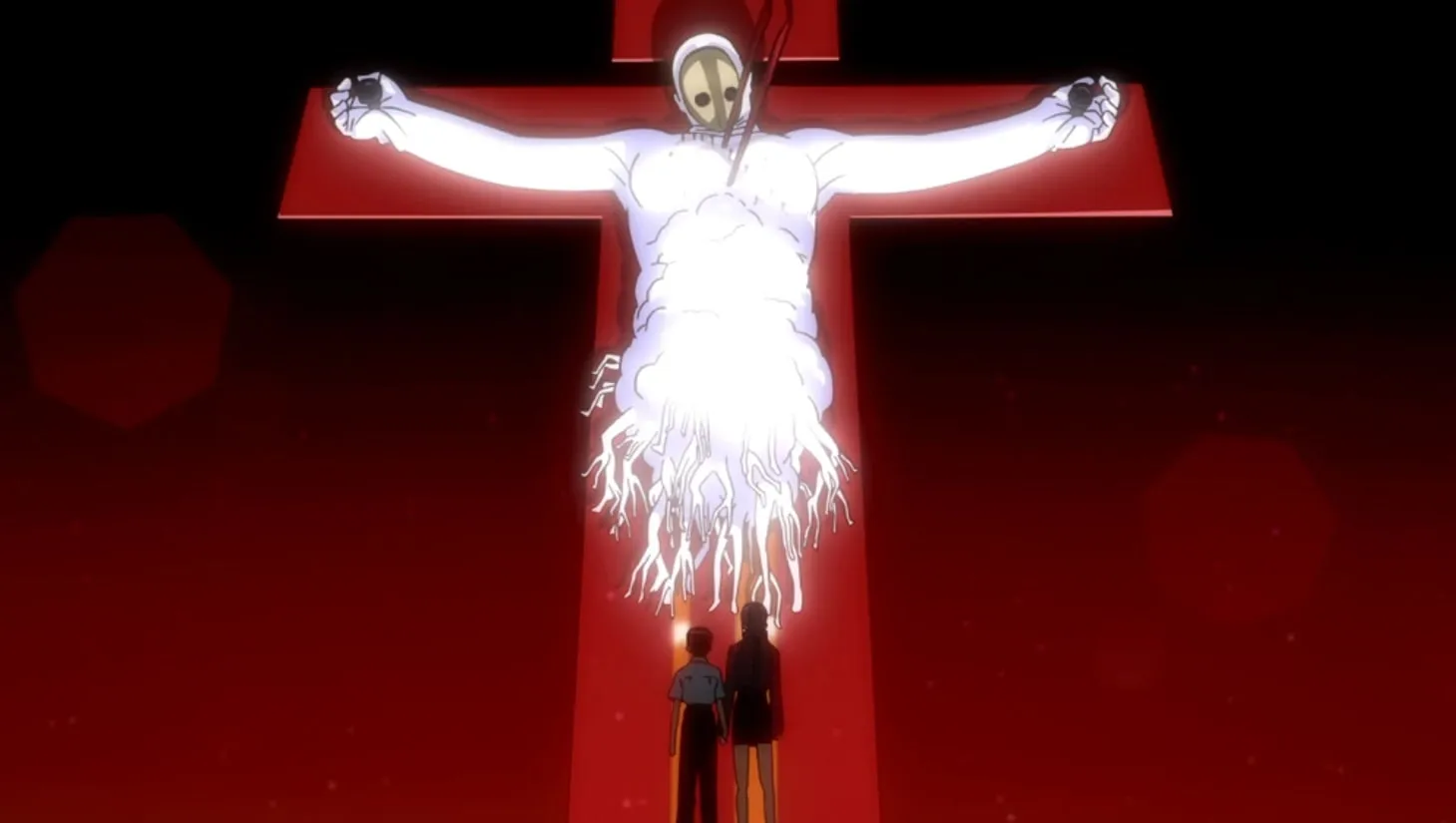
Christian symbolism is very prominent in NEON GENESIS EVANGELION
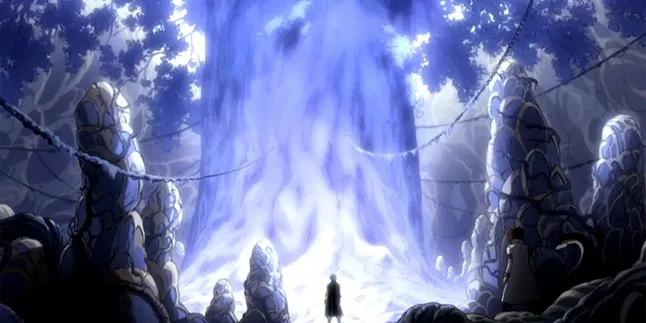
Evangelion is indeed filled with Christian iconography and other religious symbols, such as the cross, Angel, Adam, Lilith, the Spear of Longinus, and the Tree of Life (Tree of Sephiroth).
However, the creators, including assistant director Kazuya Tsurumaki, state that these symbols are largely used for aesthetic reasons. The aim is to create a mysterious impression and to differentiate Evangelion from other mecha anime, considering that Christianity is not common in Japan.
3. The Controversial Original Ending
The last two episodes (episodes 25 and 26) of the original Neon Genesis Evangelion TV series focus heavily on psychological introspection and the internal monologue of characters, neglecting the main plot. This is largely due to budget constraints and a tight production schedule. Additionally, director Hideaki Anno was also struggling with depression during production, which greatly affected the story's direction. Anno himself admitted that he was forced to abandon his original vision for the ending.
4. Pilot Eva Has Specific Tragic Prerequisites
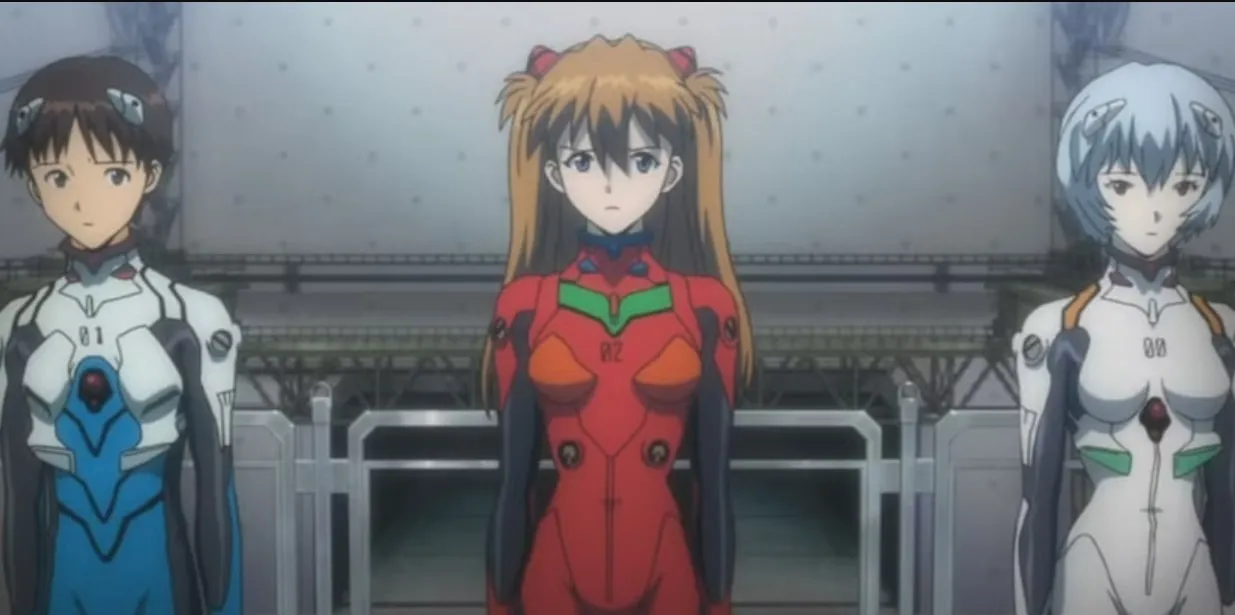
The three robot pilots in EVANGELION are still teenagers and have tragic backstories.
There are specific and tragic prerequisites for Eva pilots: all the main pilots (Shinji, Asuka, Rei) have mothers who have died and were born after the event known as "Second Impact." The reason behind this is revealed later in the series: the souls of their mothers are integrated with the Eva units, allowing for a psychic bond between the pilots and the Evas.
5. Reflection of Japan's "Lost Decade"
Neon Genesis Evangelion was released in the mid-1990s, a period during which Japan experienced economic stagnation following the burst of the economic bubble. The themes in this series, such as social alienation, economic despair, and identity crisis, are highly relevant to the anxieties felt by Japanese youth during the "Lost Decade." The challenging production environment with a low budget also reflects the economic climate of that time.
(kpl/jpg)
Disclaimer: This translation from Bahasa Indonesia to English has been generated by Artificial Intelligence.
OR
Swipe Up Next Article
Cobain For You Page (FYP) Yang kamu suka ada di sini, lihat isinya
This film will include new footage created specifically for this cinematic version and is part of the 10th anniversary celebration of "Iron-Blooded Orphans"
Anime with poverty themes feel more honest and touching because their stories are close to real life. There are no shortcuts or magical powers, just the determination to survive and the small hope that is kept alive.
Dandere characters may be unassuming, but they often leave the deepest impressions. Their innocence and small efforts to open up feel very human and relatable.


 Follow

 Rekomendasi