

 Follow
 Rekomendasi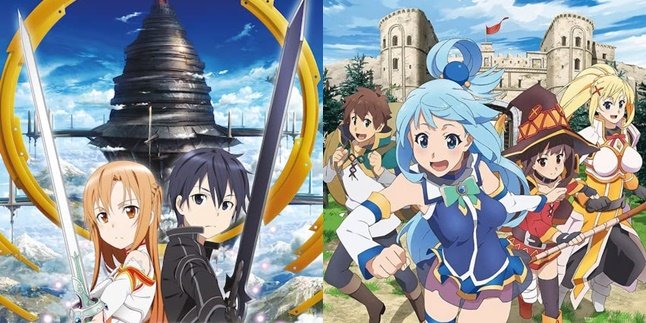
21 Recommendations for the Best Isekai Anime About Other Worlds, Fun to Watch!
For those of you looking for the best isekai anime recommendations, it wouldn't hurt to check out the following information. Check it out here KLovers.

Kapanlagi.com - For those of you who often watch anime, the terms shounen, seinen, and shoujo are probably familiar. These three are often used to categorize anime, but many still misunderstand and think they are genres. In fact, shounen, seinen, and shoujo are more about the target demographic of the audience, not the type of story.
However, each has its own distinct characteristics that are quite clear and easy to recognize. To avoid confusion, here’s an explanation of the differences between shounen, seinen, and shoujo anime, complete with examples of popular anime.
Shounen is aimed at a male teenage audience, typically between the ages of 12 and 18. The most distinctive feature of shounen anime is its spirited storytelling, action, and themes of struggle. The main character is often depicted as initially weak, then develops through hard training, friendship, and unwavering determination.
The shounen plot usually focuses on battles, competitions, or long adventures. Values often highlighted include hard work, big dreams, and the power of friendship. Due to its universal nature, shounen anime is also enjoyed by viewers of various ages and genders.
Examples of shounen anime: Naruto, One Piece, Bleach, Dragon Ball, My Hero Academia, and Demon Slayer.

Tokyo Ghoul falls into the seinen anime category (Credit: Istimewa)
Unlike shounen, seinen is aimed at adult audiences, generally 18 years and older. The stories are more complex, darker, and realistic. The themes often relate to psychology, politics, gray morality, and more explicit violence.
Characters in seinen anime are rarely black and white. They can make wrong decisions, experience heavy inner conflicts, and face consequences that do not always end happily. The pacing tends to be slower and more profound, inviting the audience to think and reflect.
Examples of seinen anime: Attack on Titan, Death Note, Tokyo Ghoul, Berserk, Monster, Psycho Pass, and Vinland Saga.

Cardcaptor Sakura falls into the shoujo anime category (Credit: Istimewa)
Shoujo targets a teenage female audience. Its main focus is usually on the relationships between characters, feelings, and emotional development. Romance is indeed the most common element, but shoujo can also explore friendship, family, and the search for identity.
The visual style of shoujo tends to be soft and expressive, with an emphasis on character emotions. Its conflicts are more personal and emotional rather than physical. Although it may seem light, many shoujo anime have touching and relatable stories.
Examples of shoujo anime: Sailor Moon, Fruits Basket, Cardcaptor Sakura, Ao Haru Ride, Nana, and Kimi ni Todoke.
The main difference between shounen, seinen, and shoujo anime lies in the target audience and narrative approach, not just in the art style or genre. Shounen is synonymous with spirit and action, seinen is more mature and complex, while shoujo emphasizes emotions and character relationships.
However, there are no strict rules about who can watch what. Many shounen anime are enjoyed by adult viewers, and there are plenty of shoujo or seinen anime that are loved by all demographics. Ultimately, what matters most is the story and the viewing experience you gain.
(kpl/jpg)
Cobain For You Page (FYP) Yang kamu suka ada di sini,
lihat isinya
For those of you looking for the best isekai anime recommendations, it wouldn't hurt to check out the following information. Check it out here KLovers.

Trouble Chocolate is a classic anime that may not be as popular as other big titles, but it has a strong identity through absurd humor and a quirky storyline

Check out the explanation of the ending of Neon Genesis Evangelion so you won't be confused by the complex storyline.

Anime with a demon king theme has a unique appeal and provides an entertaining and thrilling experience. Here are the recommendations for you, KLovers.

The anime movie 100 Meters offers a brief yet substantial sports story, with a strong focus on mental pressure and individual struggles on the track.

Doraemon is not just an ordinary anime, but a friend who has accompanied us all from childhood to adulthood.

Check out the synopsis of the anime Dad is a hero, Mom is a spirit, I’m a reincarnator filled with adventure and wonder!

Odd Taxi is a unique anime that you must watch because of its intriguing plot and deep characters.

Check out the explanation of the ending of the anime Attack on Titan that is full of surprises and deep meaning!
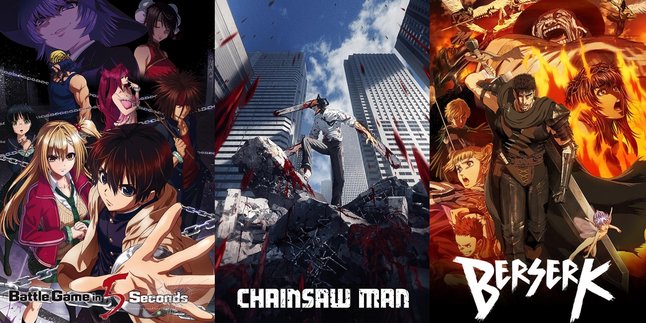
Gore anime features many terrifying scenes and contains elements of violence and bloodshed. For those of you who enjoy this genre of anime, here is a list of the latest gore anime recommendations that must be on your watchlist.

Aggretsuko is not just a funny anime, but an honest portrayal of the pressures of adult life wrapped in humor and metal music.
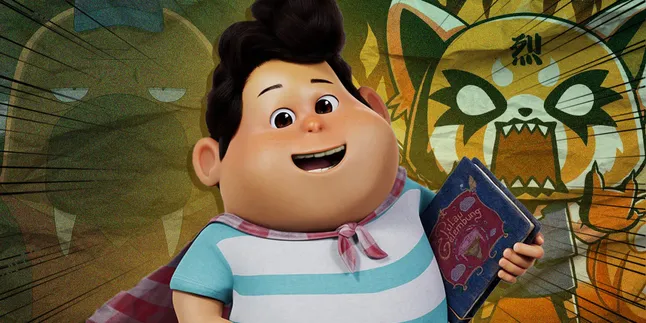
From Don's story in Jumbo to the adventures of the following anime characters, the common thread is the struggle for acceptance, finding strength in uniqueness, and the importance of friendship.
