

 Follow
 Rekomendasi
12 Recommendations for Amnesia-Themed Movies Full of Mystery with Unexpected Plot Twists
Recommendations for amnesia-themed movies full of mystery with stories of memory loss, secret identities, and plot twists that keep the audience guessing.
Kapanlagi.com - Recommendations for slow burn thrillers that build tension gradually are perfect for viewers who want to feel suspense without being served chases or explosions from the first minute. The storyline unfolds through conversations, glances, and small details that only become meaningful several scenes later. The feeling of anxiety is allowed to grow on its own in the viewers' minds.
Many people avoid slow-paced films because they think the story will be boring. That assumption usually changes once they watch titles that actually hold surprises in the latter half. The tension that is nurtured little by little makes viewers hold their breath without realizing when that moment begins.
Here are ten recommendations for slow burn thrillers that build tension gradually, summarized by KapanLagi.com from various sources, Thursday (23/7/2026). These ten titles each have their own way of prolonging the audience's curiosity from the opening scene to the final credits.
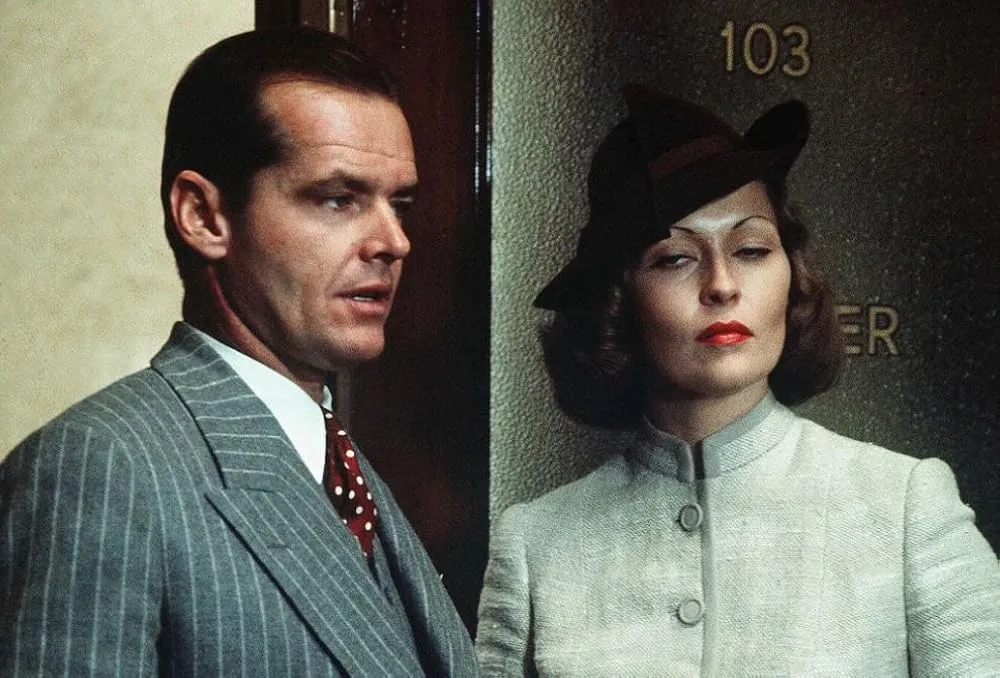
Chinatown (1974). (Image: IMDb)
Set in Los Angeles in the 1930s, this film follows the story of a private detective Jake Gittes, played by Jack Nicholson, who takes on a case that initially seems trivial regarding an alleged affair. Roman Polanski sits in the director's chair, guiding the story into a much more complicated direction than initially suspected.
There are no flashy car chases or shootouts throughout the film. Each conversation and small investigation instead uncovers new layers of lies about the water and land that support the city, allowing the audience to follow Gittes's logic step by step before realizing how deep this case unfolds.
The tightly constructed script, combined with the chemistry between Jack Nicholson and Faye Dunaway, keeps Chinatown discussed as a reference for the neo-noir genre to this day. Its grim ending often leads viewers to rewind several earlier scenes to search for missed clues.
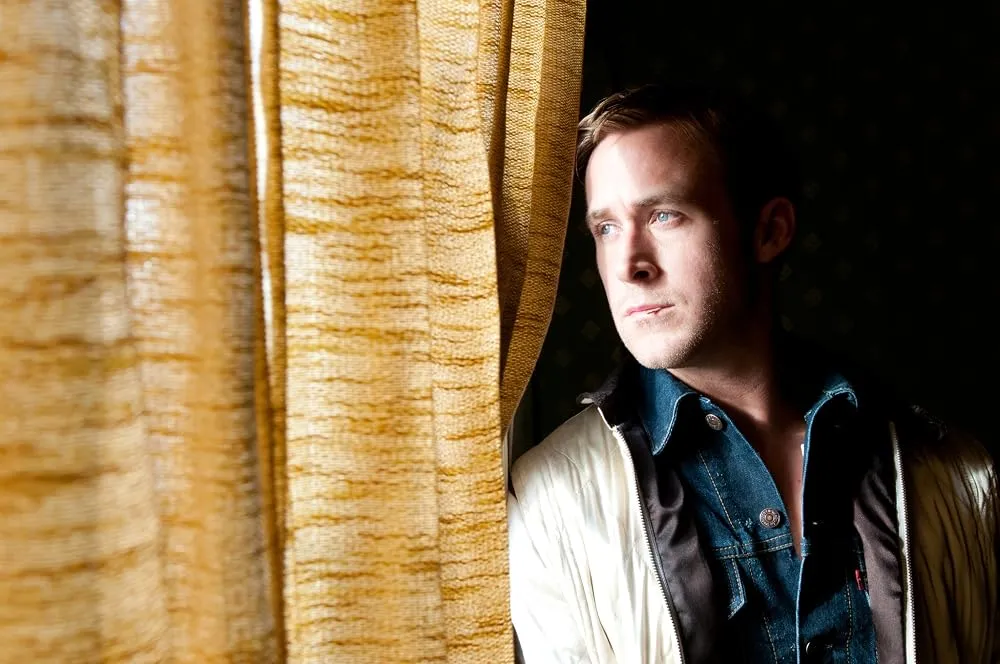
Drive (2011). (Image: FilmDistrict - IMDb)
A nameless driver, played by Ryan Gosling, leads a double life as a stuntman by day and a getaway driver for criminals at night. Nicolas Winding Refn directs this story until a major problem arises when the driver begins to get close to his neighbor, Irene, played by Carey Mulligan.
The constantly flowing synth music and long stares fill most of the film's duration, far from the usual thriller impression. Violence only erupts at certain points, after the tension that has built up since the beginning feels ripe enough to explode all at once.
The visual style and soundtrack of Drive are the reasons this film continues to be replayed years after its release. Ryan Gosling has almost no dialogue throughout the film, yet every expression of his conveys what is raging in his character's mind.

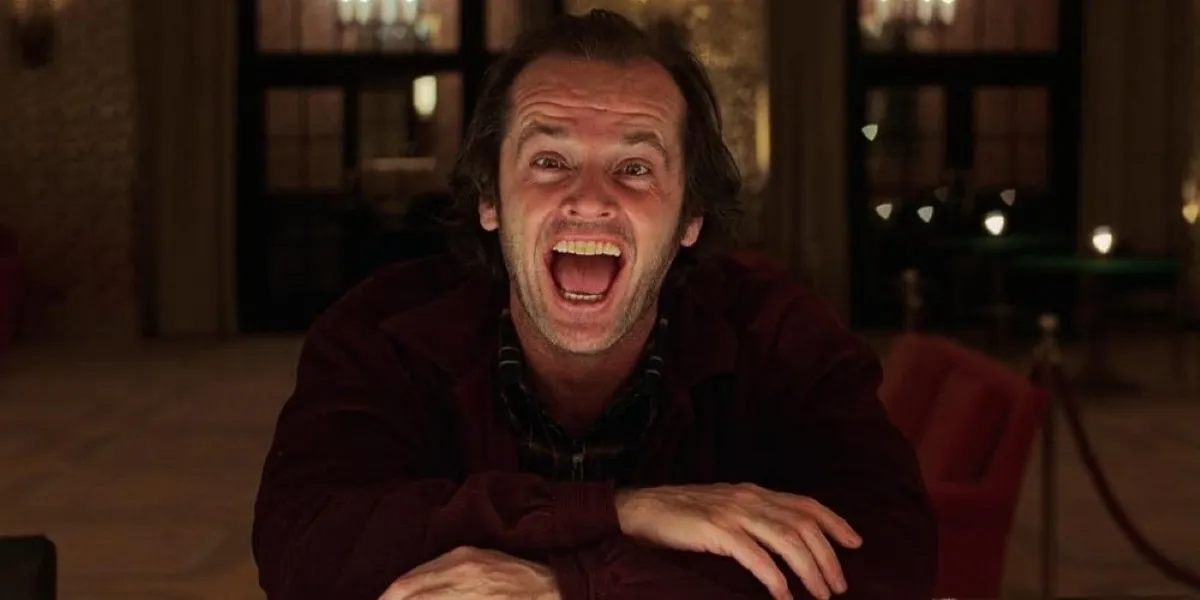
The Shining (1980). (Image: IMDb)
Adapted from the novel by Stephen King published in 1977, The Shining places Jack Torrance, played by Jack Nicholson, as the winter caretaker at the remote and nearly empty Overlook Hotel. Stanley Kubrick changed quite a few details from the novel version to build his own film version.
The long hallways, empty rooms, and Jack's gradual change in attitude become the main sources of tension. The feeling of being trapped that the Torrance family experiences is built slowly, so the audience only realizes how dire the situation is when it's already too late to escape.
The visuals remembered across generations and Jack Nicholson's performance keep this film relevant to discuss even today, although Stephen King himself has expressed his dissatisfaction with Kubrick's adaptation.
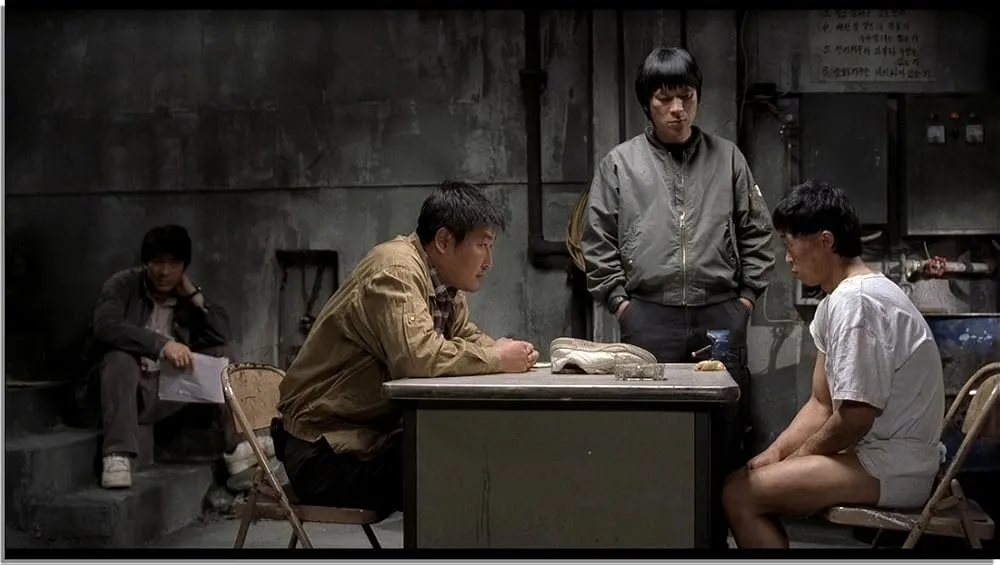
Memories of Murder (2003). (Image: IMDb)
This South Korean mystery film raises the case of a long-unsolved serial murder, through the character of a detective played by Song Kang-ho. Bong Joon-ho sets this investigation in a small town in the late 1980s, far from adequate forensic technology.
The plot is filled with dead ends, procedural errors, and repeated wrong guesses. The frustration of the detectives is contagious to the audience, causing the tension to grow from an ever-increasing sense of despair, rather than from a single big surprise at the end of the story.
The combination of drama, dark humor, and tension that rarely appears together makes this film memorable long after watching it. Through this work, Bong Joon-ho's name began to be taken seriously, before he became widely known through his subsequent works.
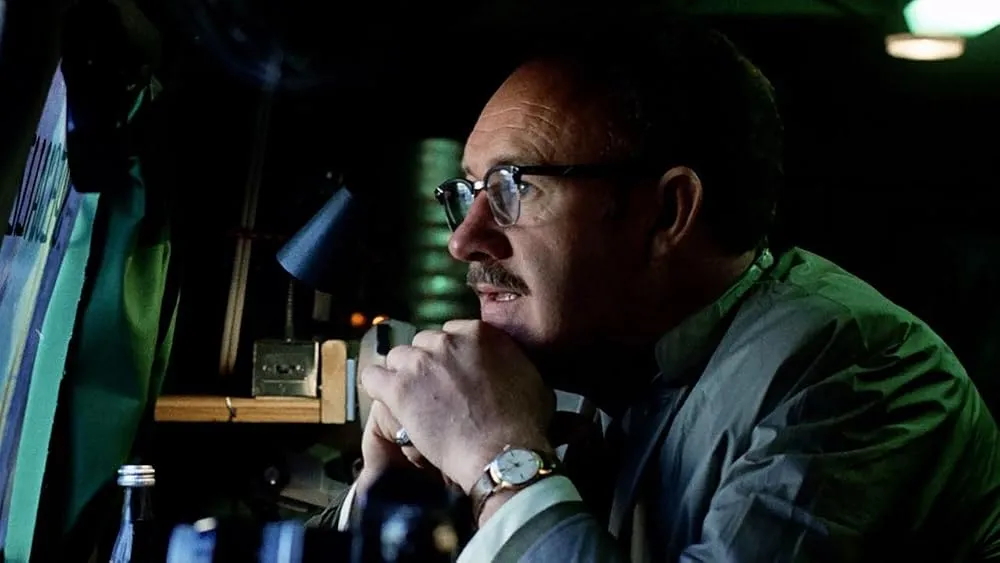
The Conversation (1974). (Image: IMDb)
Directed by Francis Ford Coppola, this film follows Harry Caul, a surveillance expert played by Gene Hackman, who lives in solitude to protect the privacy of others. He is recruited to record the conversations of a young couple, until he begins to suspect that the recordings will lead to a crime.
The tension in this film does not come from external threats, but rather from the growing suspicion in Harry's own mind. The audience is invited to feel the mounting paranoia through the perspective of a character who gradually becomes harder to believe in terms of his sanity.
Gene Hackman's performance and Coppola's reliance on sound, rather than just images, keep this film relevant to the issues of privacy and surveillance that are still being discussed today.
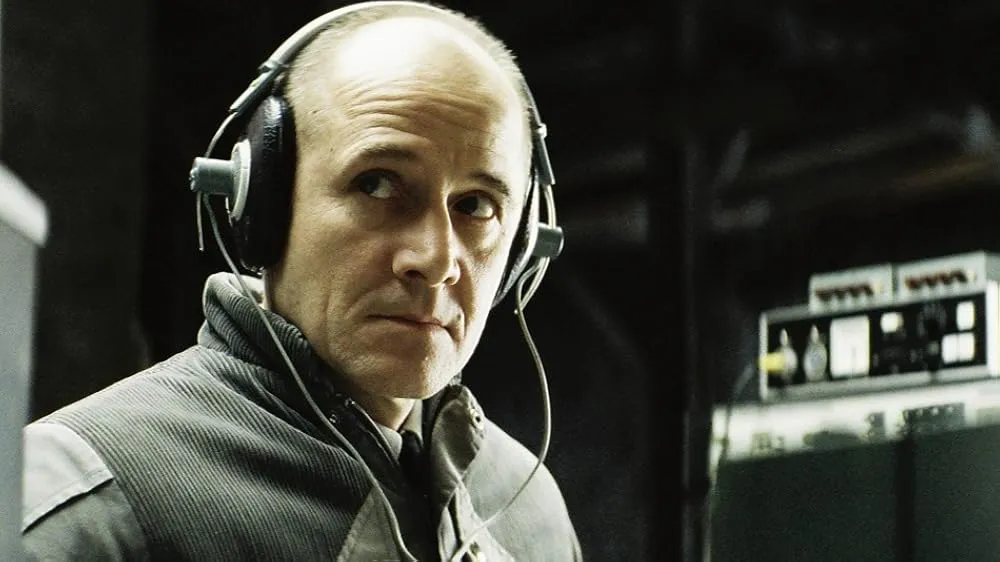
The Lives of Others (2006). (Image: IMDb)
East Germany in 1984 serves as the backdrop for The Lives of Others, as the state closely monitors the lives of its citizens. Ulrich Mühe plays a Stasi agent assigned to wiretap a writer, not realizing that his work will change the way he views the world around him.
The agent's change in attitude occurs gradually, from a cold officer carrying out his duties to someone who secretly begins to sympathize with the person he is surveilling. There are no chase scenes here, only an internal conflict that quietly grows behind the surveillance earphones.
The human side that emerges amid the cold surveillance system earned The Lives of Others an Oscar for Best Foreign Language Film, and it is still regarded as one of the important works of German cinema.
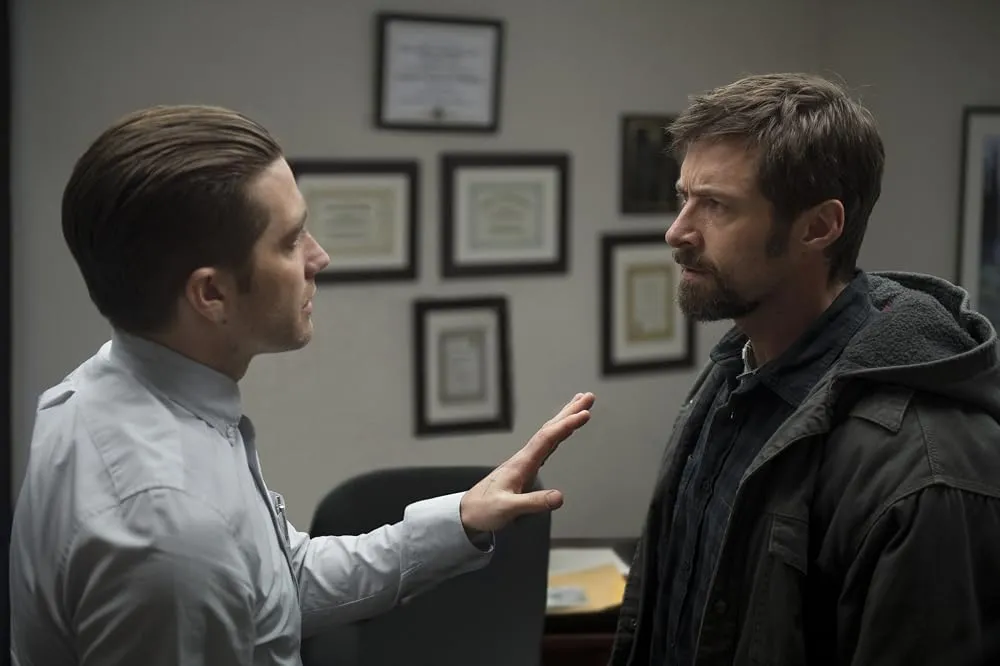
Prisoners (2013). (Image: Warner Bros.)
A father loses his daughter, and a detective is assigned to handle the case in the cold weather of a small town. Denis Villeneuve brings together Hugh Jackman and Jake Gyllenhaal in two roles that have different ways of facing the same pressure.
The official investigation is slow and full of dead ends, while the father begins to take matters into his own hands outside the law. The ticking clock without certainty makes the moral pressure on both main characters feel heavier with each chapter of the story.
The script, which holds many hidden clues, combined with strong performances from both lead actors, makes Prisoners invite the audience to question the line between seeking justice and unleashing anger.
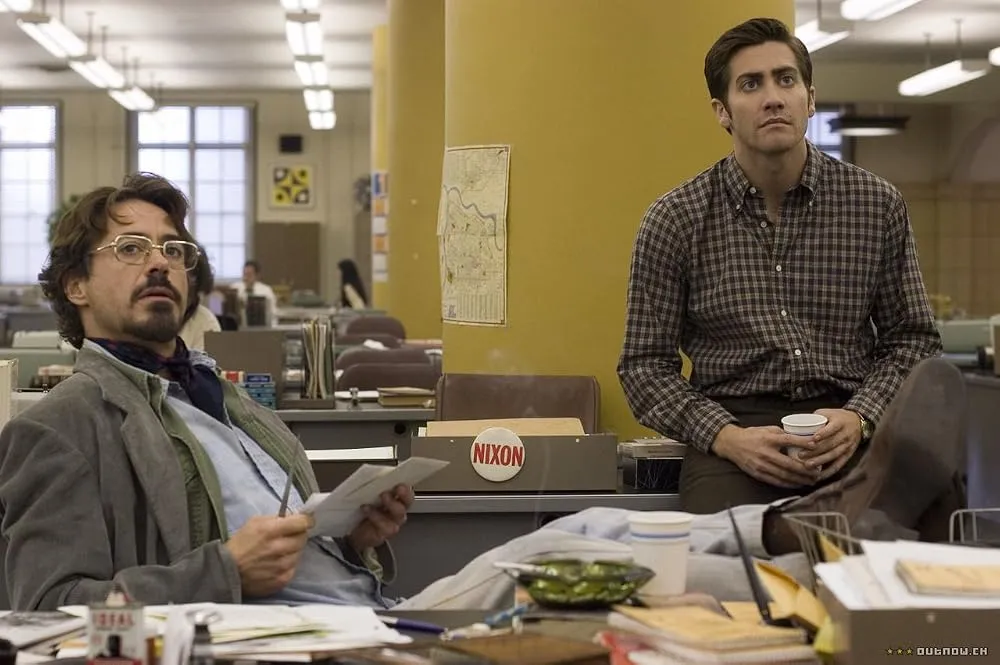
Zodiac (2007). (Image: Paramount Pictures - IMDb)
This film reconstructs the hunt for the identity of the killer known as Zodiac in San Francisco through three perspectives, played by Jake Gyllenhaal, Robert Downey Jr., and Mark Ruffalo. David Fincher arranges these three characters in different ways as they face a case that remains unsolved for years.
The investigation drags on without any guarantee of reaching a definitive answer. Administrative details, small pieces of evidence, and conflicting testimonies are presented one by one, keeping the audience's curiosity alive even though the case itself never truly reaches a conclusion.
Fincher's in-depth research into this real case is reflected in the meticulously arranged details throughout the film, proving that curiosity can endure for a long time even if the final answer never truly arrives.
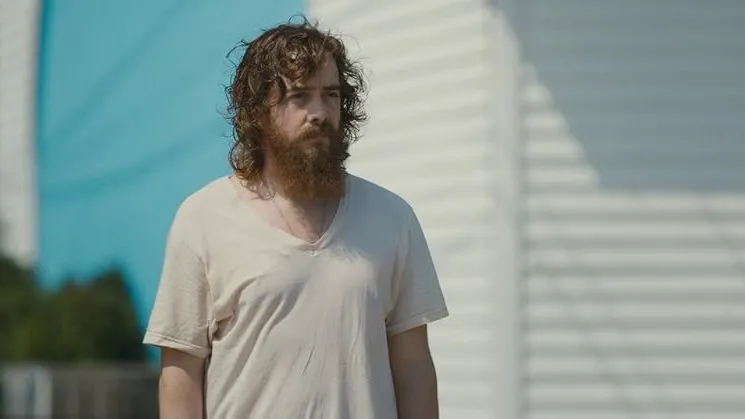
Blue Ruin (2013). (Image: IMDb)
A homeless man, played by Macon Blair, returns to his hometown to avenge the death of his parents in Blue Ruin. Written and directed by Jeremy Saulnier, this film was produced on a small budget but garnered wide attention upon its release.
With minimal dialogue yet rich in consequences, every action of the main character leads to repercussions that are only felt several scenes later. The tension arises from his own unpreparedness to face a situation that he has created through hasty decisions.
Revenge is depicted without the heroic style typical of most action films, making Blue Ruin feel more like a record of the risks and wounds that follow each decision, rather than just a spectacle to satisfy the audience's anger.
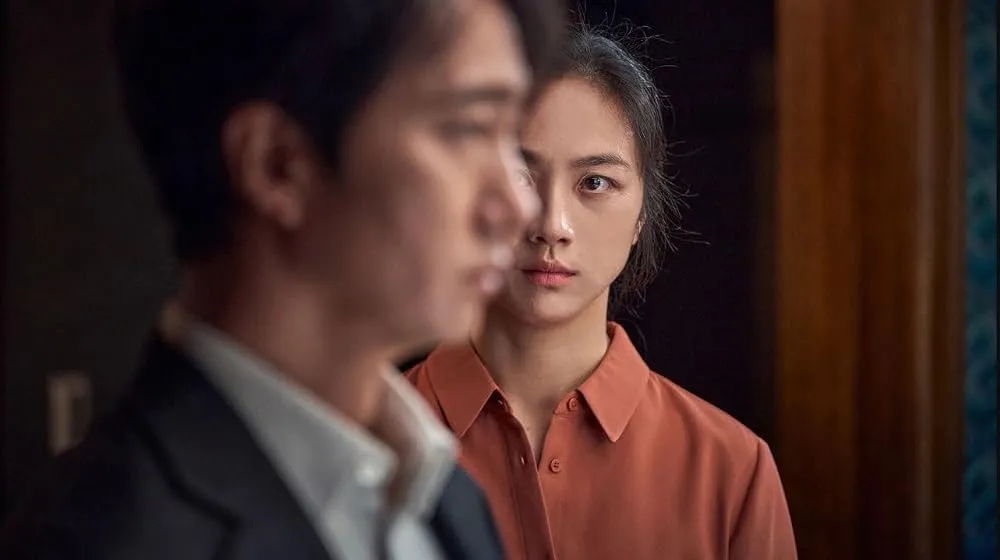
Decision to Leave (2022). (Image: IMDb)
A detective, played by Park Hae-il, and a woman who is both a suspect and an attraction in the investigation of her husband's death, played by Tang Wei, form the core of Decision to Leave. Park Chan-wook allows the storyline to shift between two cities in South Korea as the case they are handling unfolds together.
The boundary between duty and personal feelings becomes increasingly blurred as their relationship slowly develops throughout the investigation. Drama and mystery are allowed to unfold side by side, making it difficult for the audience to guess where the detective's loyalty will ultimately lie.
The transitions of images and meticulously arranged camera angles become the hallmark of Park Chan-wook's direction in this film, which also earned him the Best Director award at the 2022 Cannes Film Festival.
What is a slow burn thriller film? A slow burn thriller is a film that builds tension gradually through story details, dialogue, and atmosphere, rather than through fast action from the start.
What are the best slow burn thrillers of all time? Chinatown, The Conversation, and Zodiac are often mentioned as examples of the best slow burn thrillers due to their scripts and storytelling methods.
Why is it called slow burn? The term slow burn describes how the story develops slowly before reaching its peak, similar to a fire that ignites slowly before growing larger.
Is The Shining an adaptation of a novel? Yes, The Shining is adapted from a novel by Stephen King published in 1977, although the film version by Stanley Kubrick alters some parts of the original story.
Where can you watch these films? Most of the titles above are available on paid streaming services, depending on the region and distribution licenses of each country.
(kpl/bim)
Cobain For You Page (FYP) Yang kamu suka ada di sini,
lihat isinya
Recommendations for amnesia-themed movies full of mystery with stories of memory loss, secret identities, and plot twists that keep the audience guessing.

Tony Jaa has amazed the world with his authentic martial arts skills. Explore his best film recommendations, from the beginning of his iconic career to thrilling Hollywood action.
These seven recommendations for work burnout films are perfect to watch when you feel bored with your job and need time to reflect.
Sua and Jib must hide their love at the bank due to strict rules. When they decide to get married, a malfunctioning ATM triggers a hilarious bet for their jobs. This Thai romantic comedy was a huge success.

True love can blossom from sincere friendship. Explore recommendations for childhood friend romcom movies that present sweet, funny, and meaningful stories about destiny.
Ready to dive into the tension? Discover recommendations for adventure movies on mysterious islands that feature thrilling explorations, unexpected creatures, and survival stories.
From historical dramas to mini series, here are the most popular and easily watchable recommendations for Chinese dramas with dual identities available on streaming platforms.

The dynamics of relationships between introverted guys and extroverted girls are always interesting in romantic comedies. Check out these recommendations for international and Indonesian films with complementary characters.
Check out the list of the latest to classic horror films set in mental hospitals, complete with short synopses and reasons why psychological horror fans must watch them.
Discover 10 recommendations for musicals similar to Wicked that feature fantasy stories, memorable soundtracks, and unforgettable strong characters.
From true stories to fantasy, these films depict the resilience and solidarity of families facing poverty, while also uncovering the complexities of social issues.

Planet Mars has always sparked the imagination of filmmakers, giving rise to stories of exploration on the red planet that are full of challenges and mysteries. Check out the list of its best films!
Full of Adventure and Tension
