

 Follow
 Rekomendasi
8 Films about Separated Twins, Full of Mystery and Surprises
A collection of films that tell the story of twins who were separated since childhood for various reasons.
Kapanlagi.com - The film industry has presented various cinematic works that explore armed conflicts between nations in a deep, realistic, and emotionally touching way. War films are not just visual entertainment, but an important medium to reflect on history, military strategies, and the humanitarian impact of large-scale battles that have changed the course of civilization. Through the camera, talented directors have created narratives that blend spectacular action with personal stories reflecting the real experiences of soldiers and civilians involved in those battles.
This article presents 20 recommendations for war films between nations that have proven to be cinematic masterpieces and have won various prestigious awards at the international level. Each film is selected based on production quality, historical accuracy, portrayal of military strategies, and its ability to depict large-scale battles in an authentic and stunning manner. From spectacular naval battles to brutal ground campaigns, from World War I to modern military operations, this collection offers diverse perspectives on the global conflicts that have shaped our world.
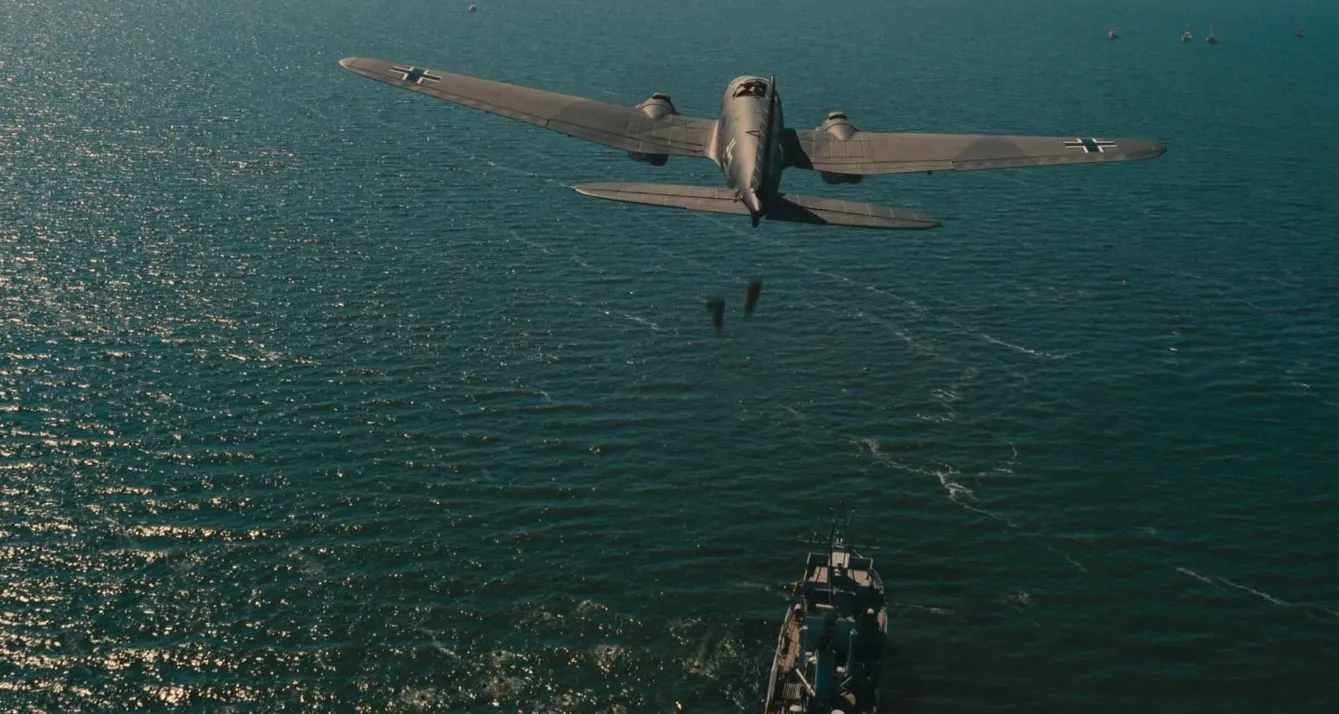
Dunkirk (2017) (imdb.com)
Saving Private Ryan tells the story of Sergeant John H. Miller and his squad on a mission to find and bring home Corporal James Ryan after the horrific D-Day landing in Normandy on June 6, 1944. The film begins with a depiction of battle that is incredibly realistic and shocking, showcasing the brutality of war on a scale never before presented on the big screen. This scene provides an immersive experience for the audience regarding the ferocity of the battle between American and German soldiers. Every detail, from weaponry, military formations, to battle tactics, is meticulously crafted to create an authentic and stirring impression.
The mission's journey not only highlights military strategy but also emphasizes personal sacrifice, the soldiers' morals, and philosophical questions about the value of one life compared to many in large-scale wartime situations. Director Steven Spielberg skillfully directs his cast to create a strong group dynamic and present moments of humanity amidst the chaos of war. Thanks to the combination of stunning action and touching drama, this film has become one of the most influential war works that subsequently set a new standard for the film industry for decades to come.
The Longest Day is an epic film that tells the story of Operation Overlord or D-Day on June 6, 1944, from various perspectives. This film showcases the involvement of the United States, British, French, Canadian, and German soldiers in a comprehensive and ambitious portrayal. Directed by three directors and featuring over 40 renowned actors from various countries, this film presents a story rich in historical detail with large-scale battle scenes captured realistically. Each part of the film shows a different perspective on the preparation, execution, and impact of the largest invasion in the history of World War II.
With a runtime of over three hours, this film details the complexity of military strategy involving the coordination of thousands of ships, aircraft, and hundreds of thousands of soldiers in a very short time. The battles at various locations, such as Omaha Beach, Utah Beach, and several villages in France, are depicted with a very high attention to detail. This provides the audience with a comprehensive understanding of how strategy, logistics, and the courage of each individual played a role in the success of the operation that changed the course of World War II. Until now, this film is still considered one of the main references in war film cinematography while also serving as a visual documentation that closely mirrors historical reality.
Dunkirk tells the story of the massive evacuation from Dunkirk Beach in May 1940 when British, French, Canadian, and Belgian troops were pushed back by a German attack and had to be rescued through a dramatic evacuation operation. Christopher Nolan directed this film with an innovative story structure that is not arranged chronologically. He combines three different timelines: land over one week, sea over one day, and air over one hour, creating a continuous sense of tension and urgency throughout the film. The battles on land, sea, and air are presented through stunning cinematography and extraordinary sound design, making the audience feel as if they are experiencing every second of the ongoing military crisis.
This film showcases various dilemmas in modern warfare, where every strategic decision must consider human safety, resource limitations, and pressure from the international situation. Characters from both military and civilian backgrounds are interwoven in a storyline that illustrates how ordinary people can become part of significant events that change history. The aerial battle scenes between German and British planes are also depicted with impressive technical detail, showcasing air combat tactics realistically while portraying the intense struggle for survival.
The Big Red One follows the journey of the United States First Infantry Division (First Infantry Division or 1st ID) under the leadership of Sergeant Eugene Pozzolo, from the campaign in North Africa to the invasion of Italy and Normandy during World War II. The film depicts the development of soldiers from inexperienced recruits to veterans forged by various battles. Director Samuel Fuller, who was also a war veteran, presents an authentic perspective on the life of infantry troops in the battlefield. He pays great attention to tactical details, field strategies, and the dynamics of relationships among soldiers who depend on each other for survival. The film showcases various battlefields stunningly, from the barren deserts of Africa to the European beaches filled with landmines and the strong defenses of the Germans.
The plot of the film not only features brutal battle action but also highlights the psychological impact of prolonged war, the trauma experienced by soldiers, and how they build mental coping mechanisms to face the horrors witnessed every day. The character of the sergeant is portrayed as a firm yet caring leader, who must make tough decisions for the safety of his men in the battlefield. Through a blend of intense action scenes and reflective moments, The Big Red One successfully presents a complex picture of what it means to be an infantry soldier in large-scale combat.
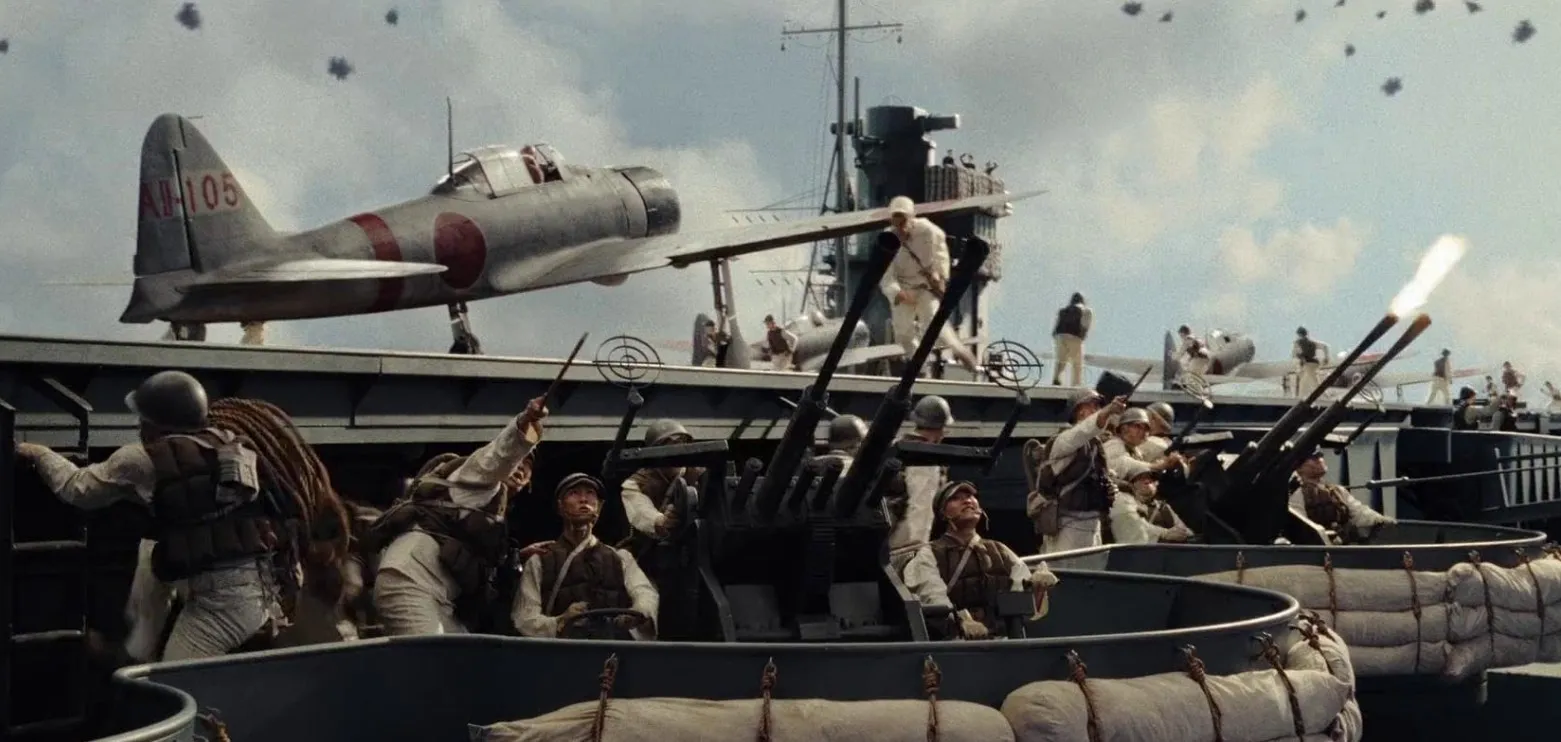
Midway (2019) (imdb.com)
Midway tells the story of the Battle of Midway in June 1942, one of the most important naval battles in World War II that became a turning point in the conflict between the United States and Japan in the Pacific region. Director Roland Emmerich presents the battle through spectacular visuals, showcasing intense air combat, coordination of warship fleets, and the complex military strategies of both sides trying to dominate the Pacific Ocean. The film presents the story from various perspectives, ranging from American fighter pilots, ship commanders, to strategic planners in the command center, providing the audience with a comprehensive view of the course of modern warfare.
With the support of modern cinematographic technology, Midway impressively showcases dive bomber attacks, while also highlighting the precision of technical details of World War II fighter planes and thrilling aerial maneuvers. Every strategic decision is depicted as a result of intelligence gathering, tactical analysis, and the execution of operations that demand extraordinary courage from pilots flying towards the enemy, fully aware that many of them may not return. The film illustrates how one naval battle can change the overall course of warfare and have a significant strategic impact on the future of conflict in the Pacific region.
Tora! Tora! Tora! tells the story of the Japanese attack on Pearl Harbor on December 7, 1941, from two perspectives: that of the Japanese and the United States. The film depicts the preparations and execution of the attack from the Japanese side while also showing the warnings and responses from the American side in a balanced and comprehensive narrative. This film is directed by Japanese and American filmmakers working together, which allows for a fair depiction of the motivations, strategies, and tactics of both countries involved in one of the most decisive attacks in World War II history. The aerial and naval battle scenes are presented with impressive military precision, showcasing the coordination of bombers, fighter planes, and the overwhelmed American air defense system facing the sudden attack.
The film also examines how strategic decisions at the military leadership levels of both countries were made based on intelligence information, political considerations, and risk assessments that, in some cases, turned out to be inaccurate. The depiction of the atmosphere inside the aircraft cockpit, the bridge of warships, and military command centers provides a deep understanding of how large-scale military operations are planned and executed. The long-term impact of the Pearl Harbor attack on the United States and the world is also portrayed through the emotional reactions of the characters witnessing significant changes in the global geopolitical order.
Flags of Our Fathers tells the true story of six soldiers captured in an iconic photo while raising the American flag atop Mount Suribachi during the Battle of Iwo Jima in February 1945. The three surviving soldiers were later asked to participate in a war bond sales campaign in the United States to boost public morale. Director Clint Eastwood presents the Battle of Iwo Jima with extraordinary intensity, showcasing the harshness of the fighting in the volcanic rocky terrain, the extremely strong Japanese defenses, and the high casualties on both sides in the struggle for the strategically valuable island. This film not only recounts historical facts but also explores the differences between the reality on the battlefield and the image constructed for the public for propaganda purposes.
The narrative alternates between the battle in Iwo Jima and the public relations campaign in the United States, providing a strong contrast while offering a deep insight into how modern warfare is perceived by the public. The characters are depicted as individuals experiencing trauma, guilt, and inner struggles after going through one of the bloodiest battles in the Pacific region. The combination of intense war scenes and strong emotional drama makes Flags of Our Fathers not just a war film, but also a reflection on heroism, sacrifice, and the price humanity must pay due to war.
Letters from Iwo Jima tells the story of the Battle of Iwo Jima from the Japanese perspective, following the struggles of General Tadamichi Kuribayashi and his troops who must defend the island from the invasion of the United States, even though the chances of winning are almost nonexistent. Clint Eastwood once again presents a humanistic approach by depicting Japanese soldiers as ordinary people with families, dreams, and inner struggles, rather than mere enemies portrayed in black and white. The film shows how they confront the technological superiority of the United States military, the declining fighting spirit, and the awareness that the mission to defend the island is likely to end in death.
Through letters sent by the soldiers to their families and the monologues of the main characters, the film presents a profound emotional dimension while offering a perspective rarely highlighted in historical narratives that generally focus on the victors. General Kuribayashi's defense strategy is portrayed very intelligently, showing how a commander tries to maximize the enemy's losses even while understanding that victory is nearly impossible. The battle at Iwo Jima is depicted brutally and realistically, showcasing the horrors of war from the perspective of soldiers enduring increasingly desperate situations.
Hacksaw Ridge (2016) (imdb.com)
Enemy at the Gates tells the story of a deadly duel between Soviet sniper Vasily Zaitsev and German sniper Major König during the Battle of Stalingrad in 1942–1943. In this battle, millions of soldiers died fighting for a city that became a symbol of resistance against the Axis Powers. The film showcases the fierce urban combat and the complex strategies of the snipers, emphasizing psychological warfare and the personal rivalry between two skilled marksmen who became national symbols for their respective countries. The depiction of the systematic destruction of Stalingrad illustrates the vast scale of World War II, which claimed millions of lives in just one battle that lasted for months.
The plot utilizes psychological tension as a key element to build drama, making each encounter between Zaitsev and König a symbol of the larger struggle between the Soviet Union and Germany on the Eastern Front. The film also shows how both countries used propaganda media to construct heroic images of their snipers, turning the individual duel into a national spectacle that influenced troop morale and public support. The Battle of Stalingrad is portrayed as one of the most horrific tragedies in human history, with civilian casualties, famine, and massive destruction providing a stark picture of the extensive impact and brutality of World War II on the Eastern Front.
Stalingrad follows the journey of a group of German soldiers from various backgrounds assigned to fight in the Battle of Stalingrad. They experience a transformation from an optimistic belief in a quick victory to a painful awareness of the futility of a prolonged war filled with suffering. Director Joseph Vilsmaier presents the story from the perspective of the German soldiers, which is relatively rarely depicted in Western cinema, by portraying them as ordinary humans with doubts, fears, and a sense of humanity, regardless of the ideology they represent. The film does not justify the atrocities committed by Germany but provides a depiction of how ordinary people can become caught up in a massive conflict without fully understanding the consequences of their actions.
The depiction of the Battle of Stalingrad feels very real and uncompromising. The battle scenes among the ruins of buildings and underground tunnels showcase the harshness of urban combat that aligns with historical reality. The siege strategy employed by the Soviet Union against the German forces is also shown through the perspective of the soldiers on the front lines who must face limitations in personnel, logistics, and hopes for survival. The film serves as a strong statement against war by illustrating how individuals trapped in a large-scale war machine ultimately become victims of decisions made by leaders far from the front lines.
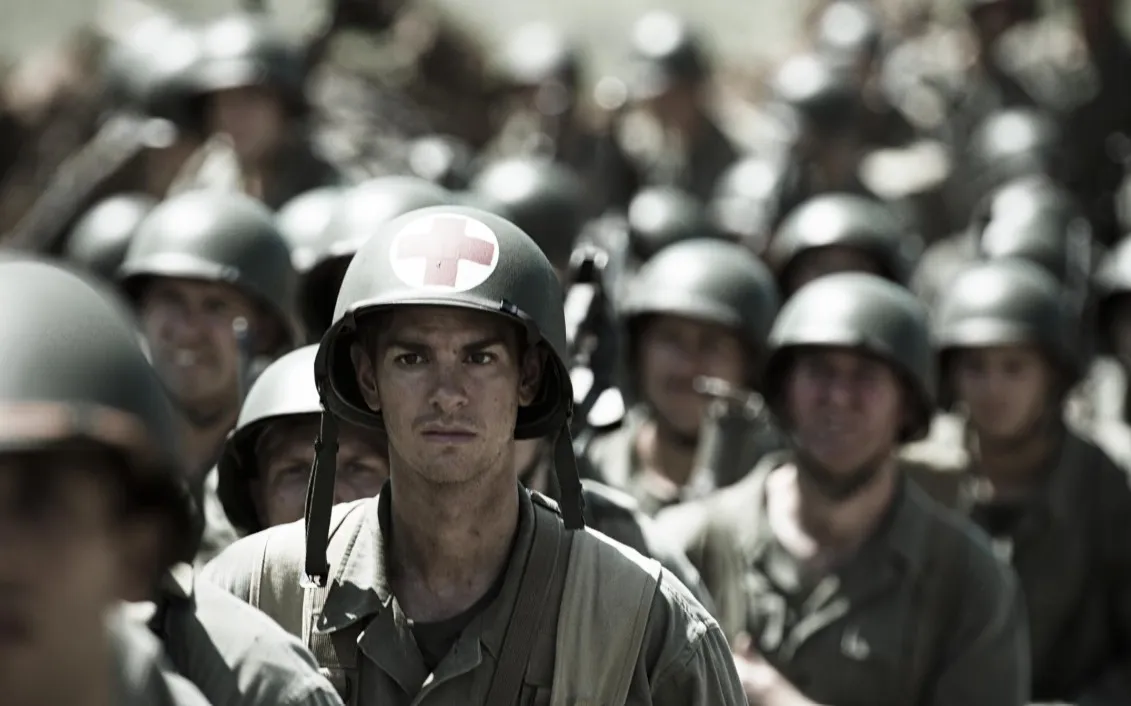
Hacksaw Ridge tells the true story of Medic Desmond Doss, who refused to carry a weapon due to his religious beliefs but still served in the Battle of Okinawa by saving dozens of comrades amidst one of the bloodiest battles in the Pacific. Director Mel Gibson presents a strong contrast between Doss's anti-violence principles and the brutality of the war violence surrounding him. This combination creates a moral struggle that is at the heart of the story while also showing that courage can take many forms. The Battle of Okinawa is depicted with great intensity and realism, vividly showcasing the horrors of war as a reminder of the immense suffering caused by armed conflict.
Doss's inner struggle to hold firm to his beliefs while fulfilling his humanitarian duties demonstrates the complexity of ethical issues in wartime situations that do not always have simple answers. The battle involving millions of soldiers on both sides, with Japanese forces ready to fight to the last drop of blood, shows a level of intensity rarely found in other war films. The film emphasizes that one person with strong beliefs and moral courage can have a significant impact on a historical event. Heroism is not only measured by the ability to fight but also by caring for others and steadfastly holding to principles even in the most difficult situations.
War Horse tells the story of a horse named Joey who traverses various battlefields of World War I. The journey begins on a farm in England, then changes hands between British and German cavalry troops, ultimately becoming a symbol of friendship amidst the hostilities occurring in France. Director Steven Spielberg uses Joey as a storytelling device to portray the war from an innocent and neutral perspective. This approach allows the audience to witness the brutality of war without being directly led to favor one side over the other. The scenes of cavalry battles are also depicted realistically, showing how outdated cavalry tactics must confront modern warfare technology such as machine guns, artillery, and tanks.
This story is not just about the journey of a horse, but also serves as a reflection on the humanity that persists amidst the barbarity of war. Various characters who meet Joey demonstrate that compassion is a universal value that can still emerge despite coming from opposing sides. The depiction of trench warfare, poison gas attacks, and the scale of destruction in World War I is conveyed through the perspective of a creature that does not understand the reasons behind humans killing each other, further emphasizing how tragic and irrational the war is. This film combines stunning visuals with a touching story, creating a profound reflection on the nature of war and humanity's ability to maintain a sense of compassion amidst suffering.
All Quiet on the Western Front (2022) (imdb.com)
1917 tells the story of a mission involving two young British soldiers tasked with crossing enemy-held territory (no man's land) to deliver a message that could stop an attack on the British army. The message is crucial because the planned assault is based on outdated intelligence and could potentially lead to the deaths of thousands of soldiers. Director Sam Mendes presents this film using cinematographic techniques that create the impression that the entire story is filmed in one continuous shot without interruption. This technique allows the audience to feel the tension, urgency, and physical exhaustion experienced by the two main characters as they navigate through the devastated landscapes of World War I. The cinematography becomes one of the film's main strengths, with the camera movement continuously following the characters' journey through trenches, destroyed villages, and empty areas littered with remnants of war.
The film depicts World War I as a nightmare caused by the industrialization of war, leading to massive casualties. The emphasis is on the scale of loss of life, the futility of tactical gains achieved, and the vast disconnect between the decisions made by commanders at headquarters and the realities faced by soldiers on the front lines. The journey of the two main characters showcases various aspects of warfare, from artillery bombardments to encounters with enemies who are also victims of the conflict. Sound design is also an important element that enhances the atmosphere of the film, through the thundering of battles, the moans of the victims, and the sounds of nature that persist amid the destruction, creating a deeply immersive and realistic viewing experience.
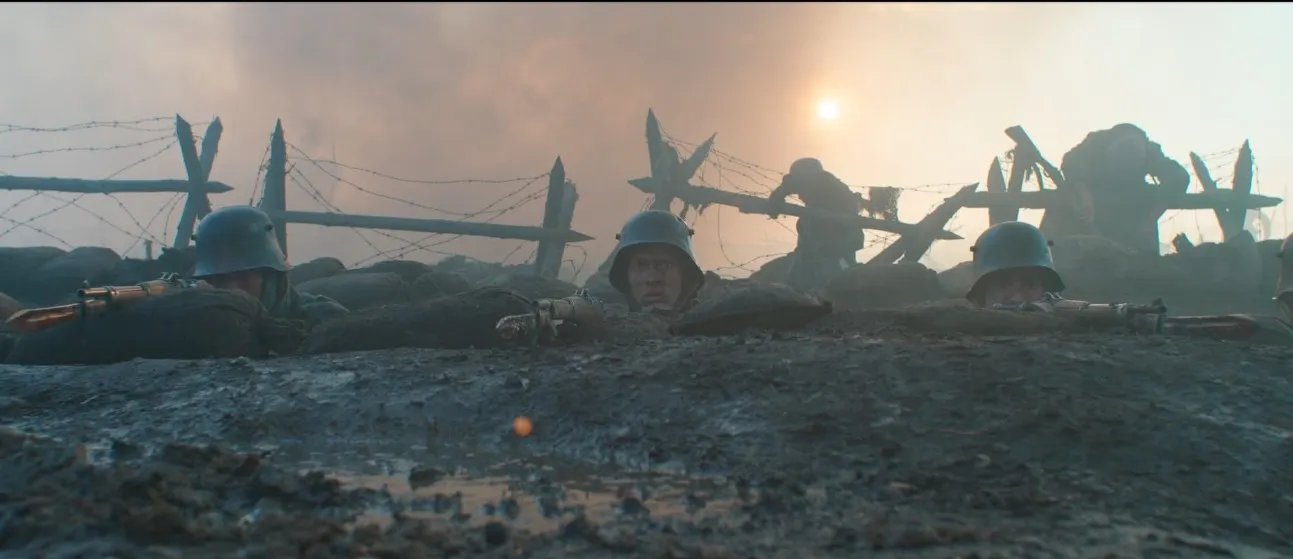
All Quiet on the Western Front is a modern adaptation of the classic novel by Erich Maria Remarque that tells the experiences of German soldiers at the end of World War I. The film depicts the transformation of young men who were initially eager to fight into soldiers who suffer from physical and mental trauma due to prolonged conflict. Director Edward Berger presents a visually stunning film that also stirs emotions, with a high attention to historical detail and a strong commitment to presenting an authentic story. The battles on the Western Front are portrayed very realistically, showcasing the harsh life in the narrow, muddy trenches, constantly haunted by the threat of sniper fire and artillery bombardments. The film also depicts the emergence of psychological trauma due to war, which at that time was not well understood.
The characters in this film are depicted humanely, highlighting how the atrocities of war, compromises to moral values, and the loss of innocence become unavoidable consequences when one is involved in a large-scale war. This film serves as a powerful critique of war, showing how the fervent spirit of nationalism initially slowly transforms into deep disappointment when soldiers confront the harsh realities of the battlefield. By presenting the perspective of German soldiers, the audience is invited to understand that the suffering of soldiers is a universal experience, transcending the boundaries of the countries or ideologies they represent.
Master and Commander: The Far Side of the World tells the story of Captain Jack Aubrey's voyage with the crew of HMS Surprise in pursuit of a French warship during the Napoleonic Wars in the Pacific Ocean. The film showcases naval battles, naval strategies, and large-scale maritime adventures with meticulous detail. Director Peter Weir presents a story that illustrates the complexities of naval warfare tactics, from sail arrangement to cannon placement, allowing the audience to gain insight into naval warfare before the advent of steam-powered ships and modern technology. The naval battle scenes are depicted realistically, taking into account wind direction, ship maneuvers, damage control, and the coordination of the entire crew in executing various complicated maneuvers amidst the battle.
The film also portrays the relationships between the officers and crew within the highly disciplined hierarchy of the Royal Navy. Captain Aubrey's leadership is demonstrated through his ability to maintain the morale and discipline of the crew in situations filled with risk and uncertainty. Each character has a background, motivations, fears, and hopes that make them feel alive and realistic. The cinematography of this film becomes one of its main attractions by presenting magnificent ocean views, beautiful sunsets, and thrilling battle scenes that complement the strength of the story and the historical accuracy presented.
The Bridge on the River Kwai tells the story of British prisoners of war who are forced by the Japanese army to build a strategic bridge over the Kwai River in Burma during World War II. The film focuses on moral dilemmas, a sense of responsibility, and military honor in extremely difficult situations. Director David Lean presents a cinematic masterpiece that explores the inner struggle of Colonel Nicholson, a British officer caught between his duty to protect his men and his desire to uphold British military honor. The construction of the bridge in this film becomes a symbol of resilience, self-esteem, and humanity's effort to find meaning in life amidst conditions that seek to strip away their dignity.
The relationship between Colonel Nicholson and Commander Saito from the Japanese side reveals a universal theme of honor, mutual respect, and recognition of the opponent, even though they are on opposing sides. The film's closing scene presents extraordinary tension while prompting the audience to reconsider the meaning of heroism, sacrifice, and how good intentions can sometimes lead to unintended consequences. Both the prisoners and the camp guards are depicted as ordinary humans with a sense of humanity, showing that even in an oppressive environment, people can still maintain their dignity and inner freedom.
Greyhound (2020) (imdb.com)
Apocalypse Now is a profound reflection on the nature of war. This film tells the story of Captain Willard's journey up the Mekong River into the jungles of Cambodia to find Colonel Kurtz, an officer who has overstepped his authority and built his own following amidst the war. Director Francis Ford Coppola presents a masterpiece that transcends conventional war films by using the Vietnam War as a backdrop to explore madness, morality, power, and how war can change a person. The battle scenes are presented with a surreal atmosphere that highlights the psychological pressure and confusion faced by soldiers fighting in foreign lands against an elusive enemy while employing unconventional warfare tactics.
The film depicts the United States' involvement in Vietnam as a problematic policy and raises criticism against imperialism and the intervention of great powers in conflicts that they struggle to fully understand. The characters are portrayed with complex traits, ranging from commanders who have lost hope to soldiers immersed in drug abuse, illustrating how war can amplify humanity's darkest sides and blur the lines between right and wrong. The visual style of this film was highly innovative for its time, with the use of color, music, and cinematography creating a chaotic and tense atmosphere while deeply portraying the experience of modern warfare.
The Patriot tells the story of Benjamin Martin, a plantation owner who is initially reluctant to get involved in the American Revolutionary War. However, a tragedy that befalls his family changes his attitude, leading him to join the struggle against British rule. Director Roland Emmerich presents the emotional journey of a character engulfed in inner conflict, emphasizing motivations born from personal loss and the desire for justice, not merely for ideological reasons. The battle scenes are depicted magnificently, from cavalry charges to sieges, with attention to the accuracy of weapons, uniforms, and military tactics of the 18th century, giving an authentic impression.
This film portrays the American Revolution not just as a simple fight between freedom and oppression, but as a conflict filled with moral dilemmas, questionable tactics from both sides, and the great sacrifices that those involved must endure. The relationship between Benjamin Martin and Colonel William Tavington presents a personal dimension within the broader political conflict, while also raising questions about the limits of using violence to achieve what is deemed noble. The characters in this film are depicted humanely, including those on the opposing side, emphasizing that the experience of being a soldier is something universal, regardless of which side they fight for.
Pearl Harbor tells the story of two American fighter pilots involved in a love triangle when the sudden Japanese attack on Pearl Harbor occurs on December 7, 1941. This film combines personal drama with the portrayal of one of the largest airstrikes that changed the course of American history. Director Michael Bay presents spectacular aerial battle scenes, showcasing the chaos, panic, and the immense impact of the attack on the American naval base. The film not only highlights the military aspects of the events but also shows the casualties among civilians and the suffering of a society that suddenly has to face the outbreak of war.
The balance between the personal relationships of the characters and historical events becomes one of the main elements in the plot of this film. Their emotional struggles reflect the uncertainty and shock felt by the American public after the attack. Aerial battles are depicted with technical precision combined with dramatic presentation, showcasing the capabilities of fighter jets, air combat tactics, and the devastating bombing raids that obliterated the port area. This film serves as a reminder that even military installations considered very strong still have vulnerabilities to sudden attacks, as well as demonstrating the high human cost resulting from intelligence failures and military miscalculations.
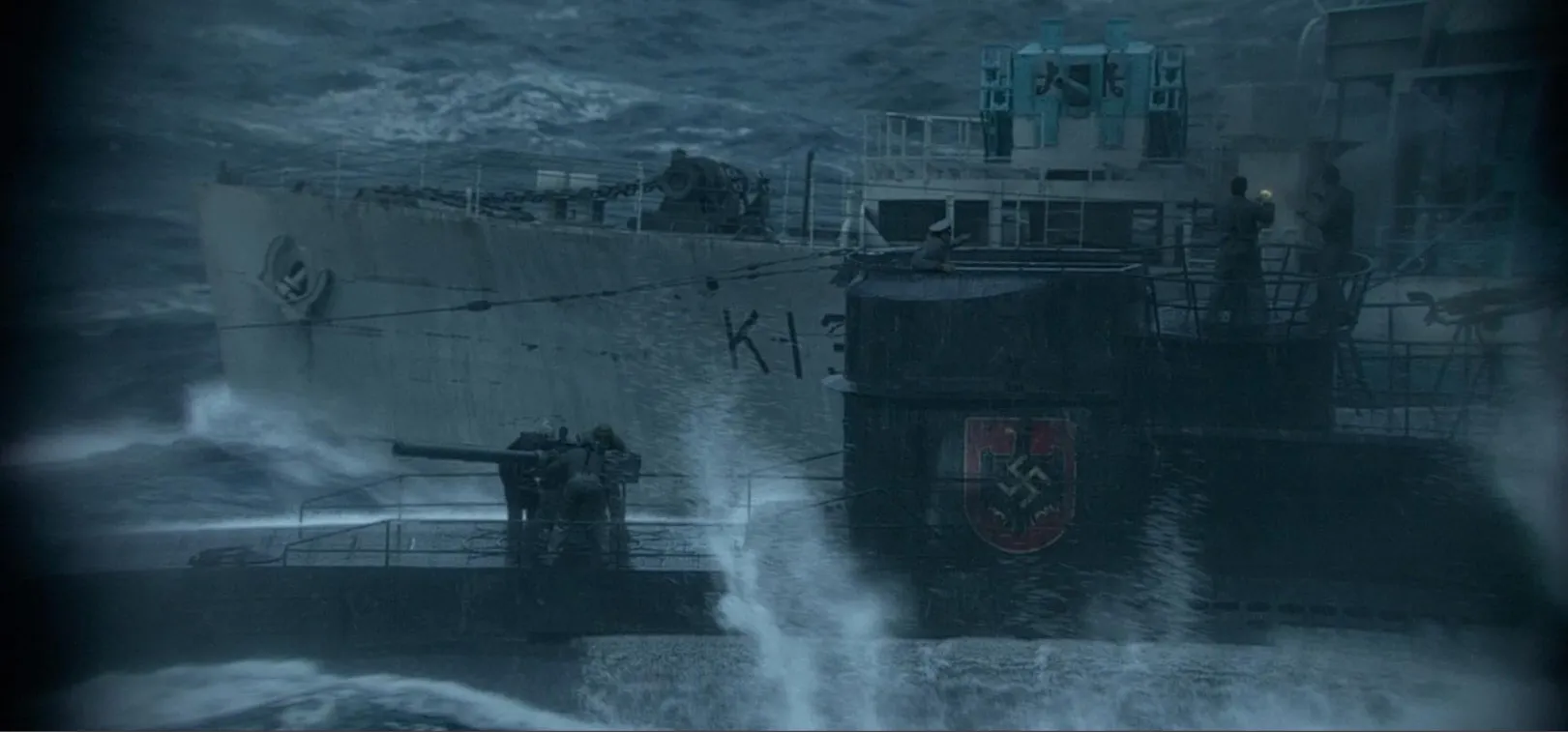
Greyhound tells the story of Commander Ernest Krause's first experience leading the destroyer USS Keeling in escorting a convoy in the Atlantic Ocean during World War II. This film focuses on naval warfare strategies, battles against submarines, and various important decisions that a commander must make in modern warfare. Directed by Aaron Schneider with a script written by Tom Hanks, who also stars in the lead role, the film presents intense naval battles with a high attention to the technical aspects of naval operations, ranging from detecting submarines to coordinating defenses against air attacks. The film also highlights the Atlantic Battle as one of the most important campaigns in World War II, which often receives less attention compared to land battles, despite having a significant impact on the course of the war.
The character of Commander Krause is portrayed as a religious figure who must balance his beliefs with the responsibilities of a leader often faced with difficult life-and-death decisions regarding his crew. The film shows the psychological pressure that a commander must endure when facing the threat of unseen submarines and the demands to remain vigilant for days on end without respite. The naval battle scenes are presented realistically, emphasizing the importance of radar, sonar, and communication systems as factors equally as crucial as weaponry in determining the outcome of battles at sea.
Q: What is the best inter-country war film for beginners who want to understand this genre?
A: Saving Private Ryan is an excellent choice for beginners because it combines stunning visuals, an easy-to-follow storyline, and emotional strength that provides a realistic depiction of modern warfare.
Q: Have these films won prestigious awards like the Academy Awards?
A: Yes. Many films on this list have won Academy Awards and other prestigious international film awards, such as Saving Private Ryan, 1917, All Quiet on the Western Front, and Master and Commander: The Far Side of the World, which have received awards in various categories, including cinematography, directing, and artistic achievement.
Q: How accurate are these films in depicting actual historical events?
A: Most films on this list are supported by thorough research and consultations with military historians to maintain historical accuracy, although some dramatic elements are added for storytelling purposes. The Longest Day and Midway are among the films often praised for their historical accuracy.
Q: Are these films suitable for family viewing?
A: Most films on this list feature quite explicit violent scenes and tackle heavy themes, making them more suitable for teenage and adult viewers. Parents are advised to provide guidance or consider the viewer's age before watching them with children.
Q: How do I choose a film that matches my personal interests?
A: You can choose based on the historical period that interests you the most, such as World War I or World War II, the type of battle you wish to witness, whether air, sea, or land battles, and the tone of the story you desire, whether it focuses more on action or emphasizes drama and emotional reflection. This way, you can determine the film that best suits your personal preferences.
(kpl/ank)
Cobain For You Page (FYP) Yang kamu suka ada di sini,
lihat isinya
A collection of films that tell the story of twins who were separated since childhood for various reasons.

Discover recommendations for romantic comedies that present warm and touching ensemble cast love stories like Love Actually. This selection of films offers a holiday vibe and romance that is sure to melt your heart.
A series of touching and emotional films about single fathers, especially when a father has to take on the role of a single parent.
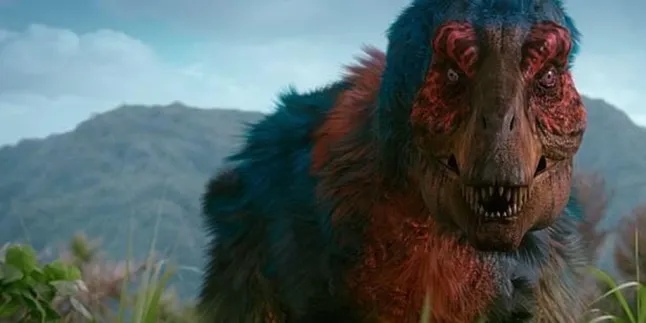
Recommendations for movies about ancient animals, ranging from dinosaurs, mammoths, to megalodons that are exciting to watch.
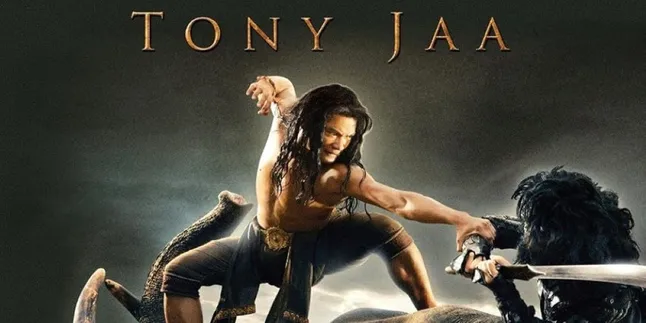
Tony Jaa has amazed the world with his authentic martial arts skills. Explore his best film recommendations, from the beginning of his iconic career to thrilling Hollywood action.
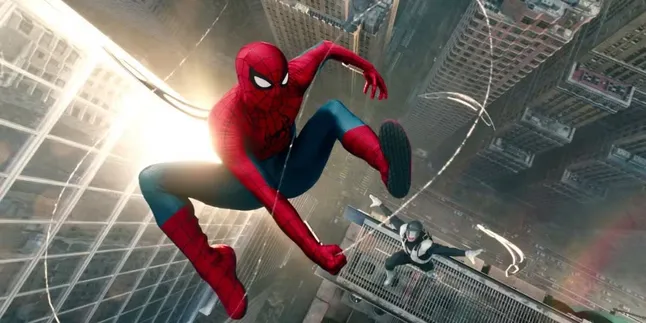
Director of Spider-Man: Brand New Day, Destin Daniel Cretton, shares several details about the approach he used in working on the latest Spider-Man film. He reveals how Peter Parker's story has become more mature, the inspiration from comics and games, and his collaboration with Tom Holland.

Recommendations for movies similar to Enola Holmes present stories of clever detectives, thrilling mysteries, and exciting adventures. Check out 9 films that must be on your watch list.
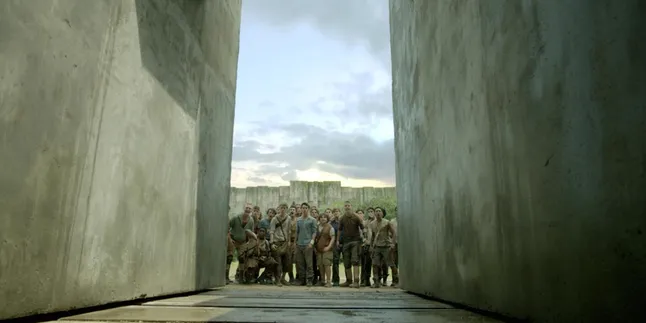
10 movie recommendations that will surely satisfy your desire for intense and captivating dystopian stories with heroic teenage characters.
Synopsis of THE EQUALIZER, the action of Robert McCall against the Russian mafia airs on TV tonight.
Recommendations for films set in the world of models and beauty with stunning visuals and stories full of ambition and glamour.
The film POWER BALLAD presents an exciting musical drama about Rick Power and Danny Wilson. Who is the real owner of the hit song? Check out the synopsis, cast, and interesting facts!
7 films featuring artificial monsters born from biological mutations and dangerous scientific experiments.
