Kapanlagi.com - The genre of Korean political thriller films has evolved into one of the most watched and appreciated internationally, with cinematic abilities that capture the complexities of power struggles, systemic corruption, and the sacrifices of ordinary people in the face of authoritarian regimes and greedy elites.
Korean films with political themes are not only entertaining but also touch on fresh historical wounds, presenting true stories about how ordinary individuals with extraordinary courage confront systems that are much larger and stronger than themselves, thus creating deep emotions and making the audience truly feel anger at the injustices portrayed on screen.
This article presents five recommendations for the most popular Korean films that can evoke anger against centralized and corrupt power, each with a synopsis explanation, historical context, and key aspects that make the audience feel infuriated with its political system.
From stories of assassinated Presidents to suppressed student movements, from KCIA intrigues to international nuclear crises, these five films showcase various dimensions of the struggle against irresponsible and brutal power in the dark historical context of South Korea.
1. The Man Standing Next (2020)
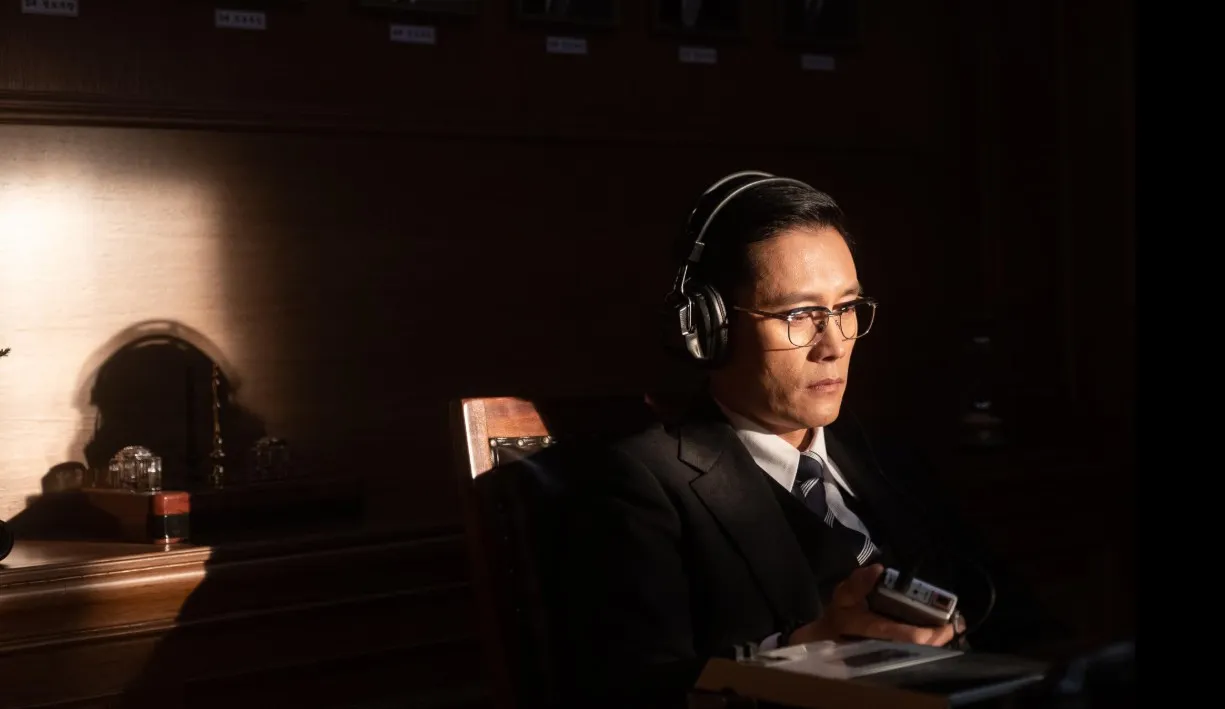
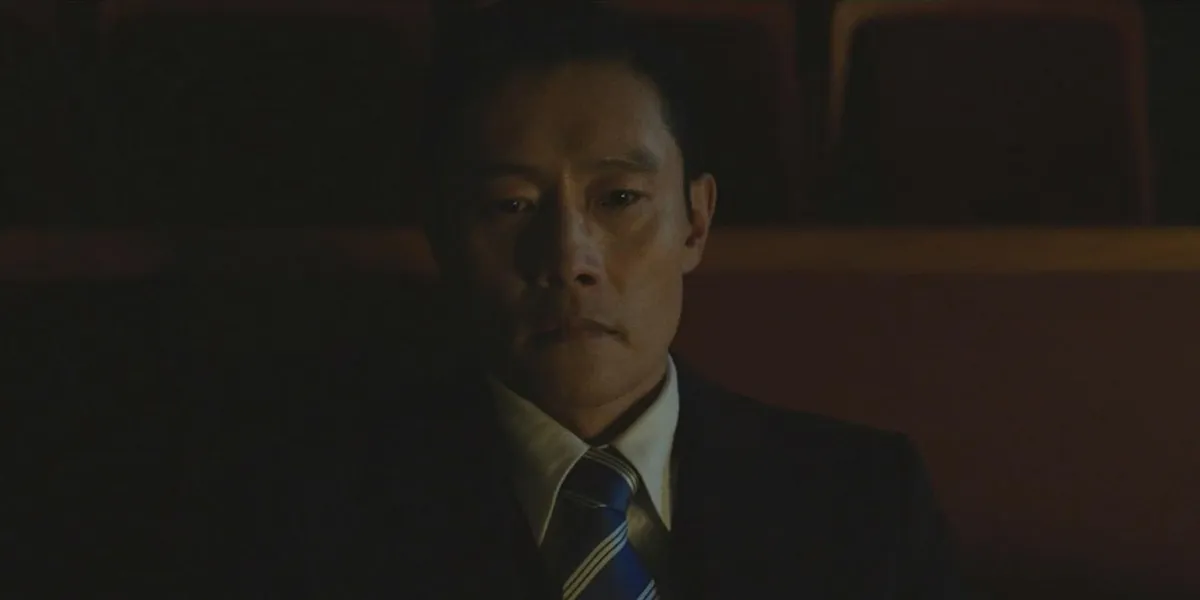
The Man Standing Next (2020) (imdb.com)
The film "The Man Standing Next" is a masterpiece that highlights one of the most controversial events in South Korean history, namely the assassination of President Park Chung Hee in 1979, by telling the political story from the perspective of high-ranking officials and members of the KCIA who were involved in the increasingly tense power dynamics during the forty days leading up to the tragic event. Through the viewpoint of characters such as the KCIA director played by Lee Byung-hun, the film showcases how ambition, fear, and political intrigue create an atmosphere filled with psychological tension and moral dilemmas that cannot be resolved easily.
The most infuriating aspect of this film is how the South Korean political system during the Park Chung Hee era is depicted as a dying hospital, where everyone is moving to save themselves while harboring dangerous secrets that could shake the entire nation. The assassination of the president, initially viewed as a coup or an accident, is revealed to have complex layers of power competition, fragile loyalties, and decisions made by leaders lacking moral integrity.
2. A Taxi Driver (2017)
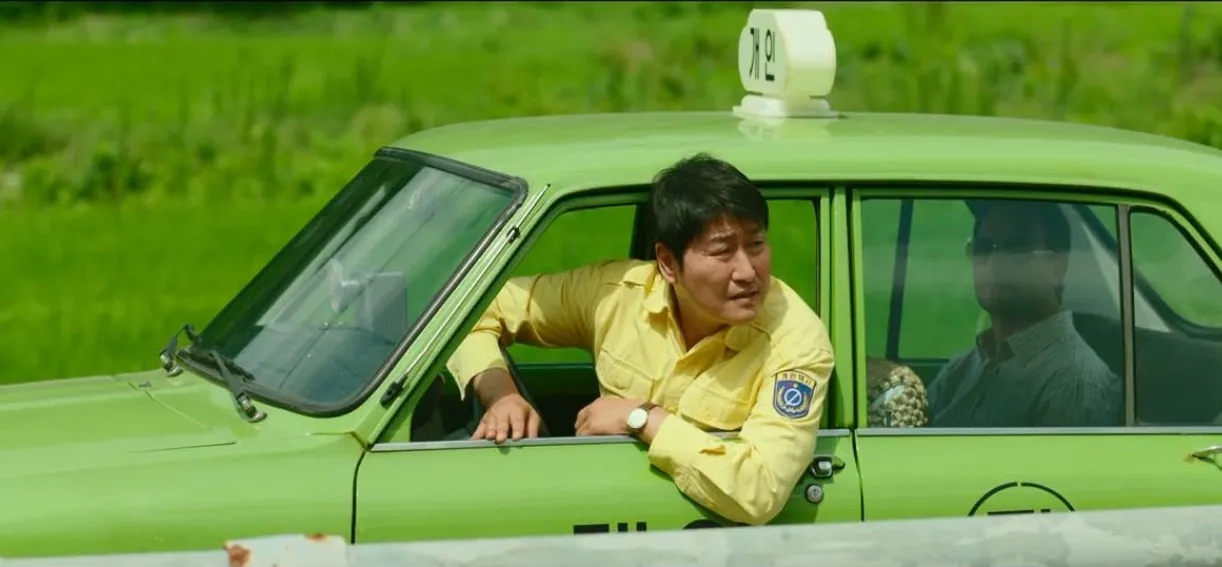
A Taxi Driver (2017) (imdb.com)
"A Taxi Driver" is a touching and thought-provoking film that tells the true story of an ordinary taxi driver who inadvertently becomes involved in the events of the Gwangju Uprising in 1980, when a German journalist named Peter Hinzpeter hires his taxi to reach the city of Gwangju, which had been closed off by the government and filled with soldiers due to ongoing pro-democracy student demonstrations. Their journey illustrates the courage of a single father struggling just to earn money for his family, yet unknowingly becoming a witness and participant in the heartbreaking government violence against civilians that shakes their moral consciousness.
The anger felt by the audience comes from the horrifying reality that the South Korean government at the time systematically suppressed information about what was happening in Gwangju, banning foreign journalists from entering, and using brutal violence against protesting students with the sole aim of maintaining their power, regardless of the lives of ordinary people. The audience will feel truly outraged when watching how state security institutions cared more about the government's image than about the safety of civilians, and how the truth was covered up in order to preserve a status quo filled with corruption and tyranny.
3. 1987: When the Day Comes (2017)
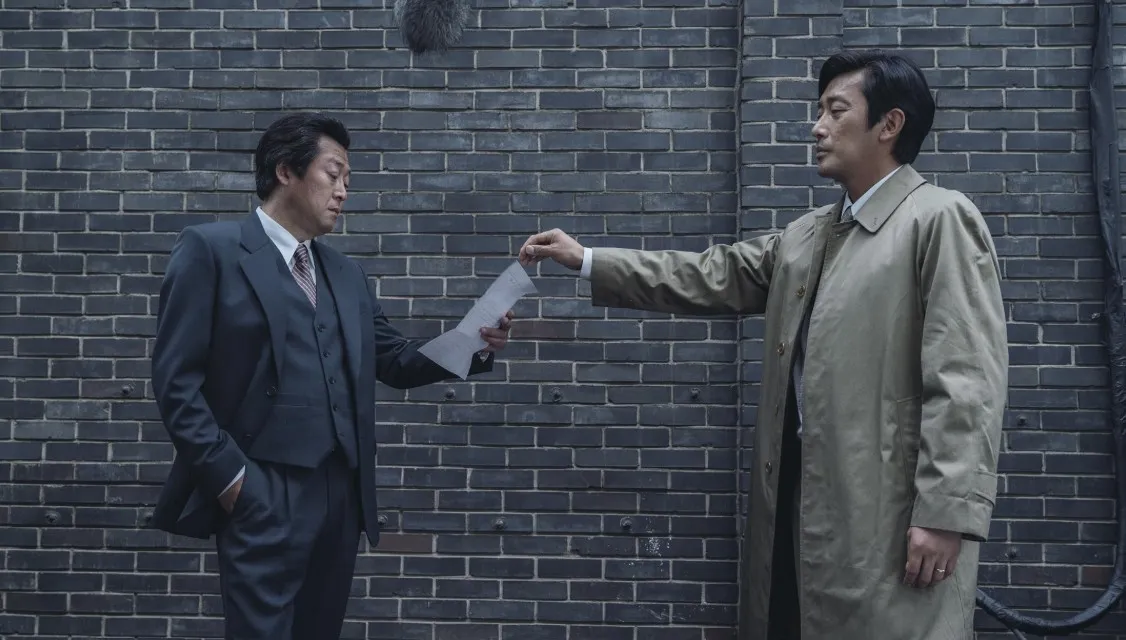
1987: When the Day Comes (2017) (imdb.com)
The film "1987: When the Day Comes" is a very powerful production that presents the true story of the June 1987 Democracy Movement, where a student activist named Park Jong-chul was arrested by the police for his participation in pro-democracy demonstrations against the military regime of President Chun Doo-hwan, and was then brutally tortured to a tragic death during a mysterious interrogation session. The government tried to cover up Park Jong-chul's death by making false claims that he died of a heart attack, but this cover-up effort instead triggered investigations by prosecutors, the media, and the public who refused to accept the official lies from the authorities.
What is most infuriating about this film is the systematic portrayal of how the authoritarian regime uses state apparatus to oppress, torture, and kill civilians who dare to demonstrate, and then attempts to cover up their crimes with government propaganda and intimidation against anyone who dares to seek the truth. Every character in the film, from the police commissioner who protects his colleagues, to the prosecutor who tries to fight the system, to the prison guard whose conscience begins to awaken, illustrates how absolute power corrupts absolutely and how the courage of small individuals becomes the only hope for change.
4. Steel Rain (2017)
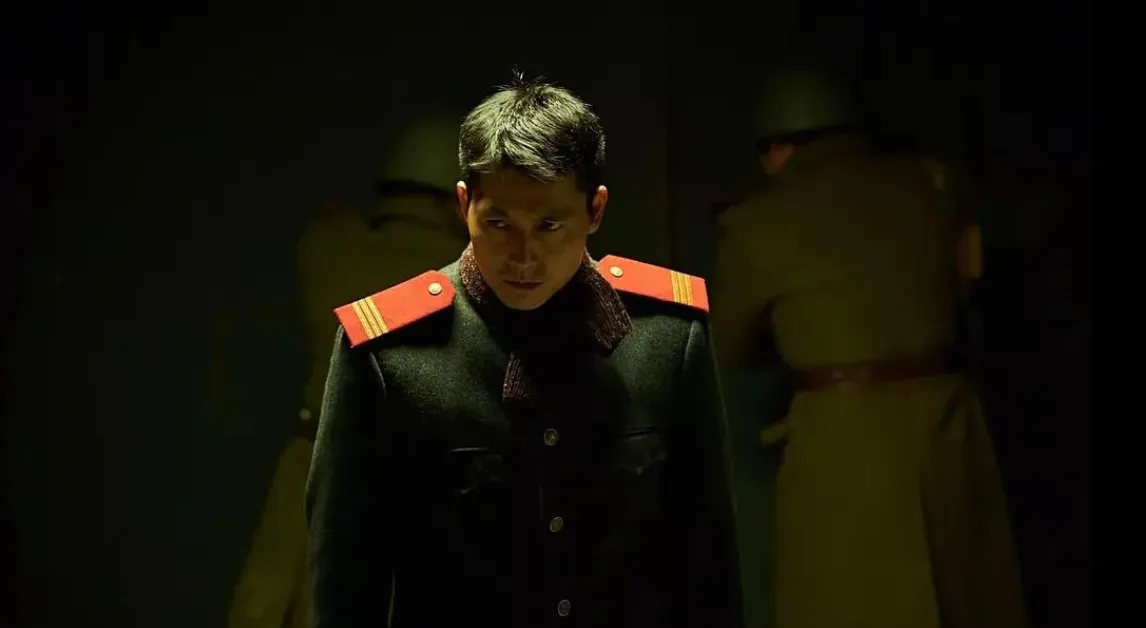
Steel Rain (2017) (imdb.com)
"Steel Rain" is an action thriller film that combines elements of war, diplomacy, and nuclear threats in a way that makes the audience truly feel the geopolitical tension between South Korea and North Korea, set against a backdrop of power rivalry and military capabilities that threaten the safety of the entire region. This film presents a scenario of warfare that could occur if misunderstandings or intentional actions by those in power take place, and how ambitious and unwise national leaders can lead millions to their deaths merely for the sake of their own power and ideology.
The aspect that makes the audience feel enraged is how this film shows that in the international power system, the lives of ordinary people become collateral in the geopolitical chess game played by leaders who do not consider the consequences of their decisions. Every exchange of dialogue between the leaders of South Korea and North Korea in this film depicts arrogance, distrust, and an obsession with power that can threaten entire fleets of warships, millions of soldiers, and innocent civilians.
5. Steel Rain 2: Summit (2020)
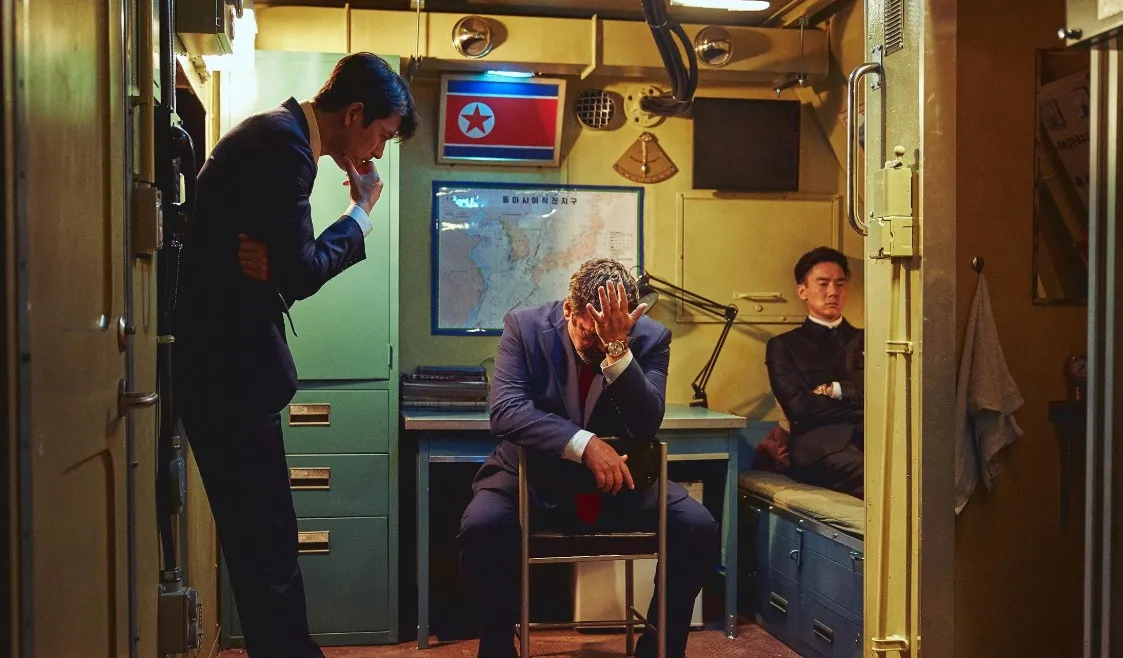
Steel Rain 2: Summit (2020) (imdb.com)
"Steel Rain 2: Summit" is a standalone sequel that is more intense and complex, telling the story of a summit meeting between South Korea, North Korea, and the United States disrupted by a coup, where the three leaders of the countries are kidnapped and held in a North Korean nuclear submarine as part of a military plan designed to trigger war and regime change. The film showcases how one mistake or one wrong decision by the ruling leaders can spark a nuclear war that would devastate the entire region and kill millions without a clear reason except for their personal power interests and ideologies.
The anger felt by the audience comes from the reality revealed by the film that the leaders of the country, who are supposed to be the defenders of their people, instead become prisoners and victims of their own ambitions, while the younger generation of soldiers and guards are forced to commit acts that violate humanity in loyalty to the leaders who have controlled them. The film illustrates how the strict military and political power structures leave individuals with no choice but to follow orders from their superiors, even when they know those orders will lead to mass death and destruction.
6. Questions and Answers About Korean Films with Political Themes
Q: Which Korean political-themed film is the most watched globally?
A: "A Taxi Driver" (2017) is the highest-grossing Korean political-themed film, reaching $87.1 million, and it was South Korea's submission for the Academy Award.
Q: Are all these films based on true stories?
A: Yes, all five of these films are based on real events from South Korean history, although some characters and dialogues may be fictional.
Q: How long is the typical duration of Korean political-themed films?
A: The duration of these films ranges from 114 to 139 minutes, with an average of about 130 minutes.
Q: Which film is most suitable for beginners wanting to understand Korean history?
A: "A Taxi Driver" is the best choice for beginners because it has a simpler narrative and focuses on the perspective of a relatable main character.
Q: Are there any newer Korean political-themed films from 2020?
A: Yes, Netflix is producing "The Generals," which will tell the story of Roh Tae-woo and Chun Doo-hwan, directed by Yoon Jong-bin.
Q: What makes Korean political-themed films different from American thrillers?
A: Korean political-themed films focus more on real stories and national historical trauma, while American films tend to use fiction and entertainment value more.
Q: Are these films available on international streaming platforms?
A: Yes, most of these films are available on Netflix, Amazon Prime, and other streaming platforms that provide Korean content.
(kpl/ank)
Disclaimer: This translation from Bahasa Indonesia to English has been generated by Artificial Intelligence.


 Follow
 Rekomendasi