

 Follow
 Rekomendasi
Prayer and Dhikr of Nifsu Syaban Along with Its Practices
To know the reading of the prayer and dhikr of Nisfu Syaban, its practices, and its virtues, just check out the following review:
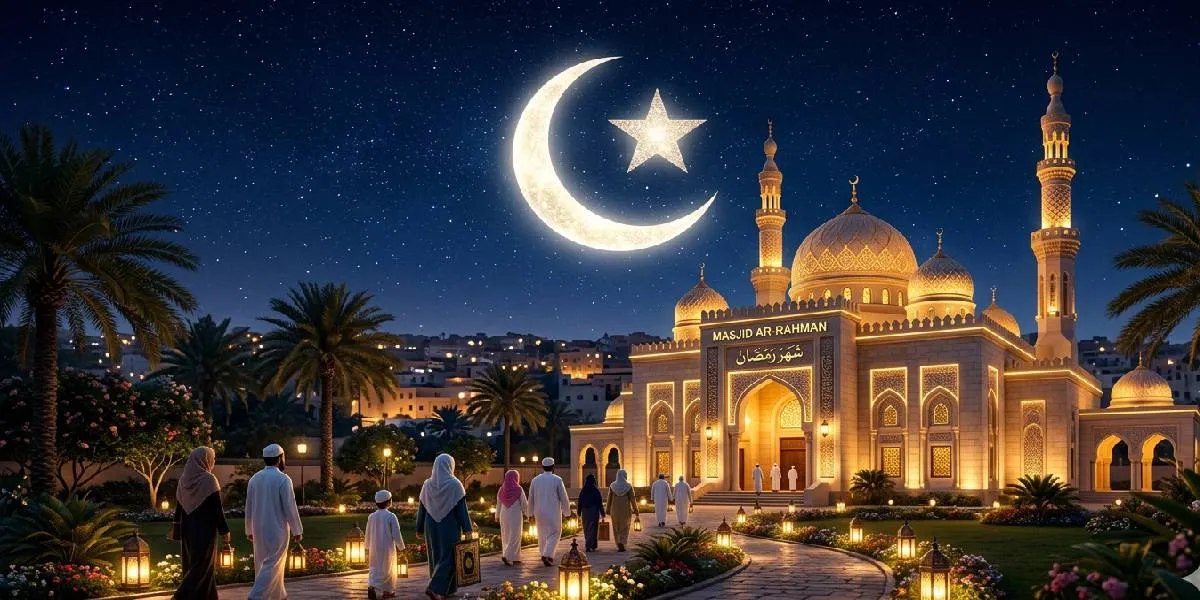
Kapanlagi.com - The virtues of tarawih prayer and the night prayer on the 15th of Ramadan serve as an important reminder that as we enter the night of the 15th of Ramadan 1447 H, the spirit of worship must not wane. It is precisely at this midpoint that we need to strengthen our worship and faith so that the blessings of Ramadan can be maximally attained, both outwardly and inwardly.
The tarawih prayer is not just a nighttime routine, but a means to draw closer to Allah SWT with the abundant rewards and forgiveness promised. On the other hand, increasing supplications on the night of the 15th of Ramadan is also an important step to knock on the door of mercy and attain the pleasure of Allah SWT with a more sincere heart.
The night of the 15th is often referred to as a phase of reflection, when Muslims reassess the quality of worship that has been performed since the beginning of Ramadan. Check out the virtues of the tarawih prayer and the night prayer on the 15th of Ramadan below so that KLovers can maximize every second of worship in this holy month full of glory.
You can also check the latest information about the entertainment world at Liputan6.com.
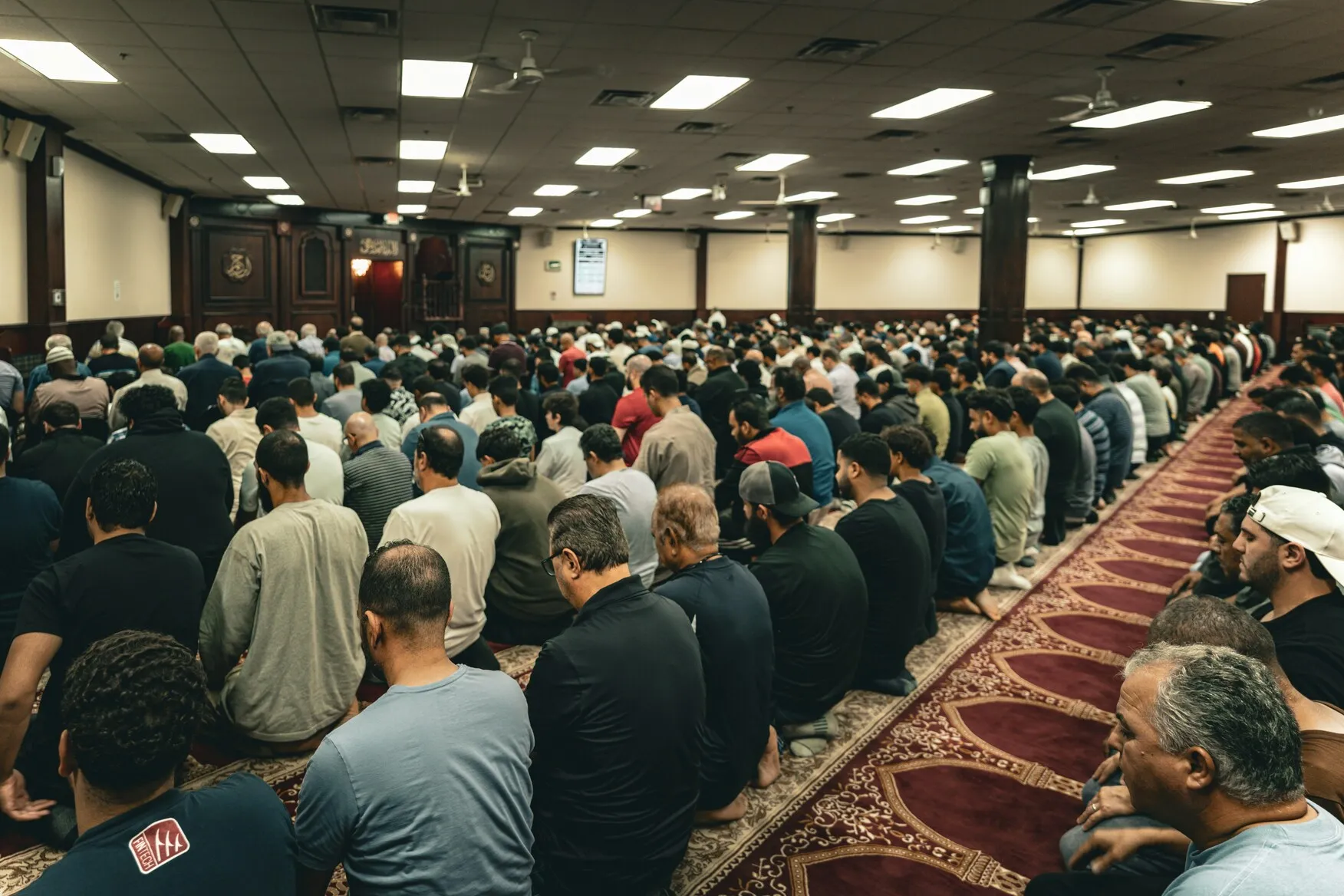
muslim tarawih/image by unsplash
The Tarawih prayer is a Sunnah worship performed by Muslims every night during the month of Ramadan and is known as a special opportunity to deepen the inner relationship with Allah SWT during Ramadan. It is performed after the Isha prayer, filling the holy nights with prayers and remembrance of Allah.
Etimologically, "Tarawih" comes from the Arabic word "tarwihah" which means rest. This name refers to the habit of the companions of the Prophet Muhammad SAW who would take a short break after every four rak'ahs.
In many traditions of Islam, the Tarawih prayer is not just a routine, but a symbol of spiritual joy during Ramadan because each rak'ah is an investment of reward and an opportunity to erase sins with faith and hope for rewards from Allah SWT. This worship is viewed as a highly recommended mu'akkad Sunnah to be performed in congregation or alone, with extraordinary rewards promised in the teachings of the Prophet Muhammad SAW.
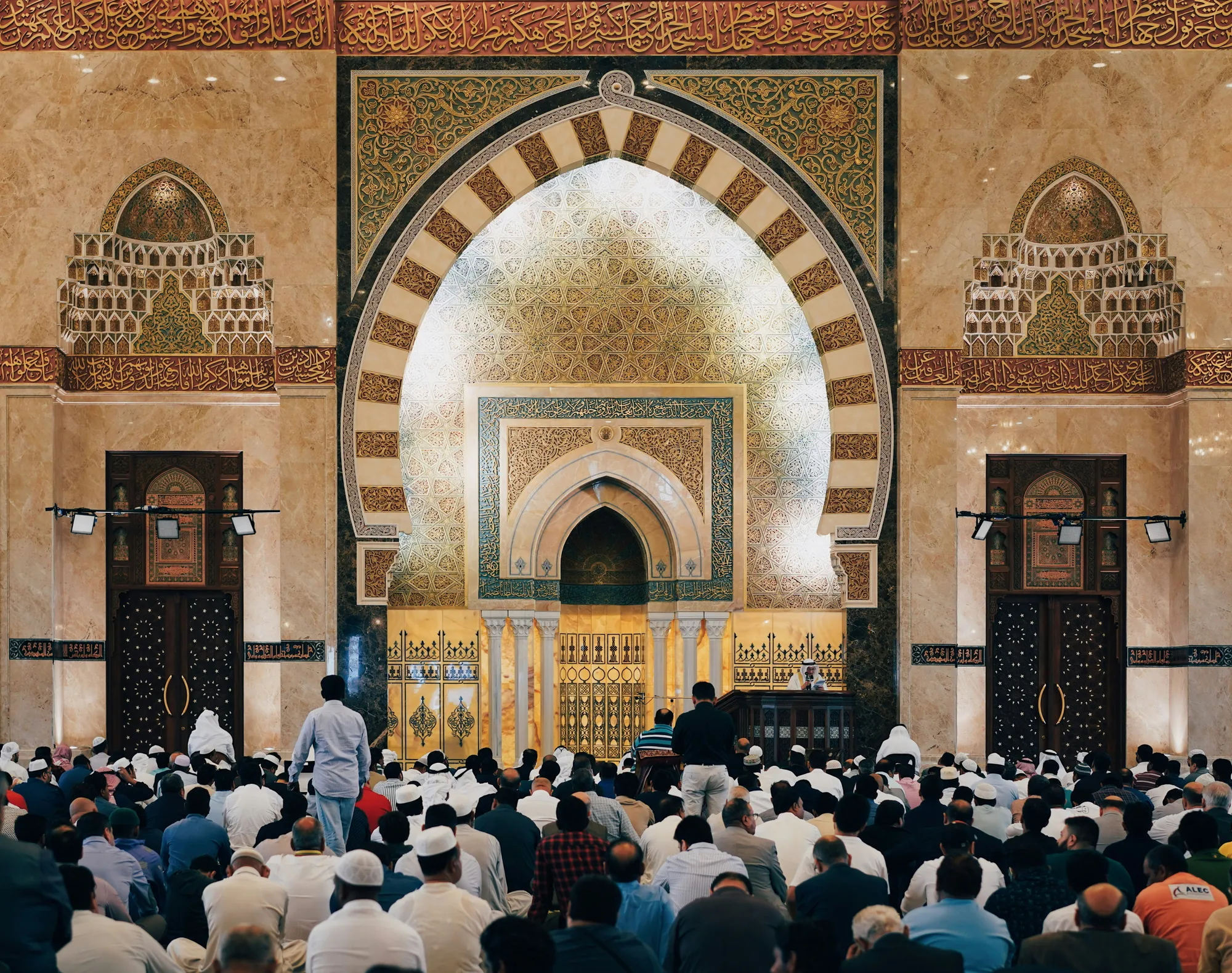
tarawih night//image by unsplash
Indeed, the Tarawih prayer is not just an ordinary night prayer as it is one of the most valuable practices of Ramadan because it contains great rewards and various spiritual benefits:
The Tarawih prayer has extraordinary virtues that promise rewards for anyone who performs it with full faith. One of its main virtues is the forgiveness of past sins. The Messenger of Allah (SAW) said:
Ù�Ù�Ù�Ù� Ù�Ù�اÙ�Ù� رÙ�Ù�Ù�ضÙ�اÙ�Ù� Ø¥Ù�Ù�Ù�اÙ�Ù�ا Ù�Ù�اØÙ�تÙ�سÙ�ابÙ�ا غÙ�Ù�Ù�رÙ� Ù�Ù�Ù�Ù� Ù�Ù�ا تÙ�Ù�Ù�دÙ�Ù�Ù�Ù� Ù�Ù�Ù�Ù� Ø°Ù�Ù�Ù�بÙ�Ù�Ù�
�Whoever performs the night prayer of Ramadan out of faith and hoping for reward, then his past sins will be forgiven.� (HR. Bukhari & Muslim)
This hadith is often used as the main basis that every rak'ah of Tarawih performed with sincere intention becomes a means of erasing minor sins, and even becomes the starting point for purifying oneself to return to one's original state
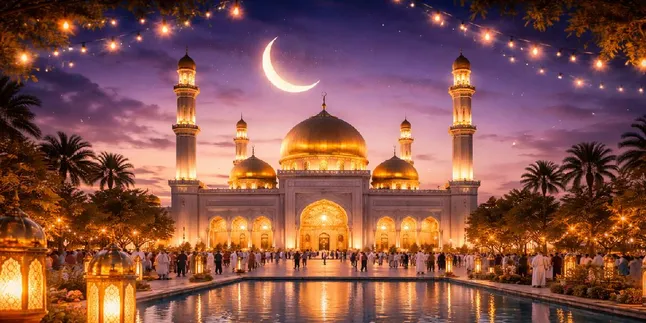
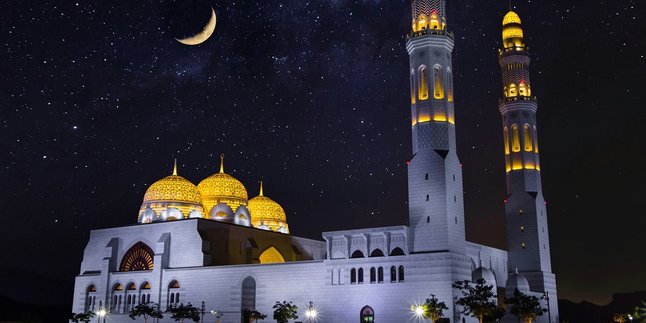
mosque moon star//image by AI
Performing Tarawih prayer in congregation with the imam until completion will be recorded as having the reward of praying all night long. This is a strong encouragement for Muslims not to abandon congregational Tarawih. It is also narrated that the Prophet Muhammad (SAW) said:
“Whoever performs the Tarawih prayer with the imam until it is completed, will have the reward recorded for him as if he prayed all night long.” (HR. Tirmidhi, Abu Daud)
This shows that the virtue of congregational prayer amplifies the reward, enriching the spiritual experience of the nights of Ramadan, making it feel more focused and meaningful.
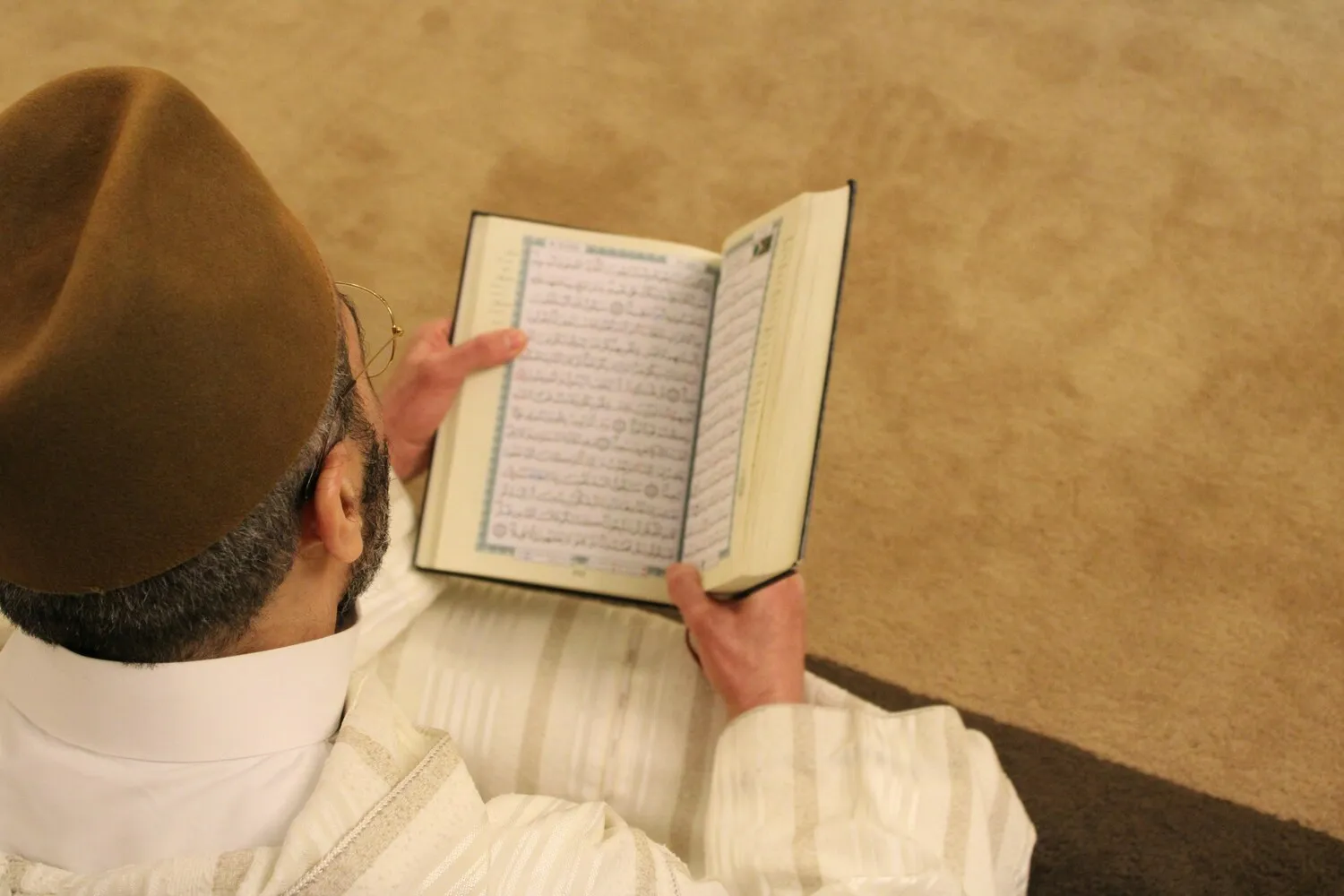
reading quran/image by unsplash
Consistency in performing Tarawih enhances one's inner closeness to Allah SWT. Scholars refer to the night prayers in Ramadan as a form of minor jihad at home, stitching faith during the day of fasting and nurturing piety at night.
Tarawih throughout Ramadan trains the community to be steadfast and patient, especially when the body is tired after fasting all day. This patience becomes a strong provision for spiritual and social life beyond Ramadan.
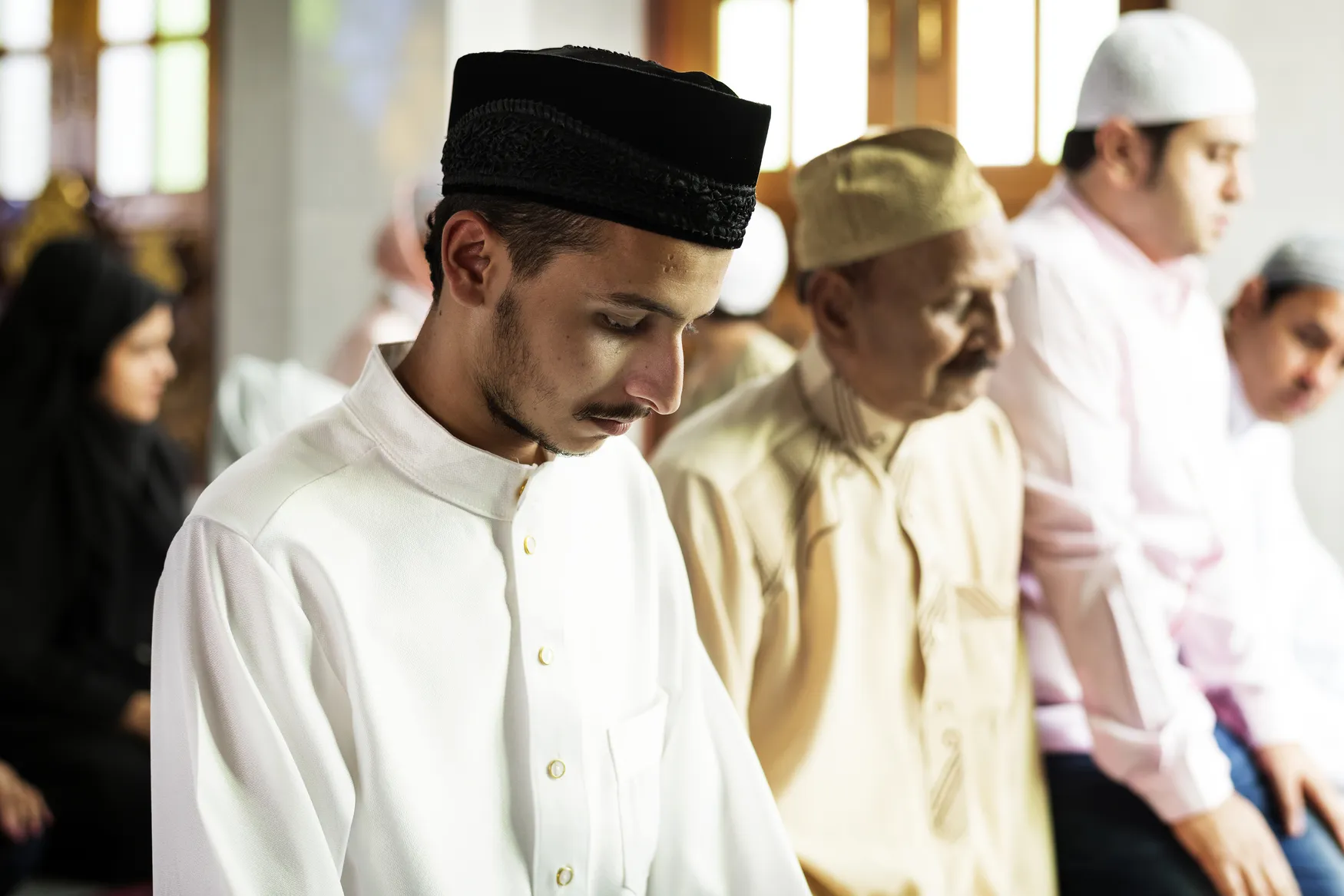
congregational prayer//image by freepik
According to the classical book Durratun Nasihin by Sheikh Usman bin Hasan bin Ahmad Asy-Syakiri al-KhŻawi, specifically on the night of the 15th, the angels, the angels who support the Throne, and the angels who guard the Chair of Allah SWT ask for forgiveness for those who perform the tarawih prayer, so their prayers are raised by the most noble creatures in the sight of Allah.
The wording is as follows.
"On the Tarawih prayer on the fifteenth night, the angels, the angels who support the Throne and the angels who guard the heavenly kingdom will ask for forgiveness for him."
This is certainly not just motivation but a reminder that the virtue of each tarawih night has a different spiritual value, and the degree of reward in the midst of Ramadan continues to strengthen like a light that keeps increasing.
praying tarawih//image by unsplash
In addition to tarawih, we are also encouraged to increase our prayers directed to Allah SWT. Because, this prayer is the weapon of the believers and has a great chance of being granted.
According to the page of the Ministry of Religious Affairs of the Republic of Indonesia, there is a prayer for the night of the 15th of Ramadan that should be recited to gain the pleasure, glory, and blessings from Allah. The purpose of this prayer is also to seek forgiveness for all sins and so that we can always practice repentance sincerely. The reading is as follows:
Arabic: اÙ�Ù�Ù�Ù�Ù�Ù�Ù�Ù�Ù� ارÙ�زÙ�Ù�Ù�Ù�Ù�Ù�Ù� Ù�Ù�Ù�Ù�Ù�Ù� Ø·Ù�اعÙ�Ø©Ù� اÙ�Ù�Ø®Ù�اشÙ�عÙ�Ù�Ù�Ù�Ù�Ø� Ù�Ù�اشÙ�رÙ�ØÙ� Ù�Ù�Ù�Ù�Ù�Ù� صÙ�دÙ�رÙ�Ù�Ù� بÙ�Ø¥Ù�Ù�Ù�ابÙ�Ø©Ù� اÙ�Ù�Ù�Ù�Ø®Ù�بÙ�تÙ�Ù�Ù�Ù�Ù�Ø� بÙ�Ø£Ù�Ù�Ù�اÙ�Ù�Ù�Ù� Ù�Ù�ا Ø£Ù�Ù�Ù�اÙ�Ù� اÙ�Ù�Ø®Ù�ائÙ�Ù�Ù�Ù�Ù�Ù�Ù�
Latin: Allâhummar zuqnî fîhi thâ'atal khâsyi'în, wasyrah fîhi shadrî bi inâbatil mukhbitîn, bi amânika yâ amânal khâ'ifîn.
Meaning: "O Allah, grant me in the month of Ramadan the obedience of the servants. Expand my chest in the month of Ramadan, with sincere repentance. O Giver of safety to those who fear".
Tarawih prayer is not just a nightly routine because it is a path to forgiveness, closeness to Allah SWT, and a field of rewards that continue to grow each night. Hadith and classical texts testify that this worship brings purity of heart, forgiveness of sins, and a habit of istiqomah that enriches our spiritual life.
The 15th night of Ramadan is a special time because the angels pray for us, our prayers are answered, and our hearts are more open for self-reflection. May every tarawih night that KLovers experience become a provision of faith that lasts not only in Ramadan but throughout the year.
What is Tarawih Prayer? Tarawih prayer is a Sunnah worship performed every night during the month of Ramadan after the Isha prayer.
What is the correct number of rakats for Tarawih prayer according to Sharia? The number of rakats for Tarawih prayer varies among scholars, being either 8 rakats or 20 rakats, and both have valid narrations.
What are the virtues of Tarawih Prayer? The virtues of Tarawih prayer include forgiveness of sins, drawing closer to Allah, and multiplied rewards when performed in congregation.
What is the prayer recited on the 15th night of Ramadan? The prayer for the 15th night of Ramadan is: 'O Allah, grant me in the month of Ramadan the obedience of the servants...'
Why is the 15th night of Ramadan special? The 15th night of Ramadan is special because the angels ask for forgiveness for those who perform the Tarawih prayer.
Want to know the latest news about the entertainment world? Check it out directly at Kapanlagi.com. If not now, when?
(kpl/mda)
Cobain For You Page (FYP) Yang kamu suka ada di sini,
lihat isinya
To know the reading of the prayer and dhikr of Nisfu Syaban, its practices, and its virtues, just check out the following review:
The virtues of Ramadan fasting include multiplied rewards, forgiveness of sins, the chaining of devils, and the Night of Decree (Lailatul Qadar).
The intention of fasting Ramadan 2026 is an important matter that needs to be understood from the beginning so that Muslims can perform the fasting worship with confidence and a prepared heart. Let's check out the reading!
The complete sahur prayer for 2026 has started to be widely discussed among Muslims as we will soon welcome the month of fasting Ramadan 1447 H. Check out the Arabic, Latin, and its meaning below.

Jibril's Salawat is one of the salawat that can be practiced by Muslims. Below are the lyrics and translation of Jibril's salawat.
The fasting schedule for 2026 has started to become a topic of discussion as the government and various official religious institutions have made predictions about the Hijri calendar, although the final decision still awaits the isbat session to determine the start of Ramadan. Read more.
The Imsak Schedule 2026 has been officially released by the Ministry of Religious Affairs of the Republic of Indonesia, serving as a crucial guide for Muslims across the country. Knowing the Imsak schedule accurately is important to ensure that fasting is maximized.
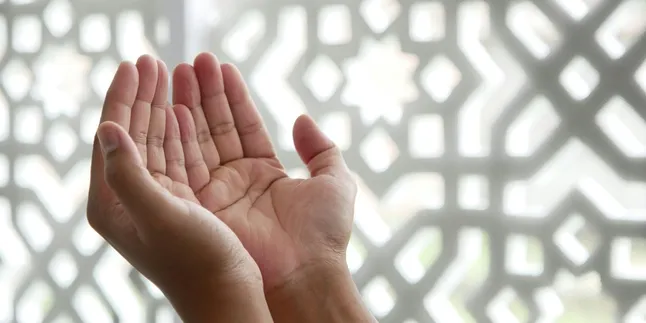
A guide to the dua for breaking the fast during Ramadan according to Sunnah, with the phrases and its virtues in enhancing the gratitude of Muslims.
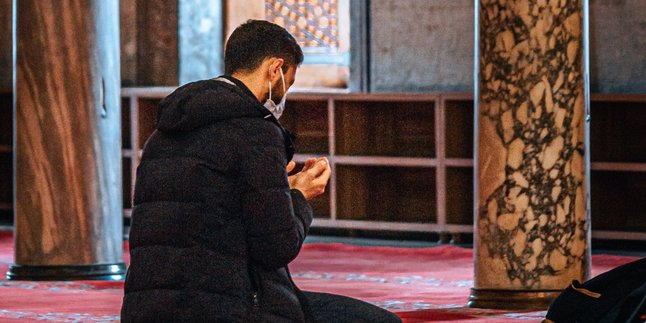
Lailatul Qadar, a night full of blessings that is not bound by a specific time, occurs during the last ten odd nights of Ramadan.
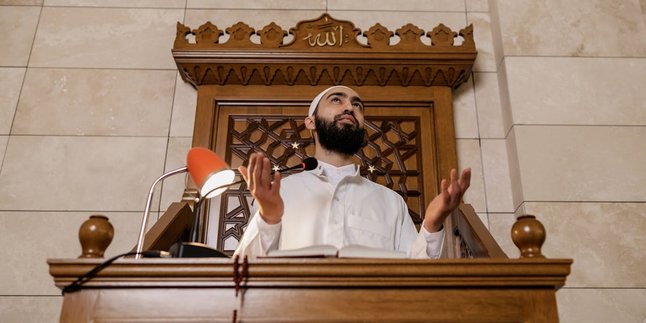
For those who want to know the prayer of Angel Gabriel on Eid al-Fitr. Here is a further explanation of the prayer and how we can practice it.
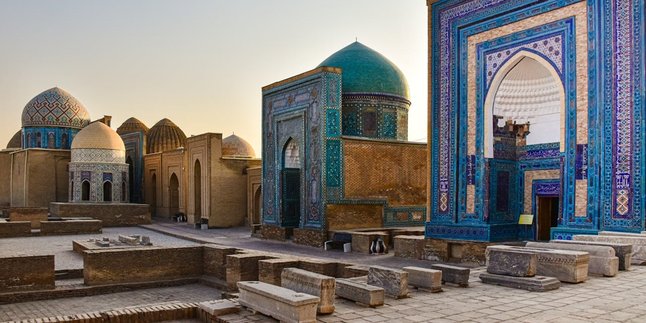
The prayer for visiting the grave of parents during Eid is not just a tradition, but also a form of hope that they may find the best place beside Allah SWT. For those who want to know, here is the prayer for visiting the grave of parents during Eid complete with its meaning and etiquette.
The Night of Lailatul Qadar, a night filled with blessings, has enchanting signs such as a calm atmosphere, a peaceful heart, ease in worship, and the soft glow of the rising sun.
