

 Follow
 Rekomendasi

7 Design Mistakes in the Wash Area That Make the Kitchen Damp Quickly, Don't Ignore It
An improper wash area can make the kitchen more humid and trigger mold. Recognize the seven common design mistakes to keep the kitchen dry.
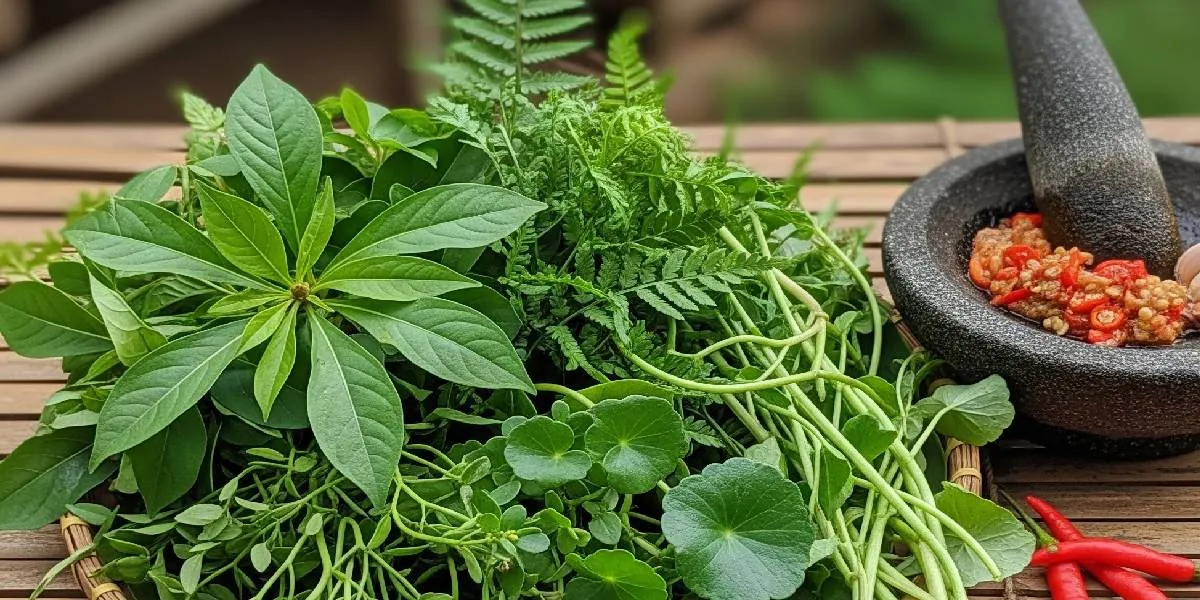
Kapanlagi.com - Wild plants for lalapanare still part of the culinary culture in various regions of Indonesia. Various types of leaves that grow naturally in rice fields, gardens, riverbanks, and backyards are utilized as complements to daily meals because they are easy to obtain and have a distinctive flavor.
Some of these plants can be eaten directly after being washed clean, while others are often boiled first to soften their texture or reduce their bitterness. This practice has been passed down through generations, especially in the regions of Java Island and parts of Sumatra.
In addition to providing a different taste sensation for each type, wild plants also show how communities utilize natural food sources in their environment. Here are some wild plants that are still frequently used as lalapan.
Pohpohan is known as one of the plants closely associated with the traditional Sundanese salad. This plant grows abundantly in mountainous areas, moist gardens, and along forest edges, making it easy to find in nature.
Its leaves are typically served fresh with sambal and various side dishes such as salted fish, fried chicken, or fish pepes. The distinctive aroma of pohpohan is one reason why this plant is favored as a salad.
In addition to being used as a complement to dishes, pohpohan also contains fiber, vitamins, and minerals. The ongoing demand has led to the cultivation of this once-wild plant, especially in West Java.
Sintrong is a wild plant commonly found in rice fields, gardens, and open lands. Although often regarded as a weed, its young leaves have long been utilized by the community as salad ingredients.
Sintrong leaves can be eaten after being thoroughly washed or briefly boiled before serving. They have a slightly bitter taste, which actually becomes a characteristic that many enjoy when paired with spicy sambal, warm rice, and fried fish.
Besides being eaten as a salad, sintrong is also often cooked into clear vegetable soup or simple stir-fries. This plant is usually easier to find during the rainy season, making it one of the sources of natural vegetables in rural areas.
Kenikir is not only planted in yards but also grows wild in vacant lots, gardens, and along roadsides. Its young leaves are a popular choice for fresh vegetable dishes in various regions.
In its preparation, kenikir is usually boiled for a few minutes. This method softens its texture without eliminating the distinctive aroma that is its main characteristic.
Besides being a fresh vegetable, kenikir often complements traditional dishes such as urap and pecel. Its easy availability makes this plant widely utilized as a daily vegetable.
Pegagan is easily recognized by its round leaves that resemble small fans. This plant grows creeping in moist soil, especially around rice fields, gardens, and the edges of water channels.
Some people prefer to enjoy pegagan as a fresh vegetable because it has a light taste with a slight bitterness. Others boil it first to make its texture softer and more pleasant to eat.
In addition to being used as a dish complement, pegagan has long been known in traditional medicine. Therefore, this wild plant is still often picked to meet various daily needs.
Purslane grows abundantly in the gaps between stones, in home gardens, and in open land. Although often regarded as a weed, its young leaves can be processed into fresh salads or simple vegetables.
The leaves have a thick, crunchy texture and are slightly juicy. Its flavor is fresh with a hint of light acidity, making it suitable to be paired with sambal, grilled fish, or typical home-cooked side dishes.
For those not accustomed to consuming it raw, purslane leaves can be briefly boiled first. This method helps to soften the texture before serving.
Genjer grows wild in rice fields, swamps, and shallow water. This plant has long been utilized by the community as one of the traditional food sources that is easily obtainable in the surrounding environment.
The young leaves and stems are generally boiled before being served as a salad. Boiling is done to reduce the distinctive aroma while also making the texture softer when enjoyed with sambal and warm rice.
In addition to being a salad, genjer is also often cooked as a simple stir-fry with added garlic and chili. Nevertheless, many people still prefer boiled genjer as a complement to traditional dishes.
Fern shoots grow abundantly in forest areas, damp gardens, and along riverbanks. The young shoots have a soft texture, making them a popular choice for vegetables and side dishes.
Before serving, fern shoots are usually boiled for several minutes until tender. After that, this side dish is enjoyed with shrimp paste sambal, tomato sambal, or onion sambal.
In various regions of Indonesia, fern shoots remain a traditional food ingredient that is quite popular. Even after boiling, their texture remains crispy, making them a favored complement to daily meals.
Water hyacinth leaves grow naturally in rice fields and areas with shallow water. Although not as popular as kenikir or pohpohan, this plant is still used as a side dish by people in several regions.
The young leaves are generally boiled first before being served. This process softens their texture, making them suitable to be enjoyed with sambal, salted fish, or simple rural side dishes.
The utilization of water hyacinth leaves is an example of the community's habit of using plants that grow in their surroundings. This tradition continues to thrive as part of the local culinary wealth.
Not only the fruit can be enjoyed, but the young shoots of the kedondong leaves are also often used as a side dish in several regions. The young leaves have a soft texture, making them pleasant to eat with various types of side dishes.
Some people prefer to consume them fresh after washing them thoroughly. Others briefly boil them to reduce the astringent taste while also making their texture softer.
Young kedondong leaves often appear as a complement to traditional village meals. Their presence provides a side dish option with a different flavor compared to other types of leaves.
Bunut leaves are one of the traditional side dishes that are becoming increasingly rare, especially in urban areas. However, in some rural areas, the young leaves are still picked directly from the tree to complement daily meals.
Young leaves can be eaten fresh after being thoroughly washed. Some communities also prefer to boil them first to soften the texture before combining them with sambal and home-cooked side dishes.
Although not as popular as some other types of side dishes, bunut leaves remain a part of Indonesia's biodiversity that is utilized as a source of natural food. This tradition shows that there are still many wild plants with culinary value that continue to be used to this day.
(kpl/mda)
Cobain For You Page (FYP) Yang kamu suka ada di sini,
lihat isinya
An improper wash area can make the kitchen more humid and trigger mold. Recognize the seven common design mistakes to keep the kitchen dry.

Although he cannot attend due to his concert tour, Harry Styles is still on the guest list for Taylor Swift's wedding, which is said to be filled with top celebrities.

Creating a small garden in a narrow yard with a budget under Rp 200 thousand can be done by utilizing used items, inexpensive plants, and proper arrangement.

A grassless yard can still look beautiful with a combination of materials, plants, and decorative elements that are easy to maintain and comfortable to use.

Looking for a kitchen design with a dry garden that is easy to maintain? Check out eight inspirations for creating a comfortable, bright kitchen suitable for tropical homes.

Inspirations for wooden pergolas for backyards with various designs, from minimalist to multifunctional. Perfect for beautifying while also making outdoor areas more comfortable.

Looking for a house fence without sharp ends? Check out these seven design inspirations that prioritize child safety while enhancing the appearance of modern homes.

Learn about the types of letters based on function, purpose, security, and structure to make it easier to choose the right format for each need.

Want to update your kitchen without a big budget? Check out seven ways to renovate an old kitchen to look modern, tidy, and still budget-friendly.

The Exiled Heavy Knight Knows How to Game the System Hero officially premieres today. This fantasy anime tells the story of the "failed class" that turns out to be the strongest.

It has been three years since it was announced, this latest anime film from MAPPA studio still does not have an official release schedule, leaving fans curious.

The umrah worship that Ruben Onsu is currently undergoing is colored by extreme weather challenges. Read more about it here...
