Kapanlagi.com - Japandi-style homes are increasingly popular as they combine the simplicity typical of Japan with the comfort of Scandinavian design. This combination results in a clean, functional interior while also providing a warm atmosphere through the use of natural materials and neutral colors.
In addition to furniture and decorations, ornamental plants also play an important role in strengthening the character of Japandi homes. The presence of plants helps bring a natural vibe into the room while also serving as an element that adds visual balance without losing the minimalist impression.
The selection of plants for the Japandi concept generally considers leaf shape, texture, and their simple appearance. Plants with these characteristics can blend seamlessly with materials such as wood, stone, bamboo, linen, and wool, which are synonymous with Japandi design.
1. Plant Choices that Blend with the Japandi Concept
1. Sansevieria (Mother-in-law's Tongue)
Sansevieria is one of the easiest plants to recognize in Japandi-style interiors. Its upright, sword-like leaves create neat vertical lines that align with the minimalist design character.
In addition to its simple appearance, this plant is also known for being easy to care for. Sansevieria only requires watering every two to four weeks and can thrive well in low-light areas.
This ease of maintenance makes mother-in-law's tongue suitable for homeowners who want decorative plants without needing intensive attention.
2. ZZ Plant (Zamioculcas)
ZZ Plant has shiny green leaves with curved stems that add a natural touch to interiors. Its appearance harmonizes well with wooden, stone, and linen elements commonly used in Japandi homes.
This plant is known to be resistant to various environmental conditions, thus requiring no complicated care. For this reason, ZZ Plant is often chosen as a room decoration that still prioritizes functionality.
Its thick leaves also ensure that this plant remains visually appealing even when placed indoors.
3. Pothos
Pothos brings a green atmosphere without making the room feel crowded. Its simple leaf shape makes this plant easy to combine with various minimalist decorations.
This plant is also known to be easy to grow, making it suitable for beginners who are just starting to care for ornamental plants.
Pothos can be placed on tables, shelves, or hung as decoration to add a natural impression.
2. Artistic Leaf Plants to Accent the Room
4. Monstera Deliciosa
Monstera Deliciosa has large leaves with natural holes that are its hallmark. This shape can serve as a focal point in the room without losing a clean impression.
For optimal growth, this plant should be placed in an area that receives bright indirect light.
Watering should be done when the growing medium starts to dry out to maintain moisture.
5. Monstera Adansonii (Split-Leaf Philodendron)
Split-Leaf Philodendron offers visual character through its holey leaves that cover most of its surface. The thick texture of its leaves adds an artistic touch to the interior.
This plant is better suited to be placed in locations that do not receive direct sunlight.
Excessive light exposure can lead to suboptimal leaf conditions.
6. Fiddle Leaf Fig (Ficus Lyrata)
Fiddle Leaf Fig is known for its large leaf size, often serving as a main decorative element in room corners.
To harmonize with the Japandi concept, this plant can be paired with neutral-colored ceramic pots.
It is recommended to place it in an area that receives bright indirect light.
3. Ornamental Plants that Add a Soft Touch to Interiors
7. Peace Lily (Spathiphyllum)
The Peace Lily is one of the flowering plants that fits well with the Japandi concept because it has simple white flowers.
This plant can grow in low light areas, making it quite flexible to be placed in various rooms.
One of its characteristics is that the leaves will droop when the plant needs water, making it easier for the owner to know when to water.
8. Chinese Money Plant (Pilea Peperomioides)
The Chinese Money Plant has round leaves arranged on slender stems, creating a clean and symmetrical appearance.
Its relatively small size makes this plant suitable for placement on desks, shelves, or cabinets.
Its shape supports the Japandi character that emphasizes balance and simplicity.
9. Olive Tree (Olive Tree)
The Olive Tree brings a calm impression through its slender trunk and not too dense foliage.
This plant pairs very well with wooden interiors and a dominance of neutral colors.
For optimal growth, the olive tree requires a space that receives plenty of natural light.
4. Selection of Complementary Plants and How to Arrange Them
10. Indoor Palms
Various types of palms such as the yellow palm, Majesty Palm, Cascade Palm, and Comodoria Palm can beautify a Japandi-style home.
Their drooping leaves provide a natural texture without making the room look cluttered.
To maintain their condition, avoid placing palm plants in direct sunlight as it can cause the leaves to dry out.
11. Ficus Benjamina (Weeping Fig)
Ficus Benjamina has drooping branches with lush green leaves, giving a natural character to the interior.
This plant easily complements various elements of Japandi home decor.
In addition to being a room decoration, Ficus Benjamina is also known to help improve indoor air quality.
12. Succulents and Cacti
Succulents and cacti are choices for homeowners who want low-maintenance plants.
Their various shapes can provide decorative accents without losing the simplicity characteristic of Japandi.
Because they are resilient to dry conditions, both types of plants are suitable for placement on desks, shelves, or corners of the room with less frequent watering needs.
5. How to Arrange Plants to Keep a Japandi Home Harmonious
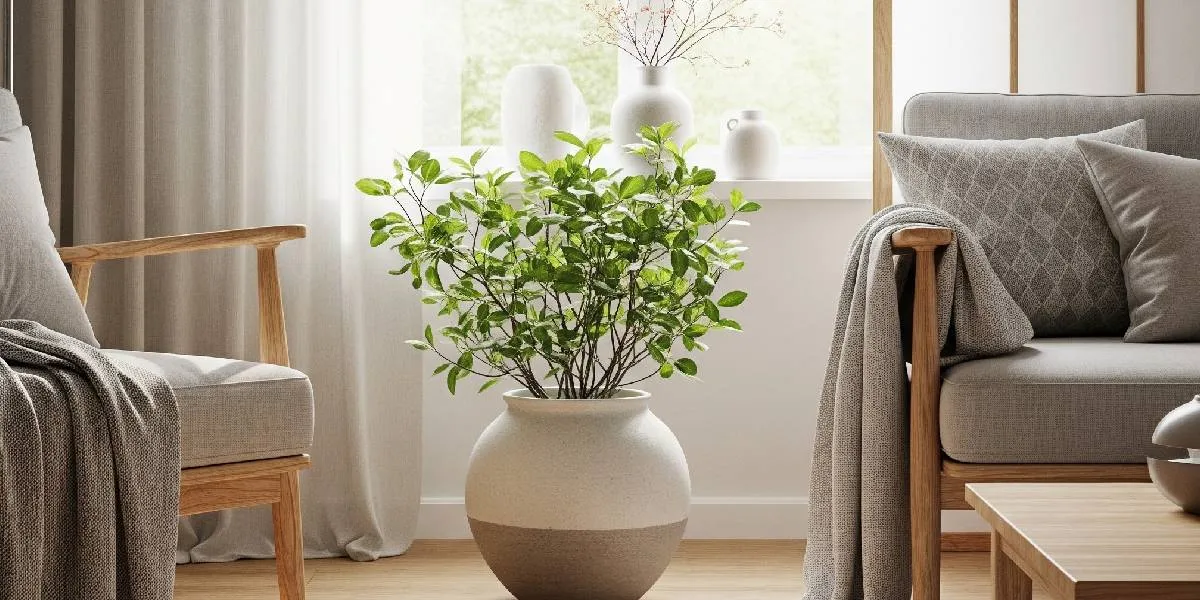
Not only choosing the type of plants, but their arrangement also determines the overall look of the room. It is better to use one main plant as a focal point in each room rather than grouping many small plants in one area.
The choice of pots also affects the final impression. Matte ceramic, natural stone, or terracotta pots in neutral colors will further enhance the natural character that is characteristic of Japandi.
Make sure each plant has enough space to stand out without making the room feel crowded. If you want to add flowers, choose a simple arrangement in Ikebana style or naturally colored dried flowers to remain in harmony with the Japandi aesthetic.
(kpl/mda)
Disclaimer: This translation from Bahasa Indonesia to English has been generated by Artificial Intelligence.


 Follow
 Rekomendasi