

 Follow
 Rekomendasi
8 Ways to Prevent Scale on a Steam Iron to Keep It Durable
Scale on a steam iron can be prevented with simple habits. Check out 8 ways to prevent scale on a steam iron so that your ironing lasts longer.
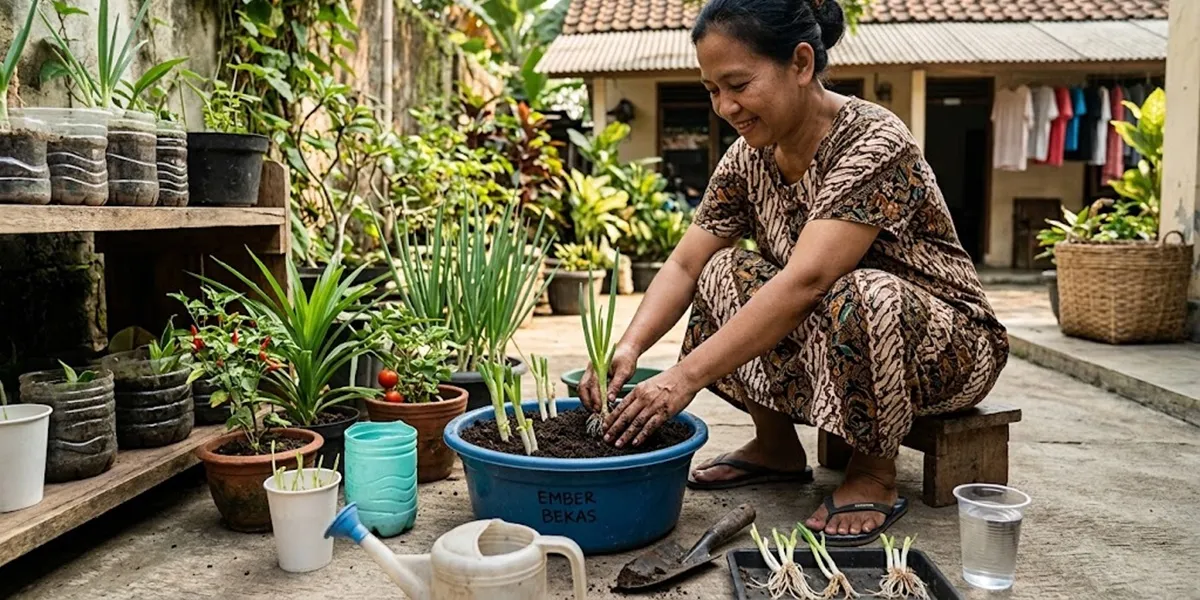
Kapanlagi.com - Replanting leftover food ingredients can be a simple way to reduce waste while having a mini garden. The plants that can be grown from kitchen scraps are varied, ranging from green vegetables, rhizomes, tubers, to fruits.
No need for a large area or special equipment to get started. Some plants can be grown in water, while others can be planted directly in the soil. Besides saving expenses, this activity is also enjoyable and helps utilize kitchen scraps.
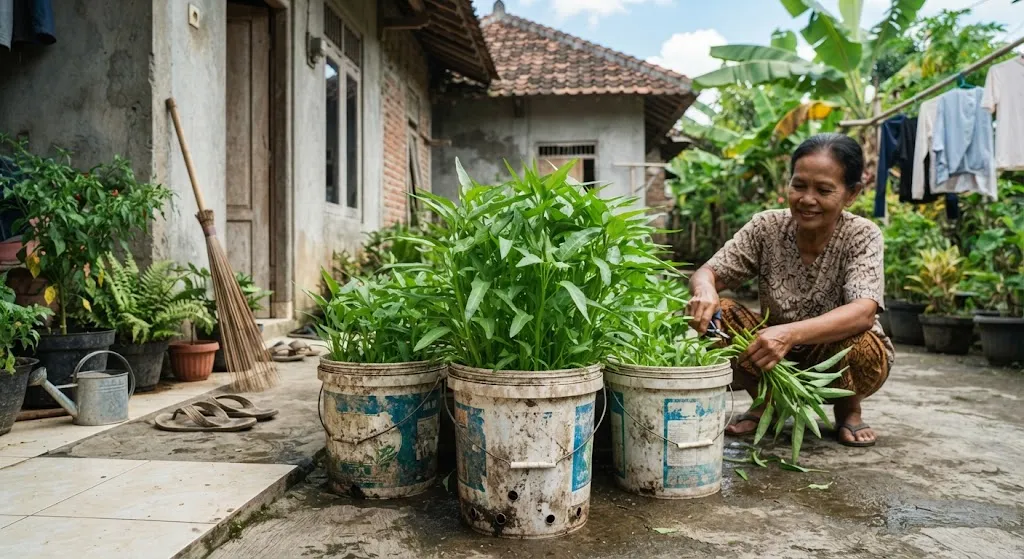
Water Spinach. [AI Generated]
Green onions are one of the easiest kitchen ingredients to regrow. Leave about 2–3 cm of the bottom part of the stalk along with the roots, then place it in a container filled with clean water. Position it in an area that receives enough light and change the water daily. In about 3–5 days, new shoots will start to appear. Once the growth is sufficient, transfer it to a pot filled with soil to obtain more nutrients. When harvesting, simply cut the tops so that the plant can continue to regrow.
The base of celery that is usually discarded can also be used to grow new plants. Leave about 5 cm of the base, then place the white part in a shallow container with a little water. Do not submerge the entire plant and keep the top part moist. After a few days, new roots and leaves will begin to appear. Once the roots have developed, transfer it to soil with the leaf part remaining above the surface. Celery can be harvested by cutting the stalk, not pulling the entire plant, so it can still regrow.
Lettuce, especially Romaine type, can be regrown using the stump left after the leaves have been used. Leave a stump of about 5–7 cm, then clean it and place it in a shallow container with water about 1.5–2 cm high. Ensure that only the base part is submerged. Place it in a shaded area that still receives sunlight and change the water if it starts to become cloudy. New leaves will grow from the center. When there are enough roots, transfer the bulb to a pot filled with soil for optimal growth.
Leftover roots or stems of water spinach can also be used to grow new plants. The bottom part can be soaked in water until white roots appear, then transferred to a soil medium mixed with compost. Water spinach is a fast-growing plant, making it suitable for beginners. Ensure the medium remains moist and does not lack water. Besides using pots, water spinach can also be planted in containers without drainage or in damp soil. Once new shoots appear and develop, the plants can be cared for until ready for harvest.
The remaining pak choi bulb after the leaves are used can still be utilized for regrowing. Leave about 2–3 leaves on the bulb, then place it in a glass filled with water up to halfway. Keep it in a shaded area that still receives sunlight. The water needs to be replaced when it starts to become cloudy to maintain cleanliness. Once enough roots have grown, the bulb can be transferred to a small pot filled with soil medium. This method ensures that leftover pak choi does not immediately end up as kitchen waste.
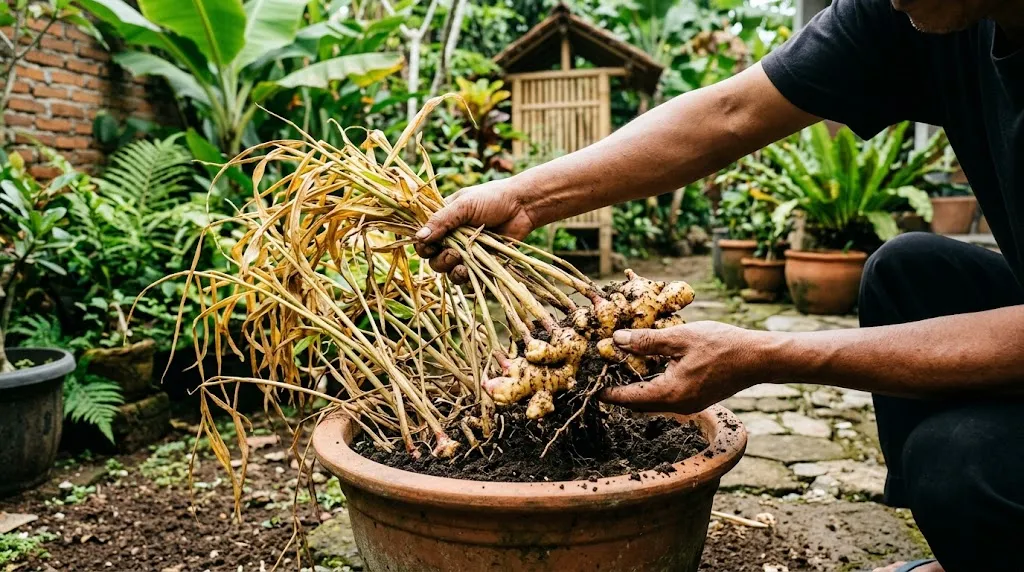
Ginger. [AI Generated]
Pieces of ginger that have one or two small buds can be reused to produce new plants. Choose healthy rhizomes that are not rotten or too dry. Ginger pieces can be soaked in warm water overnight or planted directly. If planted, position them horizontally about 5 cm below the soil surface with the buds facing up. Use media rich in organic material and with good drainage. Keep it moist without making the soil waterlogged. New buds usually start to appear after a few weeks.
Leftover garlic cloves in the kitchen can also be replanted. Place the clove in the soil with the pointed end facing up and space the plants apart. Garlic is one of the plants that is relatively easy to grow from kitchen scraps. Planting can be done in soil or containers. In addition to producing new plants, this process allows leftover cooking materials to be reused instead of thrown away immediately.
The unused base of an onion can also be replanted. Cut the base part, then soak it in clean water without submerging it completely. After about two weeks, new roots may start to appear. When the roots have developed more, the onion base can be transferred to soil media. For fully grown onion plants, direct planting in the soil is said to be better than keeping them in water.
Lemongrass is another plant that can easily be regrown from kitchen scraps. Use the healthy part of the lemongrass bulb, then plant it directly in a growing medium mix. After planting, the bulb can produce new rhizomes and shoots. Since the process is quite simple, lemongrass can be a choice for beginners who want to start utilizing leftover cooking ingredients as a source of new plants at home.
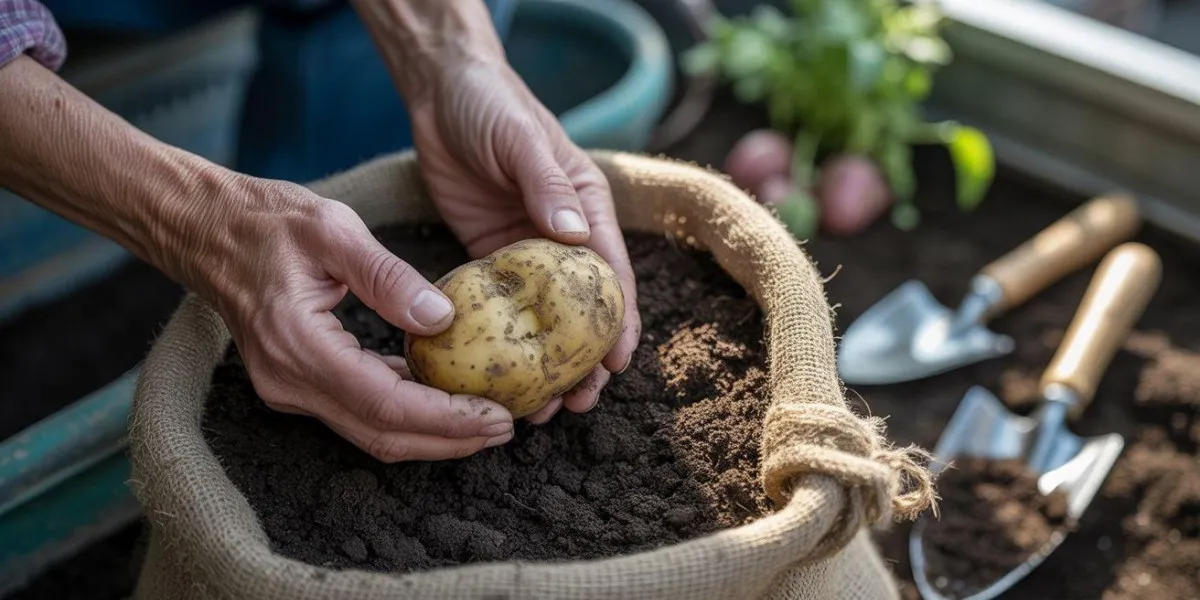
Potatoes. [AI Generated]
Potatoes that have eyes or sprouts can be replanted. However, the cut pieces should not be placed directly into the soil. Let them dry for about 1–2 days first. After that, plant them in a polybag filled with growing media and provide regular care. With the right growing conditions, the potato pieces can develop into new plants that can later be harvested.
Sweet potatoes can be reused either in whole form or in pieces. One way is to plant the sweet potato directly in the ground. Alternatively, part of the sweet potato can be soaked in water until sprouts appear. Once the sprouts are large enough, the plants can be transferred to soil media. This method can be a choice for those who want to try growing food from kitchen scraps in a simple way.
The tops of carrots or beets that are usually discarded can still be used to grow new plants. Cut the tops of the tubers, leaving about half an inch, and then place them in a container with shallow water. The cut part should face down, while the leaves are on top. After a few days, new shoots may begin to grow. If the development is good enough, the part can be transferred to soil media to continue its growth.
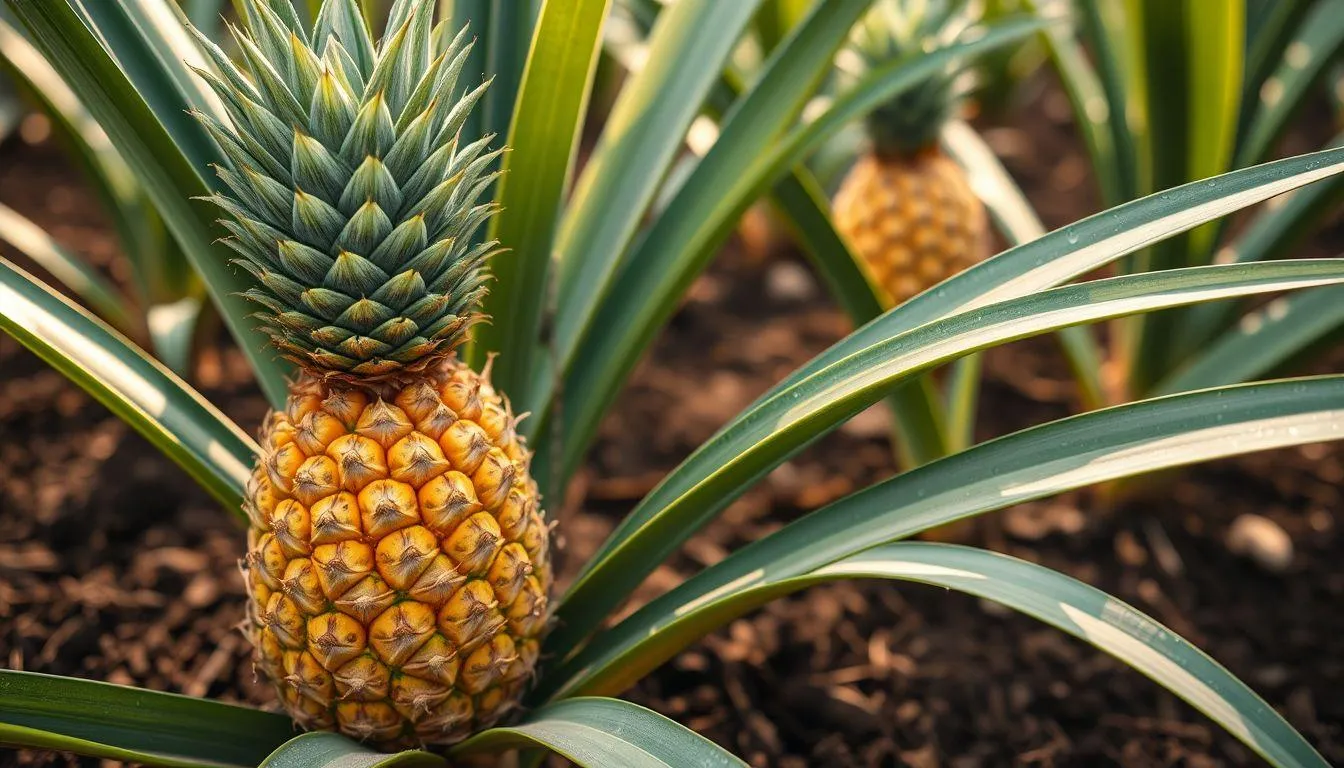
Pineapple. [AI Generated]
Some herbal plants like Thai basil, basil, mint leaves, and coriander can be replanted using stem cuttings. Choose stems about 5–7 cm long, then place them upright in a glass of water. Make sure the leaves do not get submerged. Change the water every one or two days until new roots appear. After roots and shoots develop, transfer the stems into a pot filled with soil. This method can be a practical option for having your own supply of herbal plants at home.
The crown of a pineapple, which is usually discarded, can actually be replanted. Cut the crown from the pineapple fruit, then let it dry for a few days before planting. Once ready, plant the crown in the soil and care for it regularly. This method gives the uneaten part of the fruit a chance to develop into a new pineapple plant.
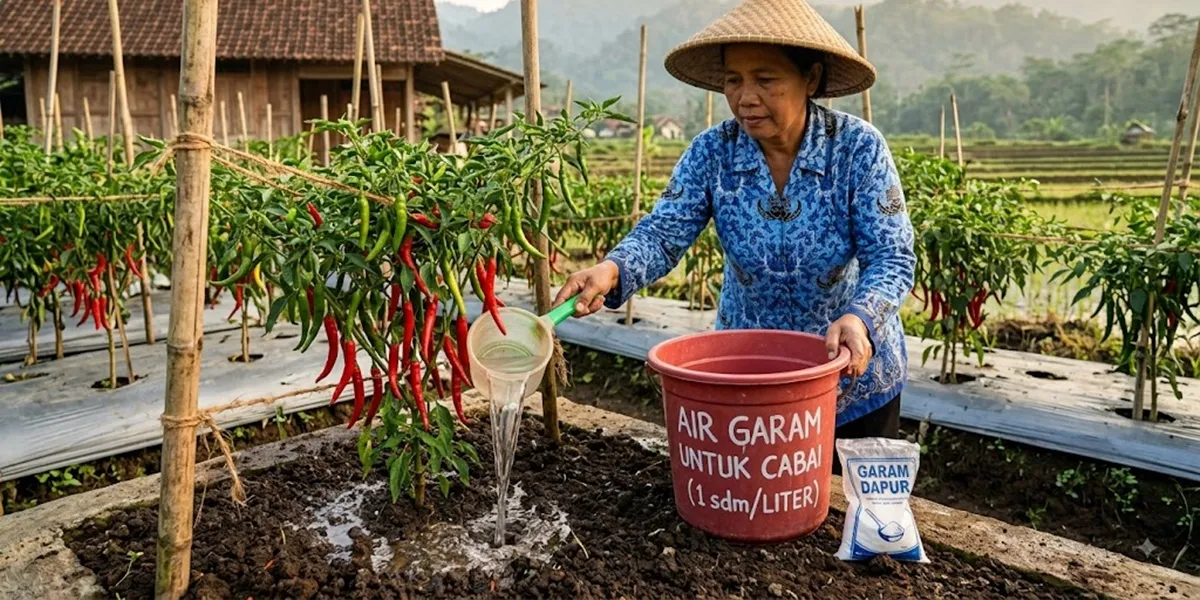
Chili plants. [AI Generated]
Chili seeds from overripe, dry, or unused chilies can be utilized for planting. Take the seeds and dry them for about 24 hours or until completely dry. After that, sow the seeds in a planting medium using pots, polybags, or any available containers at home. With regular care, the seeds can develop into new chili plants.
Avocado seeds can be an interesting material for gardening experiments at home. Clean the seed, then insert three or four toothpicks into the bottom to support the seed above a glass. Fill the water until it covers about half of the bottom of the seed and change the water regularly. Once roots and shoots appear, transfer it to a container filled with soil. The top part of the seed should remain above the soil surface, while the bottom part is buried.
What plants can be grown from kitchen scraps?
Green onions, celery, lettuce, water spinach, bok choy, ginger, garlic, potatoes, sweet potatoes, lemongrass, pineapple, chili, and avocado are among those that can be tried.
Do vegetable scraps need to be planted directly in the soil?
Not always. Some vegetable scraps can be grown first in water. Once roots and shoots appear, the plants can be transferred to the soil.
How often should the water for the plants be changed?
If using the water method, it is best to change the water every day or at least every one to two days to prevent it from rotting quickly and smelling bad.
What are the benefits of growing plants from kitchen scraps?
Besides reducing organic waste, this method can help save expenses, provide fresh ingredients, and serve as an educational and enjoyable activity at home.
(kpl/ini)
Cobain For You Page (FYP) Yang kamu suka ada di sini,
lihat isinya
Scale on a steam iron can be prevented with simple habits. Check out 8 ways to prevent scale on a steam iron so that your ironing lasts longer.
Discover 10 Indonesian horror films that highlight village myths, presenting eerie and mysterious stories that pique curiosity.

Feeling stuck? This series of inspirational films is ready to be the trigger for you to start a new chapter in life. From true stories to deep adventures, find the courage to change.

Recommendations for movies about angels and divine intervention with warm, touching, and meaningful stories.

Horror movies on Netflix without many jumpscares that guarantee to give you chills through atmosphere and psychological horror, without needing many startling jumpscares.

12 ornamental fish that are believed to bring good luck according to Feng Shui, from goldfish, koi, to arowana.

Inspirations for minimalist TV rack models, ranging from space-saving hanging designs to multifunctional ones with hidden drawers.
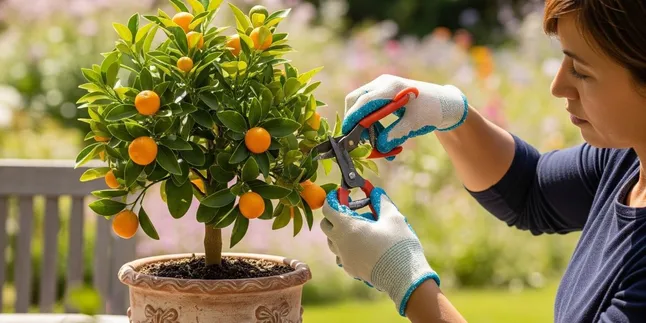
Don't just cut! Learn 7 Ways to Prune Ornamental Fruit Plants to Keep Them Short and Fruitful without stressing the plants.

Watch how films combine animation and live-action, creating a unique cinematic experience. Explore the history, techniques, and a lineup of iconic films that amaze audiences.

Do you like villain characters with a redemption story? Check out these 7 Netflix series where the villains ultimately turn good and are even liked by the audience.

Transform your outdoor kitchen into a livelier space with beautiful flowering herb plants. Besides enriching your cooking, these flowers also offer visual aesthetics and a calming aroma.

Disney continues to bring classic animated stories to the big screen in live action format. From Cinderella to The Lion King, check out the list of adaptations that have successfully captivated audiences.
