

 Follow
 Rekomendasi
6 Latest Films that Combine Animation and Live Action, Exciting to Watch
Watch how films combine animation and live-action, creating a unique cinematic experience. Explore the history, techniques, and a lineup of iconic films that amaze audiences.
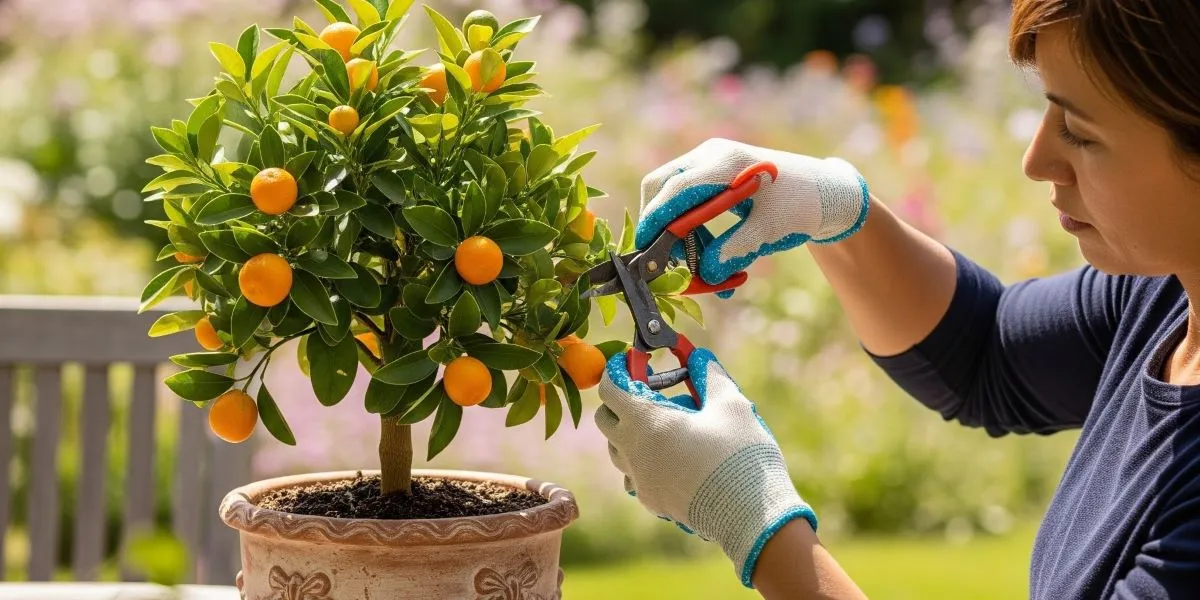
Kapanlagi.com - Ornamental fruit plants can be an interesting choice to beautify your home garden as they not only bring green color and beautiful shapes but also can produce fruit. However, plants left to grow without pruning can become taller, have irregular branches, and eventually become less suitable for gardens with limited space. This condition can certainly make it difficult when the plants need to be cared for, harvested, or placed in areas that need to remain tidy.
Pruning is not just aimed at reducing the height of the plants. If done with the right technique, pruning can help shape the canopy, stimulate the emergence of new branches, and allow the plants to receive better light and air circulation. Conversely, over-pruning or cutting branches carelessly can actually stress the plants and potentially disrupt their growth and fruit formation.
Therefore, it is important to know how to prune ornamental fruit plants to keep them short and fruitful without compromising the health of the plants. So how do you prune ornamental fruit plants to keep them short and fruitful? Citing from various sources, Thursday (20/8/2026), check out the following information review.
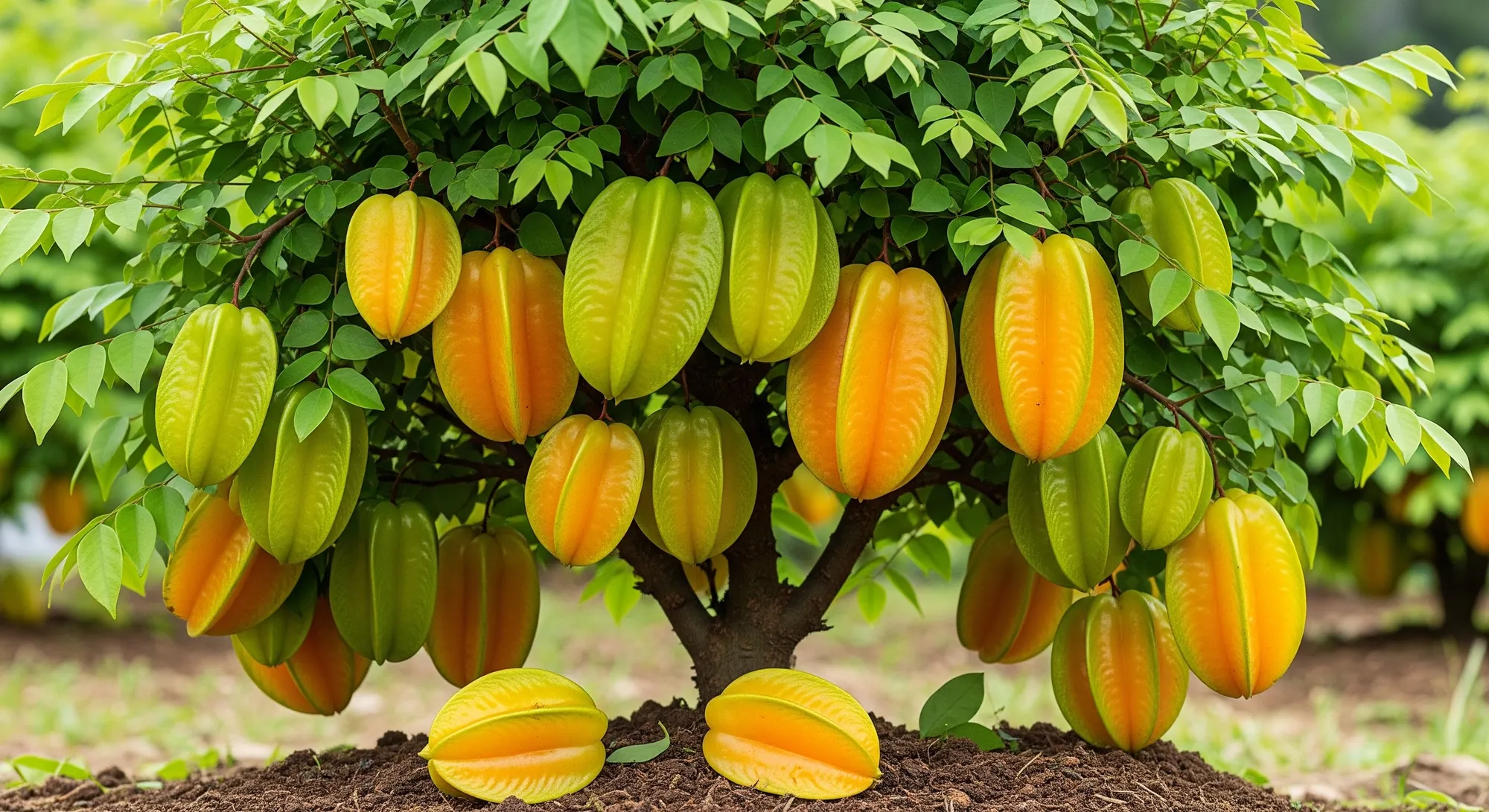
The first step in pruning ornamental fruit plants to keep them short is to first determine the desired height of the plant. Do not prune spontaneously just because you see a branch that is too long. Determine the final shape you want to create, such as a low shrub shape, a rounded crown, or a plant with several main branches spreading sideways. This goal will serve as a guide when selecting which parts to keep and which to prune.
Determining the height also needs to consider the character of the plant. Each fruit plant has a different growth pattern. Some plants tend to grow upright with a single main stem, while others are more likely to form many branches sideways. If you want the plant to remain short in the long term, pruning should be done gradually rather than cutting back most of the crown at once. This method helps plants adapt while making their shape easier to control.
After determining the height, inspect the plant from several sides before you start cutting. Imagine how the position of the branches will look after they have grown for some time. Retain the branches that are aligned with the desired shape and reduce those that grow too upright, too long, or point towards undesired areas. With this planning, pruning not only makes the plant shorter but also helps shape a neat and proportional canopy structure.
Branches that grow very upright need to be considered if the main goal of pruning is to keep the plant short. Such branches can quickly increase the height of the plant, especially when their growth is very vigorous. By properly reducing or shortening these branches, growth energy can be directed to form more lateral branching, allowing the plant to have a more compact canopy shape.
However, this does not mean that all branches growing upwards must be completely cut off. Healthy main branches and framework branches are still necessary to support the canopy and fruit. Pruning should focus on water shoots or very strong growth that is not needed for the plant structure. The branches that are retained should have positions and growth directions that support the desired shape of the plant.
When shortening branches, make cuts with sharp and clean tools. Cuts should be made above the bud or branching point that directs outward, so new growth tends to move away from the center of the canopy. This technique helps prevent the plant from becoming too dense on the inside. Thus, pruning is not just about reducing height, but also about directing subsequent growth.
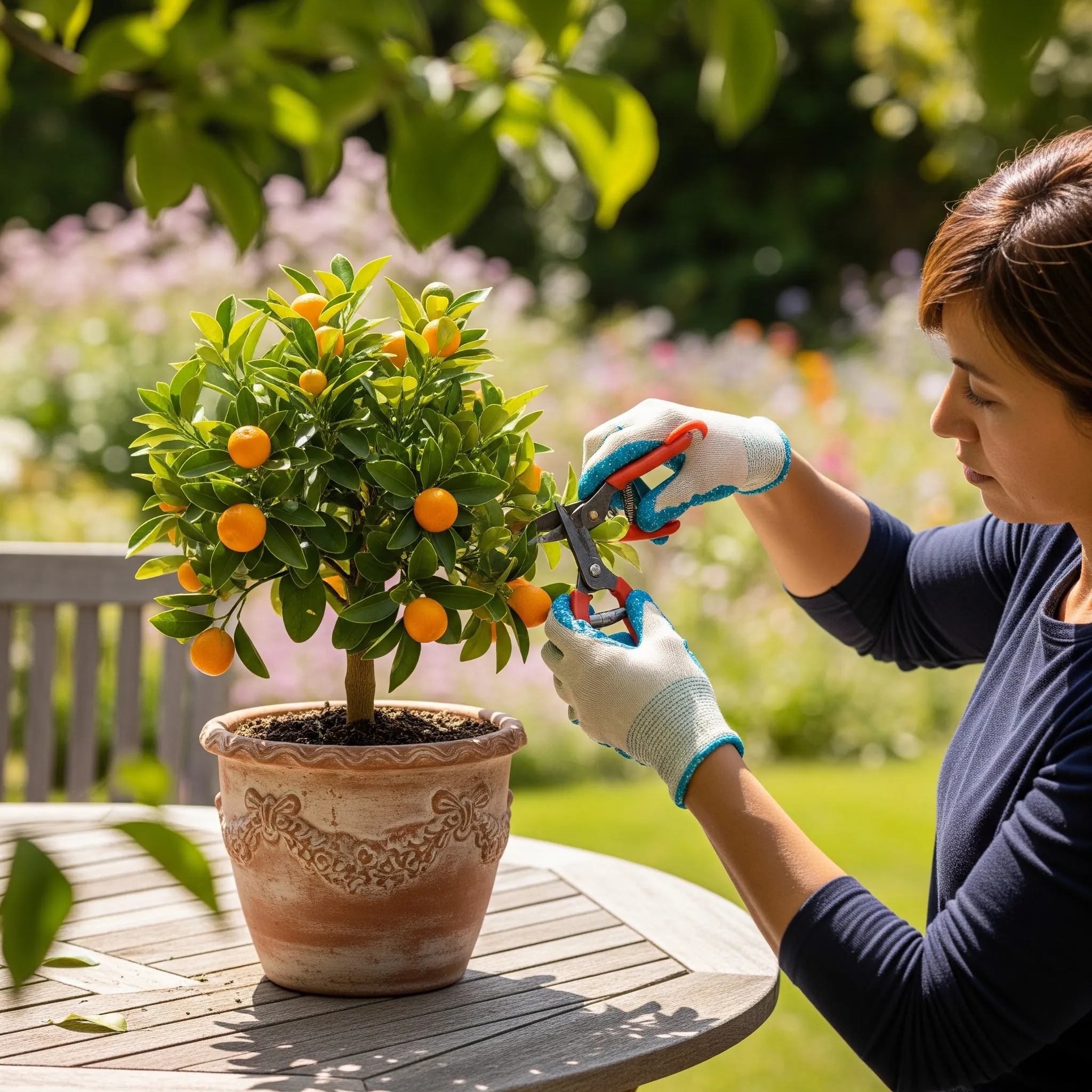
If you want ornamental fruit plants to remain short and look bushy, branches that grow sideways can be maintained as part of the canopy structure. Horizontal or sideways branching helps the plant spread out without getting taller. This shape can also make the plant look more proportional when placed in a yard, on a terrace, or in a container of a certain size.
Branches that grow outward can also help open up the center of the canopy. When branches spread out, the space between the branching allows light to enter the deeper parts of the plant and helps improve air circulation. This condition is important because a canopy that is too dense can create a humid environment with insufficient light, which in some plants can increase the risk of disease problems.
However, do not maintain too many branches just to make the plant look bushy. Crossing branches, those growing inward, or rubbing against each other should be evaluated and reduced if necessary. The goal is to achieve a canopy that is dense enough to create an attractive appearance, but not too crowded. A balanced canopy structure also makes the processes of watering, fertilizing, pest inspection, and harvesting easier.
Pruning ornamental fruit plants is not only aimed at regulating height but also maintaining the health and structure of the plant. Dead, broken branches, those showing signs of disease, or experiencing damage should be inspected and pruned if necessary. Dead branches do not provide benefits to the plant and can actually disrupt the appearance and potentially become a breeding ground for pests.
Crossing branches also require attention. When two branches continuously rub against each other due to wind or increasing growth, the bark of the branches can become damaged. These wounds can serve as entry points for pathogens. Additionally, branches that grow inward can make the center of the plant too dense, making it harder for light and air to penetrate.
When removing branches, ensure that the cuts are made cleanly and do not leave excessively long stubs. Use sharp tools to ensure cleaner cuts. For branches showing signs of disease, clean the tools after use on that part before moving to another plant to reduce the risk of spreading issues. Avoid pruning too much healthy tissue at once, as the plant still needs leaves and branches to carry out photosynthesis.
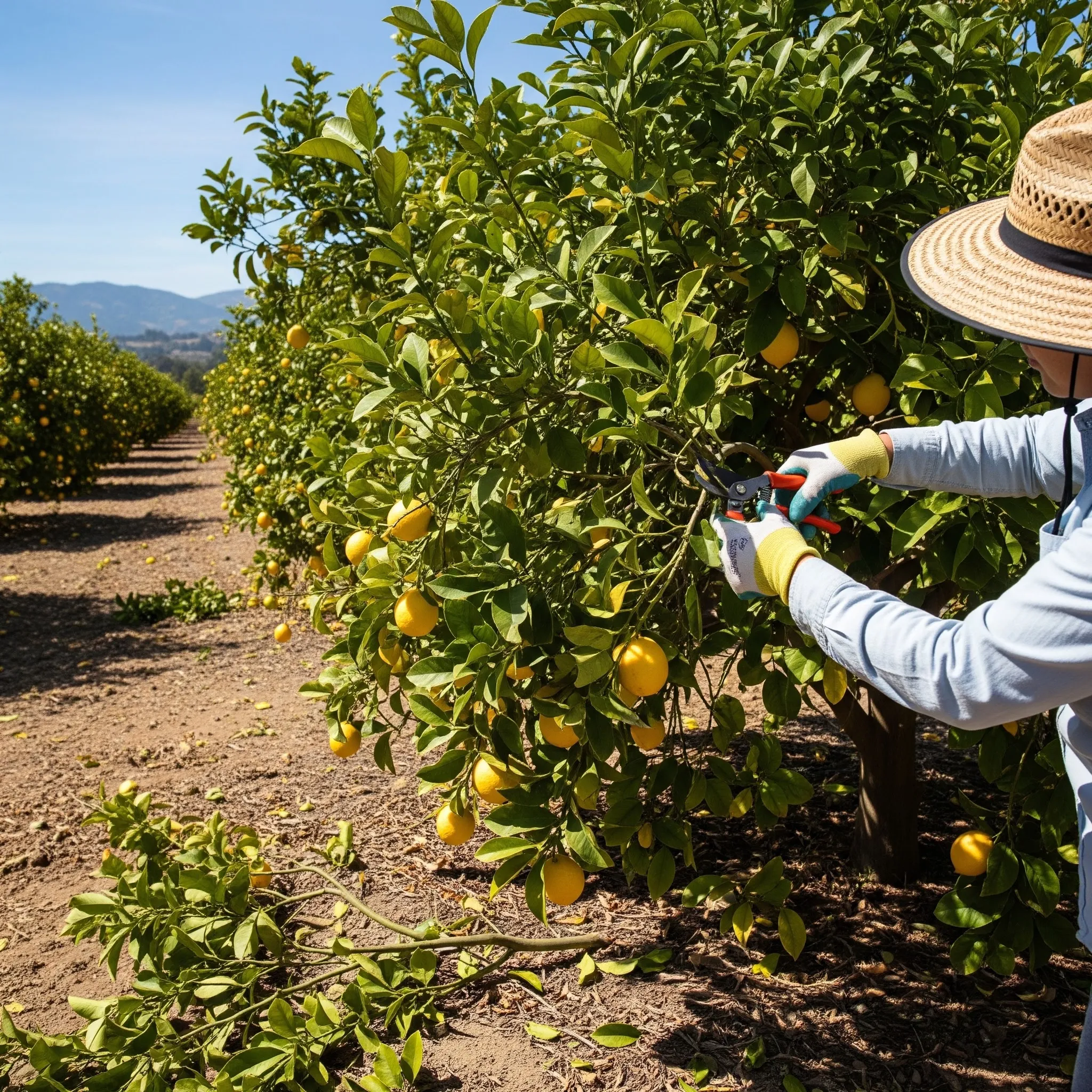
The common mistake made when trying to keep fruit plants short is pruning too many parts at one time. Plants can be drastically cut back under certain conditions and for certain types of plants, but heavy pruning is not always suitable for all fruit plants. Excessive canopy reduction can cause the plant to lose a lot of leaves that are involved in photosynthesis and can trigger a very strong new growth response in some plants.
Gradual pruning is usually easier to control. If the plant has already grown too tall, there is no need to immediately cut the entire top down to a much shorter height. Reduce the height gradually while observing the plant's growth response. Once new growth appears, redirect those branches through light pruning. This way, the shape of the plant can be controlled over time without putting unnecessary stress on it.
Gradual pruning also helps maintain a balanced canopy shape. Each time you prune, check the proportion between the top, sides, and middle of the plant. Make sure one side is not pruned too much while the other side is left too dense. For plants grown in pots or limited spaces, this approach is very useful as the size of the plant can be periodically controlled according to the available space capacity.
The timing of pruning can affect the plant's response after branches are cut. There is no one-size-fits-all timing for all types of fruit plants because each species has different growth patterns, flowering periods, and fruiting times. Therefore, before pruning, it is important to know whether the plant is in an active growth phase, approaching flowering, post-harvest, or experiencing stress conditions.
For routine pruning aimed at shaping the canopy, the right time usually follows the plant's characteristics and growth cycle. Pruning at the wrong time can remove branches that would actually produce flowers or fruit. Therefore, do not just focus on the desire to keep the plant short. Also pay attention to flower buds and the pattern of fruit emergence so that pruning does not actually reduce production potential.
Avoid pruning when the plant is experiencing severe stress, such as from drought, waterlogging, serious pest or disease attacks. Plants that are not healthy need a chance to recover first. After pruning, ensure the plant receives water and nutrients according to its needs and is in a supportive environmental condition. If the type of plant has specific pruning rules, follow the cultivation recommendations for that plant.
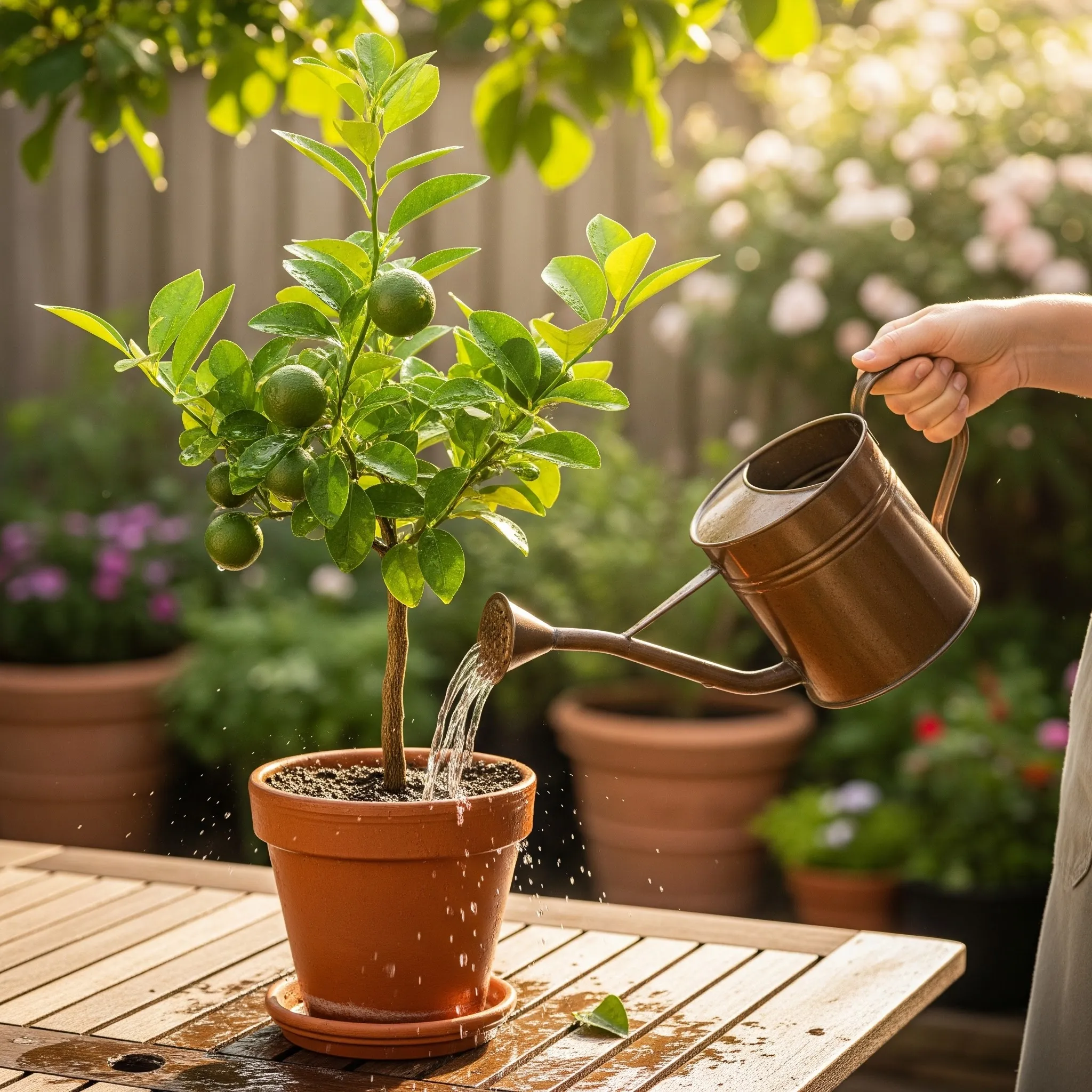
Pruning is not the final step in keeping ornamental fruit plants short. After the branches are cut, the plant needs appropriate care to produce new growth healthily. Ensure the plant receives sunlight according to its species needs, adequate watering, and a growing medium with good drainage. Do not overwater just because the plant has just been pruned, as overly wet conditions can also cause root problems.
Fertilization should also be adjusted to the condition of the plant and its growth phase. Plants need nutrients to form new leaves and shoots, but excessive fertilization does not mean the plant will bear fruit faster. Once the plant has formed a new canopy, its nutritional needs must be adjusted according to the cultivation goals, whether it is aimed at vegetative growth, flowering, or fruit formation. The use of fertilizers should follow the type of plant, media conditions, and product instructions.
Next, observe the new shoots that appear after pruning. Some shoots may grow too upright or be in locations that do not match the desired canopy shape. Shoots like this can be controlled through subsequent light pruning. By performing routine maintenance, the plants do not need to be pruned excessively every few years. The end result is ornamental fruit plants that remain relatively short, have a neater canopy, and have the potential to remain productive without sacrificing plant health.
1. Can pruning keep ornamental fruit plants short?
Yes. Routine pruning can help control plant height, direct branch growth, and maintain a compact canopy shape. However, the results depend on the type of plant, growth patterns, and pruning techniques used.
2. When is the best time to prune ornamental fruit plants?
There is no one-size-fits-all time for all fruit plants. Pruning time should be adjusted according to the type of plant and its growth cycle. Avoid pruning when the plants are experiencing stress due to drought, waterlogging, or severe pest and disease attacks.
3. Is it okay to prune fruit plants too short?
It is advisable not to prune excessively all at once. Heavy pruning can remove a lot of leaves and disrupt the plant's ability to photosynthesize. If the plant is already too tall, it is better to reduce its height gradually.
4. Which branches should be pruned so that the plant does not grow tall too quickly?
Branches or shoots that grow very upright and are not needed as the main structure can be reduced. Branches that grow inward, cross each other, are dead, broken, or diseased should also be checked and pruned if necessary.
5. Why should branches that grow sideways be retained?
Branches that grow sideways can help form a wider canopy so that the plant does not just continue to grow taller. Spreading branches can also make the shape of the plant neater and help light enter the canopy area.
(kpl/iya)
Cobain For You Page (FYP) Yang kamu suka ada di sini,
lihat isinya
Watch how films combine animation and live-action, creating a unique cinematic experience. Explore the history, techniques, and a lineup of iconic films that amaze audiences.

Do you like villain characters with a redemption story? Check out these 7 Netflix series where the villains ultimately turn good and are even liked by the audience.
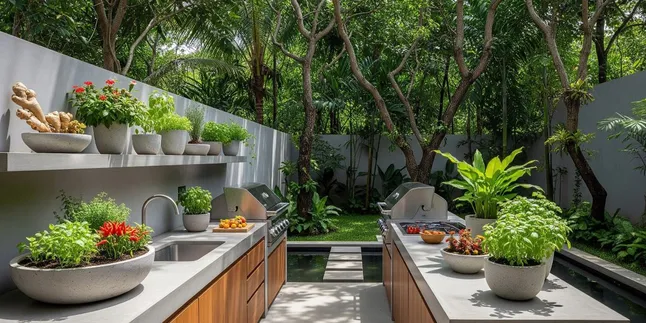
Transform your outdoor kitchen into a livelier space with beautiful flowering herb plants. Besides enriching your cooking, these flowers also offer visual aesthetics and a calming aroma.

Disney continues to bring classic animated stories to the big screen in live action format. From Cinderella to The Lion King, check out the list of adaptations that have successfully captivated audiences.
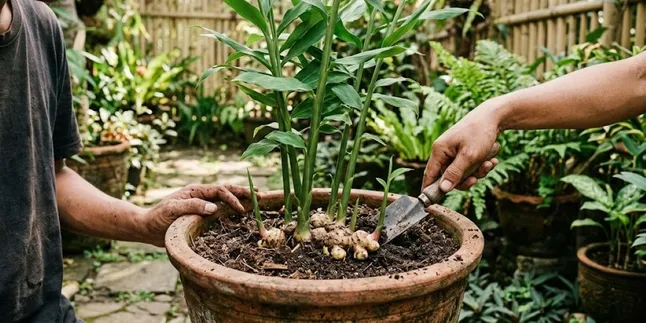
Learn how to care for ginger in pots to grow quickly and be harvested at home. A practical gardening guide for beginners in limited spaces.

Check out the recommendations for cinematic bird and wildlife themed movies, from migration documentaries to Ghibli animations. Perfect for weekend viewing.

A series of films that reveal the dark side of popularity, obsession, and the perfect image behind the lives of influencers.
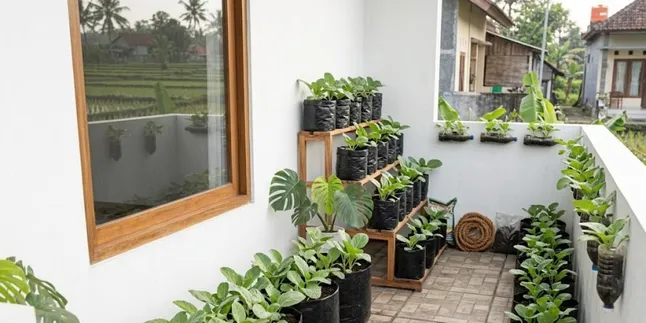
Want to have your own fresh vegetables? Baby kailan is the right choice for limited space. Here’s an easy way to plant it in pots or polybags for quick harvesting and always have supplies at home.

6 latest Netflix series (2024-2026) that end in one season. A must-watch with intense stories and mysteries that are addictive!
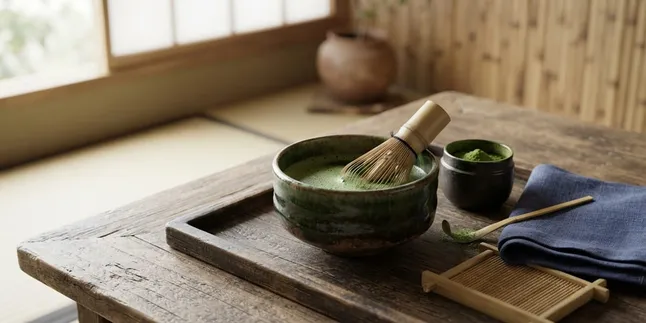
Want glowing skin with pure matcha as a beauty drink? Check out 8 important scientific facts about the benefits, absorption methods, and consumption rules of matcha for beauty here!

Psychological studies reveal how faces can influence social class judgments and make someone appear more affluent.

Here are 7 movies about women who rise up, build businesses from scratch, and learn to be independent after losing everything.
