

 Follow
 Rekomendasi
10 Indonesian Horror Films About Village Myths That Will Give You Chills, Creepy Yet Intriguing
Discover 10 Indonesian horror films that highlight village myths, presenting eerie and mysterious stories that pique curiosity.
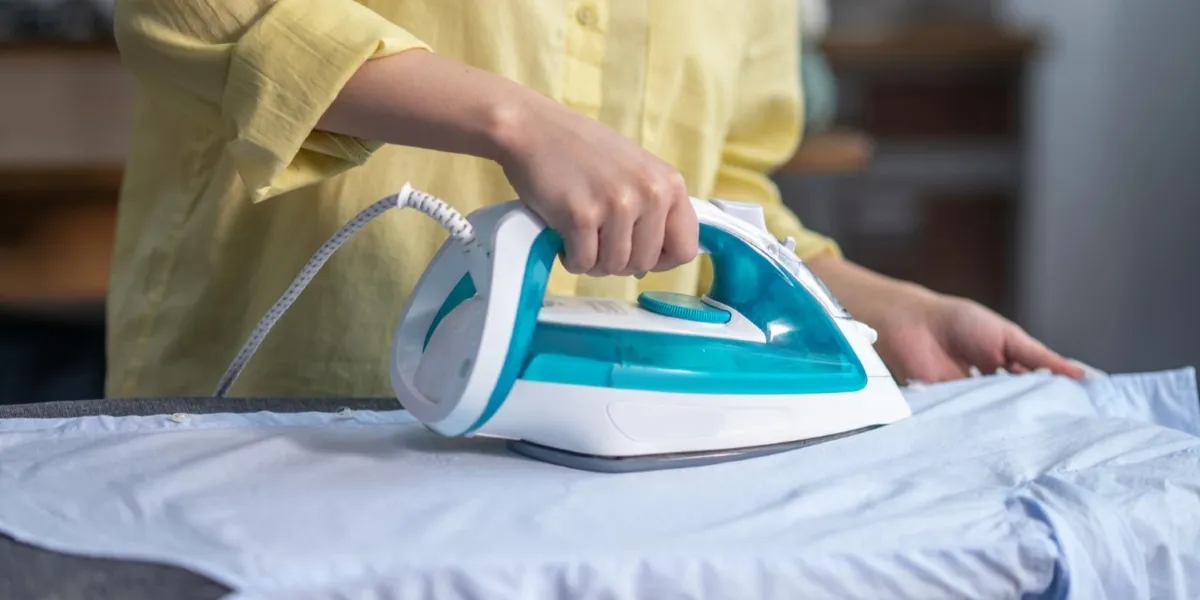
Kapanlagi.com - A steam iron that gets clogged and emits steam while in use often slows down the ironing process. This issue generally stems from lime scale that accumulates in the tank and steam channels over time. Understanding how to prevent scale on a steam iron is essential from the start to avoid staining the fabric and to keep the appliance functioning normally.
Scale appears because minerals in tap water settle every time the tank is heated and steam is released through the small holes in the iron's soleplate. The more frequently the iron is used, the faster the deposits harden and clog the steam pathway, resulting in uneven bursts and the risk of leaving white or brown spots on the fabric when ironing.
In this article, KapanLagi.com has compiled several ways to prevent scale on a steam iron to keep it durable that you can apply at home from various sources, Thursday (20/8/2026). Let's check out the tips below.
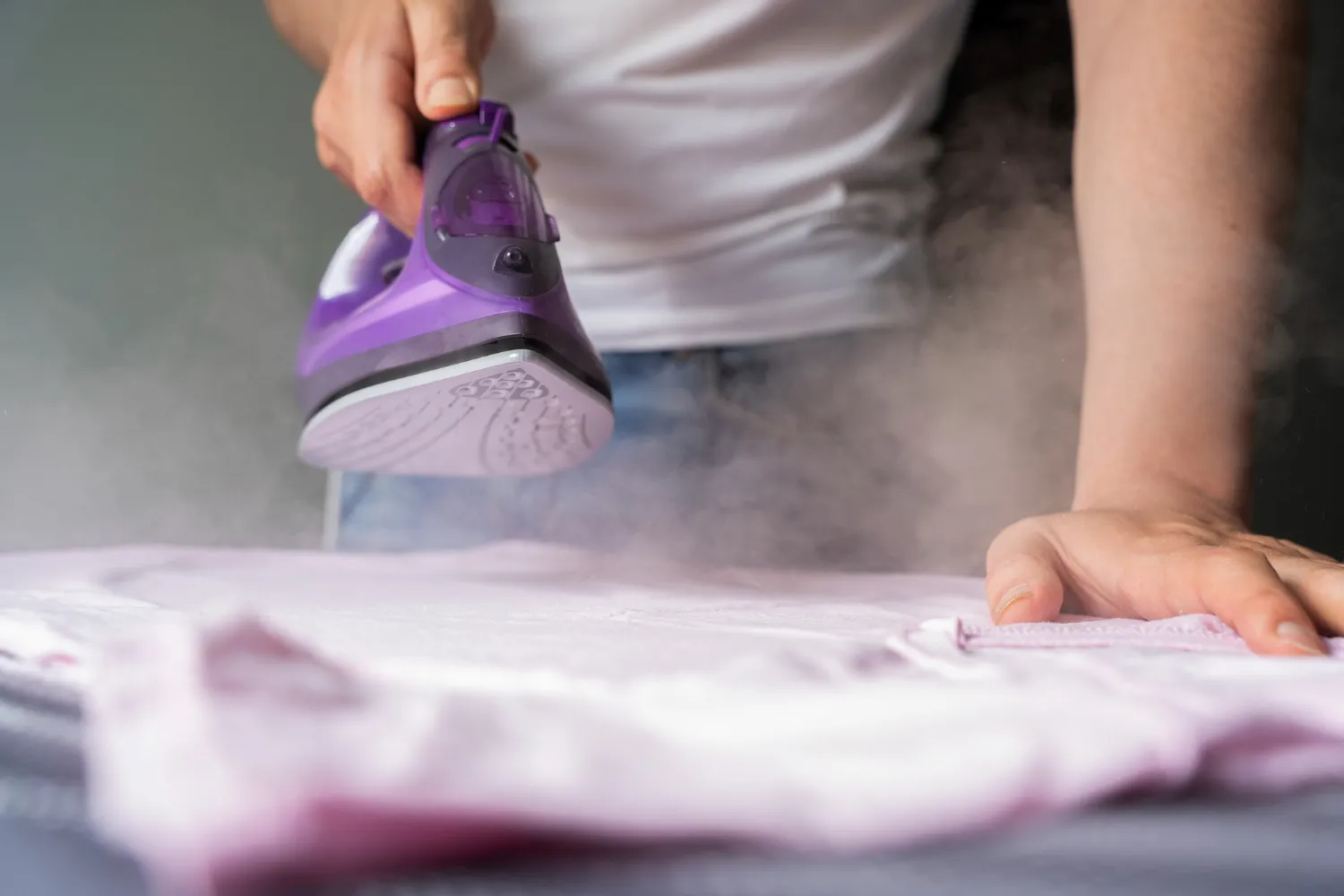
Use Distilled Water or Demineralized Water to Fill the Tank. (Image: Magnific)
Tap water contains minerals such as calcium and magnesium that deposit when heated in the iron's tank. These deposits eventually turn into scale and clog the steam holes. Replacing tap water with distilled water or demineralized water significantly reduces the mineral content from the start of the iron's use.
Distilled water can be purchased at household supply stores or pharmacies at affordable prices in various cities. Some iron brands even include specific recommendations to use this type of water to maintain stable steam performance during daily use. This habit also makes the process of cleaning scale less frequent.
If distilled water is hard to find, tap water can be boiled first and then left to sit overnight before pouring it into the tank, allowing some minerals to settle at the bottom of the container. This method helps reduce the amount of minerals entering the iron, although the result is not as clean as using distilled water directly.
Water that is left stagnant in the iron's tank for a long time accelerates the deposition of minerals on the walls and steam channels inside. The habit of emptying the tank every time the iron is used helps reduce the contact of water with the metal surfaces inside the device.
Wait for the iron to cool down completely before opening the tank cover, then tilt the device slowly until all the remaining water flows out through the filling hole or steam hole on the soleplate. This process only takes a short time but has a significant impact on the lifespan of the components inside the iron.
An iron stored with an empty tank is also safer from the risk of water condensing and dripping onto the electronic parts inside the body of the device. This simple habit is often overlooked because it is considered insignificant, yet it is one of the cheapest and easiest ways to prevent scale buildup in steam irons that can be done daily.
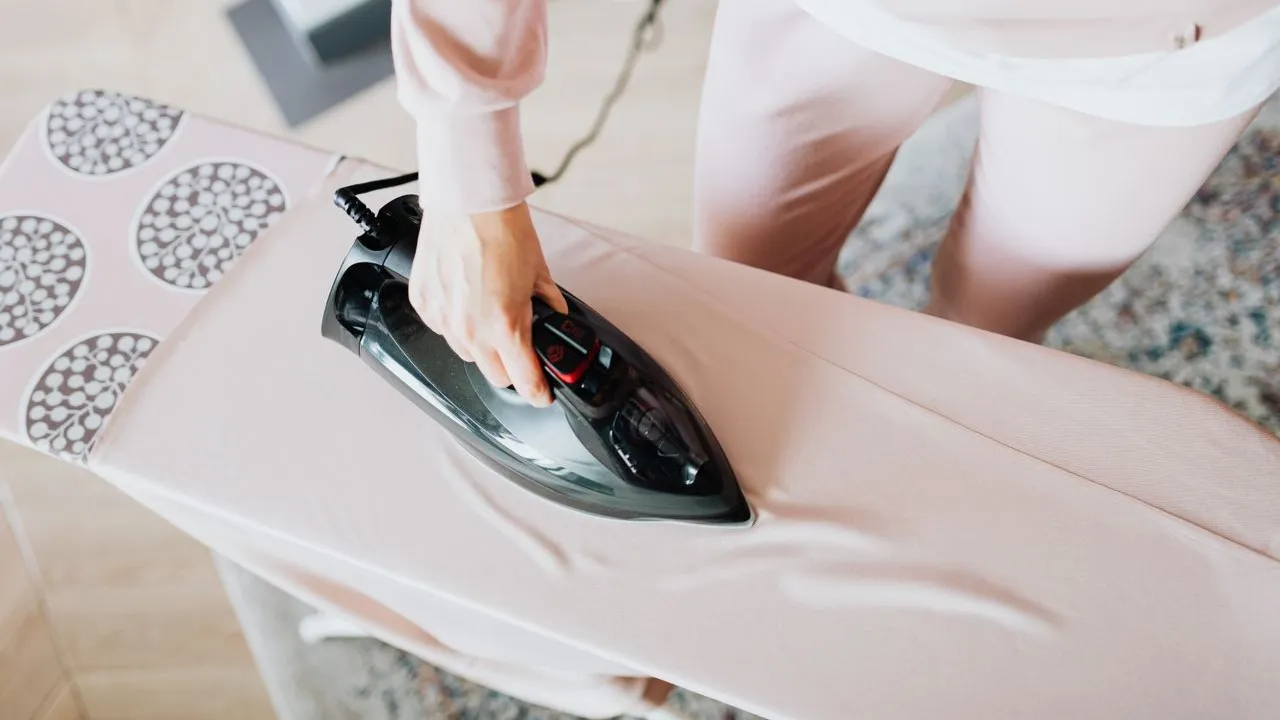
Adjust the Iron Temperature According to the Type of Fabric. (Image: kaboompics/Pexels)
Too high a temperature causes residues on the fabric, such as detergent or fabric softener, to quickly adhere and harden on the iron's soleplate during the ironing process. Setting the temperature according to the type of clothing material reduces the risk of these residues turning into crust over time.
Cotton and linen materials are generally resistant to high temperatures, while synthetic materials and silk require low temperatures to prevent their fibers from being damaged and residues on the fabric from burning onto the iron's soleplate. Most modern irons already include temperature symbols for each type of fabric on their control panel.
Reading the care label on clothing before ironing helps determine the right temperature from the start of the process. This habit not only keeps the fabric durable but also reduces the likelihood of fabric residues accumulating and mixing with lime crust inside the iron over time.
The residue that sticks to the iron soleplate after use will harden if left uncleaned for a long time. Wiping the soleplate as soon as it cools down prevents the residue from bonding with any limescale that may already be on the metal surface below.
A damp cloth or microfiber cloth is sufficient to gently wipe the soleplate until its surface is smooth again. The steam holes also need attention because leftover residue often gets stuck in those small gaps and hinders steam bursts during the next use.
The habit of cleaning the soleplate after each use is much lighter than having to scrape off hardened residue that has firmly adhered. This small step also helps extend the life of the non-stick coating on the soleplate while keeping the ironing results neat every time it is used.
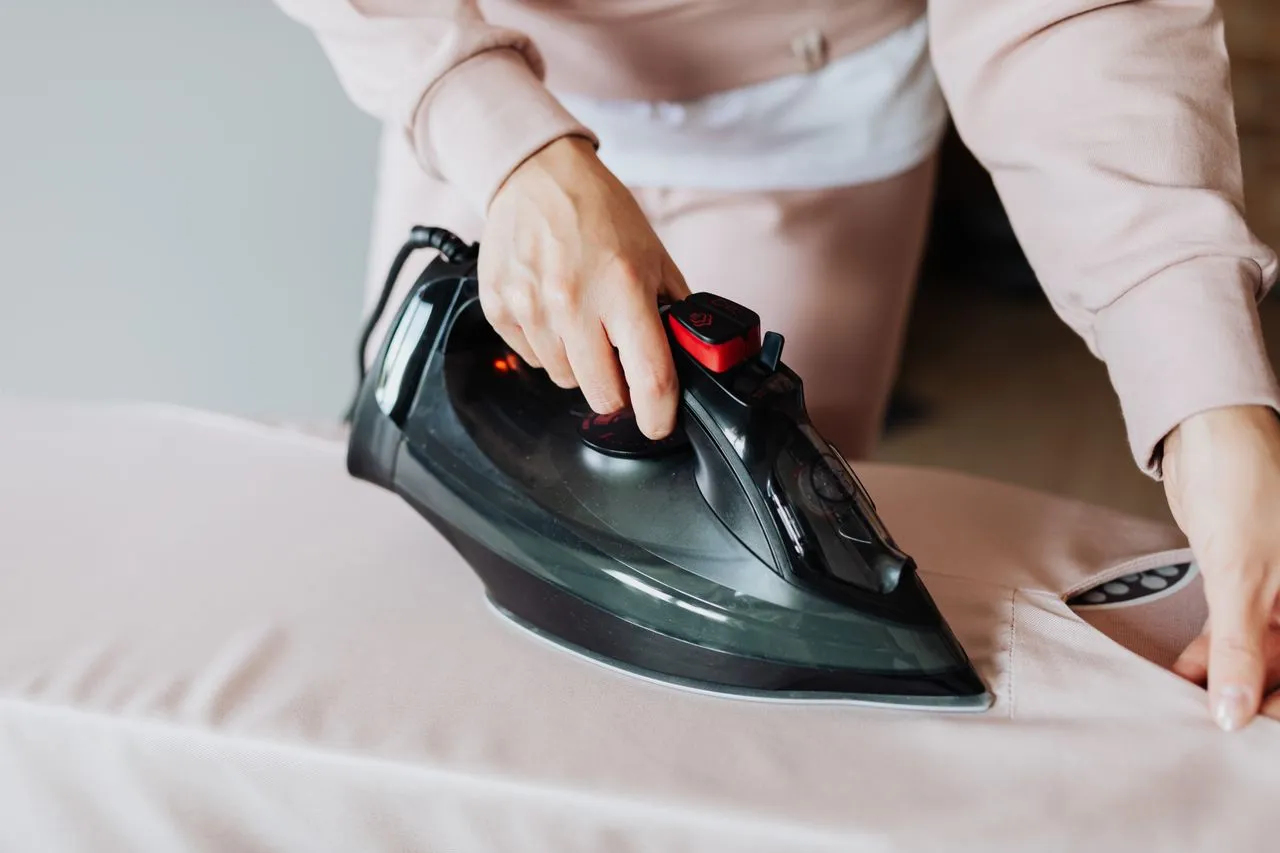
Avoid Ironing Directly on the Print. (Image: kaboompics/Pexels)
Prints on t-shirts or printed clothing contain materials that can easily melt when exposed to high temperatures from the iron's soleplate directly. The melted material sticks to the surface of the iron and over time mixes with mineral deposits, forming a crust that is difficult to clean later.
Covering the printed area with a thin cloth before ironing or turning the clothing inside out so that the print is on the inside can reduce direct contact between the print and the iron's soleplate. This method also helps prevent the print from fading, cracking, or peeling off the fabric quickly.
Ironing at low temperatures for printed clothing also helps reduce the risk of the print material melting and sticking to the soleplate. This combination of fabric covering and proper temperature settings keeps the iron's soleplate clean while maintaining the appearance of the print on the clothing.
Fabric softener and detergent that are not rinsed out completely during washing will leave residue on the fabric fibers that may not be immediately visible. This residue then sticks to the soleplate of the iron when the fabric is ironed and mixes with minerals from the water, accelerating the formation of scale on the surface of the iron.
Rinsing clothes thoroughly before drying significantly reduces the amount of residue left on the fabric fibers. Using the recommended amount of detergent and softener also helps prevent the buildup of excess chemicals on the clothes that will be ironed next time.
Instant fabric spray that is commonly used before ironing should be sprayed onto the fabric from a certain distance, rather than directly onto the hot soleplate of the iron. This habit keeps the iron's surface clean from chemical residues that could harden and turn into scale.
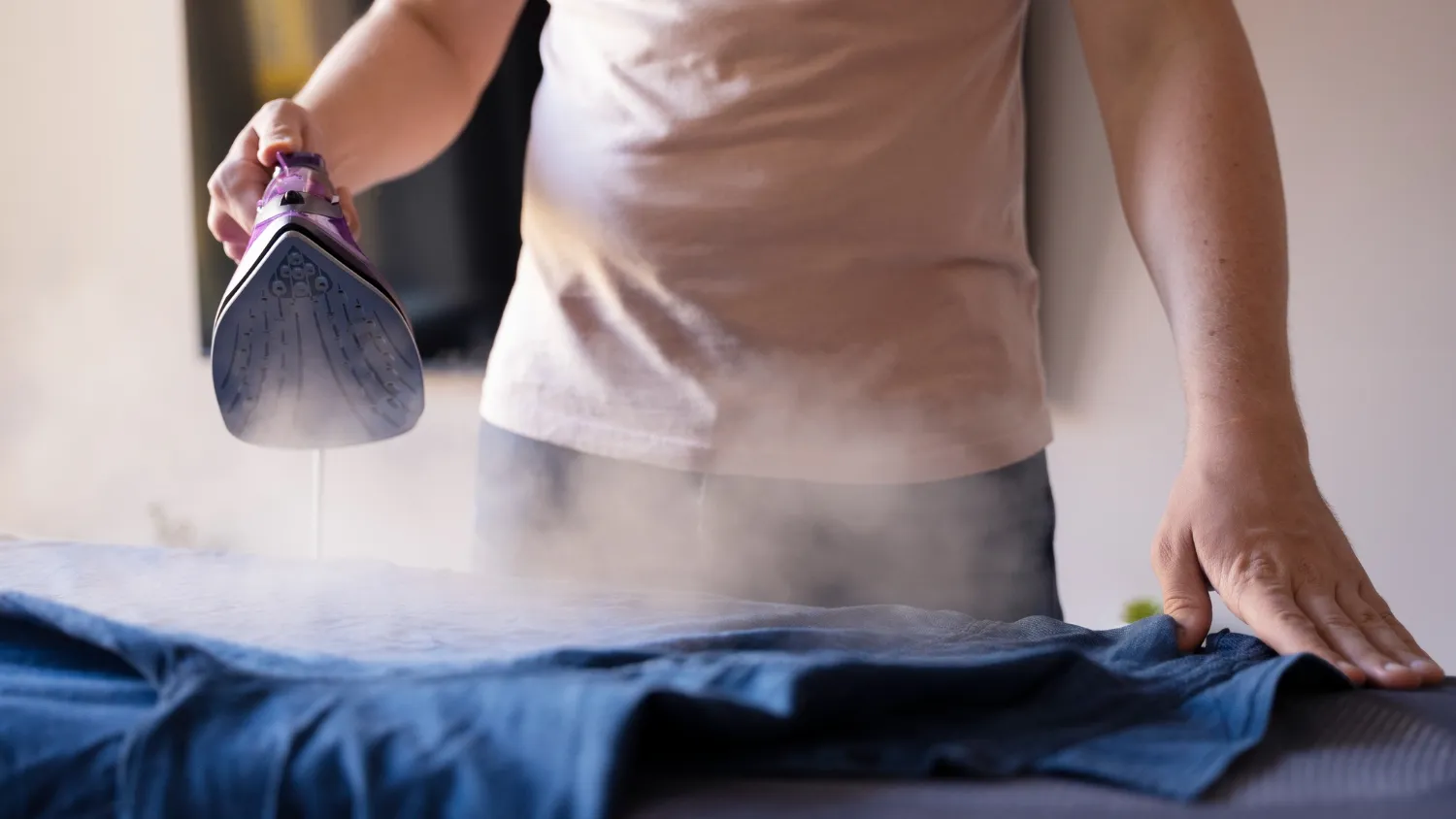
Perform Regular Scale Cleaning. (Image: Magnific/Magnific)
Most steam irons come equipped with a scale cleaning feature or self-clean that functions to automatically expel mineral deposits from the tank and steam channels. This feature should be used regularly, about once every one to two months, depending on the frequency of iron use at home.
To operate this feature, it generally starts with filling the water tank, turning the iron on to the maximum temperature without steam, and then pressing the scale cleaning button while holding the iron over the kitchen sink. Water mixed with scale will come out through the steam holes until the tank is completely empty.
Regularly using this feature keeps the steam bursts at maximum and reduces the risk of white or brown stains sticking to clothes when ironing. The usage guide for each brand of iron usually differs slightly from one another, so the included instruction manual should be read before trying it yourself at home.
An iron that continuously emits brown water or has severe blockages in the steam holes indicates that scale has accumulated significantly inside the device. Such conditions sometimes cannot be resolved simply with regular scale cleaning features.
Taking the iron to a technician or an official service center helps ensure that the inside of the device is thoroughly cleaned without damaging the electronic components within. The technician can also check if any parts need to be replaced due to scale that has hardened over time.
Regular check-ups with a technician, especially for irons that have been used for years, help detect damage early before it develops into a bigger problem, while also saving repair costs in the future. This step complements the scale prevention habits that have been implemented daily at home.
What is the main cause of scale on steam irons?
Scale on steam irons generally comes from minerals like calcium and magnesium found in tap water, which deposit every time the tank is heated.
Can distilled water really prevent scale?
Distilled water has a much lower mineral content compared to tap water, so regular use reduces the risk of scale formation in the tank and steam channels.
How often should scale cleaning be done?
Cleaning scale with the self-clean feature is generally recommended every one to two months, depending on how frequently the steam iron is used in daily activities.
Can scale on the iron affect ironing results?
Accumulated scale can clog the steam holes, causing uneven bursts and leaving white or brown stains on the clothes being ironed.
What should be done if the scale is too severe?
An iron with severe clogging or continuous brown water discharge should be checked by a technician to prevent further damage to its internal components.
(kpl/bim)
Cobain For You Page (FYP) Yang kamu suka ada di sini,
lihat isinya
Discover 10 Indonesian horror films that highlight village myths, presenting eerie and mysterious stories that pique curiosity.

Feeling stuck? This series of inspirational films is ready to be the trigger for you to start a new chapter in life. From true stories to deep adventures, find the courage to change.

Recommendations for movies about angels and divine intervention with warm, touching, and meaningful stories.

Horror movies on Netflix without many jumpscares that guarantee to give you chills through atmosphere and psychological horror, without needing many startling jumpscares.
12 ornamental fish that are believed to bring good luck according to Feng Shui, from goldfish, koi, to arowana.

Inspirations for minimalist TV rack models, ranging from space-saving hanging designs to multifunctional ones with hidden drawers.
Don't just cut! Learn 7 Ways to Prune Ornamental Fruit Plants to Keep Them Short and Fruitful without stressing the plants.

Watch how films combine animation and live-action, creating a unique cinematic experience. Explore the history, techniques, and a lineup of iconic films that amaze audiences.

Do you like villain characters with a redemption story? Check out these 7 Netflix series where the villains ultimately turn good and are even liked by the audience.

Transform your outdoor kitchen into a livelier space with beautiful flowering herb plants. Besides enriching your cooking, these flowers also offer visual aesthetics and a calming aroma.

Disney continues to bring classic animated stories to the big screen in live action format. From Cinderella to The Lion King, check out the list of adaptations that have successfully captivated audiences.
Learn how to care for ginger in pots to grow quickly and be harvested at home. A practical gardening guide for beginners in limited spaces.
