

 Follow
 Rekomendasi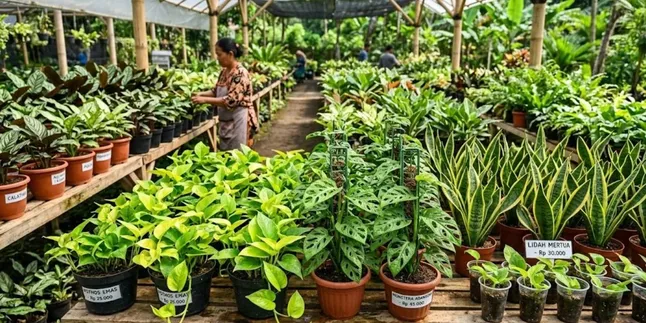
8 Ornamental Plants That Are Easy to Propagate for Sale, Often Sought After by Buyers
Ornamental plants that are easy to propagate for sale can be a choice for beginners who want to start a plant business from home.
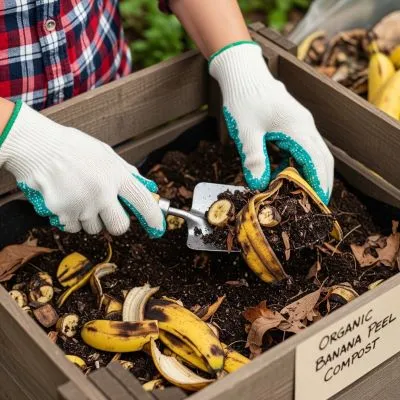
Kapanlagi.com - Kapanlagi.com - Banana peels, which usually go straight to the trash, can actually be utilized for gardening purposes. This leftover fruit can be processed into simple organic fertilizer that can provide additional nutrients for plants. The method of making fertilizer from banana peels is quite easy and does not always require hard-to-find materials, making it suitable for beginners or those who enjoy taking care of plants at home.
Banana peels contain various mineral elements, including potassium, as well as organic materials that can return to the soil after undergoing decomposition. However, banana peels should not be considered a substitute for all of a plant's nutritional needs. Fertilizer made from banana peels is more appropriately used as one source of organic material or nutrient supplement, while the plant's needs should still be adjusted according to the type, condition of the growing medium, and growth phase.
Interestingly, banana peels can be processed in several ways, from drying them and turning them into powder, soaking them to make extracts or liquid fertilizers, to composting them with other organic materials. Each method has different usage instructions and processing times. So, how can you easily make fertilizer from banana peels that can help your plants thrive? Citing various sources, Sunday (23/8/2026), here is the information review.
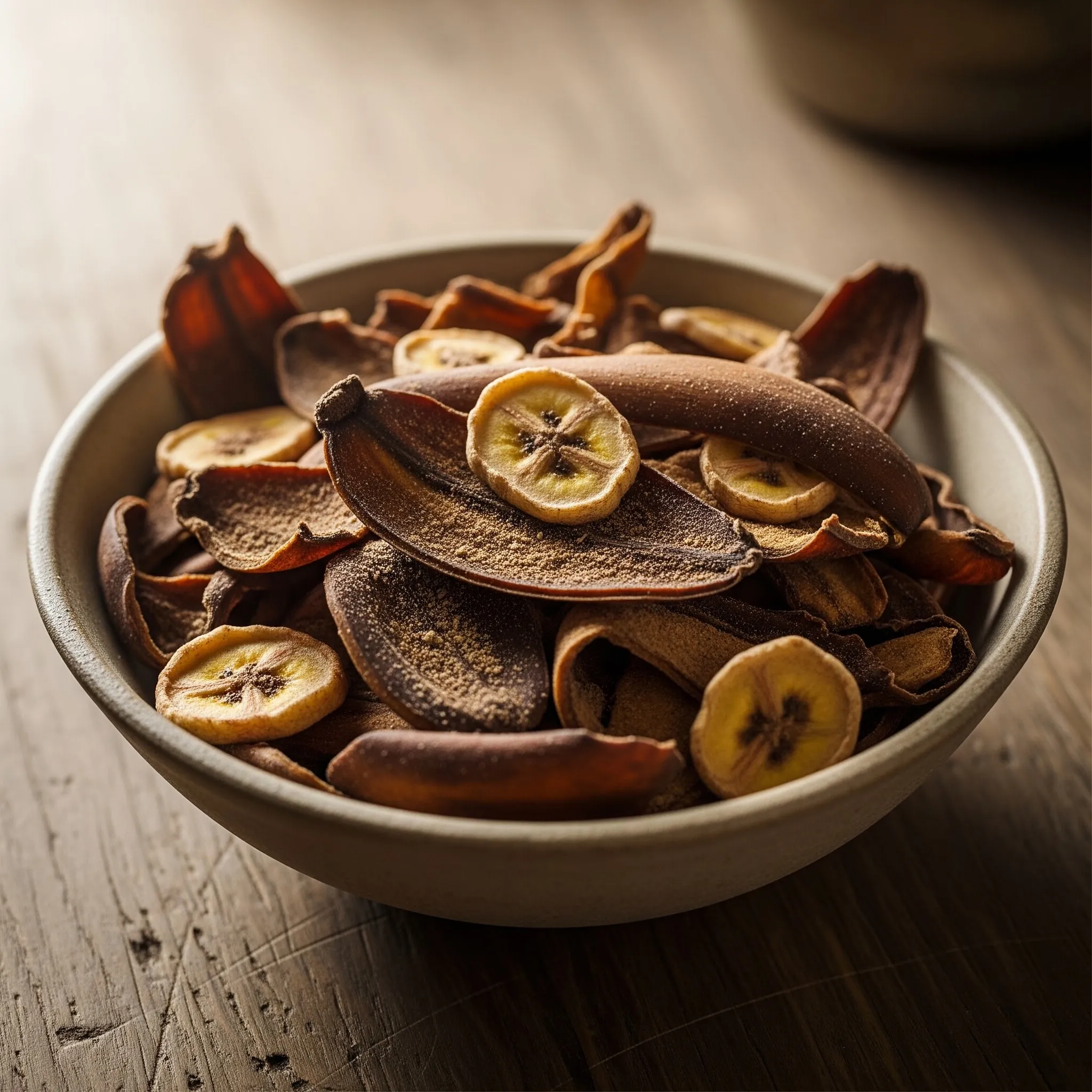
The simplest way is to dry the banana peels first. Wash the banana peels to remove any dirt, then cut them into small pieces to speed up the drying process. Place the pieces on a tray and sun-dry them until completely dry. If the weather is not supportive, banana peels can be dried using an oven at a low temperature, but be careful not to burn them.
Once dried, the banana peels can be crushed using a blender or pounded until they become small pieces or powder. The finer the result, the easier it will mix with the growing medium and decompose. Make sure the peels are completely dry before storing them, as any remaining moisture can trigger mold growth. Store the banana peel powder in a dry, closed container if not used immediately.
To use it, mix a little banana peel powder into the top layer of the growing medium or incorporate it into the soil when planting. Do not apply in excessive amounts, as organic material that has not fully decomposed can affect the condition of the medium. This method is suitable for houseplant owners who want to utilize banana peels without having to undergo a fermentation process that takes longer.
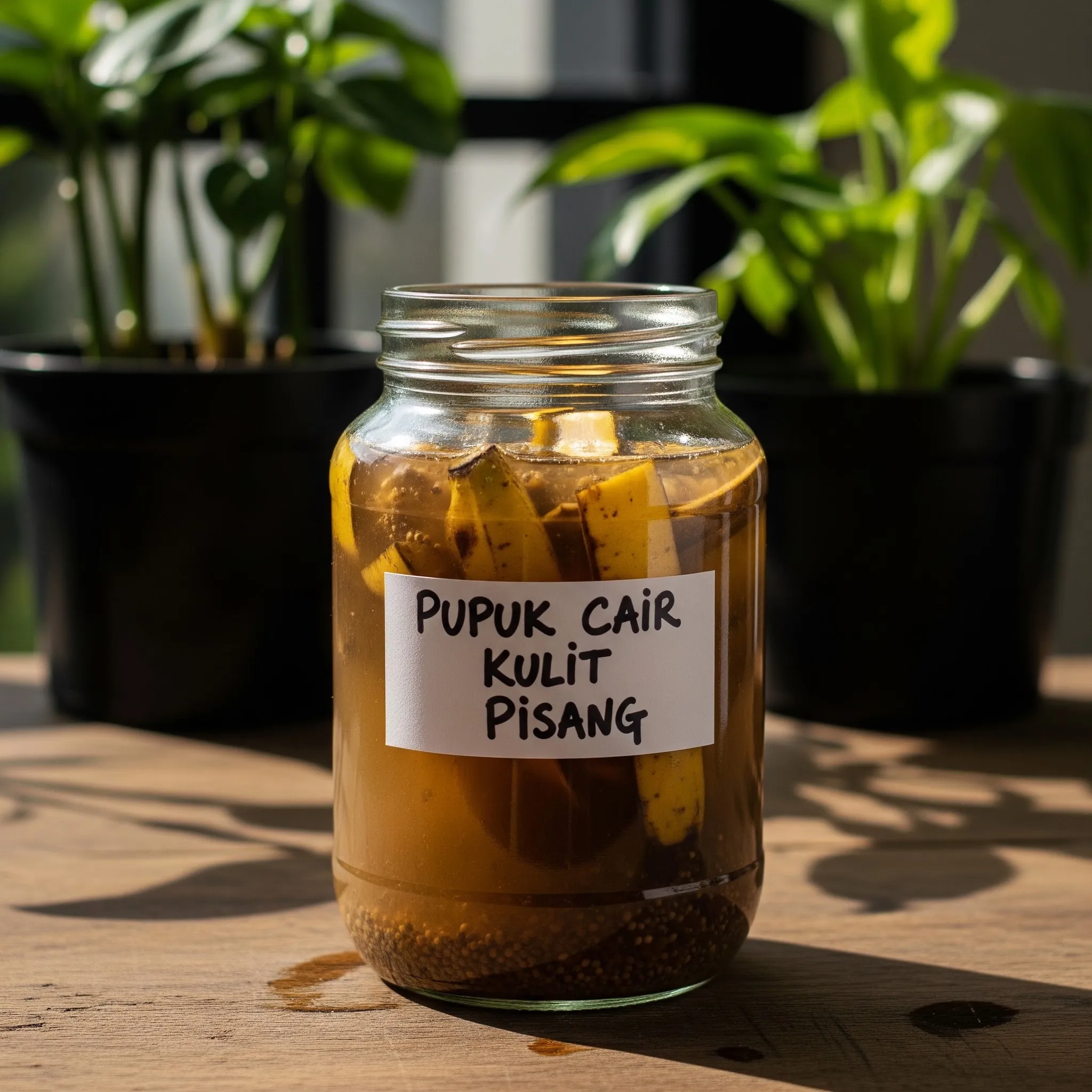
Banana peels can also be processed into fertilizer or liquid extract through soaking. Cut the banana peels into small pieces, then place them in a container filled with water. Use a clean container and do not fill it too full to leave some space. After that, cover the container and let the mixture sit for some time according to the method used. If you want to make liquid fertilizer through fermentation, the process requires a formulation and more controlled timing compared to simply soaking banana peels.
It is important to note that the soaking water from banana peels made simply does not automatically have a consistent nutrient composition like commercial fertilizers. The amount of soluble nutrients greatly depends on the type of banana, the amount of peels, the volume of water, the duration of the process, and the processing conditions. Therefore, the soaking results should be considered as a simple organic extract, not a complete fertilizer that can replace the nutritional needs of plants.
Before applying it to plants, strain the liquid to ensure that no pieces of peel are included. To reduce the risk of being too concentrated, the liquid can be diluted with clean water first. Avoid giving the solution in excessive amounts or too frequently, especially to potted plants with poor drainage. If a very pungent rotten smell appears, unwanted mold growth occurs, or changes in plant condition happen after application, it is best to stop use and reevaluate the preparation process.
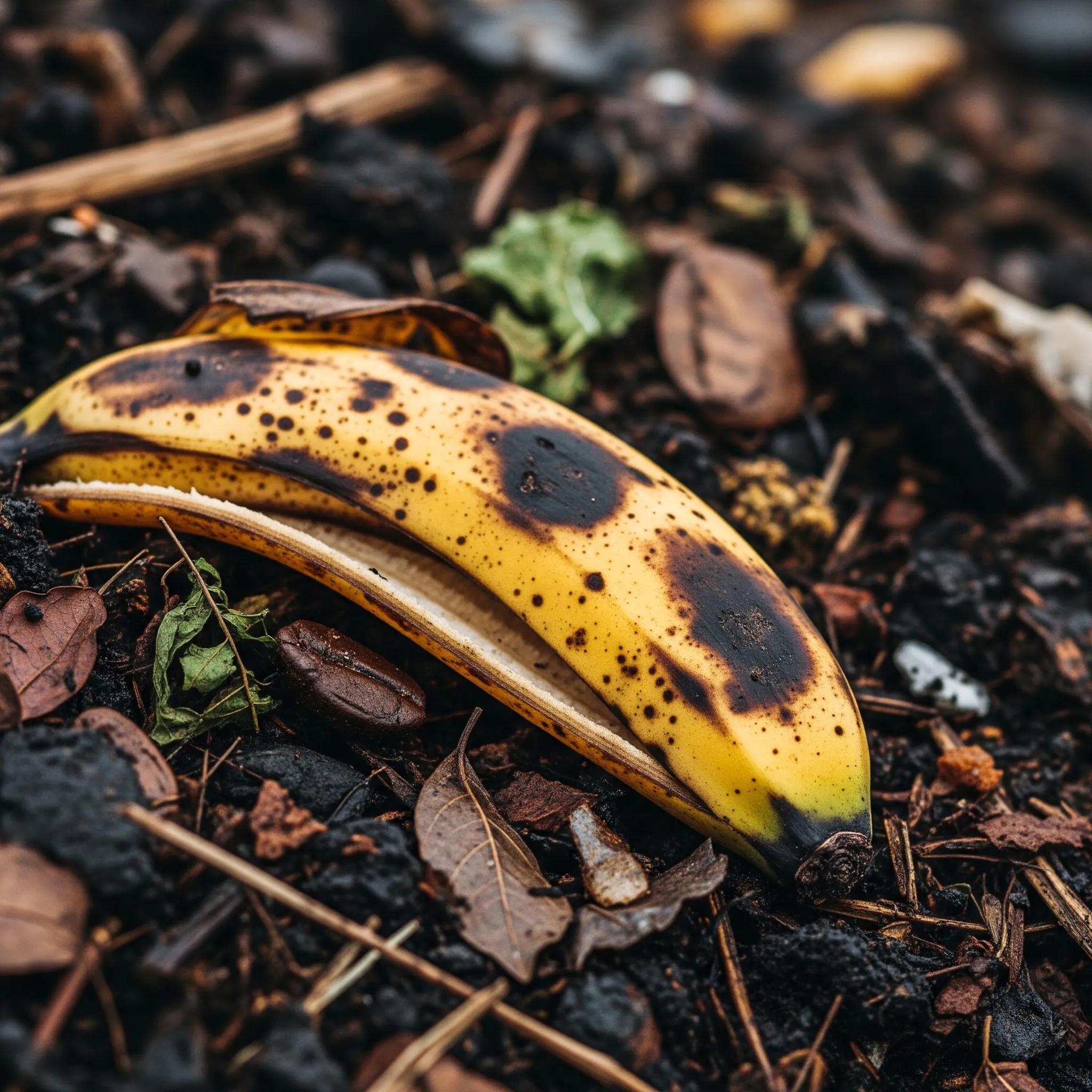
Processing banana peels into compost is one of the better options if you want to return organic matter to the soil. Cut the banana peels into small pieces for faster decomposition, then mix them with carbon-rich materials such as dry leaves, straw, or other dry plant materials. The balance between wet and dry materials is important so that the compost pile does not become too wet and produce unpleasant odors.
The compost pile needs to have adequate moisture, but it should not be soggy. Air circulation is also important because aerobic composting requires oxygen. Turn or mix the pile periodically to help introduce air into the interior. Banana peels mixed with other organic materials will gradually decompose, making their original form increasingly difficult to recognize.
Mature compost can be used as a soil amendment or a source of organic material. Its general characteristics include a darker color, crumbly texture, a temperature close to the surrounding environment, and an aroma more similar to soil than to decaying organic matter. Do not rush to use compost that is still raw, as incomplete decomposition can disrupt the condition of the medium and plants.
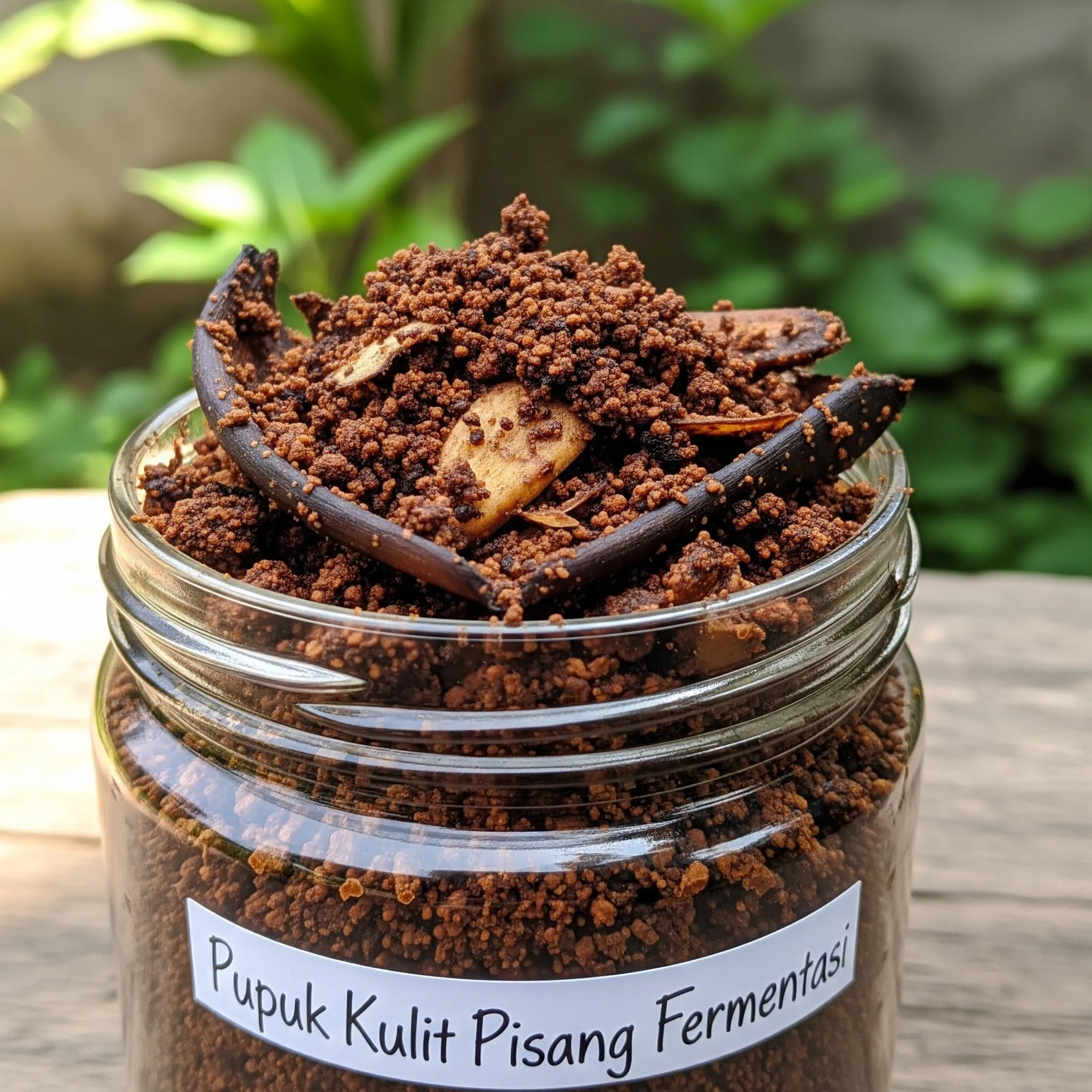
Another method that can be tried is processing banana peels through fermentation. The banana peels are first washed and cut into small pieces, then placed in a container along with supporting fermentation materials according to the recipe used. This process requires extra attention because fermentation is not just about storing banana peels in water. The composition of materials, moisture content, cleanliness of the container, and conditions during fermentation can affect the final results.
During the process, changes in aroma, color, and condition of the materials need to be monitored. Proper fermentation should not result in extremely rotten conditions or show uncontrolled contamination. The container should not be closed haphazardly if the fermentation process produces gas, as pressure can build up. Use methods and fermentation materials with clear measurements if you want to achieve more consistent results.
After the process is complete, the solid and liquid parts can be separated if the method used indeed produces both. The liquid needs to be used carefully and should preferably be diluted before being applied to the soil. Meanwhile, the solid part can be further processed or added to compost. Because the concentration of nutrients in homemade fermented fertilizer is difficult to determine without laboratory testing, do not make it the sole source of plant fertilization.
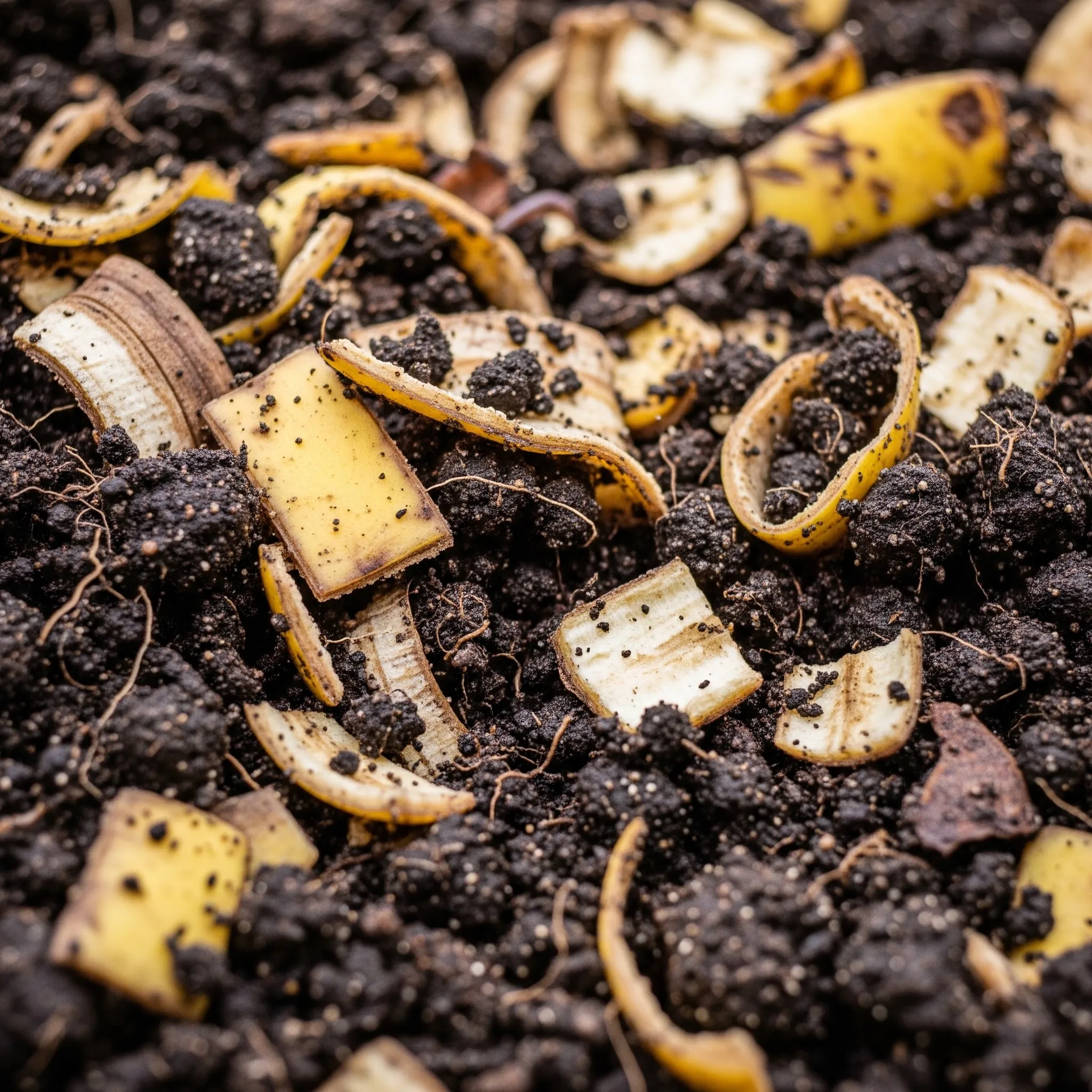
If you do not want to dry or ferment banana peels, the simplest method is to chop them and bury them in the soil. Cut the banana peels into small pieces to increase the surface area, making it easier for soil microorganisms to break them down. This method essentially utilizes banana peels as organic material that will decompose gradually in the planting medium.
It is advisable not to place banana peels directly on the soil surface in large amounts. Besides attracting certain flies or insects, the accumulated peels can also produce an odor when they rot. Mix the chopped peels with the soil or place them in a compost area to ensure a more controlled decomposition process. Avoid placing banana peels directly against the stem or roots of plants, as fresh organic material that decomposes can create less than ideal conditions around the base of the plants.
This method is more suitable for gardens or planting areas with a relatively large medium compared to small pots. For potted plants, use a limited amount of chopped peels and ensure proper drainage. This method does require time since the plants do not immediately receive all the nutrients from the banana peels. However, the gradually decomposing organic material can help increase the organic content of the medium while also reducing kitchen waste.
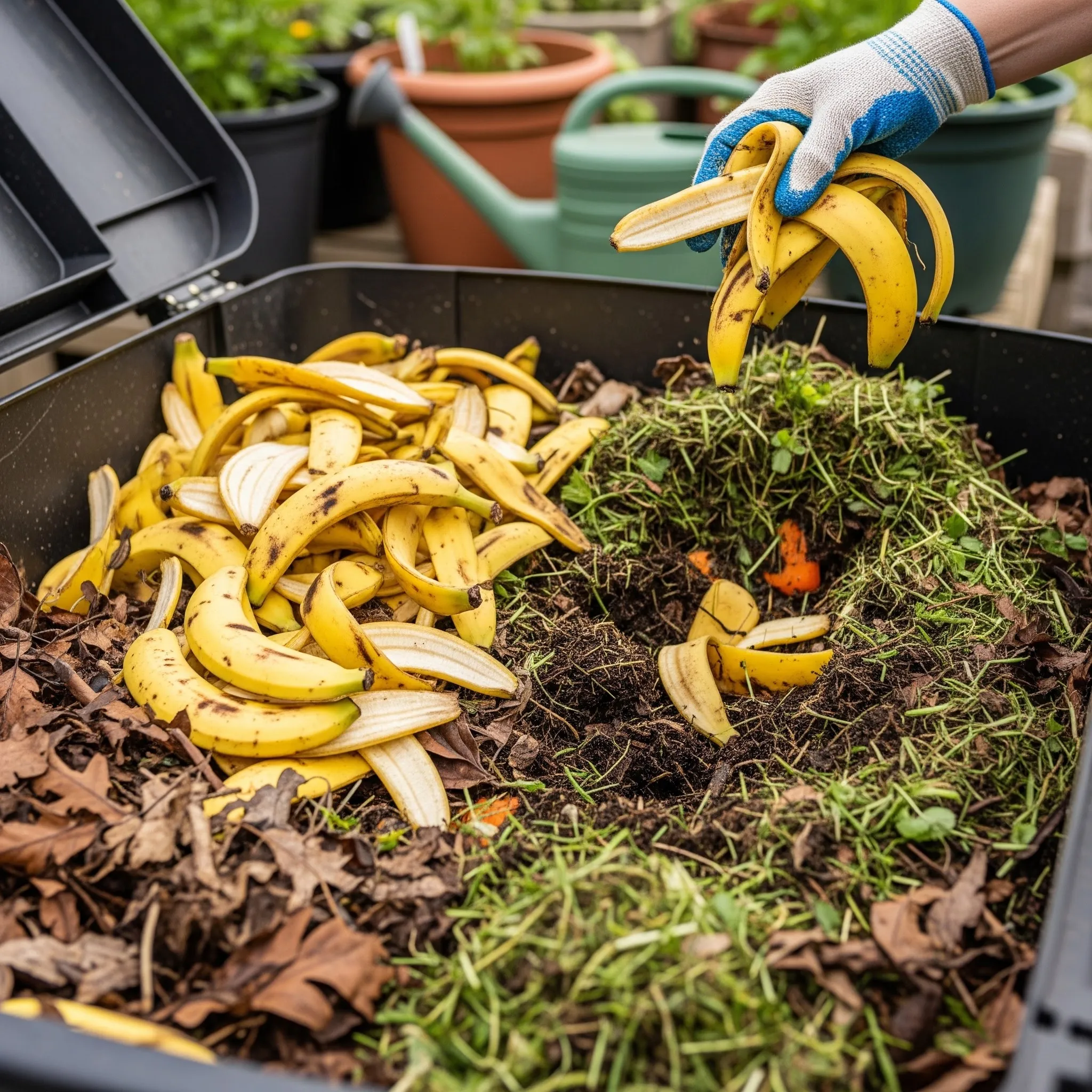
Banana peels can also be combined with various other organic waste to create a more diverse compost fertilizer. In addition to banana peels, materials that can be used include vegetable scraps, dry leaves, grass, and other plant materials suitable for composting. Banana peels are relatively water-rich organic materials that decompose easily, so they should not be used as the sole ingredient in a compost pile.
To ensure a more balanced process, combine wetter, nitrogen-rich materials with dry, carbon-rich materials. Cut larger materials into smaller pieces and layer them or mix them evenly. Moisture should be maintained at a sponge-like dampness, not soaking wet. If the pile is too wet and compact, add dry materials and turn the compost to improve air circulation.
Once matured, the mixed compost can be used as a soil amendment or mixed into growing media. The advantage of this method is that the organic content comes not only from banana peels but also from various other plant materials. Thus, the final product is more suitable for use as part of comprehensive soil fertility management. Always pay attention to the specific needs of the plants, as each type of plant requires different compositions and amounts of nutrients.
Yes. Banana peels can be utilized as organic material for plants because they contain a number of minerals, including potassium. However, fertilizer made from banana peels should be used as a nutritional supplement or source of organic material, not as the sole fertilizer because plant needs encompass various nutrients.
The simplest way is to dry the banana peels, then crush them into small pieces or powder. Banana peels can also be chopped and added to compost with other organic materials. This method does not require complicated fermentation processes, making it quite easy to do at home.
Yes. Banana peels can be cut into small pieces and then processed into extracts or solutions through soaking or fermentation. However, the nutrient content of homemade preparations does not have a precise measurement, so it should not be considered a complete fertilizer, and its use should be done wisely.
It depends on the processing method. Fresh banana peels should not be piled directly around plants as they can attract insects and produce odor when decomposing. If you want to incorporate them directly into the soil, the peels should be chopped finely and used in limited amounts.
Processed banana peels can be a source of organic material and provide a number of minerals, including potassium. Decomposed organic material can also help support the conditions of the growing medium. However, the benefits gained depend on the processing method, soil conditions, plant types, and the amount applied.
(kpl/iya)
Cobain For You Page (FYP) Yang kamu suka ada di sini,
lihat isinya
Ornamental plants that are easy to propagate for sale can be a choice for beginners who want to start a plant business from home.

Looking for recommendations for Korean dramas about female characters who boldly say no? Check out the best dramas featuring strong female leads.

A thriller movie with a mind-blowing ending that is full of mystery, unexpected twists, and a story that's hard to guess.

Discover 10 dramas about teachers who strive to help troubled students, presenting touching stories for exciting viewing during your free time.

Missing school days and old friends? Check out 7 dramas about friendships that remain strong even after graduation, filled with warm stories and nostalgia.

Healing each other, these dramas present heartwarming stories of a group of people living together, sharing laughter and tears, until they find the meaning of true family.
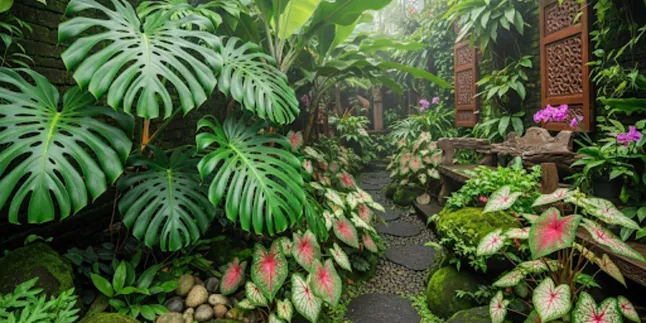
Want your home to look luxurious without the hassle? Discover a range of decorative plants with an exclusive appearance that are surprisingly easy to care for, perfect for beginners and a modern lifestyle.

Check out the list of Indonesian film series starring comedians, from Cek Toko Sebelah to Agak Laen, complete with synopses, cast, and reasons why they are a must-watch.
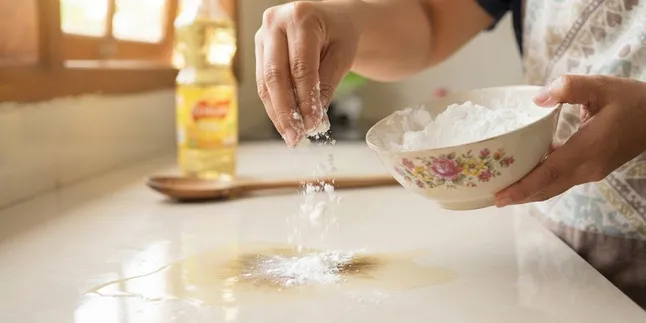
Clean stubborn oil stains at home easily using cornstarch! Check out these 7 practical and effective methods.

Discover 8 thriller films that highlight the theme of being trapped in a house, presenting real tension and intrigue.
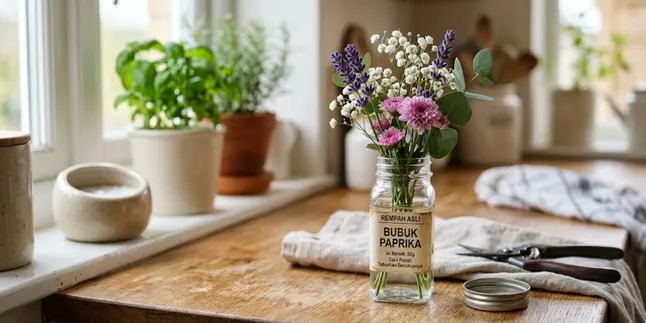
Don't rush to throw away used spice jars; they can be transformed into useful items, ranging from daily spice containers, mini vases, to DIY aromatherapy candles.

A series of popular Korean dramas that present the stories of doctors, ranging from dentists to veterinarians, who decide to return or move to their hometowns facing various challenges and romances.
