

 Follow
 Rekomendasi
How to Use Cornstarch to Clean Oily Stains, Effectively Remove Stubborn Stains
Clean stubborn oil stains at home easily using cornstarch! Check out these 7 practical and effective methods.

Kapanlagi.com - Starting an ornamental plant business has become an increasingly attractive opportunity, especially if you focus on ornamental plants that are easy to propagate for sale. In addition to beautifying your home, ornamental plants can also be a source of stable income. The key is to know which types are easy to cultivate and have market appeal.
This article will discuss eight popular varieties of ornamental plants that are not only easy to propagate but also promise a bright market potential. By choosing the right types, you can develop your business more efficiently and profitably.

Pothos Plant/Photo by Yazid N on Unsplash
Pothos is a popular climbing plant due to its easy maintenance and ability to thrive in various lighting conditions. Its beautiful leaves, often adorned with shades of green and golden yellow patterns, are its main attraction.
Propagating pothos is very easy, simply through stem cuttings. You just need to cut a section of the stem that has at least one or two nodes, then plant it in water or directly into the growing medium. The cuttings can also survive quite a long time if the base is dipped in water.
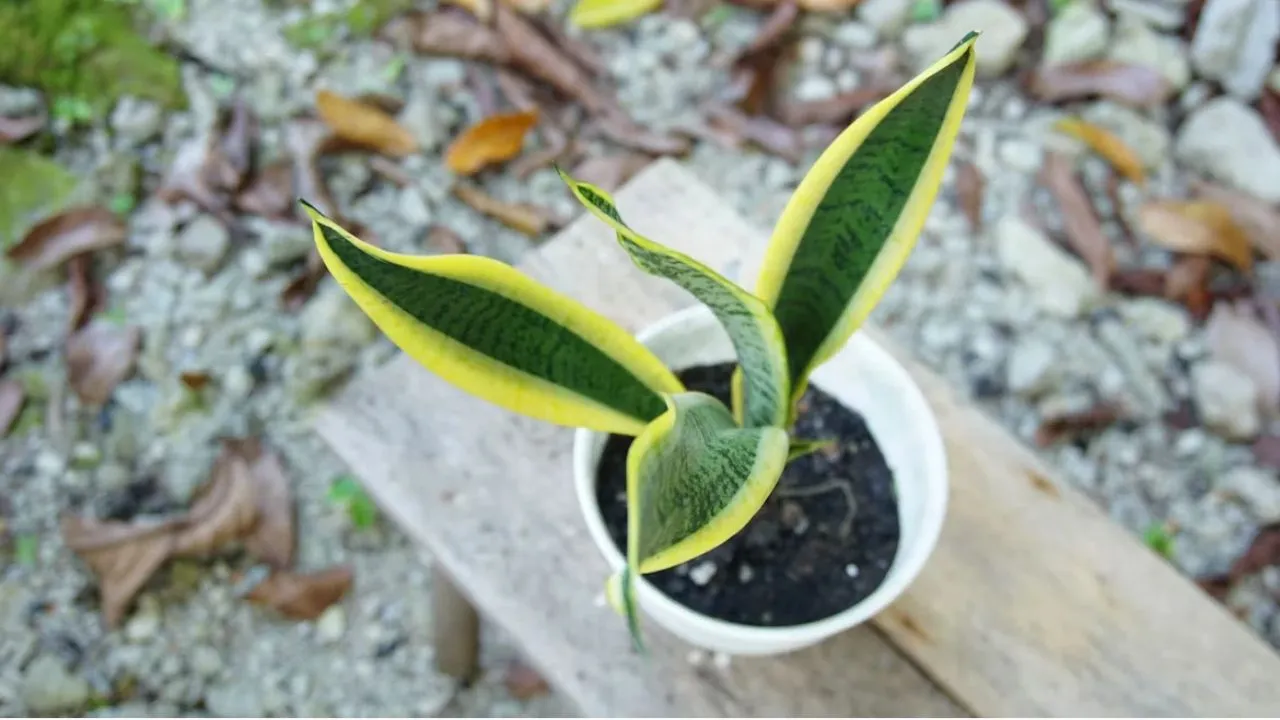
Mother-in-law's Tongue/Photo by aditya hermawan on Unsplash
Snake plant, or Sansevieria, is known as a very resilient ornamental plant that is easy to care for. This plant even requires very little water to survive. Its characteristic features include hard, succulent, upright leaves with pointed tips, often adorned with a touch of yellow along the leaf edges.
Propagating snake plant is very easy and can be done using three methods: separating pups, leaf cuttings, or tip cuttings. For separating pups, you simply detach the new pups from the parent plant and transfer them to another pot. Meanwhile, leaf cuttings are done by selecting the oldest leaves, cutting them into several pieces, and then inserting them into the growing medium. The tip cutting method also involves cutting and replanting a section of the leaf.

Cactus/Photo by Thomas Verbruggen on Unsplash
Cacti and succulents are a favorite choice due to their unique shapes, minimal care requirements, and their ability to store water in their leaves or stems. There are many varieties of cacti and succulents that are easy to propagate, offering interesting diversity for enthusiasts.
Most cacti and succulents can be propagated through leaf or stem cuttings. To do this, cut a healthy part of the leaf or stem, let it dry for a few days until a callus forms, then plant it in sandy soil. Some types also naturally produce offsets that can be separated for replanting.
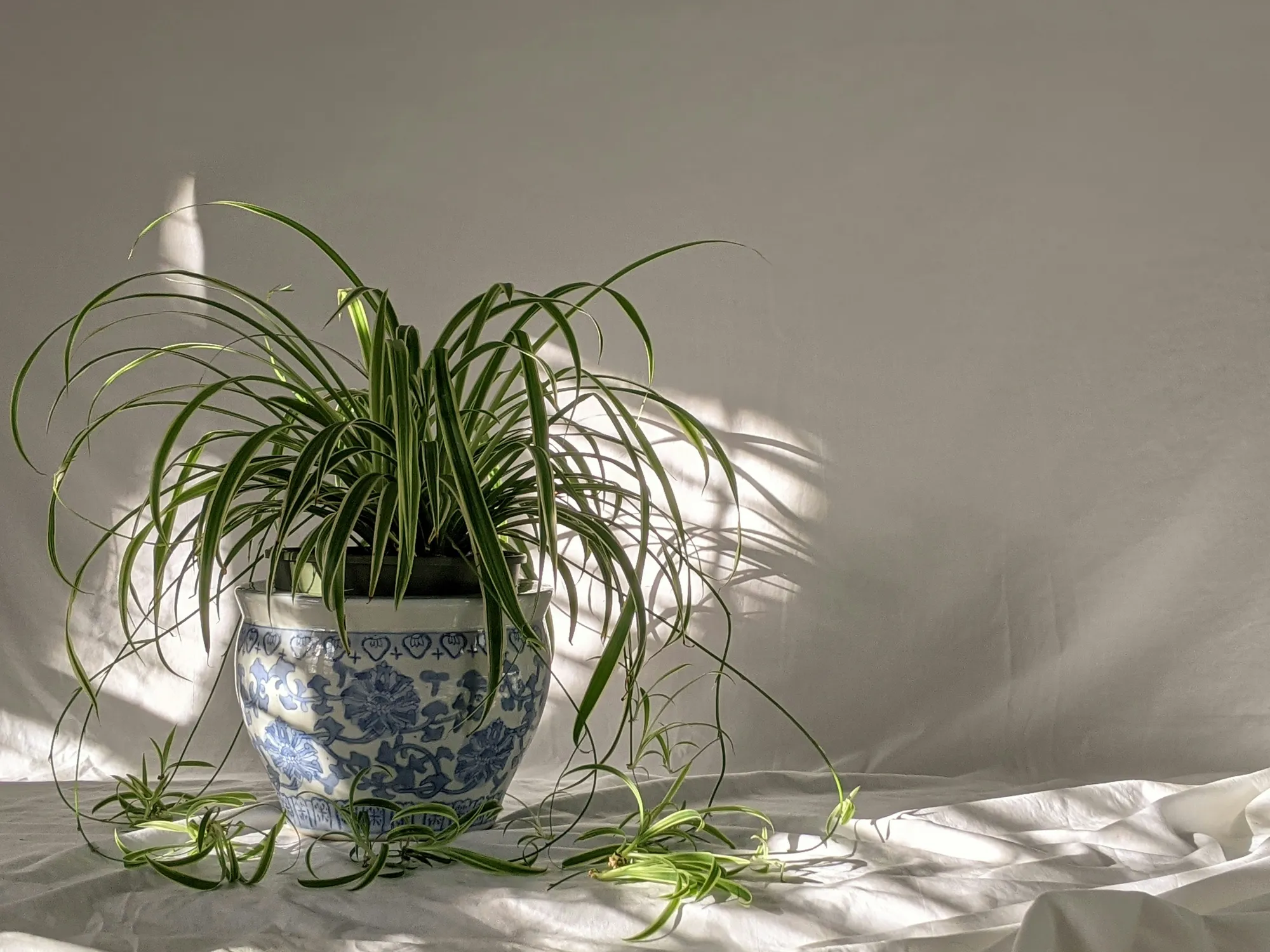
Spider Plant/Photo by Susan Wilkinson on Unsplash
The spider plant, or spider plant, is a popular ornamental plant known for its ease of care and its ability to produce abundant "baby" plants (spiderettes). Its trailing appearance makes it suitable for hanging.
Propagating spider plants is very easy through several methods. You can use offsets (spiderettes) that grow at the ends of long stems; simply cut the offsets when their leaves are 2-3 inches long. These offsets can be planted directly in soil or soaked in water until they root. Another method is clump division, where a mature and healthy parent plant can be divided by separating its root mass into several parts, each with healthy roots and leaves.

Monstera/Photo by Annie Spratt on Unsplash
Monstera is a very popular ornamental plant due to its large and uniquely holey leaves, giving a tropical impression while also providing modern aesthetics. Although it can be quite expensive, monstera is relatively easy to propagate, making it a good choice for sale.
Monstera can be propagated at any time of the year, although new growth tends to be faster during warm weather. The most common and easiest method is stem cuttings. To do this, look for a node on the stem that has an axillary bud, and then cut about 2.5 to 5 cm below that node.
The cuttings can be planted directly in the soil or soaked in water until roots develop. Additionally, air layering is also a relatively safe method because the new plant still receives nutrients from the parent during root formation. Although it is slower and requires patience, monstera can also be propagated from seeds.
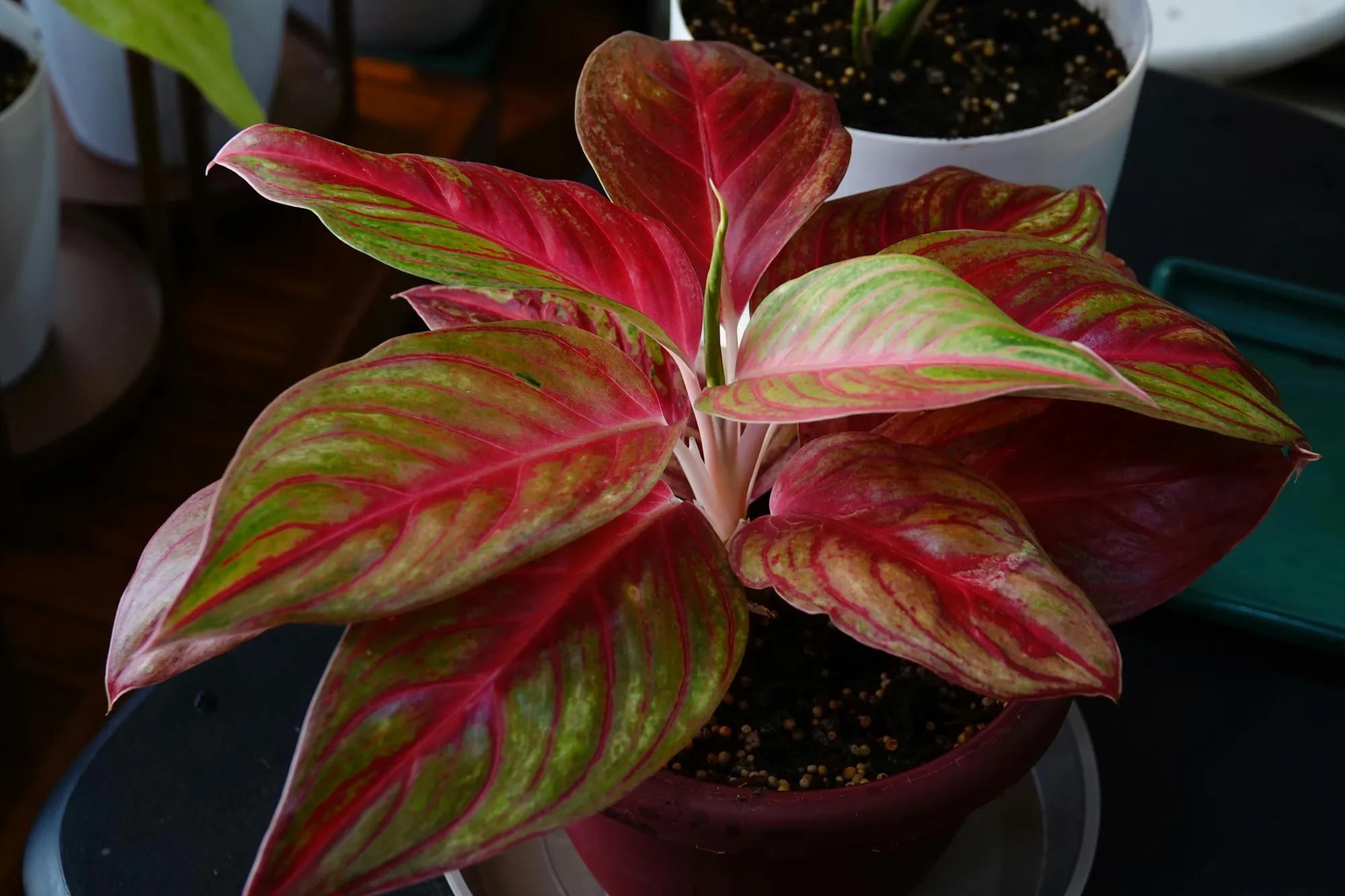
Aglaonema/Photo by Evangeline Bautista on Unsplash
Aglaonema, or Chinese Evergreen, is a popular ornamental plant sought after for its beautiful leaves and diverse varieties. The main attraction of this plant lies in its colorful leaves, showcasing stunning patterns and gradients.
Aglaonema can be propagated using several methods. Division of offsets is the easiest way; aglaonema offsets that have 3-5 leaves and at least 5 roots are ready to be separated from the parent plant. Another method is mini-cuttings, where the stem is cut down to consist of only 1-2 nodes, with at least 1 bud and 1 leaf. Leafless stem cuttings can also be done by slicing the stem as desired, ensuring each node has a bud. Stems that are buried and moist will form roots and new shoots. Grafting techniques can also be an alternative for propagating aglaonema relatively quickly.

Peperomia/AI Generated
Peperomia is a diverse group of plants, known for their attractive foliage and relatively easy care requirements. Its often thick and fleshy leaves help it retain water, making it resistant to dry conditions.
Propagating peperomia is very easy and economical. You can use leaf cuttings; take some leaf cuttings from a healthy parent plant, leaving a small part of the stem on each piece, and then plant them in potting media or perlite. Stem cuttings in water are also the easiest method; just cut a stem and place it in a glass of water, ensuring the leaves remain above the water surface. Roots will start to grow within the first two weeks. Additionally, peperomia can also be propagated by dividing clumps.
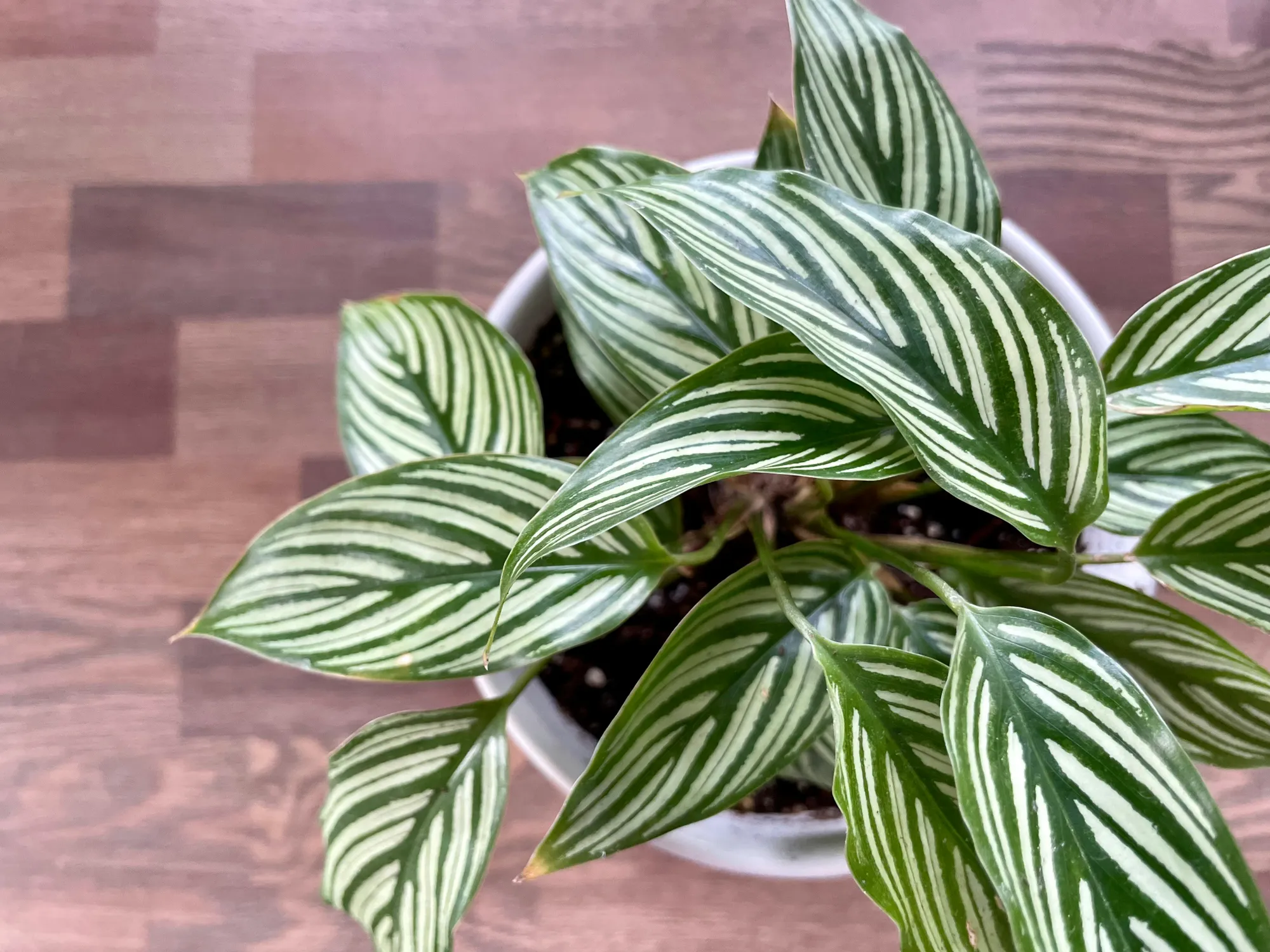
Calathea/Photo by Steve DiMatteo on Unsplash
Calathea is an ornamental plant that is highly sought after for its beauty and the uniqueness of its leaves, which have beautiful striped patterns. This plant is often nicknamed "prayer plant" (prayer plant) because its leaves curl up at night and reopen in the morning, resembling the motion of praying.
Calathea can be propagated by separating its clumps or rhizomes. Water the parent plant a day before division. Then, remove the plant from the pot and carefully separate the clumps or rhizomes, ensuring that each part has healthy roots. Replant in a new pot with fertile and moist growing media.
What ornamental plants are easy to propagate for sale that are mentioned?
The eight plants are Pothos, Snake Plant, Cactus and Succulents, Spider Plant, Monstera, Aglaonema, Peperomia, and Calathea.
What is the most common propagation method for Pothos and Monstera?
Pothos is most commonly propagated by stem cuttings, while Monstera is also most commonly propagated by stem cuttings.
Why is Snake Plant considered good to place in the bedroom?
Snake Plant can convert carbon dioxide into oxygen at night, making it ideal for bedroom decor.
What is another nickname for Calathea and why?
Calathea is nicknamed 'prayer plant' because its leaves curl up at night and open in the morning, resembling the motion of praying.
Besides being easy to propagate, what other benefits do Pothos and Snake Plant have?
Pothos is capable of cleaning the air from pollutants such as formaldehyde, xylene, and benzene. Meanwhile, Snake Plant can absorb air toxins such as benzene, xylene, trichloroethylene, and formaldehyde, and is believed to absorb radiation.
(kpl/nti)
Cobain For You Page (FYP) Yang kamu suka ada di sini,
lihat isinya
Clean stubborn oil stains at home easily using cornstarch! Check out these 7 practical and effective methods.
Don't rush to throw away used spice jars; they can be transformed into useful items, ranging from daily spice containers, mini vases, to DIY aromatherapy candles.

Coconut oil can actually be a lifesaver for stuck zippers! This natural lubricant is effective in reducing friction and restoring the movement of the zipper without damage.
Learn how to care for ginger in pots to grow quickly and be harvested at home. A practical gardening guide for beginners in limited spaces.
Want to have your own fresh vegetables? Baby kailan is the right choice for limited space. Here’s an easy way to plant it in pots or polybags for quick harvesting and always have supplies at home.
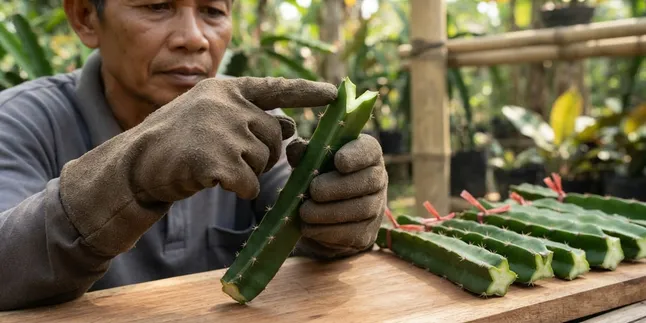
Want to cultivate dragon fruit at home? Check out this step-by-step guide on how to plant dragon fruit from cuttings that is easy, simple, and effective for quick and lush growth.
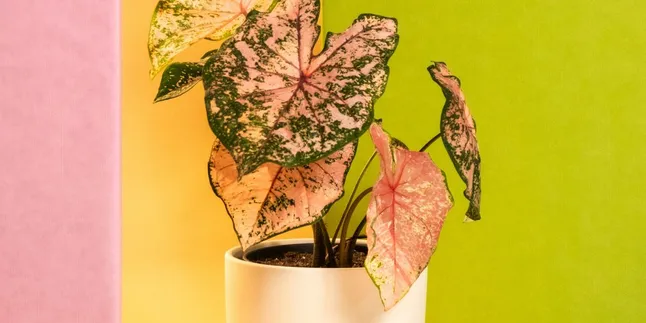
How to overcome curling and wilting taro leaves by identifying the causes and appropriate care steps.
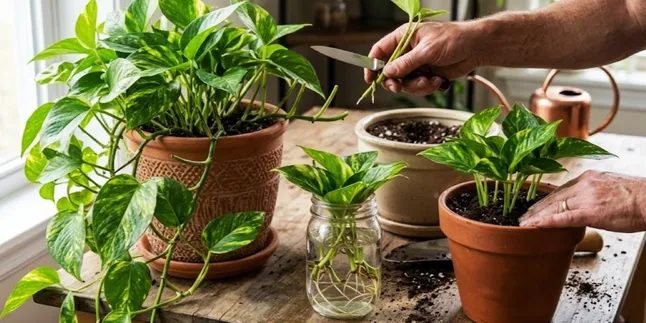
How to propagate pothos using water, planting media, and layering to quickly grow roots and produce new seedlings.
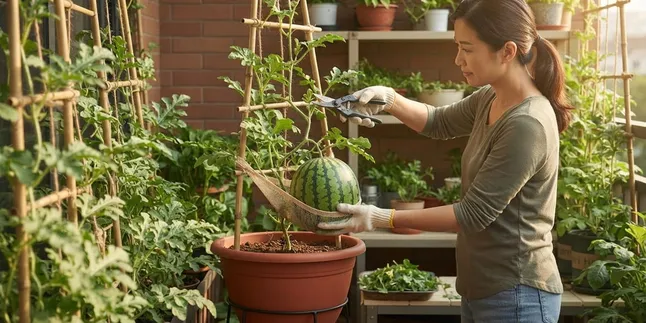
Learn the complete way to plant watermelon in narrow land using pots or polybags. Find tips on choosing mini varieties, planting media, care, and pruning to ensure abundant and sweet fruits.

Tricks to brighten a dark room can be achieved by playing with colors, lighting, and decorations to create a more comfortable atmosphere.
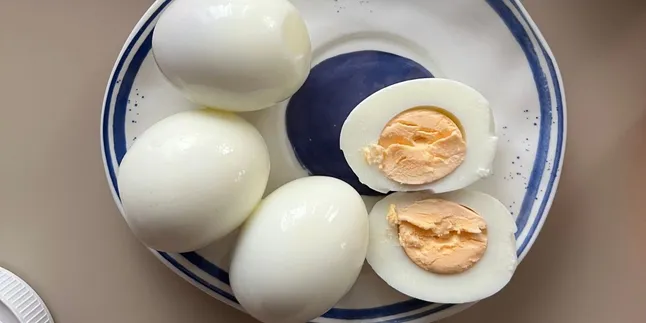
A guide to 6 levels of boiling eggs, from runny yolk to perfectly cooked, to achieve the desired texture.

Rainwater harvesting offers a smart solution for mitigating heat waves in urban areas, cooling the environment, supporting vegetation, and saving energy.
