

 Follow
 Rekomendasi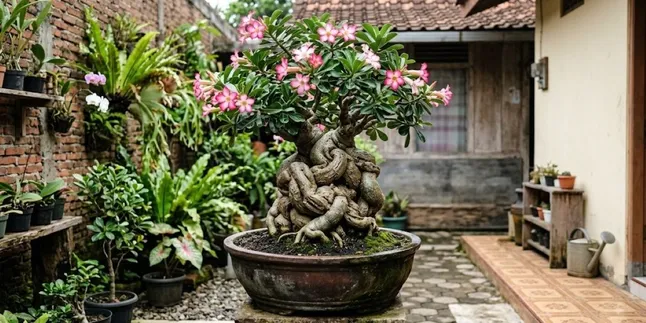
12 Plants with Unique Stem Shapes Worth Collecting, Making Your Garden More Attractive
Bring an artistic touch to your home with a collection of uniquely-stemmed plants; this collection is not only beautiful but also easy to care for.
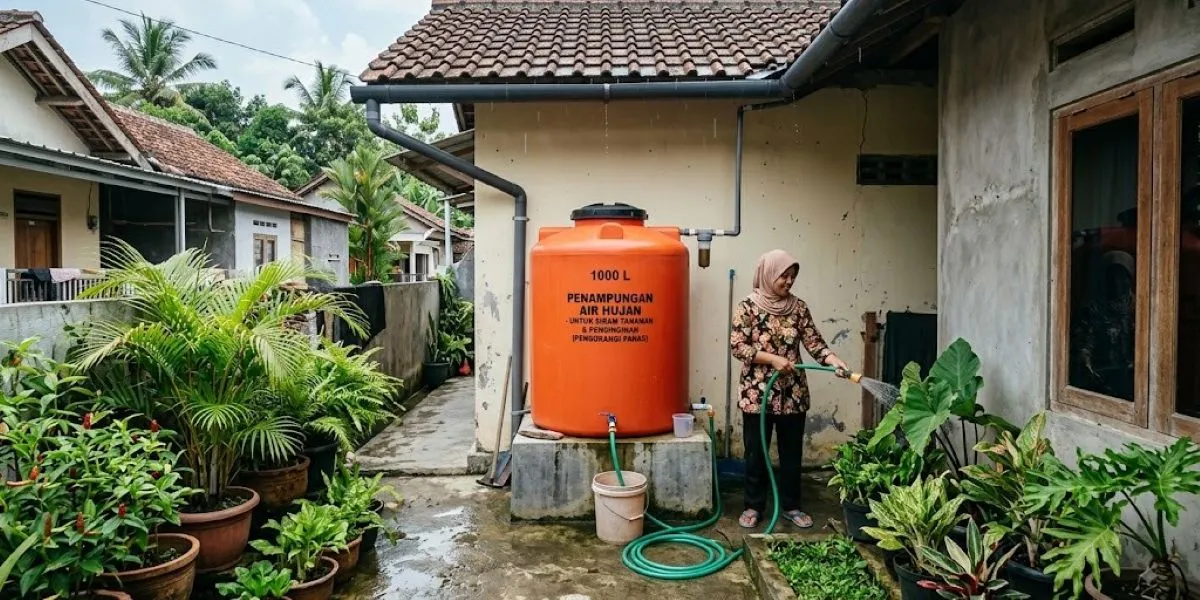
Kapanlagi.com - Harvesting rainwater to reduce heat waves can be a simple way to utilize water that would usually go to waste. Water from the roof is collected in tanks, then reused to help cool building surfaces during hot weather.
The concept of harvesting rainwater to reduce heat waves is also quite easy to implement with the help of gutters, pipes, tanks, and sprayers. When the roof starts to heat up, the collected water can be sprayed back to aid in the evaporation process, helping to lower the temperature.
In addition to making buildings cooler, harvesting rainwater to reduce heat waves can also help decrease air conditioning usage and retain some runoff during heavy rainfall.
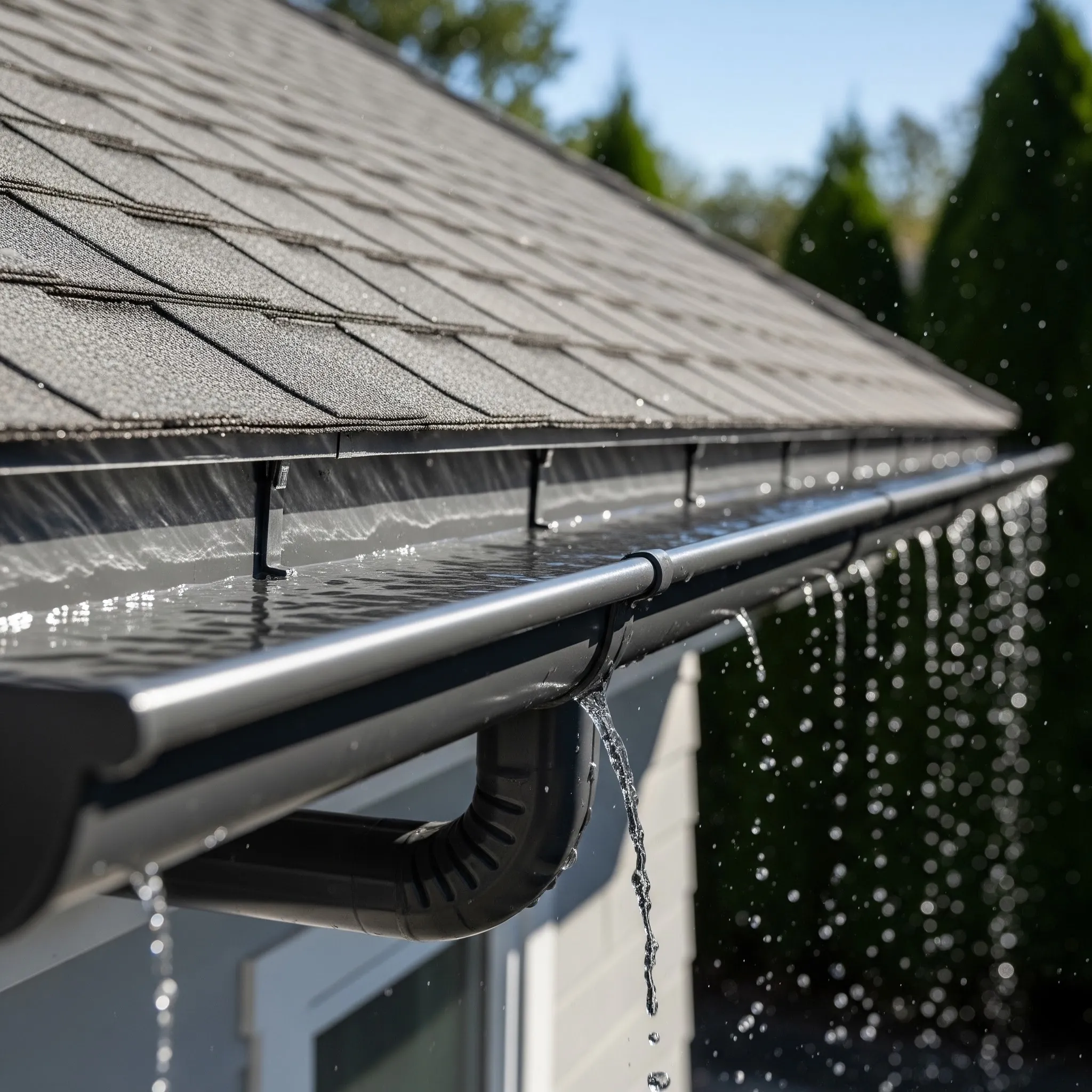
Gutters. (AI Generated)
The gutter functions to collect water from the roof surface and direct it to the storage pipe. Make sure the gutter is installed with enough slope so that water can flow smoothly and not pool. Choose a gutter size that is appropriate for the roof area to accommodate water flow when it rains heavily.
The filter at the tank's inlet helps to catch leaves, twigs, sand, and large debris from entering the container. Use a filter that is easy to remove so that it can be checked and cleaned regularly. This step also helps prevent water channels from getting clogged.
Use a storage container that has a lid to reduce the entry of dust, dirt, insects, and direct sunlight exposure. The tank's capacity can be adjusted based on the roof area, rainfall in the area, and water usage needs. Place the tank in a safe and easily accessible area for cleaning when necessary.
The tank should be equipped with an overflow line to drain excess water when the storage capacity is full. The overflow water can be directed to a garden, soakaway well, or appropriate drainage channel to prevent pooling around the building. Ensure that the channel does not lead to areas that could cause erosion or damage to the structure.
If the water will be used to help cool the roof, install a pump and sprinkler that can distribute water evenly over the surface. The timer system or temperature sensor can also be used so that spraying occurs only when needed. This way, the stored water can be utilized more efficiently and not wasted.
Gutters, filters, pipes, and tanks need to be checked and cleaned regularly to prevent dirt buildup. This maintenance is important to ensure that the water flow remains smooth and the storage capacity is not disrupted. Inspections should be conducted more frequently after heavy rain or when many leaves and debris accumulate around the roof.
Rainwater that has been collected does not need to be sprayed on the roof all the time. According to the research, the timing of activating the sprinkler is one of the important factors in determining cooling effectiveness. The system can be set to start spraying water when the surface temperature of the roof reaches a certain threshold, thus using water more efficiently and the evaporation process can help reduce heat.
A larger tank does not always mean the system will work more effectively. Research shows that increasing tank capacity only provides a relatively limited additional reduction in energy use and extreme temperatures. The same goes for the amount of water sprayed, as excess water does not always result in greater cooling if some does not evaporate. Therefore, the size of the tank and the volume of water should be adjusted to the building conditions and cooling needs.
The utilization of rainwater can be combined with the concept of a cool roof to achieve a more optimal cooling effect. Cool roofs generally use white colors or reflective materials that can reflect more sunlight, thus reducing the heat absorbed by the surface. The combination of these two strategies can help reduce the heat entering the building while also minimizing the need for air conditioning.
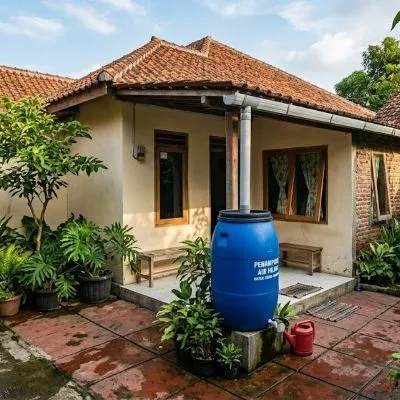
Collecting Rainwater. (AI Generated)
Collected rainwater can be used to help cool the roof surface during very hot weather. A cooler roof can reduce the amount of heat transferred into the building, thereby reducing the cooling needs of the rooms. This condition has the potential to lower air conditioning usage and help save energy.
This benefit is also related to urban environmental conditions. Air conditioning works by transferring heat from inside the building to the outside, so the more cooling devices are used simultaneously, the more heat is released into the environment. Utilizing rainwater to cool the roof can be an additional strategy to reduce cooling loads while also helping to mitigate urban heat.
Collecting rainwater from the roof can also help reduce the amount of water that flows directly into drainage systems during heavy rains. Rainwater that should be runoff can be temporarily held in tanks and then reused for non-consumptive needs, including watering plants or cooling roof surfaces.
This storage provides additional benefits for urban areas that have many impermeable surfaces like concrete and asphalt. By holding back some rainwater, this system has the potential to help reduce pressure on drainage systems while also providing a source of water that can be reused when needed.
How can rainwater collection cool buildings?
Collected rainwater can be sprayed onto the building's roof. The evaporation process of this water absorbs heat from the roof surface, thereby lowering the roof temperature and reducing heat transfer into the building, as shown by research from the University of Manchester.
What is the role of vegetation and green infrastructure in mitigating heat waves?
Vegetation cools the environment through evapotranspiration, where water evaporates from the soil and plant leaves, absorbing heat. Collected rainwater can be used to irrigate gardens, yards, and green roofs, making them 'natural air conditioners' that neutralize urban heat.
Can rainwater collection reduce the effects of urban heat islands?
Yes, by collecting and utilizing rainwater for cooling and supporting vegetation, cities can increase the amount of water that returns to the atmosphere through evapotranspiration, thereby reducing the phenomenon where urban areas become hotter.
(kpl/sel)
Cobain For You Page (FYP) Yang kamu suka ada di sini,
lihat isinya
Bring an artistic touch to your home with a collection of uniquely-stemmed plants; this collection is not only beautiful but also easy to care for.
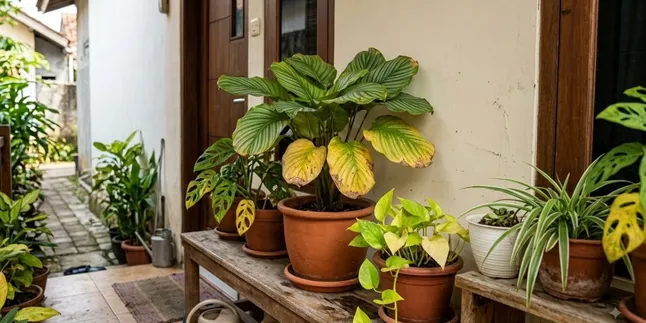
Yellowing plant leaves often indicate problems. Identify various causes ranging from watering, nutrition, to pests, and find effective ways to address them so that your plants can return to health.
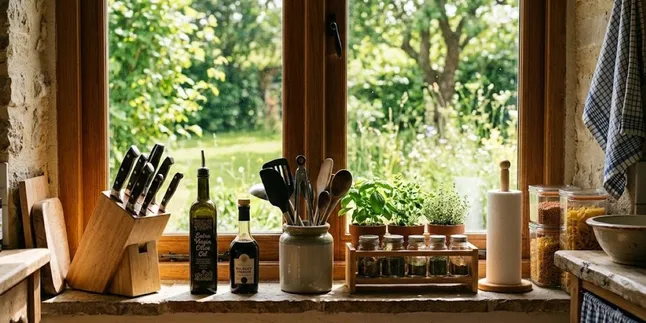
Maintaining the quality of food ingredients and equipment is important? Pay close attention, there are kitchen items that should not be placed near windows due to exposure to sunlight and temperature.
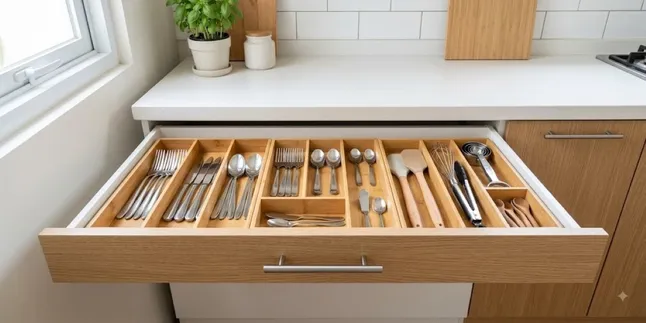
These tricks for organizing kitchen drawers help keep cooking utensils from getting messy and make them easier to find.

Discover a list of items that are often placed in the wrong spot and make your home messy quickly, complete with easy tips to tackle them every day.
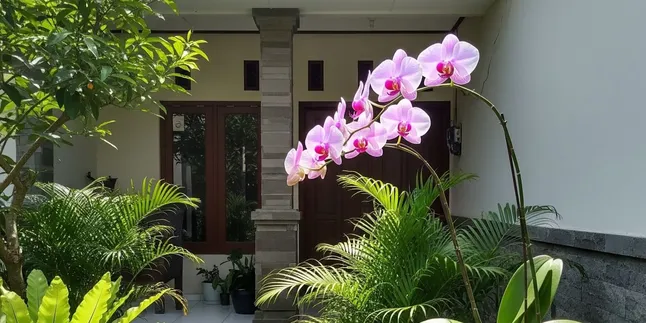
How to care for orchids to bloom quickly with a complete guide on lighting, watering, fertilizing, and the ideal temperature for maximum results.
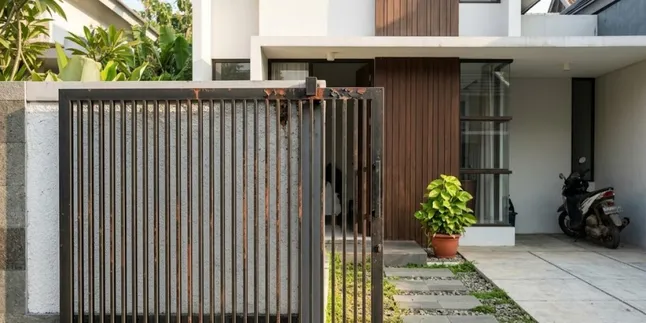
Rust on home fences can be addressed without repainting. Learn practical guidelines for cleaning rust with natural materials, mechanical methods, and special products for a clean and well-maintained fence.
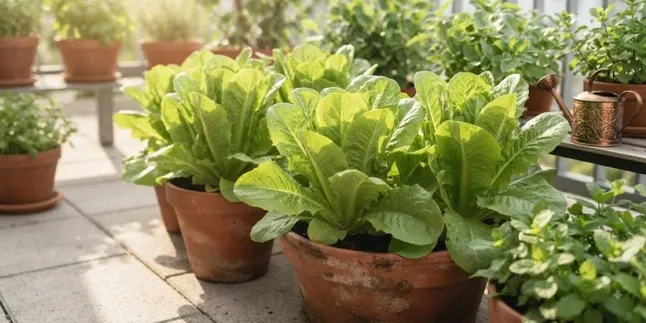
How to grow romaine lettuce at home, from choosing seeds to harvesting fresh and crunchy leaves.

Avoid tomato fruit rot by understanding its causes and applying the right cultivation strategies, from variety selection to intensive care for quality harvests.
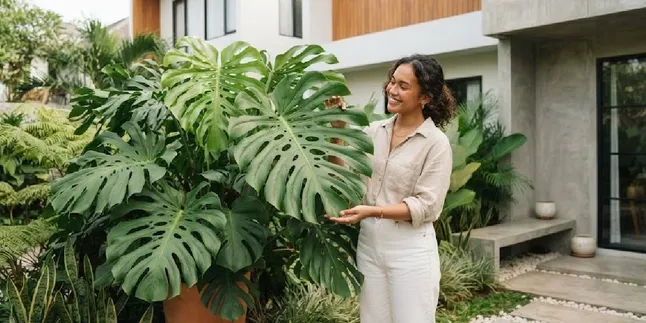
Caring for monstera to ensure its leaves are large and healthy can be done by paying attention to light, watering, planting media, and humidity.

Discover effective ways to care for the Tabebuya tree to encourage frequent flowering with these eight easy steps.
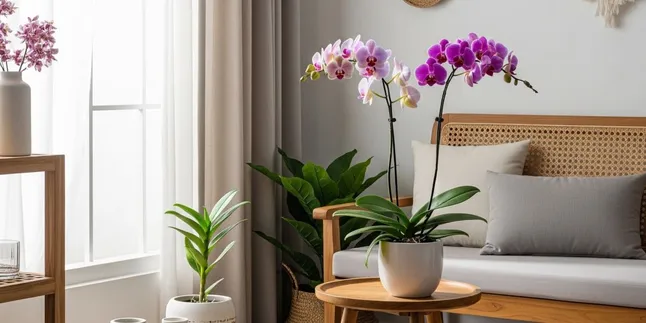
Recommendations for indoor plants that not only beautify the home but are also safe for children and pets.
