

 Follow
 Rekomendasi
8 Ways to Care for Tabebuya to Encourage Frequent Flowering, Let's Try Planting It at Home to Make It Look Beautiful and Aesthetic
Discover effective ways to care for the Tabebuya tree to encourage frequent flowering with these eight easy steps.
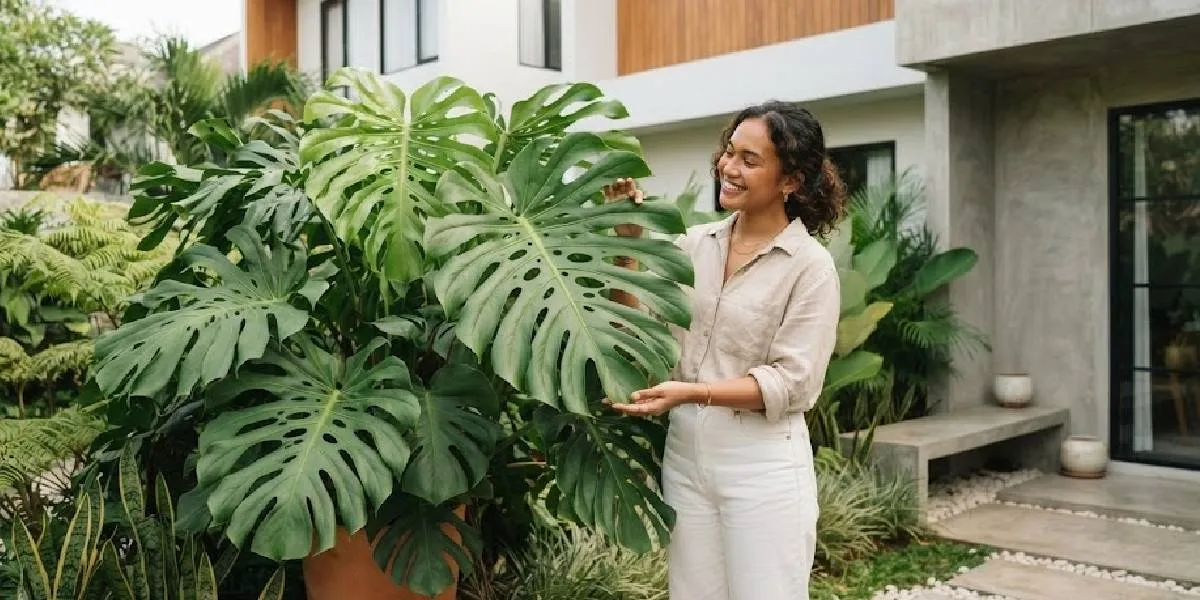
Kapanlagi.com - Caring for monstera to ensure its leaves are large is not just about regularly watering the plant. The University of Minnesota Extension explains that Monstera deliciosa is an understorey plant in its natural habitat, making it suitable to be placed in areas with moderate light, while mature plants can be watered when the top of the media is about 1–2 inches dry. This means that light requirements and media conditions need to be considered together for optimal monstera growth.
Similar information is provided by Penn State Extension, which states that monstera can grow well as an ornamental plant if given the right conditions. This plant prefers warm places with bright light, but it should not be exposed to direct sunlight. Therefore, providing water too frequently without considering light and media conditions is not the right way to encourage leaf growth.
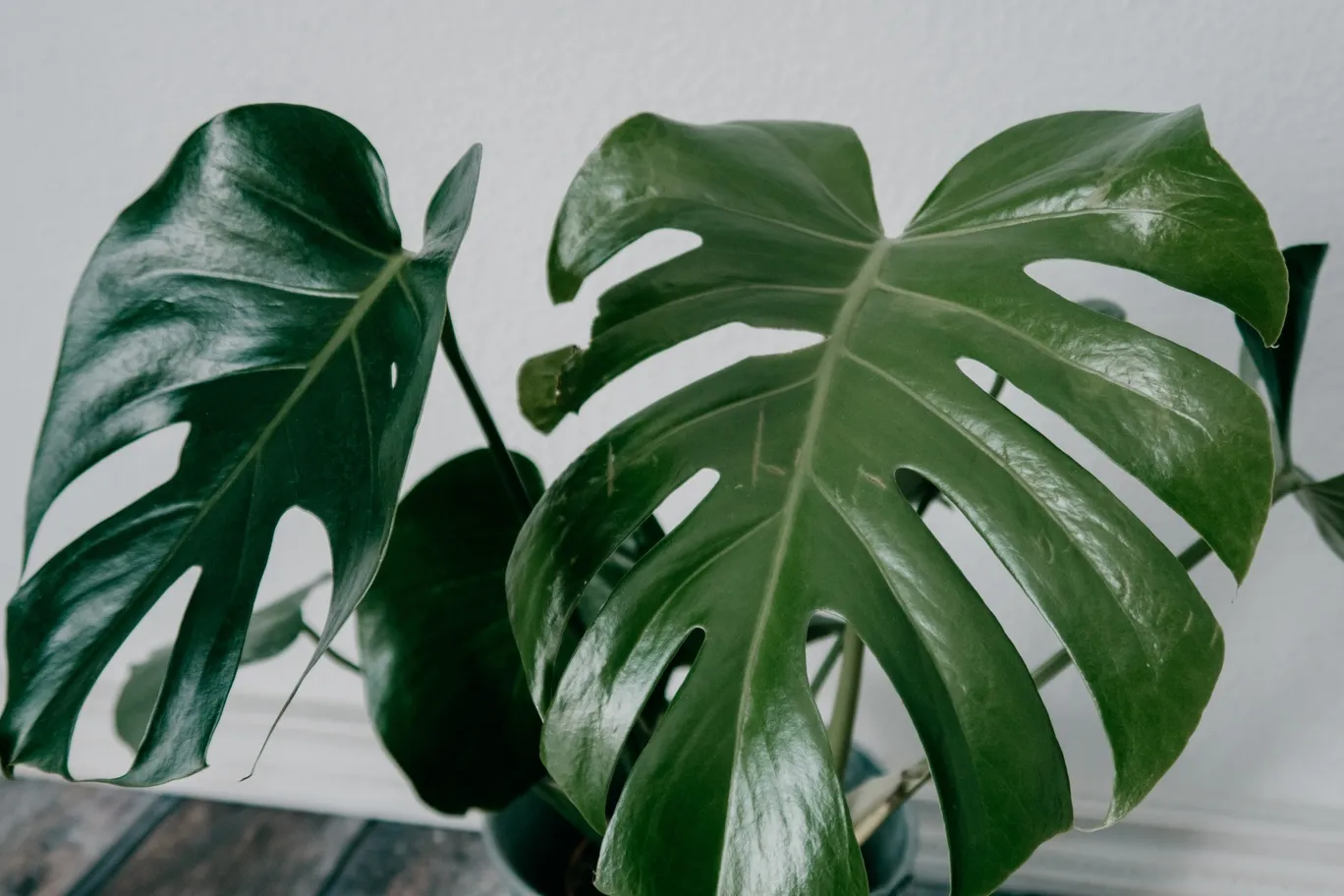
Monstera is indeed known for its leaf size, which can become very large when the plant is mature. With proper care, including lighting, watering, planting media, nutrition, and support, the plant can grow healthier and develop according to its natural character. So, what is the proper way to care for monstera to ensure its leaves are large? As reported from various sources, Tuesday (11/8), here is a complete review.
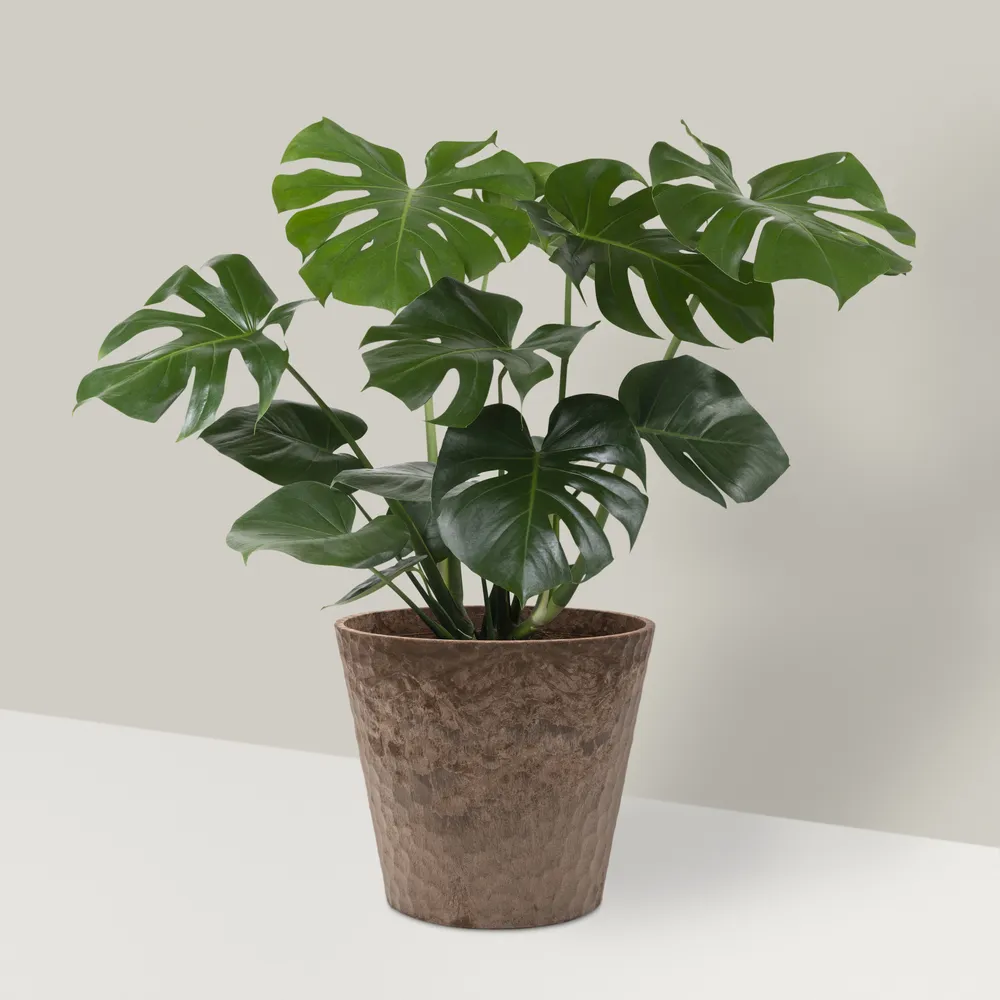
Monstera in a Bright Light Place (Image by Magnific)
Light is one of the important factors that supports the growth of monstera leaves. This plant requires sufficient light to perform photosynthesis and produce energy for the growth of its parts. However, direct sunlight that is too strong, especially during the day, can cause damage to the leaf surface. A position near a window that receives bright but filtered light can be a good choice for indoor plants.
If monstera is placed too far from the light source, its growth may slow down. The leaf stems may also elongate as the plant tries to reach for the light. This condition makes the shape of the plant less compact and the development of new leaves suboptimal. Therefore, adjust the distance of the plant according to the intensity of light available in the house.
Watering is often considered a simple task, but it is crucial for the health of the monstera. Plants do not require the same amount of water every day because their water needs are influenced by temperature, humidity, pot size, growing media, and lighting. Before watering, check the condition of the media using your finger or a simple tool to ensure the top part has started to dry. After that, provide enough water until some water drains out through the pot's drainage holes.
Watering too frequently can keep the media constantly wet. This condition can reduce the air space around the roots and increase the risk of problems with the root system. Conversely, allowing the plant to go too long without water can also cause the leaves to lose their freshness. The watering pattern should follow the condition of the media, not a rigid schedule.
Good Planting Media (Image by Magnific)
Growing media play an important role in helping the roots of monstera obtain water as well as air. A mixture that is too dense can hold water for too long, making it difficult for the roots to get air circulation. Porous media allows excess water to move out more effectively. This condition also helps maintain a root environment that supports plant growth.
Monstera can be planted using a media mixture that contains organic materials as well as components that aid drainage. The composition of the media can be adjusted according to environmental conditions and watering habits. In addition to paying attention to the media mixture, ensure that the pot has drainage holes that function properly. Pots without adequate drainage can cause water to accumulate at the bottom of the container.
Monstera needs nutrients to carry out various growth processes. Plants that continue to grow in pots may require additional nutrients because the supply of nutrients in the medium is not always sufficient in the long term. Fertilization can be done using fertilizers suitable for ornamental plants and following the dosage on the product label. Applying fertilizer in measured amounts is better than adding a large amount of fertilizer all at once.
Sufficient nutrients help the plant maintain vegetative growth and form new leaves. However, fertilizer is not the only factor that determines the size of monstera leaves. Plants that lack light or have root problems do not automatically produce large leaves just because they are given more fertilizer. Therefore, fertilization should be part of a routine care that is done alongside light and water management.
Humidity of monstera (Image by Magnific)
As a tropical plant, monstera can thrive in an environment with adequate humidity. Air that is too dry, especially in air-conditioned rooms, can create conditions for the plant that differ from the tropical environment it prefers. However, humidity does not mean that the leaves must be continuously wet. What is more important is to create an environment with good air circulation and appropriate humidity levels.
Humidity also needs to be balanced with ventilation. A damp room that lacks air circulation can create unfavorable conditions for the leaf surfaces and growing media. If the air in the house is very dry, using a humidifier can be one option. The plant should also not be placed too close to a heat source or direct cold air blasts.
The wide monstera leaves have a sufficiently large surface to capture dust from the surrounding environment. A layer of accumulated dust can make the leaves look dull and reduce the cleanliness of their surface. Regularly cleaning the leaves can help maintain the plant's appearance and keep it looking fresh. This process also provides an opportunity to check for any changes in the color or condition of the leaves.
Use a soft cloth that is slightly dampened with water to gently clean the surface of the leaves. Avoid rubbing too hard as the leaf surface can get damaged. Leaf polish products are not always necessary to maintain the health of the plant. Simple care with clean water is sufficient to help remove the adhering dust.
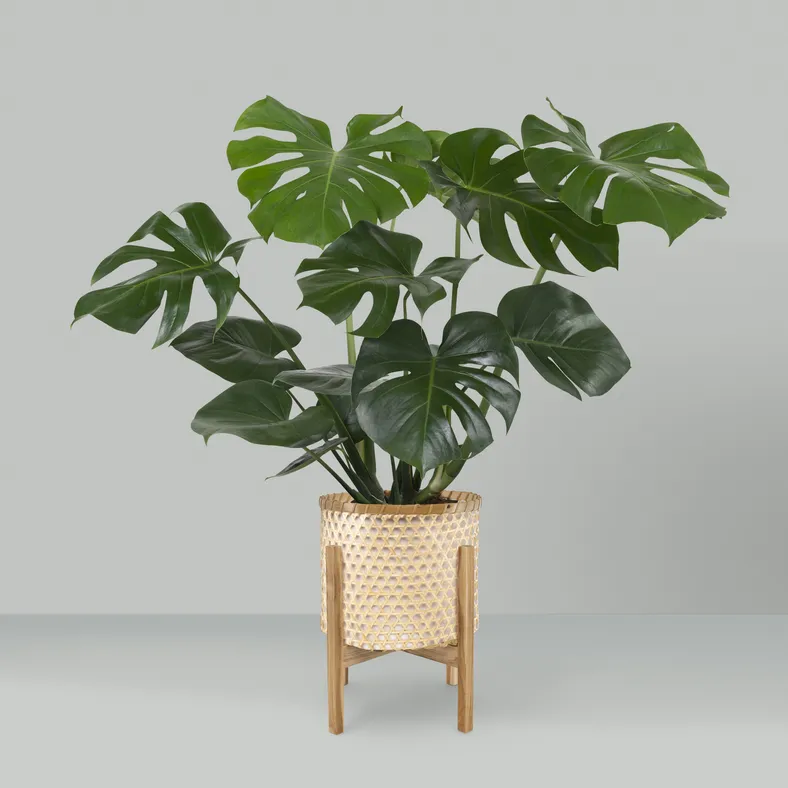
give a support (Image by Magnific)
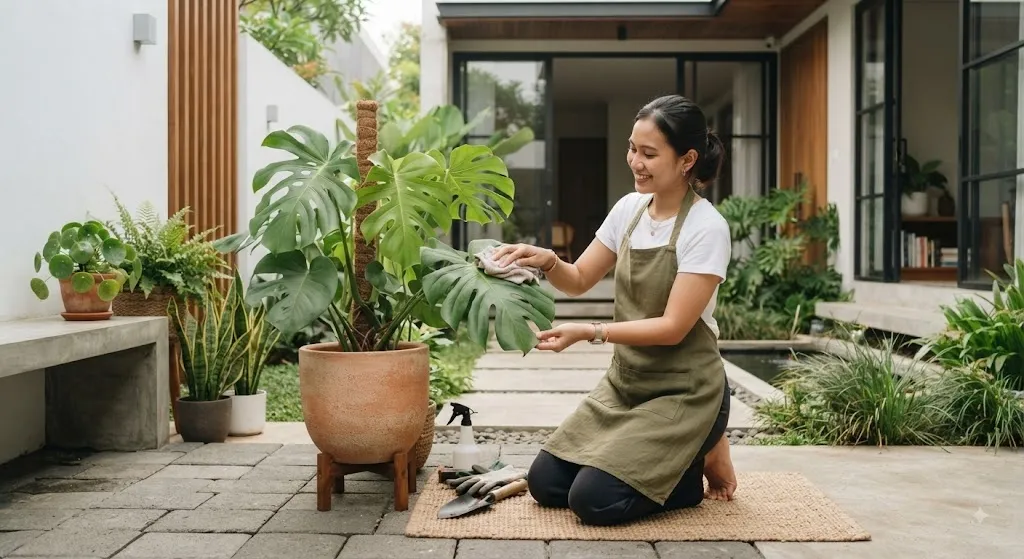
Monstera is a plant that can grow by climbing or sprawling when it has a supporting structure. Providing support such as a moss pole or plant stake can help guide its growth. The stems and aerial roots can find a structure to lean on as the plant grows larger. Support also helps prevent the plant from spreading too widely in different directions.
The installation of support should ideally be done when the plant is still relatively easy to direct. Tie the stem loosely using a tie that does not harm the plant. Do not pull or press the stem excessively when directing it to the support. With the right support, the growth of monstera can become more orderly while also saving space.
Root condition also needs to be considered if you want to maintain the long-term growth of monstera. Plants that have filled the pot with roots may need additional space to grow. One sign to look for is when the roots start to fill the medium or come out through the drainage holes. However, repotting does not need to be done too often if the plant is still growing well and the medium condition is still supportive.
When repotting, choose a pot that is slightly larger and has drainage holes. Carefully inspect the roots and use new medium that has good structure. Avoid moving the plant to a pot that is much larger because too much medium can retain water longer. After being moved, give the plant time to adjust to its new environment.
1. Does monstera need to be exposed to direct sunlight?
No, it doesn't have to. Monstera is generally safer placed in an area with bright indirect light.
2. How often should monstera be watered?
There is no one schedule for all plants. Water when the soil starts to dry out and adjust according to environmental conditions.
3. Why aren't the monstera leaves getting big?
Leaf growth can be influenced by light, nutrients, humidity, growing medium, root condition, and the age of the plant.
4. Does monstera need to be fertilized?
Fertilizer can be part of the care to help meet the plant's nutritional needs. Use according to the recommended type and dosage.
5. Does monstera need to be misted with water often?
Not always. Maintaining environmental humidity and good air circulation is more important than keeping the leaves continuously wet.
(kpl/mda)
Cobain For You Page (FYP) Yang kamu suka ada di sini,
lihat isinya
Discover effective ways to care for the Tabebuya tree to encourage frequent flowering with these eight easy steps.
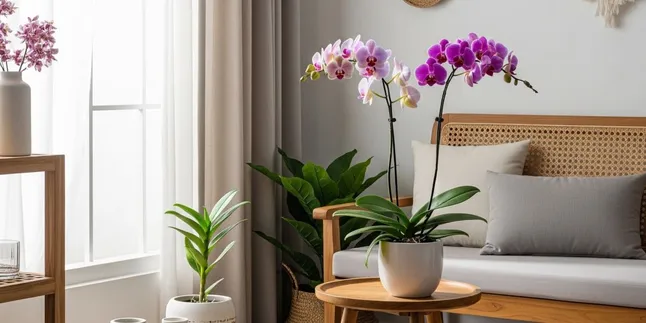
Recommendations for indoor plants that not only beautify the home but are also safe for children and pets.
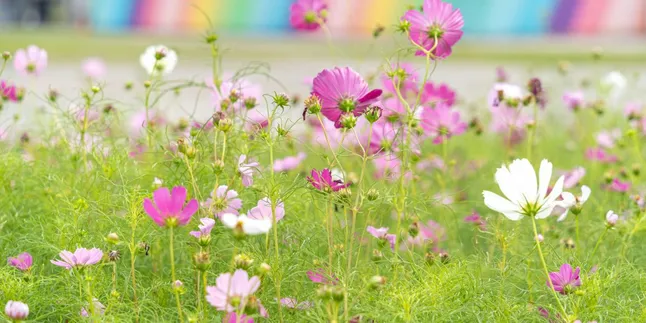
Here's how to plant cosmos in your yard to ensure they grow lush, healthy, and bloom frequently with the right care.
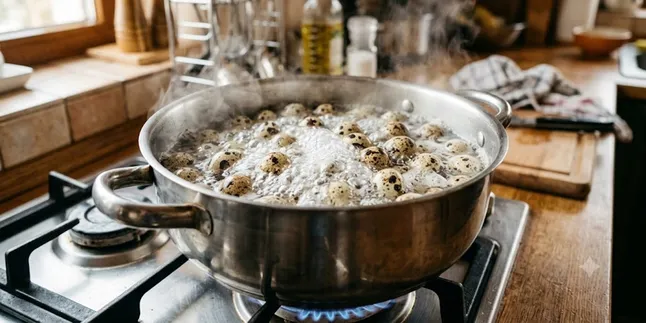
Learn the ideal boiling duration for quail eggs for various levels of doneness, from soft-boiled to perfectly cooked, as well as practical tips for easy peeling.
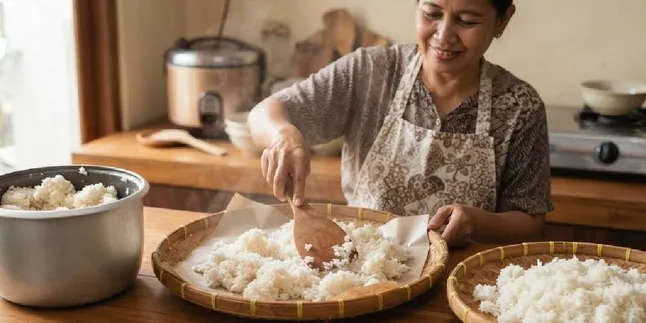
Fixing soft rice to make it fluffy can actually be done with a few simple steps. Check out the causes and tips to ensure the rice always turns out just right.
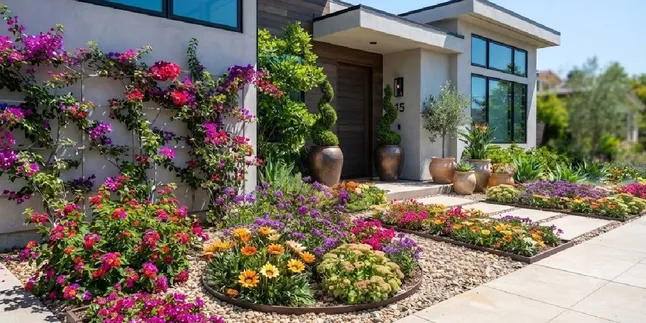
22 plants for summer that keep blooming even with rare watering can be the right choice to beautify the garden without complicated maintenance. Check out the recommendations.
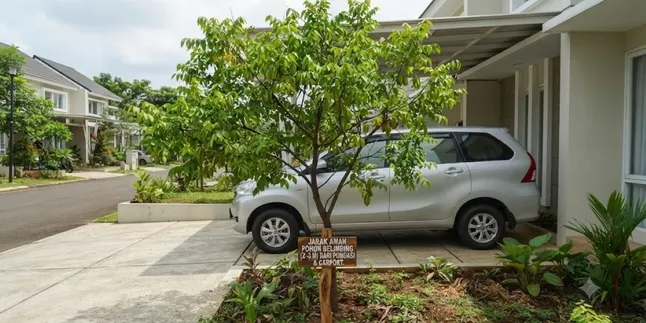
Learn how to safely plant fruit trees near the carport so that the roots do not damage the foundation and floor of the house.
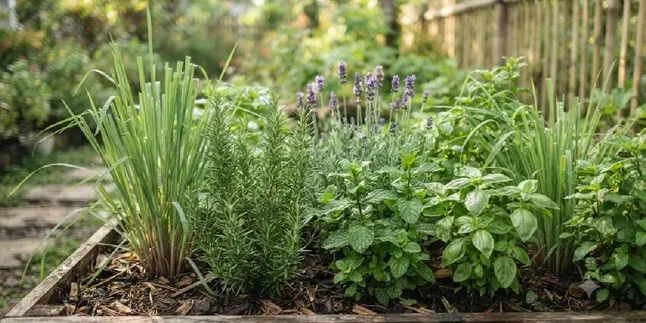
18 herbal plants that effectively repel mosquitoes naturally. Learn about their active ingredients and how to use them.

Japan has a unique philosophy in managing money that focuses on patience, consistency, and peace of mind.
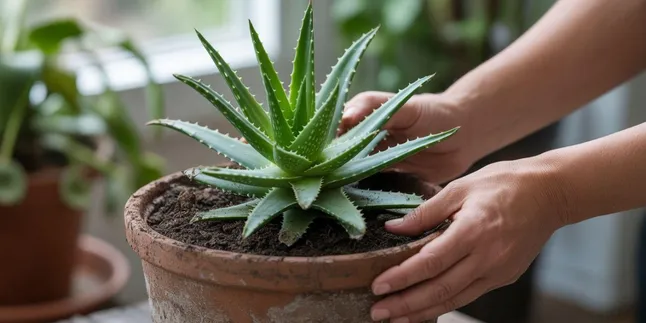
Discover 8 effective ways to make aloe vera multiply quickly in your home garden. Check out the complete guide here.

Zaskia Sungkar shares her experience in choosing BPA-free gallons for her family in the #GenerasiBebasBPA campaign with Le Minerale.
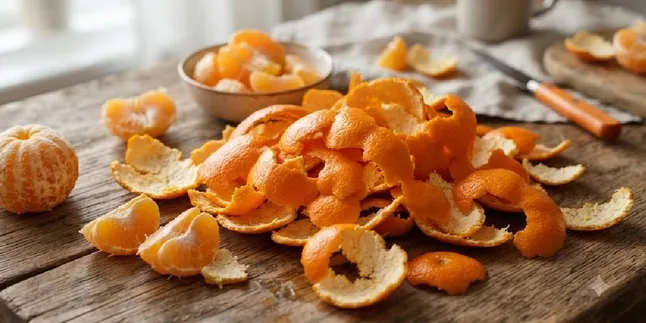
7 hidden benefits of orange peels for furniture to plants can be a natural solution at home. From air fresheners to compost for plants.
