

 Follow
 Rekomendasi
7 Ways to Plant Cosmos in Your Yard for Lush Growth and Frequent Blooming
Here's how to plant cosmos in your yard to ensure they grow lush, healthy, and bloom frequently with the right care.
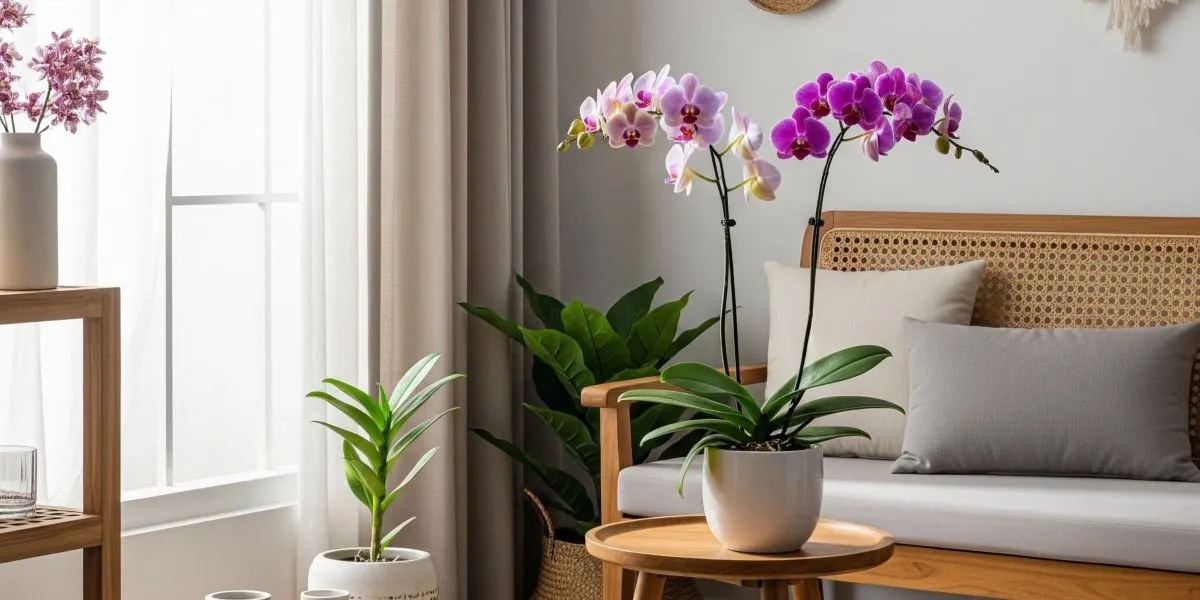
Kapanlagi.com - If you want to have a green corner in your home, choosing easy-to-care-for plants is certainly important. Indoor plants that are safe for beginners can be a good choice because their care is simple and does not require much attention every day.
In addition to beautifying the room, indoor plants that are safe for beginners are also suitable for those of you who are just starting to learn gardening. There are many types of plants that can grow well indoors without complicated care.
If there are small children or pets at home, safety factors also need to be considered. Therefore, indoor plants that are safe for beginners can help create a beautiful green atmosphere while making the home feel more comfortable.
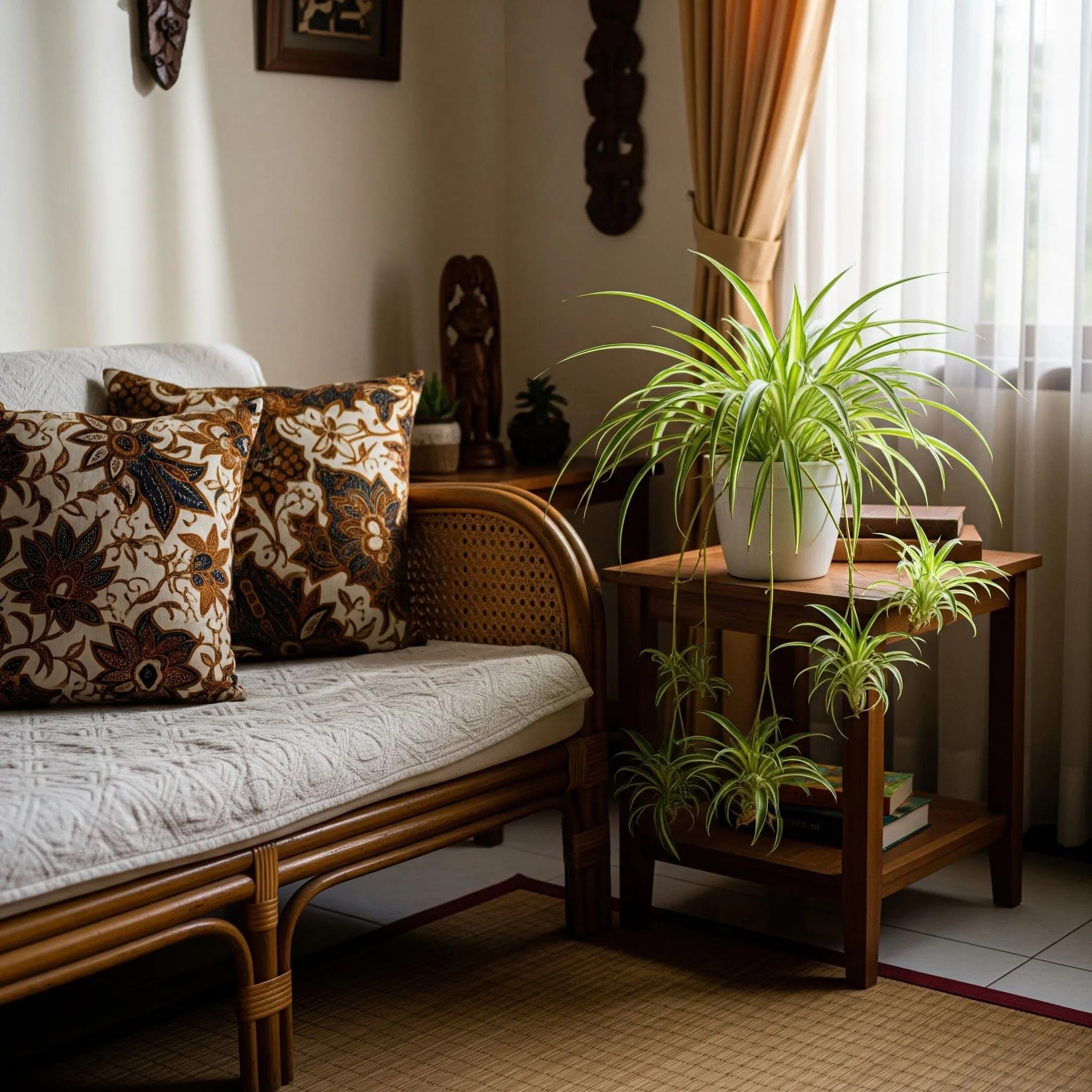
Paris Lily. (AI Generated)
Lili Paris or Spider Plant (Chlorophytum comosum) is an easy-to-care-for plant known to be safe for both humans and pets. Its long, trailing leaves make this plant suitable for placement on shelves, tables, or hanging pots.
This plant enjoys bright indirect light to shade. Water when the surface of the soil begins to dry out and use a pot with good drainage to prevent the roots from sitting in water for too long.
Prayer Plant (Maranta leuconeura) has leaves with interesting patterns that can fold up at night. This plant is generally safe for pets, making it suitable for placement in living rooms, bedrooms, or on tables.
Place it in a spot with indirect light and keep the medium slightly moist. Prayer Plant also enjoys sufficient humidity, but avoid making the soil too wet.
Cast Iron Plant (Aspidistra elatior) is known as a tough and easy-to-care-for indoor plant. Its leaves are broad and green, capable of adapting to low light conditions.
Watering can be done when the top of the soil begins to dry out. Make sure the pot has good drainage to prevent root rot from excess water.
Peperomia has many varieties with diverse leaf shapes and colors. One of them is Peperomia obtusifolia, which has thick, glossy leaves, making it suitable for placement on a table or shelf.
This plant enjoys bright indirect light and does not require frequent watering. Allow some of the soil surface to dry before watering again.
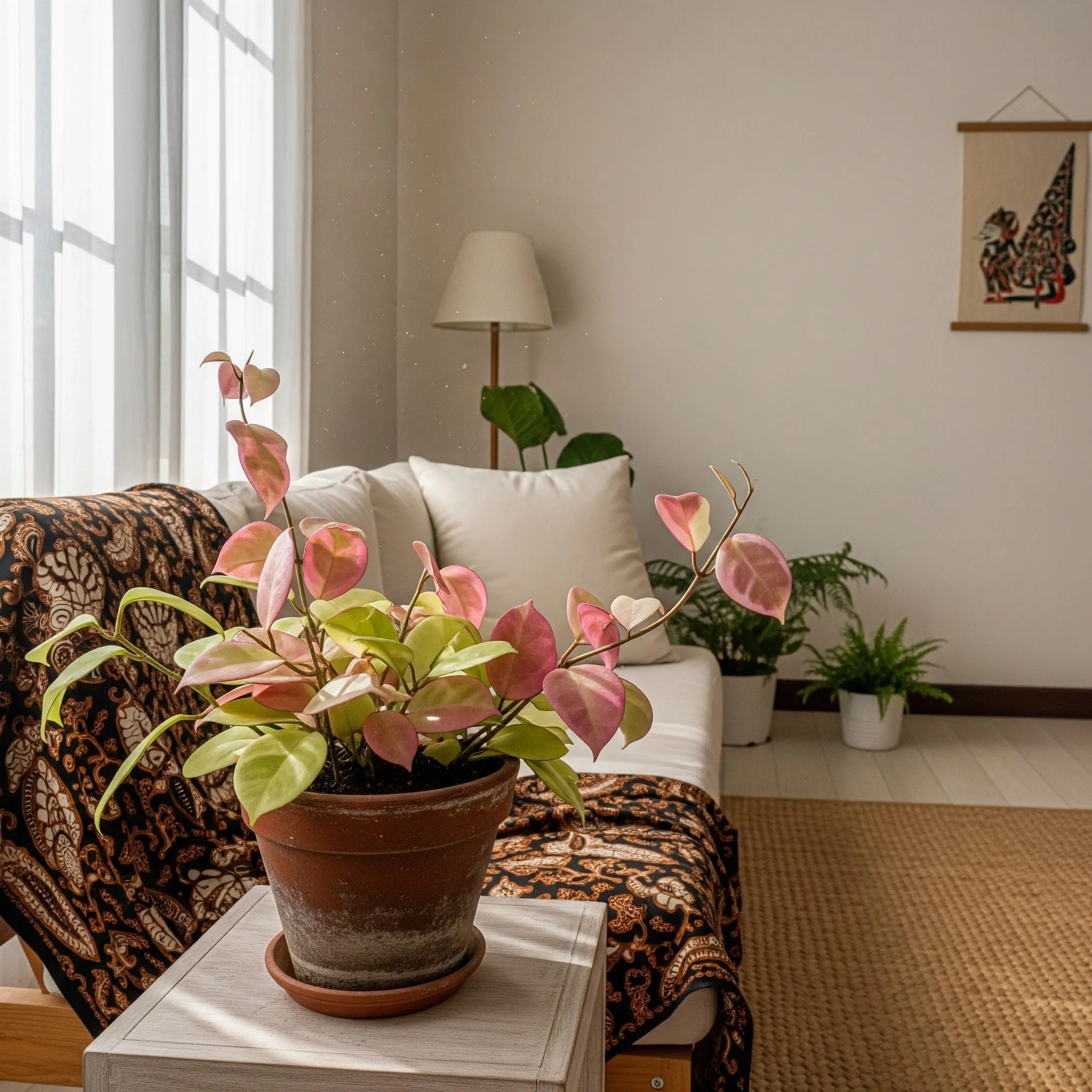
Hoya. (AI Generated)
Hoya carnosa, or wax flower, has thick, waxy leaves and beautiful star-shaped flowers. This plant is suitable for hanging pots as it can grow cascading or climbing.
Hoya requires bright indirect light and well-draining soil. Do not water too often as this plant is quite tolerant of slightly dry conditions.
Christmas Cactus (Schlumbergera) is a flowering plant with segmented stems that can produce attractive colored flowers. This plant is relatively easy to care for and generally safe for pets.
Place it in an area with bright indirect light and water when the surface of the soil begins to dry. Avoid drastic temperature changes to keep the plant healthy.
African Violet (Saintpaulia ionantha) is small in size, making it suitable for tables, shelves, or window sills. Its beautiful flowers can make a room look fresher.
This plant prefers bright indirect light and soil that remains slightly moist. When watering, be careful not to get too much water on the leaves to avoid spots.
Boston Fern (Nephrolepis exaltata) has lush, drooping leaves that are perfect for enhancing a corner of the home. This plant is known to be safe for both humans and pets.
This fern enjoys indirect light and relatively high humidity. Keep the soil moist, but do not let it become waterlogged. If the room air is too dry, place the plant in an area with higher humidity.
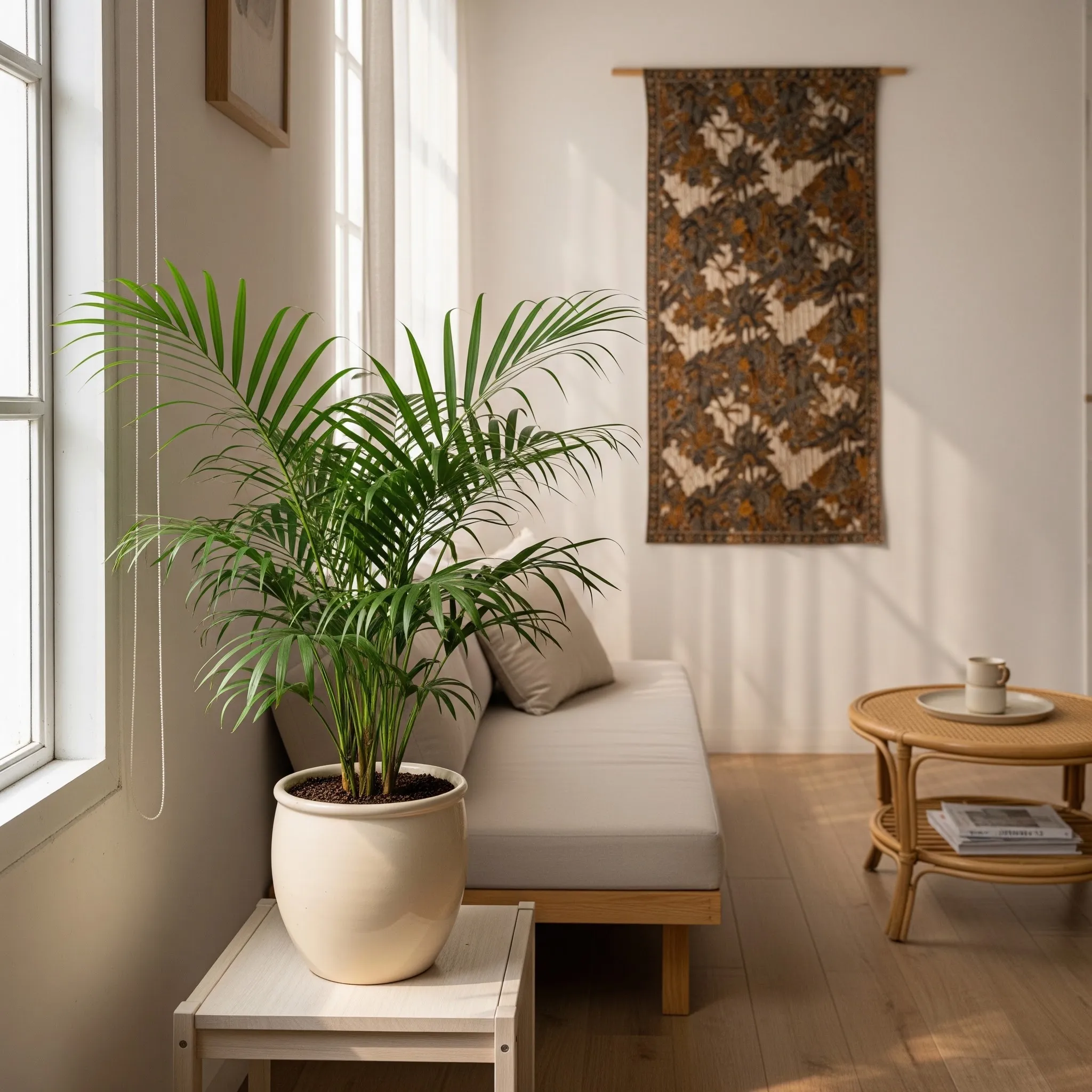
Parlor Palm. (AI Generated)
Parlor Palm (Chamaedorea elegans) has slender and lush leaves that give a tropical feel to the room. This plant is a low-maintenance choice for beginners.
Parlor Palm can grow in low to medium light. Water when the top of the soil begins to dry out and avoid letting water pool in the pot.
Areca Palm (Dypsis lutescens) has long and lush leaves that can bring a fresh atmosphere into the home. This plant is generally safe for pets.
Place it in an area with bright indirect light. Water when the top layer of soil starts to dry out and make sure the pot has good drainage holes.
Money Tree (Pachira aquatica) is known as a plant that is often associated with good luck. Its distinctive trunk and leaf shape make it an attractive decoration for living rooms and workspaces.
This plant prefers bright indirect light and moderate watering. Allow the top of the soil to dry out before watering again to prevent overwatering.
Orchids, especially the Phalaenopsis type, can be a beautiful choice for indoor flowering plants and are generally safe for pets. Their flowers can last quite a long time if their basic needs are met.
Place orchids in an area that receives bright light but is not exposed to direct harsh sunlight. Use special orchid media with good drainage and avoid letting the roots sit in water.
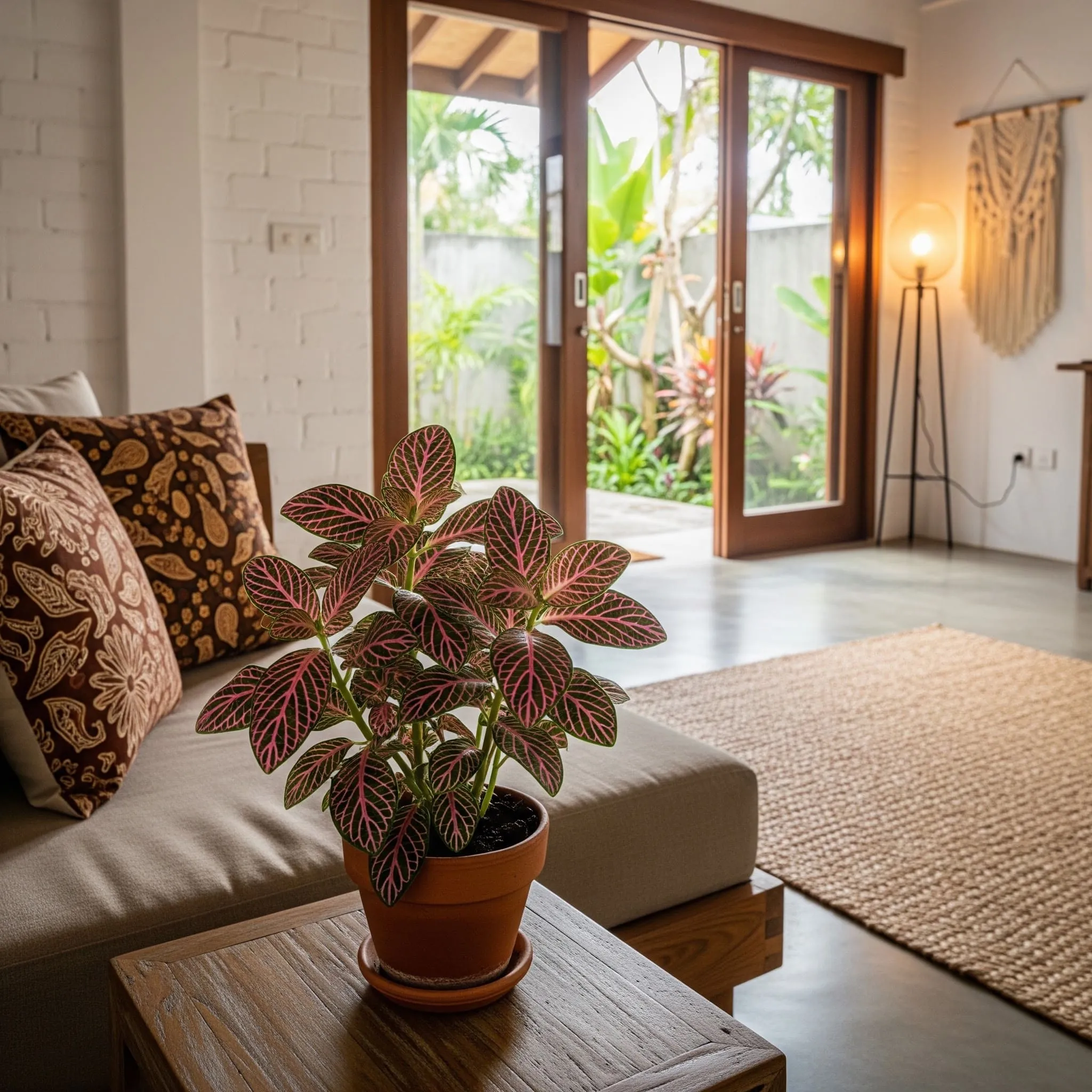
Fittonia. (AI Generated)
Fittonia or nerve plant has small leaves with striking vein patterns, making it suitable as a table or shelf decoration. Its small size also means it doesn't require much space.
This plant enjoys indirect light and adequate humidity. Water when the soil starts to dry out, but do not let water pool in the pot.
Calathea is known for its leaves with attractive patterns and color combinations. This plant can bring a tropical vibe indoors and is generally safe for pets.
Place Calathea in a spot with indirect light and avoid direct sunlight. Keep the soil moisture consistent without making it too wet.
Haworthia is a small succulent with unique leaf shapes. This plant is suitable for placement on a work desk, shelf, or windowsill because it doesn't require much space.
Provide bright indirect light and water when the soil is completely dry. Use a planting medium with good drainage to prevent the roots from rotting.
Baby Rubber Plant (Peperomia obtusifolia) has thick, glossy leaves that make it attractive as a tabletop plant. This plant belongs to the Peperomia group and is known as a relatively safe choice for homes with pets.
Place it in an area with bright indirect light. Water when the top of the soil starts to dry out and ensure the pot has adequate drainage holes.
Most indoor plants require bright indirect light to grow well. Avoid placing plants in direct sunlight that is too harsh as it can scorch the leaves. Position the plants near a window that receives enough light or use sheer curtains as a filter.
Do not water plants based solely on a schedule; instead, check the condition of the planting medium first. If the top of the soil starts to dry out, the plant is usually ready to be watered again. Avoid overwatering, as continuously wet media can cause the roots to rot.
Tropical plants generally prefer sufficient humidity, especially if the room uses air conditioning. Humidity can be maintained by using a humidifier or placing several plants close together. Avoid spraying the leaves too often if the air circulation is poor, as this can increase the risk of problems on the leaves.
Try to keep the plants at a relatively stable temperature and keep them away from heat sources or direct air conditioning drafts. Drastic temperature changes can stress the plants and affect their growth.
Make sure the pot has holes at the bottom so excess water can drain out. Use porous planting media so that water does not easily accumulate around the roots. Good drainage is one of the keys to preventing root rot in indoor plants.
Plants grown in pots require additional nutrients because the amount of media and nutrients within it is limited. Provide fertilizer according to the needs of the type of plant and follow the dosage on the package. Avoid over-fertilizing as it can damage the roots.
Dust that accumulates on the surface of the leaves can reduce the plant's ability to receive light. Clean the leaves using a soft, slightly damp cloth gently. Use this activity to also check for pests, spots, or signs of pest attacks.
Immediately cut off leaves, stems, or parts of the plant that are yellowing, dry, and damaged. Pruning helps the plant look tidier while also reducing the likelihood of problems spreading to other parts. Use clean scissors to avoid transmitting diseases.
Which indoor plants are completely safe for children and pets?
Plants like Spider Plant (Paris Lily), Prayer Plant, Cast Iron Plant, Peperomia, Hoya, Christmas Cactus, African Violet, Boston Fern, Parlor Palm, Areca Palm, Money Tree, and Orchids are generally considered non-toxic and safe for homes with children or pets.
Is Snake Plant (Mother-in-law's Tongue) safe for pets?
Although Snake Plant (Mother-in-law's Tongue) is very hardy and effective at purifying air, this plant can cause irritation if ingested. It is best to keep it out of reach of children and pets.
How do you care for indoor plants to ensure optimal growth?
For optimal growth, ensure that the plants receive adequate indirect light, water only when the soil begins to dry (avoid overwatering), maintain humidity and stable room temperature, and use pots with good drainage. Regular fertilizing and cleaning the leaves also help.
Why is it important to avoid overwatering indoor plants?
Overwatering is a leading cause of root rot, which can damage and even kill indoor plants. Always check the soil moisture before watering; it is better to be slightly dry than too wet.
(kpl/sel)
Cobain For You Page (FYP) Yang kamu suka ada di sini,
lihat isinya
Here's how to plant cosmos in your yard to ensure they grow lush, healthy, and bloom frequently with the right care.
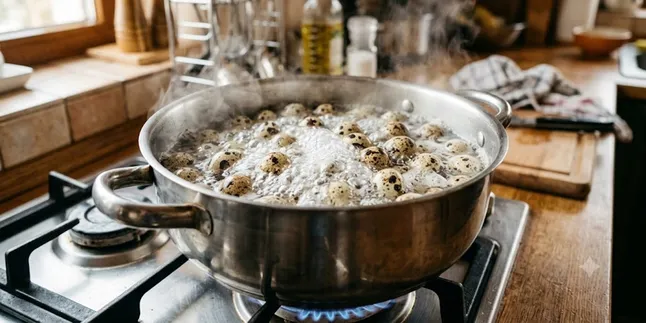
Learn the ideal boiling duration for quail eggs for various levels of doneness, from soft-boiled to perfectly cooked, as well as practical tips for easy peeling.

Fixing soft rice to make it fluffy can actually be done with a few simple steps. Check out the causes and tips to ensure the rice always turns out just right.
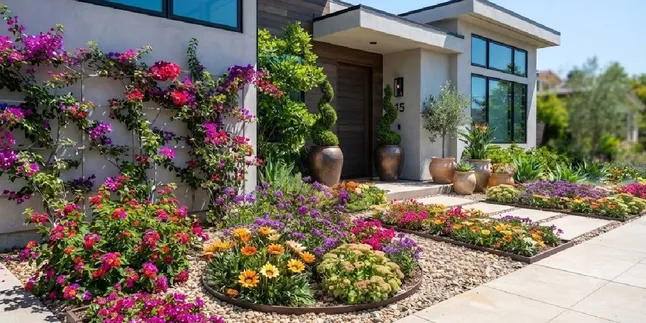
22 plants for summer that keep blooming even with rare watering can be the right choice to beautify the garden without complicated maintenance. Check out the recommendations.

Learn how to safely plant fruit trees near the carport so that the roots do not damage the foundation and floor of the house.
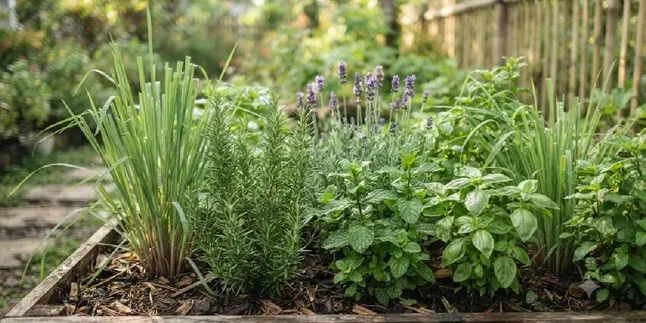
18 herbal plants that effectively repel mosquitoes naturally. Learn about their active ingredients and how to use them.

Japan has a unique philosophy in managing money that focuses on patience, consistency, and peace of mind.
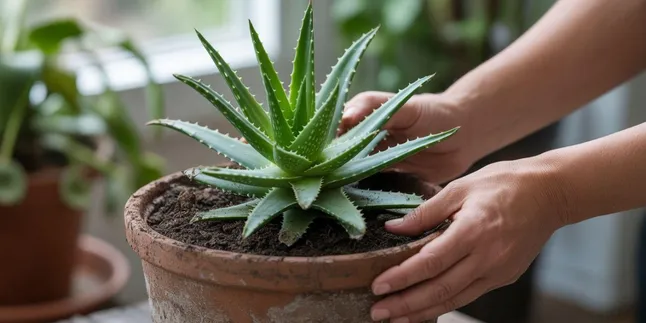
Discover 8 effective ways to make aloe vera multiply quickly in your home garden. Check out the complete guide here.

Zaskia Sungkar shares her experience in choosing BPA-free gallons for her family in the #GenerasiBebasBPA campaign with Le Minerale.

7 hidden benefits of orange peels for furniture to plants can be a natural solution at home. From air fresheners to compost for plants.
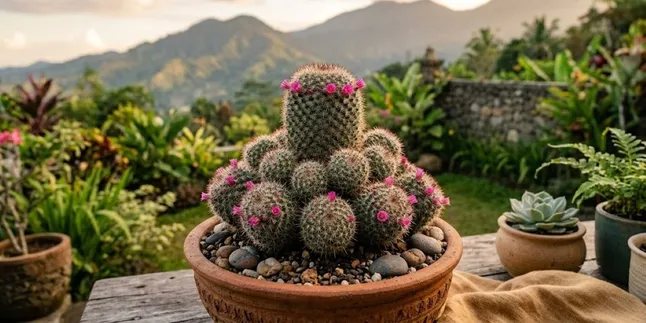
How to make cacti reproduce quickly with the right care so they grow healthy and produce many offsets.
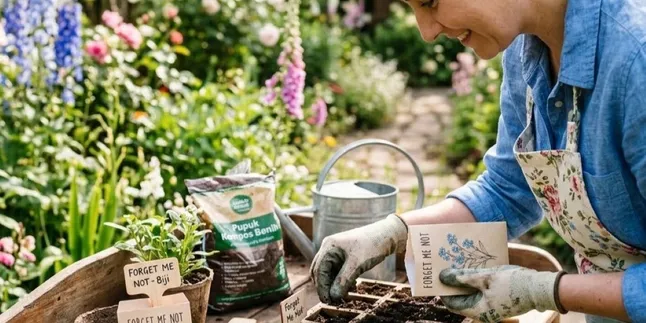
Learn 7 ways to plant forget me not flowers from seeds for quick germination and frequent blooming, complete with tips on sowing and care.
