

 Follow
 Rekomendasi
7 Ways to Save Money Japanese Style, Simple Secrets to Manage Money Wisely
Japan has a unique philosophy in managing money that focuses on patience, consistency, and peace of mind.
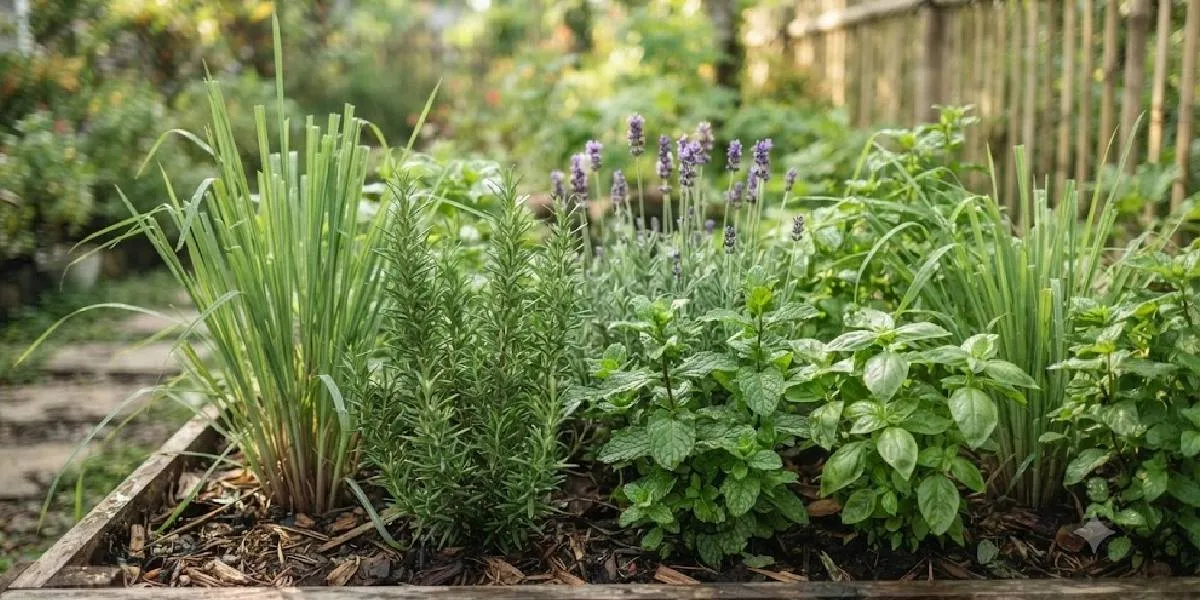
Kapanlagi.com - Mosquitoes are one of the insects that most often disrupt activities at home. Powerful herbal plants that repel mosquitoes can be a natural solution because they have a distinctive aroma and contain certain compounds that various types of mosquitoes dislike.
In addition to helping reduce the presence of mosquitoes, many herbal plants also have other benefits, ranging from being kitchen spices, family medicinal plants (TOGA), to beautifying gardens or terraces. By planting them around the house, you get dual functions without having to rely entirely on chemical mosquito sprays.
Although their effectiveness may vary depending on the number of plants, types of mosquitoes, and environmental conditions, various studies have shown that essential oils from several plants indeed possess natural repellent properties. Therefore, it is worth utilizing herbal plants as a complement to efforts in keeping the home comfortable and minimizing mosquito disturbances. As reported by Kapanlagi from various sources, Tuesday (4/8), here is the complete review.
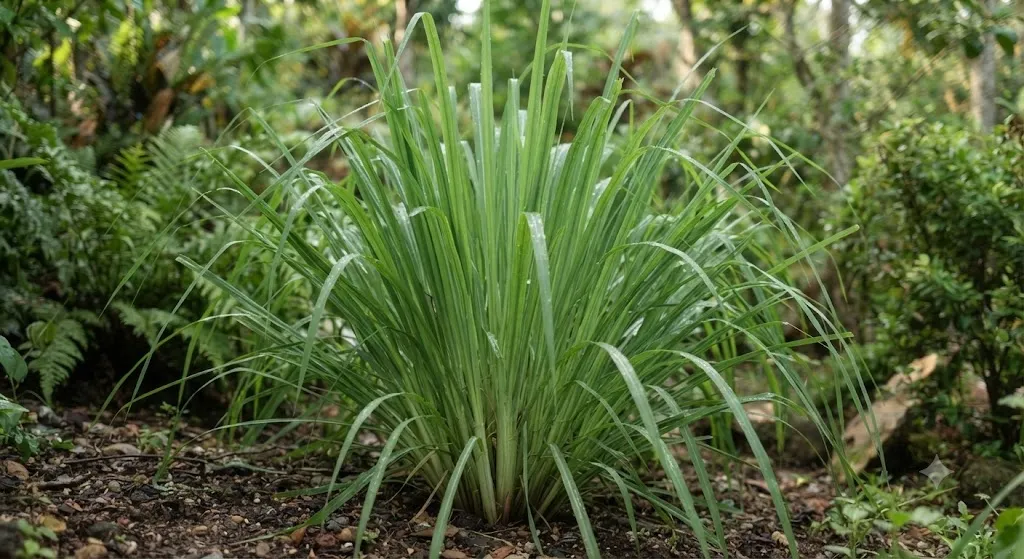
lemongrass leaves (AI Generated)
Lemongrass is one of the herbal plants that effectively repels mosquitoes due to the distinctive aroma from essential oils that are less favored by various types of mosquitoes. This content makes lemongrass often utilized as a main ingredient in lotions, aromatherapy candles, and natural mosquito sprays.
This plant is also easy to grow in yards or in pots as long as it receives enough sunlight. Placing several pots of lemongrass on the terrace, near windows, or in the yard can help create a fresh aroma while reducing the presence of mosquitoes around the house.
Lavender is known as an herbal plant that has a gentle aroma for humans, but is actually less favored by mosquitoes. The essential oil found in lavender flowers has long been utilized as a natural ingredient in various insect repellent products as well as aromatherapy.
In addition to beautifying gardens or balconies, lavender can also be grown in pots and placed near windows or doors of the house. This plant requires sufficient sunlight and a growing medium with good drainage to thrive optimally.
Basil is not only popular as a salad vegetable, but it is also known for having an aroma that is less favored by mosquitoes. Its leaves contain essential oils that provide a distinctive fragrance, which can help reduce the presence of insects around the house.
This plant grows easily in tropical climates and does not require complicated care, making it suitable for beginners. Placing several pots of basil in the kitchen, terrace, or backyard can provide dual benefits as both a consumable plant and an herbal plant.
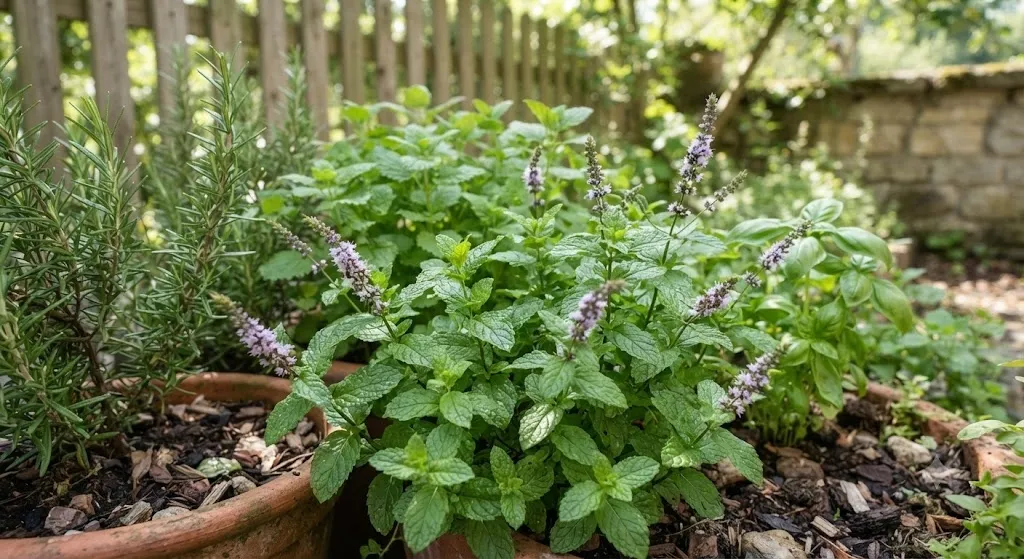
Mint Leaves (AI Generated)
Mint has a fresh aroma derived from its natural essential oil content, making it often used as an insect repellent plant. The fragrance produced by its leaves can help reduce mosquitoes' attraction to the surrounding area.
In addition to being useful as an herbal plant, mint can also be used as an ingredient in drinks and dishes. This plant grows quickly and can be easily propagated through stem cuttings, making it suitable for pot cultivation at home.
Rosemary is known as an aromatic herb that is widely used in cooking and is also believed to help repel mosquitoes. The distinctive aroma that comes from its leaves is due to essential oils that are quite sharp when the leaves are crushed or heated.
This plant can grow well both in pots and in gardens that receive full sunlight. In addition to beautifying the garden, rosemary can also be harvested periodically for use as a cooking spice.
Kaffir lime leaves have a strong citrus aroma because they contain natural essential oils that mosquitoes dislike. In addition to being a kitchen spice, this plant is often utilized as a garden plant due to its many benefits.
The kaffir lime tree is relatively easy to care for and can grow well in tropical climates. Placing it in the yard makes the air feel fresher while also adding to the collection of productive plants.
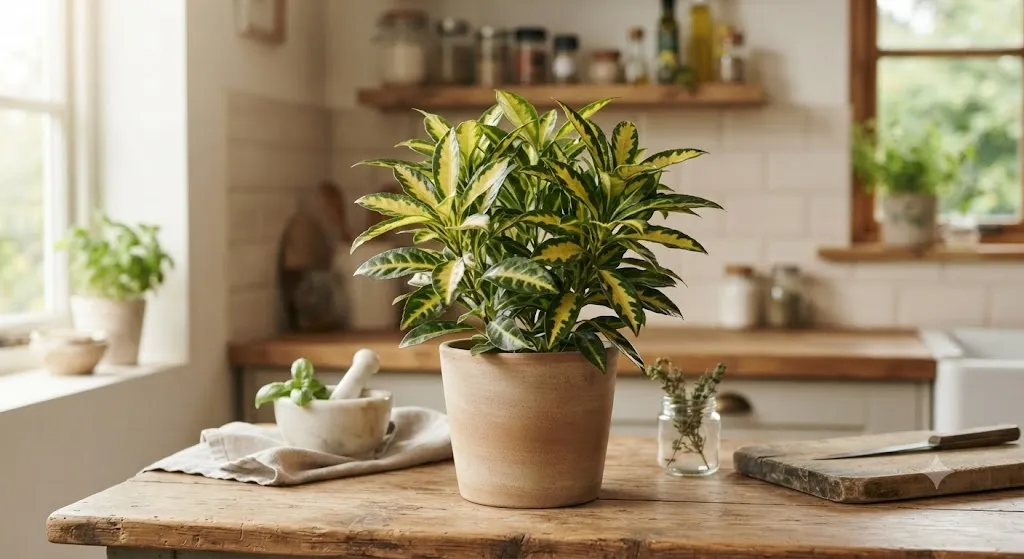
zodia leaves (AI Generated)
Zodia is a plant native to Papua that has long been recognized by the community as a natural mosquito repellent. Its leaves emit a stronger aroma when rubbed together, which is why it is often planted around the terrace or entrance of the house.
In addition to its practical benefits, zodia is also an ornamental plant that is easy to care for and does not require special maintenance. This plant grows well in areas that receive adequate sunlight with regular watering.
Catnip is better known as a favorite plant of cats, but several studies also show its ability to help repel mosquitoes. This plant produces a distinctive aroma that comes from the active compounds in its leaves.
Catnip can be planted in the yard or in pots with relatively easy care. It grows quite quickly, making it suitable as one of the herbal plant collections at home.
Marigold not only brings bright colors to the garden but also produces a distinctive aroma that helps reduce the presence of insects. Therefore, this flower is often used as a companion plant in gardens and yards.
Its care is quite simple because marigold can grow well in direct sunlight. In addition to beautifying the garden, its flowers can also create a more vibrant atmosphere in the yard.
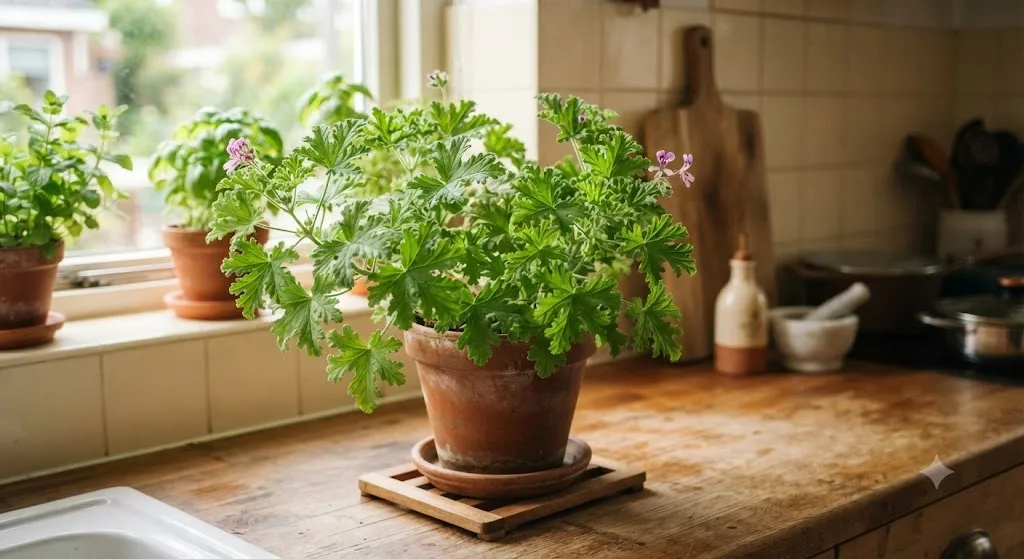
geranium leaves (AI Generated)
Geranium is a flowering ornamental plant that is also known for its distinctive aroma, making it often used as a natural mosquito repellent. Essential oil from its leaves and flowers is widely used in aromatherapy products.
This plant is suitable to be placed on balconies, terraces, or near windows so that its aroma spreads into the house. With proper care, geraniums can bloom throughout the season, adding aesthetic value.
Lemon balm is still part of the mint family and has a strong lemon aroma that makes it less favored by mosquitoes. Its leaves are often used as a mix in herbal tea because they provide a refreshing taste.
This plant is easy to grow in pots and can be pruned regularly to remain bushy. Its presence makes the terrace or balcony area feel greener and more fragrant.
Eucalyptus is known as a source of eucalyptus oil that has a distinctive and refreshing aroma. This fragrance comes from essential oils that are often used in various health products and insect repellents.
This plant requires ample growing space, making it more suitable for planting in the yard. If well cared for, eucalyptus can become a shade tree as well as a plant of economic value.
Sage is an herbal plant that is widely used in cooking and aromatherapy due to its strong aroma. Its essential oil content also makes this plant believed to help reduce mosquito disturbances.
The sage plant grows well in planting media that is not too moist with sufficient sunlight exposure. Its unique leaf shape also makes this plant attractive as a decoration for herbal gardens.
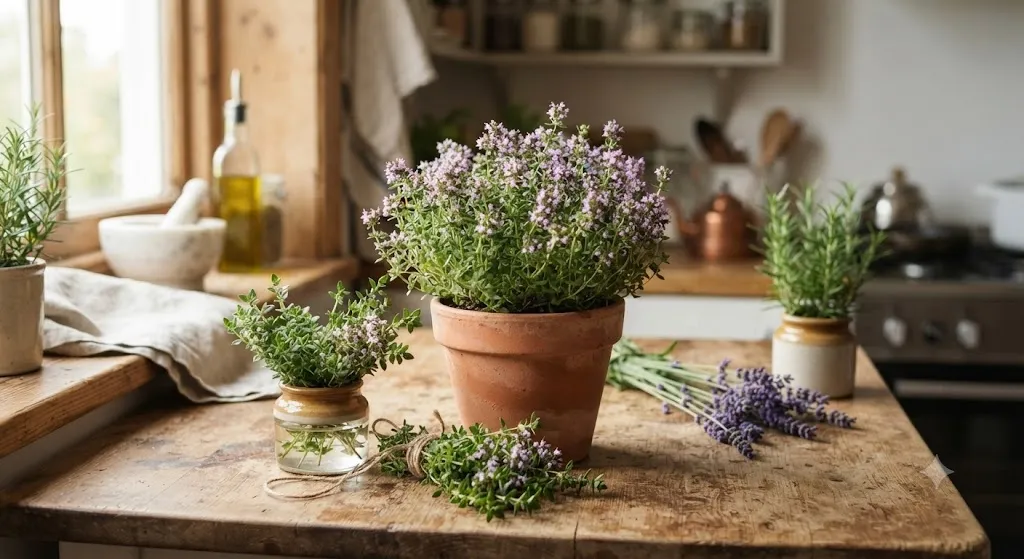
thyme leaves (AI Generated)
Thyme is a small herbal plant that produces a strong aroma when its leaves are crushed. The essential oil contained in it makes thyme often utilized as a complement in herbal gardens.
This plant is suitable to be planted in small pots or used as a border plant in gardens. In addition to helping reduce mosquito disturbances, thyme can also be harvested as a seasoning for various dishes.
Patchouli is a plant that is widely cultivated to produce high-value essential oil. Its distinctive aroma makes this plant often utilized in the perfume, cosmetics, and insect repellent industries.
Patchouli plants can grow well in tropical areas with sufficient humidity. In addition to having economic value, patchouli can also be a choice of herbal plants that enrich the collection of home gardens.
Cubeb is known as a spice plant that has a distinctive aroma due to the essential oil content within it. Although it is more often used as a cooking spice, this plant also has the potential to help reduce the presence of mosquitoes.
Cubeb plants require fertile planting media to grow well. Its presence in the yard can complement the herbal garden as well as a source of natural spices.
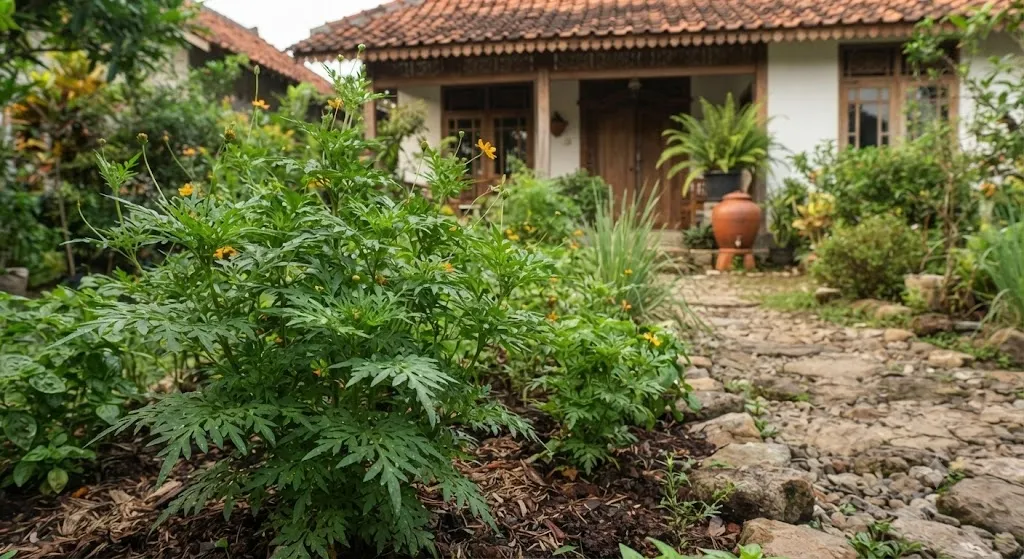
kenikir leaves (AI Generated)
Kenikir is a vegetable widely consumed by the Indonesian people, but its aroma is also less favored by some types of insects. This plant grows easily in various soil conditions, making it suitable for planting in home gardens.
In addition to being used as a food ingredient, kenikir also provides a fresh green ambiance in the home garden. Its care is simple, and this plant can be harvested repeatedly when it grows abundantly.
Selasih is in the same family as kemangi and produces a distinctive aroma that is quite strong, making it less favored by mosquitoes. This plant is also often used as an ingredient in beverages or as a complement to traditional dishes.
Selasih is easy to cultivate in tropical areas and does not require complicated care. Placing it near a window or terrace can be a simple way to add greenery while also helping to reduce mosquito disturbances.
1. Can herbal plants really repel mosquitoes?
Yes, some plants produce essential oils that act as natural repellents.
2. Which plants are the most effective?
Lemongrass and lavender are among the most researched.
3. Is it enough to plant just one pot?
Its effectiveness is better when combined with environmental cleanliness and several plants.
4. Can they be planted indoors?
Yes, as long as they receive enough sunlight and air circulation.
5. Can herbal plants replace mosquito repellent?
Herbal plants are better used as a complement to help reduce the presence of mosquitoes, not a complete replacement.
(kpl/mda)
Cobain For You Page (FYP) Yang kamu suka ada di sini,
lihat isinya
Japan has a unique philosophy in managing money that focuses on patience, consistency, and peace of mind.
Discover 8 effective ways to make aloe vera multiply quickly in your home garden. Check out the complete guide here.

Zaskia Sungkar shares her experience in choosing BPA-free gallons for her family in the #GenerasiBebasBPA campaign with Le Minerale.

7 hidden benefits of orange peels for furniture to plants can be a natural solution at home. From air fresheners to compost for plants.
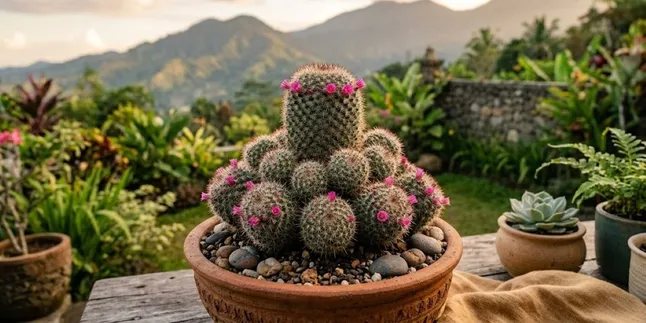
How to make cacti reproduce quickly with the right care so they grow healthy and produce many offsets.
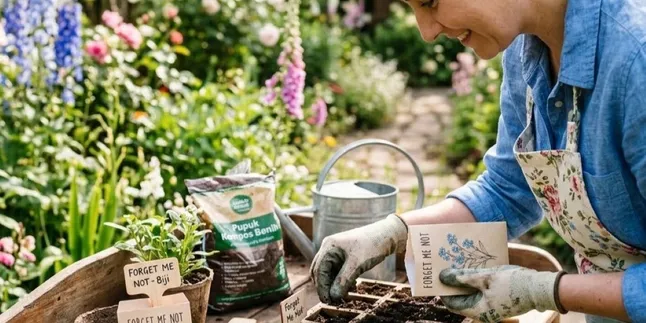
Learn 7 ways to plant forget me not flowers from seeds for quick germination and frequent blooming, complete with tips on sowing and care.

Learn how to grow celery that quickly becomes lush with this step-by-step guide. Get tips and tricks for maximum results.

Want fertile chili plants without expensive fertilizers? Check out 15 ways to make chili plants more fertile using kitchen ingredients like salt, MSG, eggshells, rice washing water, and more.

Inspiration for house facades with yellow palms that make the residence look cooler, greener, and more elegant in various design styles.
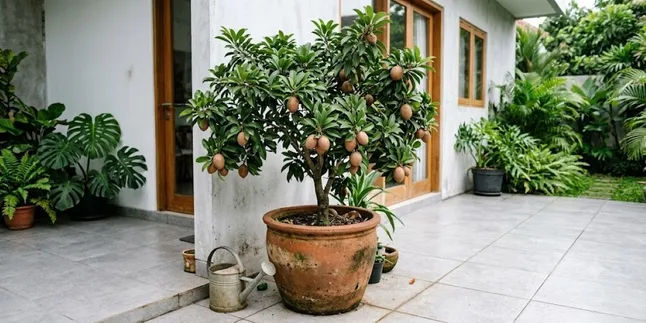
Want sapodilla to thrive in a small space? This method of planting sapodilla in a pot to keep it short can be tried directly at home.

Check out the plants that make your home more private while being beautiful to look at, from Japanese bamboo to tea plants.

Spending on phone credits, data packages, and electricity tokens often makes your wallet thin quickly. Check out four saving tips from ShopeePay to keep your expenses more controlled.
