

 Follow
 Rekomendasi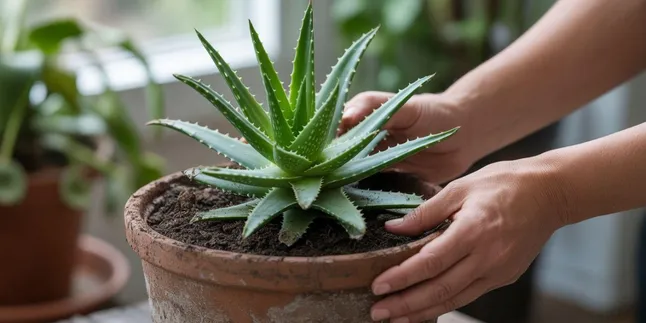
8 Ways to Make Aloe Vera Multiply Quickly, A Guide for Cultivation in Your Home Garden
Discover 8 effective ways to make aloe vera multiply quickly in your home garden. Check out the complete guide here.
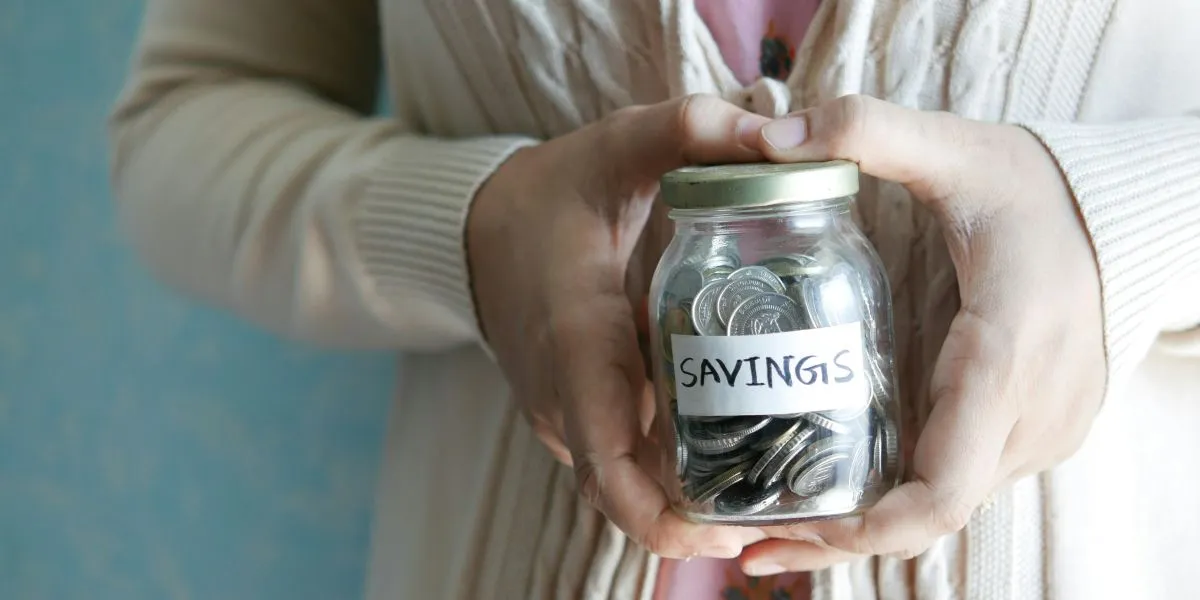
Kapanlagi.com - Learning to save money Japanese style teaches that healthy finances are built from simple habits practiced consistently. Starting from tracking expenses to regularly setting aside money, every small step can yield significant results.
Learning to save money Japanese style does not always mean having to save large amounts of money. On the contrary, this method emphasizes discipline, awareness while shopping, and the ability to distinguish between needs and wants to maintain financial stability.
If you want to manage your finances more systematically, learning to save money Japanese style can be an inspiring approach worth trying. Various simple philosophies can help build saving habits while gradually achieving financial goals.
As reported by greateasternlife.com, various Japanese financial philosophies can help someone become wiser in managing expenses while also building saving habits.
One of the most popular Japanese saving methods is Kakeibo (家計簿), which is a technique for manually recording income and expenses using a notebook. This method was introduced in 1904 and is still widely used because it helps individuals better understand their financial habits.
In practice, you can record the amount of income, monthly savings targets, and categorize expenses into several categories such as essential needs, personal desires, entertainment, and unexpected expenses.
The advantage of Kakeibo lies not only in the act of recording but also in the evaluation process. At the end of each month, you are encouraged to ask yourself questions, such as whether your spending aligns with your plan, what can be reduced, and how to increase your savings.
This method is effective because it makes individuals more cautious before making purchases. By regularly reviewing financial records, impulsive shopping habits can be reduced, and saving goals become easier to achieve.
In addition to Kakeibo, Japan also has the concept of Tsumitate (積立) which means to collect or set something aside gradually. This principle teaches that great results can come from small habits performed regularly.
In money management, Tsumitate can be applied by setting aside a portion of income each month, whether for savings or long-term investments. The main focus is not on seeking quick profits, but rather on building stable financial habits.
This method is suitable for beginners because it does not require a large amount of money upfront. By determining a fixed amount and doing it consistently, one can build an emergency fund or achieve financial goals gradually.
The key to Tsumitate is patience. The habit of saving little by little will help create a sense of security and reduce reliance on hasty financial decisions.
Mottainai (もったいない) is a Japanese philosophy that teaches the importance of appreciating things and not wasting them. This concept applies not only to physical items but can also be implemented in managing money.
In daily life, Mottainai encourages individuals to think twice before making a purchase. Is the item truly needed? Does its benefit outweigh the money spent?
This principle promotes a more frugal lifestyle by using items already owned, repairing things that can still be used, and choosing quality over buying many items that quickly break.
By applying Mottainai, the habit of saving becomes easier as unnecessary expenses can be reduced without feeling deprived.
Takane no Hana (高嶺の花) literally means "flower at a high peak", describing something beautiful but not necessarily something that must be owned. In finance, this philosophy teaches the ability to enjoy something without having to buy it.
This principle helps one distinguish between needs and wants. You can still admire expensive items, the latest trends, or a certain lifestyle without feeling the need to follow them all.
Instead of buying many cheap items, Takane no Hana teaches to choose items that truly have value and long-term benefits.
This habit can help keep finances healthy by reducing impulsive purchases and making spending more planned.
If Kakeibo focuses more on spending, Shūnyū Nisshi (収入日誌) focuses on the income side. This concept encourages individuals to record various sources of money received to enhance awareness of financial development.
The notes can include main salaries, additional income, bonuses, cashback, and even small earnings.
By regularly observing income development, one can be more motivated to seek new opportunities, improve skills, or develop additional sources of income.
This habit reminds us that managing money is not just about reducing expenses but also about how to enhance the ability to earn money.
The Japanese are known for a lifestyle that prioritizes quality over quantity. This principle can be applied to financial management by choosing to buy things that are truly valuable and can be used for a long time.
Instead of frequently purchasing cheap items that are quickly replaced, it is better to save money to buy quality items that have greater benefits.
This way of thinking helps create a healthier relationship with money. Saving does not mean always having to restrain oneself, but rather learning to use money more wisely.
Although known for being frugal and disciplined in managing money, Japanese philosophy also teaches the importance of enjoying life. Shunkan wo Ikiru (瞬間を生きる) means living in the present moment with full awareness.
In the context of finance, this principle does not mean spending money without limits, but rather using money for things that truly bring happiness and value.
For example, allocating funds for family trips, buying something long desired, or enjoying memorable experiences.
The essence is that money is not just for saving, but also a tool to create a more meaningful life. The key is to find a balance between saving for the future and enjoying the fruits of current labor.
What is Kakeibo?
Kakeibo is a Japanese manual budgeting method that involves recording income, savings goals, and detailed expenses in a notebook. The aim is to increase awareness of spending habits and promote financial reflection.
What is Tsumitate?
Tsumitate is a Japanese investment philosophy that focuses on gradually accumulating wealth by regularly setting aside a small amount of money into low-cost investment funds, leveraging the power of time and compound interest. The Tsumitate NISA program is an example of its implementation in Japan.
What does Mottainai mean in a financial context?
Mottainai is a Japanese philosophy that means 'what a waste' or 'don't waste it.' In a financial context, it encourages gratitude, valuing resources, thinking twice before making impulsive purchases, and finding joy in reusing and repairing items one already owns.
(kpl/sel)
Cobain For You Page (FYP) Yang kamu suka ada di sini,
lihat isinya
Discover 8 effective ways to make aloe vera multiply quickly in your home garden. Check out the complete guide here.

Zaskia Sungkar shares her experience in choosing BPA-free gallons for her family in the #GenerasiBebasBPA campaign with Le Minerale.

7 hidden benefits of orange peels for furniture to plants can be a natural solution at home. From air fresheners to compost for plants.
How to make cacti reproduce quickly with the right care so they grow healthy and produce many offsets.
Learn 7 ways to plant forget me not flowers from seeds for quick germination and frequent blooming, complete with tips on sowing and care.
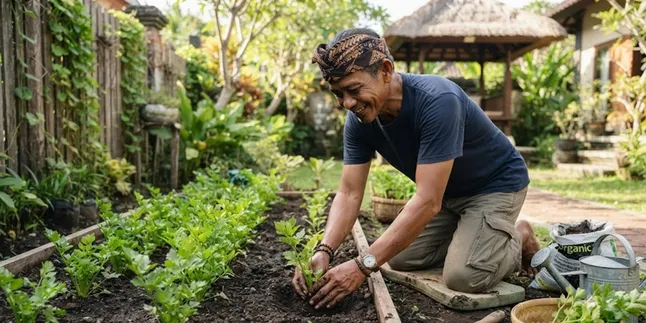
Learn how to grow celery that quickly becomes lush with this step-by-step guide. Get tips and tricks for maximum results.
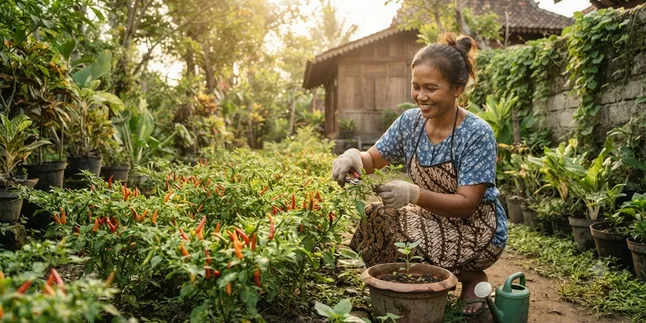
Want fertile chili plants without expensive fertilizers? Check out 15 ways to make chili plants more fertile using kitchen ingredients like salt, MSG, eggshells, rice washing water, and more.

Inspiration for house facades with yellow palms that make the residence look cooler, greener, and more elegant in various design styles.
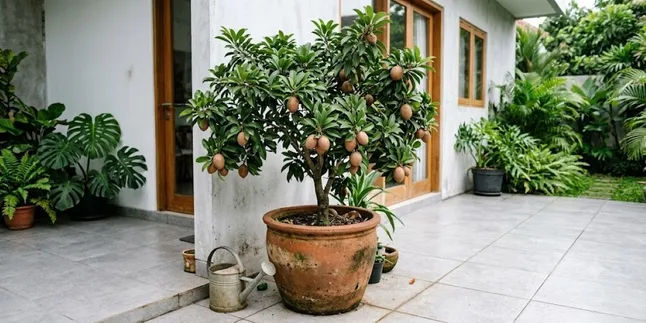
Want sapodilla to thrive in a small space? This method of planting sapodilla in a pot to keep it short can be tried directly at home.
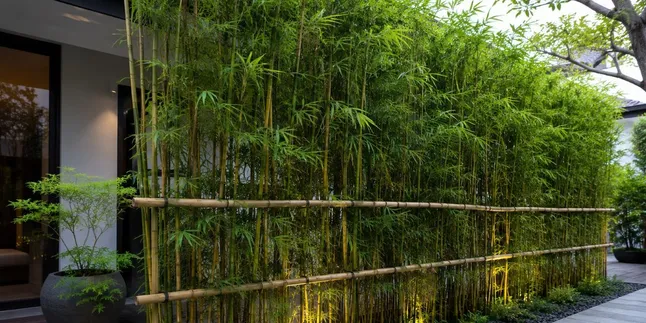
Check out the plants that make your home more private while being beautiful to look at, from Japanese bamboo to tea plants.

Spending on phone credits, data packages, and electricity tokens often makes your wallet thin quickly. Check out four saving tips from ShopeePay to keep your expenses more controlled.
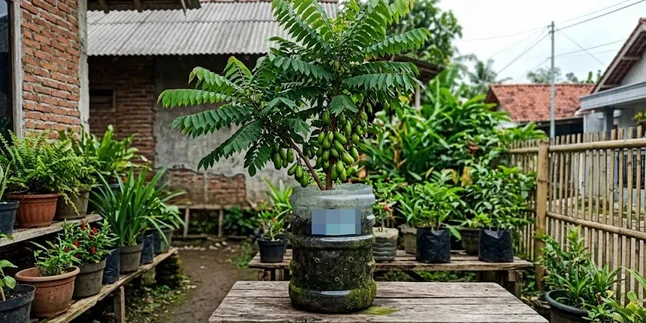
Create a mini garden at home by planting starfruit in used gallon containers. Follow the complete guide from seed selection to care for abundant fruit throughout the year.
