

 Follow
 Rekomendasi
How to Care for Monstera so its Leaves are Large and Healthy, Don’t Just Water Randomly
Caring for monstera to ensure its leaves are large and healthy can be done by paying attention to light, watering, planting media, and humidity.
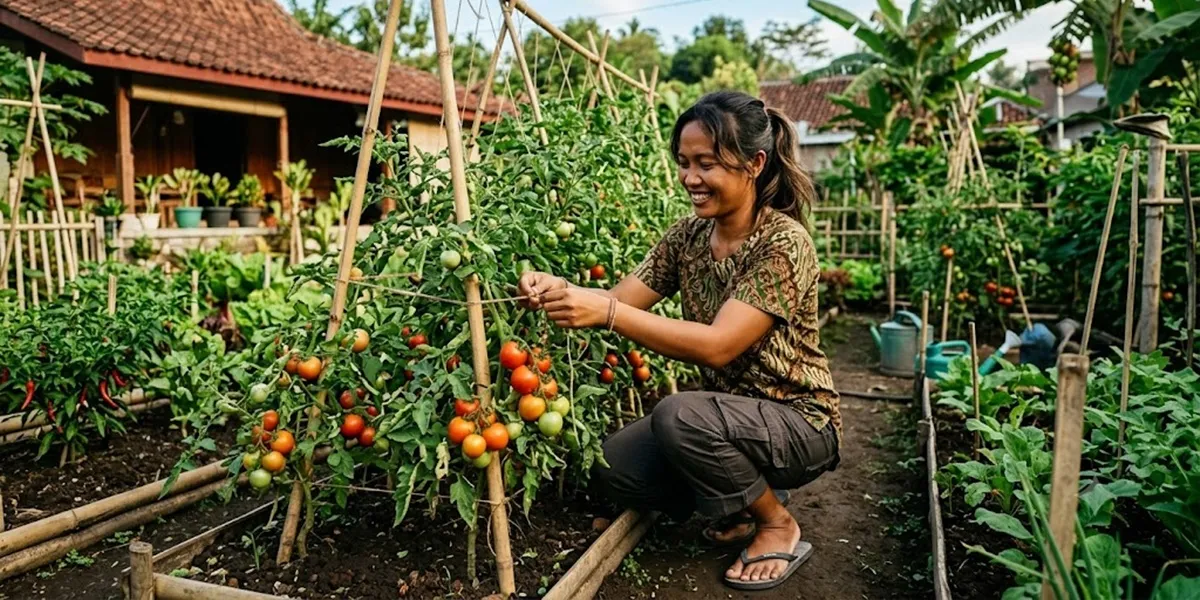
Kapanlagi.com - A bountiful and quality tomato harvest is certainly the dream of every gardener. However, one common challenge often faced is the issue of fruit rot. Various factors can trigger this condition, ranging from environmental conditions, nutrient deficiencies, to pest and disease attacks that are detrimental.
To ensure that tomato fruits grow healthy and are free from rotting, special attention is needed from land preparation to routine care. With the right strategies, the risk of fruit rot can be minimized, allowing you to enjoy fresh tomatoes from your own garden.
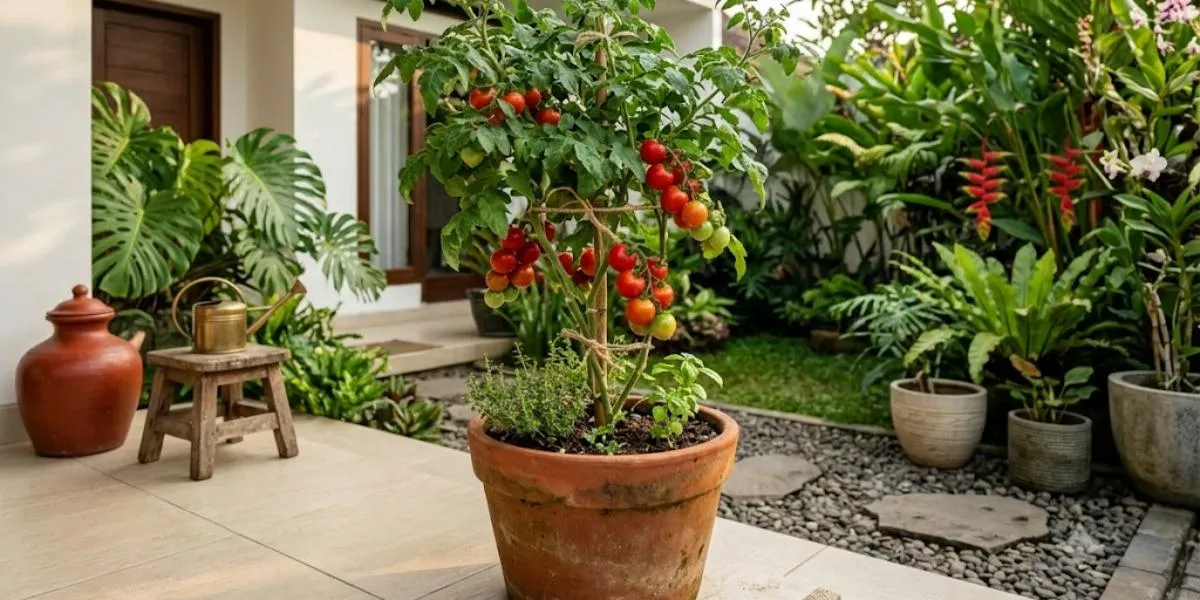
Tomatoes. [AI Generated]
Choosing varieties that are resistant to fruit cracking and diseases is the first step in preventing rotten tomatoes. For home gardens, cherry tomatoes, curly tomatoes, and some beefsteak tomatoes are more recommended because they have good resistance to humid weather and disease attacks.
Healthy and quality seedlings will also produce stronger plants, thereby reducing the risk of fruit rot from the early stages of growth.
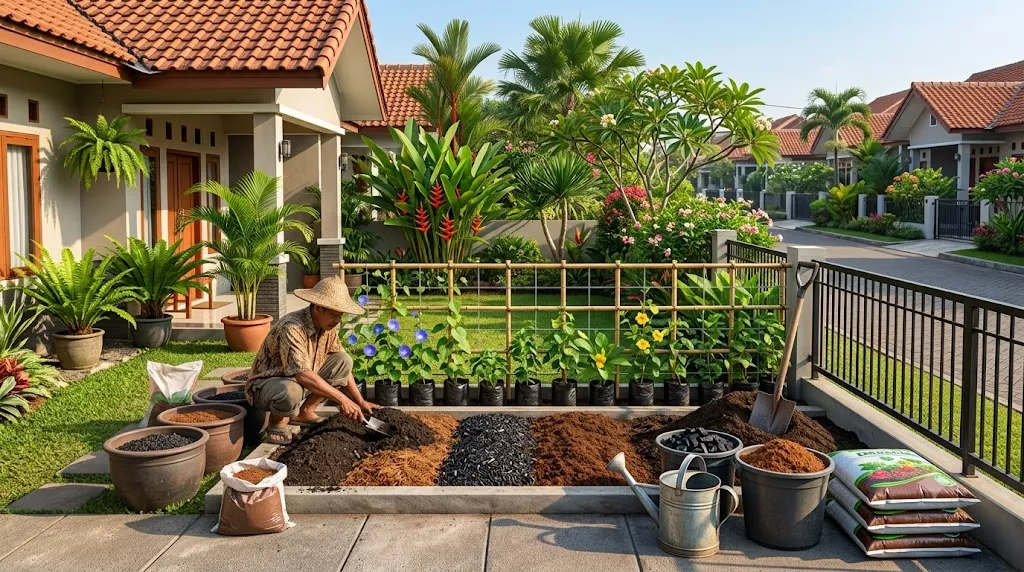
Growing media. (AI Generated)
Good planting media helps roots absorb water and nutrients optimally without causing waterlogging. A mix of garden soil, mature compost, and burnt rice husks in a ratio of 1:1:1 is very suitable for tomatoes.
The structure of the media becomes looser, more porous, and rich in organic matter. This condition is important to prevent root rot while also reducing excess moisture that can trigger various diseases in the fruit.
Tomatoes require full sunlight for a minimum of 6–8 hours every day for optimal growth and fruit formation. Sunlight helps reduce humidity around the leaves and fruits, making it less conducive for mold and bacteria to thrive.
Plants that receive insufficient light typically grow weak, are more susceptible to diseases, and produce fruits of lower quality compared to tomatoes grown in open and bright areas.
Planting too closely together creates poor air circulation and increases humidity. This condition is favored by fungi that cause fruit rot. Maintain a distance of about 60–90 cm between plants to allow air to move freely and for leaves to dry quickly after rain or watering.
In addition to reducing diseases, adequate spacing also facilitates maintenance, pruning, and harvesting, allowing plants to grow healthier and more productively.
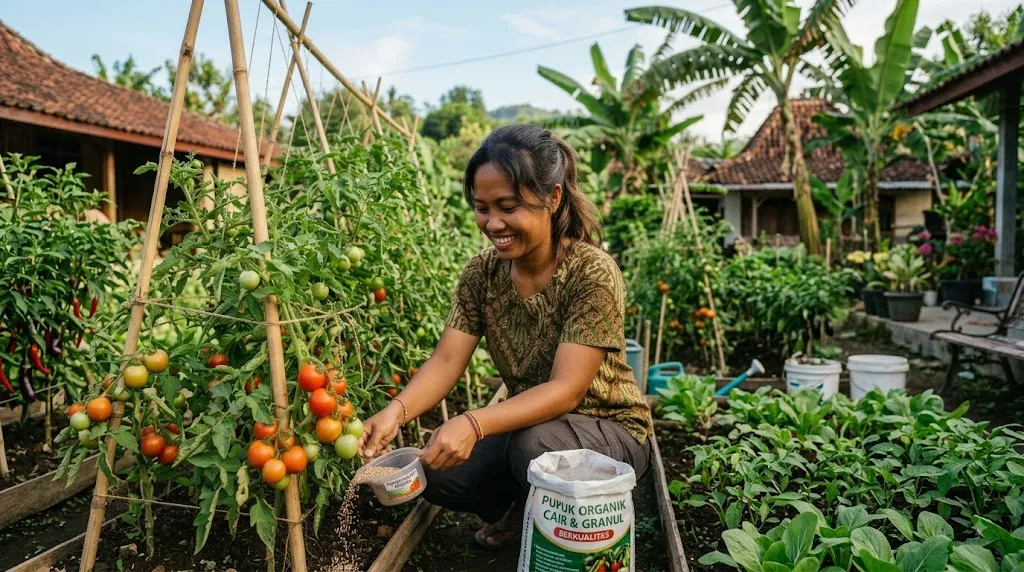
Fertilizing the plants. [AI Generated]
Organic fertilizers such as compost or well-rotted manure should be applied before planting. Organic matter helps improve soil structure, enhances microbial activity, and gradually provides nutrients.
Tomato plants that receive sufficient nutrients from the beginning will grow stronger and are less likely to experience physiological disorders such as blossom end rot. Avoid using immature fertilizers as they can damage roots and trigger diseases.
Consistent watering is crucial to prevent Blossom End Rot. Soil that is too dry and then suddenly very wet disrupts calcium absorption.
Water the plants regularly according to weather conditions, especially during fruit formation. Ensure that the water penetrates the soil, not pooling around the roots. With stable moisture, tomato fruits will develop healthier and the risk of rot can be reduced.
Watering directly on the leaves and fruits can increase the moisture on the plant's surface, making it easier for fungi and bacteria to develop. Use a watering can or hose directed at the planting media around the base of the plant.
Watering in the morning or evening is also better than during the hot midday. This simple habit helps keep the leaves dry, reduces the risk of soft rot, and prevents the spread of diseases on tomato fruits.
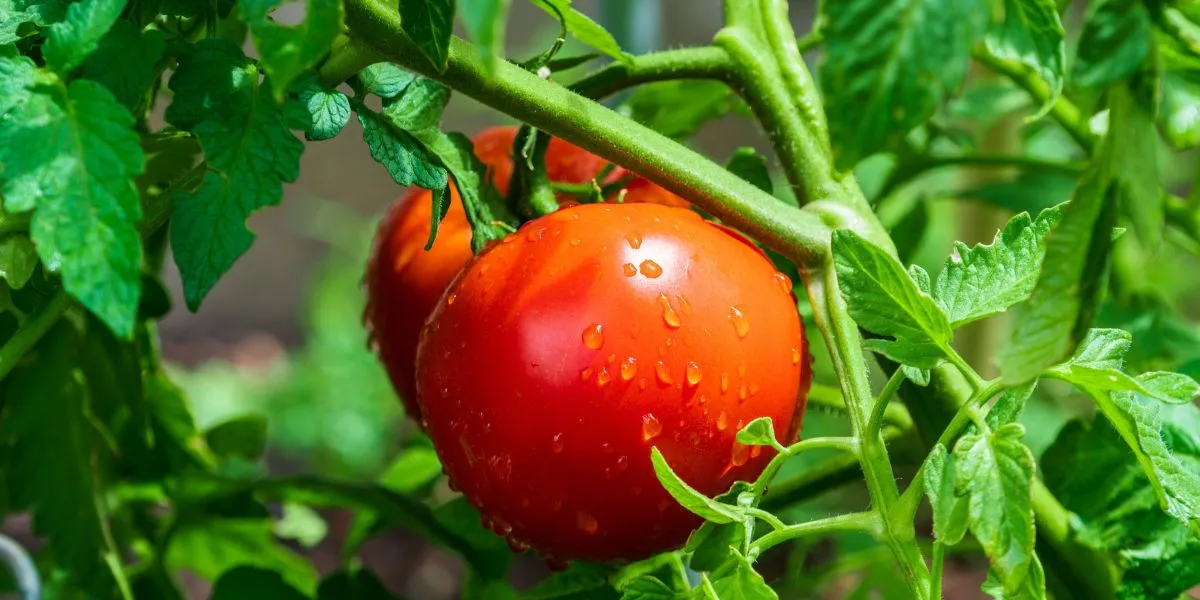
Tomato. Photo: Frank Schrader on Pexels
Calcium helps strengthen the cell walls of fruits, while boron aids in the absorption and distribution of calcium within the plant. A deficiency of these two elements often causes black spots and rot at the tips of tomato fruits.
Applying fertilizers containing calcium and boron when the plants start to flower and bear fruit is highly recommended. Balanced nutrition will make the fruits denser, less prone to cracking, and more resistant to decay issues.
Pruning excess leaves and branches helps improve air circulation and lighting around the plants. Additionally, using stakes or trellises keeps the stems upright and prevents the fruit from touching the ground.
Fruits that come into direct contact with the ground are more susceptible to fungal and bacterial infections that cause rot. With well-organized plants, energy is also more directed towards fruit formation, resulting in healthier and higher-quality yields.
Garden cleanliness is crucial for the success of tomato cultivation. Immediately remove rotten fruits, diseased leaves, and plant debris to prevent them from becoming sources of disease transmission. Use mulch to reduce soil splashes onto the fruit and practice crop rotation if possible.
Monitor pests such as fruit borers, as wounds on the fruit can serve as entry points for pathogens. Good sanitation and regular pest control will greatly help prevent tomato fruit rot.
What is the main cause of blossom end rot in tomatoes?
Blossom end rot is caused by calcium deficiency in the fruit tissue and unstable soil moisture fluctuations, even though calcium in the soil may be sufficient.
How do bacteria and fungi cause soft rot in tomatoes?
The bacteria Erwinia carotovora and the fungus Botrytis cinerea cause soft rot by entering through wounds or damage to the fruit skin, especially in moist conditions and high temperatures.
What are some important initial steps to prevent tomato rot?
Initial steps include selecting disease-resistant and crack-resistant varieties, preparing the soil with full sunlight and good drainage, and planting with adequate spacing for air circulation.
(kpl/ini)
Cobain For You Page (FYP) Yang kamu suka ada di sini,
lihat isinya
Caring for monstera to ensure its leaves are large and healthy can be done by paying attention to light, watering, planting media, and humidity.

Discover effective ways to care for the Tabebuya tree to encourage frequent flowering with these eight easy steps.

Recommendations for indoor plants that not only beautify the home but are also safe for children and pets.

Here's how to plant cosmos in your yard to ensure they grow lush, healthy, and bloom frequently with the right care.
Learn the ideal boiling duration for quail eggs for various levels of doneness, from soft-boiled to perfectly cooked, as well as practical tips for easy peeling.

Fixing soft rice to make it fluffy can actually be done with a few simple steps. Check out the causes and tips to ensure the rice always turns out just right.

22 plants for summer that keep blooming even with rare watering can be the right choice to beautify the garden without complicated maintenance. Check out the recommendations.

Learn how to safely plant fruit trees near the carport so that the roots do not damage the foundation and floor of the house.
18 herbal plants that effectively repel mosquitoes naturally. Learn about their active ingredients and how to use them.

Japan has a unique philosophy in managing money that focuses on patience, consistency, and peace of mind.
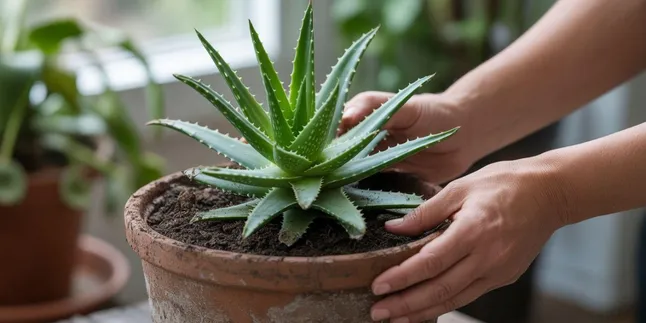
Discover 8 effective ways to make aloe vera multiply quickly in your home garden. Check out the complete guide here.

Zaskia Sungkar shares her experience in choosing BPA-free gallons for her family in the #GenerasiBebasBPA campaign with Le Minerale.
