

 Follow
 Rekomendasi
10 Tricks to Organize Kitchen Drawers So They Don't Get Messy Every Day, Keep Them Neat All the Time
These tricks for organizing kitchen drawers help keep cooking utensils from getting messy and make them easier to find.
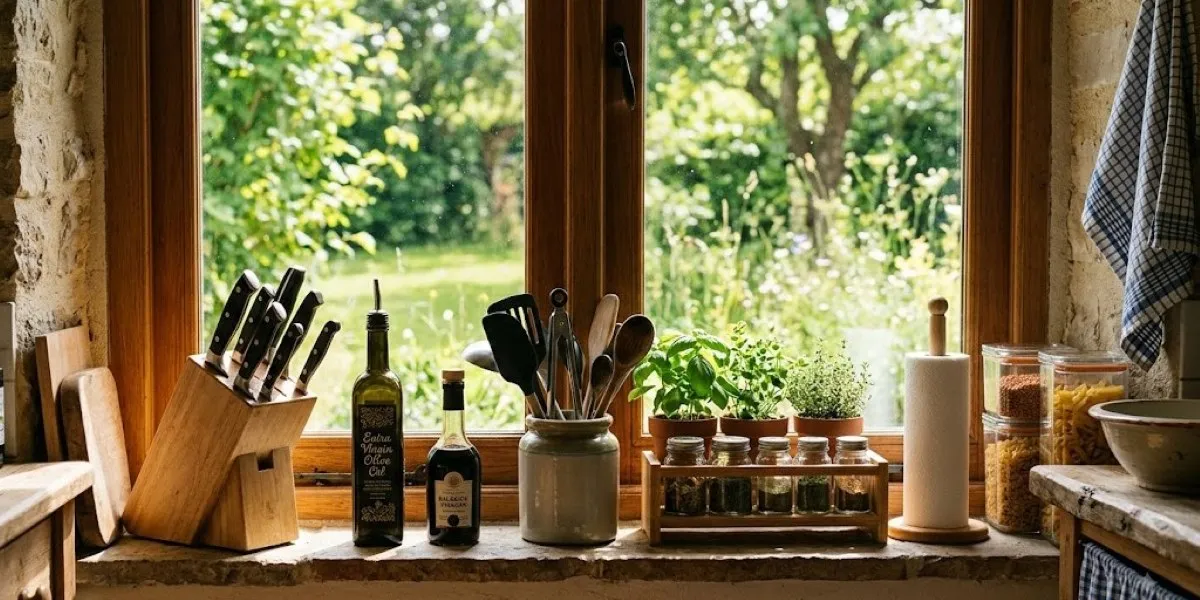
The kitchen is indeed always the 'heart' of every home where we are free to create our signature dishes, right, KLovers? Unfortunately, for the sake of aesthetics or just practicality, we often place food ingredients and important utensils right next to the window. In fact, this seemingly trivial habit can secretly damage your beloved kitchen items!
As it turns out, the area around the window is very vulnerable to fluctuations in temperature and humidity that are unpredictable. Exposure to ultraviolet (UV) rays and the intense heat of the sun from outside can trigger chemical reactions that cause food nutrients to disappear, spoil quickly, and even ruin their texture. Not only that, but the humid air near the window also becomes the perfect spot for bacteria and mold to thrive.
That’s why it’s very important for KLovers to start being aware and selective about storage locations in the kitchen. Keeping sensitive items away from direct sunlight not only preserves the quality of food ingredients but also extends the lifespan of your utensils. To avoid making mistakes again, let’s find out which items should never be placed near the kitchen window.
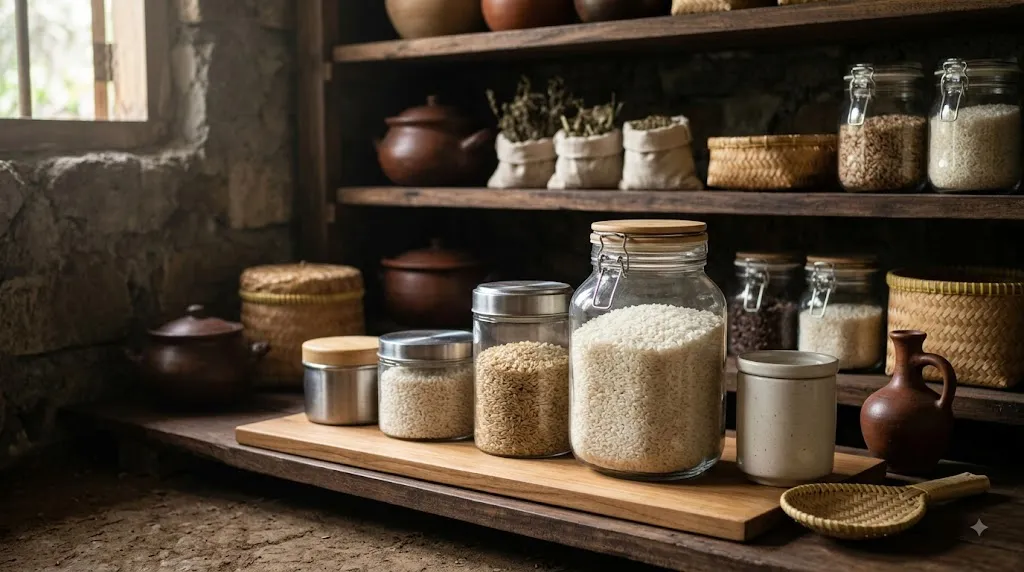
Maintain the Quality of Rice Ingredients. (AI Generated)
Storing dry food ingredients and spices near a window can trigger various problems that reduce the quality and shelf life of these products. Exposure to light and unstable temperatures are the main enemies.
Rice should be stored in a cool, dry, and dark place, away from direct sunlight. Sunlight and warm temperatures can trigger the growth of rice weevils and mold, which certainly reduces the quality of the rice. Humidity can also cause the rice to clump and become unfit for consumption.
The storage container for rice also needs to be carefully considered. Avoid containers made of paper or cardboard as they are less effective in preventing moisture and air from entering. Airtight containers made of metal, glass, or thick plastic are recommended to keep the quality of the rice intact.
Flour, like rice, requires cool, dry, and dark storage conditions. Exposure to direct sunlight and high temperatures can accelerate oxidation in flour, potentially altering its taste and aroma.
Humidity near windows can also cause flour to clump and mold. Storing flour in an airtight container is an important step to protect it from moisture and pests. Keeping flour away from areas that are frequently exposed to steam or heat will help maintain its texture and quality longer, ready to use at any time.
Ground spices such as paprika or turmeric are very sensitive to light and heat. Exposure to direct sunlight can accelerate the degradation of spices, causing the aroma to quickly fade, colors to dull, and flavors to change drastically.
High temperatures can also cause the aroma of spices to evaporate faster, reducing the richness of the dish's flavor. Therefore, a dark and cool storage place is crucial for maintaining the quality of dry kitchen spices. Opaque containers are recommended over transparent ones because light can accelerate the degradation of the aroma and color of dry spices.
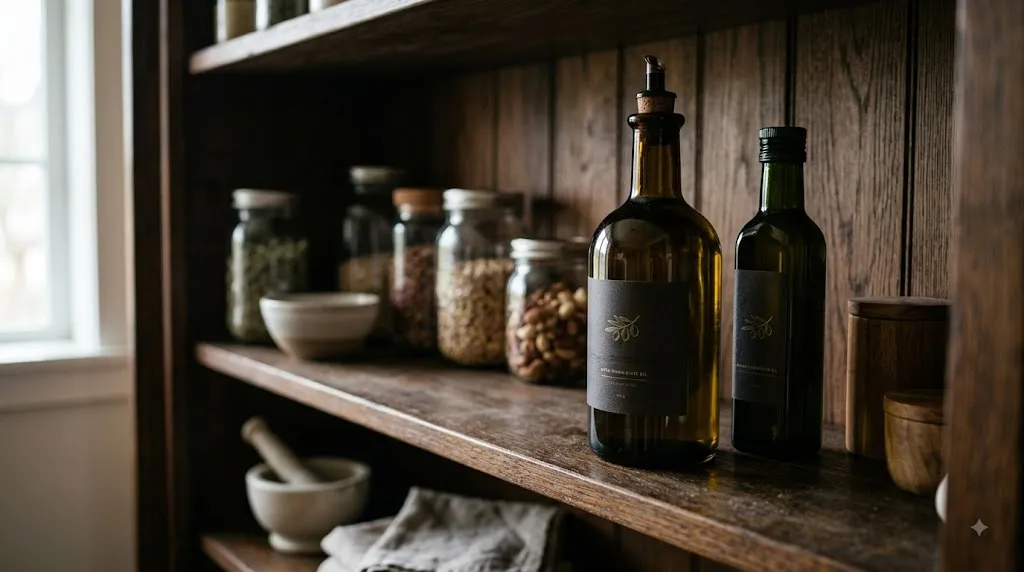
Storage of Oils and Liquids. (AI Generated)
Some types of oils and kitchen liquids are also not suitable to be placed near windows. They can experience significant quality degradation due to exposure to light and unstable temperatures.
Cooking oil, especially olive oil, should be stored in a cool, dry, and dark place, away from sunlight. Exposure to warm temperatures will trigger oxidation, which makes the oil rancid and unfit for consumption.
Dark-colored bottles are highly recommended for storing olive oil as they help protect it from harmful light. Keeping it away from heat and light sources helps maintain the optimal levels of polyphenols and antioxidants within it.
Vinegar, although it has natural preservative properties, can undergo quality changes if exposed to direct sunlight and high temperatures continuously. Light can affect the stability of vinegar components, potentially altering the taste and clarity of the product.
Storing vinegar in a cool, dark place will help preserve its distinctive characteristics. Avoiding window areas that are often exposed to heat and light will keep the quality of vinegar longer, ready to be used for various dishes.
Sauces like soy sauce or ketchup, although often containing preservatives, can be affected by exposure to sunlight and temperature fluctuations. Light can cause color changes in sauces, making them look less appealing.
Meanwhile, heat can accelerate the fermentation or spoilage process after the package is opened, reducing its shelf life. Storing sauces in a closed kitchen cabinet or areas not exposed to direct sunlight will help maintain product stability, preserving the flavor, color, and shelf life of the sauce.
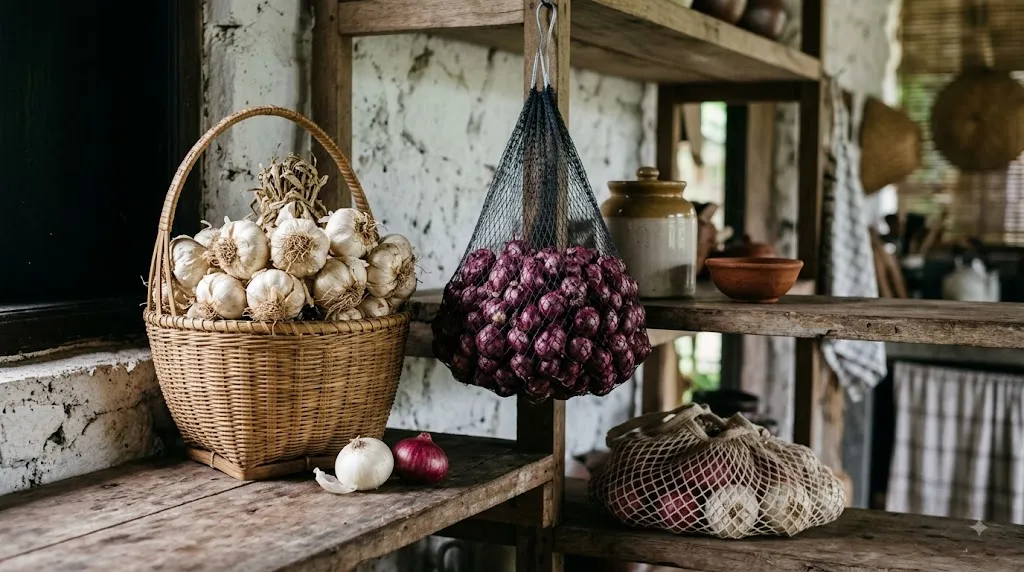
Storage of Garlic/Onion. (AI Generated)
Not all fruits and vegetables are suitable to be stored near windows, especially those that are highly sensitive to light and temperature. Improper placement can accelerate spoilage or even produce harmful substances.
Potatoes should be stored in a dark, cool, and dry place with good air circulation. Exposure to direct sunlight or bright light will cause potatoes to green and produce solanine, a toxic substance that is unsafe to consume.
Too cold temperatures, such as in the refrigerator, can convert the starch in potatoes into sugar, affecting the taste and texture. Potatoes should also not be stored near fruits that produce ethylene gas, such as apples or bananas, as this gas can accelerate sprouting in potatoes.
Garlic and shallots require a dry, cool, and well-ventilated storage place, away from direct sunlight. Direct exposure, whether natural or artificial, can make the garlic taste bitter and accelerate sprouting.
High humidity is also not recommended as it can cause the garlic to absorb moisture and spoil quickly. Storing onions in a well-ventilated container, such as a mesh bag, will help maintain their freshness and quality for a longer time.
Unripe avocados can indeed be placed near a window with indirect sunlight to speed up the ripening process. However, ripe avocados should not be stored near a window.
Ripe avocados have soft flesh that is easily damaged due to their high fat content. Direct sunlight and warm temperatures can accelerate the rotting process of ripe avocados. To slow down the rotting, ripe avocados should be stored in a cool place or in the refrigerator to keep them fresh.
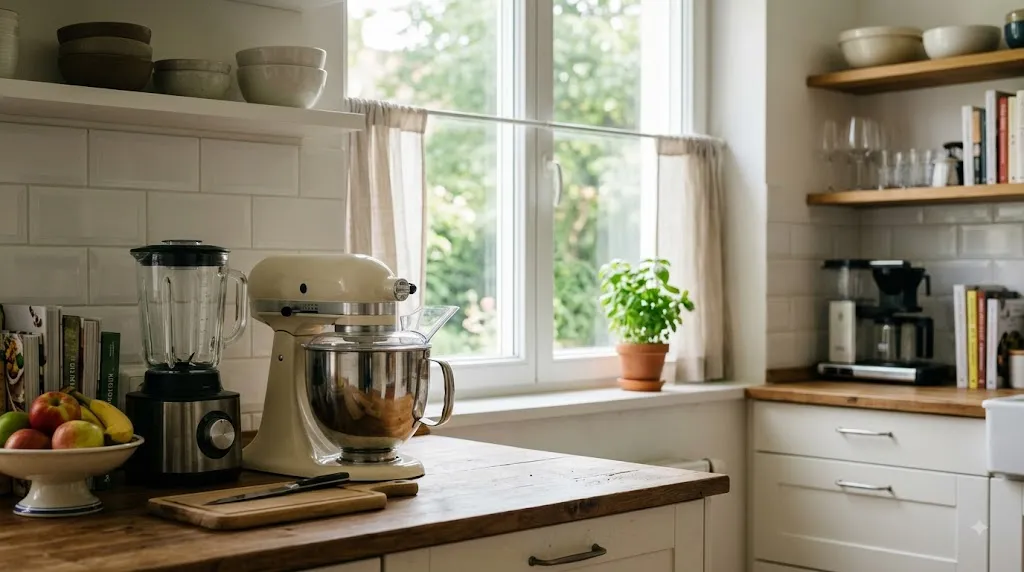
Storage of Kitchen Equipment. (AI Generated)
Some kitchen tools and equipment can also suffer damage if continuously exposed to extreme conditions near a window. This can affect their appearance and functionality.
Small electronic appliances like mixers or blenders should not be placed near windows. Prolonged exposure to direct sunlight can cause discoloration of plastic or rubber materials, making them look dull and aged.
Excess heat from sunlight can also potentially affect the internal components of electronics, reducing their lifespan. Keeping these appliances away from windows will help maintain their appearance and function. A stable temperature condition that is not too hot is a better environment for storing electronic appliances.
Plastic containers that are often used to store food or kitchen ingredients can degrade if continuously exposed to ultraviolet rays from the sun. UV light can make plastics brittle, change color, and even potentially release chemicals into food if reused.
Storing plastic containers in a closed cabinet or drawer will protect their material from damage caused by sunlight. This also helps ensure the safety of using containers for food storage to prevent contamination.
A wooden cutting board requires special care to avoid damage and remain hygienic. Direct exposure to sunlight and high humidity fluctuations near windows can cause the wooden cutting board to warp, crack, or even become moldy.
Storing a wooden cutting board in a dry, cool place away from direct sunlight will extend its lifespan. After use and washing, make sure the cutting board is completely dry before storing it to prevent bacterial growth.
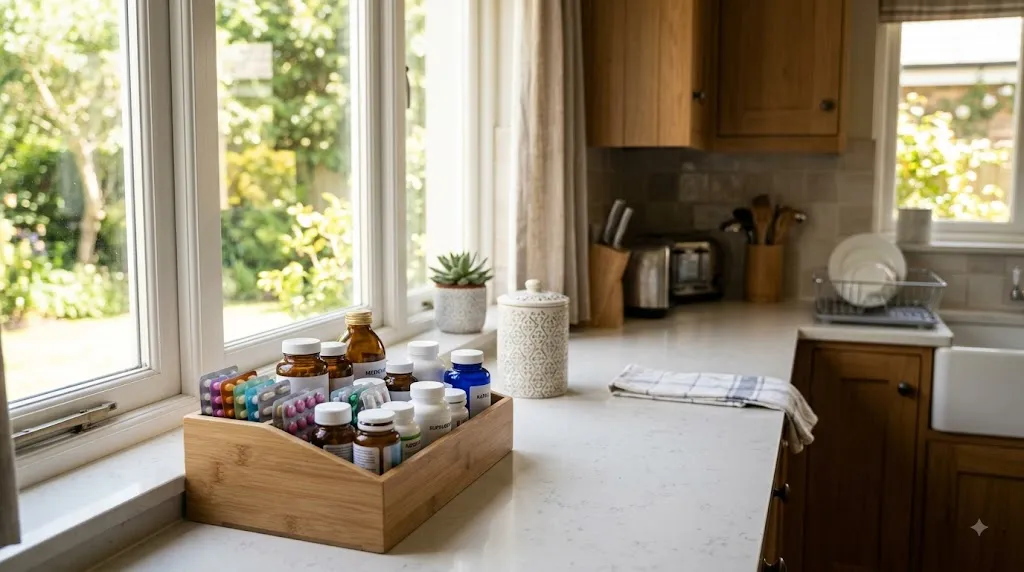
Storage of Medicines in the Kitchen. (AI Generated)
Some cleaning products and other items in the kitchen also require special attention regarding their storage location. Improper placement can reduce effectiveness or even pose hazards.
Dish soap, especially in liquid form, can be affected by direct sunlight exposure and high temperatures. Heat can change the consistency of the soap, making it thinner or even reducing the effectiveness of its active ingredients in cleaning.
Light can also potentially fade the color of the soap or trigger unwanted chemical reactions. Storing dish soap under the sink or in a closed cabinet is a better option to keep the product quality optimal.
A dish sponge placed near a window, especially if that area is damp, can quickly become a breeding ground for bacteria and mold. Sunlight may help dry it out, but the frequent moisture in kitchen window areas can accelerate the growth of unwanted microorganisms.
To maintain the cleanliness of the sponge, it is best to store it in a dry and well-ventilated place after use. Regularly replacing sponges is also an important hygiene practice to prevent the spread of germs.
Medications and supplements are often stored in the kitchen for easy access. However, kitchen areas, especially near windows, often experience fluctuations in temperature and high humidity.
This condition can damage the stability and effectiveness of medications, making them no longer function optimally or even become dangerous. Most medications should be stored at room temperature, in a cool, dry place, and away from direct sunlight. Avoid storing medications in damp and hot bathrooms or kitchens to maintain their quality.
Improper temperature can cause food to spoil quickly, lose flavor, and even pose health risks if consumed.
Yes, direct sunlight can damage spices.
Cooking oil should be stored in a cool, dry, and dark place, away from light and heat.
Yes, high humidity near windows can affect kitchen equipment.
Signs of spoiled food include changes in aroma to sour or rotten, texture becoming slimy or mushy, and unusual color changes.
(kpl/rao)
Cobain For You Page (FYP) Yang kamu suka ada di sini,
lihat isinya
These tricks for organizing kitchen drawers help keep cooking utensils from getting messy and make them easier to find.
Discover a list of items that are often placed in the wrong spot and make your home messy quickly, complete with easy tips to tackle them every day.
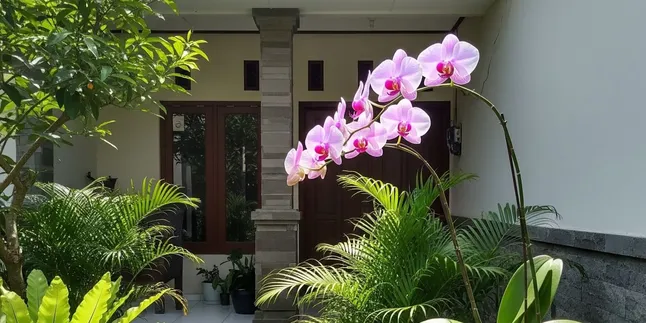
How to care for orchids to bloom quickly with a complete guide on lighting, watering, fertilizing, and the ideal temperature for maximum results.
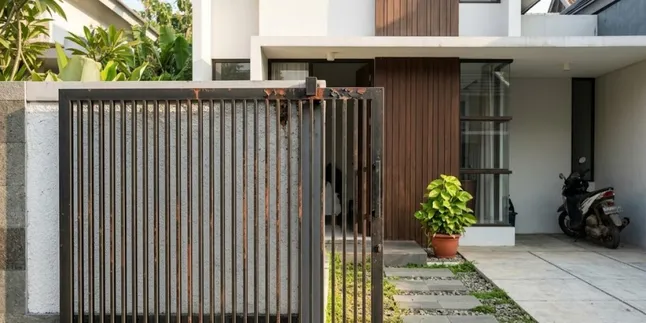
Rust on home fences can be addressed without repainting. Learn practical guidelines for cleaning rust with natural materials, mechanical methods, and special products for a clean and well-maintained fence.
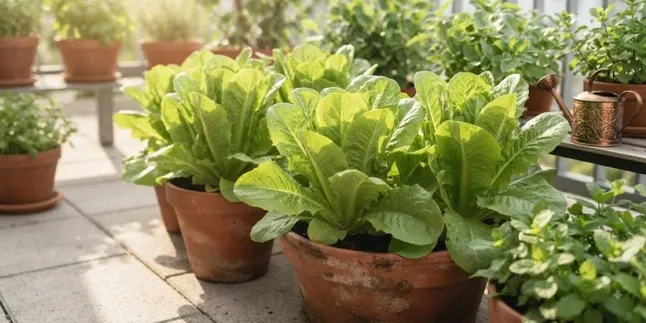
How to grow romaine lettuce at home, from choosing seeds to harvesting fresh and crunchy leaves.
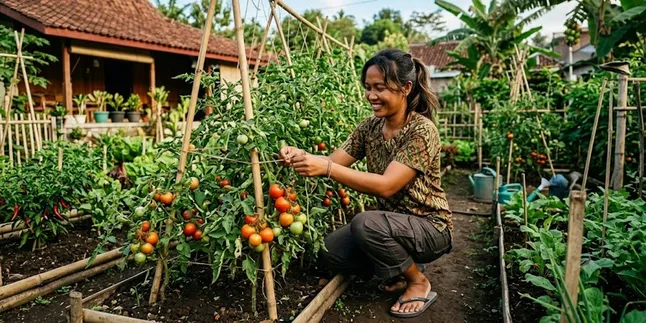
Avoid tomato fruit rot by understanding its causes and applying the right cultivation strategies, from variety selection to intensive care for quality harvests.

Caring for monstera to ensure its leaves are large and healthy can be done by paying attention to light, watering, planting media, and humidity.

Discover effective ways to care for the Tabebuya tree to encourage frequent flowering with these eight easy steps.
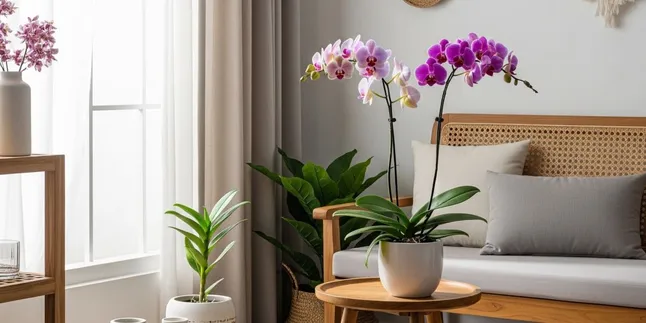
Recommendations for indoor plants that not only beautify the home but are also safe for children and pets.

Here's how to plant cosmos in your yard to ensure they grow lush, healthy, and bloom frequently with the right care.
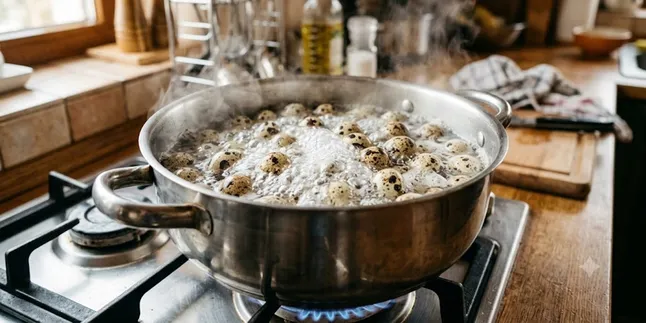
Learn the ideal boiling duration for quail eggs for various levels of doneness, from soft-boiled to perfectly cooked, as well as practical tips for easy peeling.
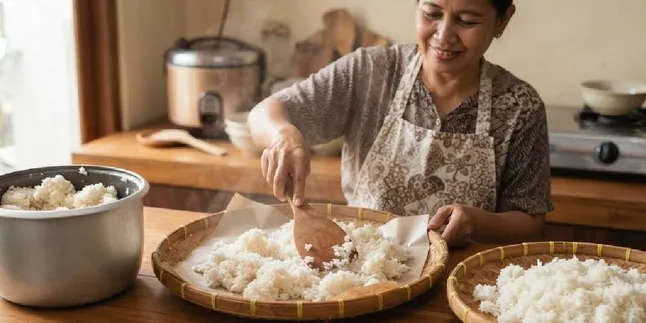
Fixing soft rice to make it fluffy can actually be done with a few simple steps. Check out the causes and tips to ensure the rice always turns out just right.
