

 Follow
 Rekomendasi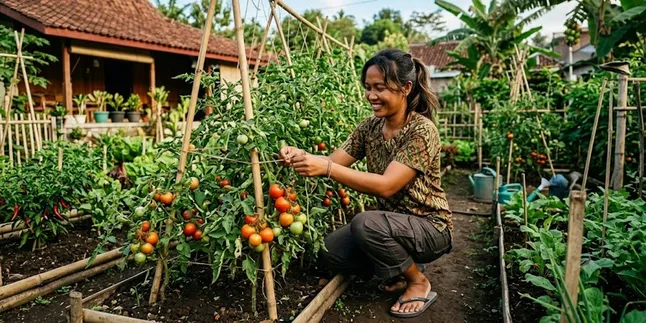
10 Ways to Plant Tomatoes to Avoid Rotting and Quickly Bear Abundant Fruit
Avoid tomato fruit rot by understanding its causes and applying the right cultivation strategies, from variety selection to intensive care for quality harvests.
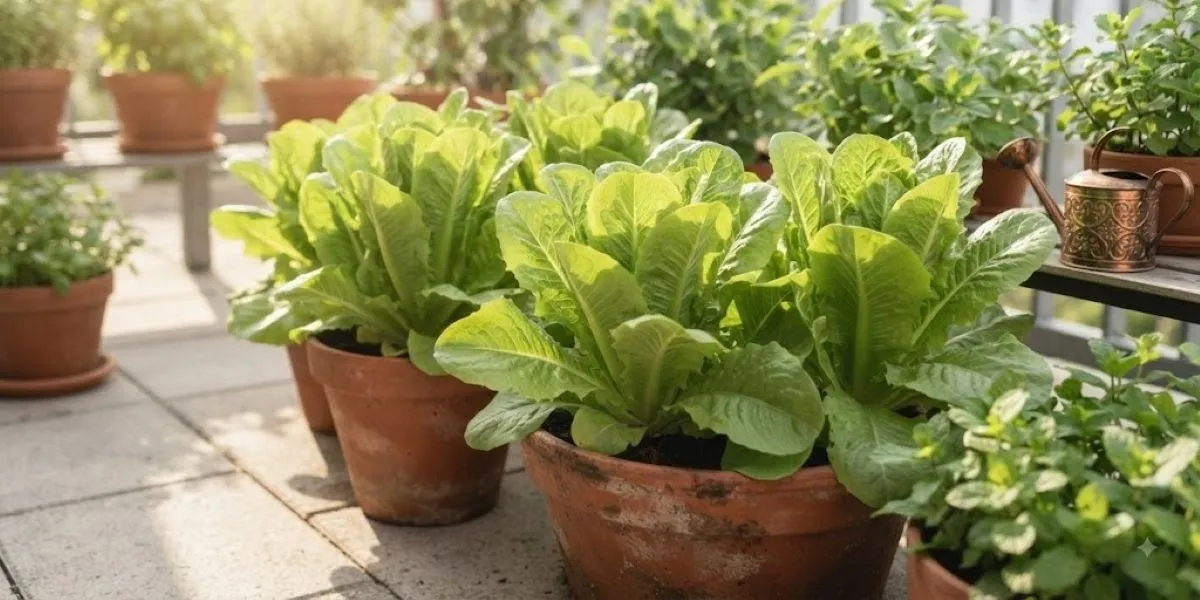
Kapanlagi.com - Romaine lettuce is one type of lettuce that has long, upright, crunchy leaves, and usually forms a relatively loose head. This plant, also known as cos lettuce, is a leafy vegetable that prefers cool conditions, but can still be grown at home with adjustments to the environment.
Growing romaine lettuce does not require a large area because this plant can be cultivated using pots or containers with well-draining growing media. The key to success is providing adequate light, maintaining moisture in the media without making it waterlogged, and protecting the plants from excessive heat that can trigger flowering before the leaves develop optimally.
How to Grow Romaine Lettuce at Home/AI Generated
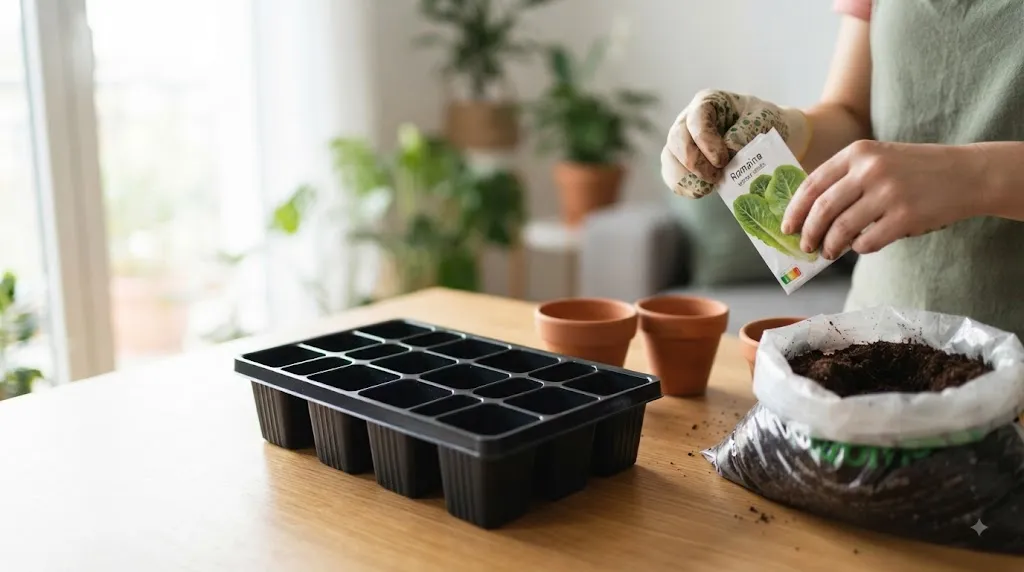
Use romaine lettuce seeds that are still viable for planting and come from trusted sources. The choice of variety can be adjusted to the growing conditions, especially if the home is in a region that tends to be hot, as there are varieties that have better tolerance to warm conditions or are slower to experience bolting.
Romaine lettuce can be planted directly from seeds or through seedlings. Direct planting is quite practical for home scale, while using seedlings can help speed up the planting process in the final container.
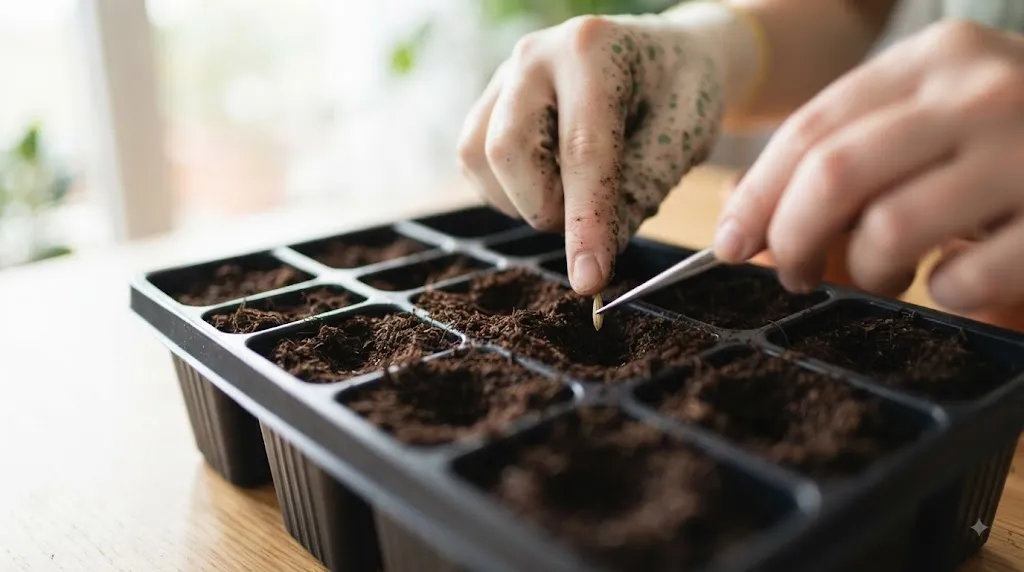
If using seeds, do not plant them too deep because lettuce seeds are small. Seeds are generally planted about 0.6–1.3 cm from the surface of the medium. Lettuce germinates well in cool media, around 13–18°C, while excessively high temperatures, especially above about 27°C, can reduce germination success.
How to Grow Romaine Lettuce at Home/AI Generated
Choose a pot or container that has drainage holes at the bottom so that excess water can escape properly. Lettuce is one of the vegetables that can grow in containers, but media that is constantly waterlogged can hinder root development and increase the risk of problems for the plants.
Use a loose, fertile growing medium that is rich in organic matter, but still has good drainage. For pot planting, a special plant medium or a mix that can retain moisture while draining excess water can be used.
Do not fill the container too tightly as the roots need space and good air circulation within the medium. For romaine lettuce that you want to allow to grow into full-sized plants, provide spacing between plants of about 20–30 cm; this distance helps the plants get enough room to develop their heads and leaves.
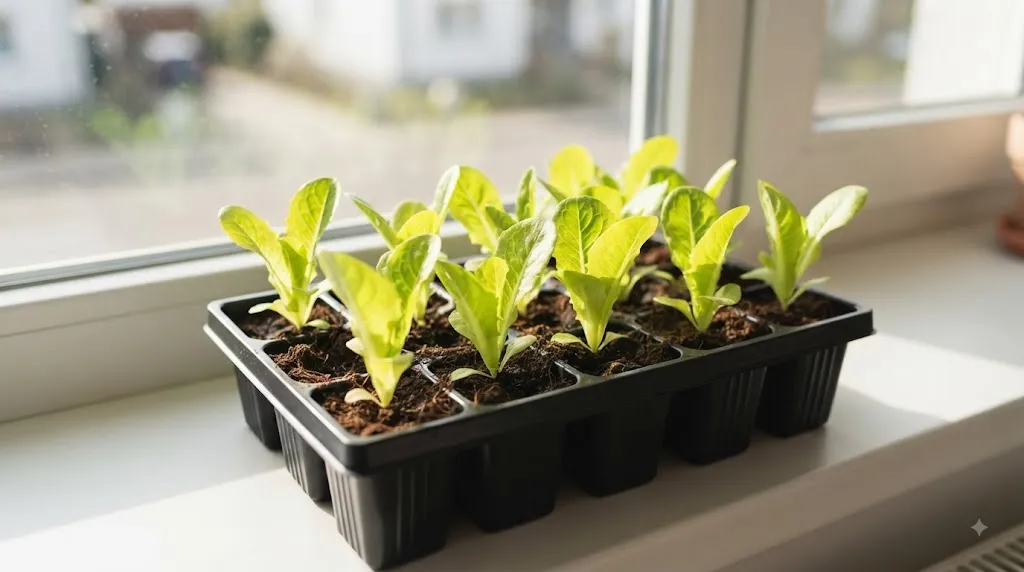
How to Grow Romaine Lettuce at Home/AI Generated
Moisten the medium evenly first, then make shallow planting holes and insert the seeds. Cover the seeds with a thin layer of medium because planting too deep can hinder their emergence to the surface.
After planting, place the container in a spot that receives bright light and is not too hot. Keep the medium moist, but avoid overwatering to the point of water pooling, as excess moisture can increase the risk of diseases in the seedlings, including damping off.
Romaine lettuce seeds under suitable conditions generally begin to germinate in about 7–10 days. Once the seedlings have about 3–4 true leaves, thin them out carefully and keep the healthiest seedlings.
How to Plant Romaine Lettuce at Home/AI Generated
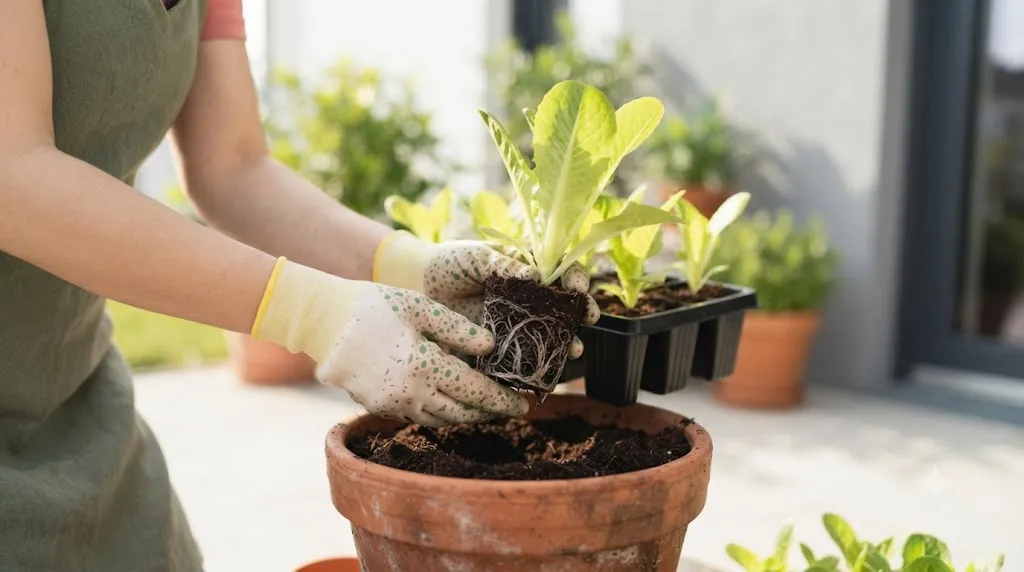
If romaine lettuce is sown in separate containers, transplant the seedlings after they have about 4-6 mature leaves and a well-developed root system. This condition indicates that the seedlings are strong enough to be moved, but still carry out the transplanting process carefully to avoid excessive damage to the roots.
Plant the seedlings at a depth that is roughly the same as when they were growing in the seed tray. Avoid burying the base of the plant too deep so that the growing point and the base of the stem remain close to the surface of the medium.
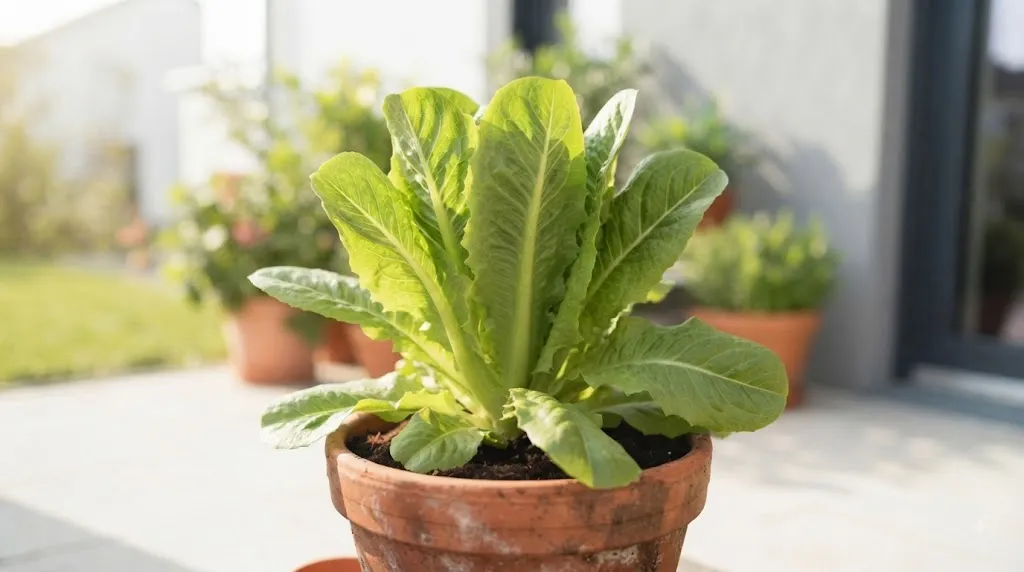
For romaine intended to become full-sized plants, use a spacing of about 20-30 cm between plants. If planting multiple plants in one planter, provide enough space so that each plant can develop leaves and heads properly.
How to Grow Romaine Lettuce at Home/AI Generated
Lettuce essentially requires enough light for growth, but romaine is a cool-season crop that does not like excessive heat. In hot climate regions, placing it in a location that receives morning sunlight and is then sheltered from the harsh afternoon sun can be a practical option to help reduce heat stress.
Pay attention to the temperature around the plants, especially when growing in tropical areas. High temperatures can slow growth, reduce leaf quality, increase bitterness, and encourage bolting, which is the elongation of the stem to form flowers and seeds, causing the plant to no longer focus growth on the leaves.
If the weather is extremely hot, use light shade during the peak heat periods without keeping the plants in dark conditions all day. Choosing heat-tolerant varieties, ensuring water availability, and providing protection from excessive heat can help delay bolting.
How to Grow Romaine Lettuce at Home/AI Generated
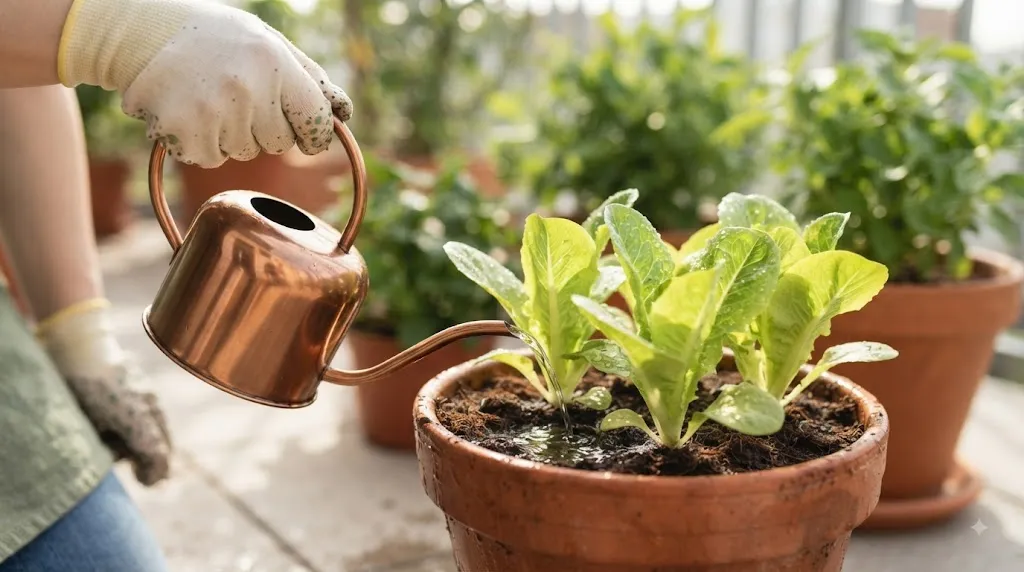
Romaine lettuce requires a consistent supply of water during growth. The medium should be kept moist, but not always wet or flooded, as overly wet conditions can lead to root problems and moisture-related diseases.
The frequency of watering does not have to be the same every day, as water needs are influenced by the size of the plant, type of medium, size of the container, temperature, and weather conditions. Check the condition of the medium first, then water when it starts to dry out to prevent the plants from experiencing water deficiency.
In hot weather, containers may lose water more quickly, so the condition of the medium needs to be checked more often. Maintaining consistent moisture is also important because stress from water deficiency can worsen leaf quality and accelerate the development of bitterness in the lettuce.
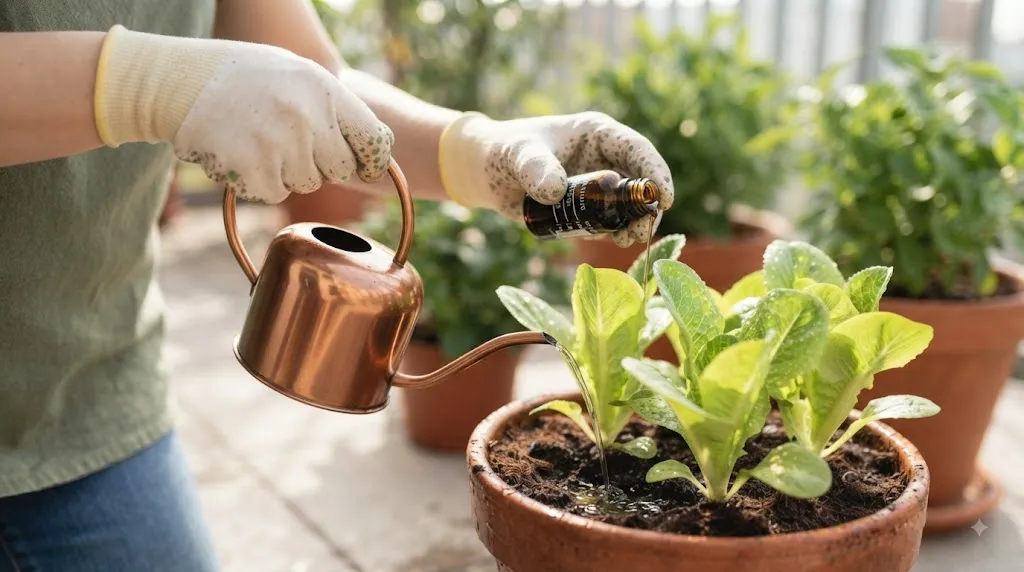
How to Grow Romaine Lettuce at Home/AI Generated
Fertile growing media rich in organic matter can provide part of the nutritional needs for the early growth of lettuce. If the media or soil has low nutrient content, fertilization can be done based on the needs of the plants and the condition of the media, rather than by giving excessive amounts of fertilizer.
For planting in pots, appropriate vegetable fertilizers can be used following the dosage on the product label. Excessive fertilization does not make lettuce grow faster automatically and can actually cause problems for the plants or the media.
In addition to nutrition, also pay attention to the condition of the roots and media after fertilization. Romaine lettuce requires fast and healthy leaf growth, so the balance between light, water, nutrients, and temperature remains more important than relying solely on fertilizer.
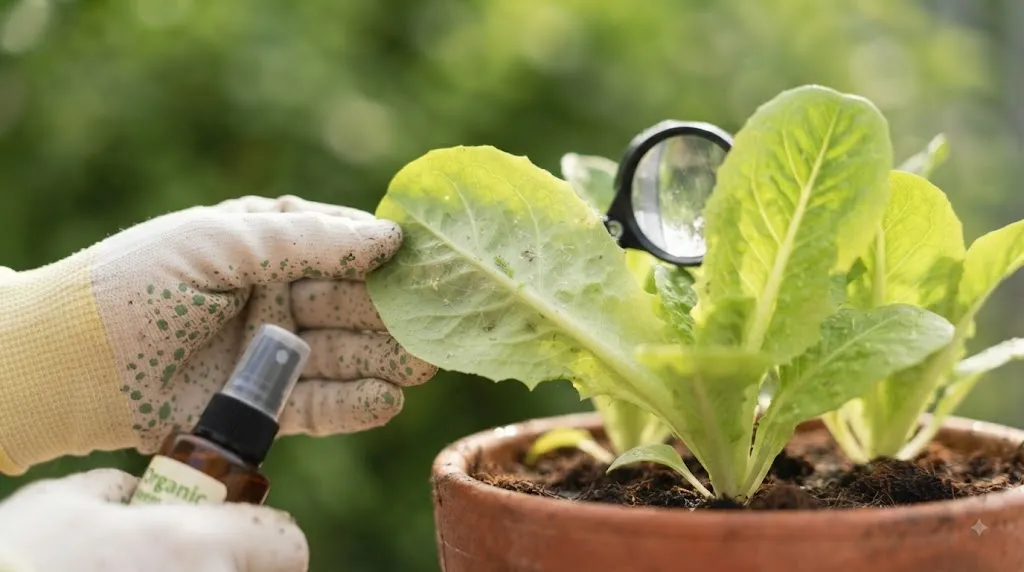
How to Grow Romaine Lettuce at Home/AI Generated
Regularly check the surface of the leaves to detect early signs of caterpillars, aphids, snails, or slugs, as well as other signs of damage. These pests can eat the leaves or disrupt growth, especially when the plants are still young.
Keep the area around the plants clean from decaying leaf debris and avoid overly damp conditions. Good air circulation and not overwatering help reduce conditions that promote various disease problems in lettuce.
If you find severely damaged leaves or those showing signs of disease, immediately separate or dispose of that part with clean tools. Regular monitoring is better than waiting for the plants to suffer severe damage since lettuce has a relatively short growth cycle.
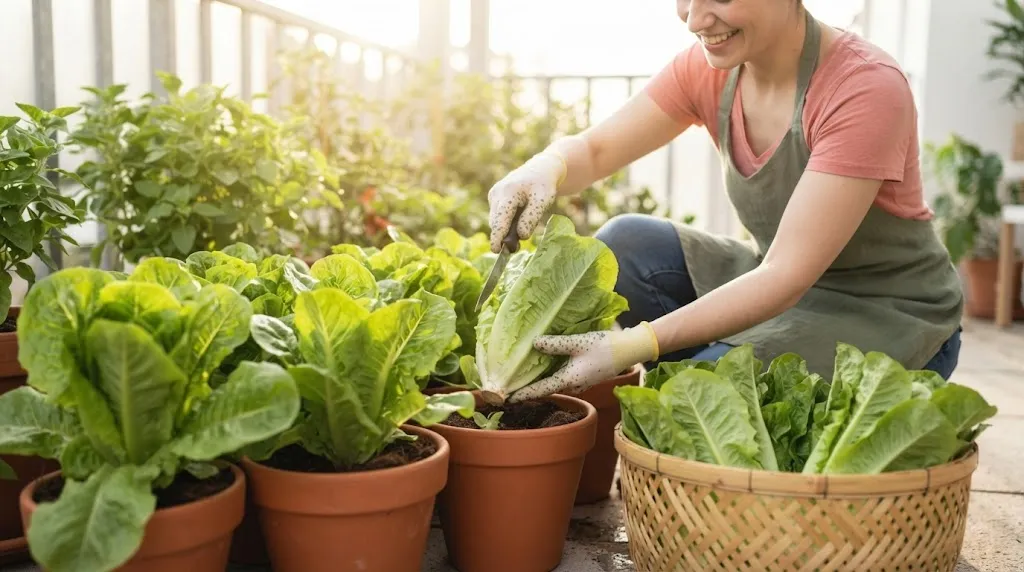
How to Grow Romaine Lettuce at Home/AI Generated
The harvest time for romaine lettuce depends on the variety and the desired size. Leaves can be harvested early when they are large enough to eat, while the plant can be harvested as a whole head when it has reached the expected size.
For partial harvesting, take the outer leaves first and allow the young leaves in the center to continue growing. This method allows the plant to keep producing new leaves as long as the growing conditions remain favorable.
If you want to harvest the entire plant, cut at the base when the romaine head has developed to the desired size. It is best to harvest before the plant experiences bolting. When bolting occurs, the plant starts to form flower stalks, which can reduce the quality of the leaves and make them taste more bitter.
1. Can romaine lettuce be grown in a pot?
Yes. Romaine lettuce can be grown in pots or containers as long as they have drainage holes and are filled with loose, fertile soil that can drain excess water.
2. How long does it take for romaine lettuce seeds to germinate?
Under suitable conditions, romaine lettuce seeds generally start to germinate in about 7–10 days. A cool soil temperature and maintained moisture help support the germination process.
3. What is the ideal planting distance for romaine lettuce?
For plants that you want to grow to full size, provide a spacing of about 20–30 cm between plants. This distance gives enough room for the plants to develop their leaves and heads.
4. Does romaine lettuce need direct sunlight?
Romaine lettuce requires sufficient light but does not like excessive heat. In hot areas, the plants can be placed in a location that receives morning sunlight and provided with protection from the midday sun to help reduce heat stress.
5. When should romaine lettuce be harvested?
Romaine lettuce can be harvested when the leaves have developed sufficiently to the desired size. Outer leaves can be harvested gradually, while the entire plant can be cut from the base before it experiences bolting to maintain the quality and taste of the leaves.
(kpl/rmt)
Cobain For You Page (FYP) Yang kamu suka ada di sini,
lihat isinya
Avoid tomato fruit rot by understanding its causes and applying the right cultivation strategies, from variety selection to intensive care for quality harvests.
Caring for monstera to ensure its leaves are large and healthy can be done by paying attention to light, watering, planting media, and humidity.

Discover effective ways to care for the Tabebuya tree to encourage frequent flowering with these eight easy steps.
Recommendations for indoor plants that not only beautify the home but are also safe for children and pets.

Here's how to plant cosmos in your yard to ensure they grow lush, healthy, and bloom frequently with the right care.
Learn the ideal boiling duration for quail eggs for various levels of doneness, from soft-boiled to perfectly cooked, as well as practical tips for easy peeling.
Fixing soft rice to make it fluffy can actually be done with a few simple steps. Check out the causes and tips to ensure the rice always turns out just right.

22 plants for summer that keep blooming even with rare watering can be the right choice to beautify the garden without complicated maintenance. Check out the recommendations.
Learn how to safely plant fruit trees near the carport so that the roots do not damage the foundation and floor of the house.
18 herbal plants that effectively repel mosquitoes naturally. Learn about their active ingredients and how to use them.

Japan has a unique philosophy in managing money that focuses on patience, consistency, and peace of mind.
Discover 8 effective ways to make aloe vera multiply quickly in your home garden. Check out the complete guide here.
