

 Follow
 Rekomendasi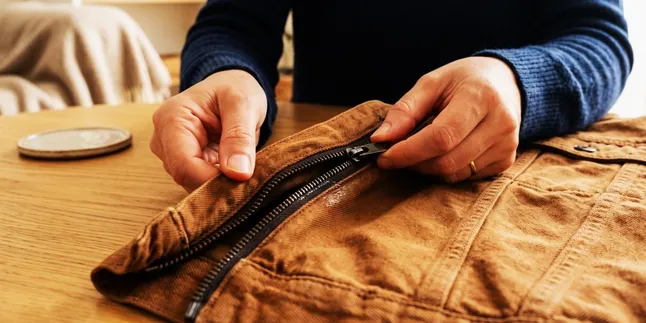
Coconut Oil to Fix Stuck Zippers, Effective Tips Without Damaging Fabric
Coconut oil can actually be a lifesaver for stuck zippers! This natural lubricant is effective in reducing friction and restoring the movement of the zipper without damage.
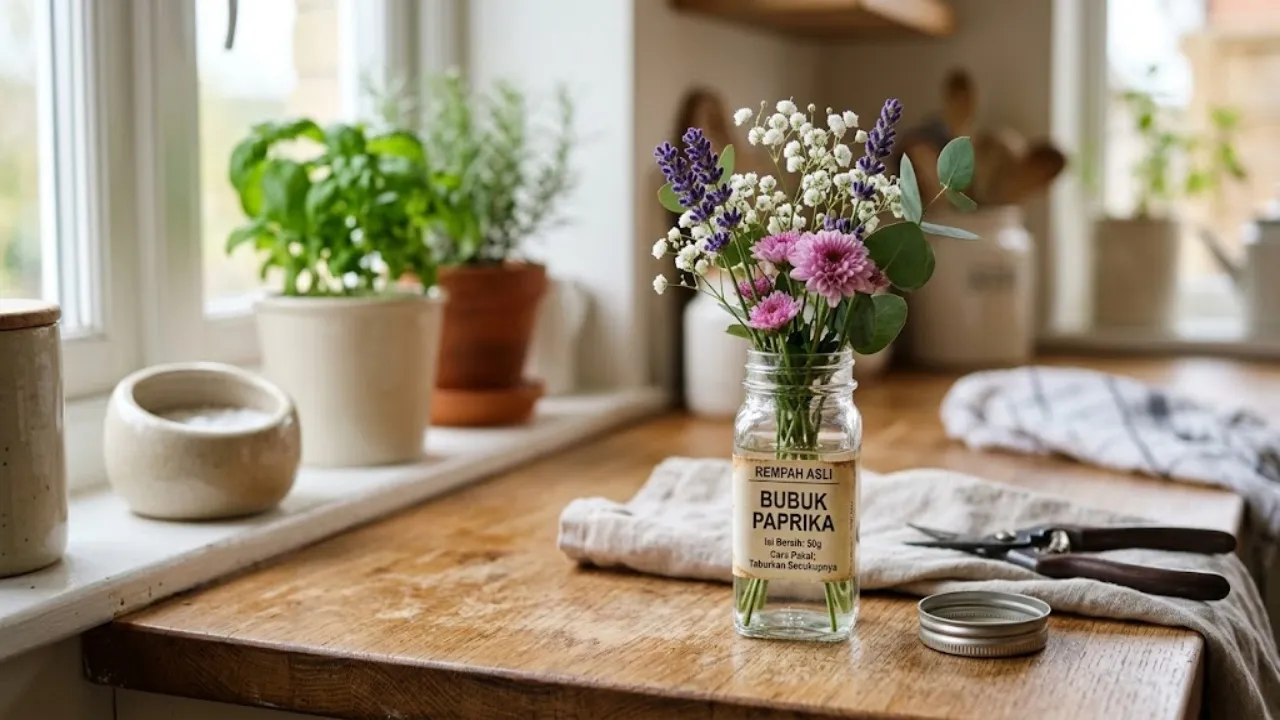
Kapanlagi.com - The ways to utilize used spice jars are quite diverse and do not always require many additional materials. After the spices are finished, these small containers can still be used for various needs at home, from storing items to becoming simple decorations.
With a little creativity, utilizing used spice jars can help reduce waste while also making the home tidier. Their small size also makes them practical to place in the kitchen, workspace, or other corners of the room.
Interestingly, the ways to utilize used spice jars can be tailored to daily needs. So, instead of immediately tossing them in the trash, try cleaning and repurposing them with the following simple ideas.
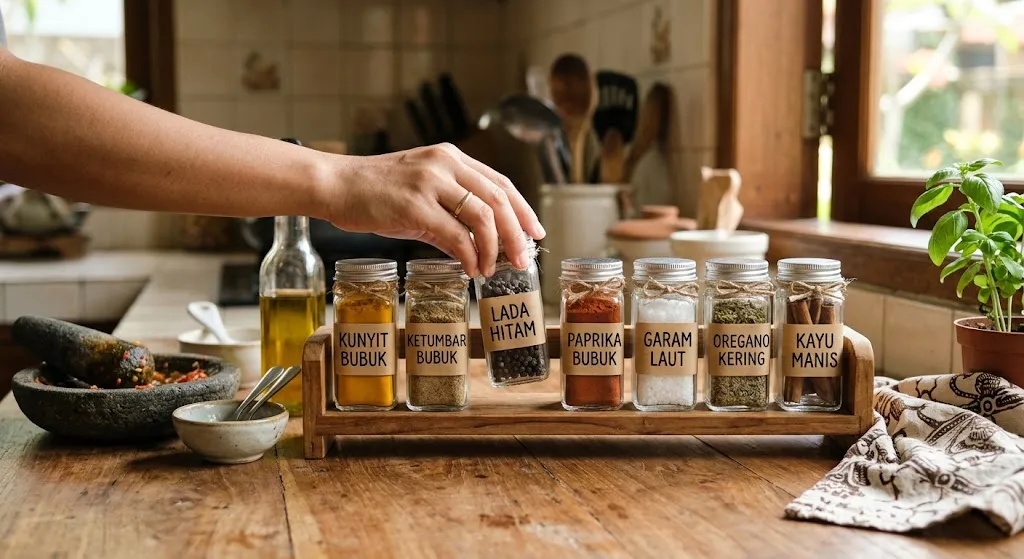
Kitchen Spice Container. (AI Generated)
Used spice jars can be reused to store various dry spices such as sugar, salt, pepper, broth powder, or frequently used herbs. Their practical size makes spices easy to reach while cooking, and helps keep the kitchen counter looking neater and more organized.
How to: Wash the jar with soap until clean, remove any leftover spices and labels, then dry completely. After that, fill it with dry spices and label the outside so that the contents are easily recognizable.
A jar with a lid that has holes can be used as a shaker for powdered ingredients like powdered sugar, cinnamon, cocoa powder, or flour. This method makes it easier to sprinkle the ingredients evenly on cakes, bread, or other foods.
How to: Ensure the jar and its lid are clean and dry. Add the powdered ingredient as needed, then close it tightly. Avoid overfilling so that the powder does not clump and remains easy to pour out through the hole.
A small jar can also be a practical container for storing sauces, chili paste, salad dressings, or liquid seasonings in small amounts. Its compact shape makes it suitable for storing leftover sauce in the fridge or bringing dressing while traveling.
How to: Wash and dry the jar first, then pour the sauce or dressing into it. Seal tightly and store in the refrigerator if the ingredients used require cold storage.
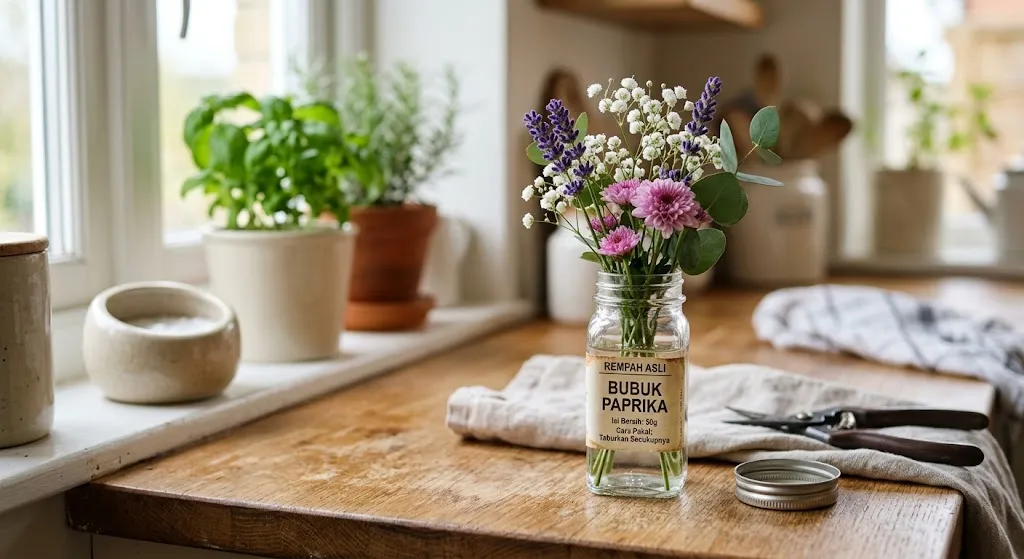
Mini Flower Vase. (AI Generated)
Don’t rush to throw away empty glass jars because they can be transformed into mini flower vases. Their size is perfect for short-stemmed flowers and can serve as a simple decoration on the dining table, work desk, nightstand, or shelf.
How to: Clean off any leftover labels and glue on the glass surface, then fill with enough water. Insert a few flower stems so that it doesn’t look too full. If you want it to be more decorative, the outside of the jar can be adorned with ribbons, twine, or stickers.
Transparent glass jars can be used for propagating or multiplying plants from stem cuttings using water. Because the container is clear, root development can also be easily observed without having to remove the plant from the medium.
How to: Fill the jar with enough clean water, then insert the part of the plant stem that has potential roots. Place in a bright location with indirect light and change the water regularly to keep it clean. Once the roots are strong enough, the plant can be transferred to the planting medium.
Various small items such as beads, buttons, sequins, thread, or craft clips can easily get scattered. Used spice jars can serve as simple storage so that these supplies are easier to group and find when needed.
Method: Separate items by type, color, or size, then place them in different jars. Utilize the transparent nature of glass so that the contents of each container can be seen directly without needing to open them one by one.
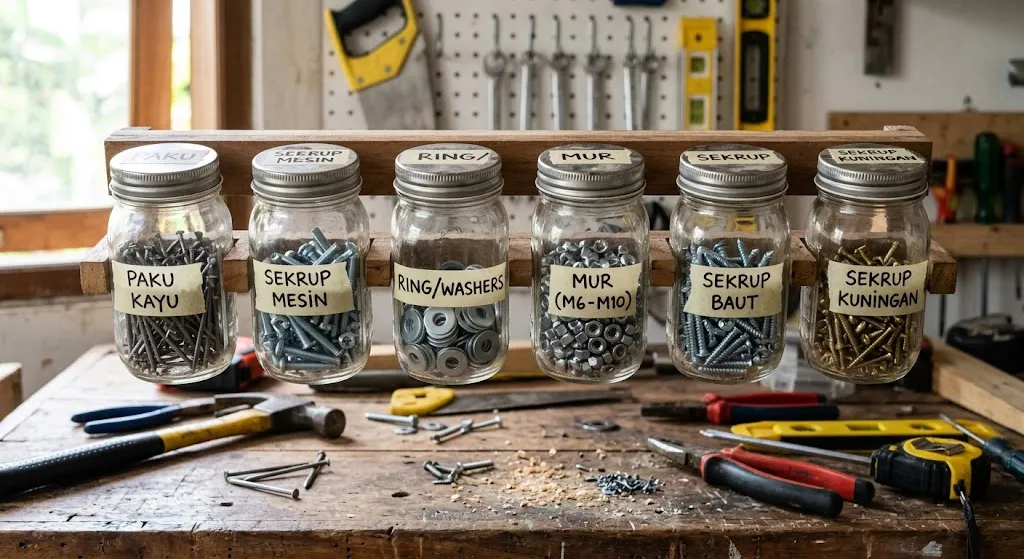
Container for Nails, Nuts, and Screws. (AI Generated)
For work areas or workshops, used spice jars can be used to store small nails, nuts, bolts, and screws. This method helps keep these items from mixing and getting scattered inside the toolbox.
Method: Group each type or size into different jars. Label the front or lid so you can quickly find the required size when making repairs at home.
Small glass jars can also be used as containers for stationery such as pencils, pens, markers, or short rulers. This use is suitable for a work desk or study table that needs simple storage but still looks tidy.
Method: Ensure the jar is clean and dry, then place the stationery inside standing up. To make it more attractive, you can remove the old label and decorate the surface using stickers, ribbons, or new labels.
A spice jar with a perforated lid can be used as a simple room fragrance container. Baking soda can be used to help absorb odors, while a few drops of essential oil provide a fresher scent. This container can be placed in areas that need a fragrance refresher, but it should be kept out of reach of children and pets.
How to: Add a few tablespoons of baking soda to the jar, then add a few drops of essential oil. Stir gently, then replace the perforated lid. If the scent starts to fade, add a few drops of essential oil as needed.
Can used spice jars be reused?
Yes. After being washed and thoroughly dried, used spice jars can be utilized to store dry spices, small items, stationery, or even as decorative containers.
How do you clean used spice jars before reuse?
Wash the jars with soap and running water to remove any spice residue. Also clean the lid and its threads, then dry them completely until no water remains before reusing.
What items can be stored in used spice jars?
You can use them to store beads, buttons, nails, screws, clips, or small craft supplies. The transparent container also makes its contents easy to see.
Can used spice jars be used for plants?
Yes, especially as containers for propagating plants using water or as mini flower vases. However, their small size makes them less suitable as permanent pots for plants that require more root space.
Are all used spice jars safe to reuse for food?
Not always. Ensure the jars are in good condition, not cracked, not rusty on the lid, and can be thoroughly cleaned. For food, it is best to use only if the container is indeed suitable and hygienic for food storage.
(kpl/sel)
Cobain For You Page (FYP) Yang kamu suka ada di sini,
lihat isinya
Coconut oil can actually be a lifesaver for stuck zippers! This natural lubricant is effective in reducing friction and restoring the movement of the zipper without damage.
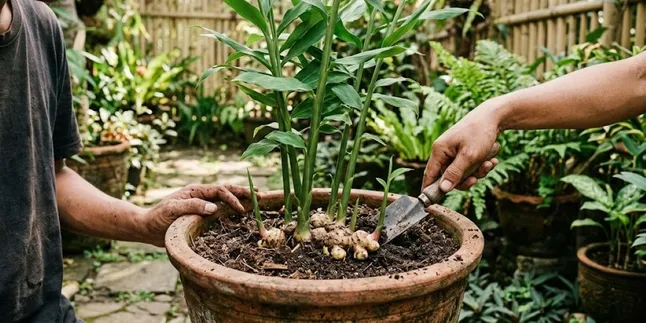
Learn how to care for ginger in pots to grow quickly and be harvested at home. A practical gardening guide for beginners in limited spaces.
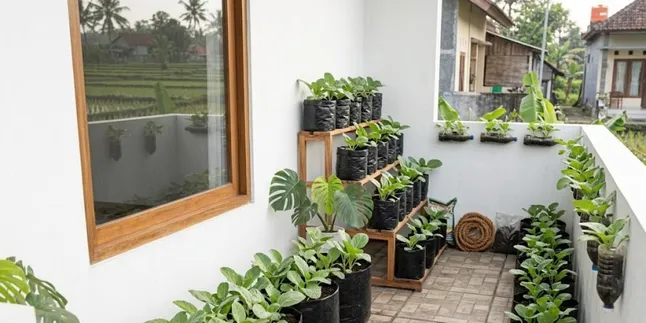
Want to have your own fresh vegetables? Baby kailan is the right choice for limited space. Here’s an easy way to plant it in pots or polybags for quick harvesting and always have supplies at home.
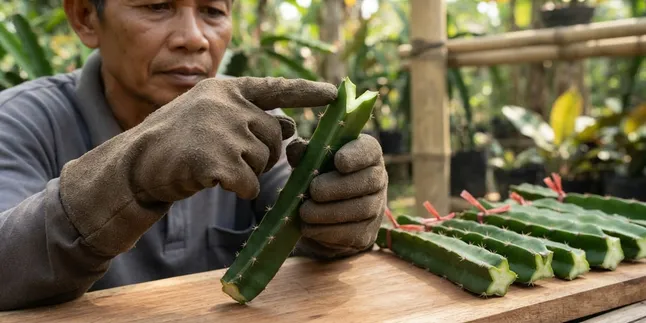
Want to cultivate dragon fruit at home? Check out this step-by-step guide on how to plant dragon fruit from cuttings that is easy, simple, and effective for quick and lush growth.
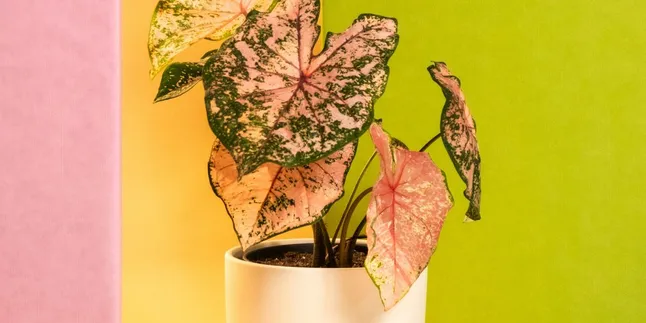
How to overcome curling and wilting taro leaves by identifying the causes and appropriate care steps.
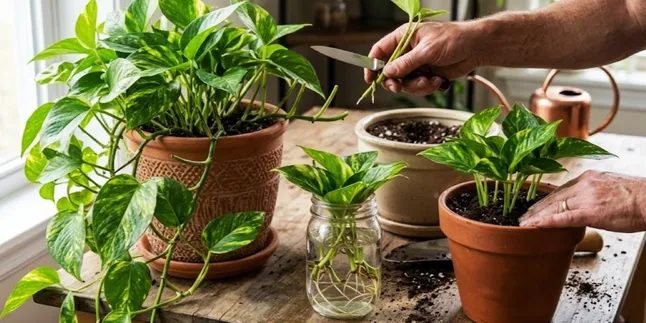
How to propagate pothos using water, planting media, and layering to quickly grow roots and produce new seedlings.
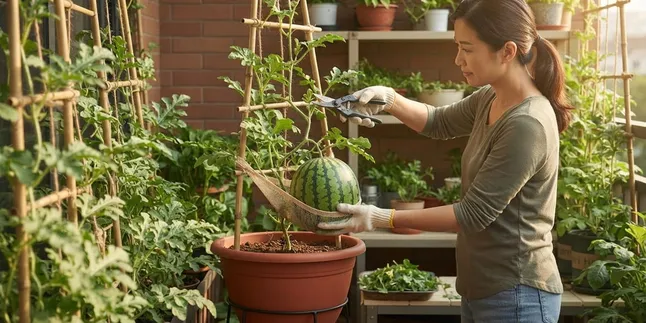
Learn the complete way to plant watermelon in narrow land using pots or polybags. Find tips on choosing mini varieties, planting media, care, and pruning to ensure abundant and sweet fruits.

Tricks to brighten a dark room can be achieved by playing with colors, lighting, and decorations to create a more comfortable atmosphere.
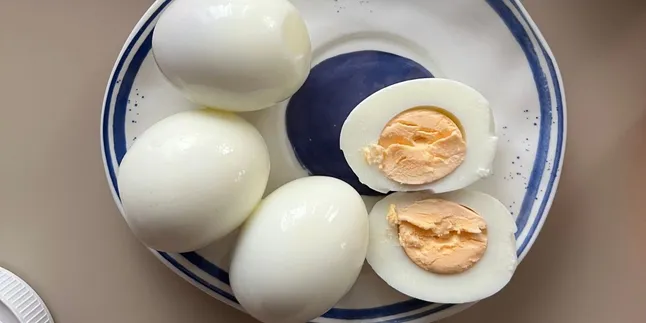
A guide to 6 levels of boiling eggs, from runny yolk to perfectly cooked, to achieve the desired texture.
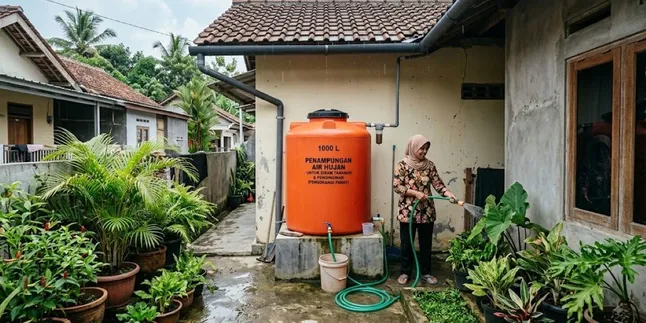
Rainwater harvesting offers a smart solution for mitigating heat waves in urban areas, cooling the environment, supporting vegetation, and saving energy.
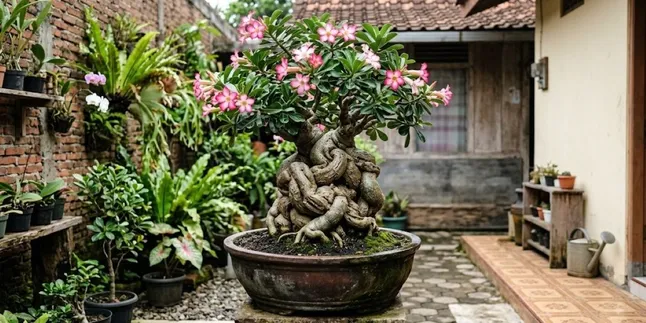
Bring an artistic touch to your home with a collection of uniquely-stemmed plants; this collection is not only beautiful but also easy to care for.
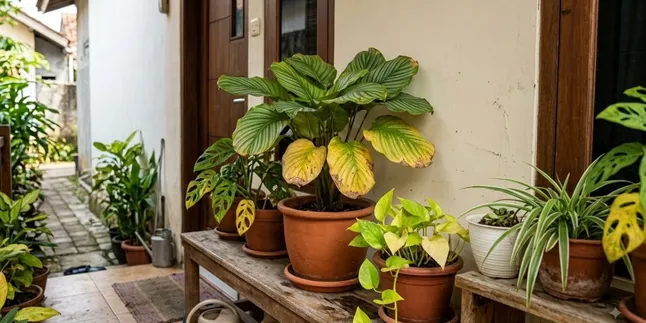
Yellowing plant leaves often indicate problems. Identify various causes ranging from watering, nutrition, to pests, and find effective ways to address them so that your plants can return to health.
