

 Follow
 Rekomendasi
Harvesting Rainwater to Reduce Heat Waves, Here’s How and Its Benefits
Rainwater harvesting offers a smart solution for mitigating heat waves in urban areas, cooling the environment, supporting vegetation, and saving energy.
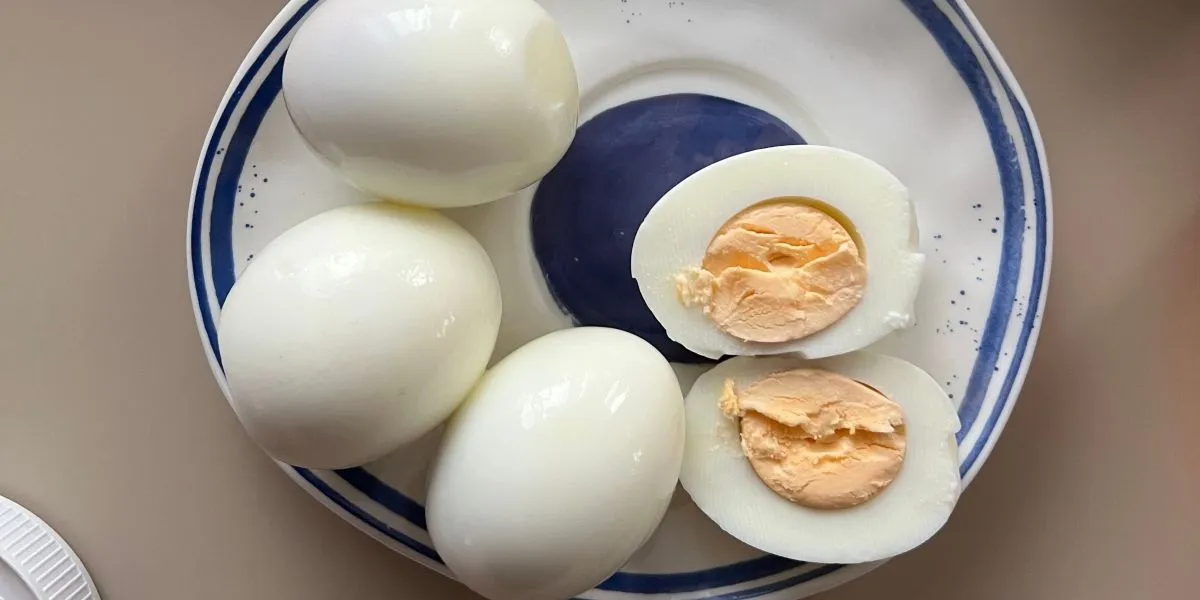
Kapanlagi.com - Boiling eggs may seem like a simple kitchen task. However, achieving the desired texture of egg whites and yolks requires precise timing and temperature adjustments.
This is because the egg white and yolk have different coagulation temperatures. The egg white, which is mostly made up of ovalbumin protein, begins to solidify at around 62 degrees Celsius and fully hardens at 80 degrees Celsius. Meanwhile, the yolk starts to thicken at 65 degrees Celsius and becomes solid at around 70 degrees Celsius.
Heat must penetrate the egg white first before reaching the center of the egg. Therefore, the boiling time needs to be adjusted so that the egg white is cooked when the yolk reaches the desired texture.
For more consistent results, use medium-sized chicken eggs weighing about 55–60 grams. Let the eggs sit at room temperature for 30 minutes, then gently place them into slowly boiling water and start timing from when the eggs are added. Information regarding the levels of boiling eggs is sourced from KapanLagi.com from VnExpress International.
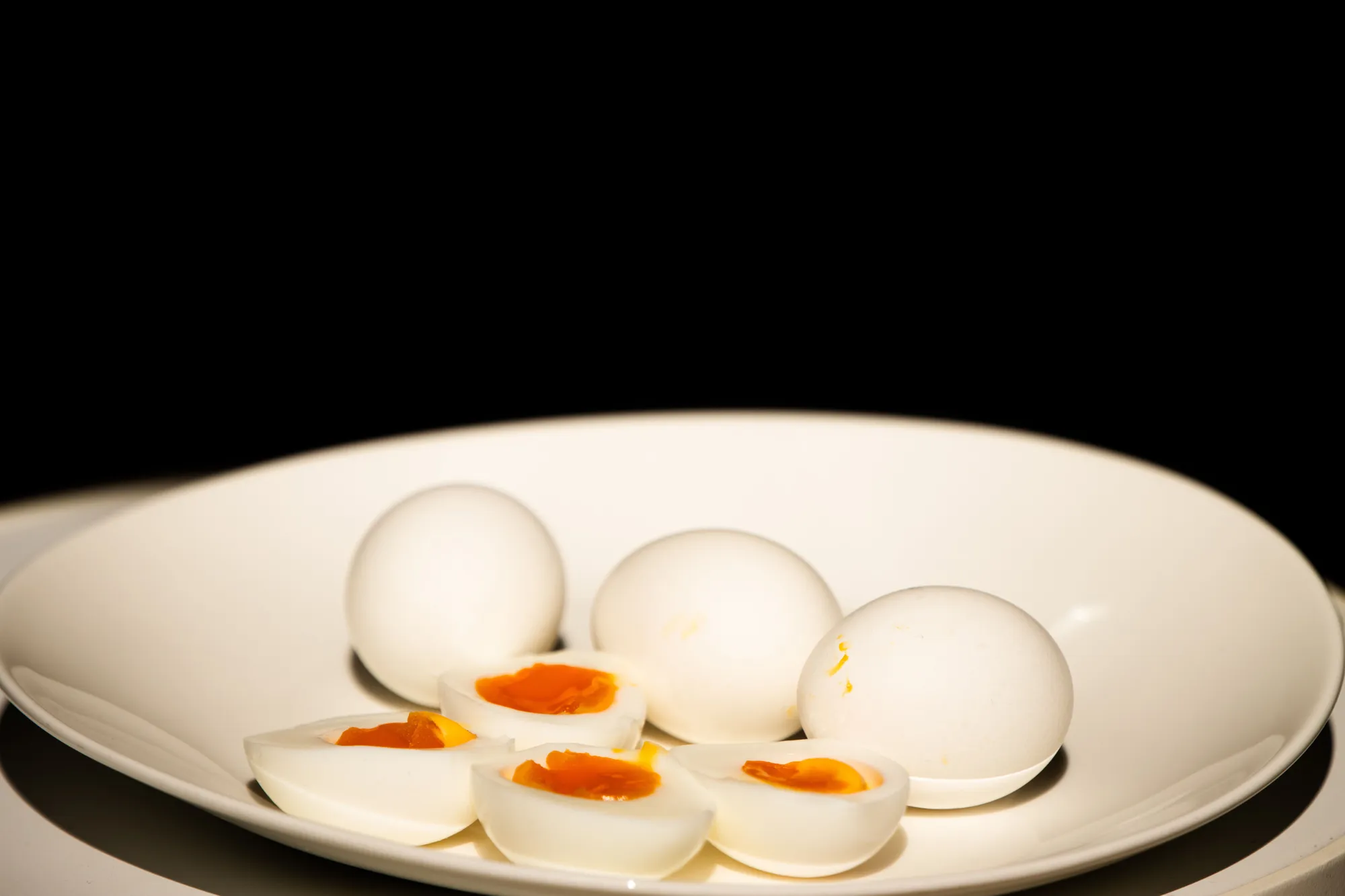
6 Egg Boiling Time Levels (Photo by Efrem Efre on Pexels)
At a boil time of 5 minutes, the egg white just starts to set and is still soft, while the yolk remains fully liquid with a shiny surface.
This level of doneness is suitable for onsen eggs, which can be enjoyed with hot rice and soy sauce.
After 6 minutes and 30 seconds, the outer part of the yolk begins to cook, while the center remains soft, moist, and deep orange in color.
This texture is suitable for ramen noodles or soft-boiled eggs.
Boiling eggs for 8 minutes results in a fully cooked yolk that is still moist, bright yellow in color, and has a smooth texture.
Eggs at this level of doneness are suitable for use as sandwich fillings or in salads.
At 9 minutes and 30 seconds, the yolk is fully cooked but still retains moisture with a bright yellow color and smooth texture.
Eggs at this level of doneness can be used for eggs soaked in soy sauce or seasoned hard-boiled eggs.
Boiling for 11 minutes results in fully cooked eggs with a drier yolk. At this stage, the grayish-green ring around the yolk has not yet appeared.
This texture is suitable for making egg salad or scrambled eggs.
If boiled for more than 13 minutes, the yolk will become dry and crumbly. The grayish-green ring also begins to appear around the yolk, accompanied by a slight sulfur aroma.
This color forms from iron sulfide, a compound that occurs when sulfur in the egg white reacts with iron in the yolk due to excessive heat exposure. This level of doneness should be avoided.
Once the eggs reach the desired level of doneness, immediately transfer them to a bowl of ice water for at least five minutes. This step helps stop the cooking process.
If the eggs are not cooled immediately, the residual heat inside the eggs will continue to cook the center. As a result, an egg that was initially at the first level of doneness, for example, may continue to cook to nearly the second level.
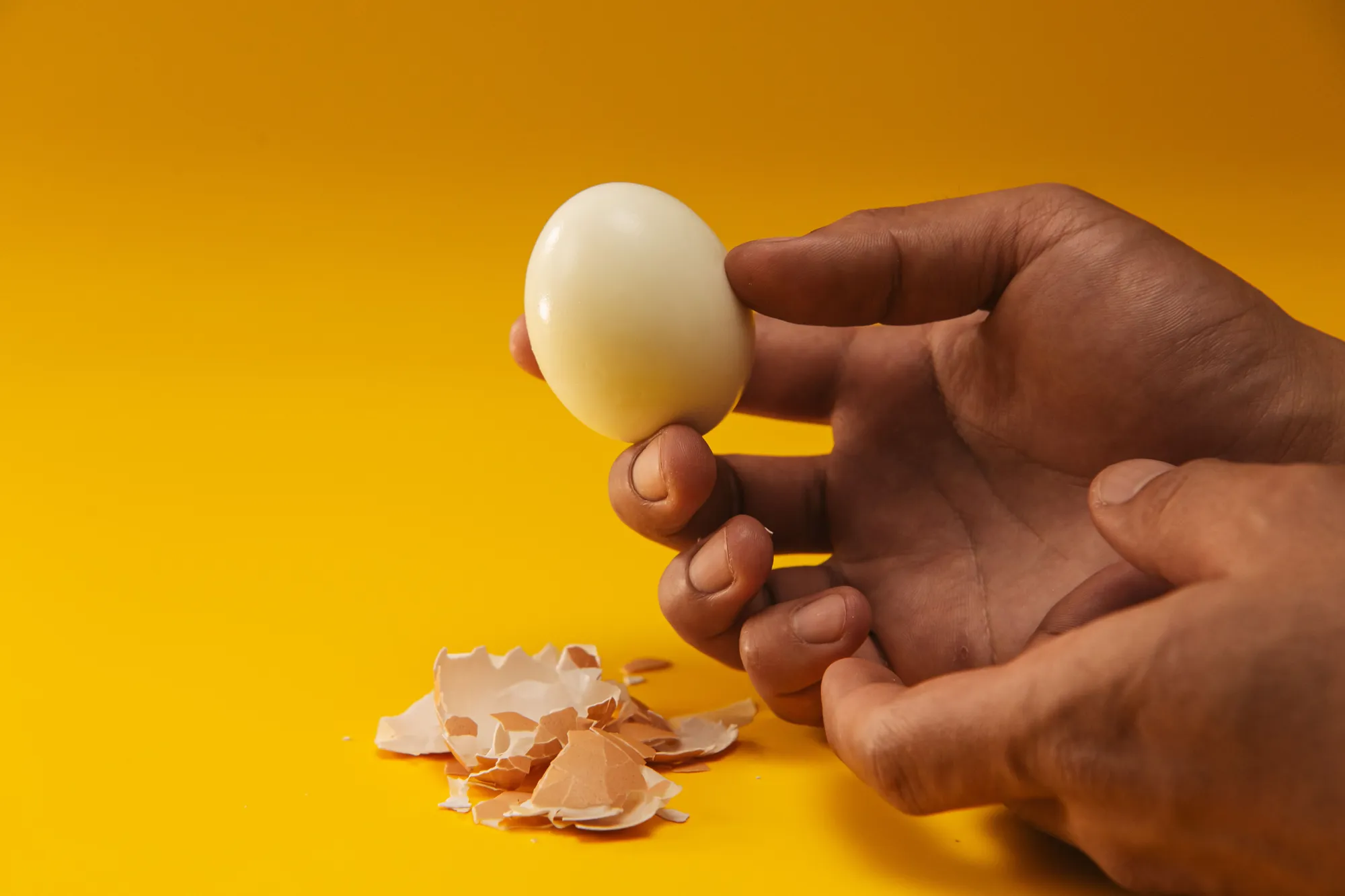
6 Levels of Boiling Eggs (Photo by Ron Lach on Pexels)
The difficulty in peeling eggs is generally more related to the age of the eggs than to the cooking technique. Very fresh eggs have a lower pH in the egg white, causing the membrane to stick more firmly to the inside of the shell.
Storing eggs in the refrigerator for five to seven days can increase the pH of the egg white and help the membrane detach from the shell, making the eggs easier to peel.
For a cleaner peeling result, place the eggs directly into boiling water, rather than starting from cold water. After cooking, gently tap the wider end of the egg first. This part has an air pocket, making the shell easier to release.
Avoid putting eggs that have just been taken out of the refrigerator directly into boiling water. A sudden change in temperature can cause the shell to crack and even add cooking time by about 1.5 minutes from the standard time.
The number of eggs in the pot also needs to be considered. Too many eggs can drastically lower the water temperature, making boiling time less accurate. As a guideline, cook no more than four eggs for every liter of water.
Adding salt or vinegar to the water can help the egg whites firm up faster. This is useful for sealing any leaks if the eggshell cracks, but it does not make the eggs easier to peel.
By controlling the size of the eggs, the initial temperature, the number of eggs in the pot, and the boiling time, you can choose the desired level of doneness for the eggs, from runny yolks to fully cooked eggs.
1. How long does it take to boil a soft-boiled egg?
A soft-boiled egg can be boiled for about 6 minutes and 30 seconds. At this time, the center of the yolk is still soft, moist, and a deep orange color.
2. Why do eggs need to be soaked in ice water after boiling?
Eggs need to be soaked in ice water for at least five minutes to stop the cooking process. This method prevents residual heat from continuing to cook the eggs after they are removed from the boiling water.
3. Are older eggs easier to peel?
Yes. Eggs that have been stored in the refrigerator for five to seven days tend to be easier to peel because the pH of the egg white increases, making the membrane easier to detach from the shell.
(kpl/rmt)
Cobain For You Page (FYP) Yang kamu suka ada di sini,
lihat isinya
Rainwater harvesting offers a smart solution for mitigating heat waves in urban areas, cooling the environment, supporting vegetation, and saving energy.
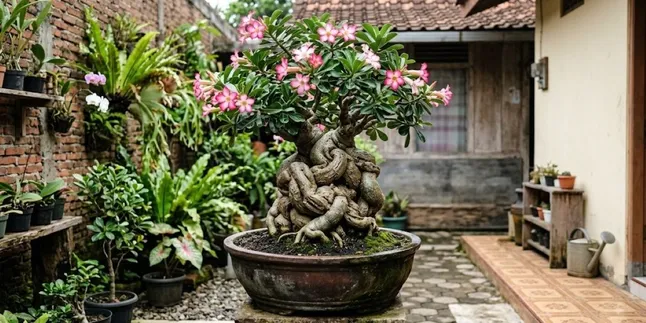
Bring an artistic touch to your home with a collection of uniquely-stemmed plants; this collection is not only beautiful but also easy to care for.
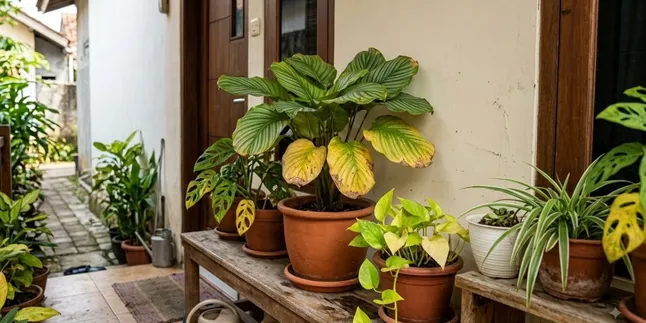
Yellowing plant leaves often indicate problems. Identify various causes ranging from watering, nutrition, to pests, and find effective ways to address them so that your plants can return to health.
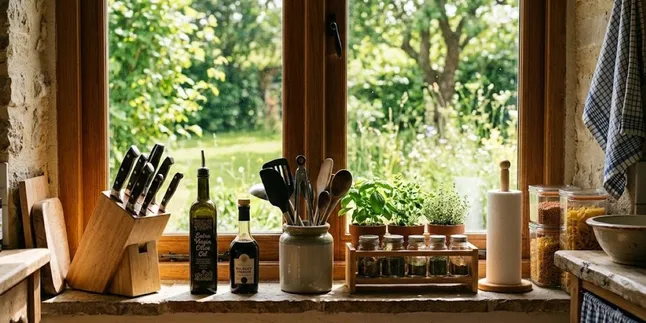
Maintaining the quality of food ingredients and equipment is important? Pay close attention, there are kitchen items that should not be placed near windows due to exposure to sunlight and temperature.
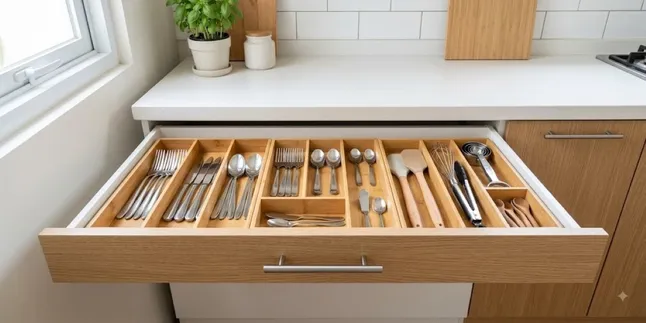
These tricks for organizing kitchen drawers help keep cooking utensils from getting messy and make them easier to find.

Discover a list of items that are often placed in the wrong spot and make your home messy quickly, complete with easy tips to tackle them every day.
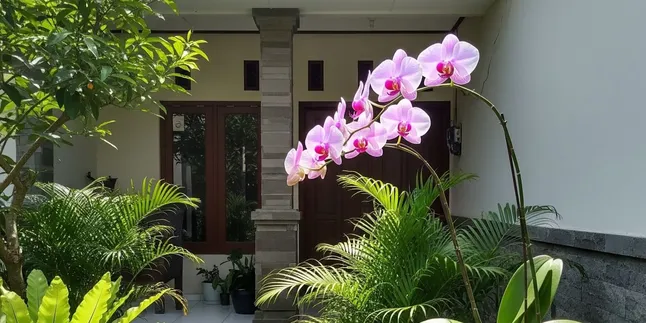
How to care for orchids to bloom quickly with a complete guide on lighting, watering, fertilizing, and the ideal temperature for maximum results.

Rust on home fences can be addressed without repainting. Learn practical guidelines for cleaning rust with natural materials, mechanical methods, and special products for a clean and well-maintained fence.
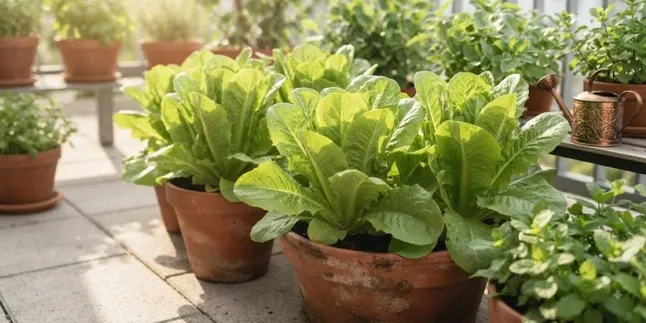
How to grow romaine lettuce at home, from choosing seeds to harvesting fresh and crunchy leaves.

Avoid tomato fruit rot by understanding its causes and applying the right cultivation strategies, from variety selection to intensive care for quality harvests.

Caring for monstera to ensure its leaves are large and healthy can be done by paying attention to light, watering, planting media, and humidity.

Discover effective ways to care for the Tabebuya tree to encourage frequent flowering with these eight easy steps.
