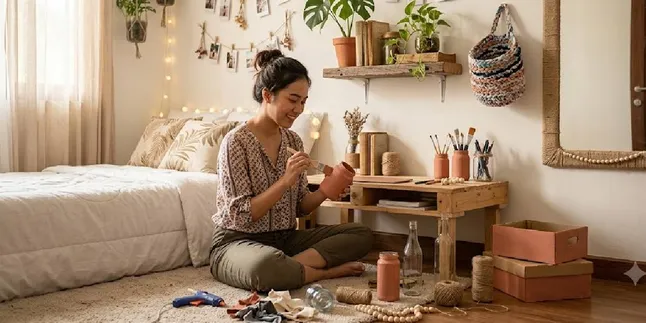
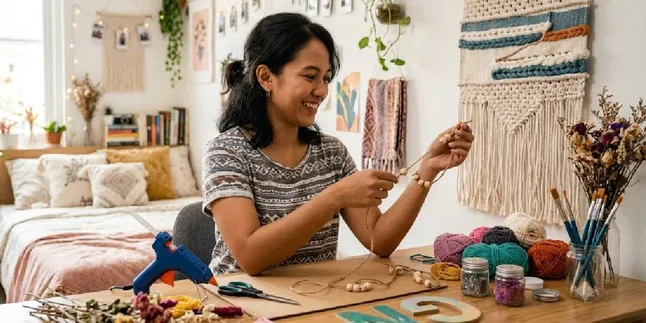
Kapanlagi.com - Making flower vases from used bottles has become one of the favorite DIY projects because it is easy to practice and does not require a large investment. With unused plastic or glass bottles, acrylic paint, and a little creativity, you can create home decorations that look aesthetic and have the potential to be sold.
Data from the UN Environment Programme (UNEP) states that about one million plastic bottles are purchased every minute worldwide, while only a small fraction is successfully recycled. Transforming used bottles into flower vases can be a simple way to reduce waste while also creating usable items.
Interestingly, the initial investment required is relatively affordable, starting at around Rp 30 thousand. The working time is also short, about 30–60 minutes for one session, making it suitable as a hobby at home or a home business idea.
1. Why is DIY Upcycled Bottle Vase Gaining Popularity?
The trend of handmade home decor continues to rise on social media platforms like TikTok, Instagram Reels, and Lemon8. DIY content from used items regularly receives thousands of interactions as many people seek unique decorations at low costs.
In addition, the prices of supporting materials such as acrylic paint, hot glue, and jute twine are now easily found in local marketplaces at affordable prices. The demand for handmade products also remains throughout the year for hampers, birthday gifts, and event souvenirs.
This activity also provides other benefits. Painting, wrapping twine, and decorating bottles can help train creativity while also serving as a relaxing activity during free time.
2. Tools and Materials Needed
Here are the basic supplies along with their estimated prices:
Materials/Tools | Estimated Price |
Used plastic or glass bottle | Rp 0 |
Acrylic paint set of 6 colors | Rp 15,000–35,000 |
Brushes in 3 sizes | Rp 8,000–15,000 |
Hot glue + refills | Rp 15,000–30,000 |
Jute/goni twine 10 m | Rp 5,000–15,000 |
Baking soda | Rp 3,000–8,000 |
Scissors/cutter + sandpaper | Rp 7,000–20,000 |
Choose thick-walled bottles such as those from shampoo, liquid soap, or syrup to ensure sturdiness. Remove the labels, wash thoroughly with soap, and dry completely before painting.
3. 7 Techniques for Making Aesthetic Flower Vases from Used Bottles
1.Acrylic paint in base colors
Cover the entire surface of the bottle with white, cream, or other neutral acrylic paint. Use two thin layers to ensure an even finish that is less prone to cracking.
2.Wrap rustic jute twine
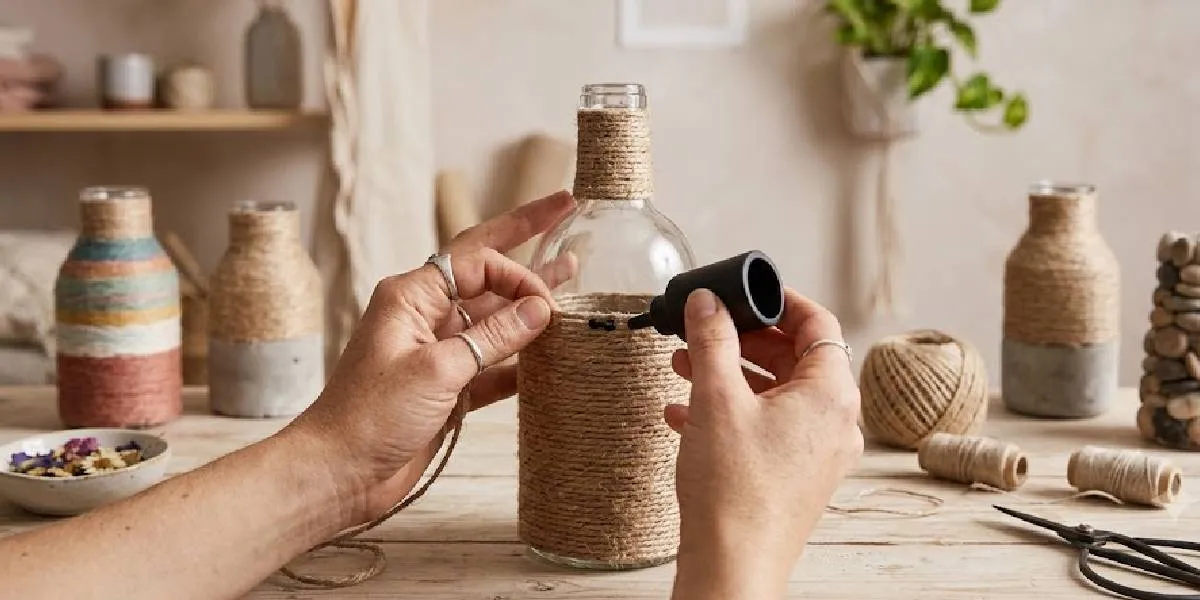
Apply hot glue gradually, then tightly wrap jute twine from the bottom to the top. This technique gives a natural texture that is suitable for wood-themed or ornamental plant decorations.
3.TikTok-style faux ceramic
Mix baking soda into the acrylic paint until the texture resembles soft paste. After the bottle has been coated with the base paint, apply the mixture 2–3 times. Let it sit for 24 hours, then sand lightly to achieve a matte ceramic effect.
4. Pottery effect with putty
Wrap the bottle using masking tape, then apply a thin layer of wall putty using a small spatula. After it dries overnight, sand it smooth and add a second layer if needed.
5. Decoupage flower motif
Adhere patterned tissue or decorative paper using diluted PVA glue. Coat the surface again with glue to make the motif more durable.
6. 3D embossing using clay
Shape small flowers, leaves, or simple motifs from air-dry clay, then stick them onto the bottle body. Once dry, paint the entire surface with a faux ceramic technique to create a cohesive look.
7. Change the shape of the bottle mouth
Cut the neck of the bottle, turn it upside down, and then reattach it using hot glue. This method helps to disguise the original shape of the bottle so that its silhouette resembles a decorative vase more closely.
4. 3 Faux Ceramic Techniques to Make Vases Look More Expensive
One of the popular techniques for making flower vases from used bottles is the faux ceramic effect. The final appearance resembles matte ceramics at a much lower cost compared to buying a new vase.
The method is quite simple. Mix baking soda into acrylic paint gradually until the texture turns into a soft paste. Before using this mixture, coat the bottle with regular acrylic paint as a base so that the next layer adheres more strongly.
After the base layer dries, apply the paint and baking soda mixture evenly two to three times. Let it sit for about 24 hours until completely dry, then gently sand with fine sandpaper to create a soft vintage effect.
5. 4 Pottery Looks Using Wall Components
For those who want a result that resembles handmade ceramics, the technique of using wall putty can be tried. First, cover the surface of the bottle with masking tape so that the putty adheres more easily.
Apply a thin layer of putty using a small spatula until the entire surface is covered. After leaving it overnight, sand it gently to smooth out the texture. If necessary, add a second layer for a neater finish.
This technique results in a thicker and textured surface, making the used bottle no longer look like plastic. After painting, the appearance resembles a ceramic vase that is commonly sold in home decor stores.
6. 5 Ways to Add Patterns to Make Your Vase More Attractive
In addition to painting, used bottles can also be beautified using the decoupage technique. Pieces of tissue or patterned paper are glued on with diluted PVA glue, then coated again with glue to protect the pattern.
Another option is to create raised ornaments using air dry clay or polymer clay. Shapes of flowers, leaves, or simple patterns can be attached to the body of the bottle using strong glue, and then the entire surface is painted to create a cohesive look.
To make the bottle shape more resemble a vase, the neck of the bottle can also be modified. Cut the neck ring of the bottle, flip its position, and then reattach it using hot glue until it forms a more natural opening. With this simple step, the impression of a plastic bottle can be reduced and the silhouette of the vase appears more artistic.
7. The Right Finishing to Make the Vase More Durable
After the decoration process is complete, the finishing step should not be skipped as it affects the durability of the color and surface of the vase. Spray a clear acrylic varnish or clear coat evenly, then let it sit for about 24 hours until completely dry.
For vases that will be used as containers for fresh flowers, fill about half with water. Meanwhile, if used for dried flowers or artificial flowers, add pebbles at the bottom to make the vase more stable when placed on tables or decorative shelves.
With the right protection, the finish will be more resistant to moisture and the decorative colors will not easily fade even when displayed for a long time.
8. Mistakes to Avoid When Making a Vase
Many beginners experience less than optimal results because they skip several important steps. One of the most common mistakes is painting the bottle when the surface is still damp, causing the paint to easily peel off.
Another mistake is using poster paint or watercolor, which has poor adhesion on plastic. It is better to use acrylic paint for a more durable result and more vibrant colors.
Additionally, avoid applying paint too thickly in one coat as it risks cracking while drying. Don’t forget to apply a protective layer at the final stage and create a pattern before cutting the bottle to keep the shape of the vase neat.
9. Capital Estimation and Potential Profit
The cost of making a flower vase from used bottles is quite economical. By utilizing bottles already available at home, the main cost comes only from decorative materials.
Component | Estimated Cost |
Used bottle | Rp0 |
Acrylic paint and baking soda | Rp3,000–Rp6,000 |
String or additional decorations | Rp2,000–Rp5,000 |
Glue and finishing layer | Rp3,000–Rp5,000 |
Total production cost | Rp8,000–Rp16,000 |
With these production costs, handmade vases can be sold for around Rp40,000 to Rp75,000 each, depending on the design, size, and complexity of the work.
In a conservative scenario, selling eight vases per month can yield a profit of around Rp200,000. If able to sell 15 vases each month, profits can reach around Rp600,000. Meanwhile, selling 25 vases at an average price of Rp75,000 has the potential to generate a profit of around Rp1.5 million per month, especially if receiving special orders for hampers, weddings, or gifts.
10. Opportunities to Develop Hobbies into Businesses
After mastering basic techniques, creations from used bottles do not have to stop at making flower vases. The same bottles can also be transformed into hanging pots, stationery holders, or decorative lamps with a similar concept.
These products can be marketed through marketplaces or social media. Content showcasing the process of transforming used bottles into aesthetic decorations also has the potential to attract users on TikTok, Instagram Reels, or YouTube Shorts.
In addition to selling crafted items, another opportunity that can be explored is opening DIY classes, offering ready-to-assemble craft packages, or accepting bulk orders for corporate needs and specific events. With relatively small capital, this hobby can develop into a creative activity that also provides economic value.
(kpl/mda)
Disclaimer: This translation from Bahasa Indonesia to English has been generated by Artificial Intelligence.


 Follow
 Rekomendasi