

 Follow
 Rekomendasi
8 Recommendations for Long-Distance Love Films that Test Loyalty
Recommendations for long-distance love films that test loyalty, from Indonesia to overseas, perfect for weekend viewing.
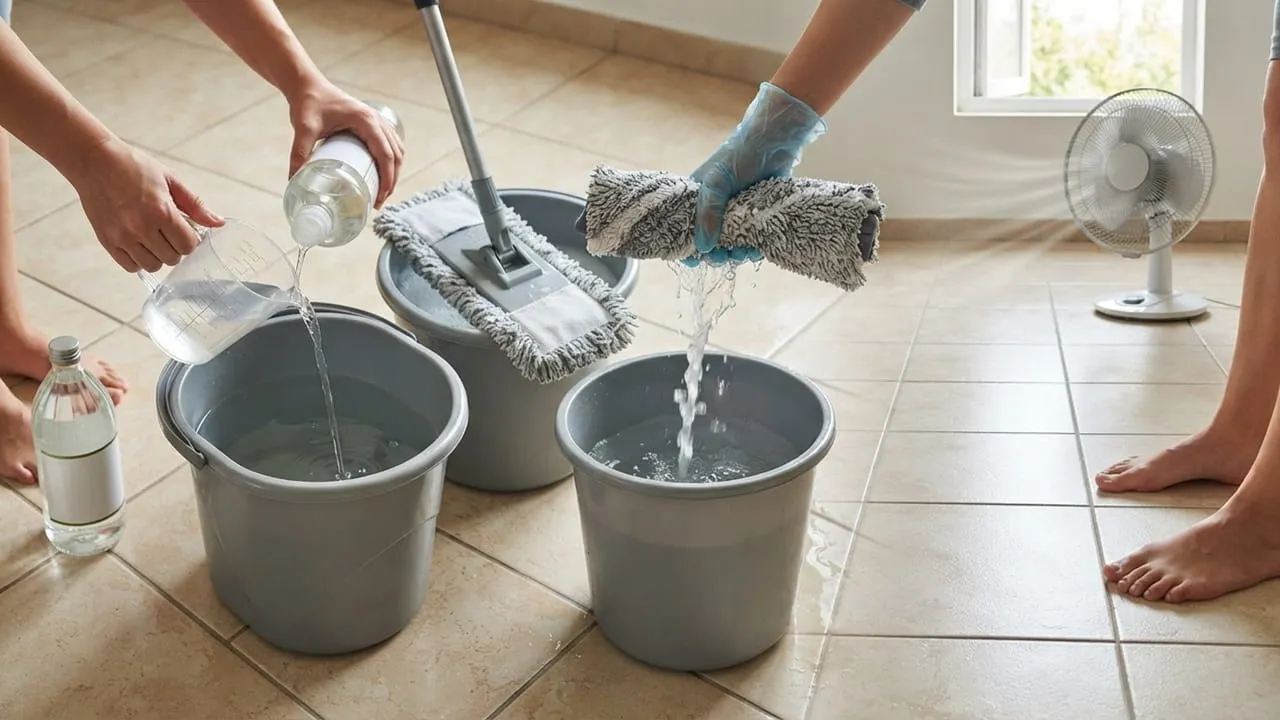
Floors that feel uncomfortable and sticky when stepped on are certainly very annoying, especially if this happens right after the cleaning process is completed. This condition often arises due to the buildup of soap residue or the use of unhygienic mops, hence the need for the right steps to overcome sticky floors after mopping. Understanding the correct technique will help restore the natural shine of the floor without leaving an annoying sticky feeling on the soles of the feet.
Many homeowners think that sticky floors are caused by poor quality tiles, whereas the main factor behind it is improper cleaning techniques, such as excessive detergent use or the use of murky mop water. When residues of cleaning chemicals dry on the floor surface, a thin, slippery layer that attracts dust will form. As a result, the floor feels even dirtier shortly after being cleaned.
This article will thoroughly explore various effective methods and practical steps to deal with floors that remain sticky even after being mopped multiple times. Let’s break down one by one the best solutions to restore the comfort of your home’s floor, as summarized by Liputan6.com from various sources, Friday (28/8/2026).
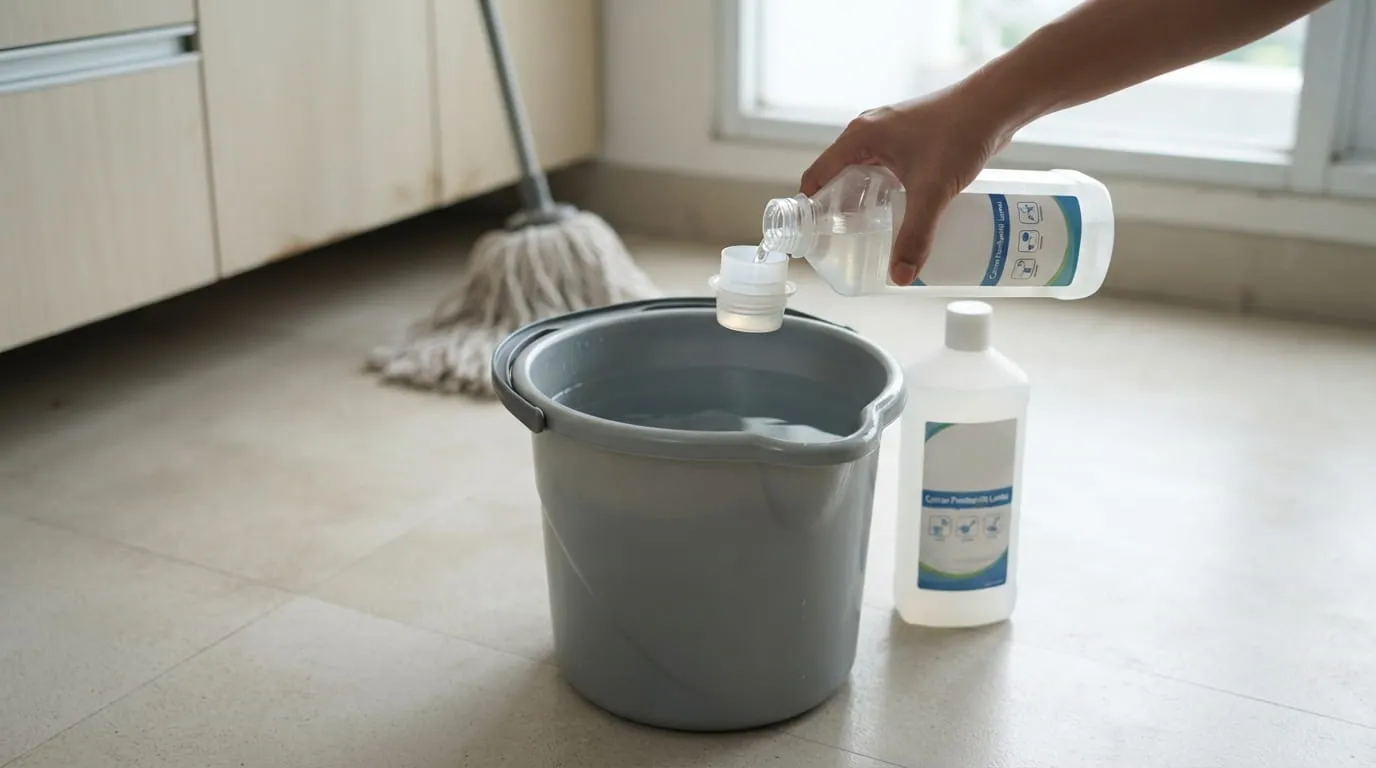
Use the Appropriate Cleaning Liquid Measurement. Photo: AI Generated
The first and most crucial step in addressing and preventing sticky floors is to pay attention to the dosage instructions on the cleaning product packaging. Many people believe that the more soap they mix in, the cleaner and more fragrant the floor will be. In fact, excessive measurement leaves behind chemical residues that make the floor feel heavy, slippery, and sticky to the touch.
Use a bottle cap or measuring tool as a precise measurement so that the concentration of soap remains balanced with the volume of water in the bucket. If the floor has already become sticky due to soap residue buildup, reduce the use of soap in the next cleaning session and focus on using more water to dissolve the remaining chemicals still on the floor surface.
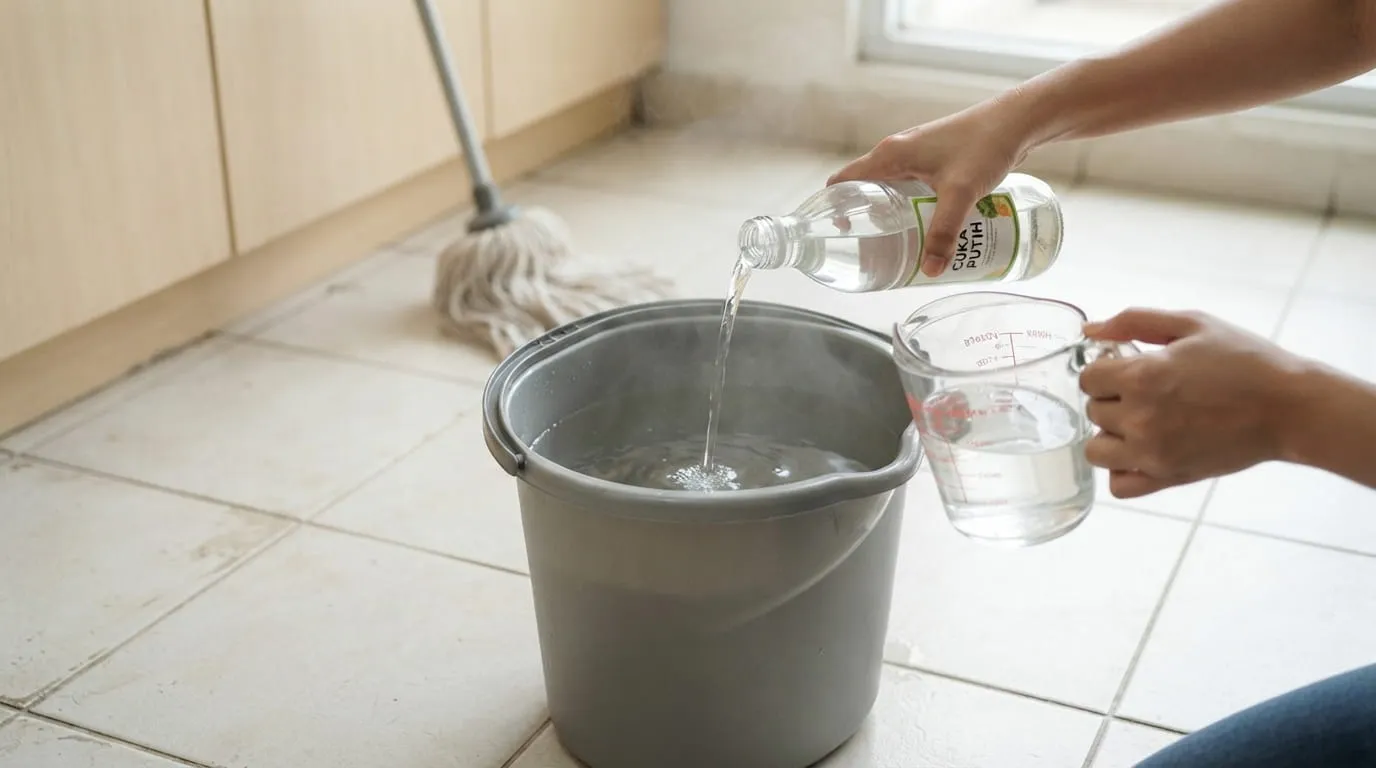
Utilize a Mixture of Warm Water and White Vinegar. Photo: AI Generated
White vinegar is known as a highly effective natural ingredient for breaking down stubborn soap and grease residues on various floor surfaces. Mix half a cup of vinegar into a bucket of warm water to create a natural cleaning solution that can instantly lift sticky layers without damaging the tile material.
Warm water plays a crucial role in softening hardened dirt, while the acidic content in vinegar will neutralize any leftover detergent residues. The sharp smell of vinegar will also evaporate and disappear on its own after the floor dries completely, leaving a clean, hygienic, and residue-free surface.
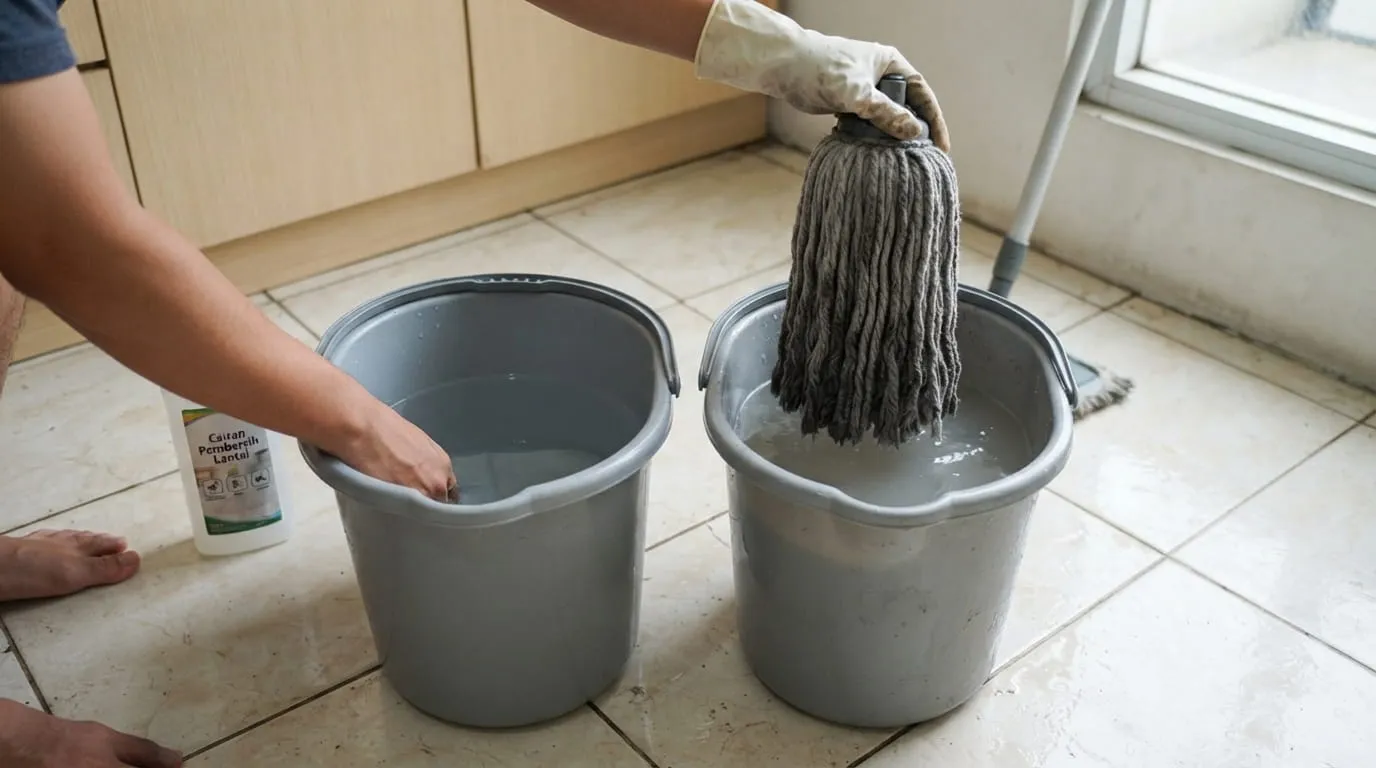
Apply the Two-Bucket Method for Maximum Cleanliness. Photo: AI Generated
The two-bucket method is a simple yet impactful technique for mopping. The first bucket is filled with a solution of clean water mixed with an adequate amount of cleaner, while the second bucket is filled only with pure clean water to rinse the dirty mop before dipping it back in.
With this technique, dirt and soap residue that have been lifted from the floor will not mix back into the main wash water. Although it requires a little extra effort, this method ensures that there is no transfer of pollutants or murky water, which are the main causes of floors feeling dingy and sticky after cleaning.
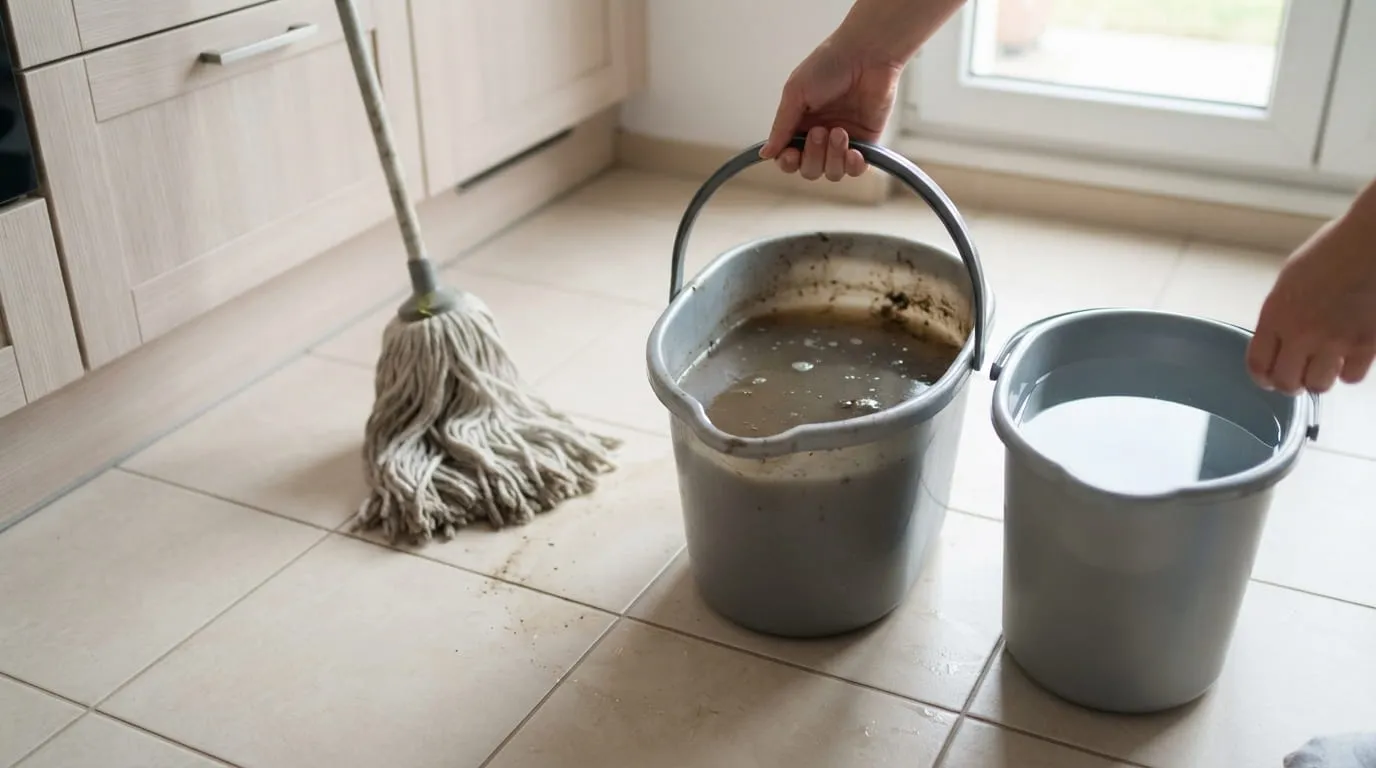
Replace the Mop Water Regularly. Photo: AI Generated
Often, floors remain sticky because the water used for mopping has become too dirty and saturated with dust particles. Do not force yourself to clean the entire area of the house using the same bucket of water if its color has turned murky or brownish.
Dirty water loses its ability to bind dirt, thus redistributing residual grime across the entire surface of the room. Be sure to replace the water in the bucket with fresh, clear water every time you finish cleaning one or two areas of the room to ensure the floor dries with a smooth texture.
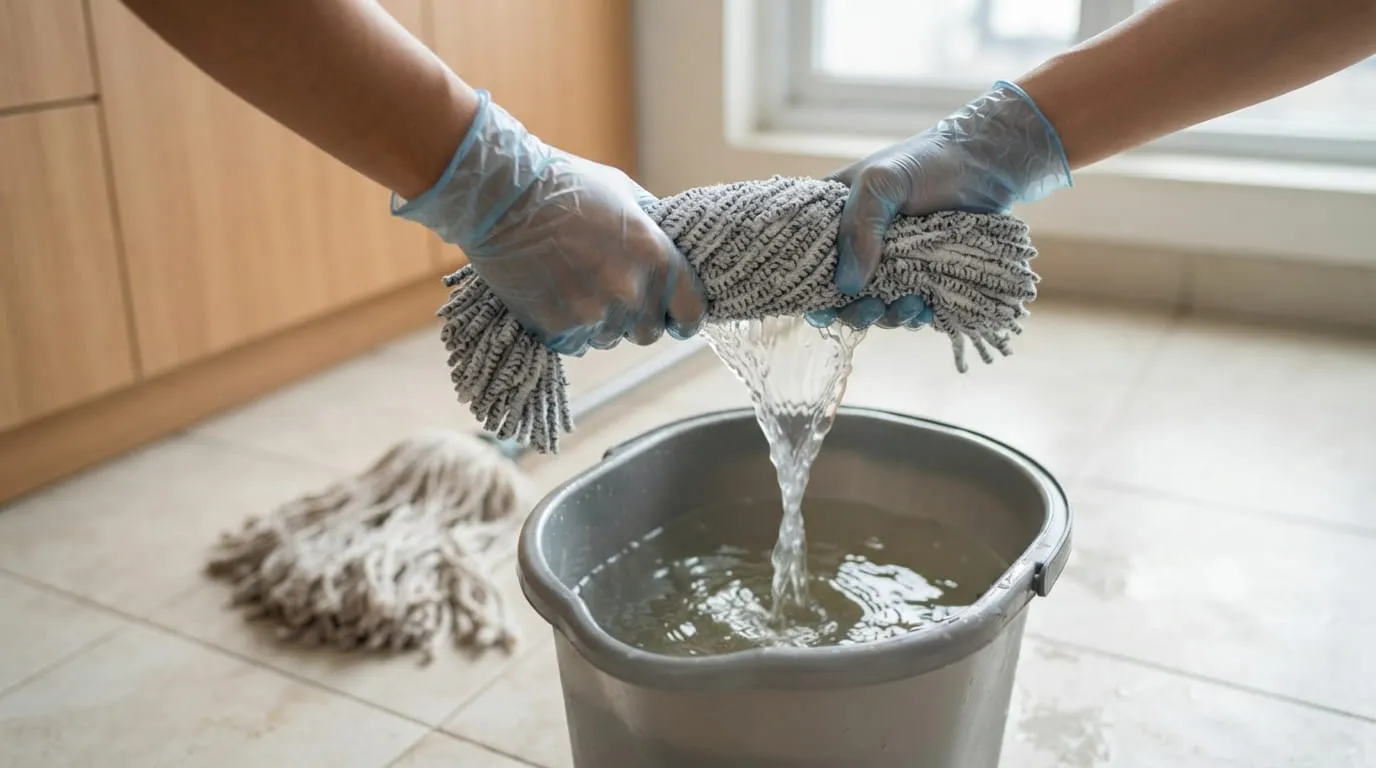
Choose a Microfiber Mop. Photo: AI Generated
The type of mop cloth used greatly affects the cleaning ability in lifting sticky residues. Conventional cotton mops often leave fine fibers or fail to absorb oil perfectly, while microfiber mops have fine fibers that can grip dirt in between their gaps.
In addition to having high absorbency for liquids and oils, microfiber mops are also very easy to wring out until almost dry. Having floors that are not too wet when mopping will speed up the evaporation process of the water and minimize the risk of stains or sticky textures appearing.
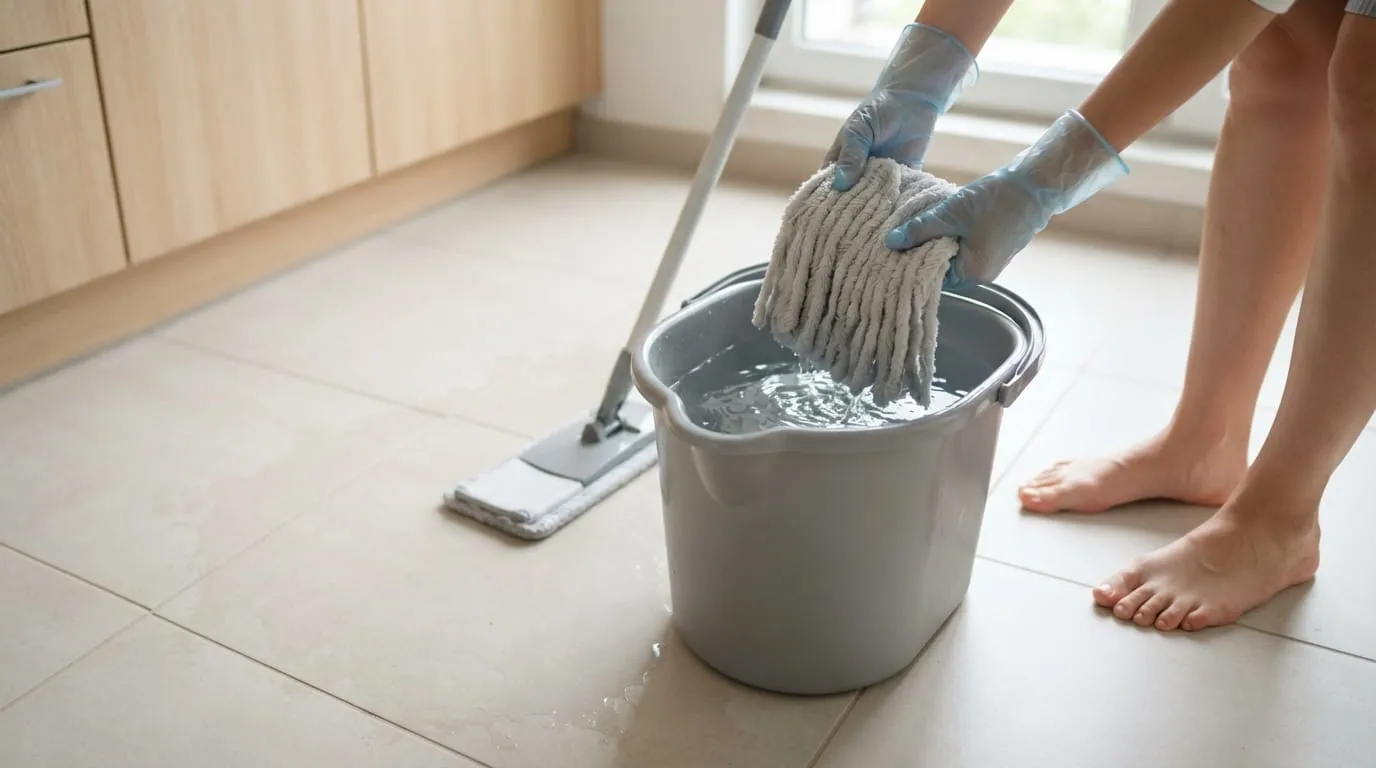
Perform the Final Rinse with Clean Water. Photo: AI Generated
The final rinse is the most frequently overlooked yet most effective step to completely eliminate stickiness. After the floor has been mopped with a cleaning solution, perform an additional round of mopping using only clean warm water without any soap mixture.
This rinsing process functions like rinsing the body after using body soap to avoid slipperiness. By ensuring that all detergent residues are lifted from the floor's pores, the floor surface will feel pure, clean, and very comfortable to walk on with bare feet.
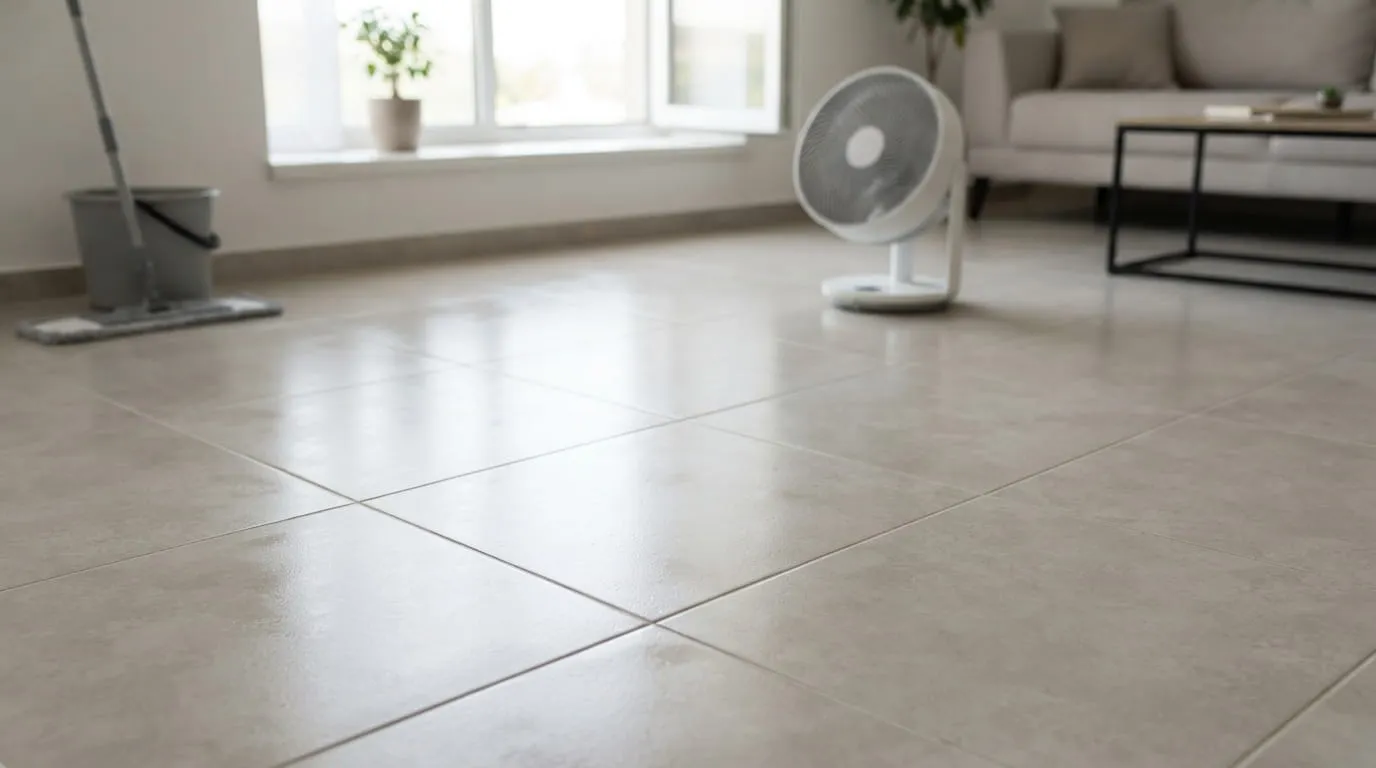
Make Sure the Floor is Perfectly Dry Before Stepping On It. Photo: AI Generated
Stepping on a floor that is still wet or damp is a major trigger for the appearance of sticky footprints. When the floor is still wet, dust particles from the air or foot soles will easily stick and create a new layer of dirt.
Therefore, ensure that the air circulation in the room is functioning well by opening windows or turning on a fan. A floor that is left to dry naturally and perfectly will radiate a clean shine and be free from the bothersome sticky sensation.
Q: Why do floors remain sticky even after mopping several times?
A: The main cause is the buildup of soap residue due to excessive cleaner measurements or the use of a dirty mop. The leftover chemicals on the floor surface will dry and create a sticky layer that attracts dust.
Q: Is it okay to use vinegar on all types of floors?
A: Vinegar is very effective at lifting grease and soap residue, but it is best to avoid using it on natural stone floors like marble or granite because its acidic nature can damage the natural protective layer. For regular ceramic or vinyl floors, a mixture of water and vinegar is very safe to use.
Q: What is the ideal measurement for floor cleaning liquid?
A: Generally, use 1 to 2 bottle caps of cleaning liquid for one bucket of water (about 5 liters). Following the dosage instructions on the product packaging is very important to prevent the buildup of residue that makes the floor sticky.
Q: How do you remove stickiness from oil spills on the floor?
A: Sprinkle absorbent materials like baking soda or flour over the oil spill area to lift the grease. After that, clean using warm water mixed with dish soap because its formula is much stronger in breaking down grease compared to regular floor cleaners.
5. Is warm water better than cold water for mopping floors? Yes, warm water is much more effective at dissolving hardened soap residue and lifting oily stains. Warm temperatures help open the surface floor pores so that trapped dirt can be lifted more effectively.
(kpl/mab)
Cobain For You Page (FYP) Yang kamu suka ada di sini,
lihat isinya
Recommendations for long-distance love films that test loyalty, from Indonesia to overseas, perfect for weekend viewing.

Recommendations for movies themed around reincarnation and past lives from various countries, complete with brief synopses.

Learn the list of foods that should not be stored in the fridge door along with the reasons according to food safety experts. Protect your family's health and prevent food from spoiling quickly.

A series of movies themed around disguise and double agents that present deep intrigue, stunning action, and unexpected plot twists that keep you guessing.

The word "kepo" which is now officially included in the KBBI, actually comes from the Hokkien language "kaypoh" meaning excessively curious, not an abbreviation of English as many people assume.
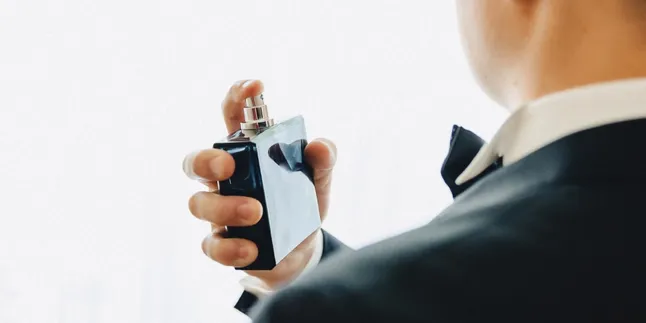
A guide to selecting perfume for your wedding day, starting from its differences with daily perfume, recommendations for scents for the bride and groom, to tips for longevity.

Feeling stuck in your annual resolutions? Learn how to get out of your comfort zone without doubt and tolerance for uncertainty now.

Discover recommendations for horse-themed movies that tell the deep bond between humans and animals. Full of inspiration, courage, and loyalty, perfect for an emotional watch.

Recommendations for Japanese films with summer festival and fireworks themes, ranging from romance to engaging family stories.

The reasons some people sleep with their feet outside the blanket according to experts relate to how the body regulates temperature for a more comfortable sleep.

Knowing how to identify trustworthy people is an important skill for healthy relationships. Check out the full explanation.

This Indian film presents the stories of tough and inspiring single mothers. From the struggle to achieve dreams to protecting their families, they prove the power of limitless love.
