

 Follow
 Rekomendasi
How to Get Out of Your Comfort Zone Without Doubt to Achieve Big Dreams
Feeling stuck in your annual resolutions? Learn how to get out of your comfort zone without doubt and tolerance for uncertainty now.
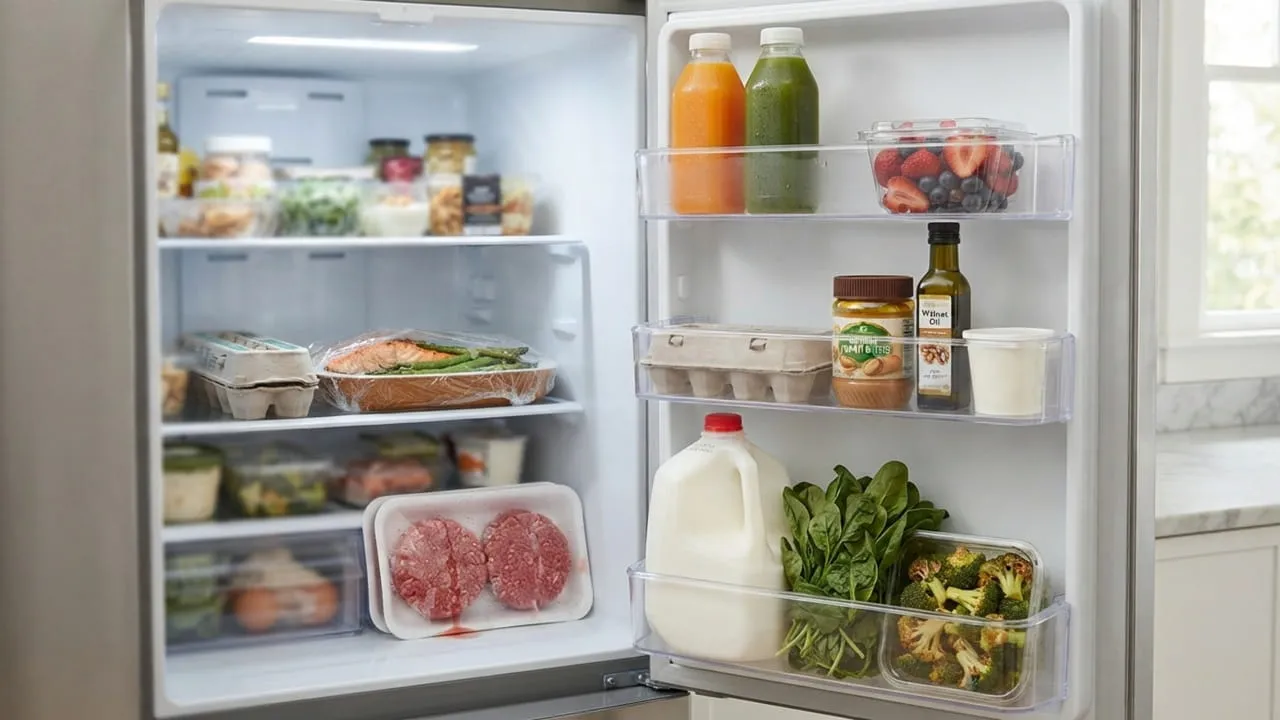
According to food safety experts, storing sensitive food items on the refrigerator door shelves can trigger rapid growth of harmful bacteria.The risk of food poisoning increases because temperatures in the door area often exceed the safe limits for cold storage.Therefore, it is important to know the list of foods that should not be stored in the refrigerator door to maintain nutritional quality and prevent food from spoiling quickly.
This article will thoroughly discuss the list of foods that should not be placed in the refrigerator door based on scientific food safety standards.Stay tuned for an in-depth review of these types of food items, the reasons behind their prohibition, and tips for proper refrigerator organization to keep food fresh and safe for consumption.
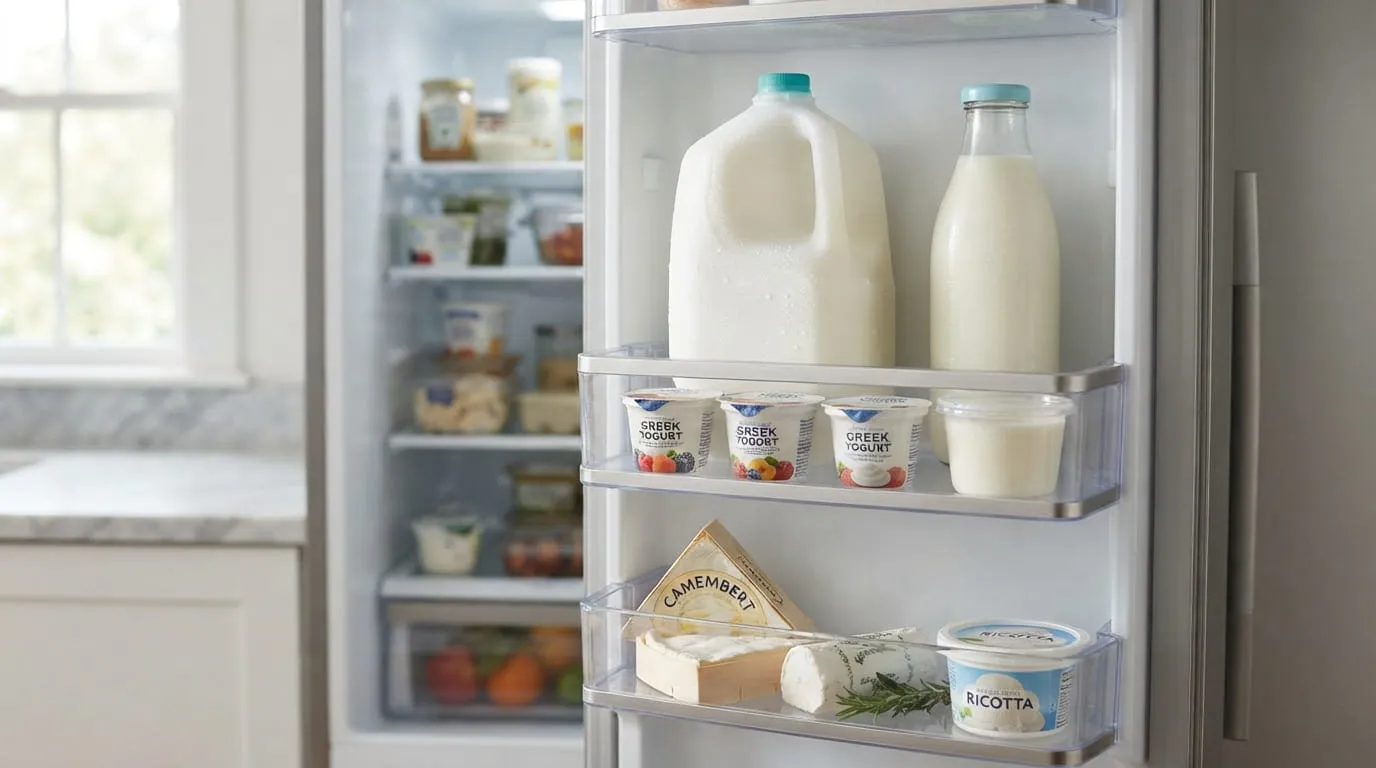
Milk and Dairy Processed Products. Photo: AI Generated
Although many refrigerator manufacturers design door shelves specifically for milk bottles, storing milk and dairy products in this area is a big mistake. Milk, yogurt, and soft cheese require very stable temperatures to maintain their nutritional content and probiotics.
According to Mark McShane, a food safety expert and chef at Food Hygiene Certificate, temperature fluctuations in the fridge door can damage the delicate enzymes and probiotics present in dairy products. As a result, the nutritional quality of dairy products will decrease drastically, causing them to spoil much faster before the expiration date arrives.
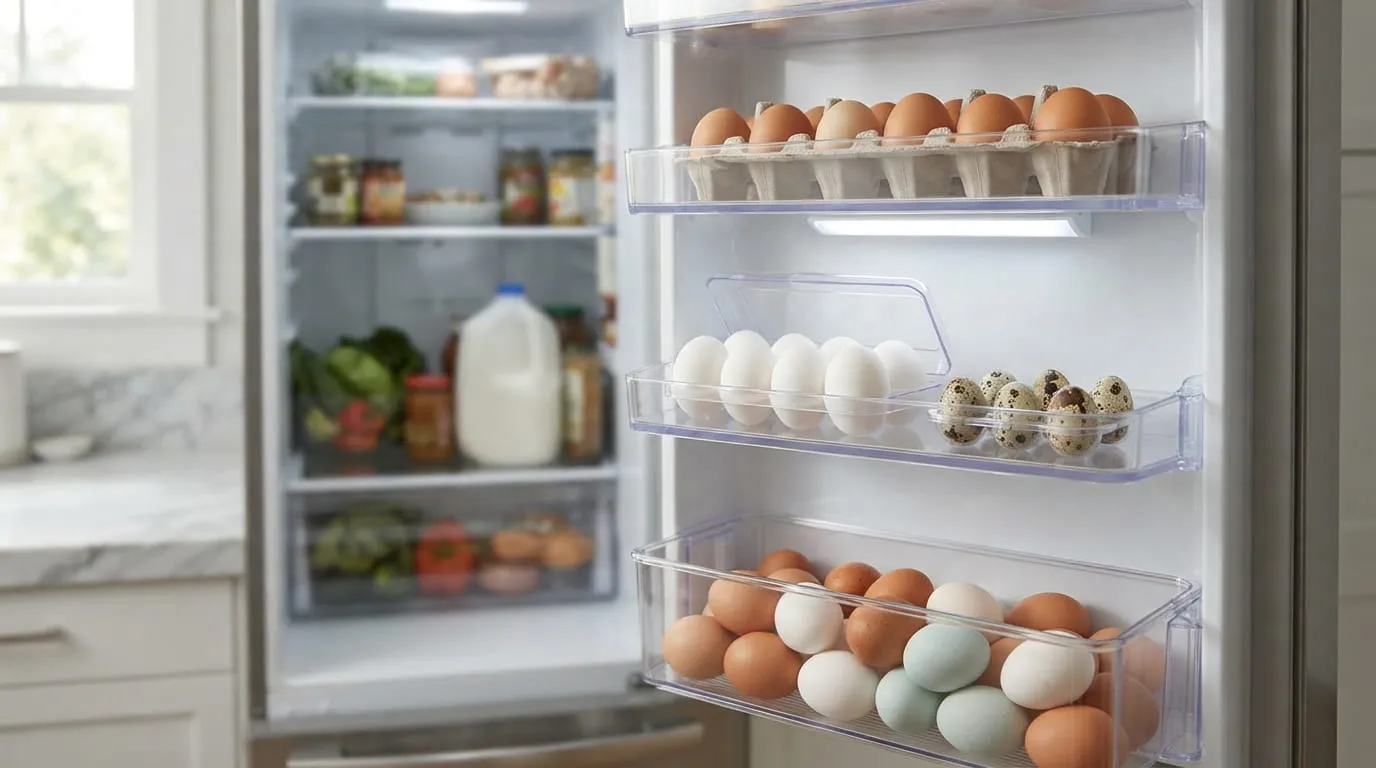
Chicken Eggs. Photo: AI Generated
Many conventional refrigerators are equipped with egg holder trays in the door, which makes people accustomed to placing them there. However, eggs require a stable and consistent cold temperature environment to stay fresh and avoid contamination from microorganisms.
Storing eggs in the fridge door makes them vulnerable to constant temperature changes every time the door is opened and closed. These temperature changes can damage the natural protective layer on the eggshell, making its pores more susceptible to external bacteria that cause spoilage.
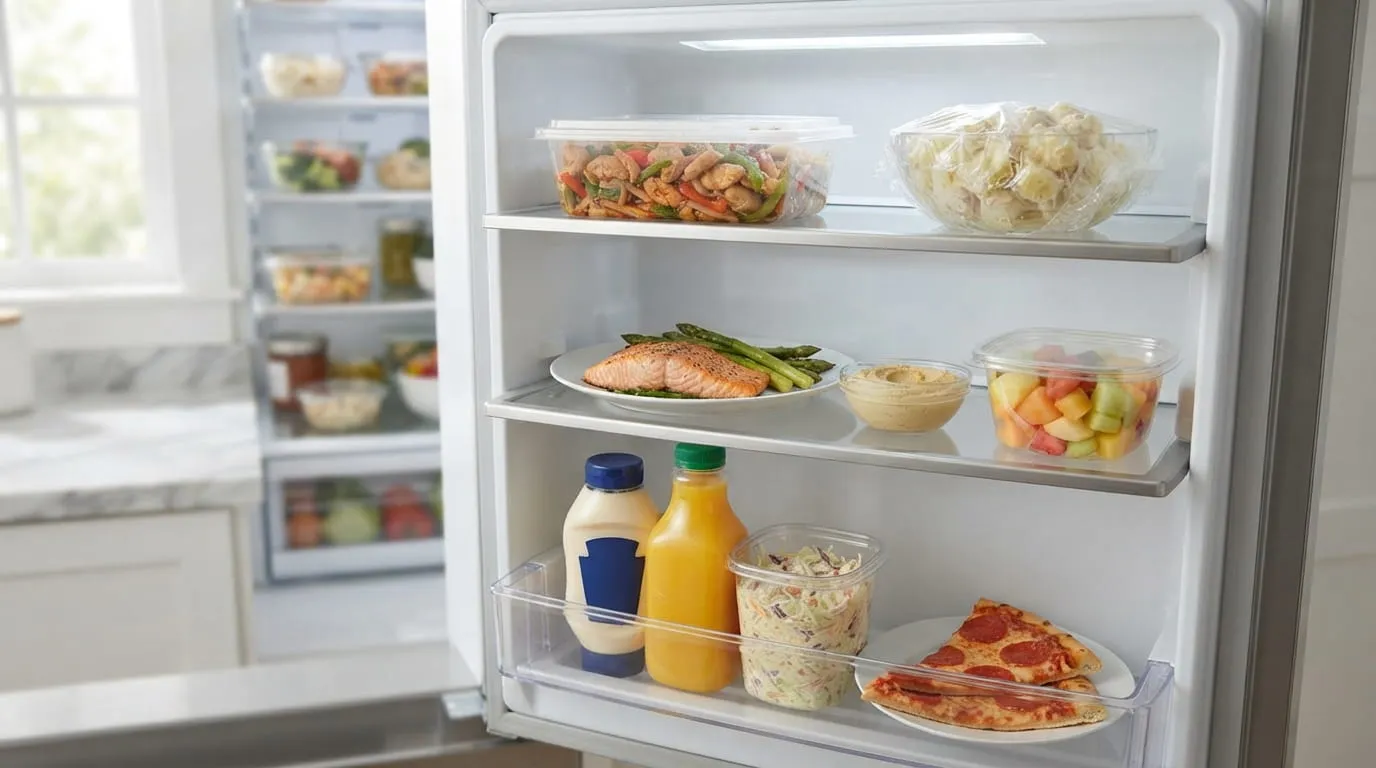
Ready-to-Eat Items and Leftover Food. Photo: AI Generated
Ready-to-eat food, cooked side dishes, and food leftovers stored in containers should not be placed at all on the refrigerator door shelf. This type of food is generally consumed directly without going through a reheating process that can kill bacteria.
Dr. Vanessa Coffman, director of the alliance at Stop Foodborne Illness, explains that the risk of foodborne illness increases when the temperature of food rises above 40 degrees Fahrenheit or about 4 degrees Celsius. At that temperature range, which often occurs in the door area, the number of bacteria can double in just 20 minutes.
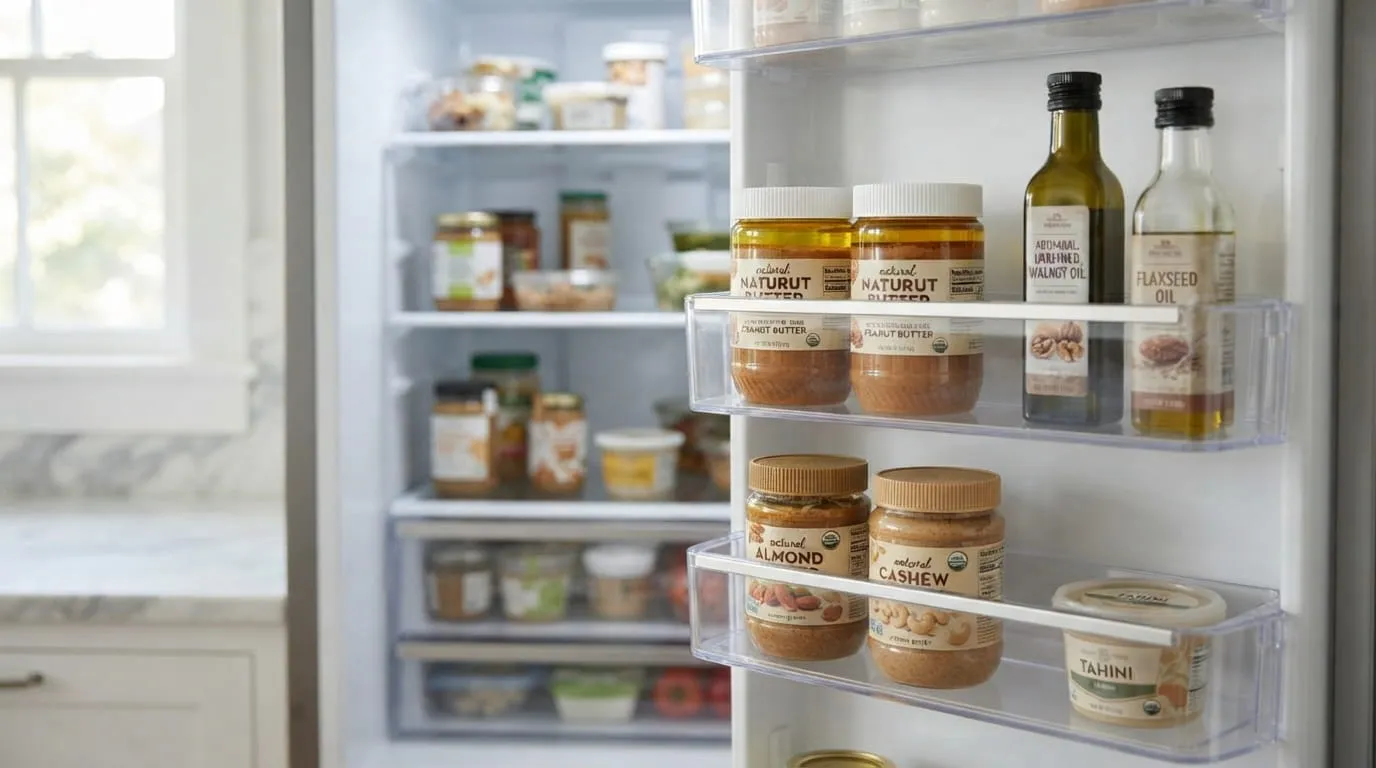
Natural Peanut Butter and Fine Oil. Photo: AI Generated
Pure or natural peanut butter that does not contain commercial preservatives is very sensitive to environmental changes. The same goes for certain types of vegetable oils that are recommended to be kept in the refrigerator to prevent rancidity.
When placed in the door of the refrigerator, repeated temperature changes will trigger the separation of oil and solid components in the peanut butter. This degradation process damages the texture of the butter, alters the taste, and accelerates the overall decline in product quality.
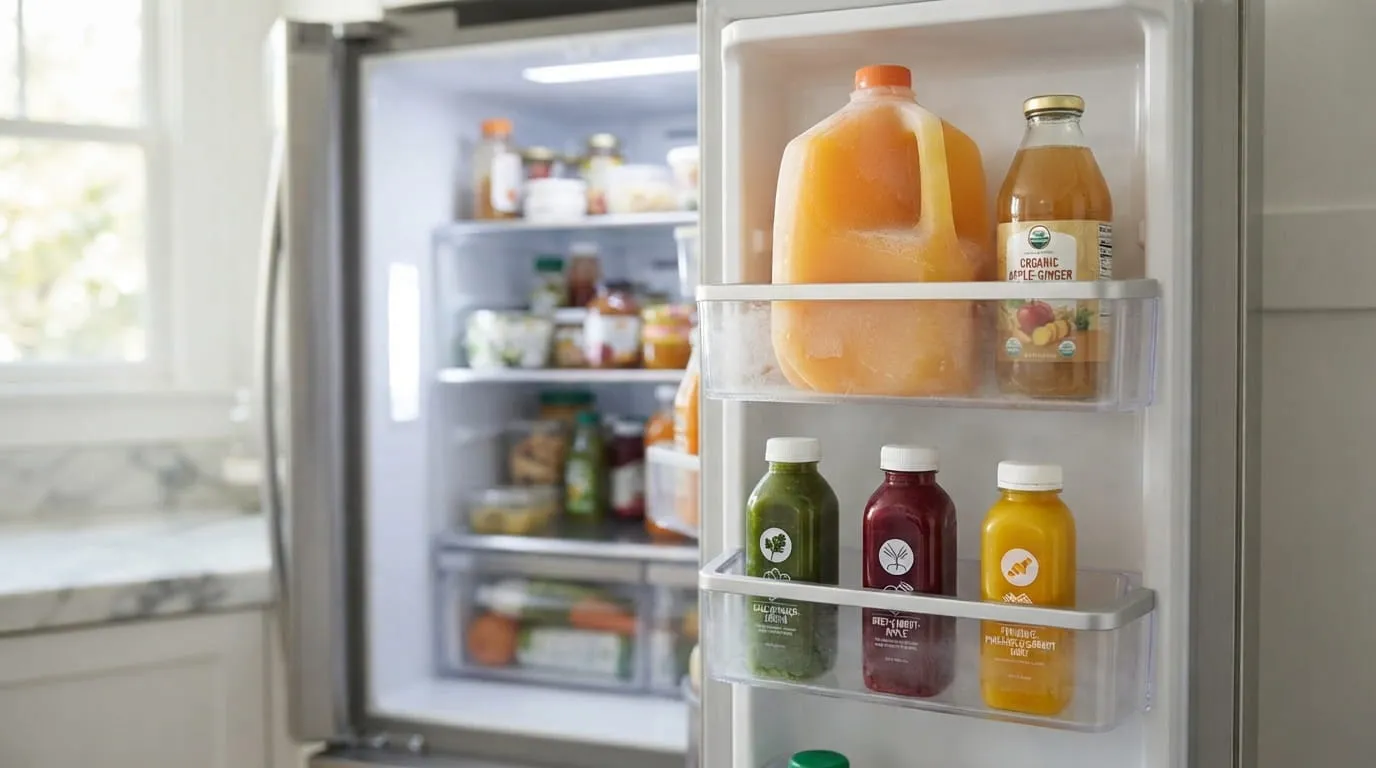
Fresh Juice and Cold-Pressed Drinks. Photo: AI Generated
Fresh fruit juice and cold-pressed beverage products are rich in vitamin C and natural antioxidants that are prone to oxidation. Exposure to fluctuating warm temperatures in the refrigerator door area will damage these important nutrients.
Mark McShane emphasizes that the oxidation and enzymatic degradation processes in fresh fruit juice occur much faster near the door shelf which is frequently exposed to outside air. This causes the vitamin C in the beverage to degrade quickly and the color and taste of the juice to become less fresh.
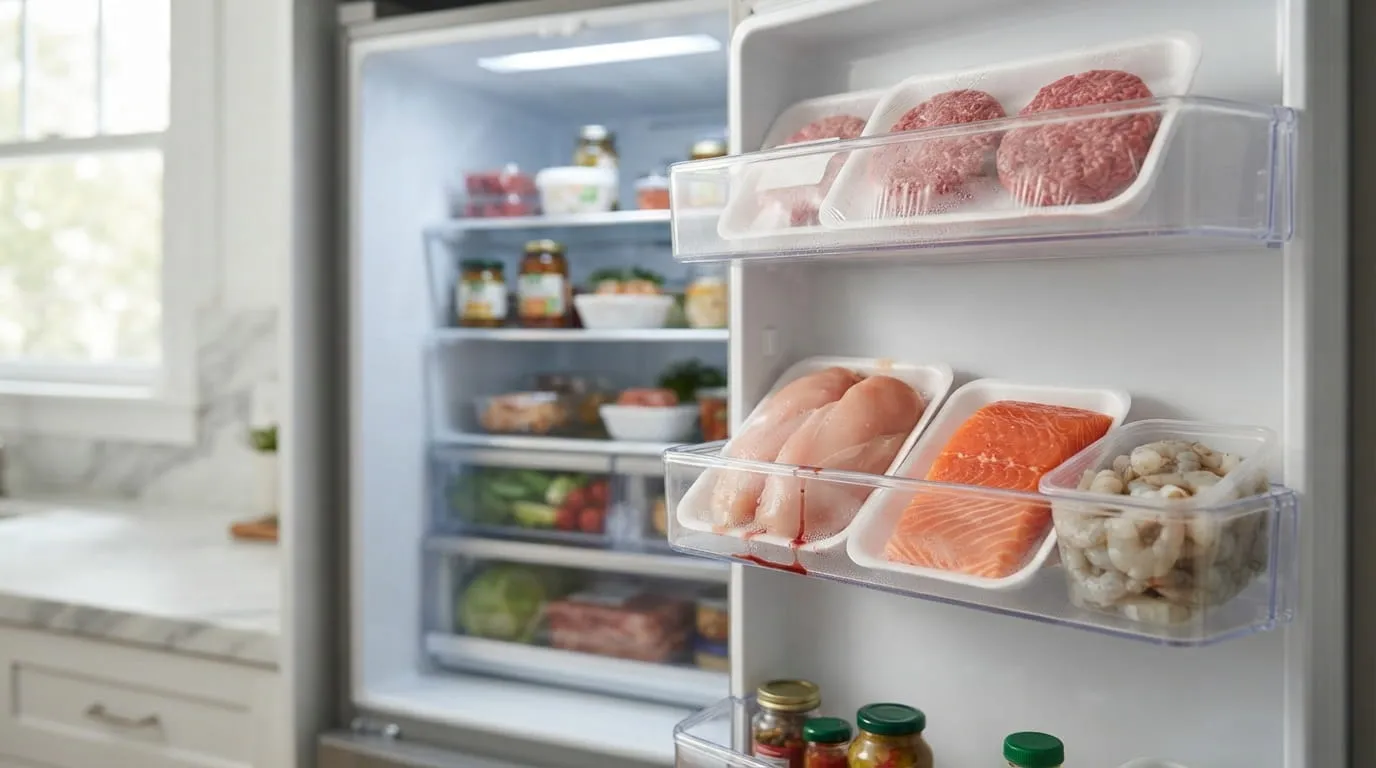
Raw Meat and Fresh Fish. Photo: AI Generated
Beef, chicken, and fresh fish should not be placed in the refrigerator door for the most fundamental food safety reasons. Temperature instability in the door area can trigger massive growth of pathogenic bacteria on raw animal protein.
In addition to temperature issues, the risk of liquid drips from raw meat on the door shelf can contaminate other areas beyond control. Raw meat must be placed on the bottom shelf inside the refrigerator, where the temperature is the coldest and most stable, to prevent cross-contamination with other foods.
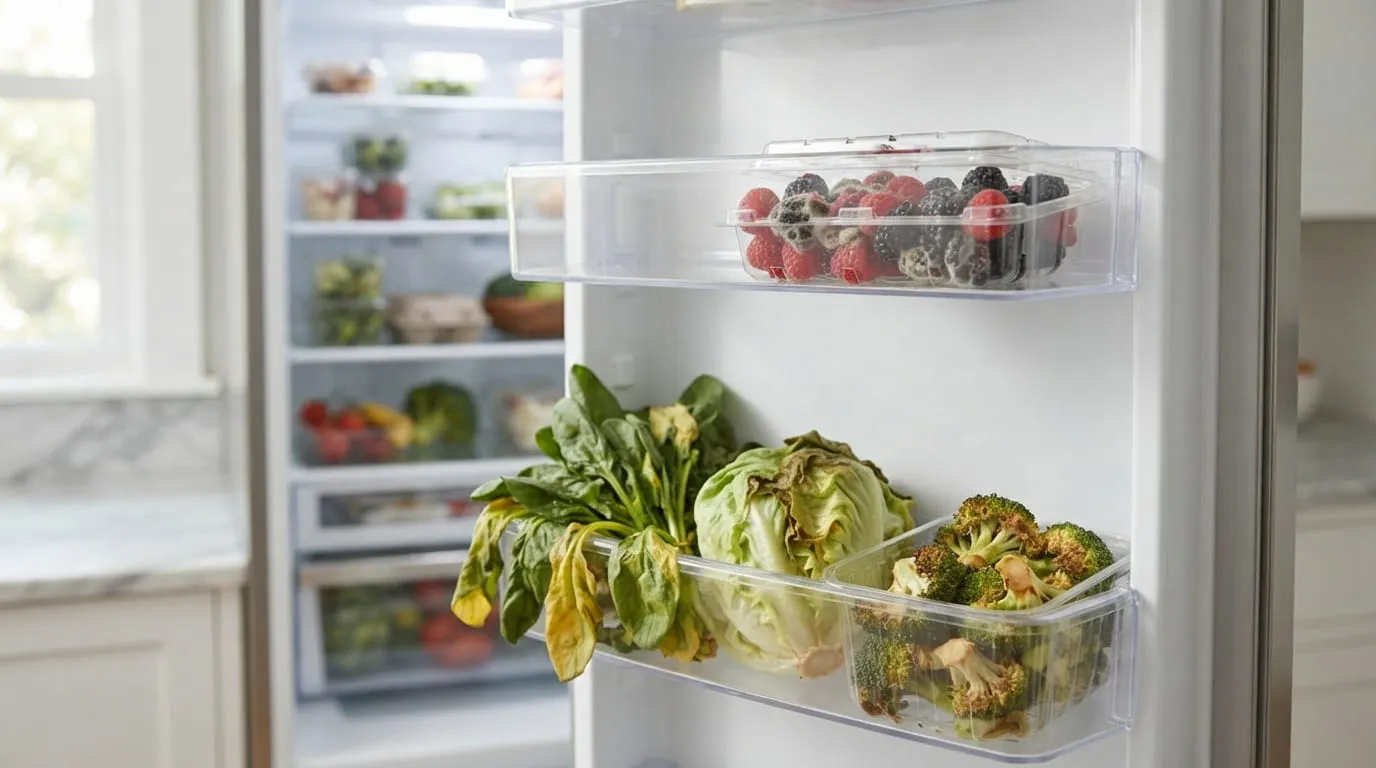
Fresh Leafy Fruits and Vegetables. Photo: AI Generated
Fresh fruits like berries and various green vegetables are very sensitive to microclimate changes inside the refrigerator. Storing them in the fridge door will actually accelerate wilting, texture damage, and spoilage.
Temperature and humidity fluctuations in the fridge door can turn fresh produce from the market into something that spoils faster and ends up as compost. Ideally, this group of fresh food should be placed in the special moisture storage drawer (crisper drawer) inside the refrigerator.
Q: Why is the temperature at the refrigerator door warmer compared to the inside?
A: The refrigerator door is the part that is most often exposed directly to room temperature air every time the fridge is opened, making its temperature the least stable and higher than the inner shelves.
Q: What types of food are safe to store in the refrigerator door?
A: The refrigerator door area is only meant for shelf-stable products that have high acid, salt, or sugar content that inhibit bacteria, such as chili sauce, soy sauce, mustard, vinegar, and commercial jams.
Q: How should you organize the contents of the refrigerator properly so that food doesn't spoil easily?
A: Store highly perishable items like milk, meat, and cooked food on the middle or bottom shelves of the refrigerator where the temperature is coldest and most stable, and use the special drawer for fruits and vegetables.
(kpl/mab)
Cobain For You Page (FYP) Yang kamu suka ada di sini,
lihat isinya
Feeling stuck in your annual resolutions? Learn how to get out of your comfort zone without doubt and tolerance for uncertainty now.

Create an oasis at home with plants that are suitable to combine with coral stones in the garden. The combination of green colors and natural stones is refreshing.

Ornamental plants that are easy to propagate for sale can be a choice for beginners who want to start a plant business from home.
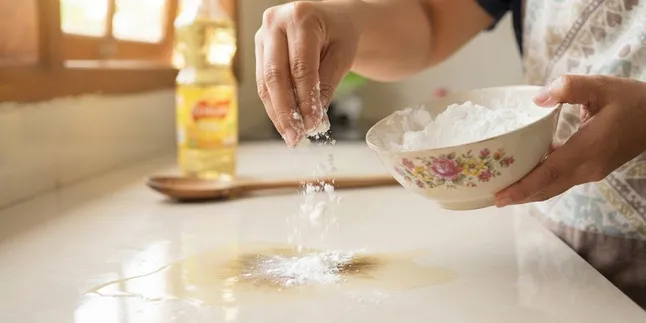
Clean stubborn oil stains at home easily using cornstarch! Check out these 7 practical and effective methods.
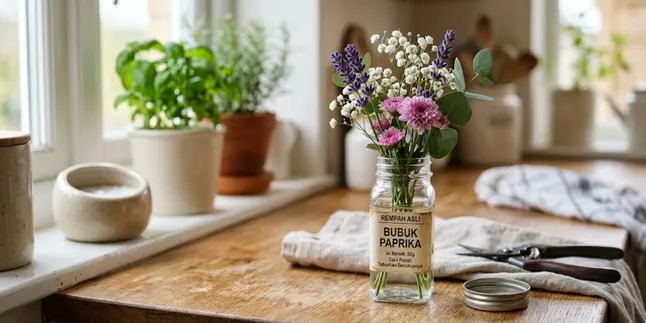
Don't rush to throw away used spice jars; they can be transformed into useful items, ranging from daily spice containers, mini vases, to DIY aromatherapy candles.
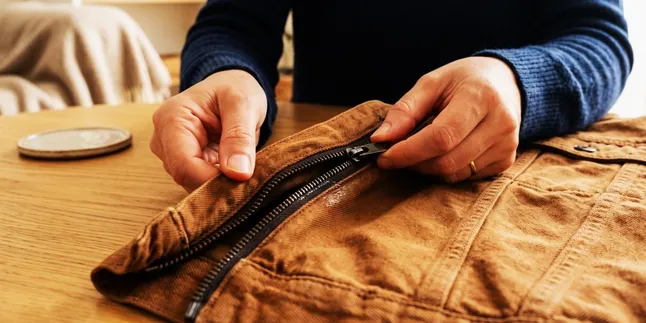
Coconut oil can actually be a lifesaver for stuck zippers! This natural lubricant is effective in reducing friction and restoring the movement of the zipper without damage.
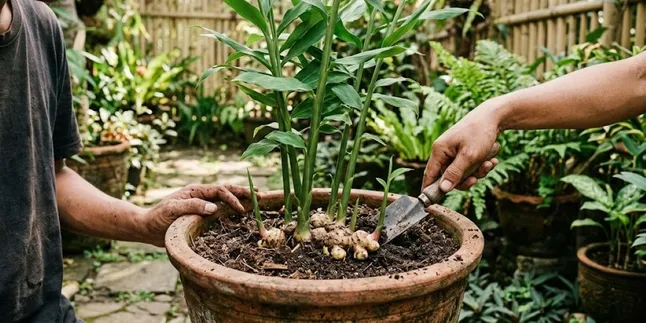
Learn how to care for ginger in pots to grow quickly and be harvested at home. A practical gardening guide for beginners in limited spaces.

Want to have your own fresh vegetables? Baby kailan is the right choice for limited space. Here’s an easy way to plant it in pots or polybags for quick harvesting and always have supplies at home.

Want to cultivate dragon fruit at home? Check out this step-by-step guide on how to plant dragon fruit from cuttings that is easy, simple, and effective for quick and lush growth.
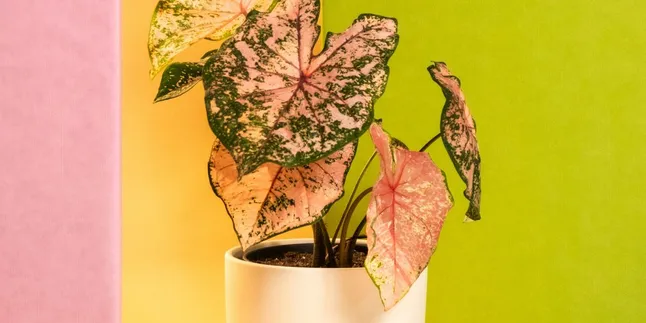
How to overcome curling and wilting taro leaves by identifying the causes and appropriate care steps.
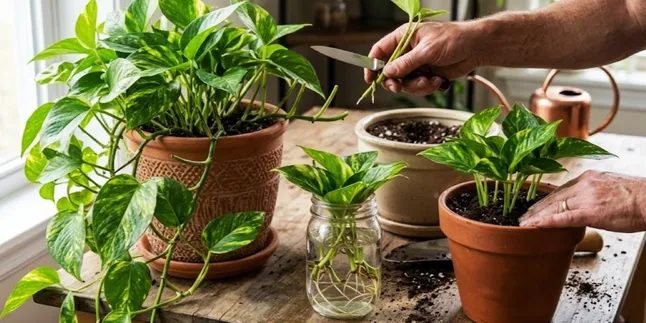
How to propagate pothos using water, planting media, and layering to quickly grow roots and produce new seedlings.
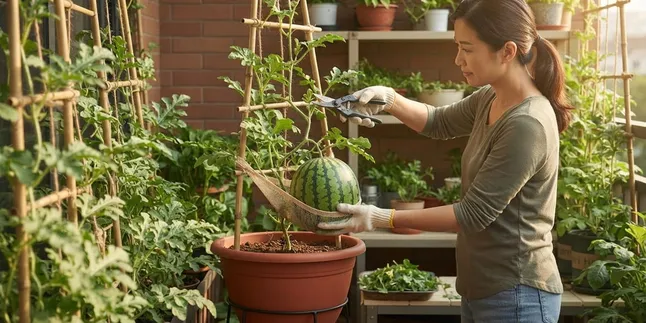
Learn the complete way to plant watermelon in narrow land using pots or polybags. Find tips on choosing mini varieties, planting media, care, and pruning to ensure abundant and sweet fruits.
